Images of 15 Global Dishes That Are Surprisingly Unhealthy
Food photography has a way of making everything look irresistible. Those glossy images of international cuisine flooding your social media feed tell stories of flavor, tradition, and cultural richness.
What they don’t reveal is the nutritional reality hiding behind the camera angles and perfect lighting. Some of the world’s most beloved dishes pack more calories, sodium, and saturated fat than anyone expects.
These aren’t your obvious fast-food culprits — they’re cherished recipes that have fed families for generations, elevated by restaurants into Instagram-worthy presentations that mask their dietary impact.
Peking Duck
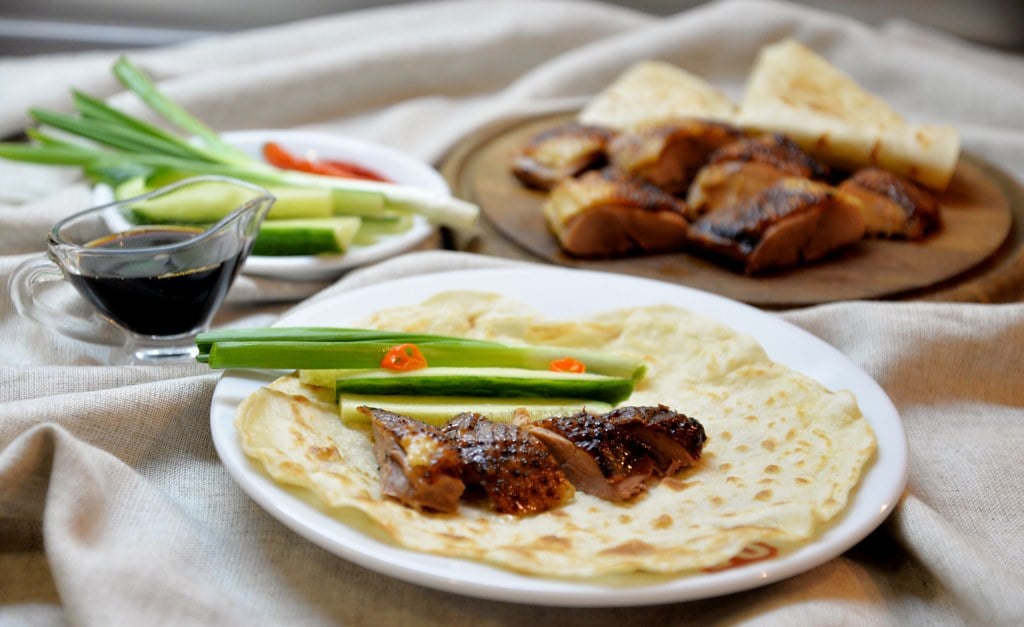
Peking duck arrives at the table like edible theater. The crispy skin glistens under restaurant lighting. The ceremony of carving draws everyone’s attention.
That magnificent presentation conceals roughly 1,200 calories per serving — and that’s before you add the pancakes, hoisin sauce, and scallions. The skin alone contains about 60% fat content, mostly saturated.
A single dinner portion delivers nearly a full day’s worth of sodium and more cholesterol than most people should consume in 48 hours. The traditional preparation involves air-drying the duck for hours, then roasting it until the skin becomes candy-crisp.
Delicious, but the process concentrates fat in ways that transform what could be lean protein into something closer to edible butter.
Fish and Chips
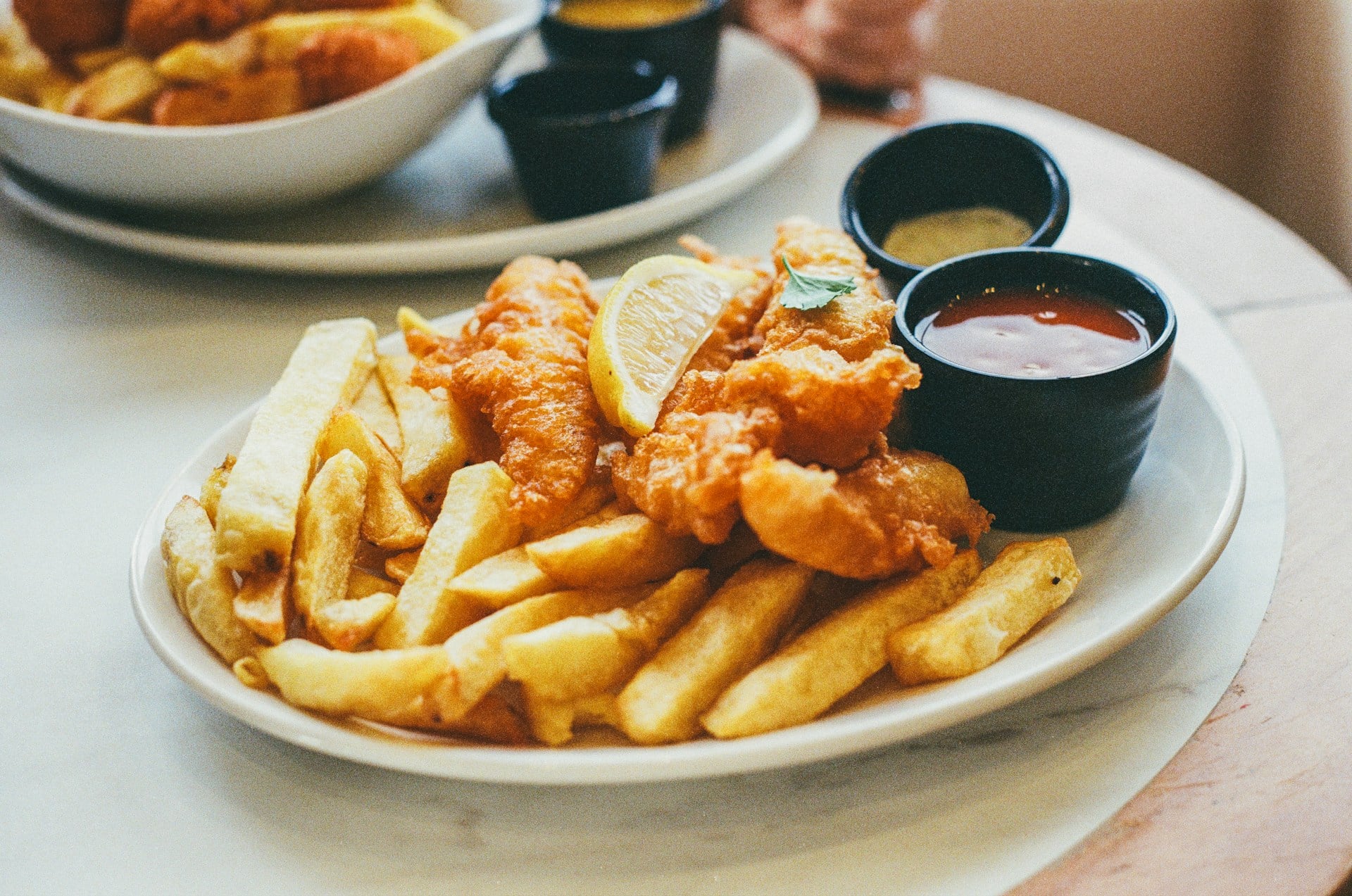
Fish and chips gets filed under “healthier takeout” because, well, it’s fish. Fish is good for you, right? That logic crumbles (literally) when you consider the preparation.
The fish — usually cod or haddock — gets dunked in beer batter, then deep-fried until golden. The chips follow the same oil bath, often twice for extra crispiness.
What emerges is a meal that can easily hit 1,500 calories, with roughly half those calories coming from oil. The real kicker is the sodium content, which often exceeds 2,000 milligrams per portion — nearly an entire day’s recommended limit in one sitting.
Traditional malt vinegar and mushy peas don’t help the numbers, but at that point, who’s counting?
Ramen
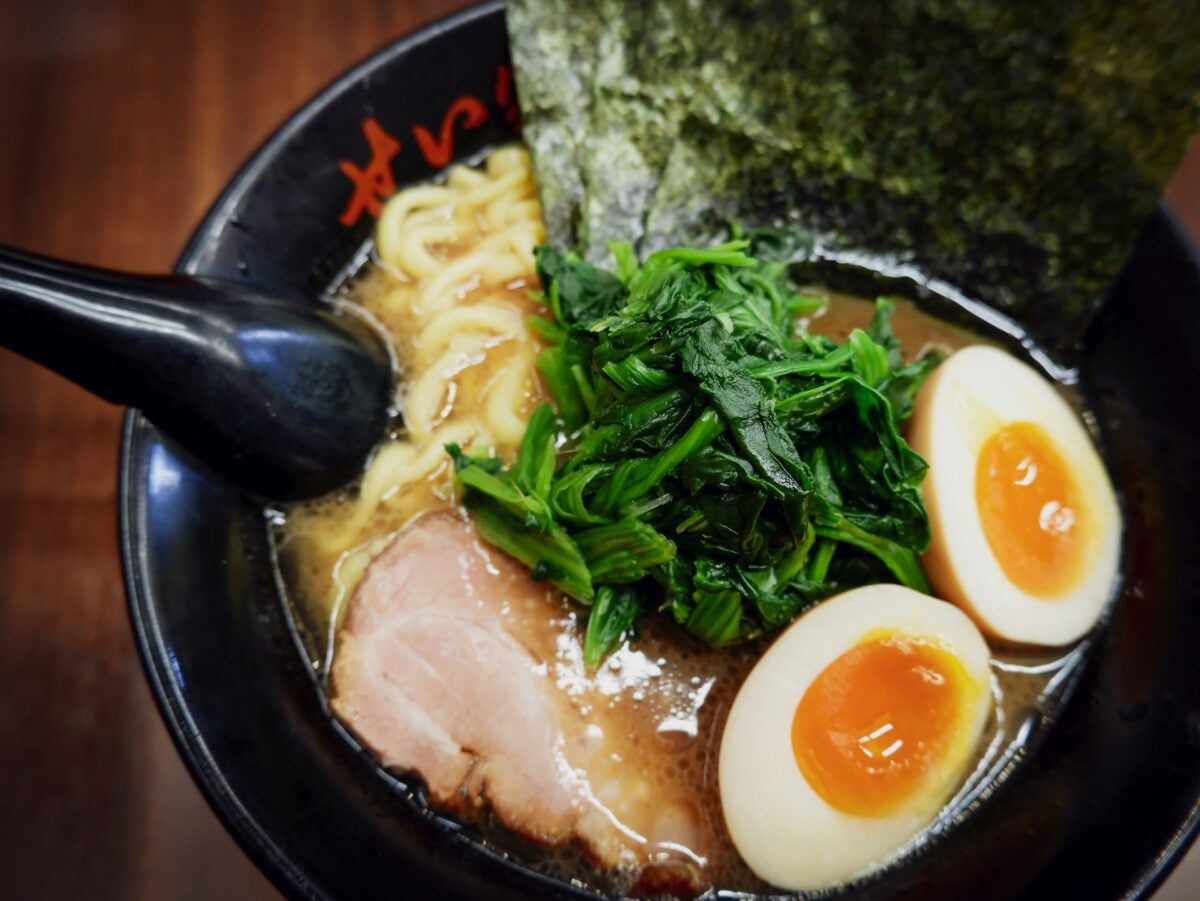
There’s something almost medicinal about a steaming bowl of ramen — the way the broth warms you from the inside, how the noodles tangle perfectly around your chopsticks (when you finally figured out that particular skill), and the almost ritualistic way you find yourself leaning over the bowl, breathing in the steam like it might cure whatever’s wrong with the day. But that comfort comes with a price tag your body wasn’t expecting.
A single bowl often contains more sodium than you should consume in an entire day, sometimes approaching 3,000 milligrams when restaurants get heavy-handed with miso paste and soy-based seasonings. The noodles themselves, while satisfying in that distinctly chewy way, are often fried before packaging — even the “fresh” ones — which adds layers of oil your digestive system has to navigate.
And the broth, that liquid gold that makes everything else worthwhile? It’s frequently built on a foundation of pork fat that’s been simmered for hours until it becomes something closer to liquid silk than soup. So you’re essentially drinking concentrated salt water flavored with rendered fat, but somehow it still feels like self-care.
Moussaka
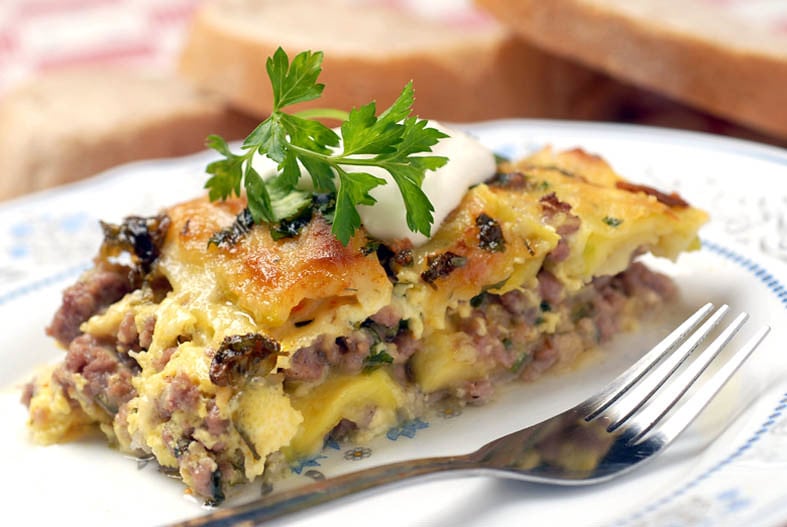
Moussaka represents everything wrong with calling something “Mediterranean” and assuming it’s healthy. Sure, it contains eggplant and tomatoes — vegetables that sound virtuous on paper.
The reality involves layers of fried eggplant swimming in oil, ground meat that’s been sautéed in more oil, and a thick béchamel sauce made with butter, flour, and heavy cream. The whole construction gets baked until bubbly, which mostly serves to meld all that fat into one cohesive, calorie-dense mass.
A typical restaurant portion clocks in around 800 calories, with enough saturated fat to make your cardiologist frown. The sodium content isn’t much better, thanks to the cheese, the seasoned meat, and whatever salt was used to draw moisture from those eggplant slices.
Pad Thai
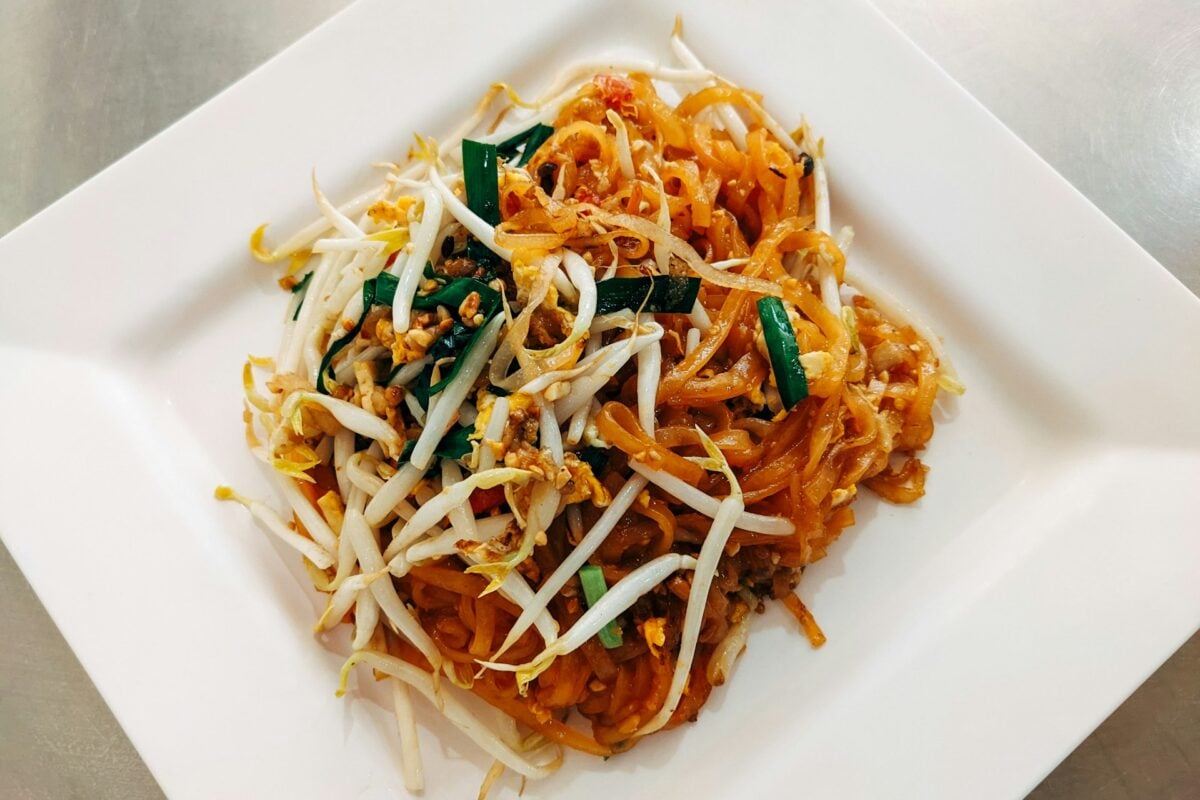
The trouble with Pad Thai starts with good intentions and ends with a plate of candy masquerading as dinner. Those rice noodles get tossed in a sauce that’s primarily sugar — tamarind paste, palm sugar, and fish sauce create a flavor profile that hits sweet, salty, and umami all at once (which explains why it’s so addictive).
Add the oil used to stir-fry everything together, the crushed peanuts sprinkled on top, and whatever protein you’ve chosen, and you’re looking at a dish that can easily surpass 1,000 calories before you’ve even noticed the bean sprouts. The portion sizes don’t help matters — what American restaurants serve as Pad Thai would feed two people in Thailand, but somehow it all fits on one plate and disappears faster than seems physically possible.
The leftovers never taste quite right the next day, which forces you to finish the entire portion in one sitting whether you meant to or not.
Chicken Tikka Masala
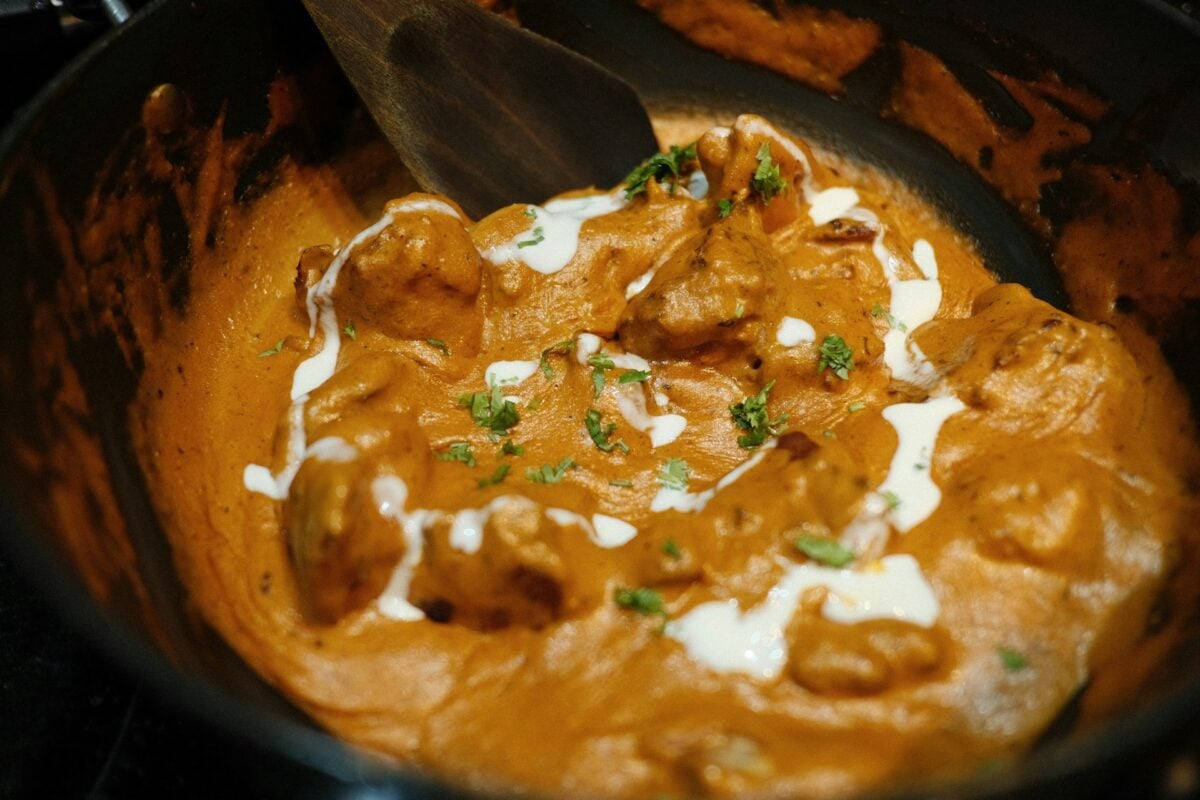
Chicken tikka masala tastes like comfort food wrapped in exotic spices, but it’s essentially chicken swimming in cream sauce with a tan. The marinade process seems healthy enough — yogurt, spices, maybe some lemon juice.
Then the chicken gets grilled or roasted, which still sounds reasonable. But the masala sauce is where things go sideways.
Heavy cream, butter, more cream, and enough oil to make the whole thing glisten under restaurant lighting. The result tastes complex and satisfying, but delivers around 1,200 calories per serving.
The rice underneath adds another 300-400 calories of refined carbohydrates, and the naan bread — because nobody orders tikka masala without naan — contributes another 400 calories of white flour and ghee. You’re basically eating a day’s worth of calories in one sitting, but it goes down so smoothly that you barely notice.
General Tso’s Chicken
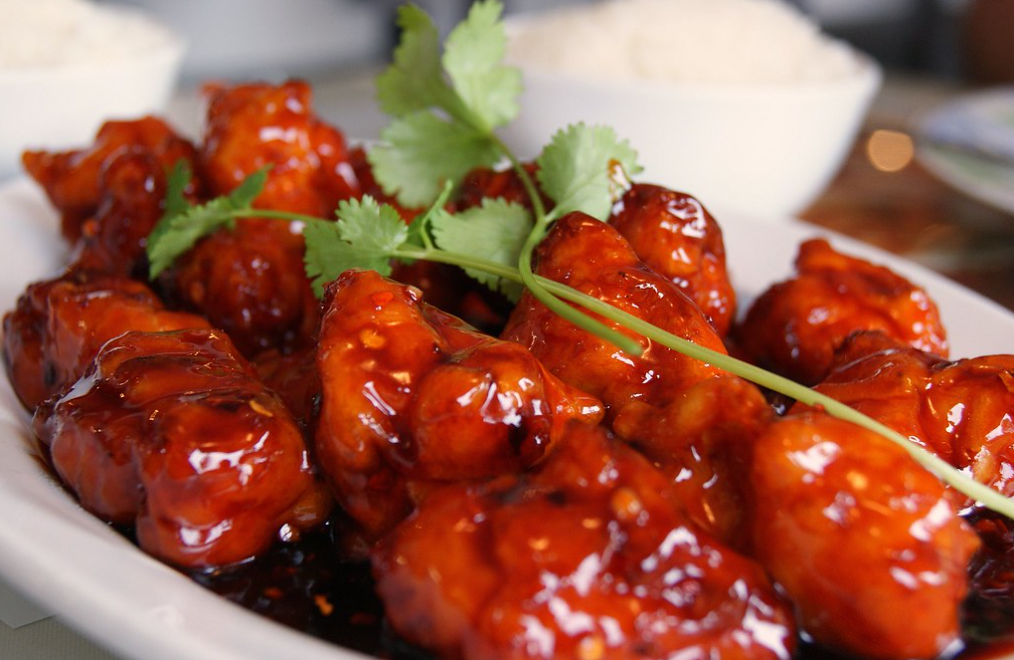
General Tso’s chicken occupies this weird space where everyone knows it’s not actually Chinese food, but nobody cares because it tastes like childhood and bad decisions in the best possible way. The preparation involves coating chicken pieces in batter, deep-frying them until they’re golden and crispy, then tossing them in a sauce that’s primarily corn syrup and soy sauce with enough red food coloring to make it look festive.
It’s essentially chicken-flavored candy with a side of steamed broccoli that nobody touches but makes everyone feel slightly better about their choices. A typical order contains around 80 grams of sugar — more than two cans of Coke — plus enough sodium to make your blood pressure monitor beep in protest.
The calorie count usually hovers around 1,500 per serving, but the serving size is determined by whatever fits in the takeout container, which is apparently “as much as physically possible.”
Eggs Benedict

Eggs Benedict looks elegant on a brunch menu. Two poached eggs, Canadian bacon, English muffin, hollandaise sauce. Sounds almost restrained.
Hollandaise sauce is basically melted butter held together with egg yolks and wishful thinking. The traditional recipe calls for a stick of butter per four servings, which means each portion gets roughly two tablespoons of pure butter spooned over the top.
Add the buttered English muffin underneath, and you’re consuming about 1,000 calories before you’ve touched the hash browns. The sodium content hits around 2,000 milligrams per plate, mostly from the Canadian bacon and whatever salt was used to season everything else.
It tastes like luxury, but it’s really just breakfast dressed up in its Sunday clothes.
Fettuccine Alfredo
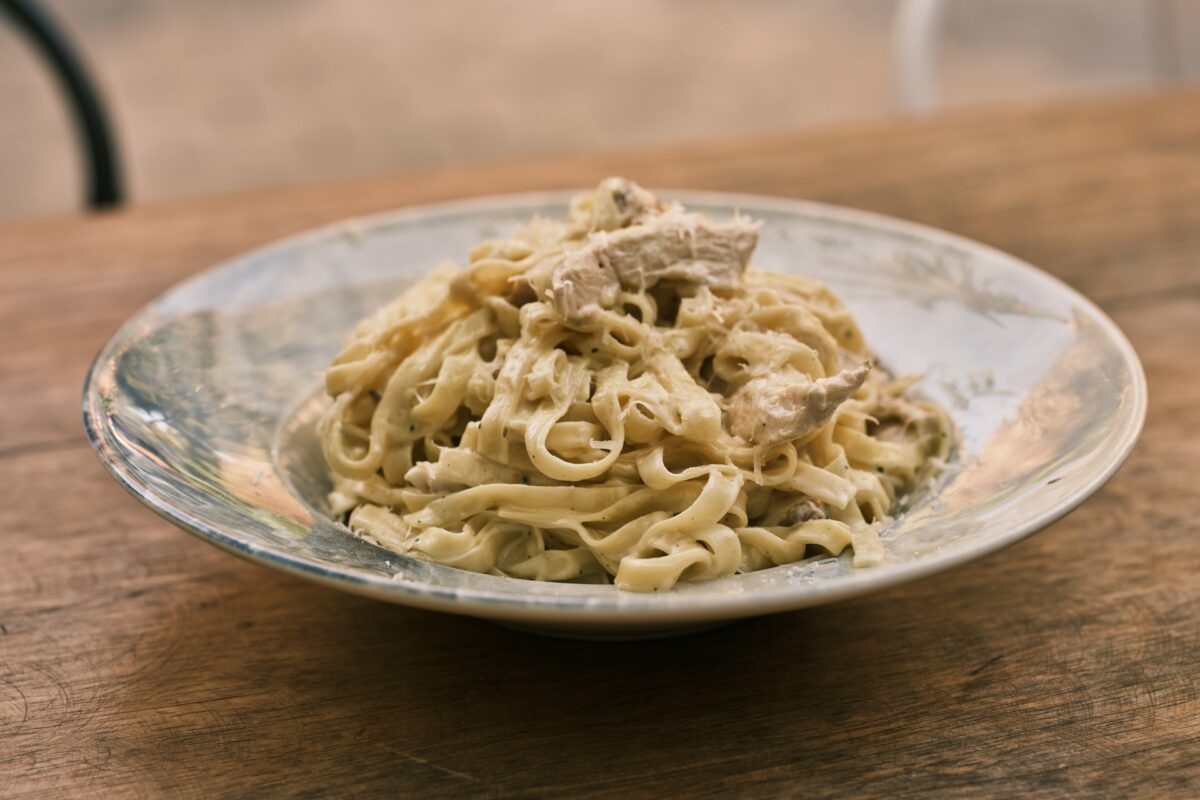
Fettuccine Alfredo became popular in America because it tastes like someone took pasta and made it into a hug — creamy, rich, comforting in that way that makes you forget about everything else happening in the world, at least until you finish eating and remember why your jeans don’t fit the same way they used to. The original Roman version was relatively simple: pasta, butter, Parmigiano-Reggiano cheese, and pasta water to bring it all together into something silky and satisfying.
But American restaurants decided that wasn’t quite rich enough, so they started adding heavy cream, more butter, sometimes cream cheese, until what emerged was essentially pasta drowning in dairy fat with enough calories to power a small village. A typical restaurant portion contains around 1,500 calories and enough saturated fat to make your cardiovascular system file a formal complaint.
The portion sizes compound the problem — what arrives at your table could reasonably feed three people, but it’s presented as an individual serving, and the sauce doesn’t reheat well, so you’re basically obligated to finish the entire plate in one sitting.
Shepherd’s Pie
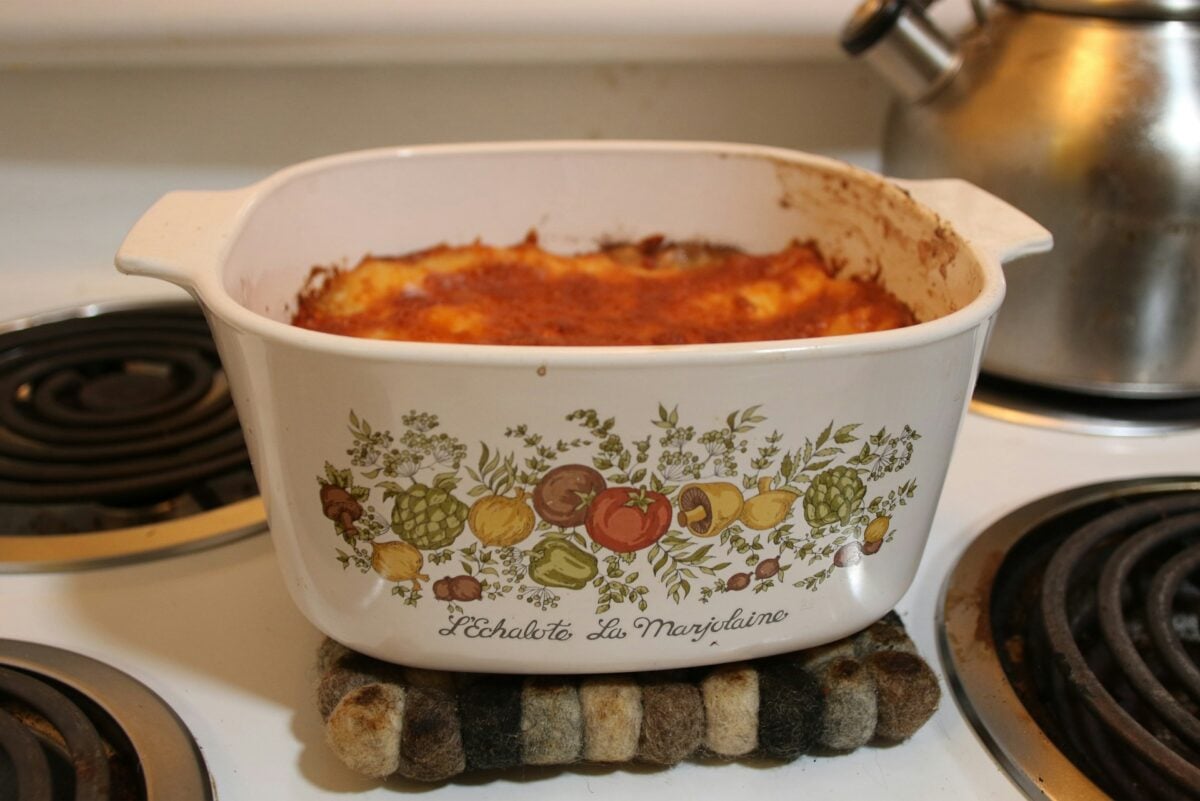
Shepherd’s pie gets a health halo because it contains vegetables and seems like honest, working-class food. The reality involves ground lamb (or beef, if we’re being technical about the name) that’s been browned in oil, mixed with vegetables that have also been sautéed in oil, then topped with mashed potatoes loaded with butter and cream.
The whole construction gets baked until the top turns golden, which mostly serves to concentrate all the fat into a cohesive, calorie-dense mass. A single serving easily hits 800-900 calories, with enough saturated fat to make nutritionists wince.
The sodium content isn’t much better, thanks to the seasoned meat and whatever salt was used to make those mashed potatoes taste like something worth eating.
Chicken Parmigiana
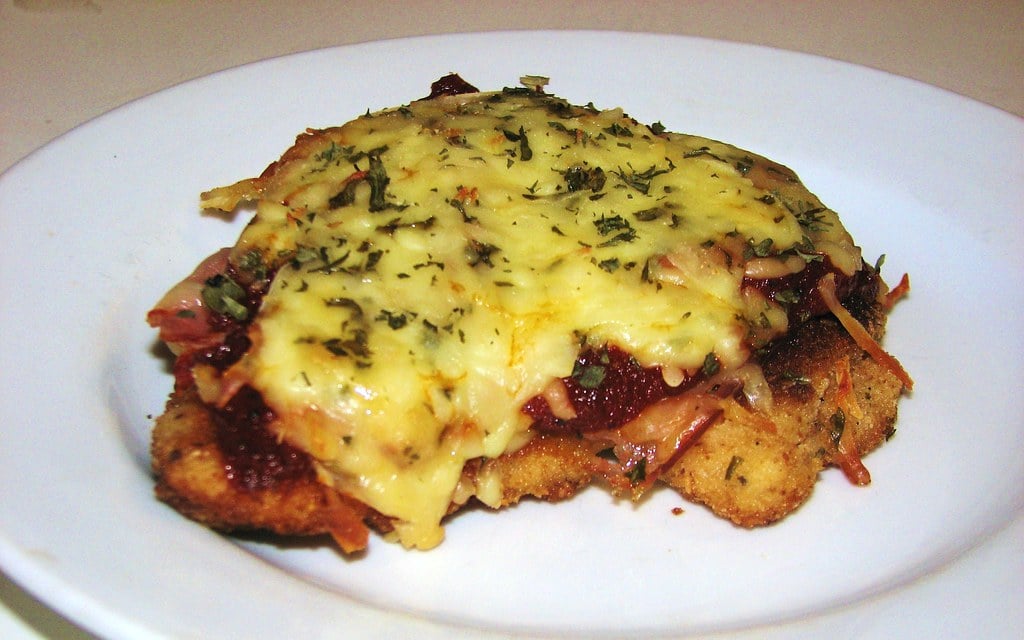
Chicken parmigiana represents the Italian-American dream of taking something good and making it bigger, cheesier, and more excessive in every possible way. The chicken breast gets pounded flat, breaded, and deep-fried until golden (which is already pushing 600 calories before we add anything else), then it’s smothered in marinara sauce and enough melted mozzarella to create structural integrity issues.
The whole thing usually comes with a side of spaghetti, because apparently one source of carbohydrates isn’t sufficient when you’re already committed to dietary chaos. The final plate often contains more than 2,000 calories and enough sodium to make your blood pressure monitor start beeping ominously.
But it tastes like comfort food and childhood memories, so most people finish the entire portion while promising themselves they’ll eat salad tomorrow.
Beef Stroganoff
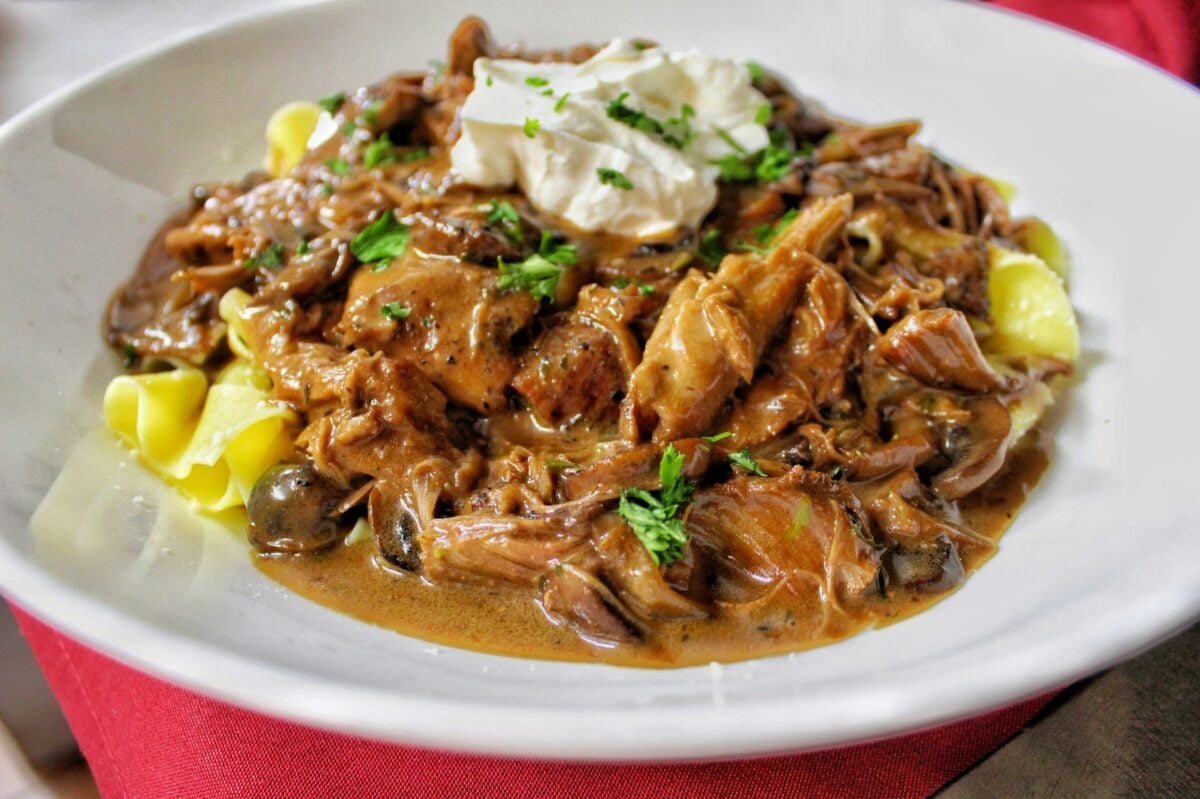
Beef stroganoff sounds fancy enough to justify the calories, but it’s really just beef and mushrooms swimming in sour cream with a side of noodles for moral support. The traditional preparation involves sautéing beef strips in butter, adding mushrooms that have also been cooked in butter, then finishing everything with sour cream and more butter until the sauce reaches the proper consistency (which is apparently “thick enough to coat a spoon”).
Served over egg noodles or rice, a typical portion delivers around 1,200 calories with enough saturated fat to make your arteries stage a protest. The dish tastes rich and satisfying in that way that makes you understand why it became popular, but it’s essentially comfort food disguised as international cuisine.
The leftovers are even richer the next day, which should probably tell you something about the fat content.
Sweet and Sour Pork
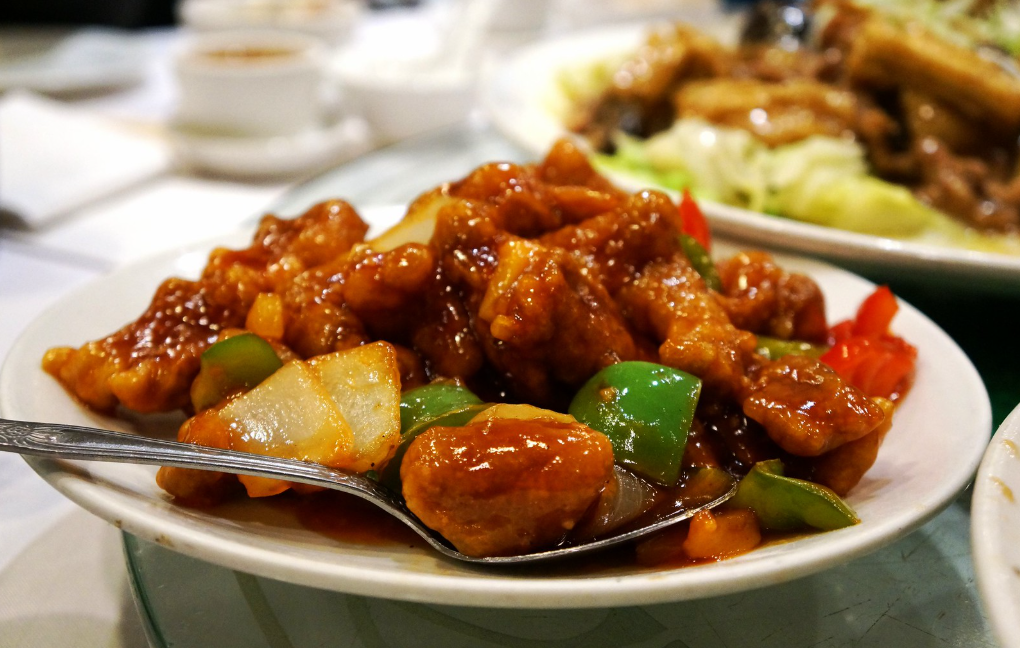
Sweet and sour pork commits to its name with the dedication of someone who doesn’t understand the concept of moderation — it’s aggressively sweet, unapologetically sour, and colored with enough food dye to make traffic cones jealous. The pork gets battered and deep-fried until it achieves that particular texture that’s somehow both crispy and chewy (a culinary achievement that probably took years to perfect), then it’s tossed in a sauce that’s essentially corn syrup and vinegar with some pineapple chunks thrown in to make it seem like there’s fruit involved.
The sugar content often exceeds 60 grams per serving — more than most desserts — but because it’s served alongside rice and vegetables, it feels like a legitimate dinner choice. A typical order contains around 1,400 calories, but the portions are sized for sharing, which means you’re supposed to eat it with other people who might help you finish everything before it gets cold and loses whatever textural appeal it started with.
Bangers and Mash
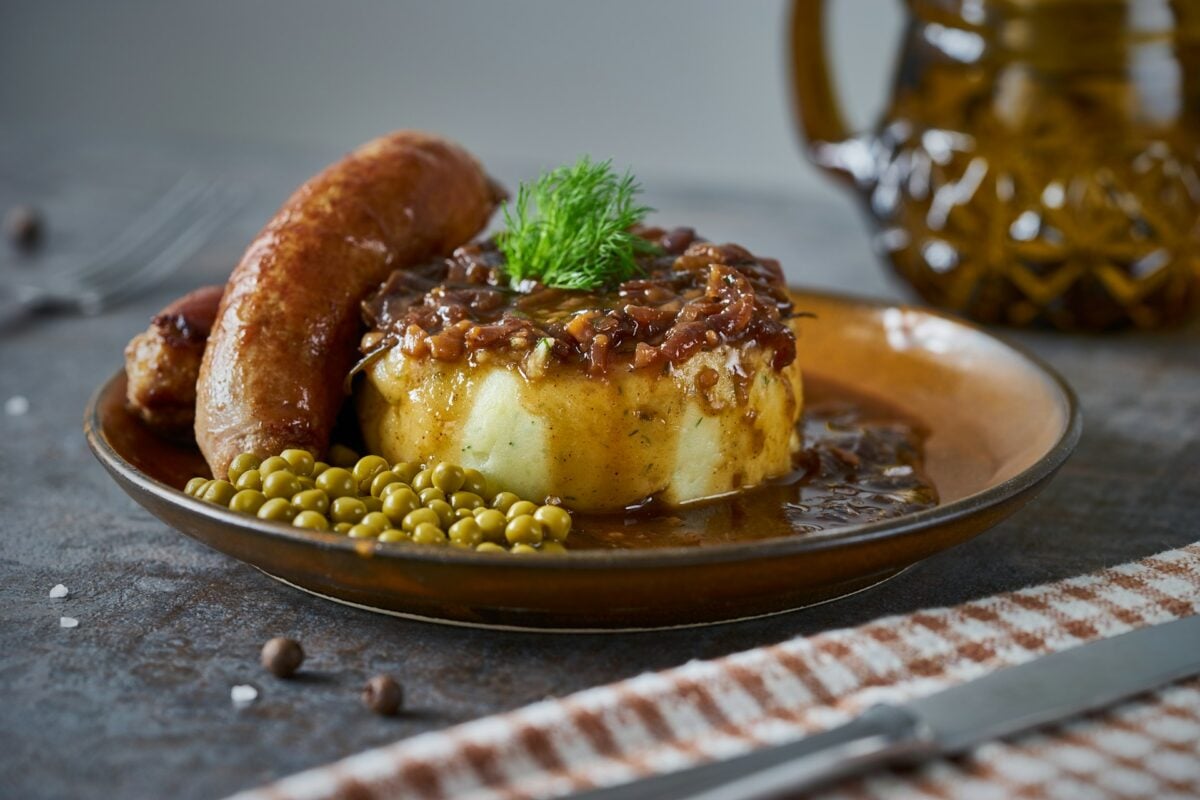
Bangers and mash sounds wholesome in that British comfort food way — sausages and mashed potatoes, simple and straightforward, the kind of meal that should fuel honest work and clear consciences. Those sausages are typically 30-40% fat by weight, which means each banger delivers around 300 calories before you’ve touched the mashed potatoes.
And those mashed potatoes aren’t just potatoes — they’re potatoes with butter, cream, more butter, and enough salt to make them taste like something worth eating alongside fatty sausages. Add the onion gravy (which is basically flour, butter, and beef drippings cooked until thick), and you’re looking at a meal that easily hits 1,200 calories with enough saturated fat to make your cardiovascular system file formal complaints.
The whole plate tastes like comfort and tradition, but it’s really just an excuse to eat fat in multiple forms while pretending it’s peasant food.
Chicken Biryani
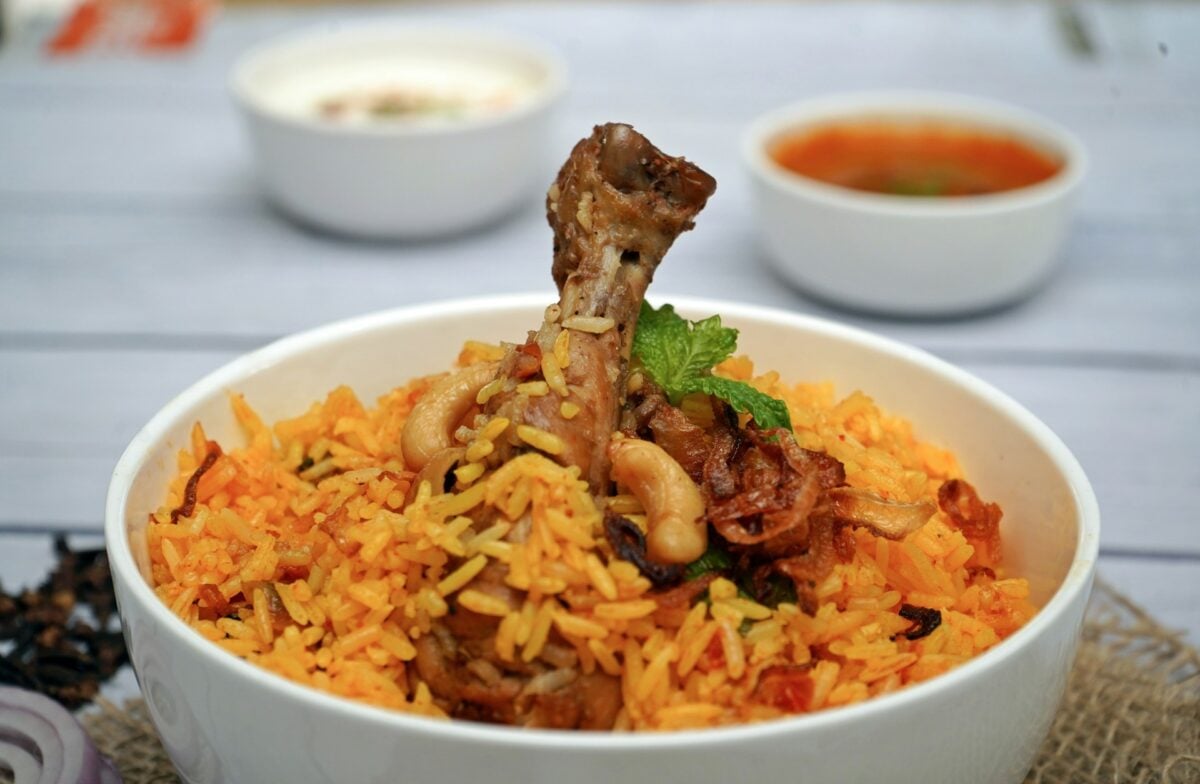
Biryani represents the pinnacle of rice cookery — each grain separate and fragrant, layered with spiced meat and aromatics in a way that makes every bite taste different from the last, but somehow the nutritional reality never quite matches the elegant presentation. The rice gets partially cooked in ghee (clarified butter) before being layered with chicken that’s been marinated in yogurt and fried in more ghee, then the whole construction gets finished in the oven with additional ghee drizzled over the top for good measure.
The cooking process involves enough oil to make the rice glisten under restaurant lighting, and the portion sizes are calibrated for sharing, which means individual servings often contain 1,200-1,500 calories before you’ve touched the raita or pickled vegetables that come alongside. The dish tastes complex and satisfying in a way that makes you understand why it’s considered celebration food, but it’s essentially fried rice with pretensions and enough ghee to make your digestive system work overtime for the next several hours.
Making Peace with Pleasure
Understanding these numbers doesn’t mean swearing off every dish that brings joy to your dining table. Food carries more than calories — it holds memories, traditions, and the simple pleasure of sharing something delicious with people you care about.
The real value lies in awareness. When you know that Pad Thai contains more sugar than dessert, you can savor it occasionally rather than ordering it twice a week.
When you understand that chicken tikka masala is essentially cream soup with spices, you can appreciate it as the indulgence it actually is. These dishes earned their place in global cuisine because they taste extraordinary, not because they’re health food.
And that’s perfectly fine, as long as you’re honest about what you’re eating.
More from Go2Tutors!

- The Romanov Crown Jewels and Their Tragic Fate
- 13 Historical Mysteries That Science Still Can’t Solve
- Famous Hoaxes That Fooled the World for Years
- 15 Child Stars with Tragic Adult Lives
- 16 Famous Jewelry Pieces in History
Like Go2Tutors’s content? Follow us on MSN.