15 Cities That Grew Too Fast for Their Infrastructure
Urban growth can transform sleepy towns into booming metropolises, bringing economic opportunities and cultural vibrancy. However, when population expansion outpaces infrastructure development, the results can be chaotic and challenging for residents.
Roads become congested, housing prices skyrocket, and public services strain under unprecedented demand. Here is a list of 15 cities worldwide that experienced explosive growth without the necessary infrastructure to support their swelling populations.
These urban centers demonstrate the complex challenges that arise when development planning fails to keep pace with rapid population influx.
Las Vegas

Las Vegas evolved from a desert outpost into a sprawling metropolitan area in just a few decades. The city’s growing population placed severe stress on water resources, especially as Lake Mead reached historic lows.
Dubai

Dubai transformed from a modest fishing village into a global luxury destination with dazzling speed. Its infrastructure has struggled to keep pace, particularly with sewage and traffic systems.
Shenzhen

Shenzhen’s meteoric rise from a fishing village to a mega city overwhelmed housing and transportation. Despite continuous construction and metro expansion, the city still faces severe congestion and high living costs.
Austin

Austin’s transformation into a tech hub doubled its population and strained its infrastructure. Traffic congestion and skyrocketing housing prices reflect how unprepared the city was for such rapid expansion.
Bangalore
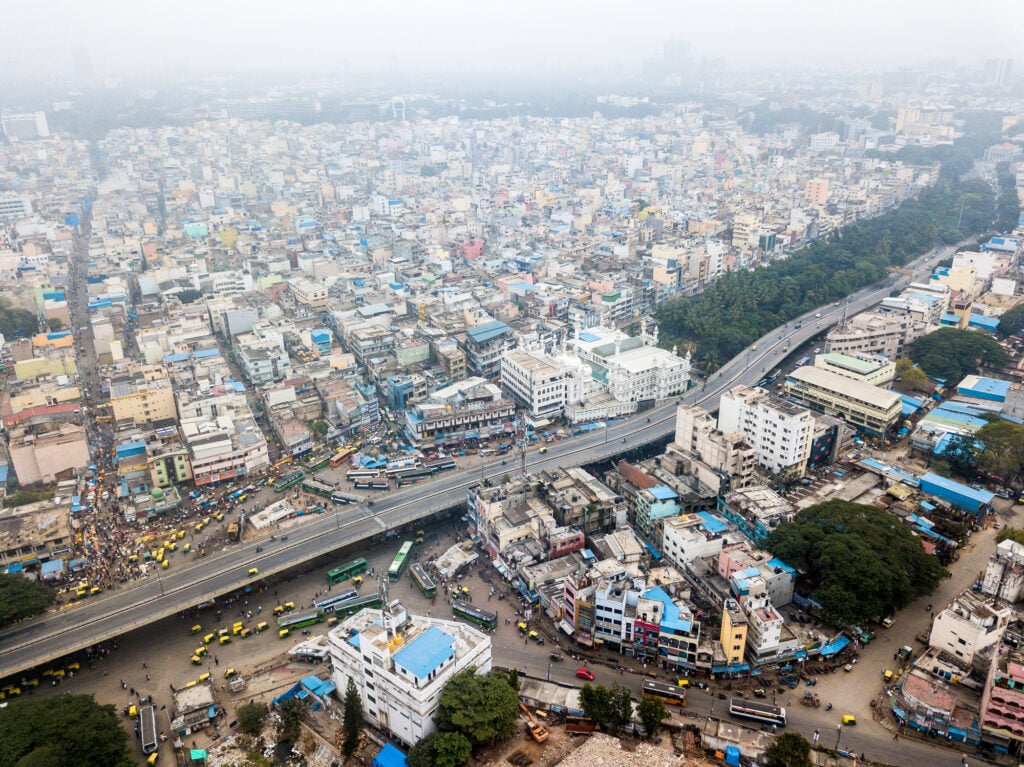
Bangalore shifted from a quiet town to a bustling tech capital, but its roads and utilities couldn’t keep up. Severe traffic delays and water shortages now define life in many parts of the city.
Cancún
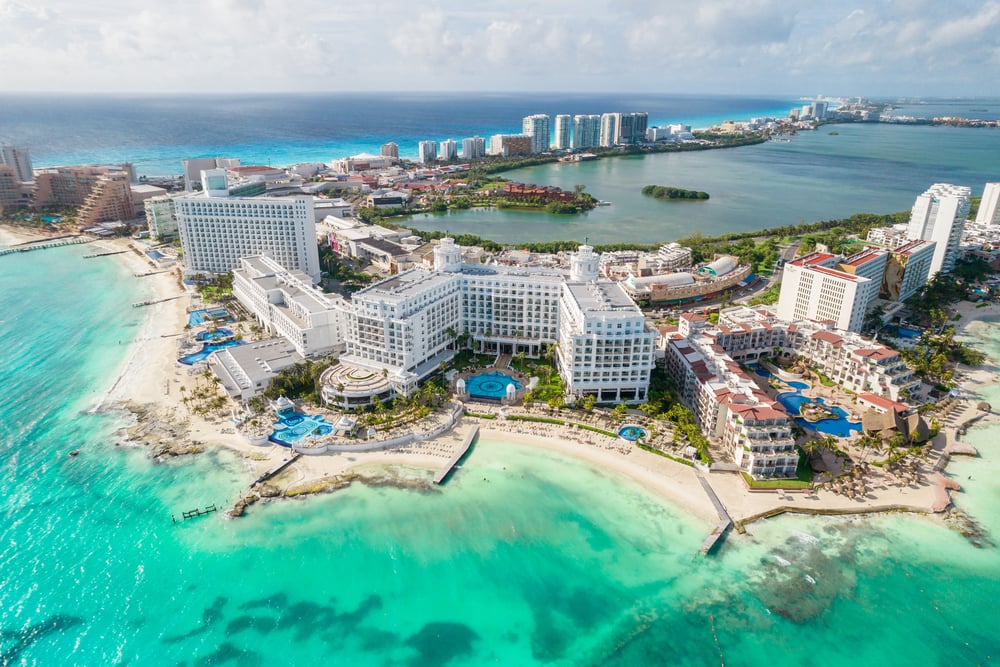
Cancún grew from untouched coast to a major resort city, splitting into a polished tourist zone and an underserved local area. Environmental damage and insufficient services plague its rapidly developed sections.
Phoenix

Phoenix’s expansion across the desert created urgent challenges around water usage and urban sprawl. Infrastructure costs have risen, while summer heat becomes increasingly severe across the low-density landscape.
Lagos
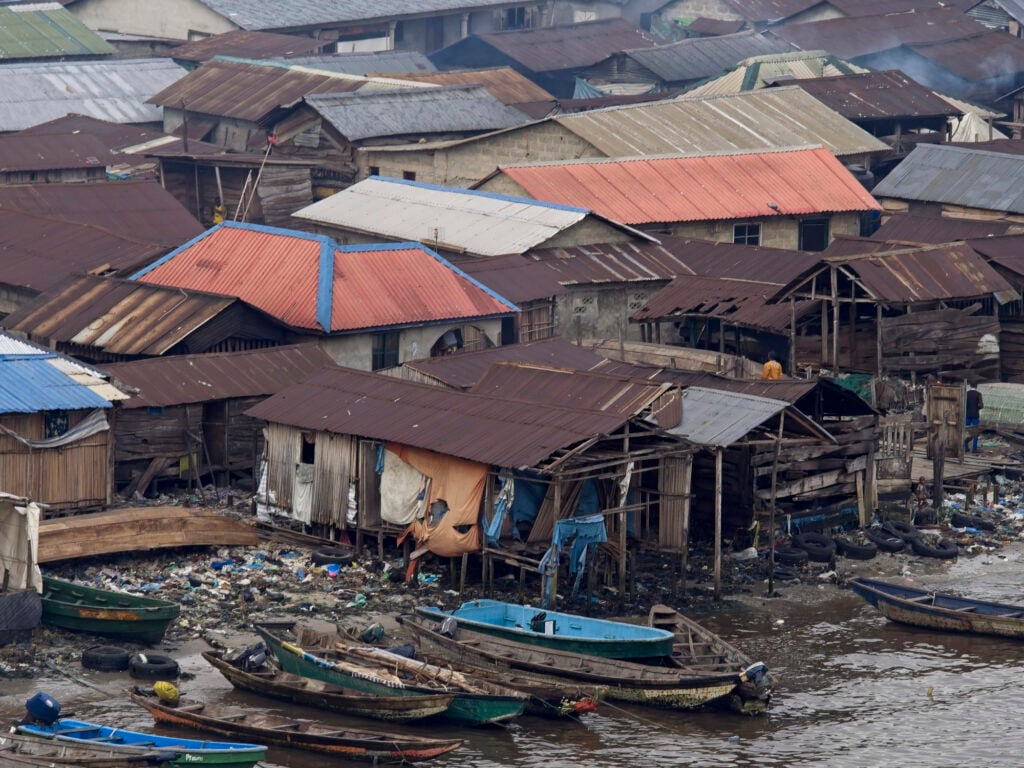
Lagos exploded in size and now faces some of the worst traffic and utility challenges in the world. Informal settlements dominate the landscape, where basic services like power and sanitation remain scarce.
Doha

Doha’s growth, fueled by energy wealth and global events, outpaced its infrastructure on nearly every front. Traffic, housing prices, and construction delays have all been persistent growing pains.
Bozeman

Bozeman’s small-town systems couldn’t handle the surge of new residents attracted by remote work. Housing affordability and overtaxed utilities are now critical issues for the community.
Gurgaon

Gurgaon’s rapid corporate-driven growth occurred without strong government planning. Infrastructure gaps, from drainage to transit, persist even as high-end developments rise around them.
Nashville

Nashville’s booming population has outgrown its road networks and public services. Failed transit initiatives and rising housing costs now challenge the city’s livability.
Hyderabad

Hyderabad’s tech boom brought millions more residents but not the infrastructure to support them. Flooding and water shortages are worsening as the city builds over natural waterways.
Riyadh

Riyadh’s growth was fueled by oil wealth and built on a sprawling model that now faces logistical hurdles. Transport, water supply, and energy demand all require massive investment to sustain the city.
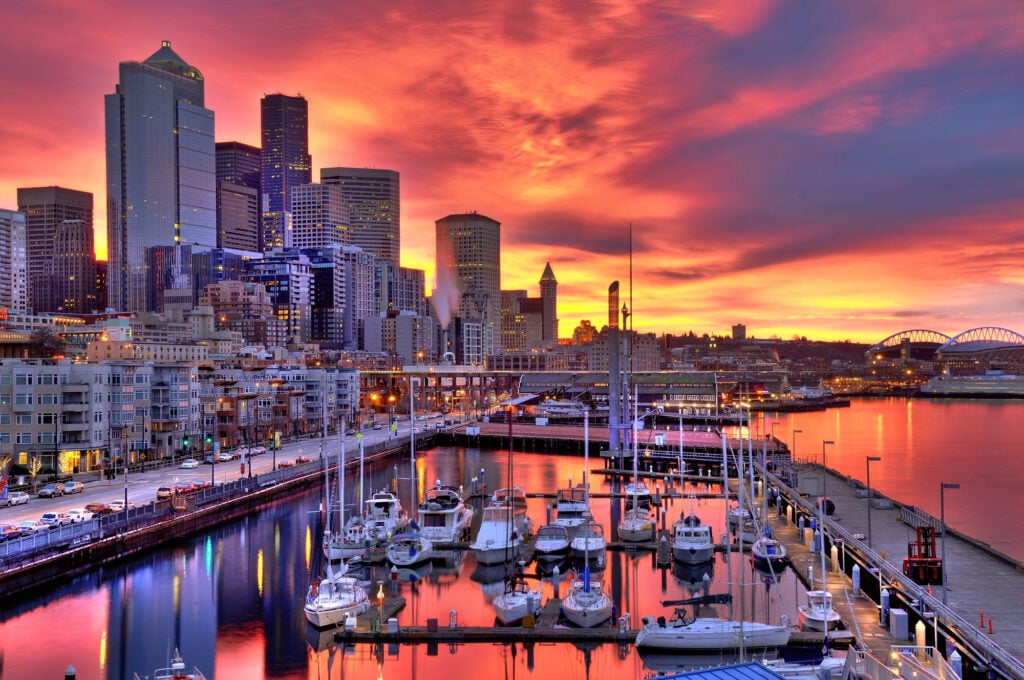
Seattle
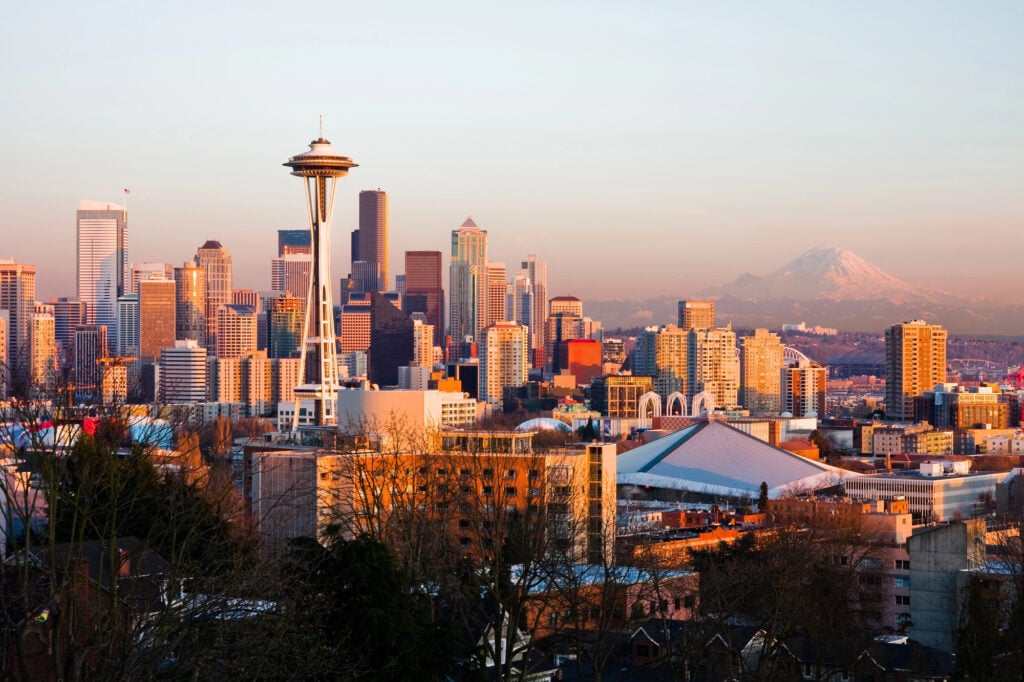
Seattle’s tech-driven surge created one of the tightest housing markets in the nation. Natural geography limits expansion, while aging infrastructure strains under the weight of new development.
The Infrastructure Catch-Up Game
These cities show how infrastructure often trails behind population growth, leading to overburdened systems. While some cities catch up through innovation and investment, others struggle to maintain livability amid rapid expansion.
More from Go2Tutors!

- The Romanov Crown Jewels and Their Tragic Fate
- 13 Historical Mysteries That Science Still Can’t Solve
- Famous Hoaxes That Fooled the World for Years
- 15 Child Stars with Tragic Adult Lives
- 16 Famous Jewelry Pieces in History
Like Go2Tutors’s content? Follow us on MSN.