15 Things From the 1980s That Defined an Entire Generation
The 1980s weren’t just a decade—they were a cultural laboratory where everything from technology to fashion got turned upside down and reassembled into something completely new. If you lived through it, certain objects, sounds, and experiences are burned into your memory with the intensity of a neon sign.
These weren’t just trends that came and went; they were the building blocks of identity for an entire generation that grew up believing anything was possible, as long as it was loud, bright, and unapologetically bold.
MTV
MTV changed everything overnight, and there’s no polite way to put it. Before 1981, music lived in your ears.
After MTV, it lived everywhere—your eyes, your imagination, the way you moved your hands when nobody was watching.
The channel turned musicians into movie stars and movie stars into musicians. Suddenly, how you looked mattered as much as how you sounded.
Maybe more.
Rubik’s Cube
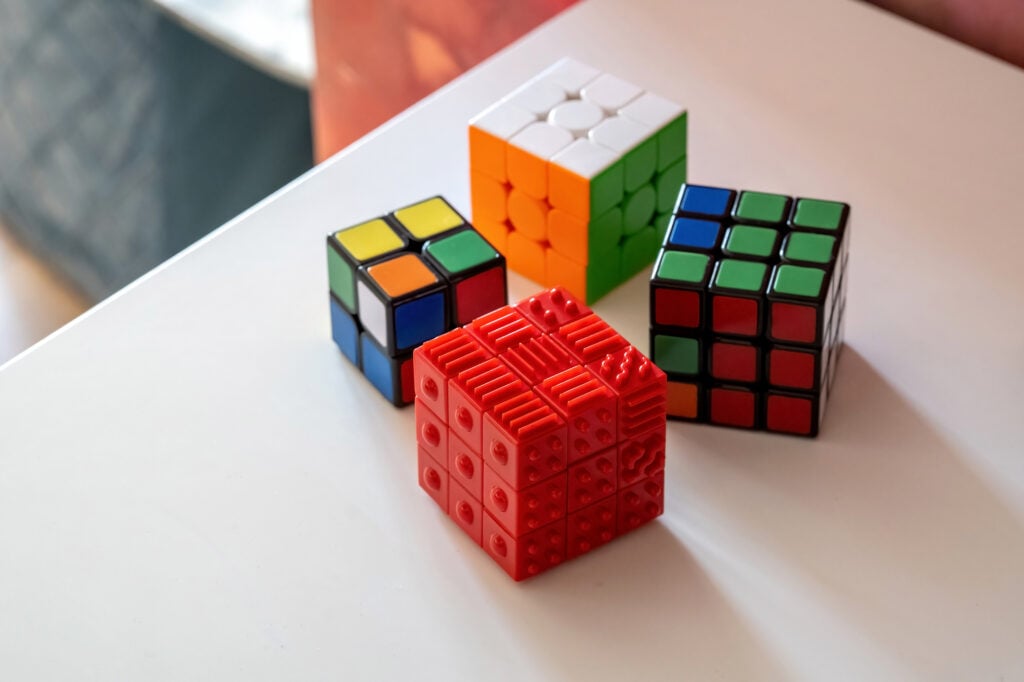
The Rubik’s Cube was the first puzzle that made you feel genuinely stupid, then genuinely brilliant, sometimes within the same afternoon (though for most people, the stupid part lasted considerably longer). Ernő Rubik’s creation became the physical manifestation of 1980s ambition: colorful, complex, and seemingly impossible until you figured out the system.
What made it perfect for the decade was how it democratized obsession. The kid who couldn’t throw a baseball could become the neighborhood genius by mastering the cube’s algorithms, and suddenly spatial intelligence mattered as much as any other kind.
So every household had one—usually sitting half-solved on a coffee table, silently judging everyone who walked past.
Pac-Man

Pac-Man arrived like a yellow meteor, turning pizza parlors and convenience stores into temples of devotion where quarters disappeared faster than the dots on screen. The game’s genius wasn’t just in its simplicity—it was in how it made running away feel like victory.
Here was a character with no weapons, no superpowers, no attitude beyond an appetite. And yet, chasing ghosts through a maze while devouring everything in sight became the most compelling activity millions of people had ever encountered.
The sound effects alone could summon muscle memory decades later: that wakka-wakka-wakka rhythm that meant you were winning, and the descending death melody that meant you’d have to find another quarter.
VHS
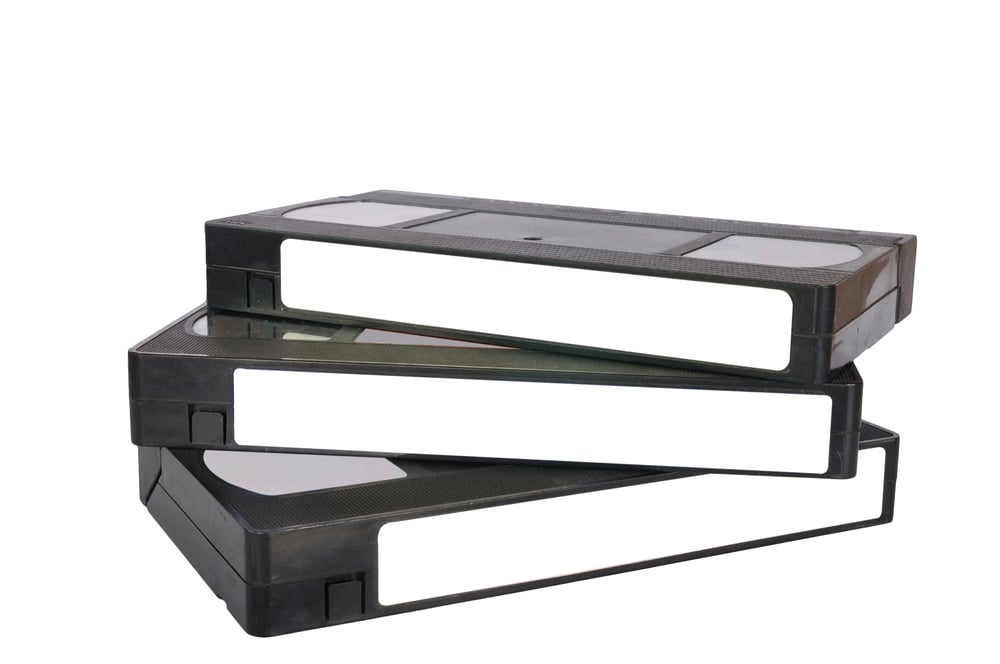
VHS tapes were freedom in plastic rectangles, though you wouldn’t know it from how much effort they required. Every movie night began with the same ritual: rewinding whatever the last person watched (because nobody ever rewound), then fast-forwarding through previews you’d memorized but couldn’t skip.
But here’s what made them revolutionary—time shifted to fit your schedule, not the other way around.
Miss your favorite show? Record it.
Want to watch the same movie seventeen times? Buy it, own it, wear out the tape if necessary.
The concept of appointment television started dying the moment the first person figured out how to program their VCR timer.
Walkman
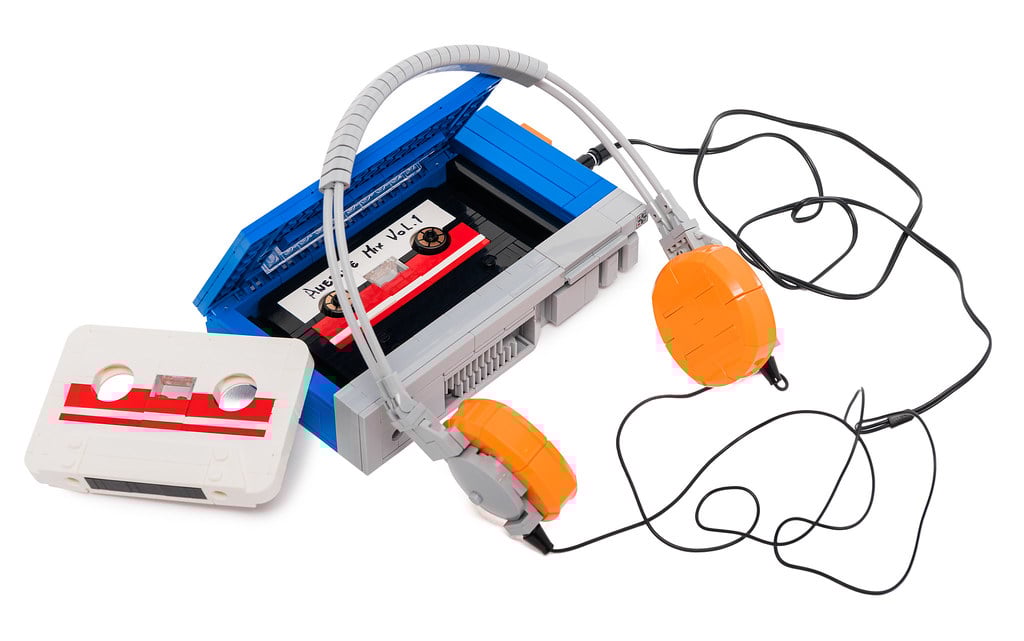
The Sony Walkman didn’t just play music—it created the first generation of people who could carry their soundtrack everywhere. Before 1979 (though it hit its stride in the early ’80s), music was either a social experience or a stationary one.
The Walkman made solitude musical and music personal in ways that changed how people moved through the world. Suddenly you could have a private concert on the bus, a dance party while doing homework, or a dramatic movie moment while walking to the corner store.
The foam headphones and the satisfying click of the play button became as iconic as the music itself.
Aerobics
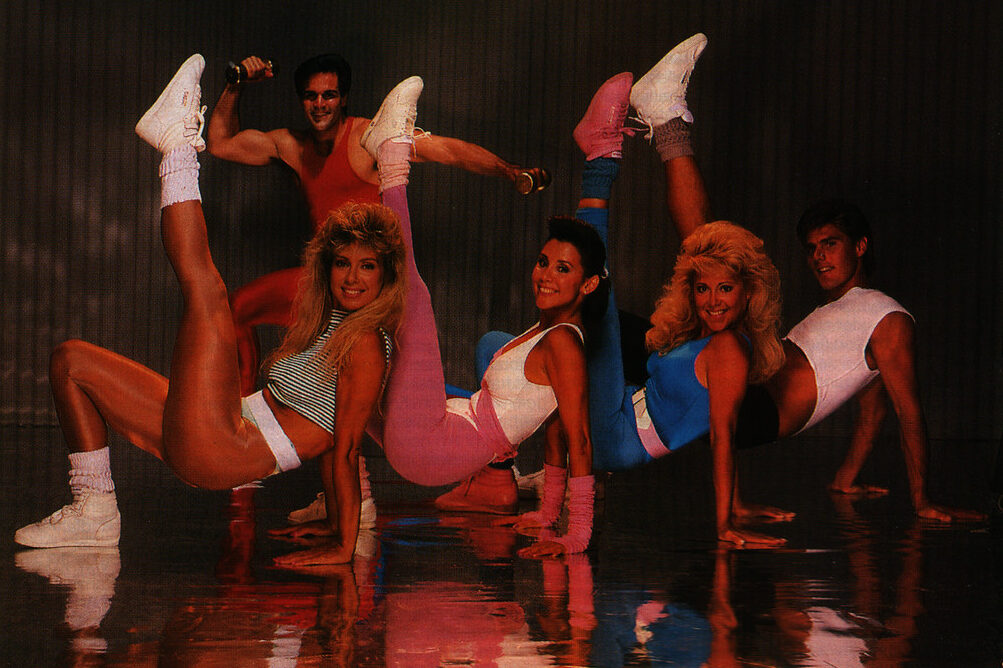
Aerobics turned exercise into performance art, complete with costumes that belonged in a cartoon and movements that looked like they were choreographed by someone who’d never seen a human body in motion. And somehow, it worked perfectly.
The phenomenon reached its peak when Jane Fonda’s workout videos started outselling Hollywood blockbusters, proving that people would rather sweat to synthesizers in their living room than anywhere else. The aesthetic was deliberately excessive: leg warmers that served no practical purpose, headbands that defied physics, and spandex in colors that hadn’t been invented yet.
But underneath all that Day-Glo madness was a genuine cultural shift toward fitness as lifestyle, not just something athletes did.
Personal Computer
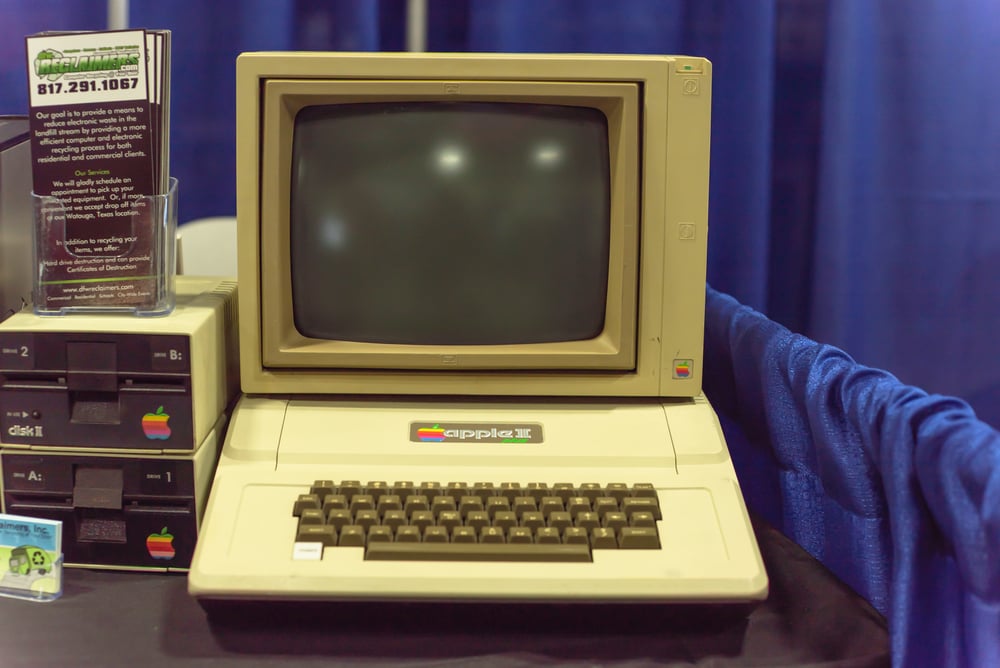
The personal computer arrived quietly, then exploded everything about how work, play, and communication functioned. The Apple II, the Commodore 64, the IBM PC—each one promised to put the power of room-sized machines on your desk, though few people understood what that power was actually for yet.
What made these early computers special wasn’t their capability (limited) or their user-friendliness (nonexistent) but their potential. Loading a program from a cassette tape took twenty minutes and failed half the time, but when it worked, you were glimpsing the future.
Programming became a hobby. Games became more sophisticated.
And slowly, the idea took hold that these glowing screens might eventually connect to something larger than themselves.
Cable TV
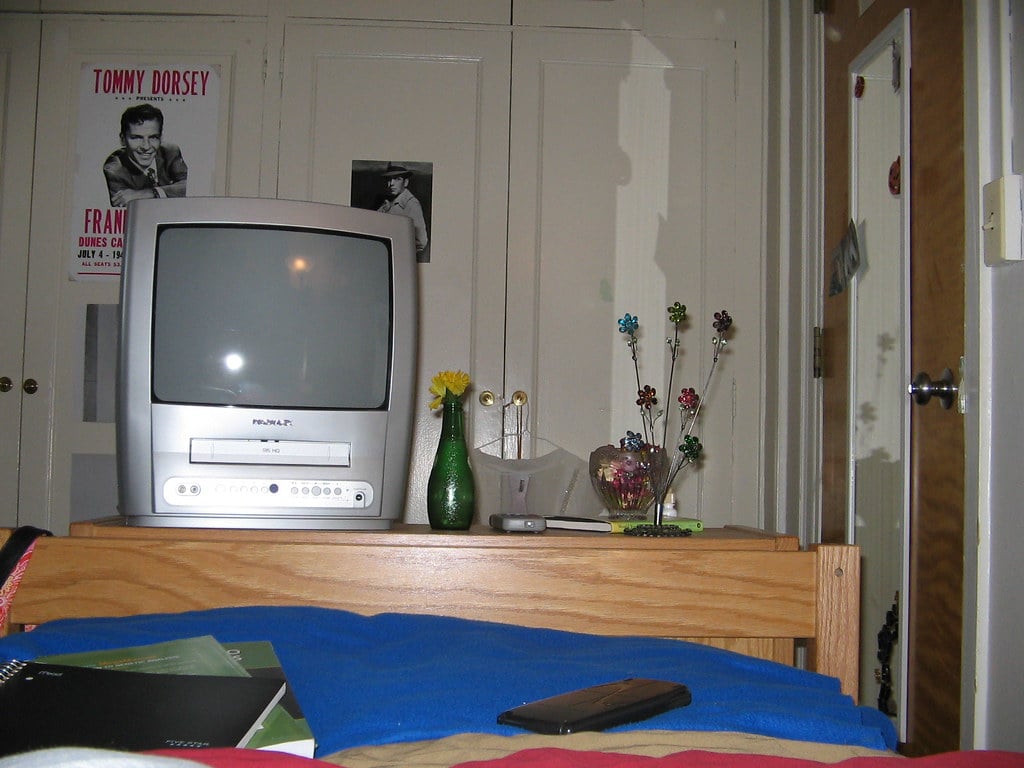
Cable television took the concept of choice and stretched it until it snapped. Three networks became thirty channels, then fifty, then however many your cable box could handle before the picture started looking like abstract art.
HBO showed movies with the swear words intact. ESPN made sports available around the clock.
CNN made news continuous instead of something that happened at six and eleven. For the first time, you could flip through channels and find something specifically designed for your interests, no matter how narrow.
The remote control became the most powerful device in the house.
Video Arcade
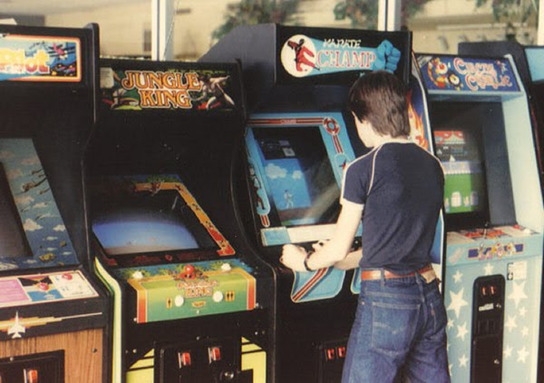
Video arcades were the undisputed social centers of adolescent life, dimly lit temples where quarters transformed into temporary godhood. The best players drew crowds like street performers, their initials carved permanently into high score screens that served as digital monuments to teenage excellence.
Each machine had its own devoted following. Galaga purists looked down on Pac-Man casuals.
Street Fighter experts developed finger calluses from executing dragon punches.
And somewhere in the back corner, one kid was always playing Dungeons & Dragons, feeding the machine dollars instead of quarters because that game never ended. The sounds layered into a symphony of electronic warfare: lasers, explosions, power-ups, and the constant metallic rain of tokens hitting metal cups.
Mall Culture
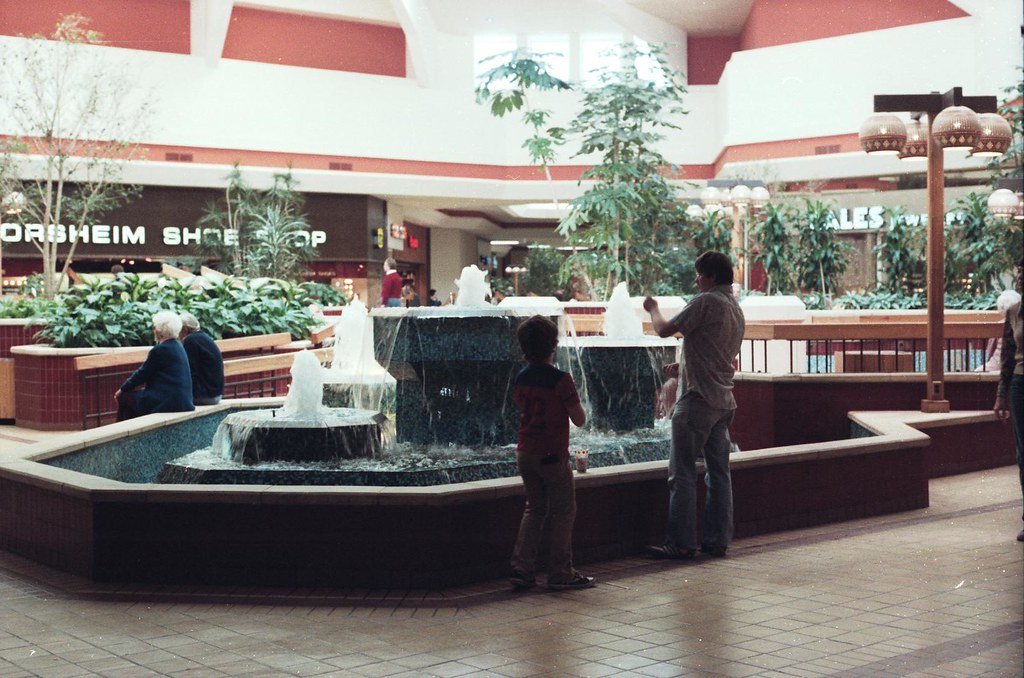
Shopping malls became the de facto town squares of suburban America, air-conditioned ecosystems where teenagers learned how to be social without adult supervision. The mall wasn’t just about buying things—it was about being seen, about belonging to something larger than your neighborhood.
Every mall had the same geography: the department stores anchoring each end, the food court in the middle, and the specialty shops that sold everything from pierced earrings to poster art. Spencer’s Gifts, the record store, the arcade—these were the waypoints of adolescent navigation.
And somewhere in the center of it all, a fountain where people threw coins and made wishes that usually involved the person they’d been staring at from across the Orange Julius.
Neon Everything
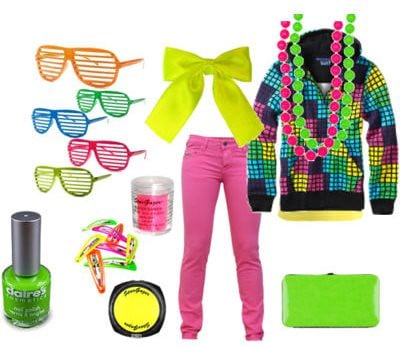
Neon wasn’t just a color scheme in the 1980s—it was a philosophy that demanded attention and refused to apologize for it. Hot pink, electric blue, lime green, and colors that didn’t have proper names yet appeared on everything from clothing to car interiors to office supplies that had no business being fluorescent.
The aesthetic made perfect sense for a decade obsessed with excess and visibility. Why wear beige when you could wear something that glowed under blacklights?
The fashion was unapologetically artificial, like someone had decided that nature’s color palette wasn’t nearly ambitious enough. And when the trend finally faded, it left behind a generation that would forever associate subtlety with giving up.
Boom Box

The boom box was rebellion you could carry on your shoulder, a portable sound system that announced your presence three blocks before you arrived. These weren’t just radios—they were statements of intent, social declarations that your music mattered enough to share with everyone within a half-mile radius.
The bigger, the better was the unspoken rule. Double cassette decks for making mix tapes.
Graphic equalizers with sliders that most people moved randomly but looked impressive. And bass response that could rattle windows when “Planet Rock” or “Fight the Power” came through the speakers.
The boom box created the first generation of mobile DJs, turning street corners and park benches into impromptu concert venues.
Hair Metal
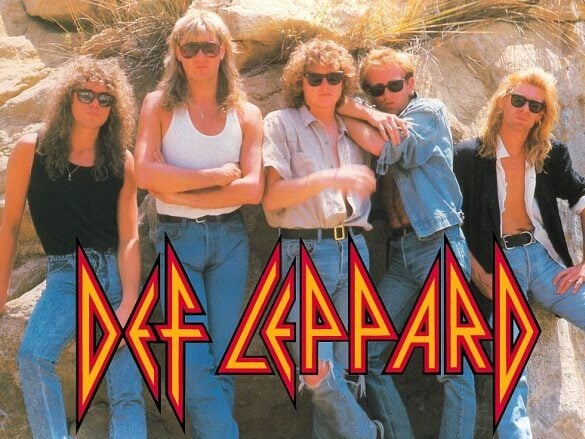
Hair metal took rock music and pushed it through a filter of pure theatrical excess, creating something that was part concert, part fashion show, and part athletic competition to see who could grow the most structurally impossible hairstyle.
Bands like Def Leppard, Bon Jovi, and Poison didn’t just write songs—they crafted anthems designed to be shouted back by crowds who’d spent an hour in front of the mirror getting their own hair to defy gravity. The guitar solos stretched longer than some entire songs from previous decades.
The power ballads hit emotional notes that registered somewhere between sincere and completely ridiculous. And the videos—oh, the videos—were miniature movies where every frame looked like it was shot through a Vaseline-coated lens in the most expensive wind machine money could buy.
Home Video Gaming
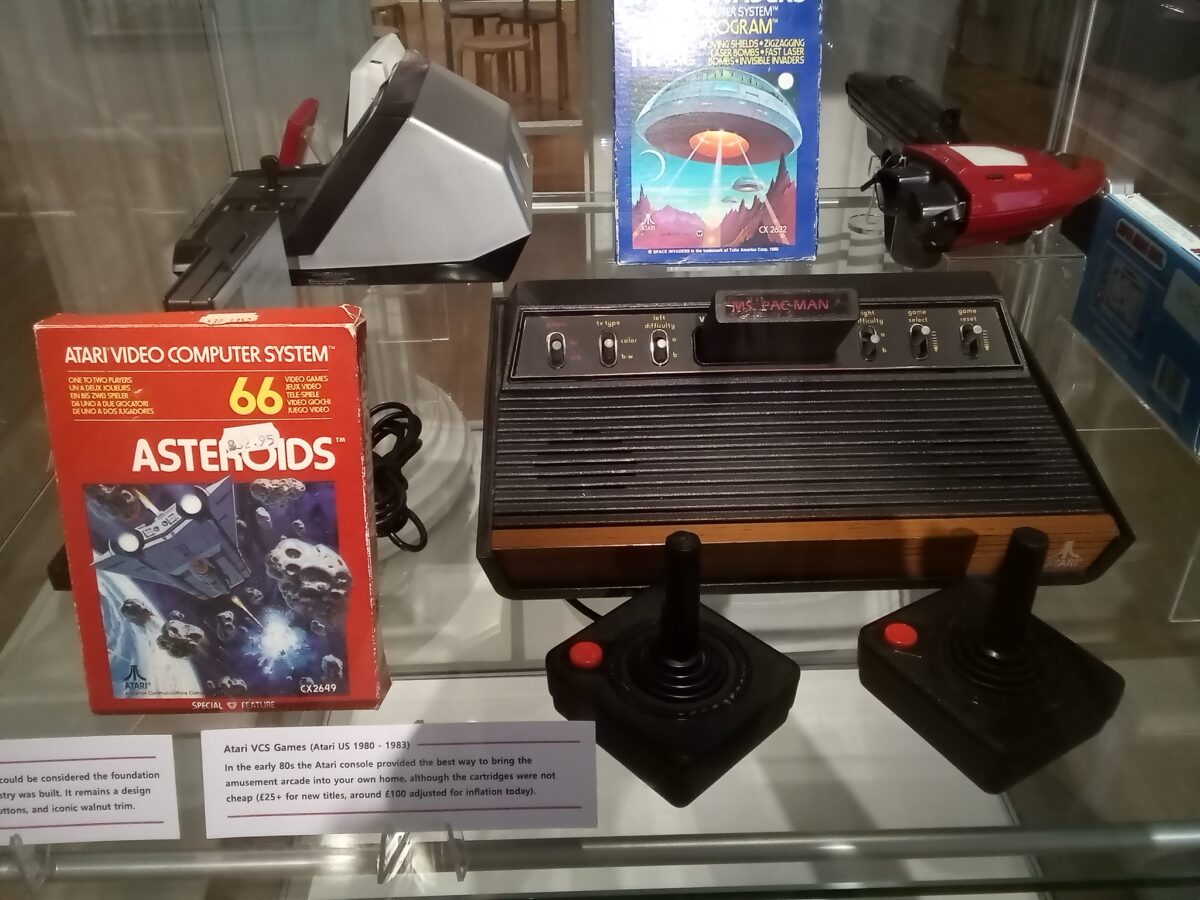
Home video gaming transformed living rooms into arcade annexes, giving kids unlimited continues for the price of a single cartridge. The Nintendo Entertainment System didn’t just revive the video game industry after the crash of 1983—it created the template for how electronic entertainment would work for the next four decades.
Super Mario Bros. alone probably consumed more collective hours of human attention than most hobbies manage in a lifetime. The game’s genius was in making failure fun, turning the inevitable death-by-Goomba into motivation for one more attempt.
And when you finally rescued Princess Peach after navigating eight worlds of increasingly diabolical obstacles, the satisfaction felt earned in ways that movies and books couldn’t match.
Cell Phone
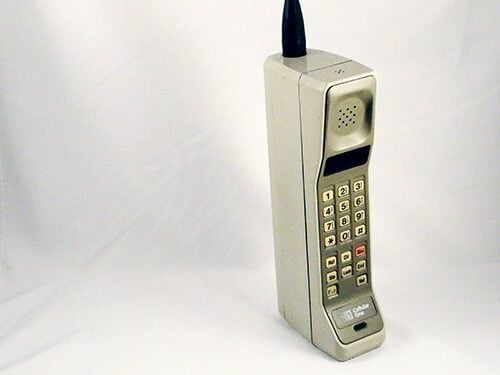
The first cell phones were less communication device, more status symbol with an antenna. The Motorola DynaTAC weighed two pounds, cost four thousand dollars, and looked like something a movie villain would use to call in ransom demands.
But size and cost missed the point entirely. These early mobile phones represented the first crack in the assumption that communication required staying in one place.
The technology was primitive and the coverage spotty, but the concept was revolutionary: you could be reached anywhere, anytime, by anyone who had your number. Privacy would never recover, but neither would the feeling of being truly unreachable.
Looking Back at the Decade That Refused to Be Ignored

The 1980s created a generation that grew up believing technology should be colorful, entertainment should be excessive, and personal expression should never be turned down when it could be turned up instead. These weren’t just products or trends—they were the tools that taught an entire cohort how to navigate a world that was changing faster than anyone could reasonably process.
And maybe that’s why they stuck: in a decade defined by constant acceleration, the things that survived were the ones bold enough to demand attention and memorable enough to deserve it.
More from Go2Tutors!

- The Romanov Crown Jewels and Their Tragic Fate
- 13 Historical Mysteries That Science Still Can’t Solve
- Famous Hoaxes That Fooled the World for Years
- 15 Child Stars with Tragic Adult Lives
- 16 Famous Jewelry Pieces in History
Like Go2Tutors’s content? Follow us on MSN.



