15 Archaeology Discoveries That Rewrote History
Sometimes a single shovel strike can change everything we thought we knew about the past. Archaeologists have spent decades digging through layers of earth and time, occasionally stumbling upon artifacts that force us to completely rewrite our history books. These discoveries don’t just fill in missing pieces—they blow apart entire theories and assumptions about how our ancestors lived, traveled, and thrived.
From ancient civilizations that vanished without explanation to technological marvels that shouldn’t have existed thousands of years ago, these finds have transformed our understanding of human history. Here is a list of 15 archaeology discoveries that fundamentally changed how we view the past.
Rosetta Stone
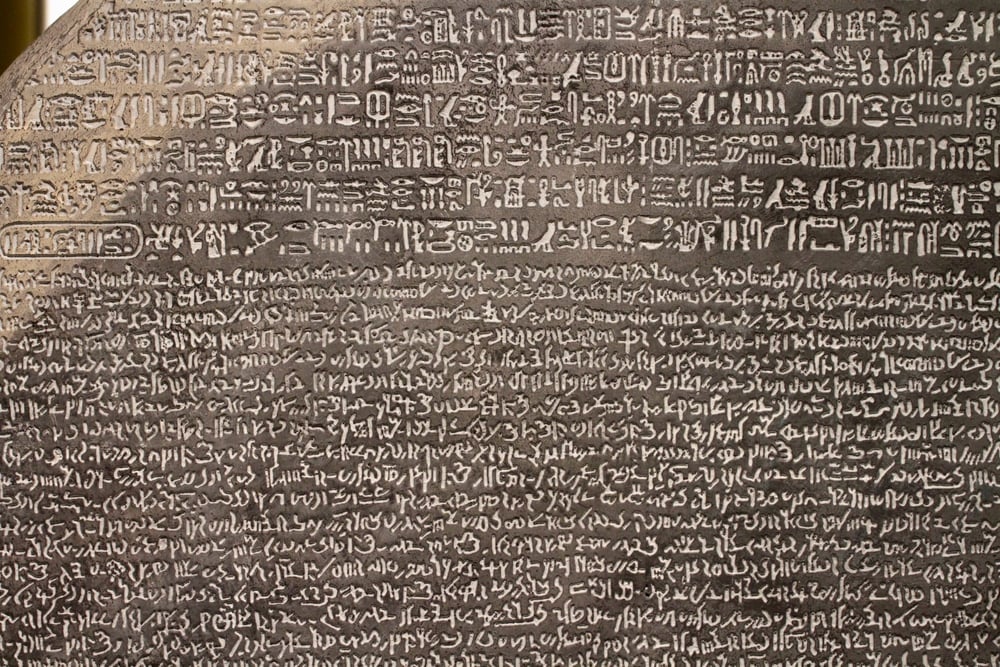
The Rosetta Stone turned out to be the ultimate cheat sheet for understanding ancient Egypt. French soldiers discovered this black granite slab in 1799 near the town of Rosetta, and it contained the same text written in three different scripts: hieroglyphic, demotic, and ancient Greek.
Since scholars could already read Greek, they finally had the key to crack the code of Egyptian hieroglyphs. This breakthrough opened up thousands of years of Egyptian history that had been locked away in unreadable symbols.
Tutankhamun’s Tomb
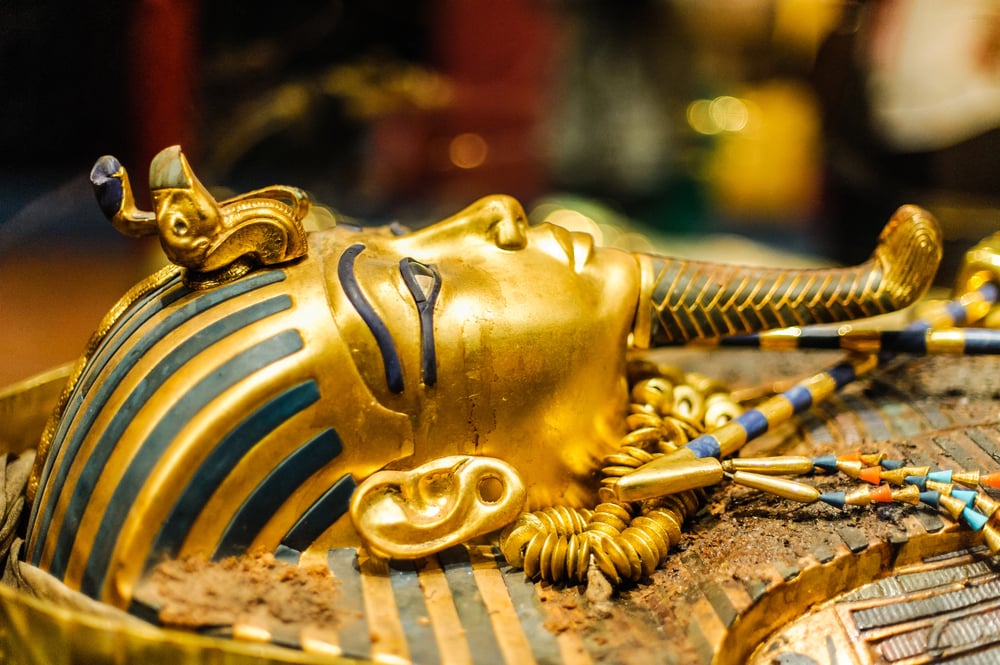
Howard Carter’s discovery of King Tut’s tomb in 1922 gave the world its first glimpse of an intact pharaoh’s burial chamber. Unlike other royal tombs that had been ransacked by grave robbers, this tomb contained over 5,000 artifacts in pristine condition.
The golden burial mask alone became one of the most recognizable symbols of ancient Egypt, but the real treasure was the insight into Egyptian burial practices and beliefs about the afterlife.
Like Go2Tutors’s content? Follow us on MSN.
Pompeii
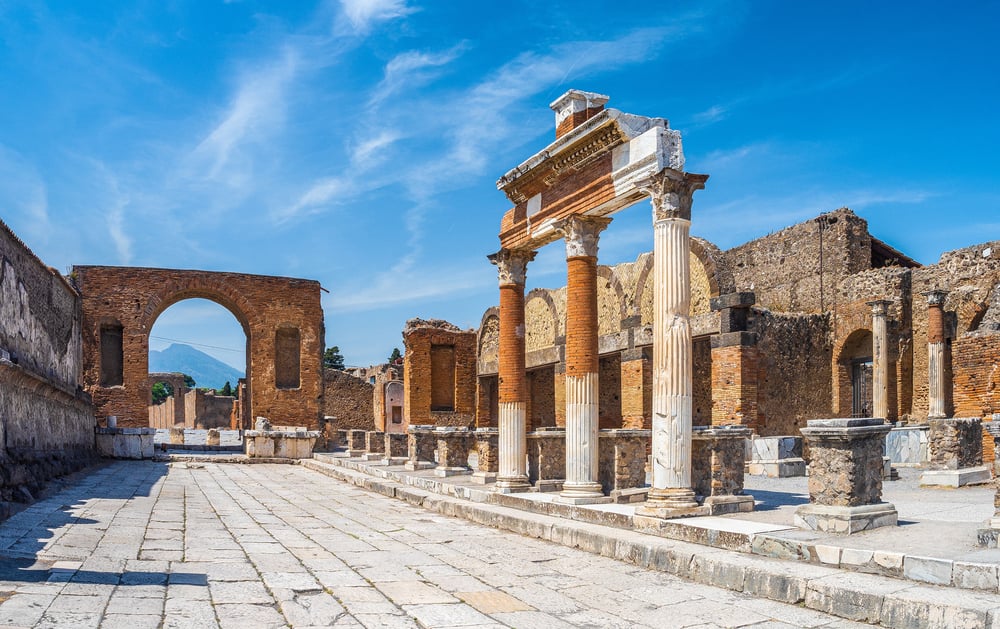
Mount Vesuvius turned an entire Roman city into a time capsule when it erupted in 79 AD. The volcanic ash preserved everything from buildings and artwork to loaves of bread still sitting on tables.
Archaeologists found people frozen in their final moments, giving us an incredibly detailed snapshot of daily life in ancient Rome. The city revealed how ordinary Romans lived, worked, and died, far beyond what we could learn from imperial palaces and monuments.
Machu Picchu
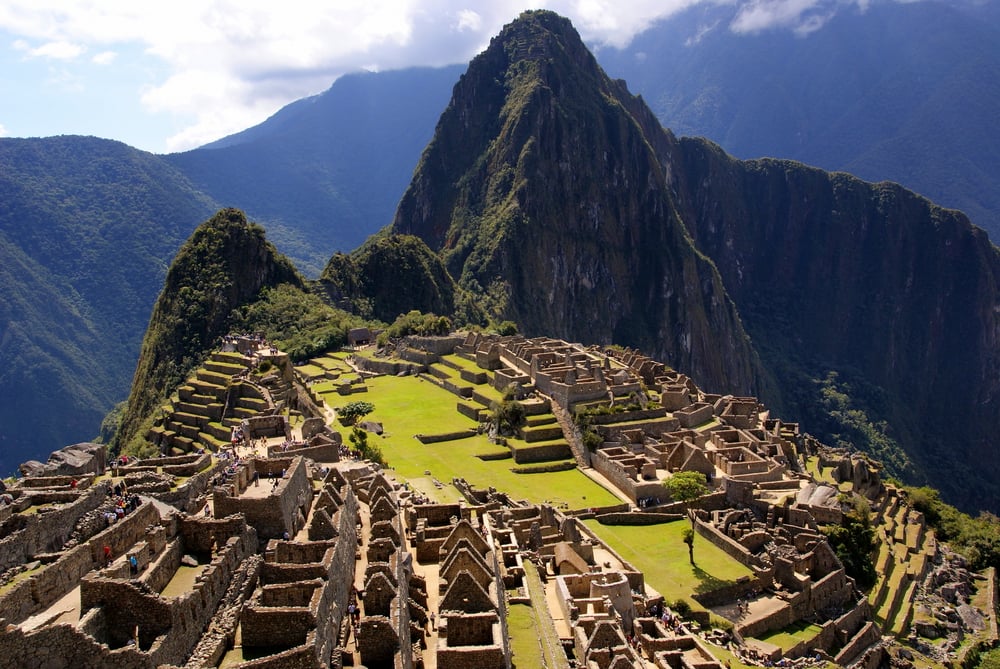
American historian Hiram Bingham brought international attention to this mountain-top Incan city in 1911, though local people had known about it all along. The site showed that Incan engineering was far more sophisticated than anyone had imagined, with perfectly fitted stone blocks and complex water management systems.
Machu Picchu proved that the Incas were master builders who could create architectural marvels in seemingly impossible locations.
Terracotta Army
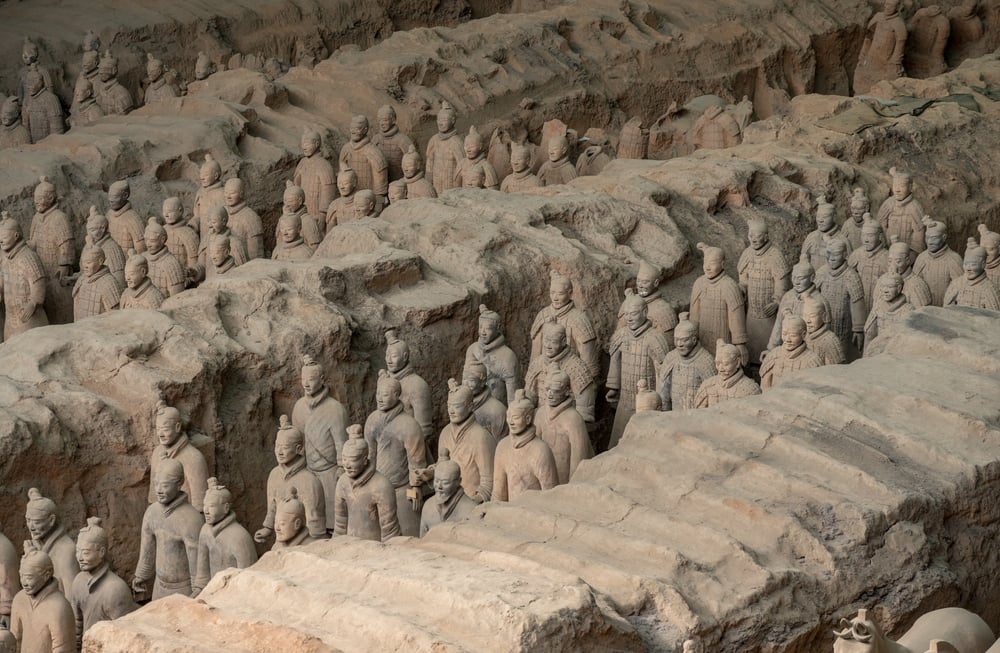
Chinese farmers digging a well in 1974 accidentally uncovered one of the most spectacular archaeological finds in history. The Terracotta Army consists of over 8,000 life-sized clay soldiers, horses, and chariots, all created to guard China’s first emperor in the afterlife.
Each warrior has unique facial features and details, showing the incredible craftsmanship of ancient Chinese artisans. This discovery revealed the massive scale and organization of the Qin Dynasty.
Like Go2Tutors’s content? Follow us on MSN.
Troy
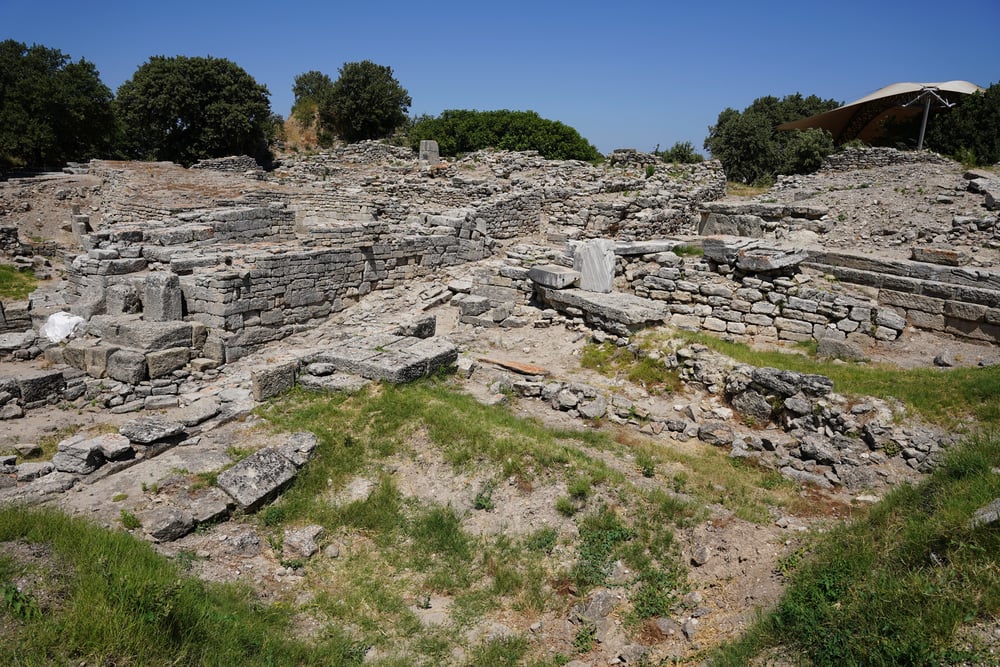
For centuries, scholars debated whether the city of Troy from Homer’s epic poems actually existed or was just a work of fiction. German archaeologist Heinrich Schliemann changed that conversation when he discovered the ancient city in Turkey in the 1870s.
The site showed evidence of multiple cities built on top of each other, with clear signs of warfare and destruction. This find proved that many ancient stories might have roots in real historical events.
Stonehenge
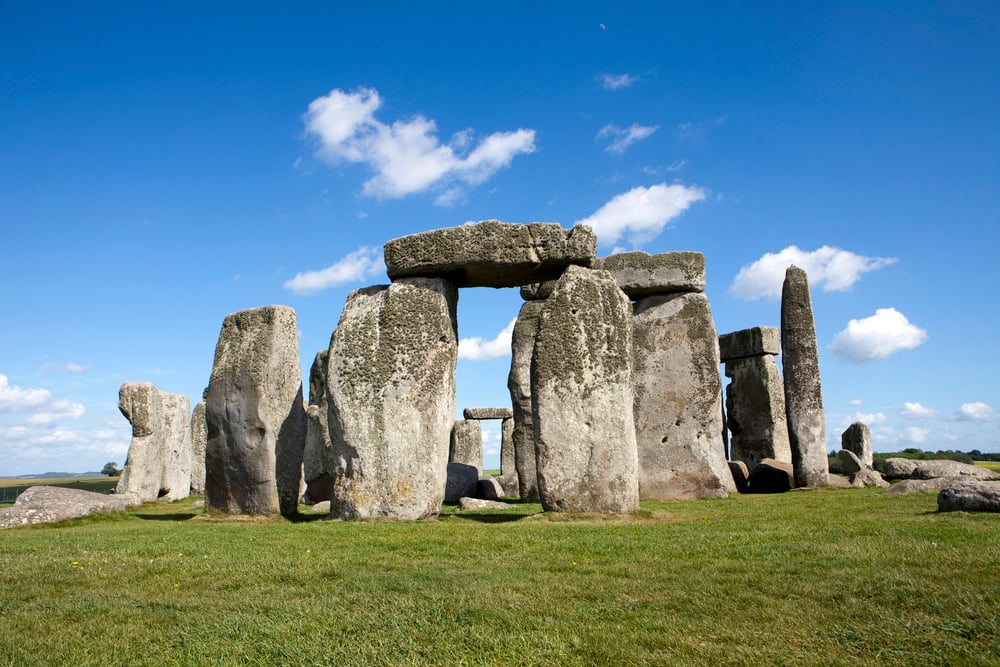
While Stonehenge itself has been visible for thousands of years, modern archaeological techniques have revealed its true complexity. Recent discoveries show that the monument was built in several phases over 1,500 years, with stones transported from Wales over 150 miles away.
The site appears to be part of a much larger ceremonial landscape, complete with burial grounds and other stone circles. These findings suggest that Neolithic people in Britain were far more organized and capable than previously thought.
Dead Sea Scrolls
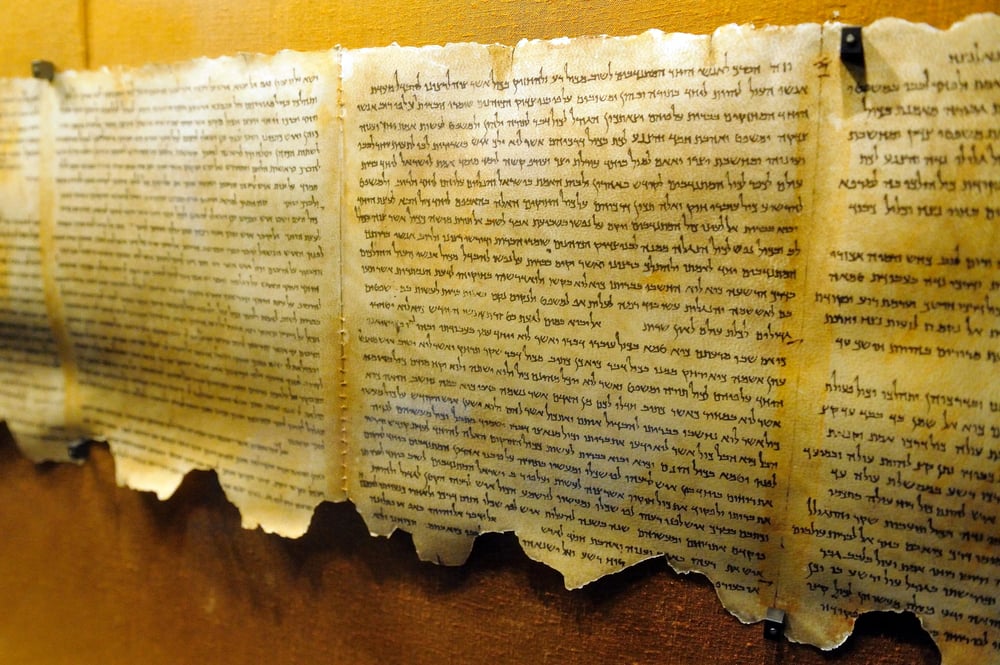
Bedouin shepherds stumbled upon these ancient texts in caves near the Dead Sea in 1947, and they turned out to be some of the oldest biblical manuscripts ever found. The scrolls date back over 2,000 years and include copies of nearly every book in the Hebrew Bible.
They provided crucial evidence about how religious texts were preserved and transmitted through the centuries. The discovery also revealed the existence of various Jewish sects and their different interpretations of religious law.
Like Go2Tutors’s content? Follow us on MSN.
Olduvai Gorge
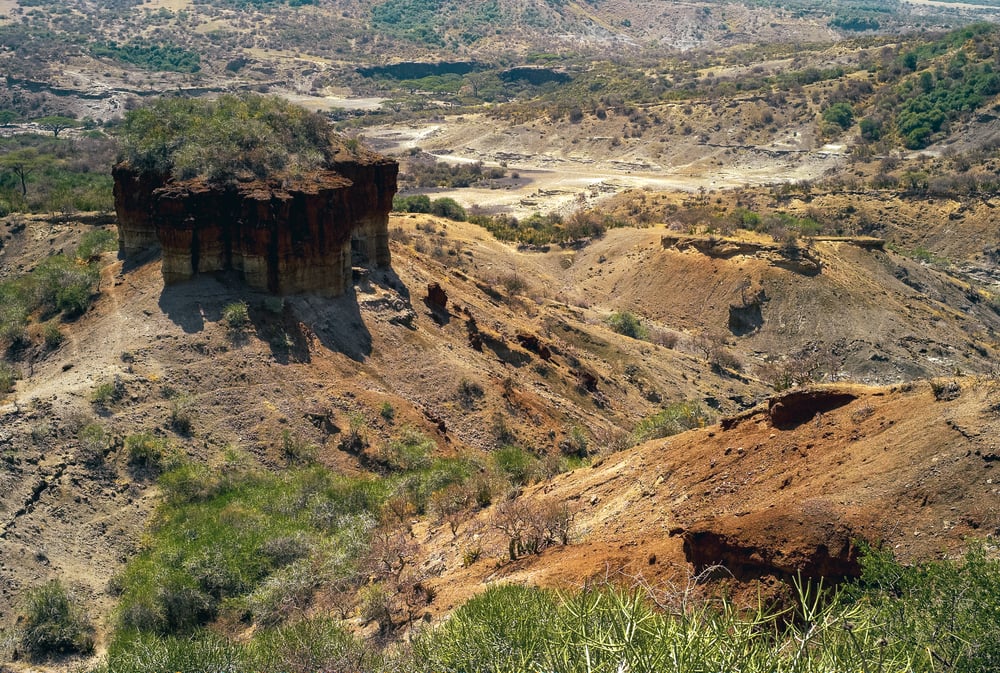
This site in Tanzania became known as the ‘Cradle of Mankind’ after Louis and Mary Leakey discovered some of the earliest human fossils there in the 1950s and 1960s. The gorge revealed that human ancestors were using tools much earlier than anyone had imagined, pushing back the timeline of human development by millions of years.
The discoveries at Olduvai Gorge fundamentally changed how we understand human evolution and our place in the natural world.
Çatalhöyük
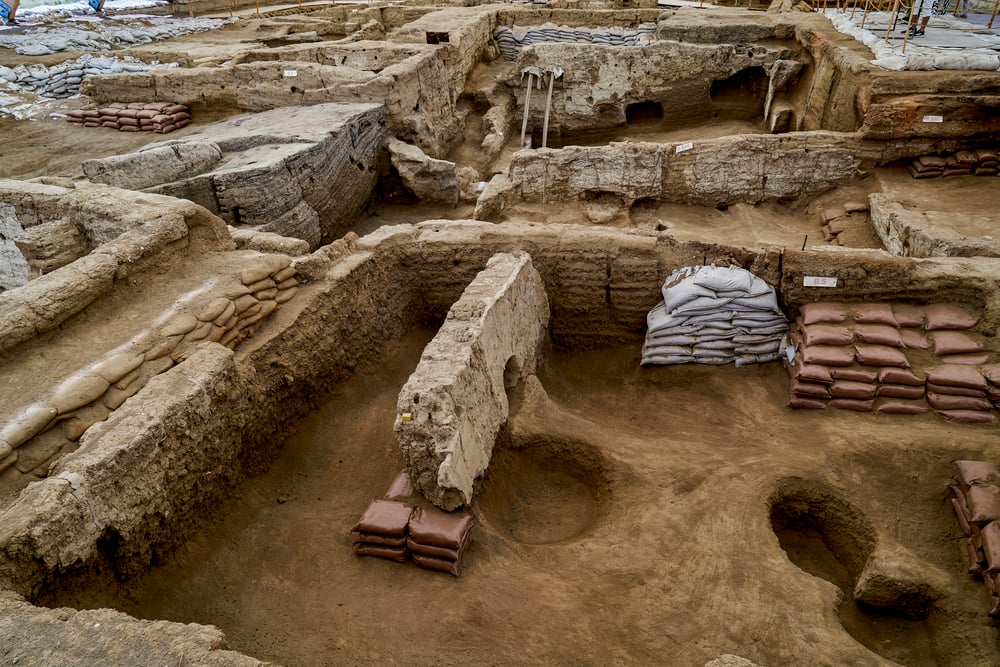
This 9,000-year-old settlement in Turkey challenged everything archaeologists thought they knew about early cities. Instead of having streets, people entered their homes through openings in the roof and walked across rooftops to get around.
The site showed that complex urban planning existed thousands of years before the first known cities in Mesopotamia. Çatalhöyük proved that the transition from hunting and gathering to settled agriculture was far more varied and creative than previously imagined.
Antikythera Mechanism
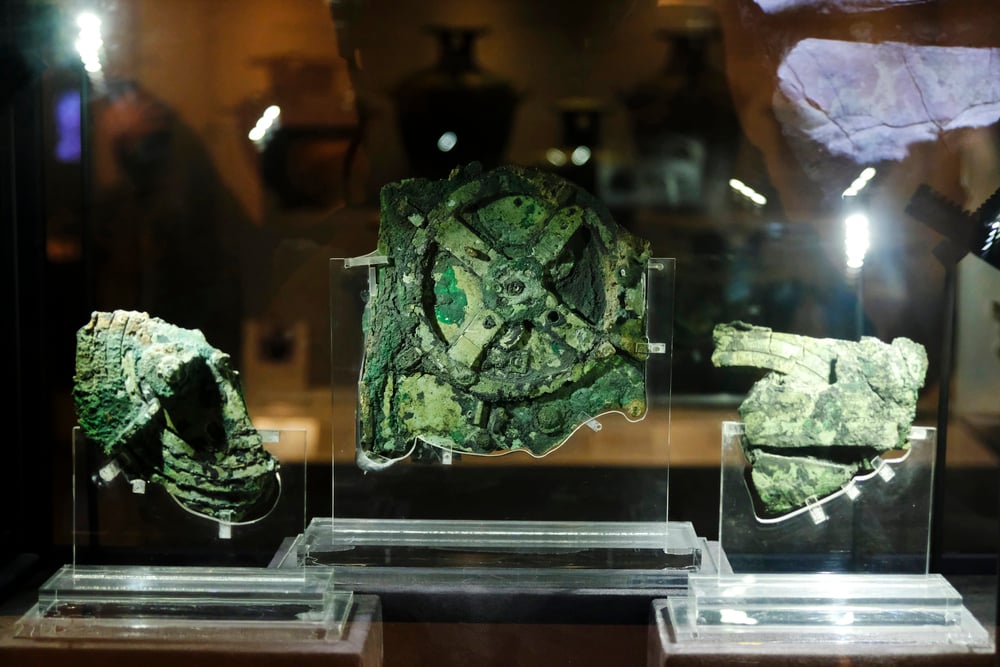
Greek sponge divers found this corroded bronze device in a shipwreck in 1901, but it took decades to understand what it actually was. The mechanism turned out to be an ancient Greek computer that could predict the movements of planets and stars with remarkable accuracy.
This discovery showed that ancient Greeks had mechanical and astronomical knowledge that wouldn’t be seen again in Europe for over a thousand years. The device completely changed our understanding of ancient Greek technology and scientific capabilities.
Like Go2Tutors’s content? Follow us on MSN.
Lascaux Cave
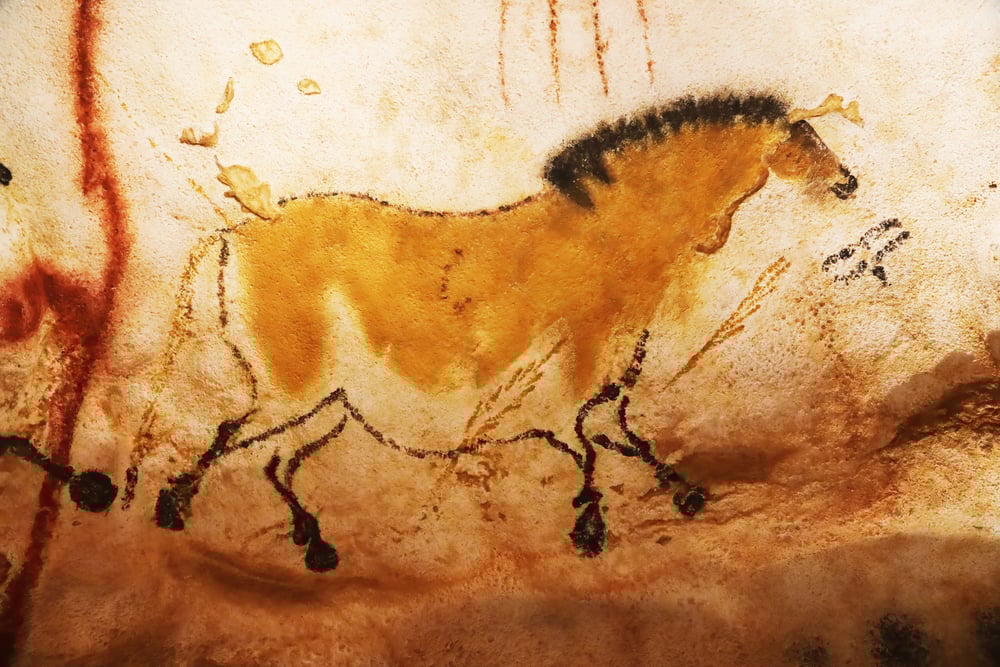
French teenagers discovered these prehistoric cave paintings in 1940, and they turned out to be some of the finest examples of Paleolithic art ever found. The caves contain over 600 animals painted with incredible skill and detail, dating back about 17,000 years.
These paintings proved that our ice age ancestors weren’t just struggling to survive—they were creating sophisticated art that rivals anything produced today. The discovery forced archaeologists to reconsider the intellectual and artistic capabilities of early humans.
Newgrange
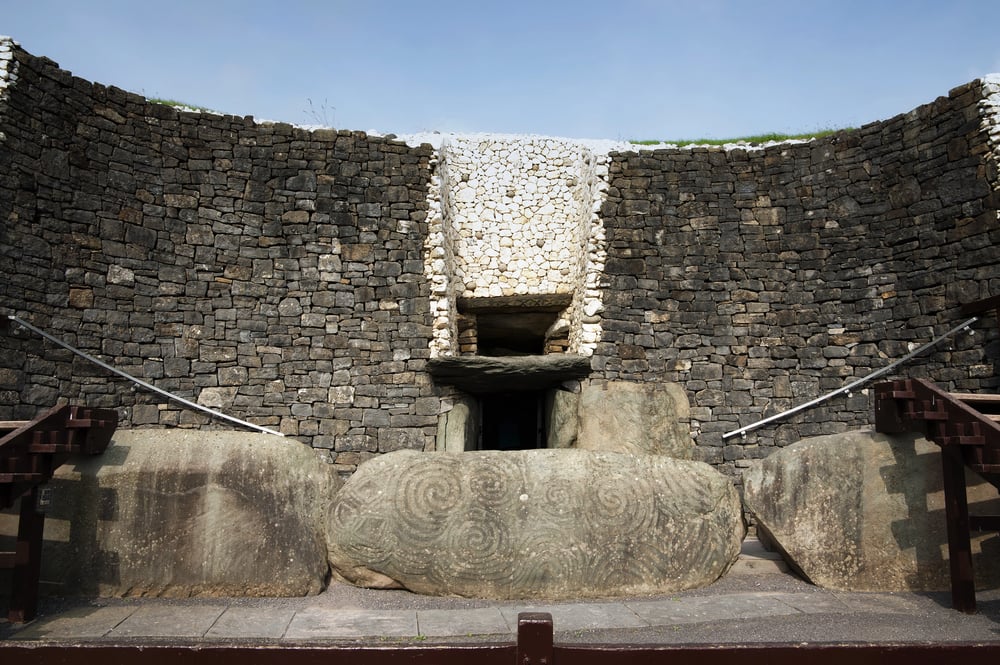
This massive stone monument in Ireland predates both Stonehenge and the Egyptian pyramids by several centuries. Built around 3200 BC, Newgrange is perfectly aligned so that sunlight enters the chamber only during the winter solstice.
The precision of this alignment shows that Neolithic people had sophisticated knowledge of astronomy and engineering. The discovery revealed that complex monumental architecture existed in Europe much earlier than anyone had suspected.
Göbekli Tepe
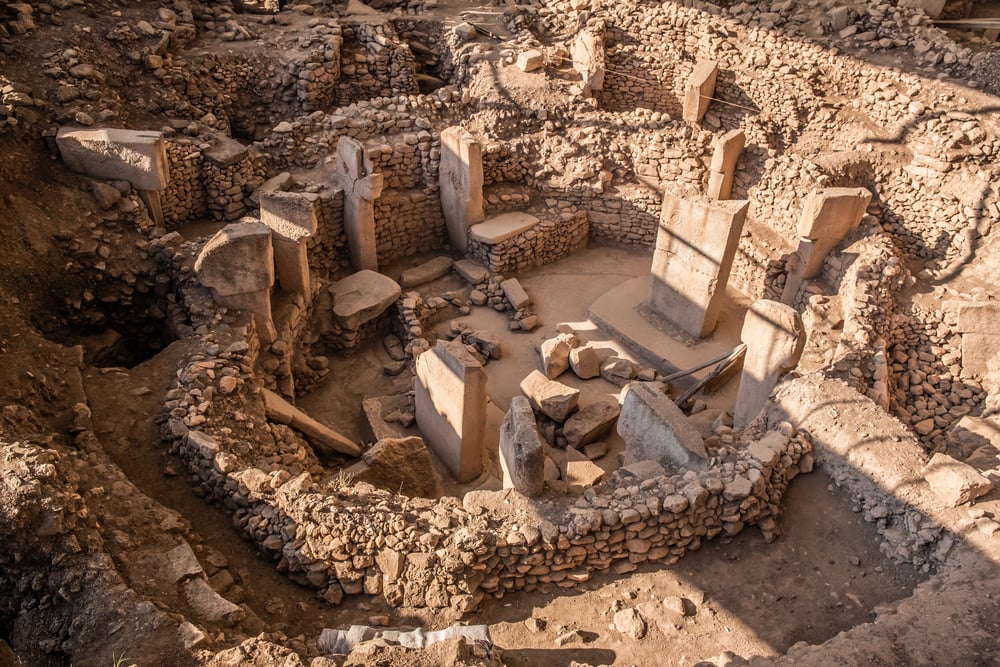
This site in Turkey completely overturned the traditional timeline of human civilization when it was discovered in the 1990s. The massive stone pillars and elaborate carvings date back to around 9500 BC, making them older than agriculture itself.
This discovery suggests that complex religious and social organization came before farming, not after it as previously thought. Göbekli Tepe forced archaeologists to reconsider the entire sequence of human cultural development.
Like Go2Tutors’s content? Follow us on MSN.
Angkor Wat
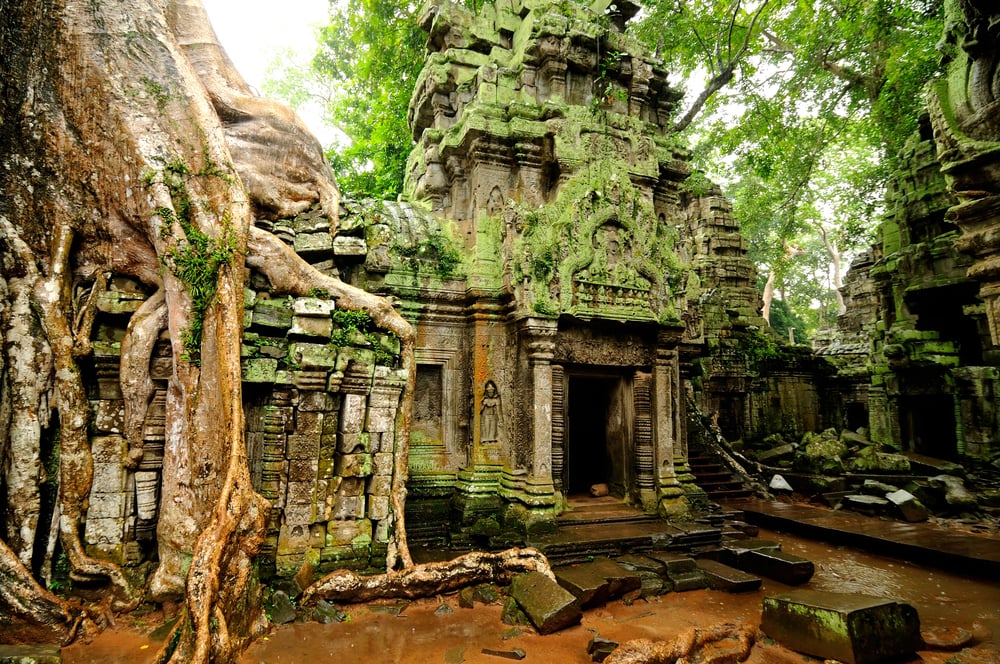
While the main temple of Angkor Wat was never truly lost, recent archaeological work has revealed that it was part of a massive urban complex that may have housed over a million people. Advanced mapping techniques have uncovered an intricate network of canals, roads, and smaller temples stretching for miles around the main site.
This discovery showed that the Khmer Empire was far more extensive and sophisticated than anyone had imagined, with urban planning on a scale that wouldn’t be seen again until the industrial age.
Piecing Together Our Past
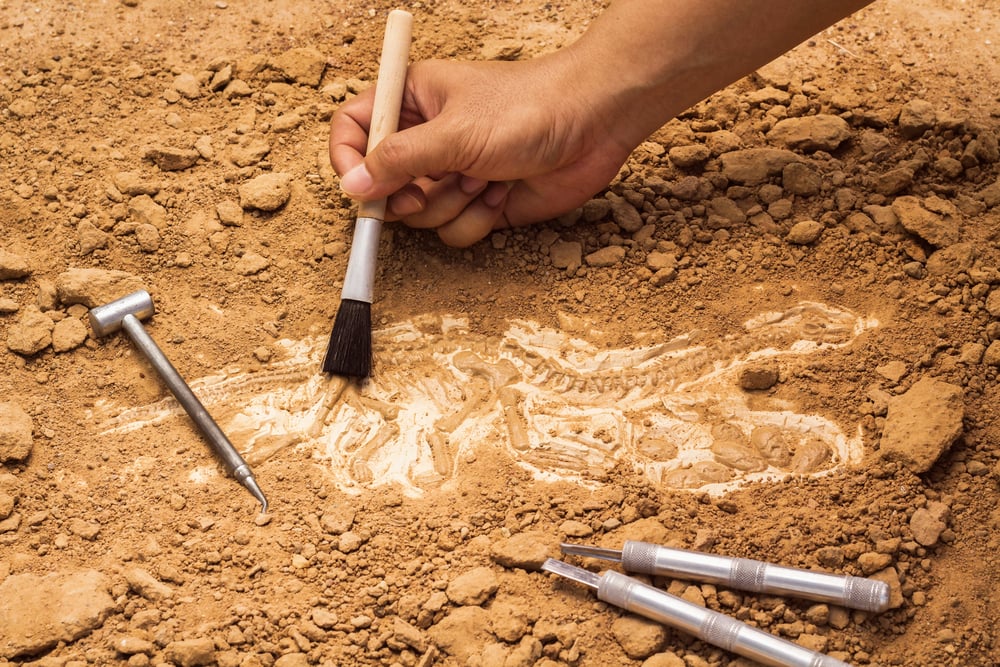
These remarkable discoveries continue to reshape our understanding of human history, proving that our ancestors were far more capable, creative, and connected than we ever imagined. Each find adds another piece to the puzzle of how civilizations rose and fell, how people lived and died, and how knowledge was passed down through generations.
The most exciting part is that archaeologists are still digging, still discovering, and still finding new evidence that challenges everything we thought we knew about the past.
More from Go2Tutors!

- 16 Historical Figures Who Were Nothing Like You Think
- 12 Things Sold in the 80s That Are Now Illegal
- 15 VHS Tapes That Could Be Worth Thousands
- 17 Historical “What Ifs” That Would Have Changed Everything
- 18 TV Shows That Vanished Without a Finale
Like Go2Tutors’s content? Follow us on MSN.