Rare Gems and Minerals With Unusual Histories
The Earth hides countless minerals beneath its surface, but only a select few ever earn the title of gemstone. Rarer still are the ones with stories that stretch beyond their beauty—stones mistaken for something else, cursed jewels that seemed to bring chaos, and minerals found in one lonely corner of the planet.
Let’s dig into 15 gems and minerals whose histories are every bit as fascinating as their sparkle.
Painite
For years, this reddish-brown gem was considered the rarest mineral on Earth. British gemologist Arthur C.D. Pain found it in Myanmar during the 1950s, believing it was just another ruby.
But when scientists examined it, they realized it was something the world had never seen before. They named it Painite after its discoverer.
For decades, only two known crystals existed—making it more a legend than a gemstone anyone could actually own. Recent discoveries in Myanmar’s Mogok region have made it slightly more available, but even now, Painite remains a collector’s dream.
Benitoite
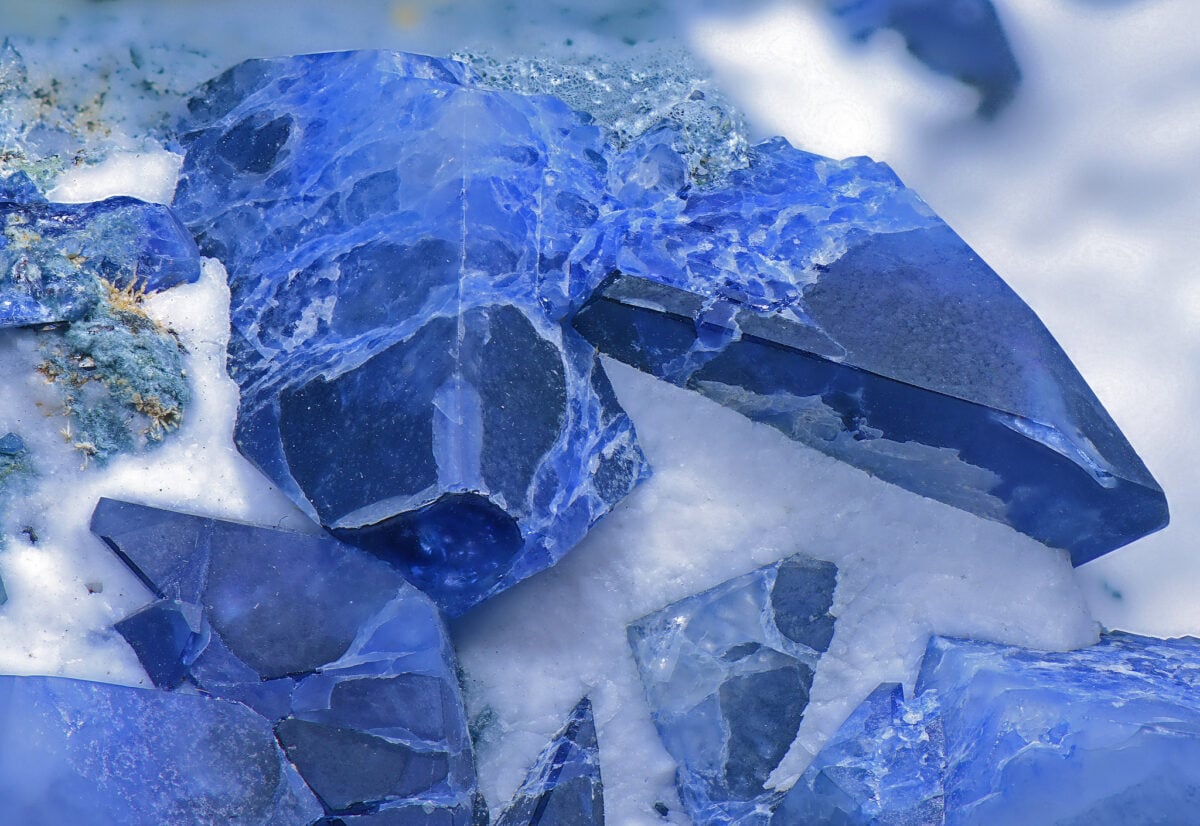
California’s state gem has one of the most accidental discovery stories in gemology. In 1907, prospector James Couch stumbled upon blue crystals in the San Benito Mountains and assumed he’d struck sapphire. When experts at UC Berkeley examined them, they realized the crystals were softer than sapphire and, in fact, something completely new.
The gem was named Benitoite after the nearby San Benito River. What’s truly fascinating? All gem-quality Benitoite on Earth comes from that exact same spot.
It even fluoresces bright blue under UV light and has more fire than a diamond.
The Hope Diamond

Few jewels carry as much lore as the 45-carat Hope Diamond. Discovered in India in the 1600s, it passed through the hands of French kings, disappeared during the Revolution, and resurfaced centuries later among wealthy British and American owners.
It’s famous for its supposed “curse,” said to bring tragedy to those who possess it—a tale historians mostly dismiss as coincidence. Today, it’s safely displayed in the Smithsonian, its deep blue hue (thanks to traces of boron) mesmerizing millions of visitors every year.
Like Go2Tutors’s content? Follow us on MSN.
Black Prince’s Ruby
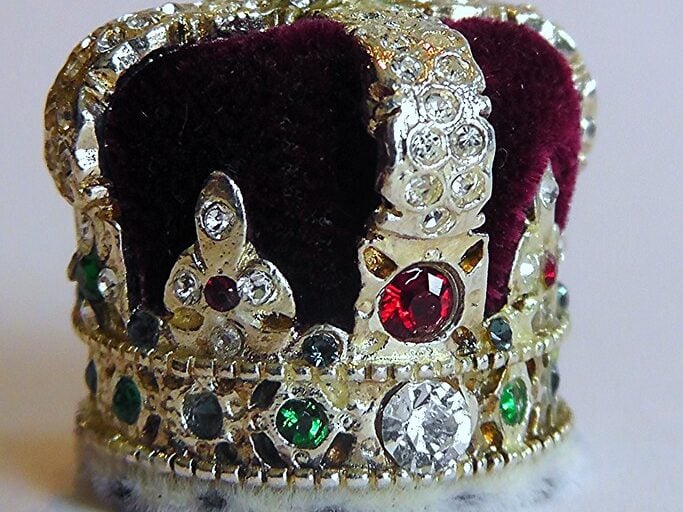
This legendary red gem isn’t actually a ruby at all—it’s a spinel. For centuries, no one knew.
Set in Britain’s Imperial State Crown, the stone has witnessed royal ceremonies and bloody battles. Legend has it that during the Battle of Agincourt in 1415, the gem deflected a fatal blow aimed at King Henry V’s head.
Given to Prince Edward in 1367 by a Spanish king, the 170-carat spinel has been part of British history for more than 650 years.
Tanzanite
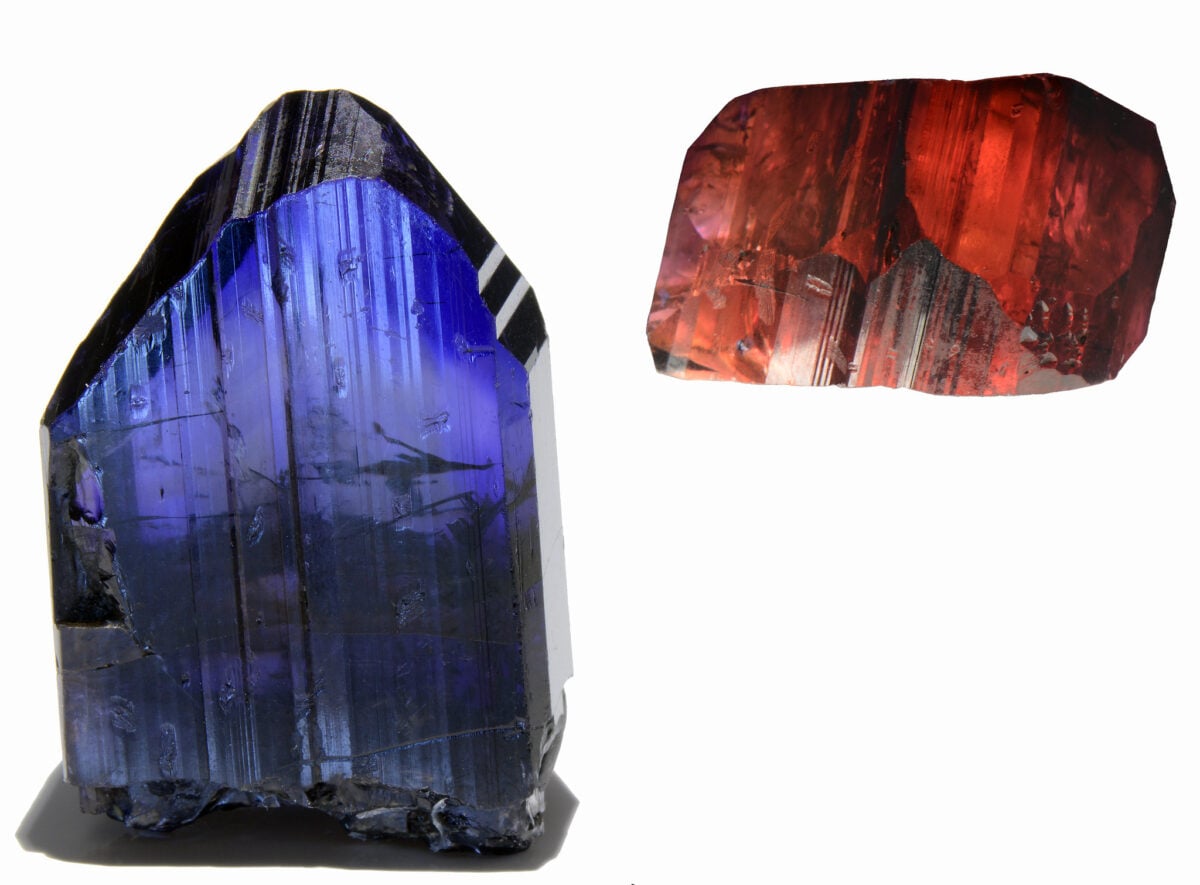
In 1967, a Masai tribesman near Mount Kilimanjaro stumbled upon dazzling violet-blue crystals glittering in the soil. The find turned out to be Tanzanite—a gem that forms in only one tiny stretch of land on Earth.
Tiffany & Co. later gave it its name and turned it into a global sensation. The blue color we admire today actually appears after the stone is heat-treated, and with limited deposits, experts say the supply could run out within decades.
Paraíba Tourmaline
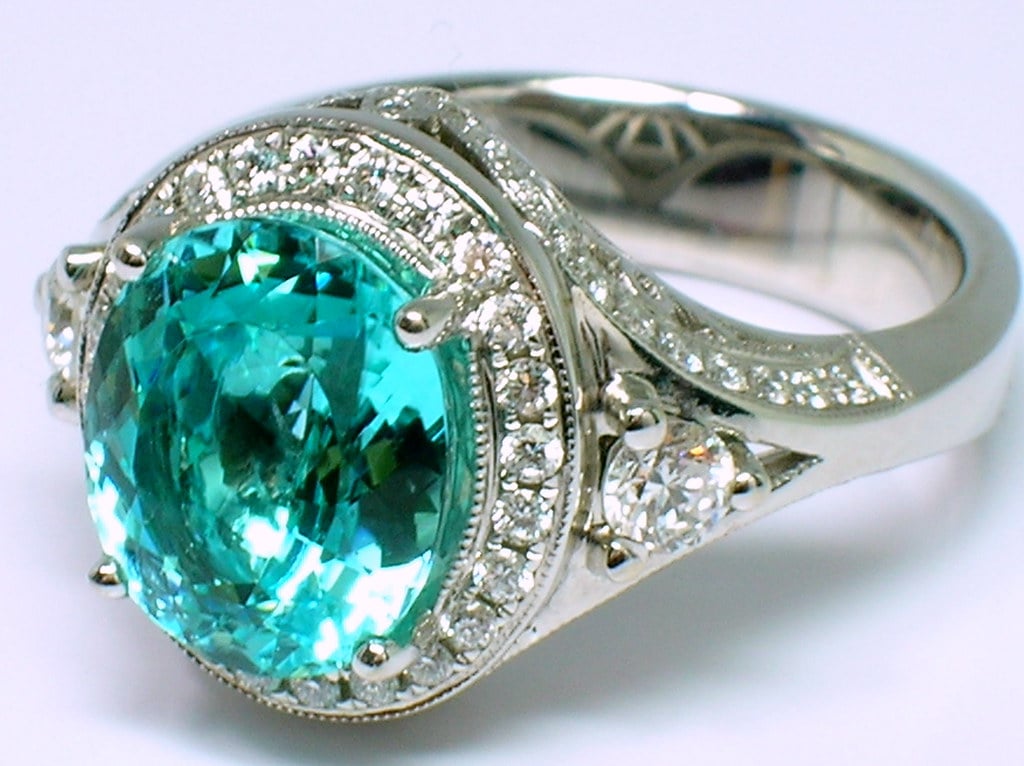
Discovered in Brazil’s Paraíba state in the 1980s by prospector Heitor Dimas Barbosa, this neon blue-green gem caused a sensation. Its electric color, caused by copper content, was unlike anything seen before in tourmaline.
Because the mine was so small, stones over a carat were almost unheard of, and prices quickly skyrocketed—some exceeding those of diamonds. Even though similar stones later appeared in Nigeria and Mozambique, the original Paraíba tourmalines remain unmatched in prestige.
Like Go2Tutors’s content? Follow us on MSN.
Red Beryl
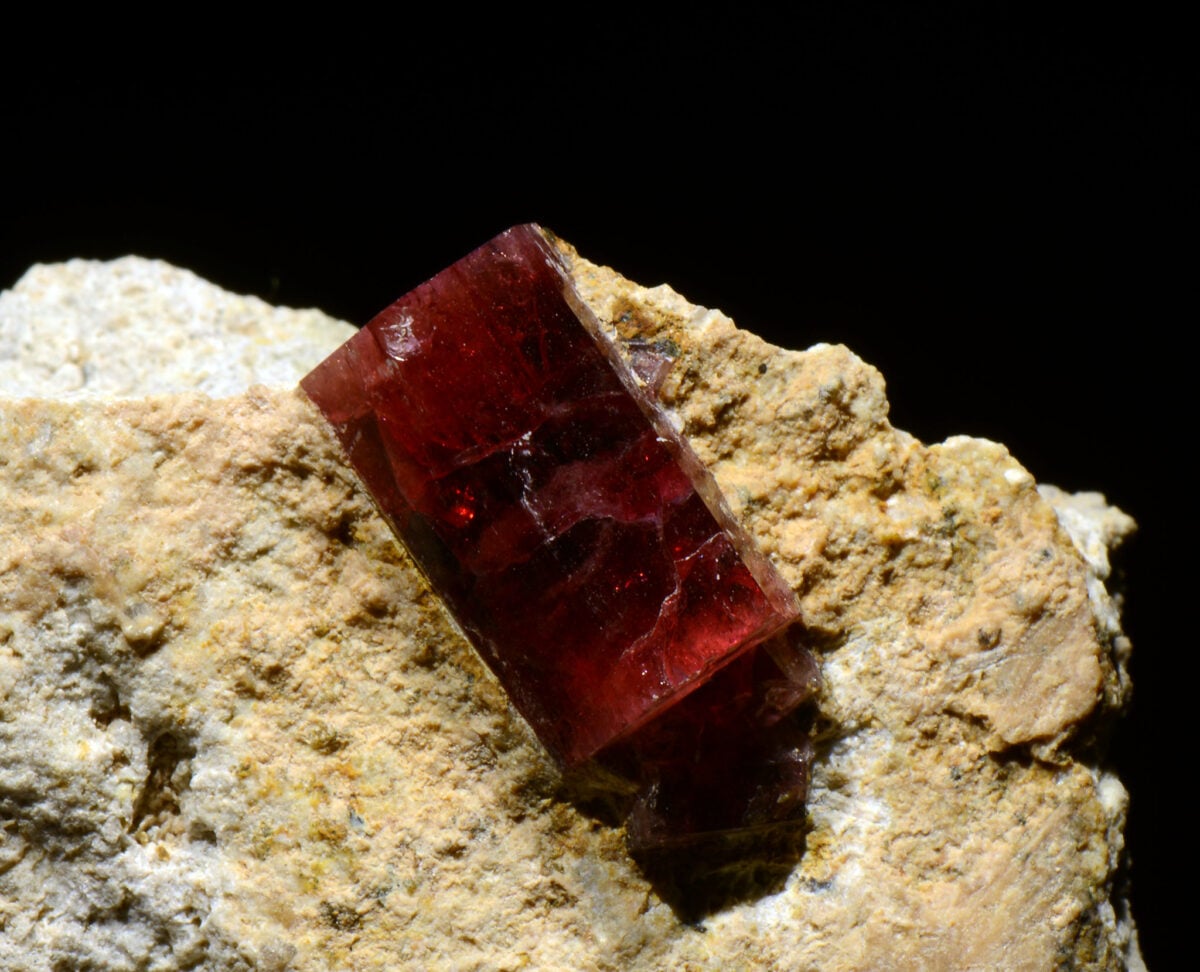
Red Beryl, sometimes called bixbite, is estimated to be about a thousand times rarer than diamonds. Found mainly in Utah’s Wah Wah Mountains, it owes its fiery red tone to manganese.
Most crystals are too small or flawed for jewelry, so gem-quality Red Beryl is often measured in millimeters, not carats. Many jewelers have never even seen one in person—its rarity keeps it firmly in the realm of collectors and geologists.
The Star of India
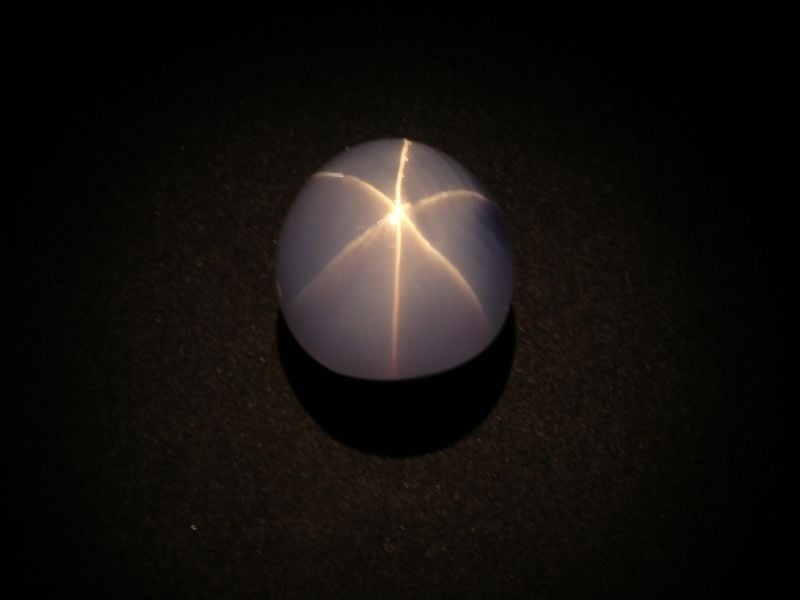
Weighing in at 563 carats, this massive star sapphire from Sri Lanka glows with a six-rayed star effect that seems almost otherworldly. It was purchased for display at the 1900 Paris Exposition and later donated to New York’s American Museum of Natural History.
In 1964, it became the centerpiece of a notorious heist, stolen along with other priceless gems. Luckily, the thieves were caught and the Star of India was returned, where it remains a star attraction today.
Its shimmering “star” is caused by rutile inclusions arranged in perfect symmetry.
Koh-i-Noor Diamond

The Koh-i-Noor, meaning “Mountain of Light,” is one of the world’s most famous—and most controversial—diamonds. Once part of India’s royal treasures, it was taken by the British in 1850 and now sits in the crown jewels at the Tower of London.
Legend says the diamond brings misfortune to any man who wears it, which is why it has only been worn by women since Queen Victoria’s era. Curse or coincidence, the myth adds a certain haunting mystique to its history.
Like Go2Tutors’s content? Follow us on MSN.
Black Orlov

The 67-carat Black Orlov Diamond, also called the Eye of Brahma, comes with a dark legend. Said to have been stolen from a Hindu shrine, it supposedly cursed several of its owners.
While there’s no real proof behind the tragedy-laden tales, they helped make the gem famous. Today, the once “cursed” stone has been recut, set in a necklace, and lives a much calmer existence as a collector’s treasure.
Musgravite
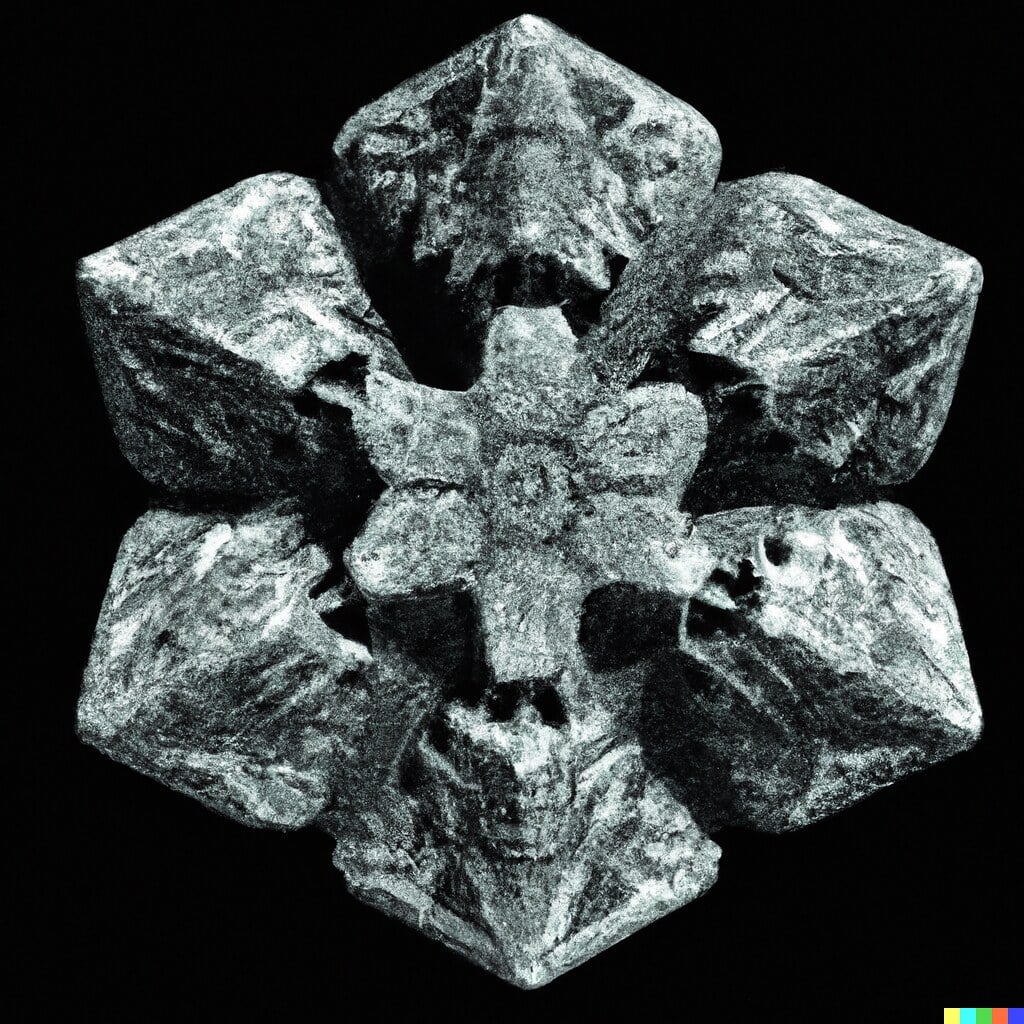
Discovered in Australia’s remote Musgrave Ranges in 1967, Musgravite’s story starts with a bang—literally. It formed under extreme conditions likely triggered by an ancient meteorite impact.
Even today, the gem is so scarce that many experts have never seen one in person. Because it looks similar to other rare minerals, verifying it requires specialized lab testing, which only adds to its mystery.
Alexandrite
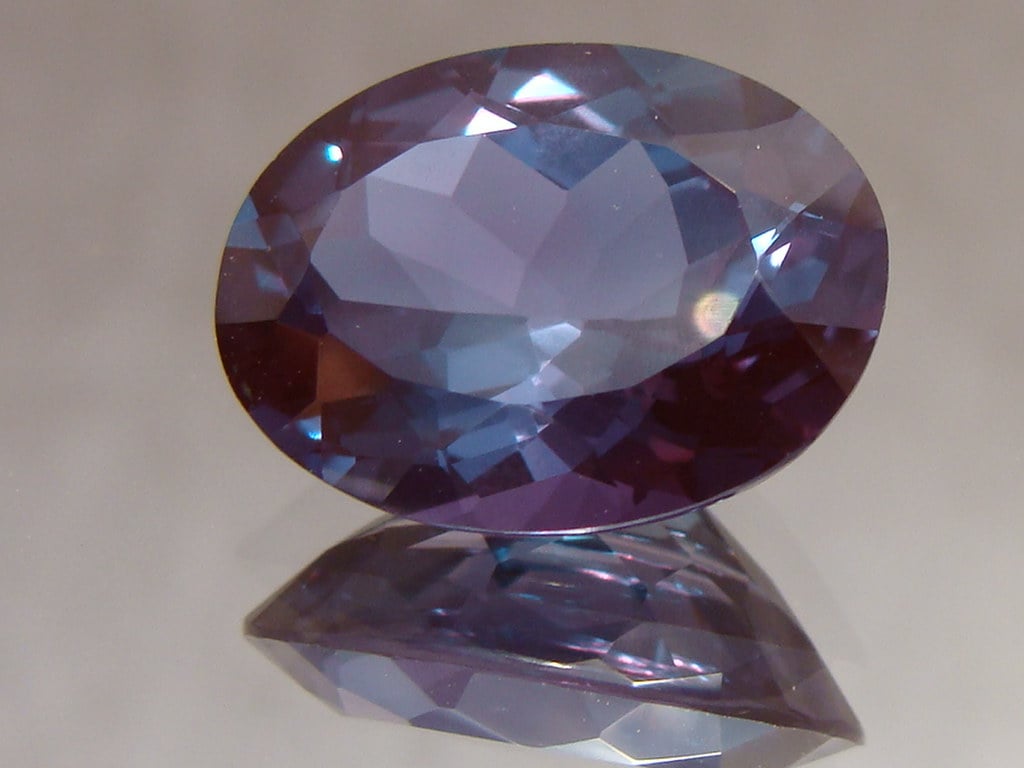
In 1830s Russia, miners found greenish stones in the Ural Mountains that turned purplish-red under lamplight. The dramatic color shift amazed them, and the gem—named Alexandrite after Czar Alexander II—became a symbol of prestige.
Its unique ability to change color comes from chromium impurities. Natural Alexandrite large enough for jewelry is extremely rare, so most pieces today feature lab-created versions that mimic the same effect.
Like Go2Tutors’s content? Follow us on MSN.
Grandidierite
Siroyagi3000/ Flickr
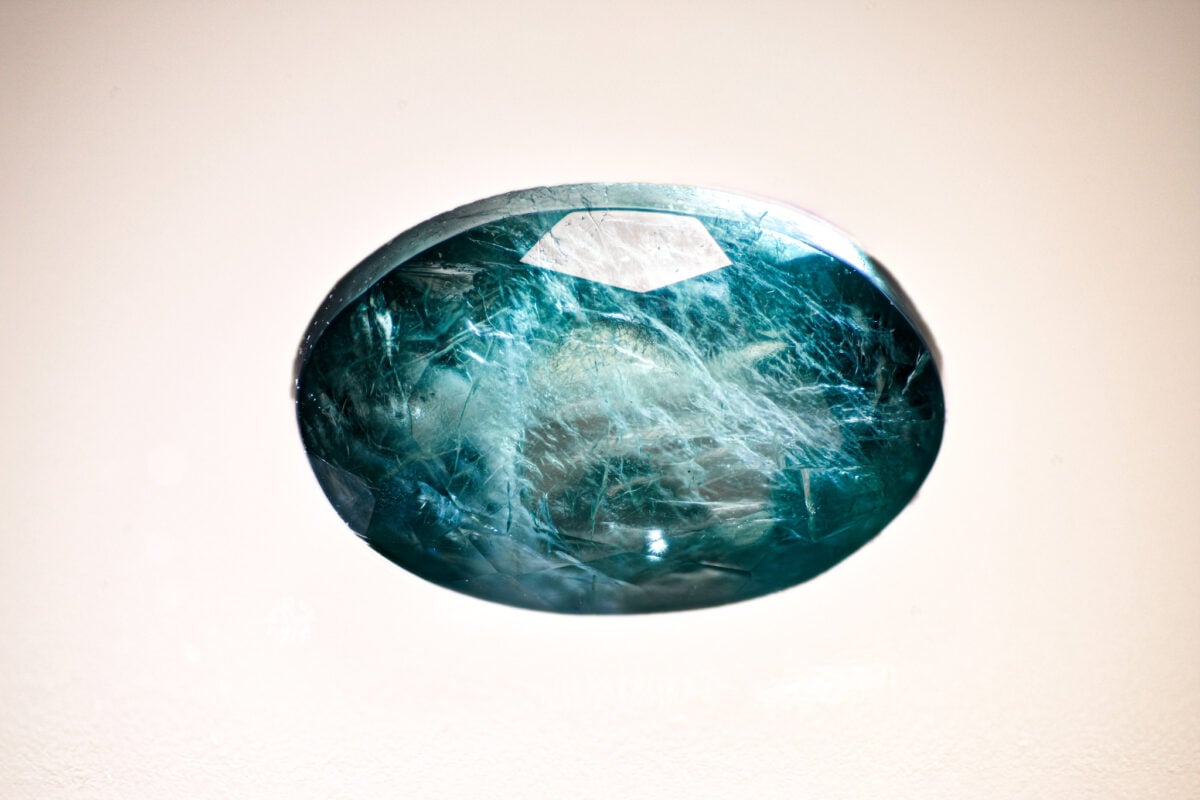
Discovered in Madagascar in 1902 and named after French explorer Alfred Grandidier, this gem was more curious than jewelry material for a century. Then, in 2016, new deposits revealed transparent crystals suitable for cutting—and collectors pounced.
Grandidierite’s teal-green hue shifts depending on the viewing angle, a property known as pleochroism. High-quality specimens can sell for tens of thousands per carat.
Serendibite
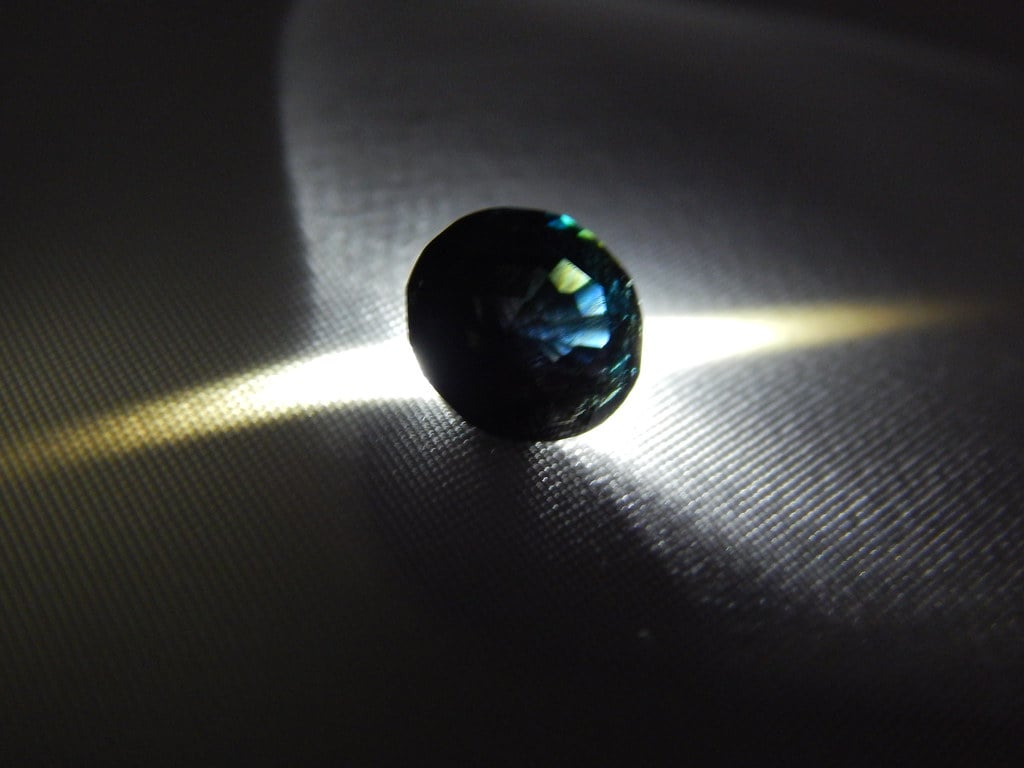
Found in Sri Lanka in 1902, this gem’s very name—Serendibite—comes from “Serendib,” an old Arabic name for the island, and fittingly hints at its rarity and the luck needed to find it. Deep blue to greenish-blue and highly pleochroic, Serendibite is so scarce that even many gem dealers never encounter it.
Each stone feels like a small geological miracle.
Jeremejevite
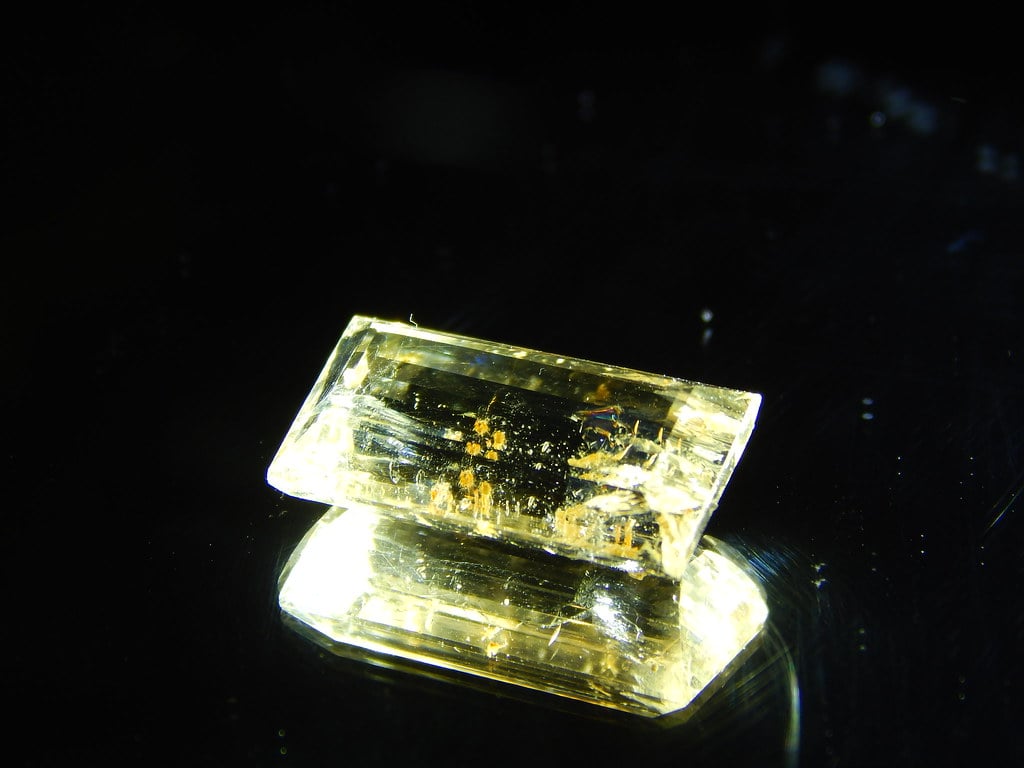
First identified in Siberia in 1883 by mineralogist Pavel Jeremejev, this mineral remained mostly a scientific curiosity until gem-quality pieces were discovered in Namibia nearly a century later. Jeremejevite crystals are colorless to pale blue and extremely fragile, which makes them rare in jewelry.
Most reside in museum or private collections, and when they do appear for sale, they fetch prices worthy of their exclusivity.
The Trail These Stones Leave
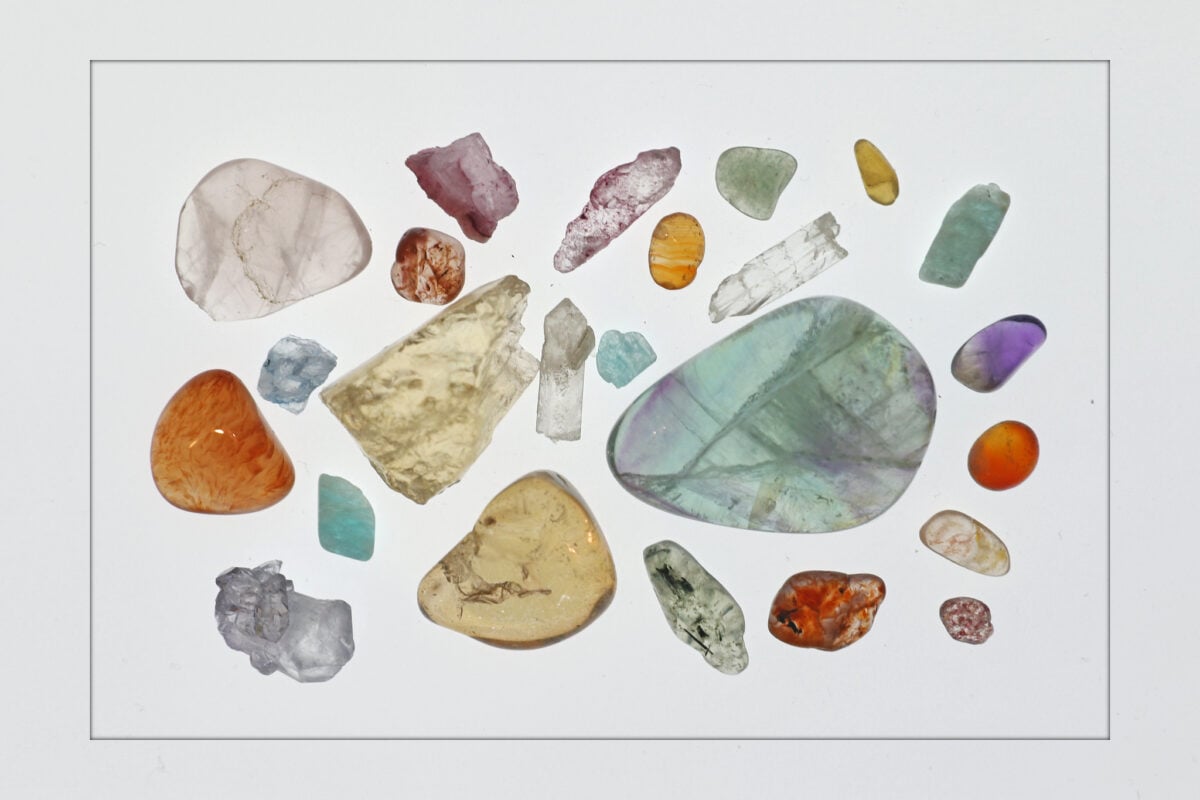
These rare gems don’t just sparkle—they tell stories. From accidental discoveries in dusty mountain ranges to legends that have outlived kings and empires, each stone connects geology and human history in unexpected ways.
They remind us that Earth still hides secrets in plain sight—and that sometimes, the most extraordinary treasures aren’t the ones we see every day, but the ones we almost never see at all.
More from Go2Tutors!

- 16 Historical Figures Who Were Nothing Like You Think
- 12 Things Sold in the 80s That Are Now Illegal
- 15 VHS Tapes That Could Be Worth Thousands
- 17 Historical “What Ifs” That Would Have Changed Everything
- 18 TV Shows That Vanished Without a Finale
Like Go2Tutors’s content? Follow us on MSN.