Images Of Unsettling Vintage Toys That Look Creepy
There’s something about old toys that can make your skin crawl. Maybe it’s the way the paint has chipped and faded over decades, or how those glass eyes seem to follow you around the room.
Vintage toys were often designed with a very different aesthetic sensibility than today’s brightly colored, safety-tested playthings. They reflected the attitudes and artistic styles of their era, which sometimes resulted in objects that feel more like artifacts from a horror movie than childhood companions.
The materials available to toymakers in earlier decades didn’t help matters. Lead paint, real animal hair, and crude manufacturing techniques created toys that age in particularly unsettling ways.
What might have been charming in 1920 can look downright menacing nearly a century later. What might have been charming in 1920 can look downright menacing nearly a century later.
Victorian Dolls
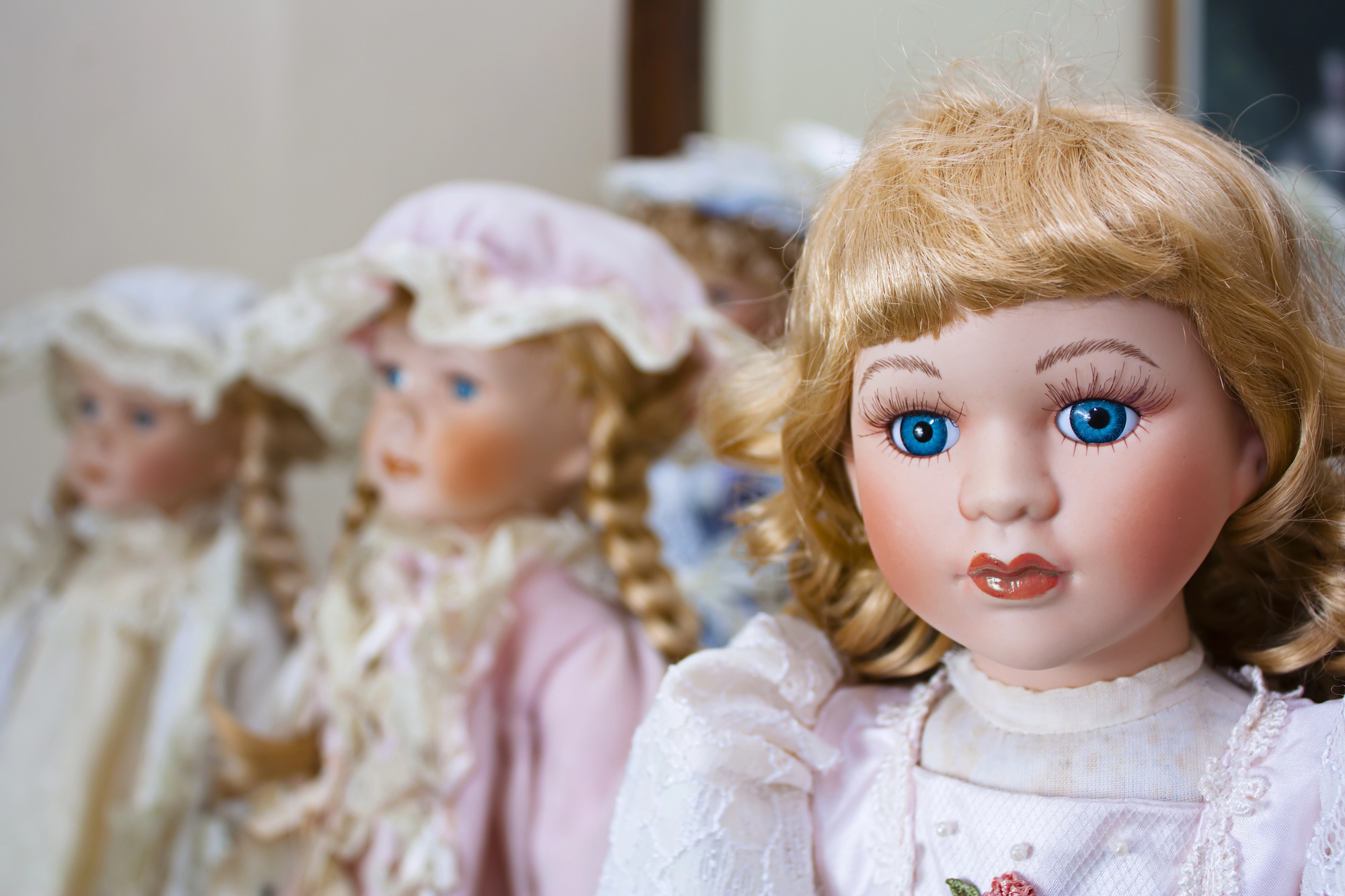
Victorian dolls are nightmare fuel. Their porcelain faces crack in ways that suggest violence rather than age.
The rosy cheeks fade to an unhealthy pallor. Those glass eyes never blink.
Mechanical Banks
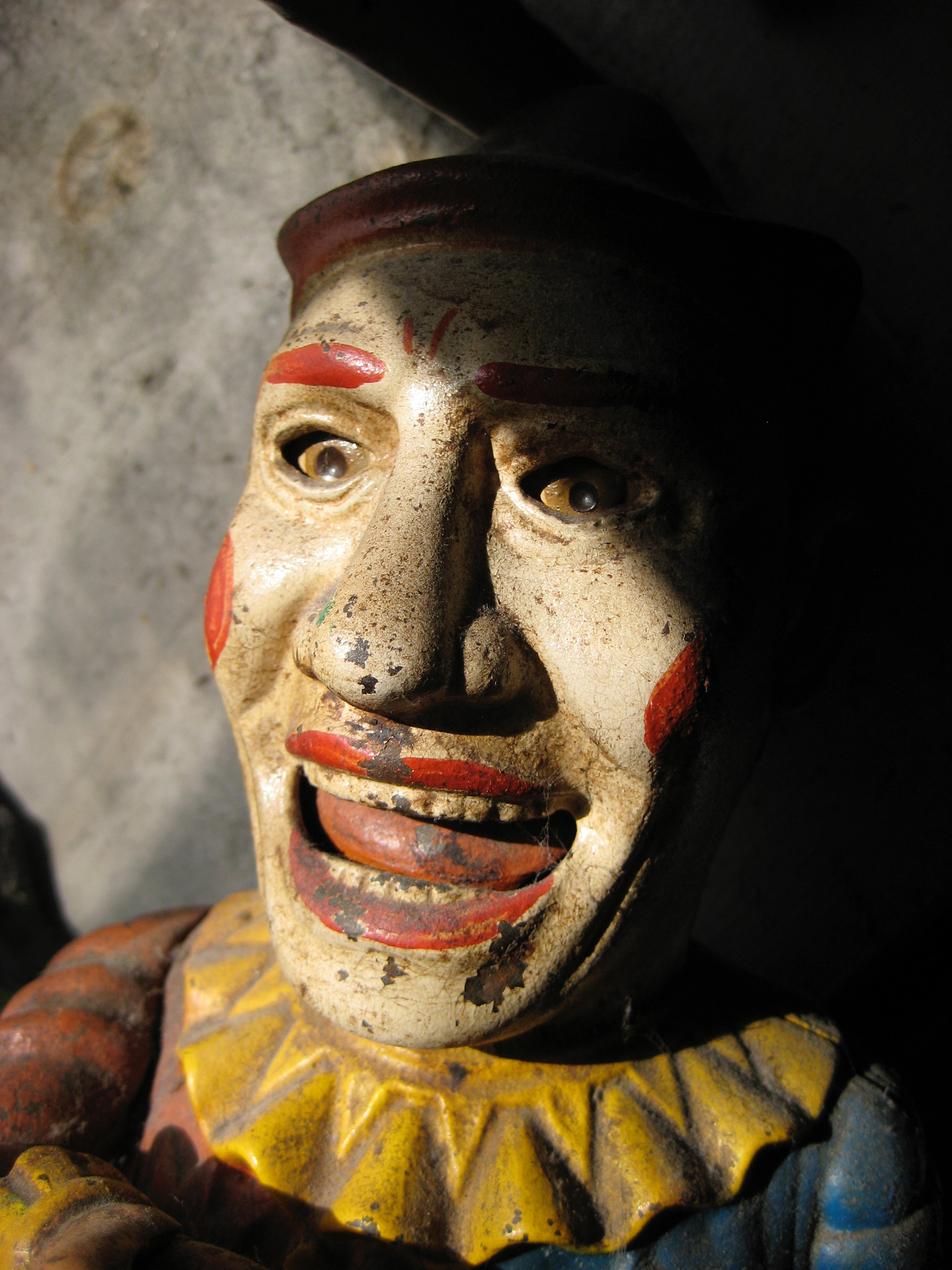
The painted cast iron figures on these coin-operated toys have aged into something sinister. A clown that once delighted children now grins with chipped teeth and hollow eyes.
The mechanical movements, once smooth and entertaining, now seem jerky and unpredictable (as if the toy might spring to life at any moment), and when you consider that many of these banks were designed around racial stereotypes or unsettling themes to begin with — well, time hasn’t been kind to what was already questionable. The paint chips in all the wrong places, creating shadows where there should be highlights, and the metal underneath shows through like exposed bone.
So the cheerful banker becomes a ghoulish figure. The dancing bear looks rabid.
Ventriloquist Dummies
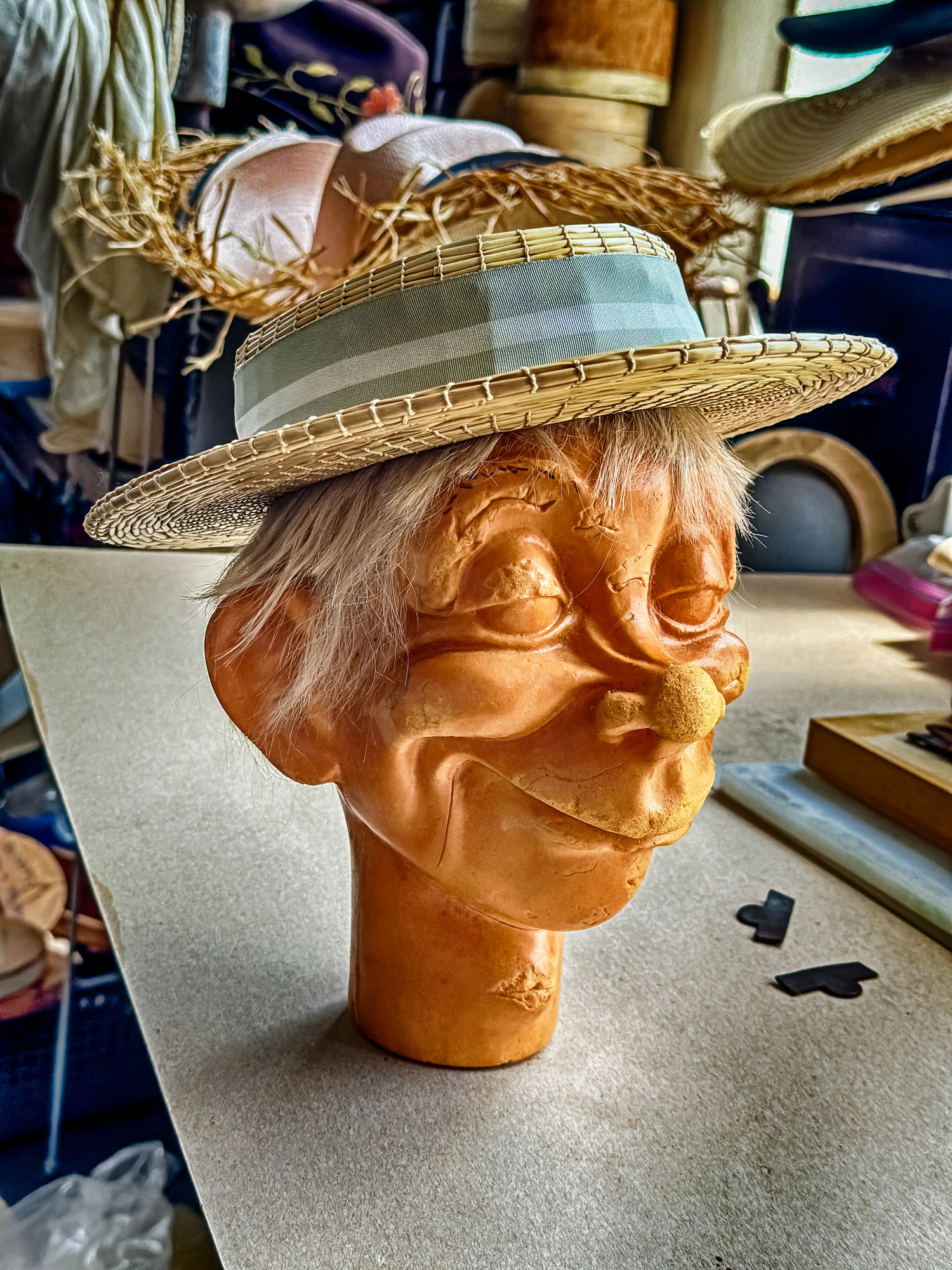
There’s a particular species of dread that lives in the space between human and not-quite-human. Ventriloquist dummies occupy that territory with aggressive confidence.
The wooden faces, carved to suggest personality, instead suggest something trying very hard to pass for alive and failing in ways that make you want to leave the room. Age turns their painted smiles into leers.
The hinged jaws that once moved in perfect sync with a performer’s voice now hang slightly open, as if caught mid-scream. The hinged jaws that once moved in perfect sync with a performer’s voice now hang slightly open, as if caught mid-scream.
Jack-In-The-Boxes
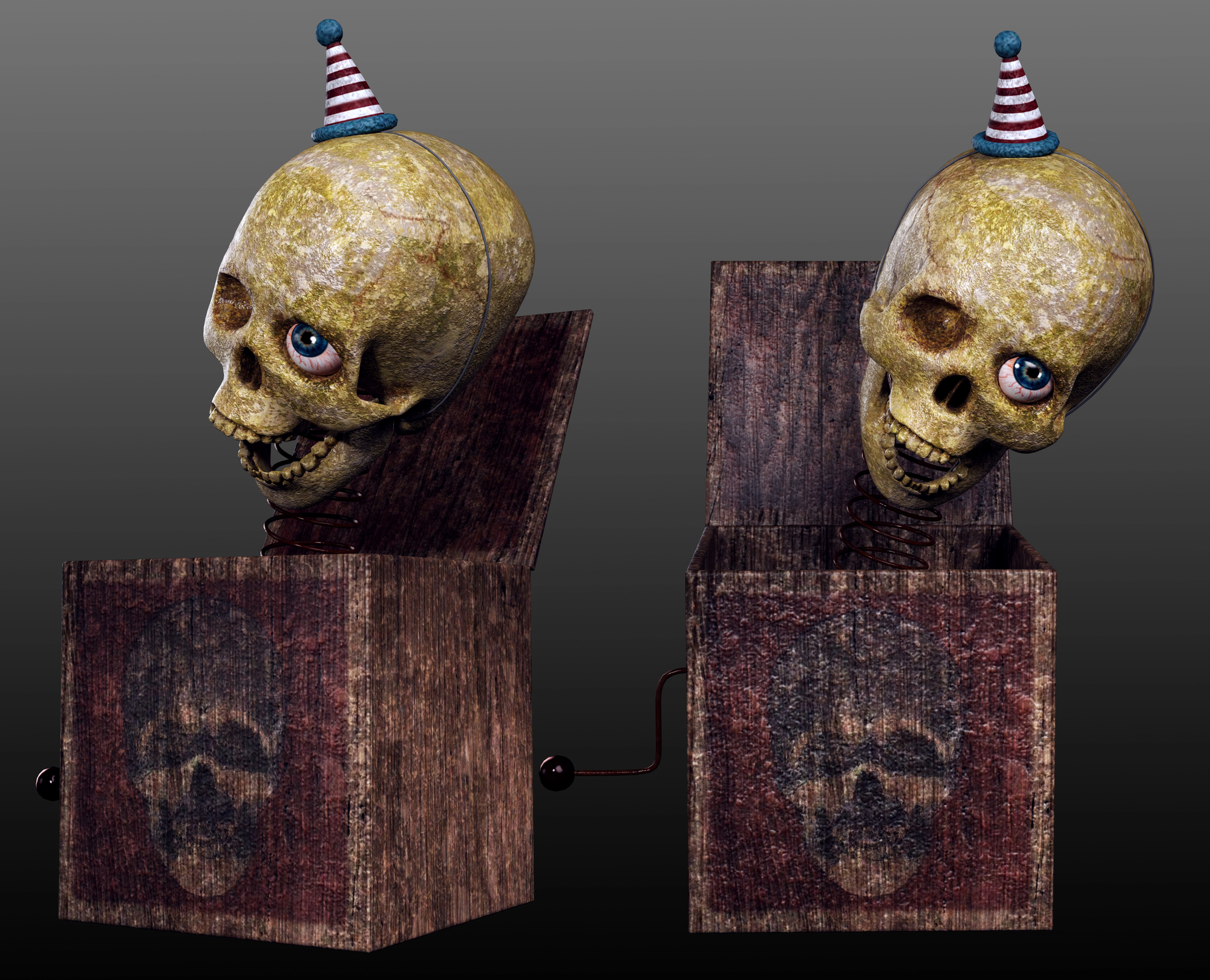
Jack-in-the-boxes were designed to startle. That was the entire point.
But vintage versions take this concept and push it into genuine terror territory — the springs weaken over time, so Jack emerges slowly and unpredictably rather than with a cheerful pop, and the painted faces on these figures often reflect the artistic conventions of their era, which favored exaggerated features that now read as grotesque rather than playful. The music boxes that announce Jack’s arrival play their tinny melodies at half-speed when the mechanisms age, turning “Pop Goes the Weasel” into a funeral dirge.
Fair enough — that’s exactly what it sounds like. Fair enough — that’s exactly what it sounds like.
Stuffed Animals With Glass Eyes
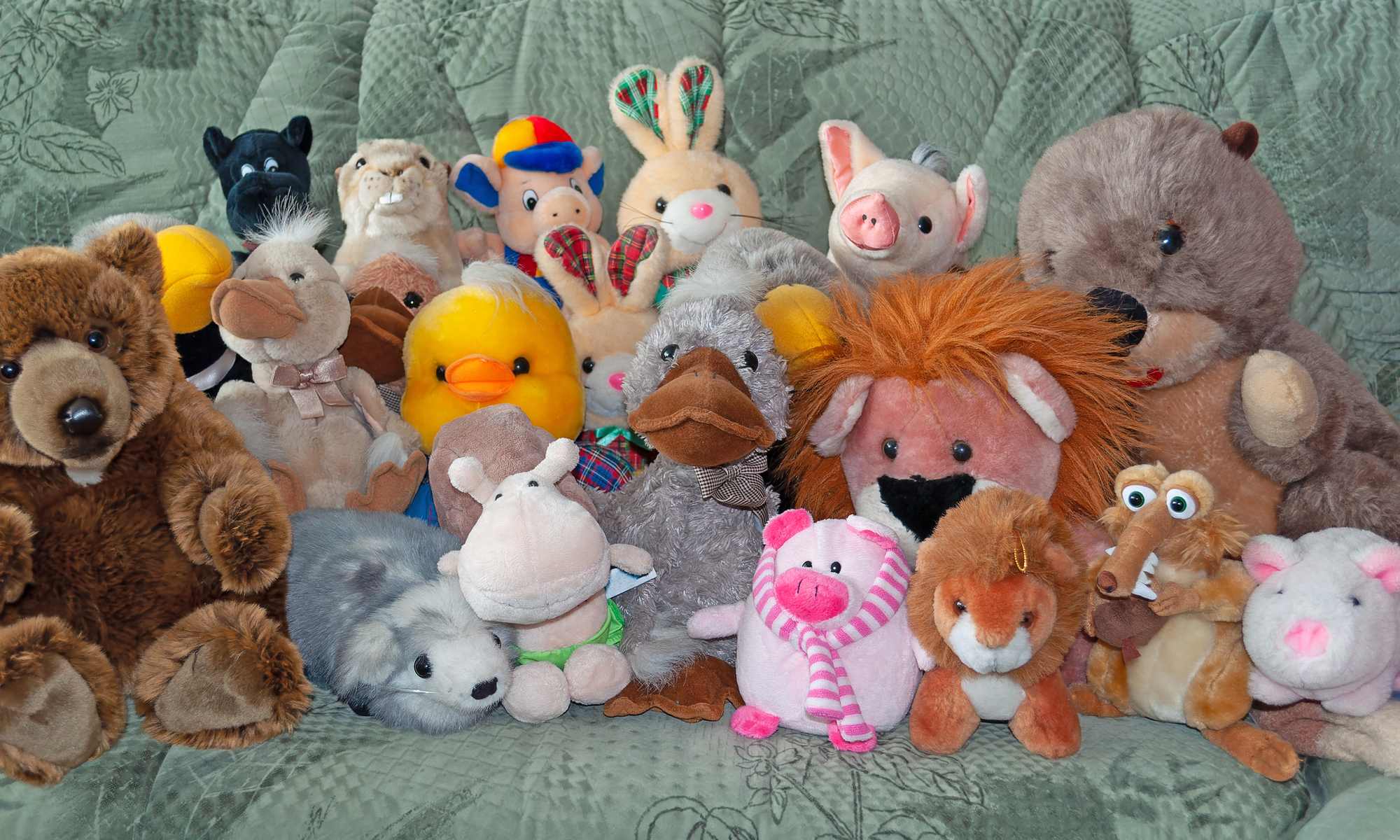
Before plastic safety eyes became standard, stuffed animals stared out at the world through actual glass. Those eyes were designed to look lifelike, which they do — disturbingly so.
Like windows into something that was never quite innocent to begin with. The fur around vintage glass eyes often wears away first, creating dark circles that suggest exhaustion or illness.
These animals seem to watch you with the patience of something that has learned to wait. The glass catches light in ways that suggest consciousness, even when you know better.
Even when you tell yourself it’s just reflected lamplight, something deeper disagrees. Even when you tell yourself it’s just reflected lamplight, something deeper disagrees.
Marionettes

String puppets achieve the uncanny valley through pure physics. The way they move — always slightly delayed, always fighting gravity — suggests a soul trapped in wood and cloth.
Vintage marionettes take this unsettling quality and amplify it through decades of wear and damage. The strings tangle and break, leaving limbs to dangle at unnatural angles.
The paint fades unevenly, creating the appearance of bruises or decay. But it’s the faces that truly disturb — carved with theatrical exaggeration, they’re designed to be seen from a distance, which makes them overwhelming up close.
Wind-Up Toys
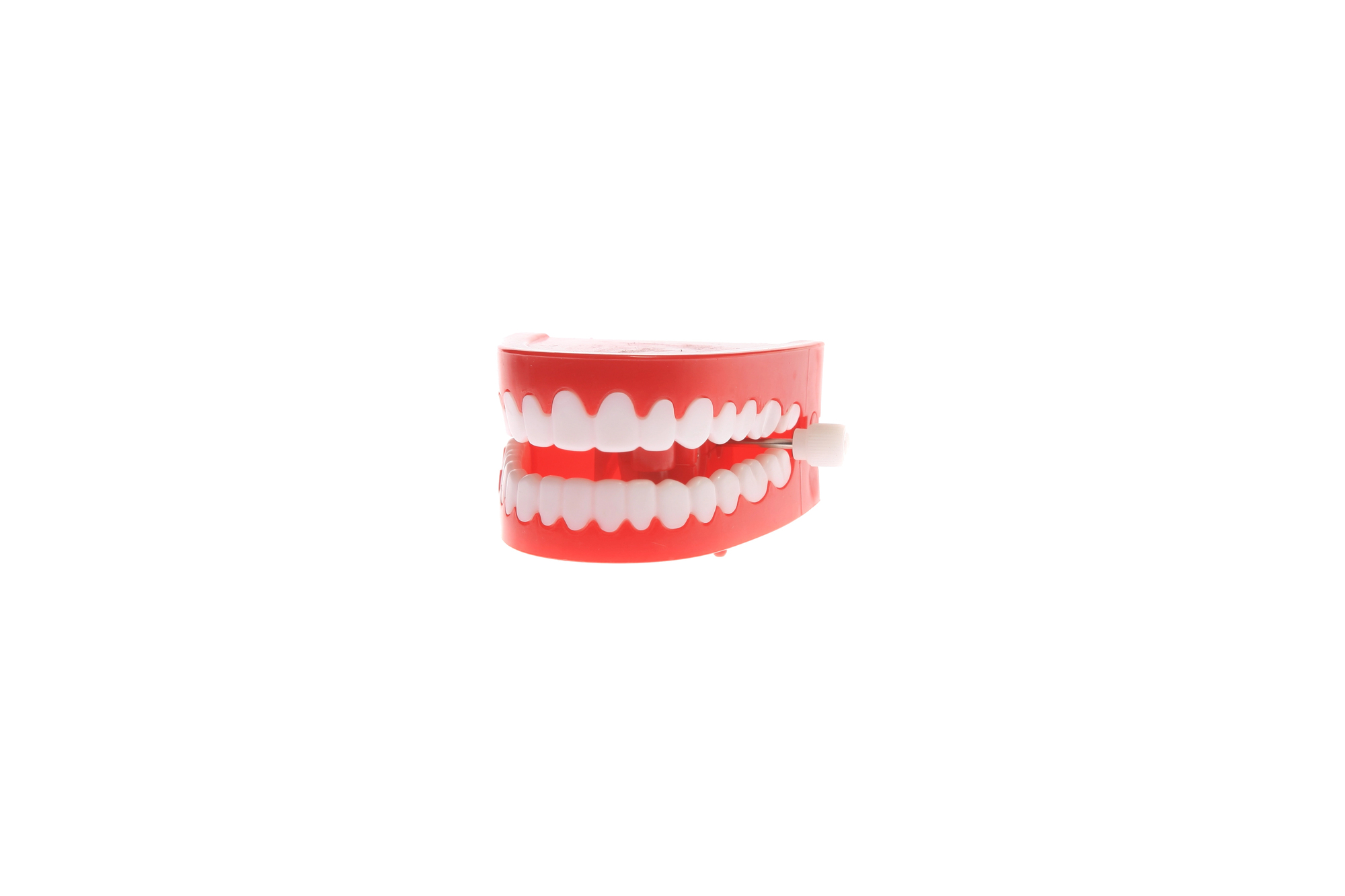
Wind-up mechanisms were never built to last forever. That’s the problem.
These toys move with the stuttering gait of something that’s slowly dying, and when the springs finally give out completely, they freeze mid-action in poses that suggest interrupted violence or eternal torment. A wind-up drummer beats his drums in slow motion, each strike weaker than the last.
A dancing couple spins in decreasing circles until they collapse against each other in what looks like exhaustion or despair. The grinding sound of worn gears adds an industrial menace to what was supposed to be whimsical.
Rocking Horses
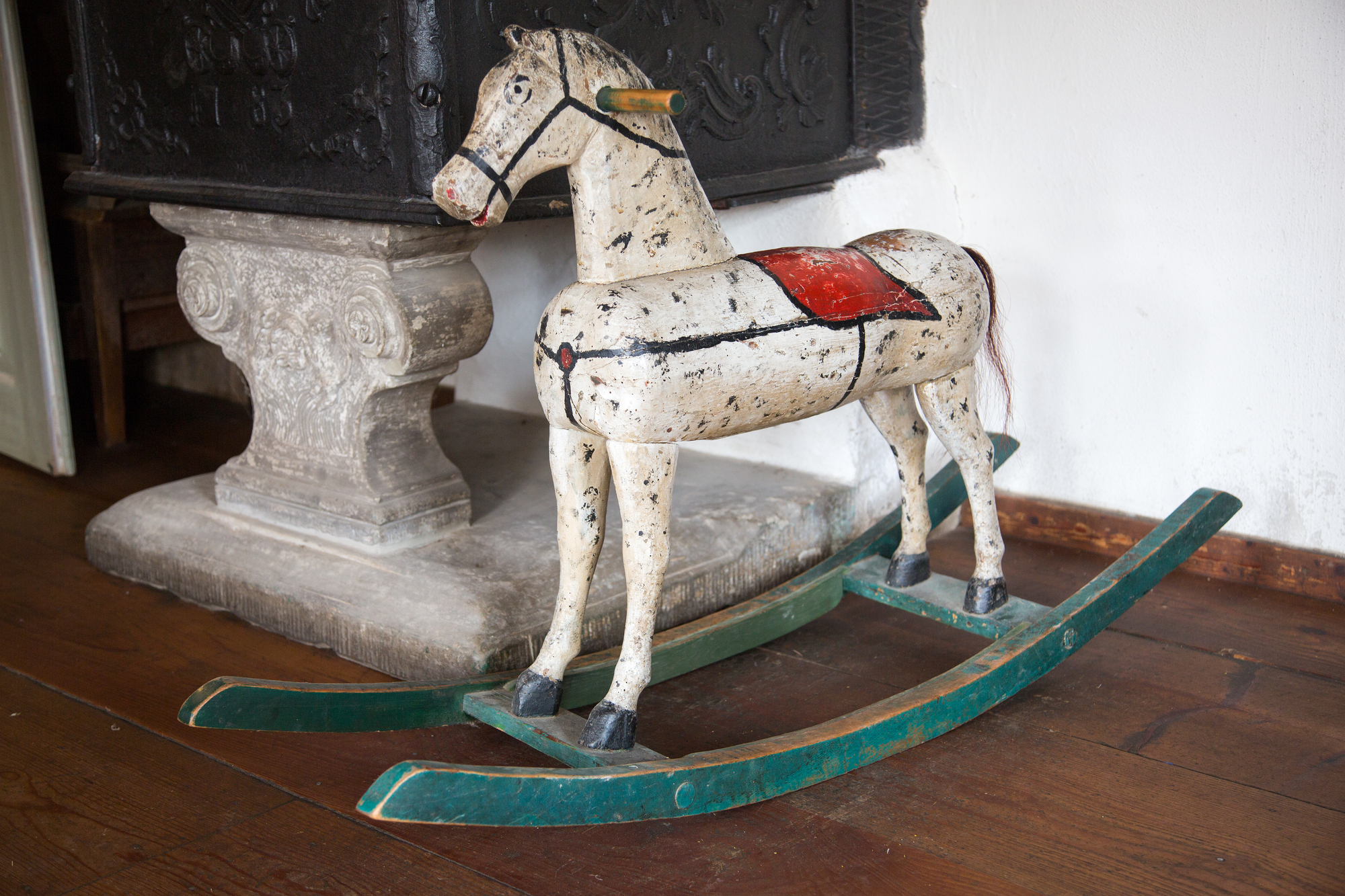
There’s something primally unsettling about a rocking horse that moves on its own. Vintage models, with their elaborate manes of real horsehair and painted eyes that seem too knowing, achieve this effect even when perfectly still.
The horsehair mats and tangles over time, creating a wild, neglected appearance that suggests abandonment. The rockers wear smooth and uneven, so the motion becomes unpredictable — a gentle push sends the horse into an erratic rhythm that doesn’t match any natural gait.
The painted nostrils flare with what looks like permanent alarm. The painted nostrils flare with what looks like permanent alarm.
Composition Dolls
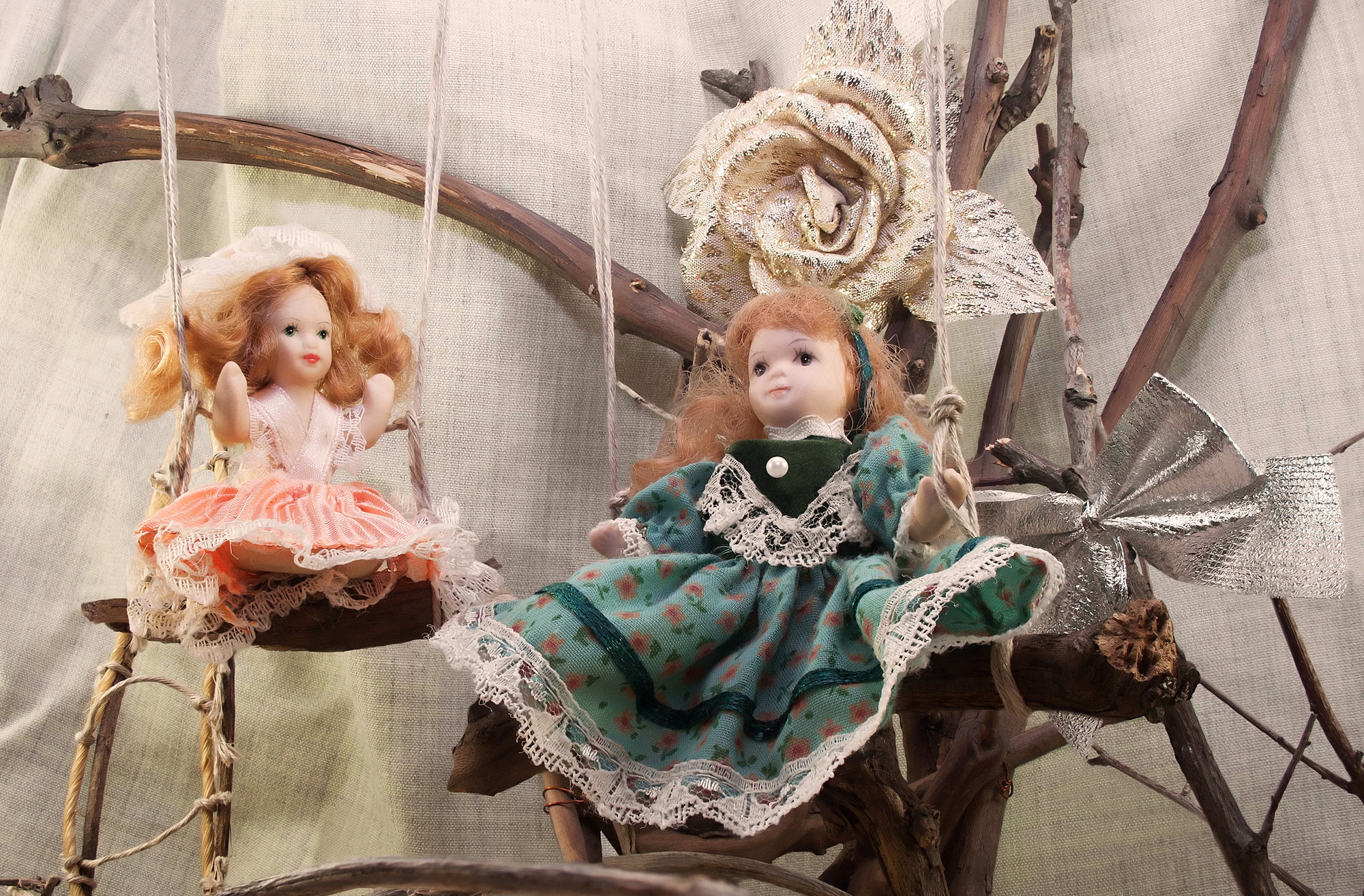
Composition dolls were made from a mixture of pulp, sawdust, and glue that was supposed to be more durable than bisque. It wasn’t.
The material cracks and crazes in patterns that look like premature aging or disease, and because composition was often painted to look like skin, the effect is particularly disturbing. These dolls develop what collectors euphemistically call “crazing” — a network of fine cracks that spreads across the face like wrinkles appearing in fast-forward.
The rosy cheeks fade while the cracks darken, creating a road map of decay across what was meant to be the picture of health. The rosy cheeks fade while the cracks darken, creating a road map of decay across what was meant to be the picture of health.
Toy Soldiers
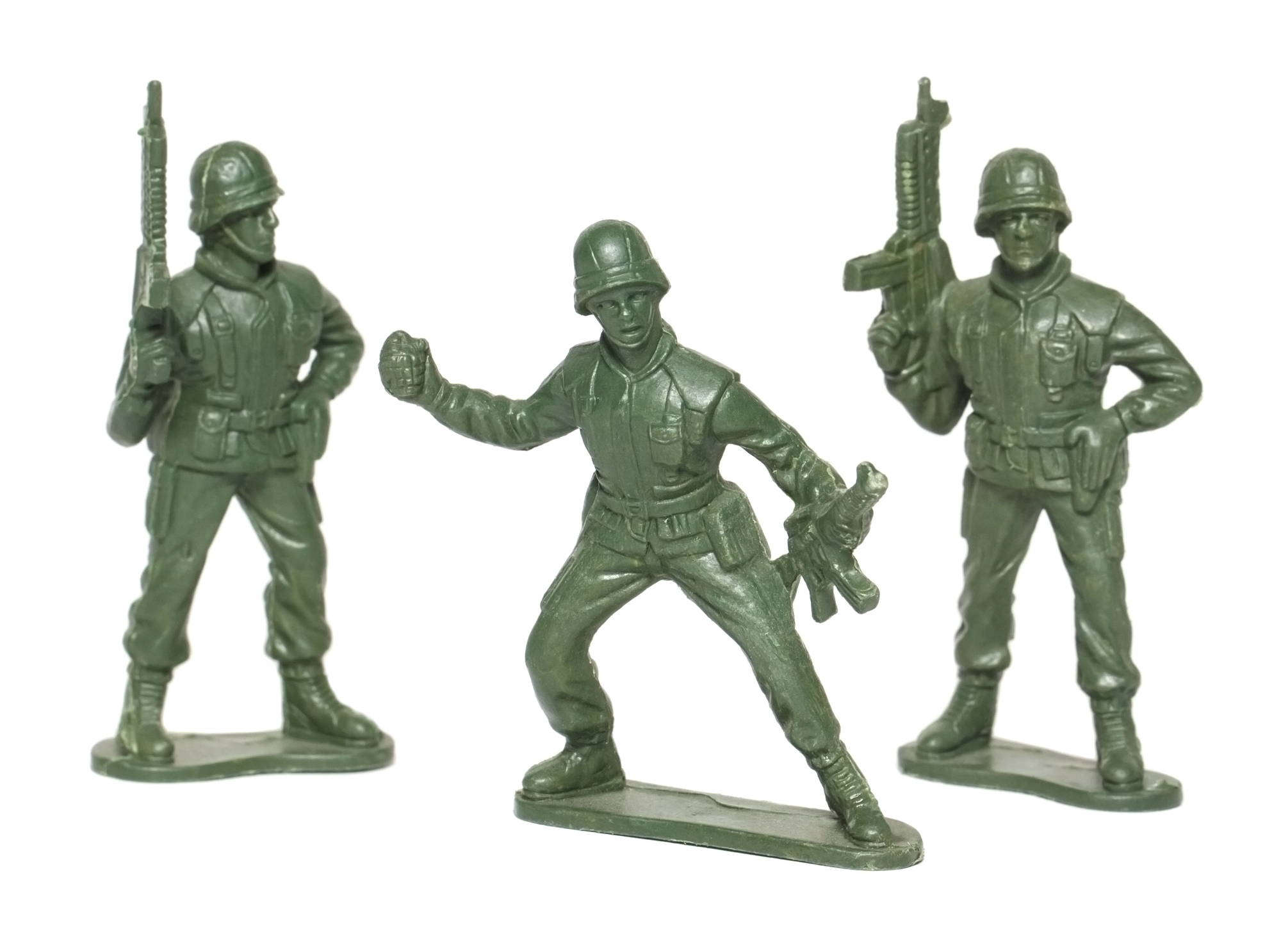
Lead toy soldiers were painted with bright uniforms and cheerful expressions, but lead doesn’t age gracefully. The metal develops a white patina called “lead rot” that looks like some kind of disease spreading across the tiny figures.
The paint chips away to reveal the dull gray metal underneath, turning colorful battalions into armies of the undead. The faces, barely detailed to begin with, become even more anonymous as the paint wears away.
What remains are blank-eyed figures in tattered uniforms, standing at eternal attention for a cause no one remembers. What remains are blank-eyed figures in tattered uniforms, standing at eternal attention for a cause no one remembers.
Paper Dolls

Paper dolls seem innocent enough until you consider what they actually are: flat representations of human figures designed to be dressed and undressed at will. Vintage paper dolls often came with elaborate wardrobes and detailed facial features that seemed sophisticated for their time but now appear oddly adult for what was supposedly a children’s toy.
Age turns the paper yellow and brittle, so the dolls crack along stress lines and tear at the joints. The colors fade unevenly, creating an effect like old photographs where only certain details remain vivid while others disappear entirely.
Mechanical Walking Toys
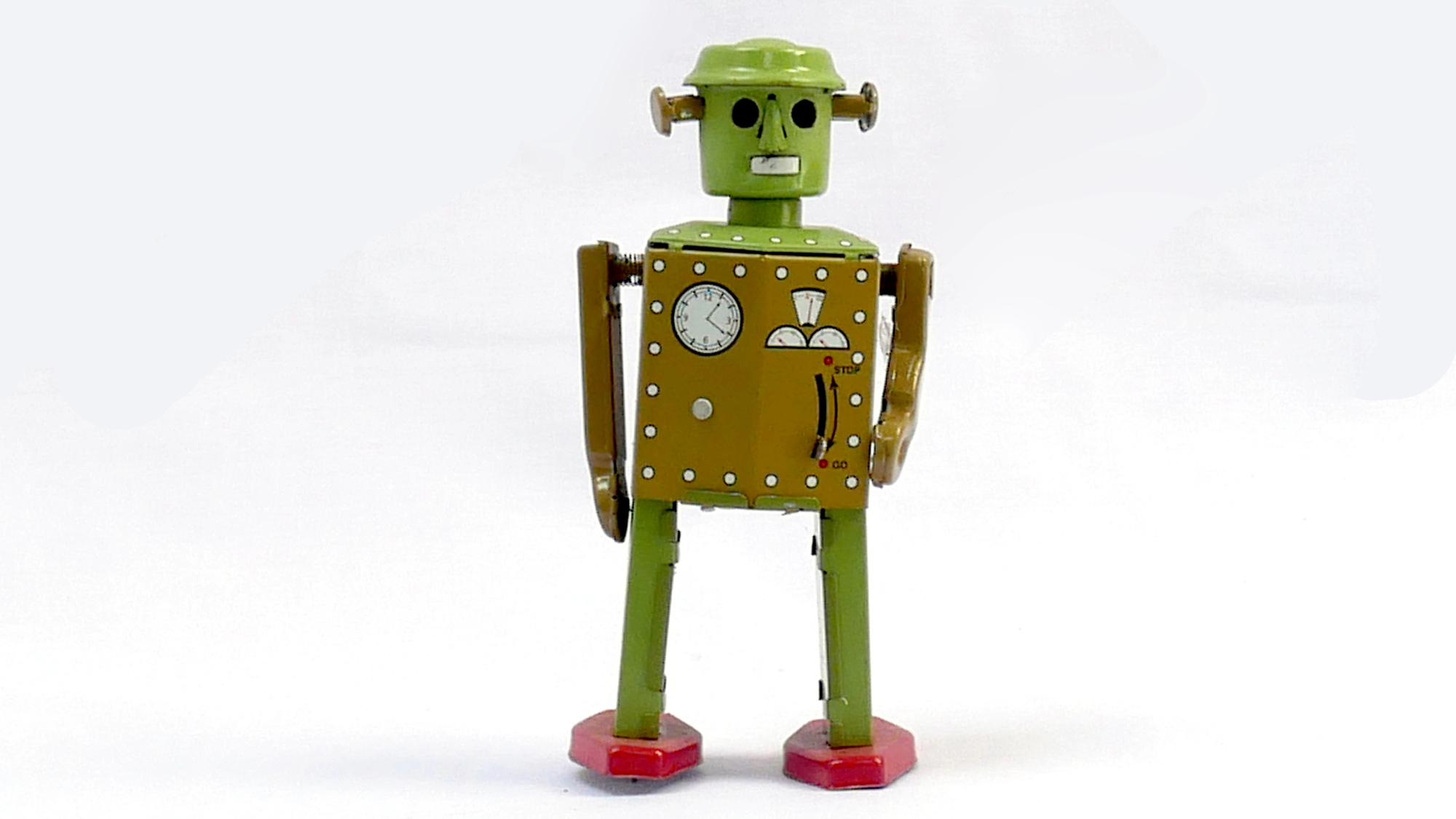
Wind-up toys that were designed to walk across the floor on their own created an early version of artificial life that feels more threatening than entertaining. These toys lumber forward with a relentless mechanical gait, stopping only when they hit an obstacle or run out of spring tension.
Vintage walking toys often developed a lean or wobble as their mechanisms wore out, so they move like something injured but determined to keep going. The sound of their metal feet clicking across hardwood floors at uneven intervals suggests something pursuing rather than playing.
Kaleidoscopes

Kaleidoscopes might seem like an odd addition to a collection of creepy toys, but vintage versions often contained materials that create unsettling patterns when viewed through aged lenses. The mirrors inside tarnish and crack over time, breaking the symmetrical patterns that were supposed to be soothing into jagged, unpredictable shapes.
The colored glass or beads inside shift and settle in ways that create images that seem almost recognizable — faces in the patterns, eyes looking back at you through the fragmented reflections. The experience becomes less like viewing abstract art and more like peering into something that’s peering back.
When Innocence Curdles

These toys were created to bring joy, but time has a way of corrupting innocent intentions. What disturbs us about vintage toys isn’t just their physical deterioration — it’s the reminder that childhood itself is temporary, that even our most cherished objects eventually become strangers to us.
The toys that once represented safety and comfort now seem to whisper about the passage of time and the inevitability of decay. Perhaps that’s why they feel so unsettling: they’re too honest about what happens to everything we hold dear.
More from Go2Tutors!

- The Romanov Crown Jewels and Their Tragic Fate
- 13 Historical Mysteries That Science Still Can’t Solve
- Famous Hoaxes That Fooled the World for Years
- 15 Child Stars with Tragic Adult Lives
- 16 Famous Jewelry Pieces in History
Like Go2Tutors’s content? Follow us on MSN.