Rare Beanie Babies Worth A Lot
Toy mania hit hard in the 90s, with Beanies popping up like daisies after rain. These tiny plush figures cost next to nothing yet filled homes by the dozen.
Shops once meant for snacks or cards suddenly sparked excitement – hunters scoured shelves hoping luck would strike. Scarcity drove it all: new ones arrived quietly, old ones vanished fast, curiosity never quite satisfied.
Years gone by, yet nearly all Beanie Babies only carry sentimental weight now. Even so, a handful remain prized – not because of hype, but due to limited numbers, odd factory errors, or loyal fans who kept buying.
Forget the wild internet prices from long ago; these ones have real transaction records behind them. What sets certain plush toys apart isn’t luck – it’s proof people keep paying.
Take a moment to see which specific designs still pull high sums, along with the quiet reasons fueling their lasting appeal.
Princess the Bear
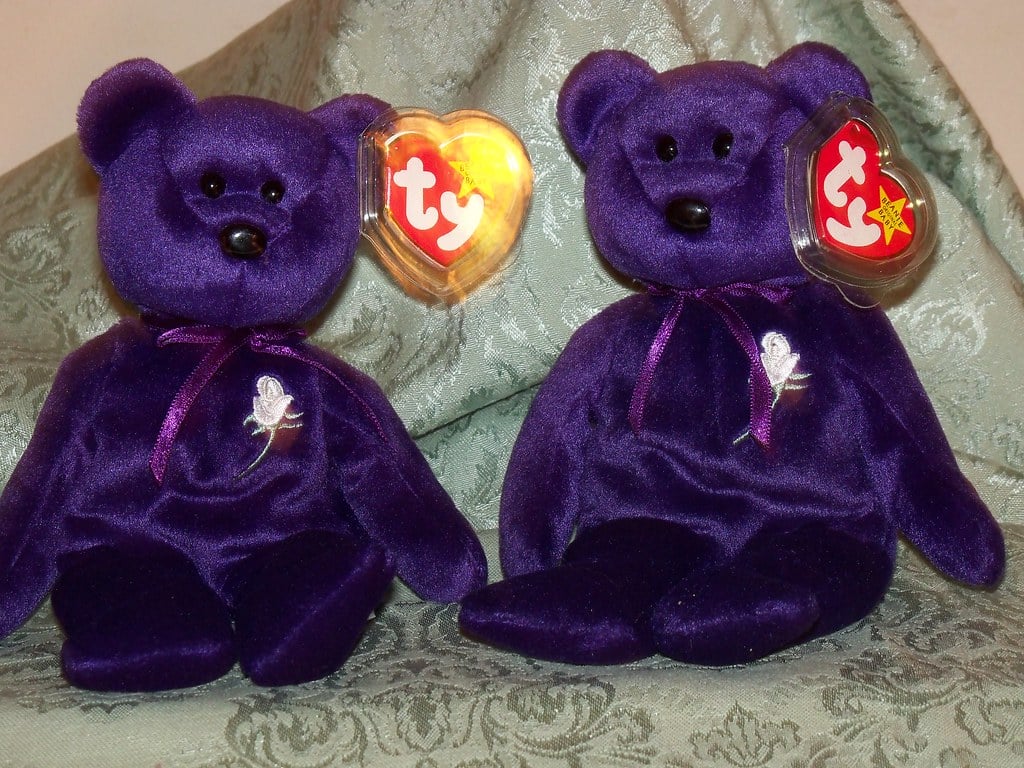
Princess the Bear remains the most famous Beanie Baby ever produced. Created in tribute to Princess Diana, it was released in limited numbers, with early versions produced in small batches before demand exploded.
The bear’s deep purple colour and commemorative status made it instantly desirable. What separates valuable versions from common ones comes down to detail.
Early production runs featured specific pellet types and subtle manufacturing differences that collectors still seek out. While many Princess bears were made later, truly early examples remain scarce.
Their value endures because they sit at the intersection of cultural moment, limited production, and emotional significance, rather than hype alone.
Peanut the Elephant
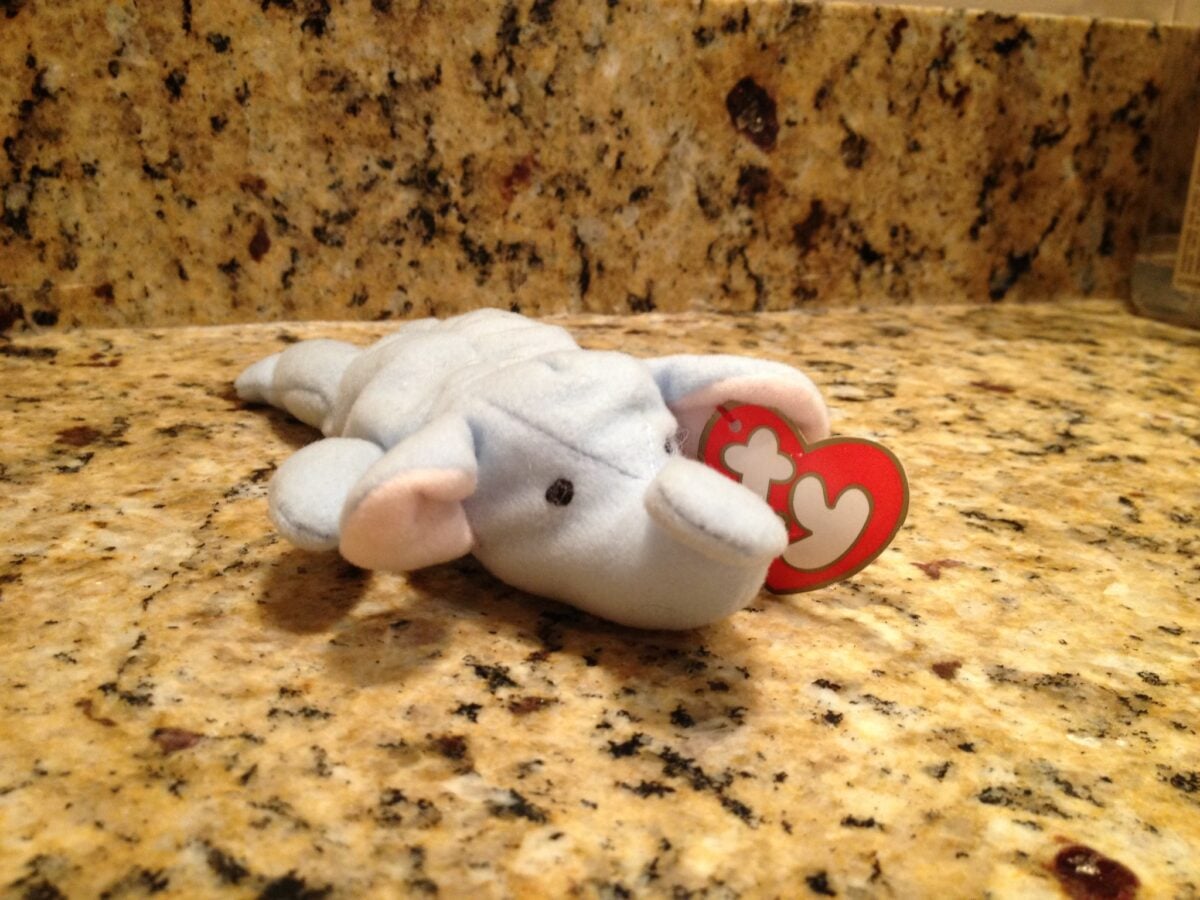
Peanut the Elephant owes its value to an accident. The earliest versions were produced in royal blue instead of the lighter blue that became standard.
This colour variation was corrected quickly, making the original run extremely limited. That said, not every Peanut is rare.
Only the deep blue versions from the earliest batches command high prices. Their appeal lies in how unintentional their rarity was.
Unlike planned retirements, this was a genuine manufacturing anomaly. For collectors, that kind of origin story adds credibility and keeps demand steady.
Valentino the Bear
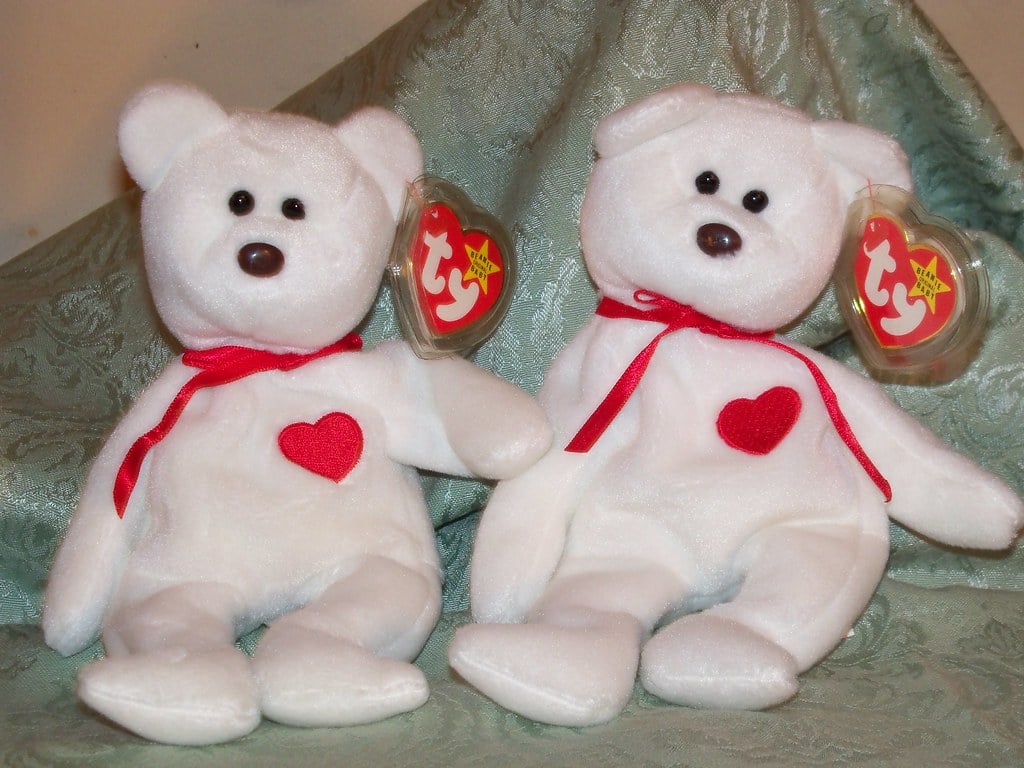
Valentino the Bear is a textbook example of how small details can drive value. At first glance, it looks like a standard themed bear.
The difference appears in stitching, spelling errors, and variations in accessories, all of which were corrected in later versions. Collectors place value on these early inconsistencies because they represent a snapshot of production before standardisation took hold.
Valentino’s worth is tied less to popularity and more to documentation. The more clearly a version can be traced to an early run, the higher its appeal.
It rewards careful inspection rather than casual collecting.
Patti the Platypus
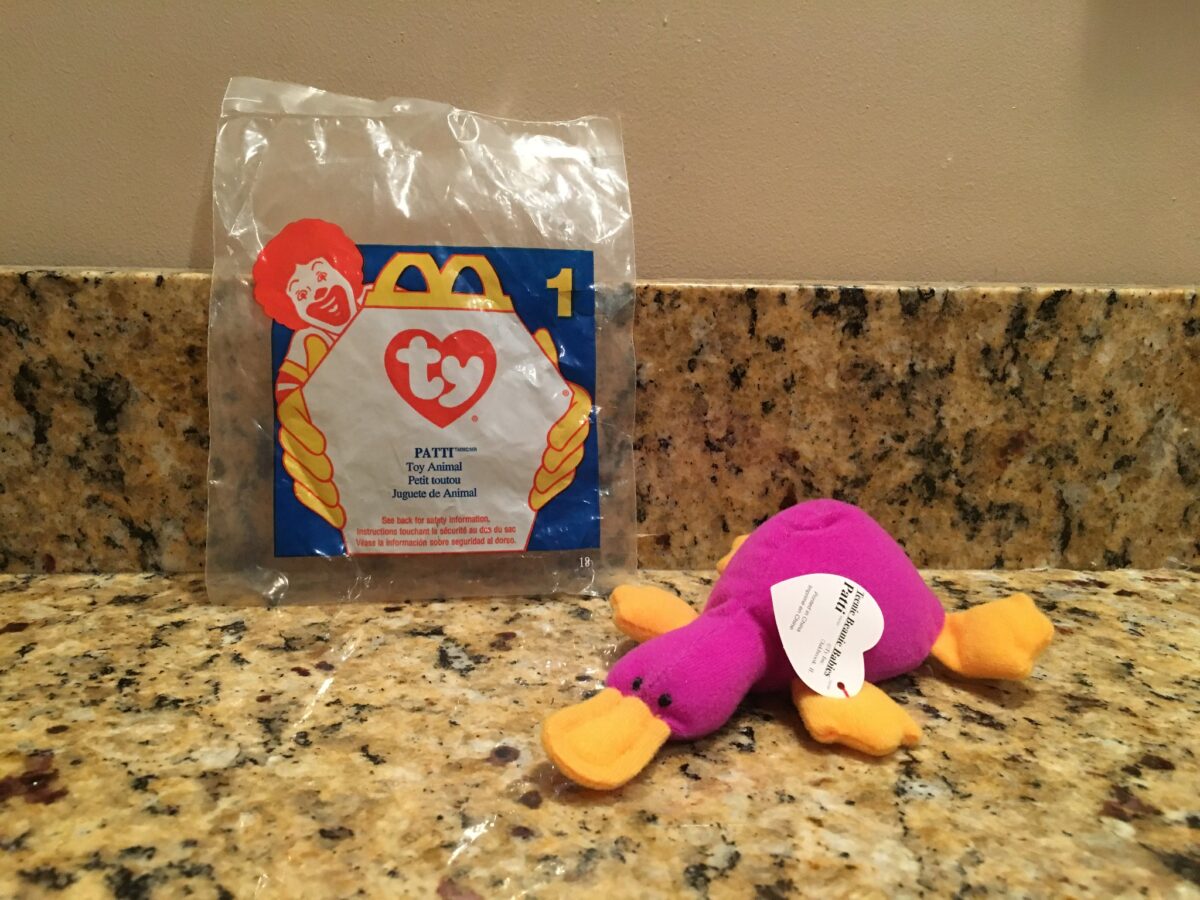
Patti the Platypus is often overlooked by casual fans, which is part of what makes it interesting. Early versions came in unusual colours that were quickly phased out in favour of more traditional shades.
These early colourways were produced briefly and in limited numbers. Because Patti never achieved mass popularity, fewer were preserved carefully.
That scarcity, combined with low awareness at the time, has worked in the platypus’s favour. Collectors value Patti not for nostalgia, but for rarity rooted in quiet obscurity. It proves that not all valuable Beanie Babies were headline-grabbers.
Claude the Crab
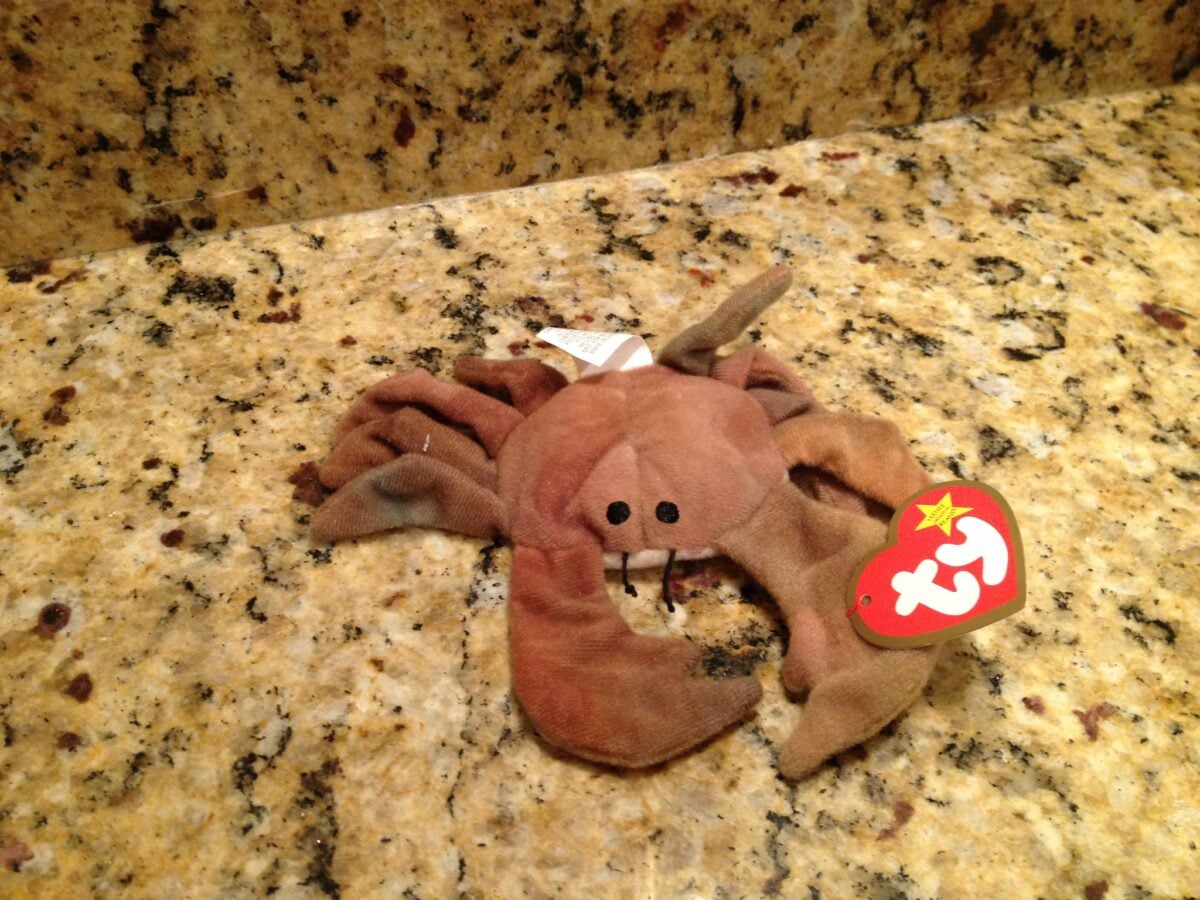
Claude the Crab stands out visually thanks to its bold tie-dye pattern. No two Claudes look exactly the same, since the colouring process created natural variation.
This uniqueness gives each one an individual character that collectors appreciate. Early Claudes from initial production runs are the most sought after, particularly those with balanced, vivid colouring.
Later versions were more consistent and widely produced. The value here comes from the blend of visual appeal and limited early availability.
Claude represents a time when experimentation was still central to the brand.
Humphrey the Camel
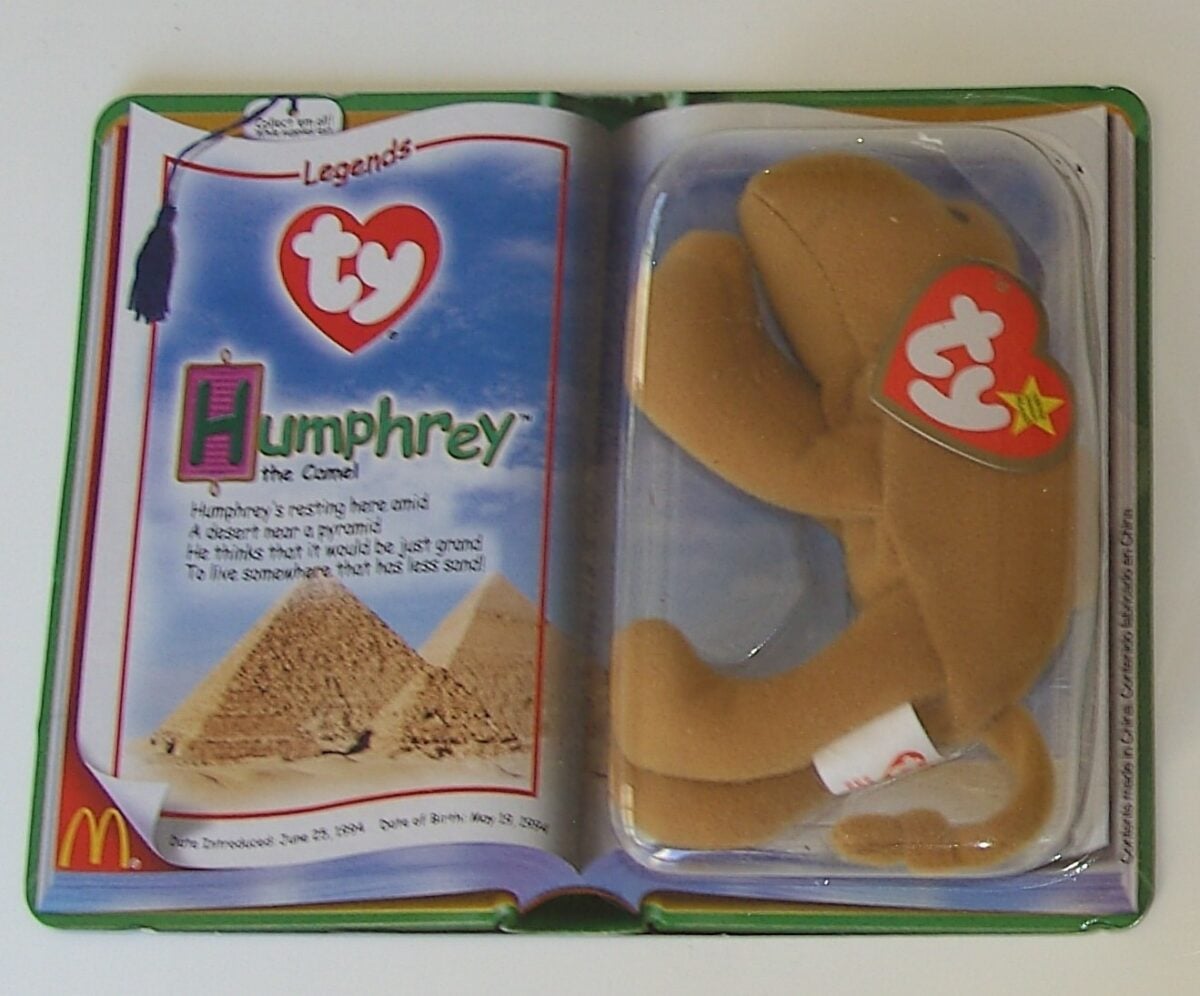
Humphrey the Camel is one of the earliest Beanie Babies ever released. Its value is rooted in age rather than flash.
Early versions featured design elements that were later simplified, including facial proportions and stitching patterns. Because Humphrey predates the height of the Beanie Baby craze, fewer people thought to preserve it as a collectible.
Many were played with or discarded long before values were discussed. Surviving examples in excellent condition are rare, and that scarcity keeps Humphrey firmly on collectors’ radar.
Brownie the Bear
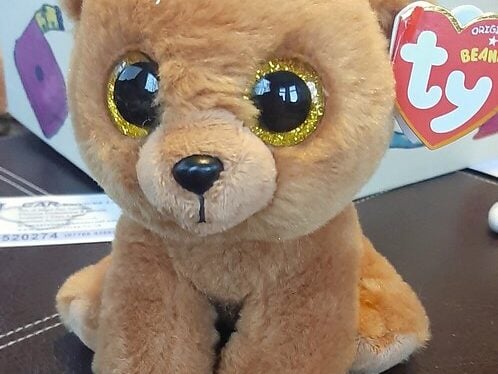
Brownie the Bear is notable for its connection to branding history. Early versions featured a name that conflicted with an existing trademark, leading to a rapid renaming and redesign.
As a result, only a small number of Brownie bears were produced before the change. Collectors value Brownie not just for scarcity, but for what it represents.
It captures a moment when the brand was still finding its footing. Items tied to transitional periods often hold lasting appeal, and Brownie fits that category perfectly.
Peace the Bear (early editions)
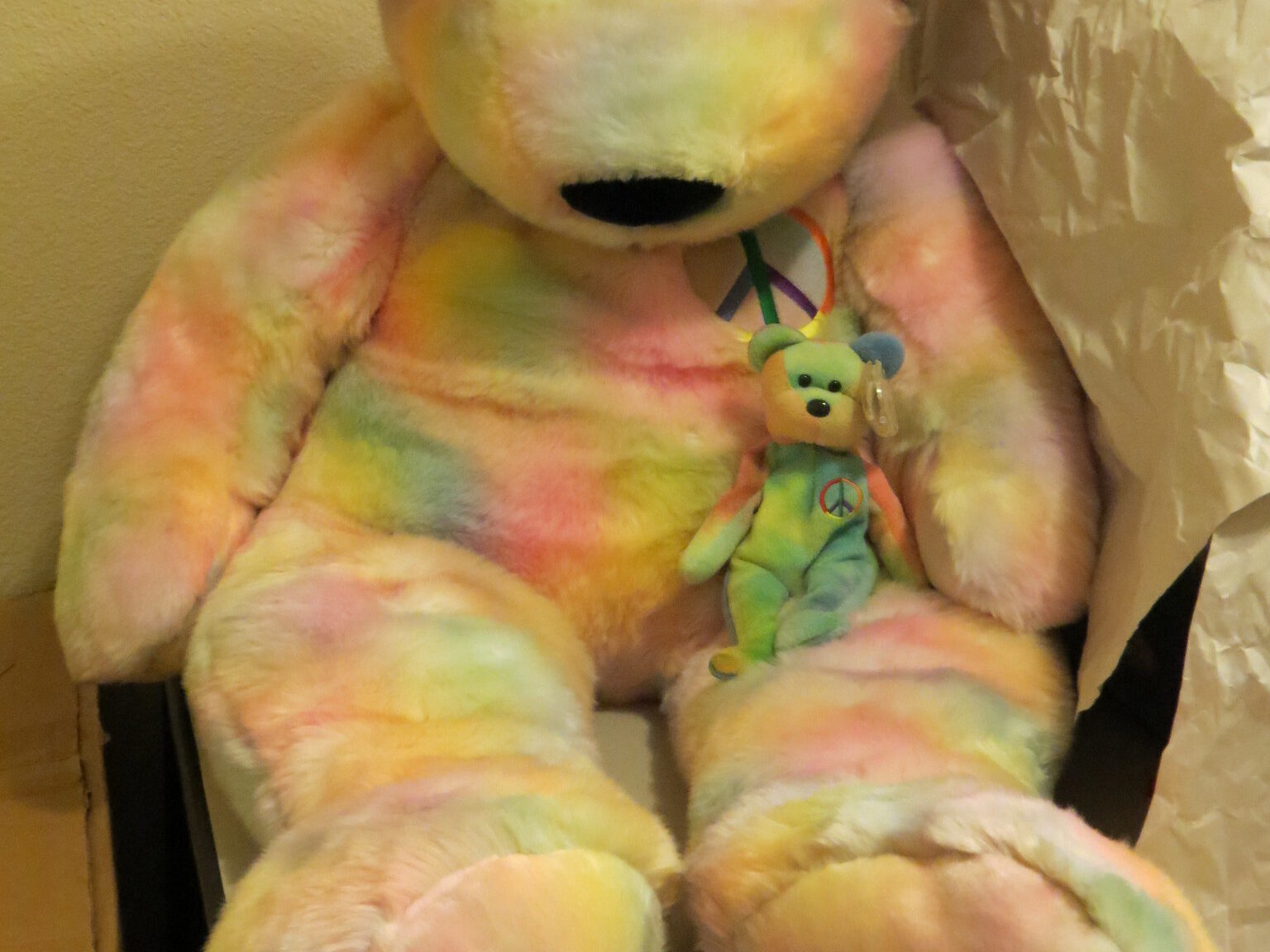
Peace the Bear was widely produced, but early editions tell a different story. Initial runs featured more dramatic colour variation and construction differences that were later standardised.
These early bears are visually distinct once you know what to look for. The key here is discernment.
Later versions are common, while early ones are genuinely scarce. Peace demonstrates how a popular design can still contain rare subcategories.
For collectors, it rewards patience and careful comparison rather than impulse buying.
Why condition matters more than hype

Condition plays a decisive role in value. Tags must be intact, clean, and original, with no creases or fading.
The plush itself should show minimal wear, free from discoloration or loose stitching. During the height of the craze, many Beanie Babies were handled frequently or stored improperly.
Those that survived in near-perfect condition are far fewer than production numbers suggest. Condition separates sentimental keepsakes from investment-grade collectibles.
Without it, even rare examples struggle to command high prices.
The role of documentation and provenance

Documentation adds credibility. Original purchase receipts, early photographs, and clear provenance increase buyer confidence.
In a market shaped by past exaggeration, proof matters. Collectors today are cautious.
They look for consistency across tag styles, pellet materials, and production timelines. Items that can be clearly placed within early manufacturing windows hold stronger value.
This emphasis on evidence reflects how the market matured after years of inflated claims.
Why most Beanie Babies are not valuable
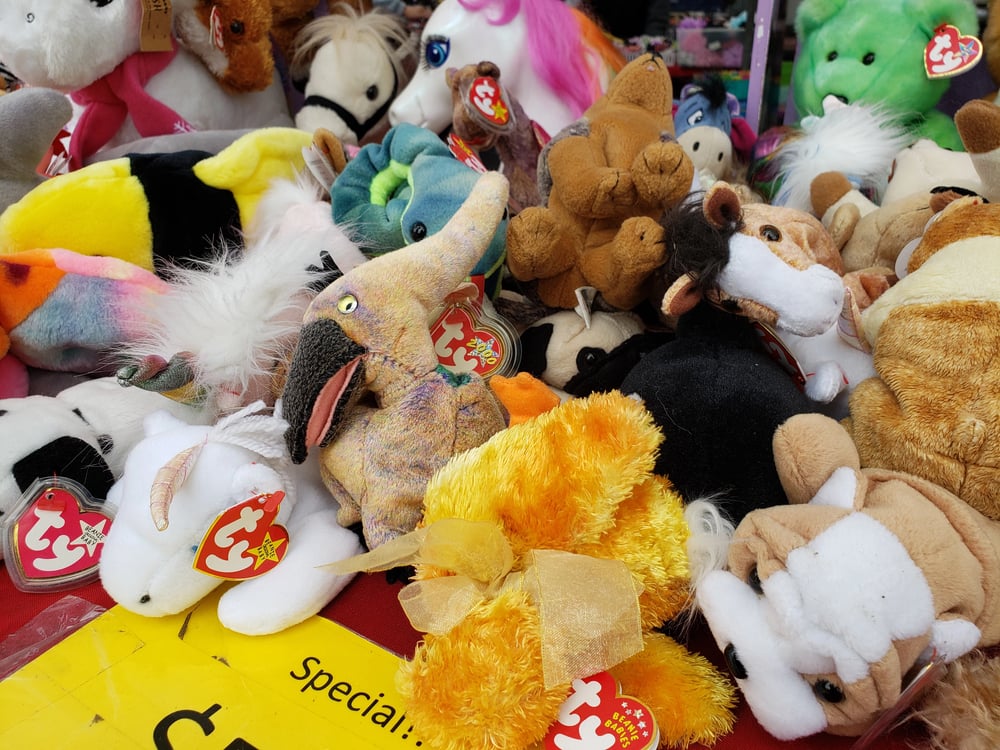
It’s important to acknowledge that the vast majority of Beanie Babies are not worth much. Large-scale production, later reissues, and widespread preservation diluted scarcity.
The myth that every Beanie Baby is a hidden fortune persists, but reality tells a narrower story. True value comes from a combination of early production, limited availability, and sustained demand.
Without all three, prices remain modest. This distinction helps explain why certain pieces continue to sell well while others remain purely nostalgic.
Why these rare pieces still matter
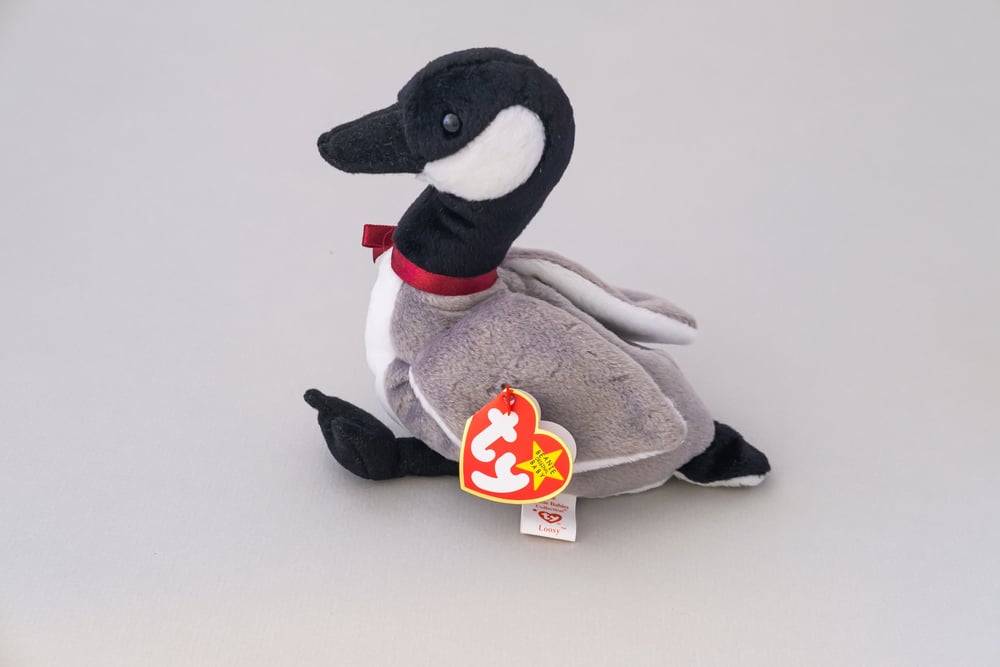
A few old Beanies still matter. Not just stuffed animals anymore, really – more like signs of a time when everyone started saving things, thinking it meant something. Hope played a part.
So did the idea that someday, maybe, they’d be worth real money. What sticks around now? Only what actually holds weight when looked at close.
Not dreams dressed up as facts. Some folks still keep an eye on Beanie Baby prices, but they do it carefully now.
Not every old toy is worth much – only a few stand out because of their backstory and low numbers made. Even though nobody’s rushing to buy them like before, those special ones remain key reminders of a strange time when stuffed animals became big deals.
More from Go2Tutors!

- The Romanov Crown Jewels and Their Tragic Fate
- 13 Historical Mysteries That Science Still Can’t Solve
- Famous Hoaxes That Fooled the World for Years
- 15 Child Stars with Tragic Adult Lives
- 16 Famous Jewelry Pieces in History
Like Go2Tutors’s content? Follow us on MSN.