Most Embarrassing Mishaps in Space Exploration History
Space exploration represents humanity’s most ambitious endeavor, pushing the boundaries of what’s possible with cutting-edge technology and brilliant minds. But for all the triumph and wonder, space programs have also delivered some spectacularly awkward moments that make you wonder how we ever made it off the ground.
These aren’t just technical failures—they’re the kind of mistakes that make engineers hide under their desks and administrators scramble for damage control.
The Mars Climate Orbiter’s Unit Confusion
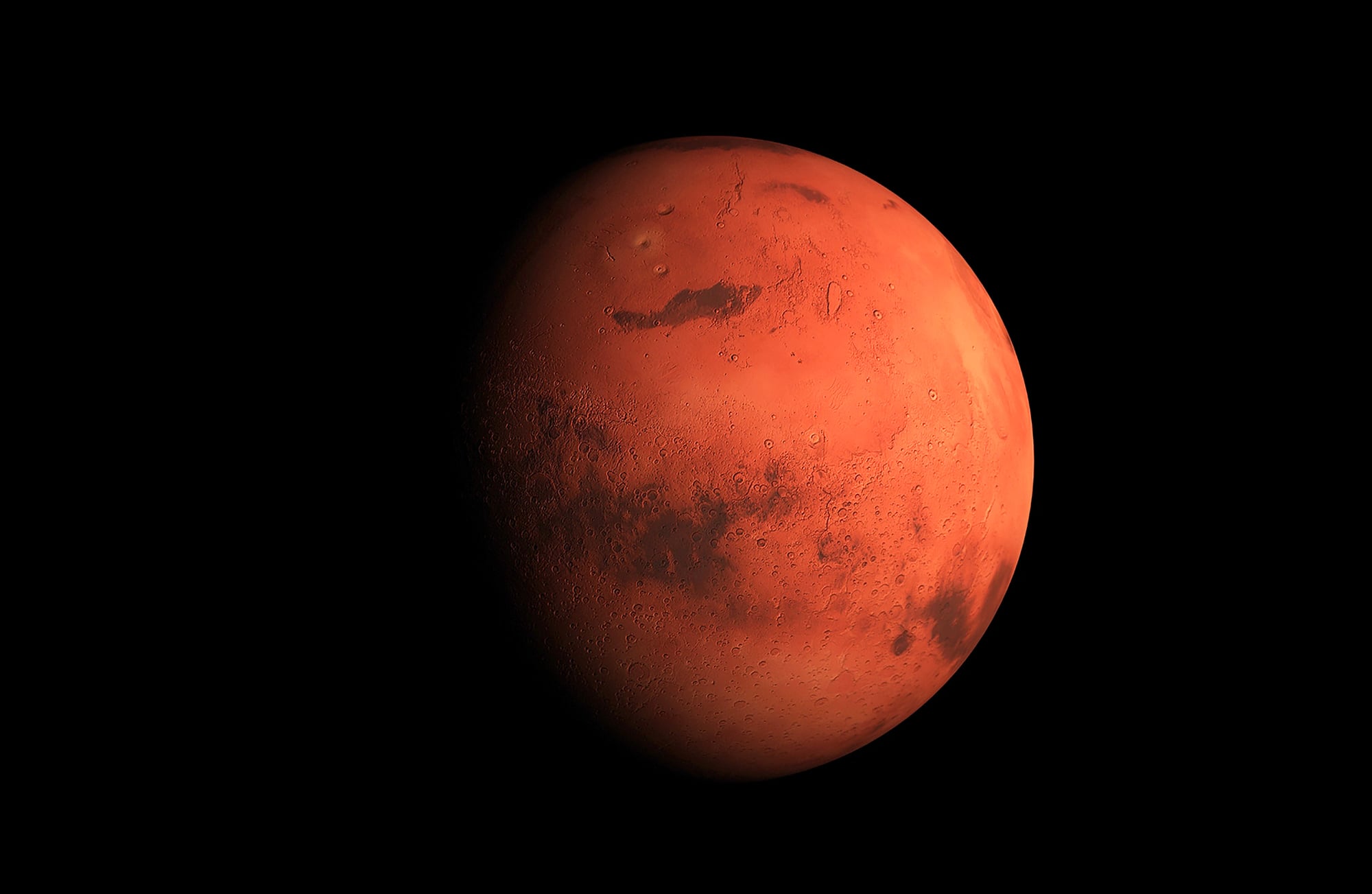
NASA lost a $125 million spacecraft because one team used metric units while another used imperial measurements. The orbiter approached Mars at the wrong altitude and burned up in the atmosphere and nobody caught the mixup during months of planning and preparation.
Vanguard TV3’s Launch Pad Explosion
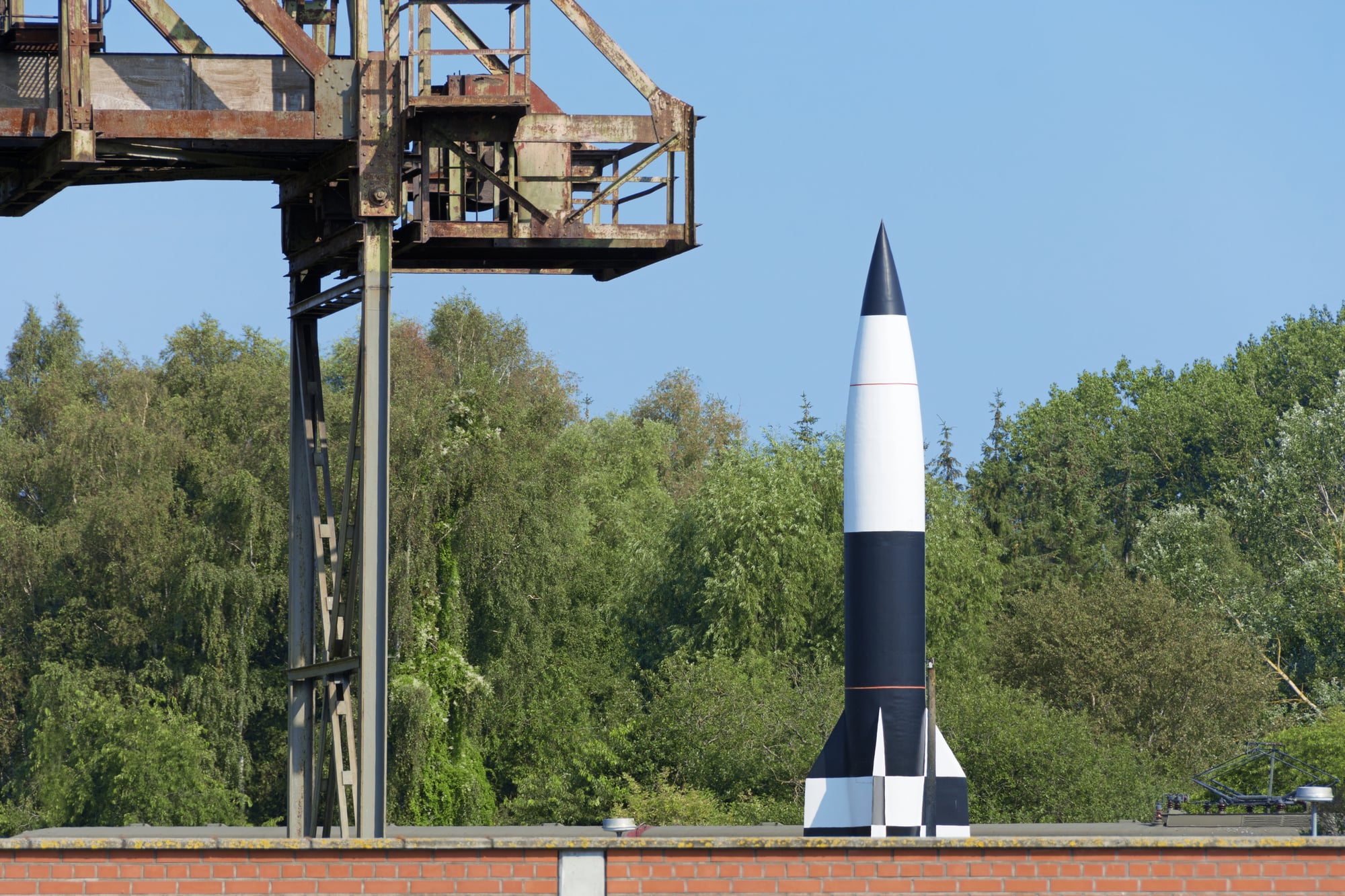
America’s first attempt to answer the Soviet Sputnik turned into a national humiliation broadcast live on television. The rocket rose about four feet before exploding in a massive fireball, earning nicknames like “Kaputnik” and “Flopnik” from the press.
The tiny satellite was thrown clear and sat beeping pathetically in the grass nearby.
John Young’s Contraband Corned Beef Sandwich
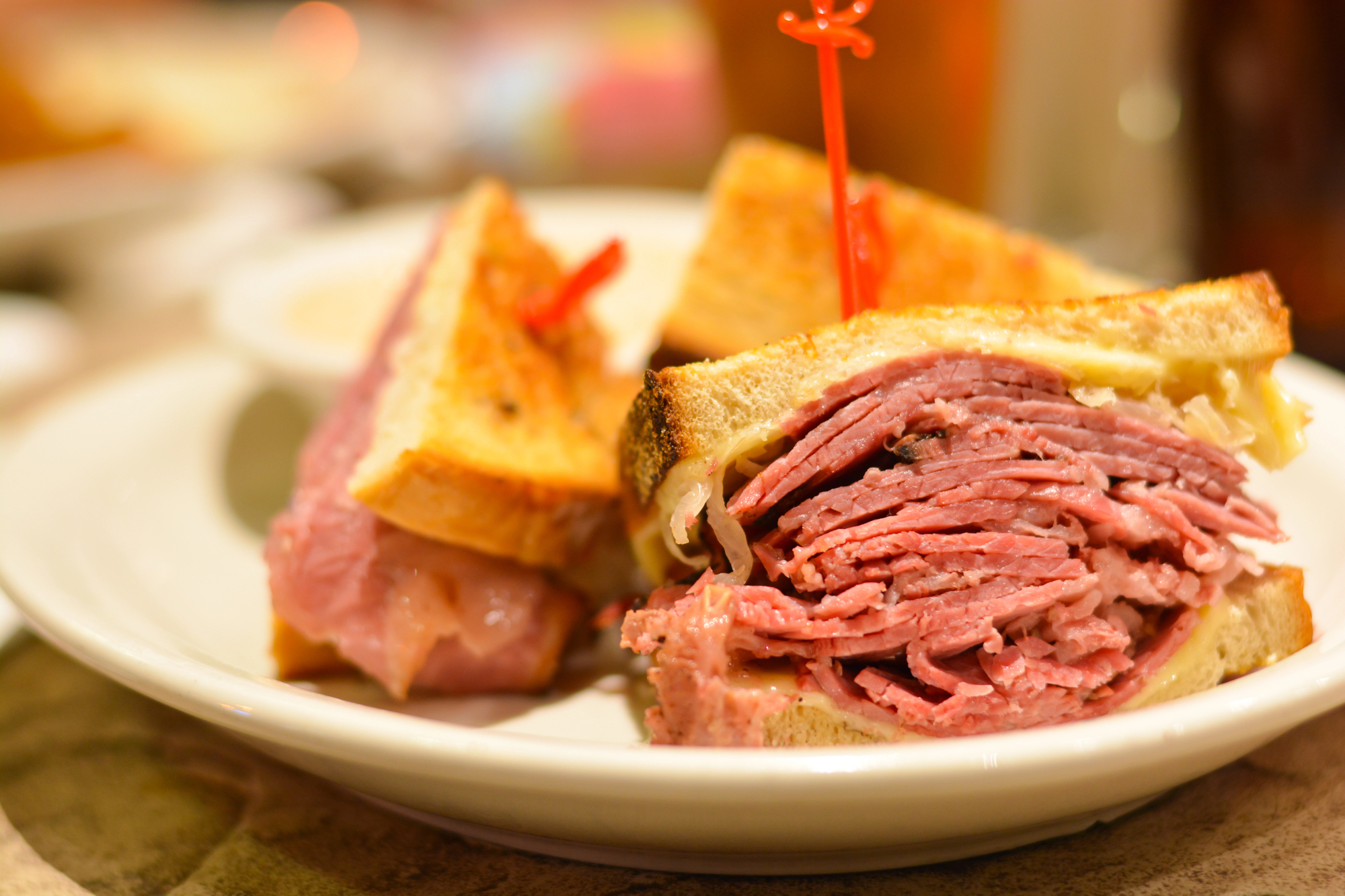
When you’re floating in a tin can surrounded by the vacuum of space, unauthorized food becomes a surprisingly serious matter. Gus Grissom bit into the sandwich Young had smuggled aboard Gemini 3, realized the rye bread was already falling apart in zero gravity, and quickly wrapped it back up before Mission Control could lecture them about protocol violations.
But the press found out anyway, and congressional hearings followed, because apparently nothing says “serious space program” quite like politicians grilling astronauts about deli meat at taxpayer expense—which is exactly what happened, turning what should have been a triumph of human spaceflight into a debate about sandwich security that dominated headlines for weeks.
Luna 15’s Crash Landing During Apollo 11
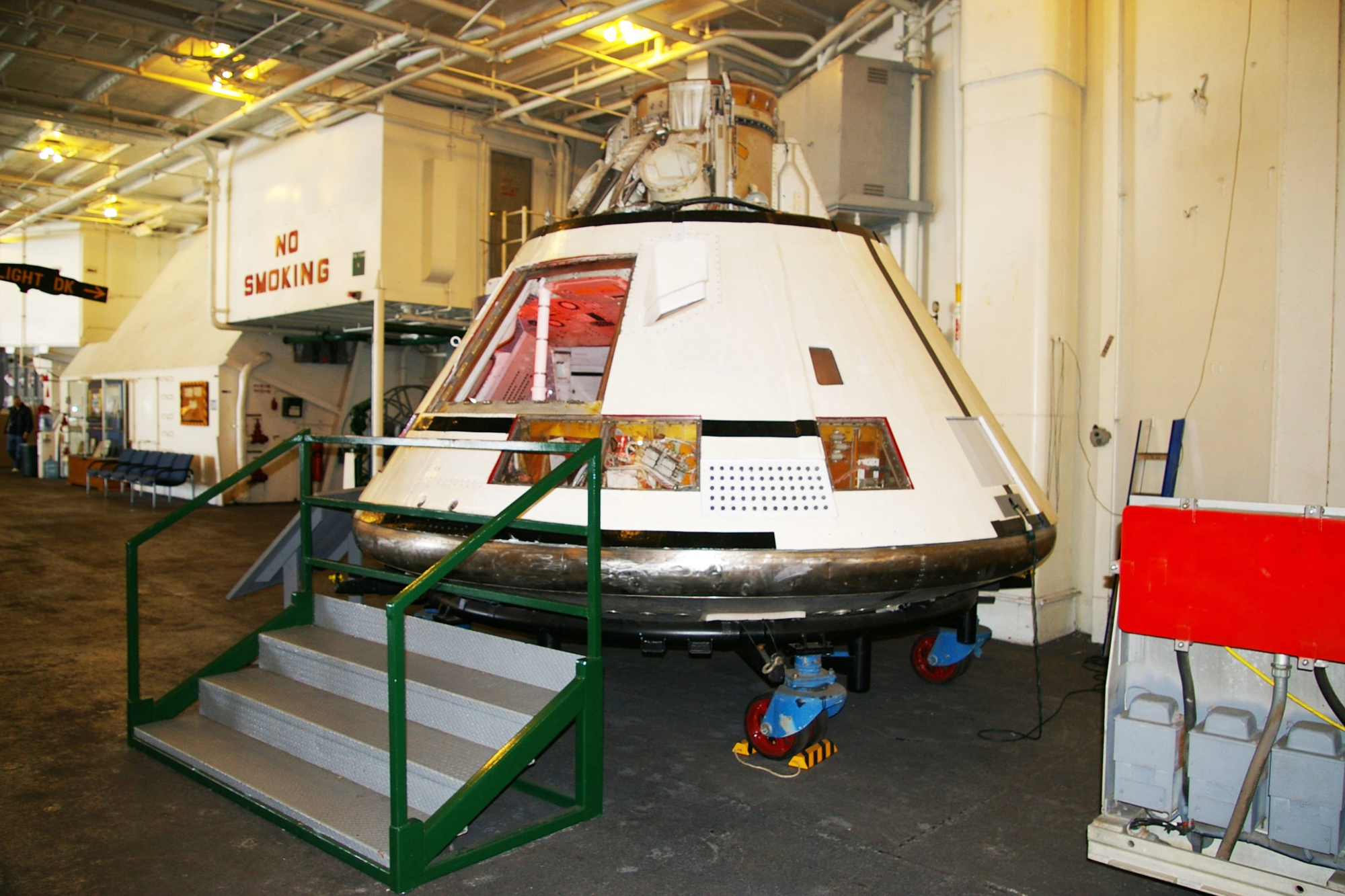
Picture this: the entire world watches as Apollo 11 approaches the Moon, humanity holding its breath for this defining moment, meanwhile the Soviets are secretly racing their own robotic mission to steal some thunder. Luna 15 was meant to grab lunar samples and return to Earth before Armstrong and Aldrin could get back, potentially overshadowing the American achievement and instead it crashed into the Moon’s surface just hours before the Eagle landed, like a cosmic photobomb that nobody noticed until later.
Hubble’s Blurry Vision Problem
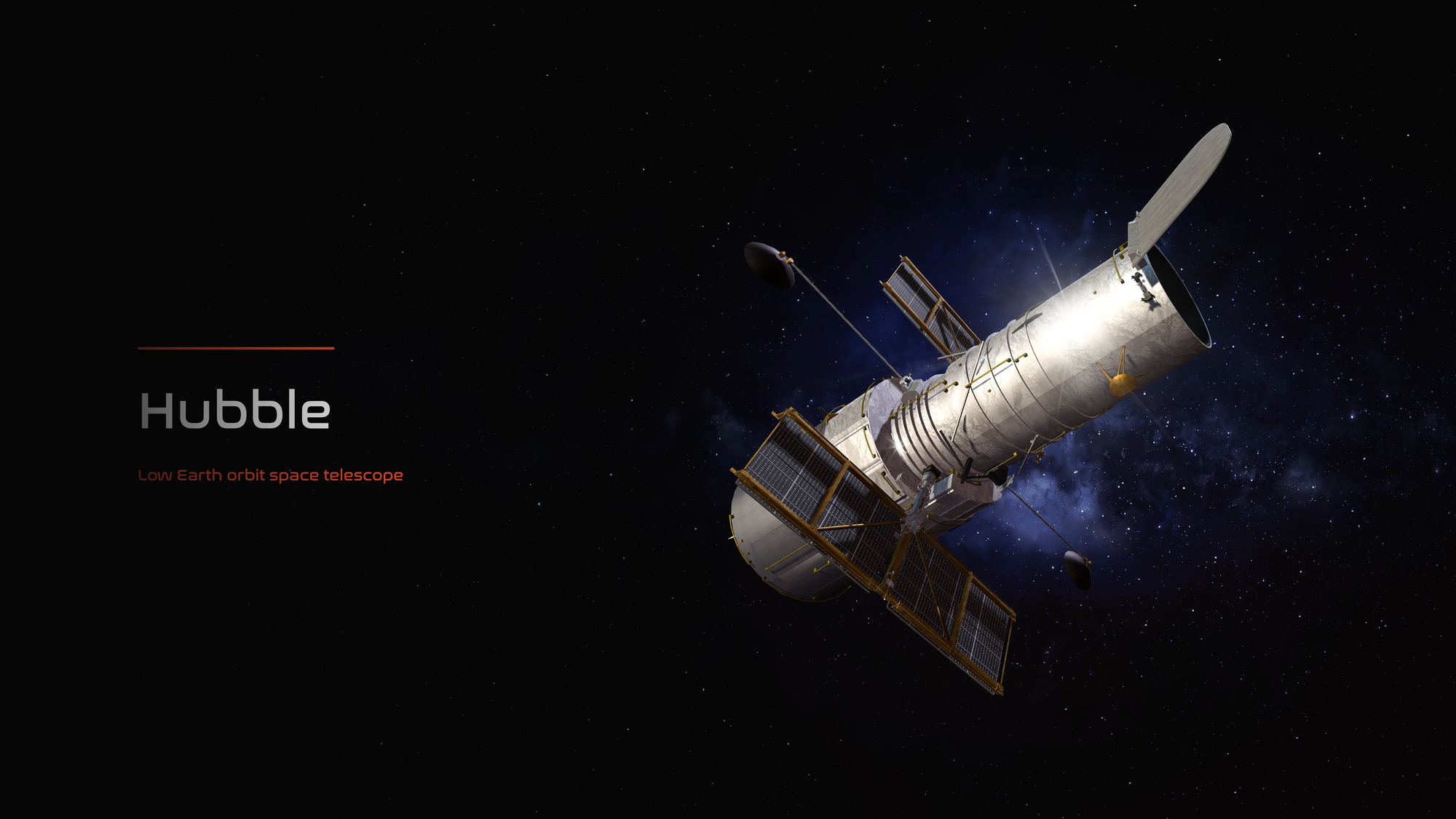
The most expensive telescope in history launched with what amounted to an optometry error. Hubble’s primary mirror had been ground to the wrong specifications—off by just 2.2 micrometers, but enough to make everything look fuzzy and the mistake traced back to a miscalibrated testing instrument that nobody had double-checked.
Astronomers had waited years for crisp images of distant galaxies and instead got photos that looked like someone had smeared Vaseline on the lens.
The Skylab Toilet Training Manual
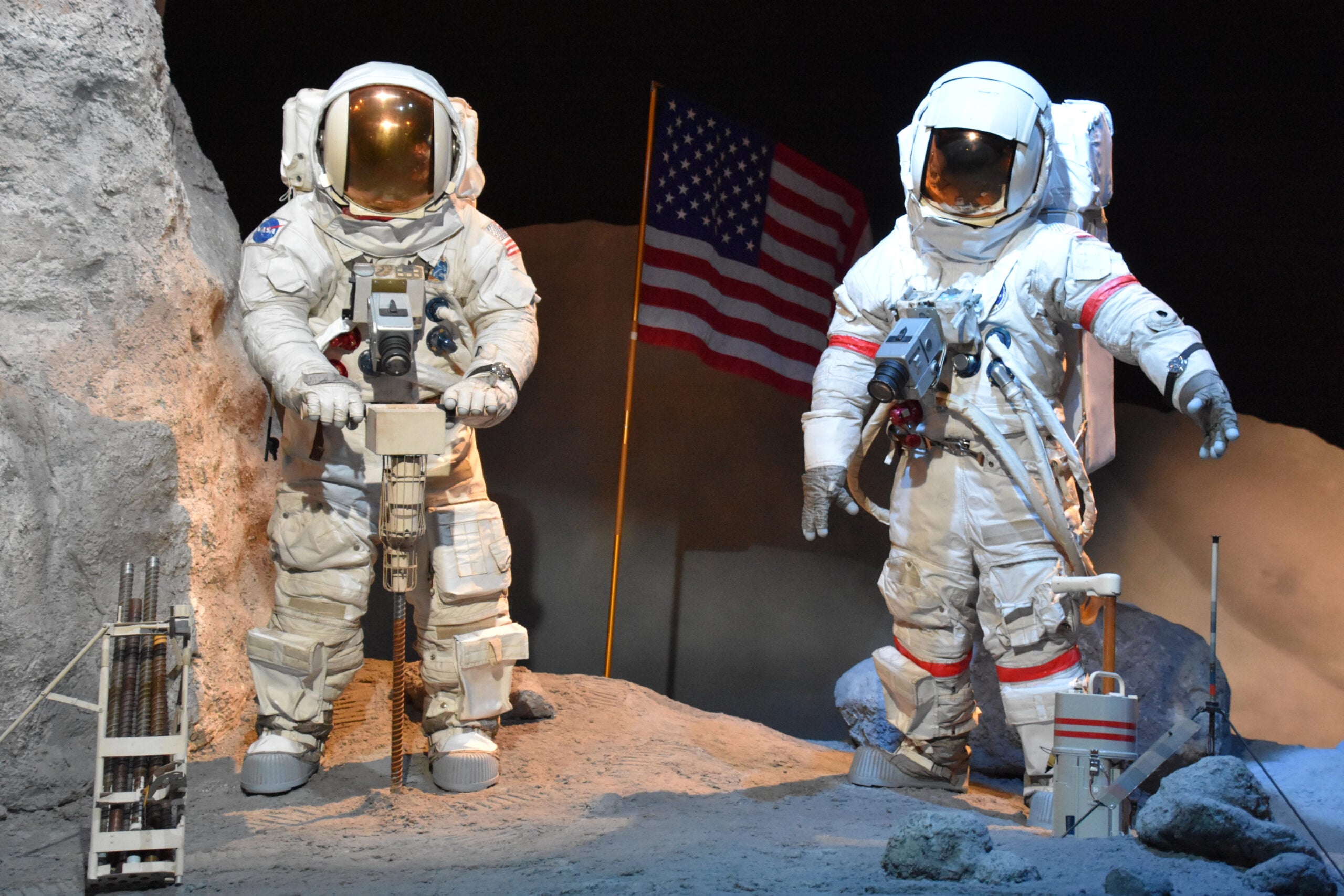
NASA engineers devoted serious resources to creating a detailed instruction manual for using the bathroom in space. The document included step-by-step procedures, diagrams, and troubleshooting tips for what should be a basic human function and astronauts had to practice with the toilet trainer on Earth before launch.
The manual became legendary among space program insiders for its clinical approach to discussing bodily functions in the most technical language possible.
Galileo’s Stuck Antenna
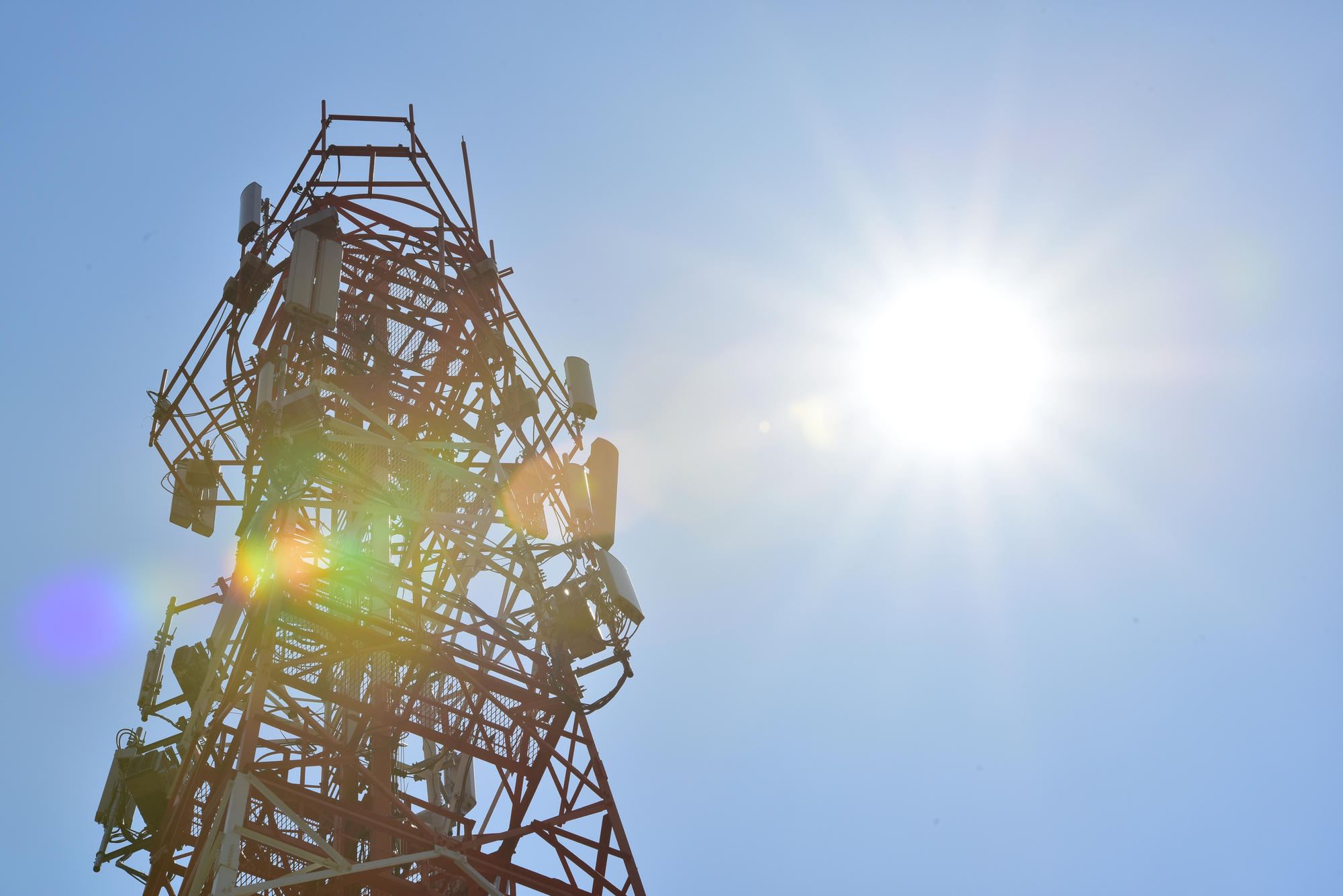
After a six-year journey to Jupiter, the Galileo spacecraft arrived only to discover its high-gain antenna wouldn’t fully deploy, like driving across the country for vacation and finding your hotel room key doesn’t work. Engineers spent months trying different techniques to unstick the umbrella-like antenna: heating it with the sun, cooling it in shadow, spinning the spacecraft, and even thumping it with small thruster burns.
Nothing worked, and the mission continued using a much slower backup antenna, turning what should have been quick data downloads into painstakingly slow transmissions that took years longer than planned. Scientists got their Jupiter data eventually, but at the pace of a 1990s dial-up modem trying to download high-definition video.
Ariane 5’s Maiden Flight Self-Destruction
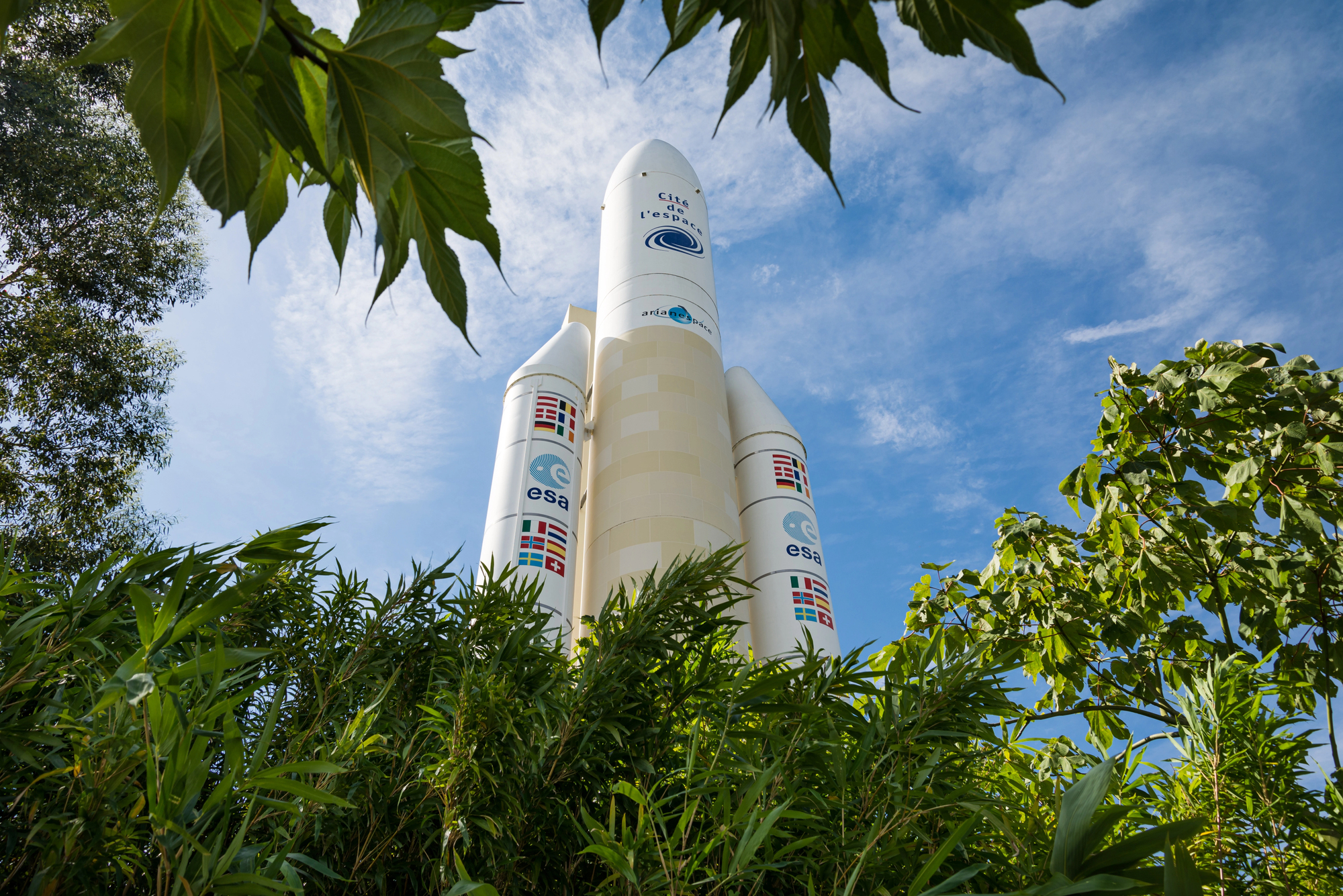
The European Space Agency’s new rocket performed perfectly for exactly 40 seconds before its guidance system had what can only be described as a mathematical nervous breakdown. The software tried to convert a 64-bit floating point number into a 16-bit integer, couldn’t handle the math, and decided the rocket must be veering off course and it wasn’t.
The guidance system ordered a sharp turn that broke the rocket apart, destroying two satellites worth $370 million and the same software had worked fine on the previous Ariane 4 rocket, but nobody had considered that the more powerful Ariane 5 would create larger numbers that the old code couldn’t process.
Soviet Space Dogs’ Unexpected Return
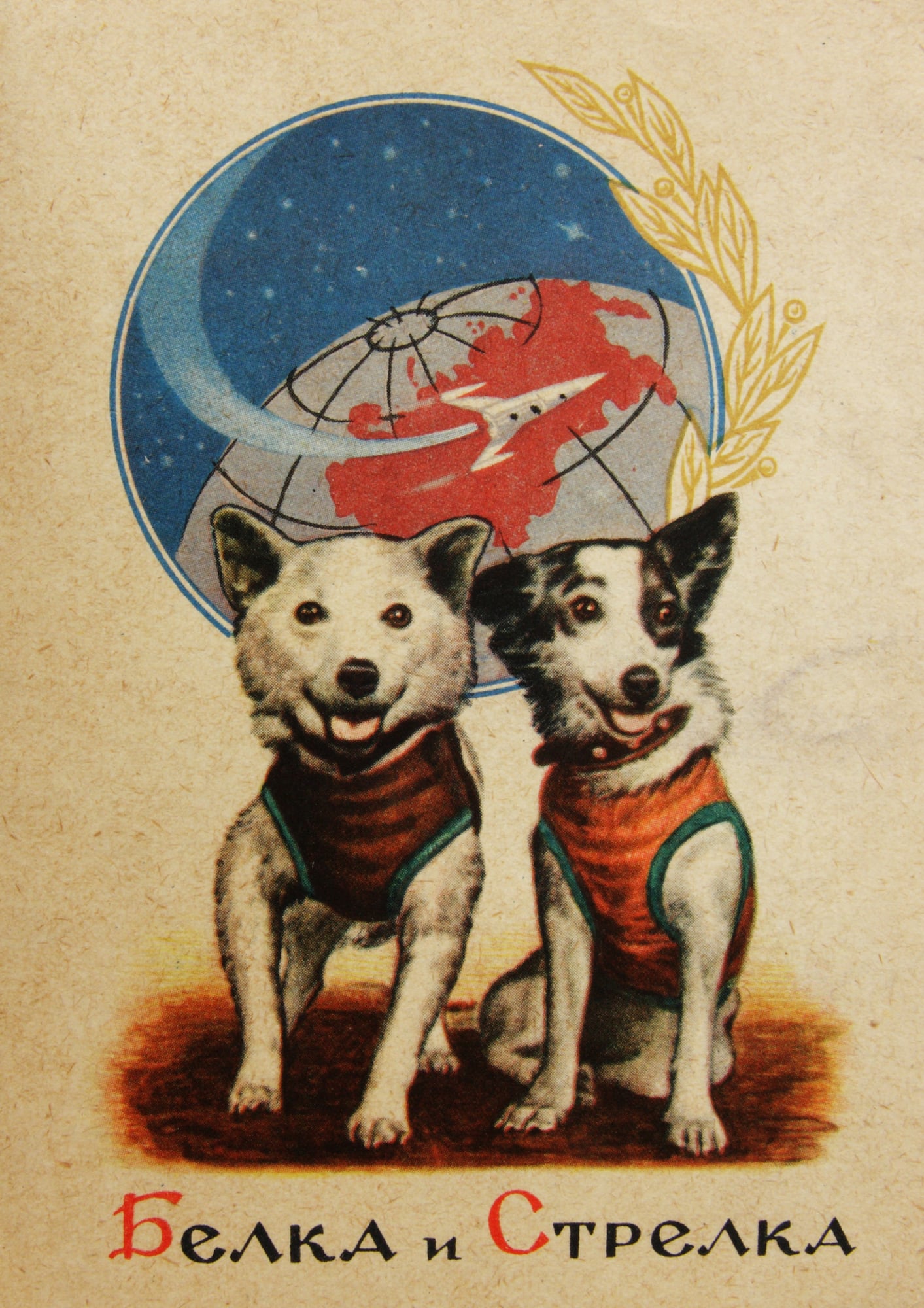
Veterok and Ugolyok were supposed to orbit Earth for 22 days as part of biological research leading up to human missions. The capsule worked perfectly and the dogs stayed in orbit exactly as planned, circling Earth every 90 minutes while ground controllers waited for them to come home.
And waited, and waited some more, and it took several more days before engineers could activate the backup systems and bring them safely back to Earth, though both dogs survived their extended space vacation remarkably well.
The Genesis Capsule’s Hard Landing
NASA’s Genesis mission spent three years collecting solar wind particles in ultra-pure materials, creating the most pristine samples of the solar system ever gathered. The return capsule approached Earth right on schedule, and Hollywood stunt pilots waited in helicopters to snag the parachute mid-air and gently deliver the samples to scientists.
Instead, the parachute never opened, and Genesis slammed into the Utah desert at 193 mph, burying itself in the sand and contaminating three years of irreplaceable scientific samples with terrestrial dirt and the cause was someone had installed the gravity switches upside down.
Beagle 2’s Silent Treatment
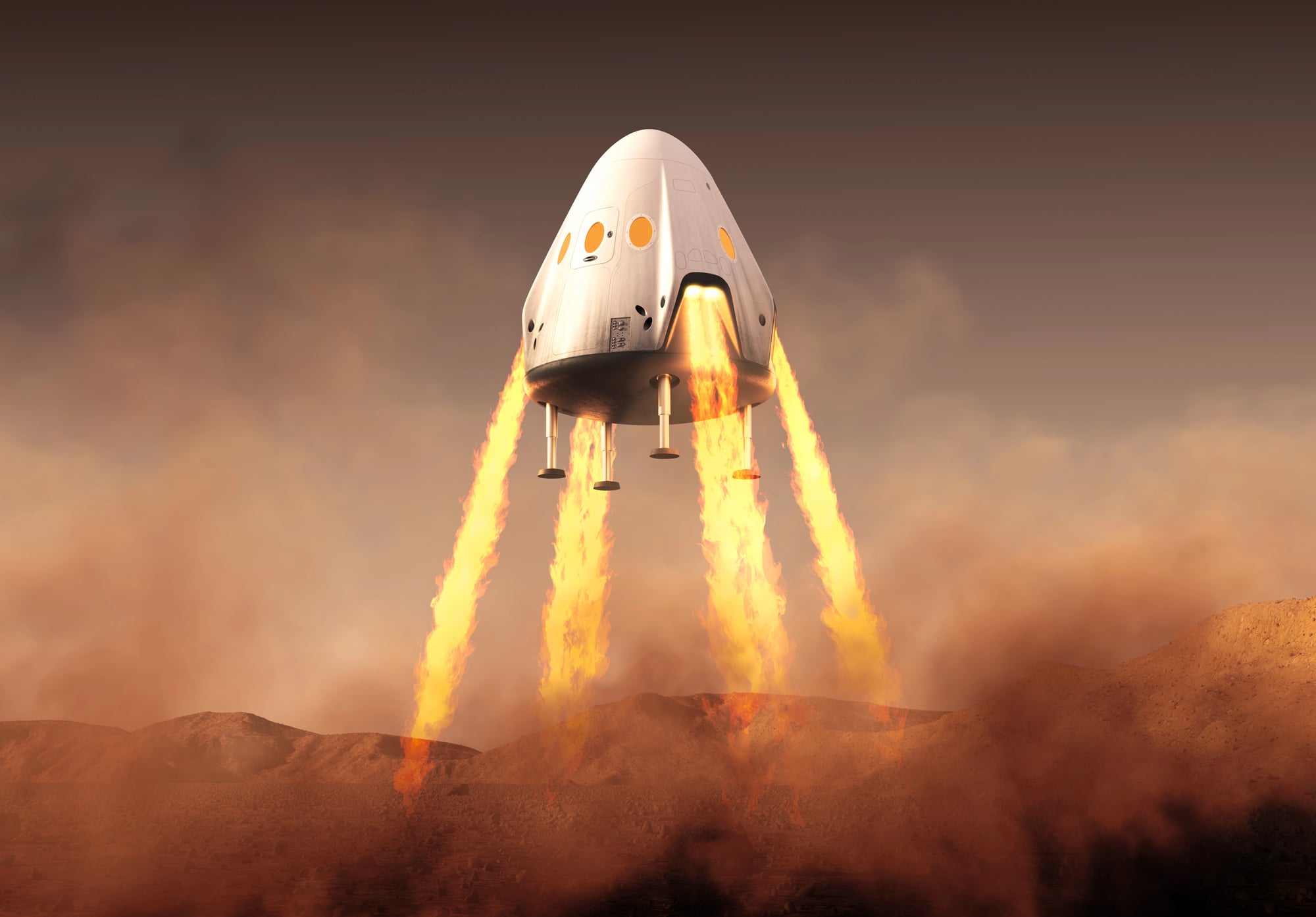
Britain’s first Mars mission landed successfully on the red planet, then immediately went silent and stayed that way for 12 years. Scientists assumed Beagle 2 had crashed or been destroyed during landing, turning what should have been a proud moment for British space exploration into a national disappointment.
Twelve years later, high-resolution images from Mars orbit revealed the truth: Beagle 2 had landed intact but two of its solar panels hadn’t fully deployed, blocking the radio antenna and the lander had been sitting on Mars the entire time, perfectly functional but unable to phone home, like a tourist whose cellphone doesn’t work abroad.
NOAA-19’s $135 Million Flip

Lockheed Martin technicians were moving the nearly completed weather satellite when someone forgot to attach all 24 bolts to the rotation fixture. The satellite flipped over and crashed to the floor, causing $135 million in damage and the entire incident was caught on security cameras, creating the most expensive blooper reel in space program history.
The damaged components had to be rebuilt from scratch, delaying the launch by three years.
Deep Impact’s Navigation Glitch
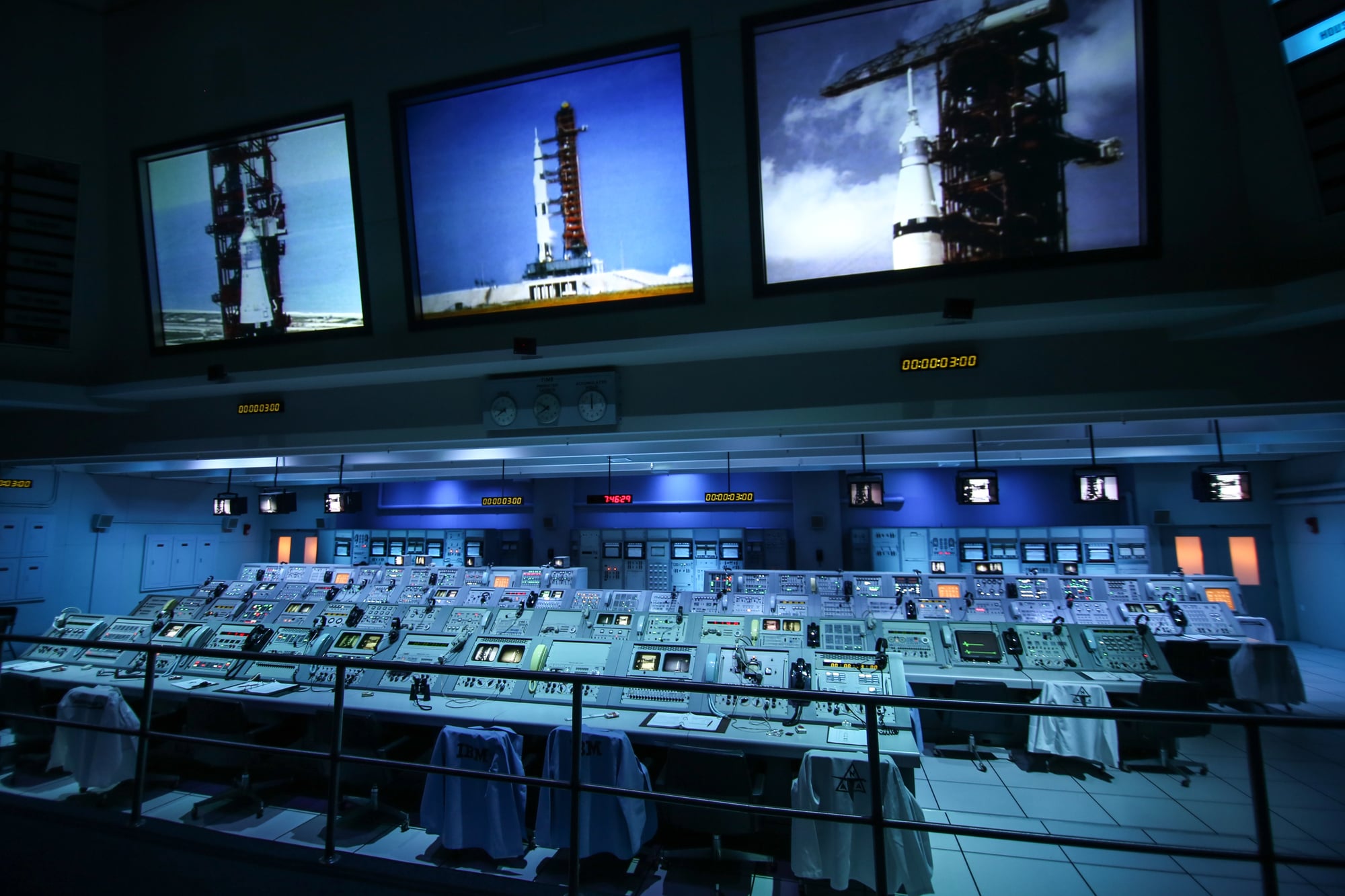
NASA’s Deep Impact mission was designed to slam a copper impactor into Comet Tempel 1 while the main spacecraft watched from a safe distance. The impactor separated perfectly and aimed straight for the comet nucleus, then its navigation camera started getting confused by all the dust and gas surrounding the comet.
The guidance system wobbled back and forth as it tried to lock onto the target, and the impactor hit the comet successfully, but its final approach looked like a drunk person trying to thread a needle rather than the precision strike NASA had planned.
When Numbers Don’t Add Up
These mishaps share something beyond their technical failures and bureaucratic aftermath—they reveal how the extraordinary complexity of space exploration amplifies the smallest human errors into cosmic embarrassments. A miscalibrated instrument, an upside-down switch, or a forgotten unit conversion becomes front-page news when it happens 250 miles above Earth or millions of miles away on Mars.
Yet somehow, these failures make the genuine successes even more remarkable, reminding us that reaching for the stars requires getting a thousand things right simultaneously, while Murphy’s Law waits patiently for the one thing we forgot to check twice.
More from Go2Tutors!

- The Romanov Crown Jewels and Their Tragic Fate
- 13 Historical Mysteries That Science Still Can’t Solve
- Famous Hoaxes That Fooled the World for Years
- 15 Child Stars with Tragic Adult Lives
- 16 Famous Jewelry Pieces in History
Like Go2Tutors’s content? Follow us on MSN.