Photos Of 15 Magazines That Became Collectible
Magazine collecting has evolved from casual browsing to serious investment hunting. What started as casual newsstand purchases decades ago now command hundreds or thousands of dollars on auction sites.
The magazines that reach collectible status share common traits: cultural significance, celebrity moments, or historical importance that couldn’t be predicted when they first hit shelves.
Collectors hunt for pristine condition copies, but even well-read issues can hold value if they captured lightning in a bottle.
The magazine world operates on timing, relevance, and pure chance—factors that transform yesterday’s throwaway reading into tomorrow’s treasure.
Life Magazine
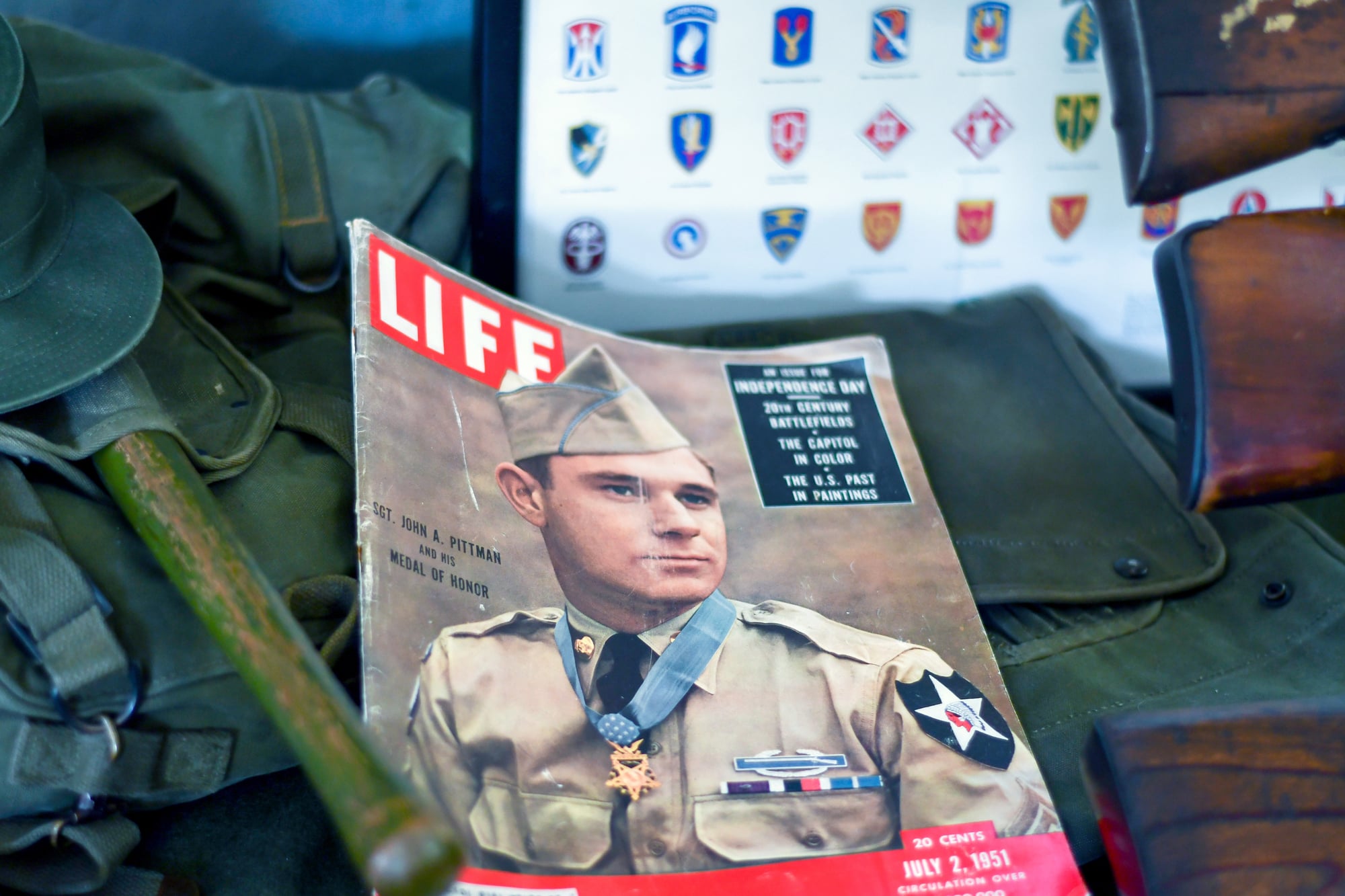
Life Magazine didn’t just document history; it created the template for how America would remember itself. The November 1963 issue featuring John F. Kennedy’s funeral remains one of the most sought-after editions, but that’s just the beginning of what collectors chase.
The magazine’s photography-first approach (something radical when it launched in 1936) means certain issues function as time capsules that become more valuable as the events they captured recede into history.
Issues covering D-Day, the moon landing, or Martin Luther King Jr.’s assassination aren’t just magazines—they’re primary sources that happened to be sold at newsstands.
Early issues from the late 1930s and 1940s can command serious money, especially if they feature iconic photography that later became synonymous with the era.
The magazine’s influence on visual journalism means collectors aren’t just buying old magazines; they’re buying pieces of how Americans learned to see their own century.
Playboy

The first issue of Playboy from December 1953 is magazine collecting’s holy grail. It featured Marilyn Monroe (though Hugh Hefner couldn’t afford to put her on the cover) and established a brand that would define a particular vision of American masculinity for decades.
That inaugural issue can sell for $8,000 or more in excellent condition—and that’s for a magazine that originally cost 50 cents.
But (and here’s where it gets interesting) Playboy’s collectible status extends well beyond issue #1, because the magazine had an unusual habit of launching careers and capturing cultural moments that gained significance over time.
Issues featuring early centerfolds who later became major celebrities, or interviews that captured public figures at pivotal moments, turn up regularly in high-end auctions.
The magazine’s cultural impact was so broad that even people who never read it recognize its influence on everything from journalism to design to politics.
National Geographic
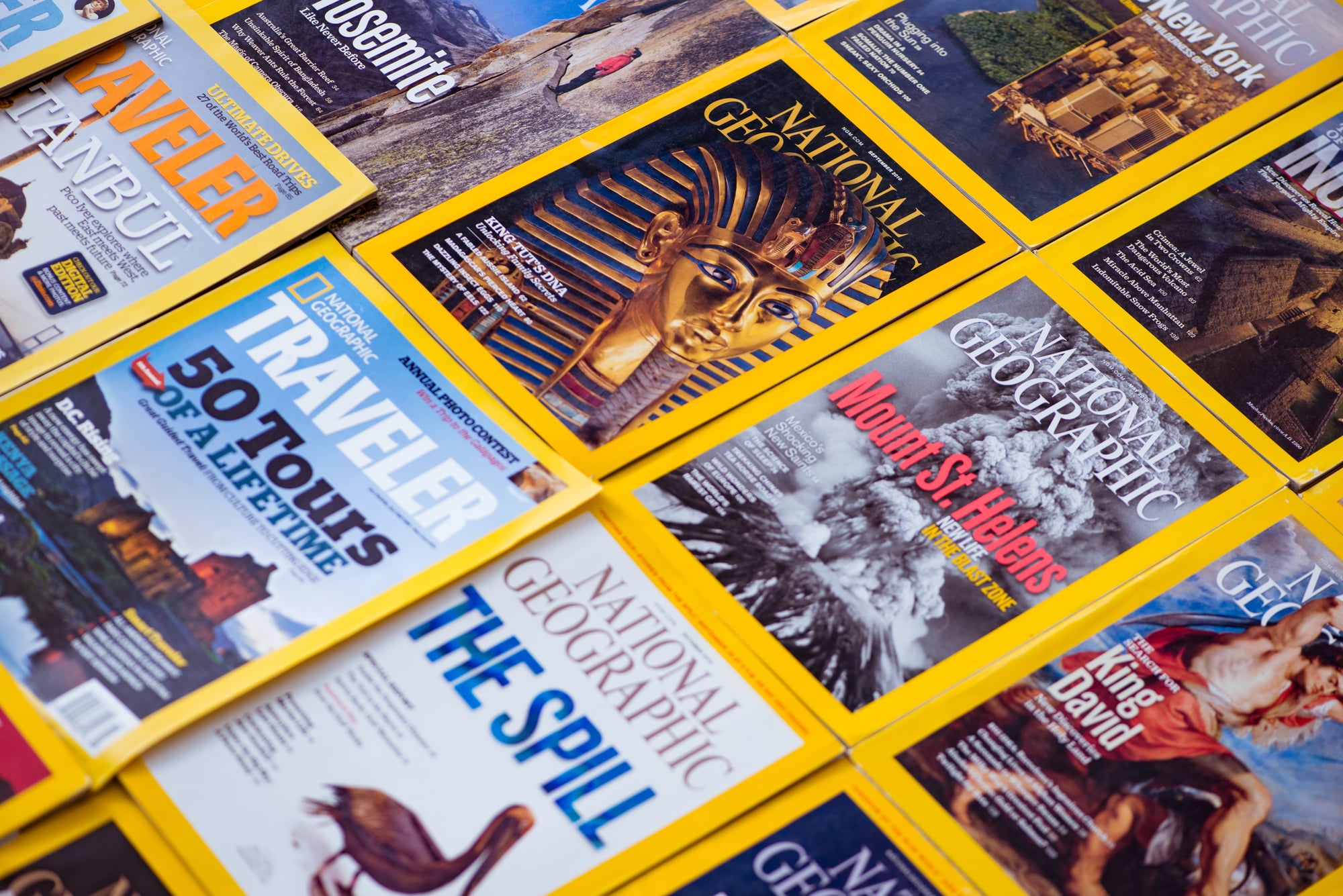
There’s something almost meditative about the way National Geographic approached the world—as if the planet were a vast, patient teacher waiting to share its secrets with anyone curious enough to listen. The magazine’s distinctive yellow border became a promise: open this, and travel somewhere you’ve never been.
Early issues from the late 1800s and early 1900s are collectible partly because they document a world that no longer exists.
Expeditions to uncharted territories, first photographs of remote cultures, scientific discoveries that shifted how humans understood their place on Earth—all presented with the magazine’s signature blend of accessibility and authority.
The magazine taught generations of Americans to think of curiosity as a virtue.
Issues covering major expeditions, like the first photographs from Mount Everest or early Antarctic exploration, hold particular appeal.
But even routine issues from the mid-20th century gain value over time, as their careful documentation of vanished landscapes and cultures becomes increasingly precious.
Rolling Stone

Rolling Stone got famous by taking rock music seriously before anyone else thought that was a reasonable thing to do. The magazine’s early issues read like dispatches from a cultural revolution that was happening in real time, written by people who understood they were witnessing something important.
Issues from the late 1960s and early 1970s are especially prized, particularly those featuring iconic covers of musicians who later achieved legendary status.
An early issue with Jim Morrison or Jimi Hendrix on the cover represents a moment when these figures were still emerging artists rather than cultural icons.
The magazine’s interviews became legendary partly because they caught artists before media training taught them to say nothing interesting.
Those unguarded conversations, preserved in aging newsprint, offer insights into creative processes and cultural moments that shaped how Americans understood music’s role in social change.
Time Magazine
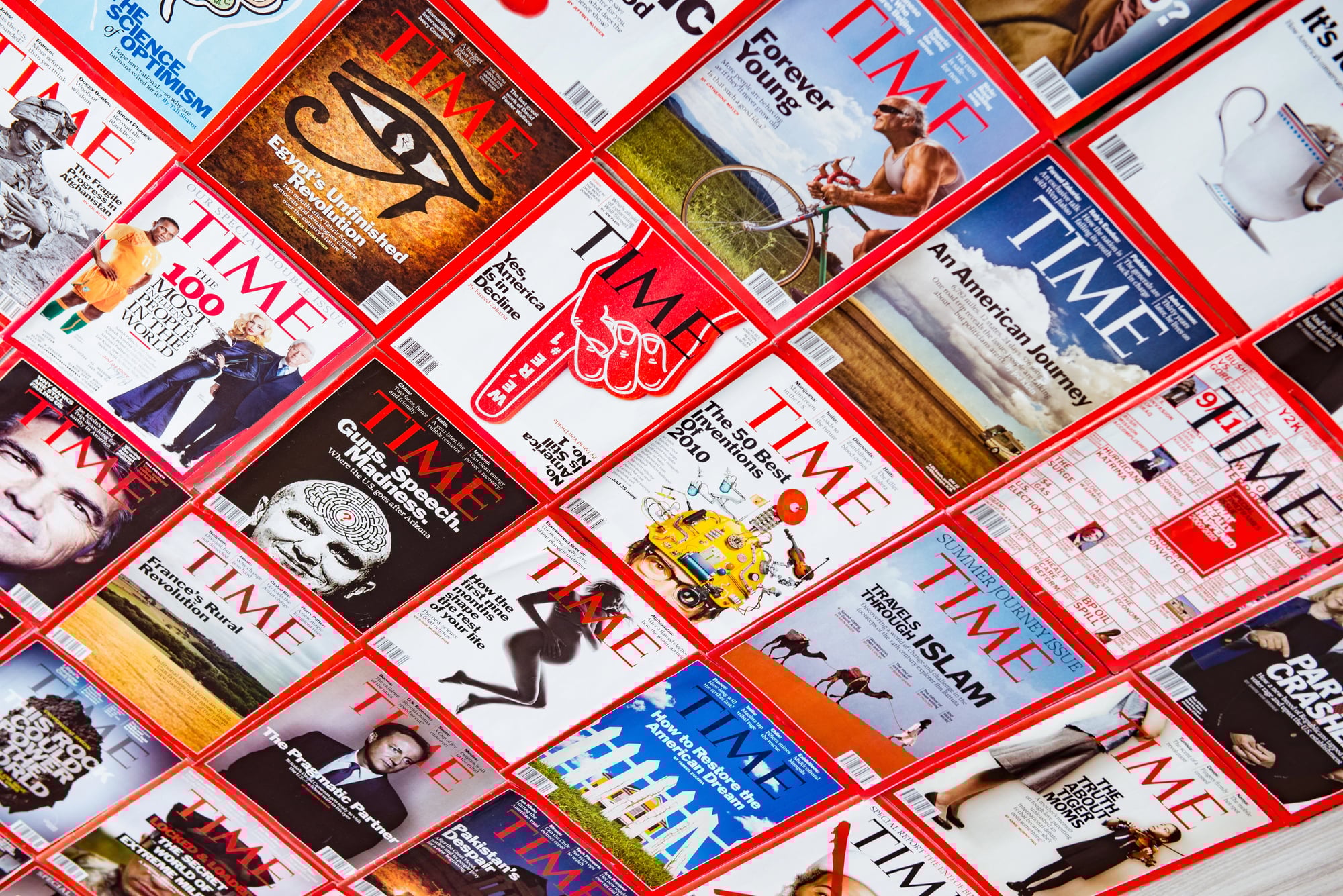
Time Magazine established the template for how Americans would consume news for most of the 20th century—in weekly digestible packages that promised to explain what mattered and why. Their “Person of the Year” issues became cultural touchstones, and many of those covers now represent collecting opportunities.
But the really valuable issues often aren’t the obvious ones. Early Time covers featuring figures who later became historically significant—but weren’t necessarily famous when they appeared—can command surprising prices.
An issue from 1939 featuring Hitler or Stalin documents a moment when the full scope of their historical impact wasn’t yet clear.
The magazine’s approach to design and typography influenced American graphic design in ways that are still visible today.
Collectors often seek out issues not just for their content but for their role in establishing visual approaches to presenting news that became standard across the industry.
Esquire
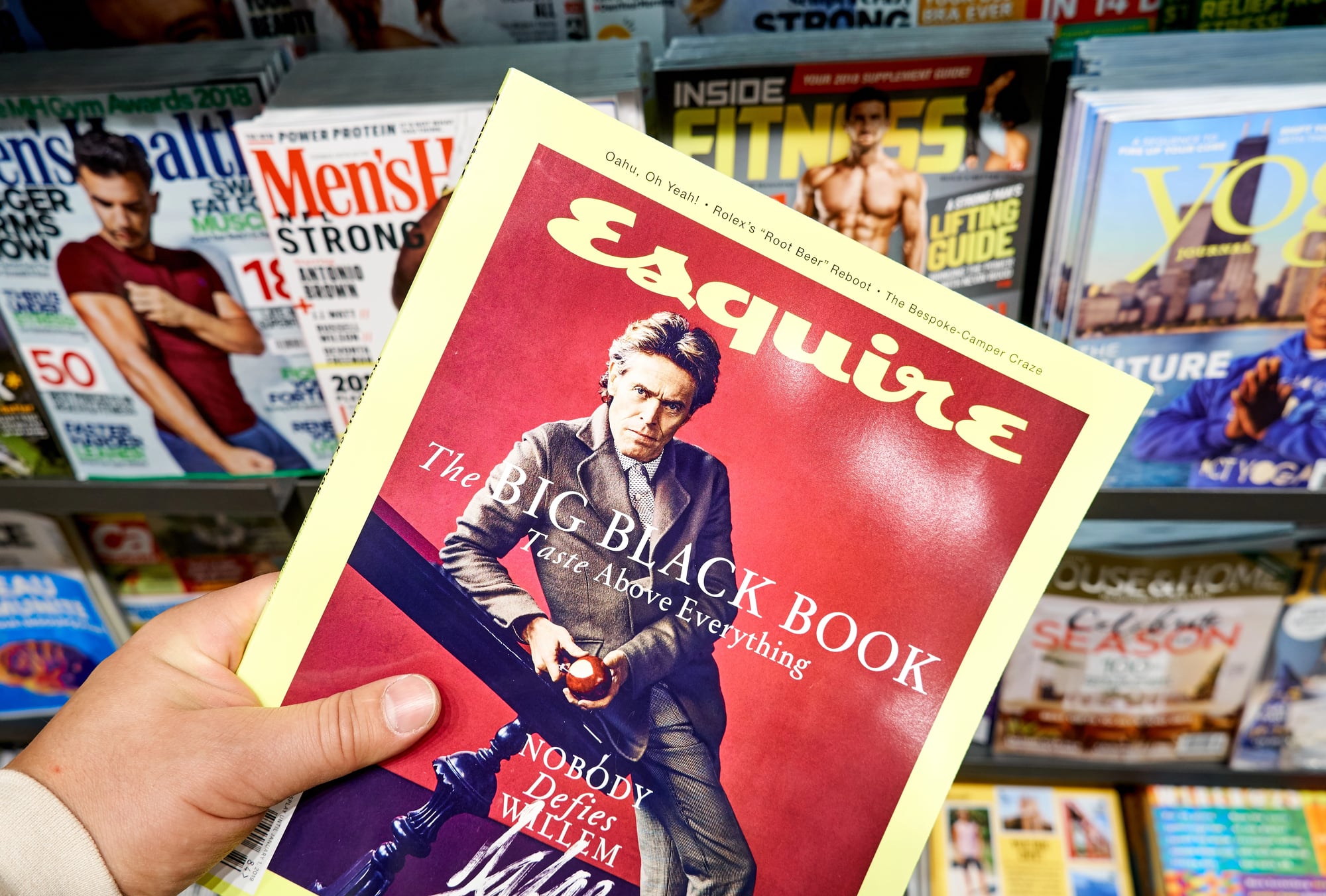
Esquire taught American men that caring about style wasn’t vanity—it was sophistication. But the magazine went further than fashion; it established a particular vision of masculine intelligence that valued wit, cultural awareness, and careful attention to quality in everything from clothing to literature.
Early issues featuring artwork by major illustrators or early fiction by writers who later achieved literary fame hold significant value.
The magazine published early work by authors like Norman Mailer, Tom Wolfe, and Gay Talese, meaning certain issues contain first appearances of pieces that later became classics of American journalism and literature.
The magazine’s covers, often featuring innovative artwork rather than photographs, represent collaborations between the magazine and major artists.
Those covers weren’t just marketing; they were attempts to elevate commercial art to fine art, and many succeeded well enough that the original magazines now function as affordable alternatives to gallery pieces.
Mad Magazine
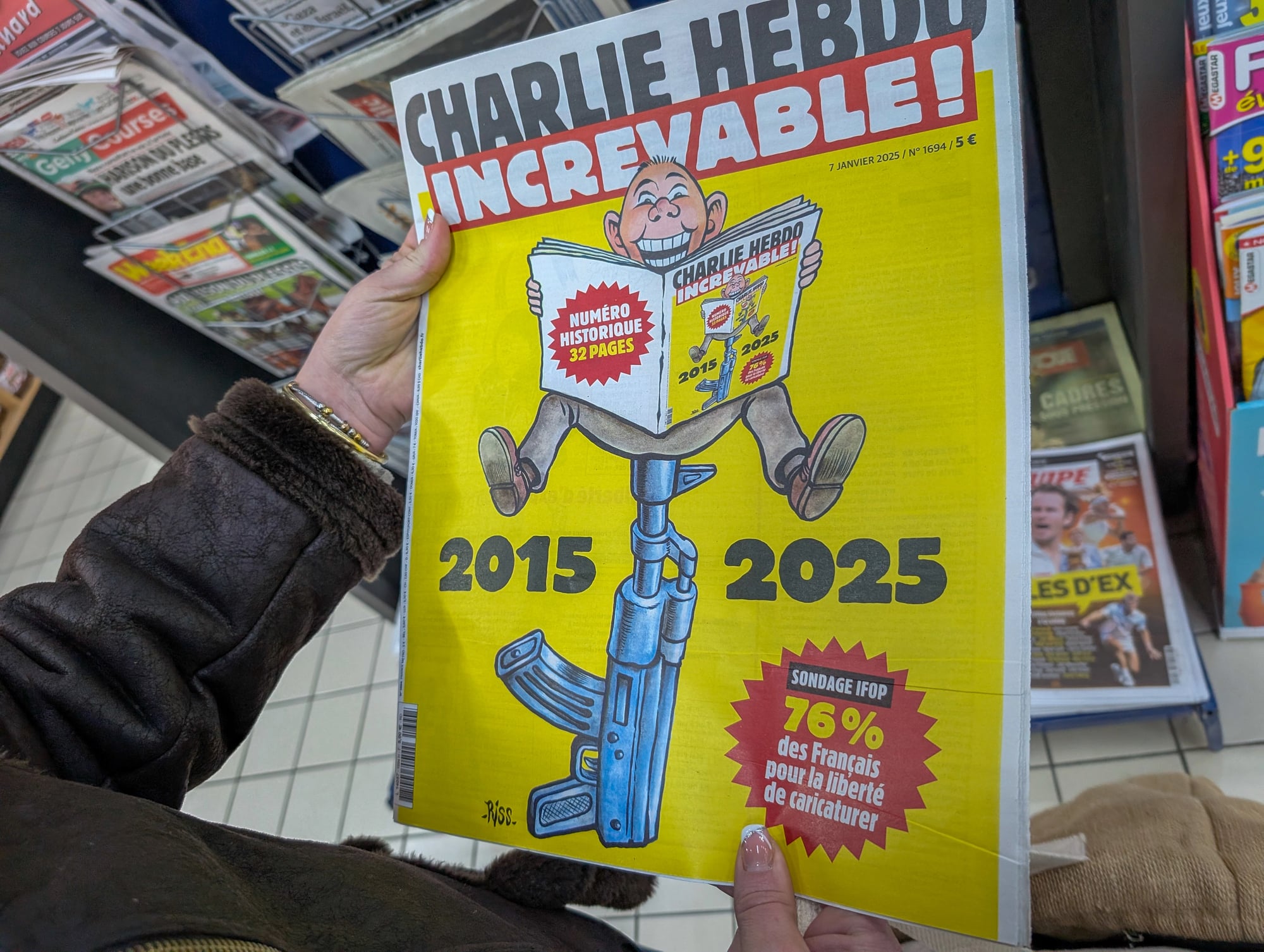
Mad Magazine treated nothing as sacred, and that irreverence accidentally created something sacred—a shared cultural reference point for anyone who grew up questioning authority. The magazine’s parodies weren’t just funny; they were educational in ways that no one intended, teaching readers to look skeptically at media, advertising, and social expectations.
Early issues from the 1950s, when the magazine was still published in comic book format, are particularly valuable.
The transition from comic to magazine format in 1955 marked a shift that influenced alternative comedy and satire for decades.
Those early issues captured a sensibility that was genuinely subversive at a time when such attitudes were less common in mainstream media.
Issues featuring artwork by legendary illustrators like Mort Drucker or Jack Davis represent collaborations that influenced visual comedy and caricature across multiple generations.
The magazine’s visual approach to humor—exaggerated, detailed, slightly grotesque—became a recognizable style that influenced everything from underground comics to mainstream animation.
Vogue
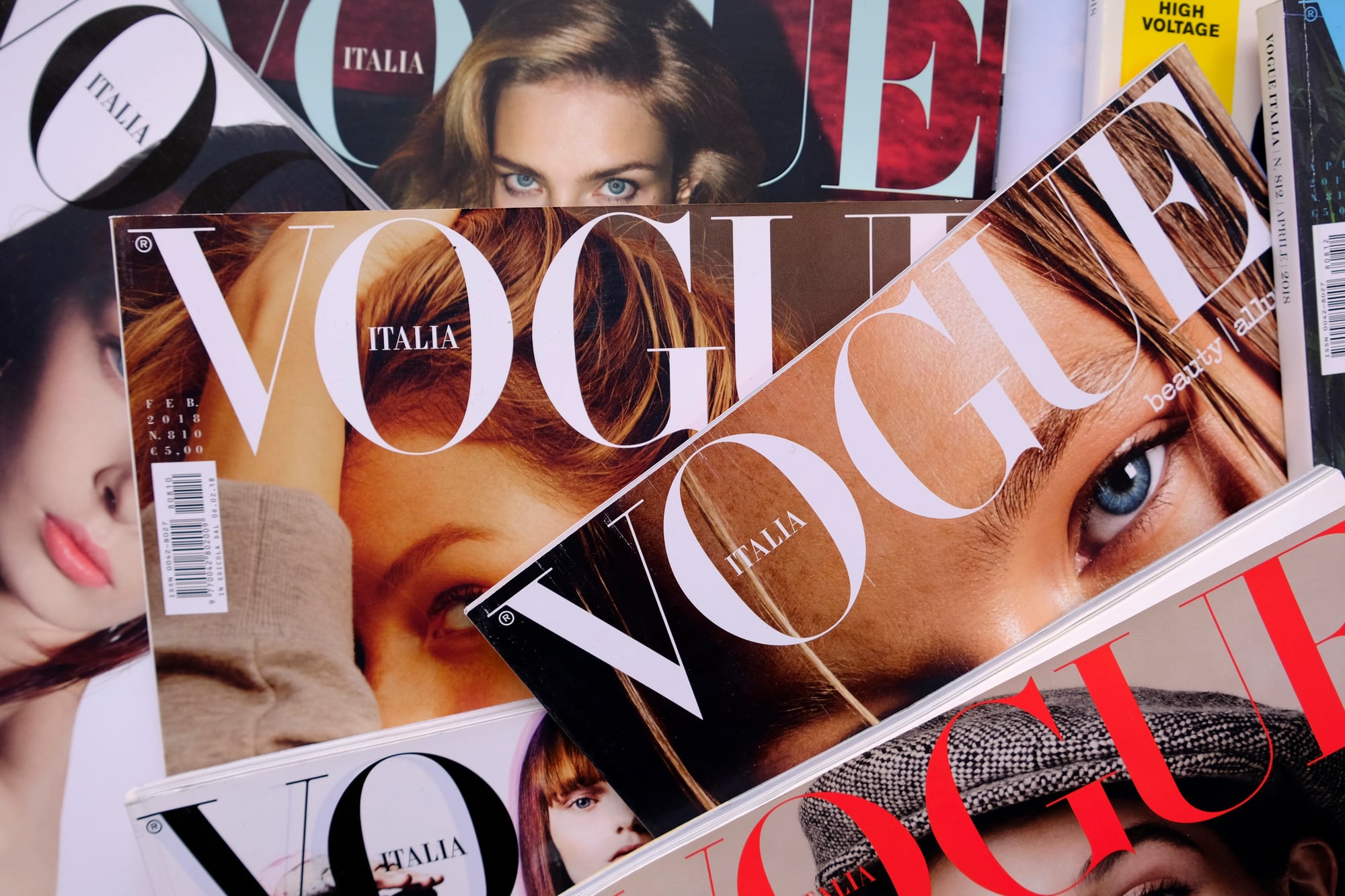
Vogue didn’t just report on fashion; it decided what fashion would become. The magazine’s influence extended so far beyond clothing that its pages functioned as instruction manuals for aspiration itself, teaching readers not just what to wear but how to want.
Early 20th century issues are collected partly as historical documents of changing social attitudes toward femininity, work, and self-presentation.
The magazine captured moments when women’s roles were shifting, and fashion served as both a reflection of and catalyst for those changes.
Issues featuring groundbreaking photography by artists like Richard Avedon or Irving Penn represent moments when commercial and fine art photography intersected so successfully that the boundaries between them became meaningless.
Those collaborations elevated fashion photography to art, and the original magazines serve as accessible ways to own pieces of that artistic evolution.
TV Guide

TV Guide seemed almost mundane when it dominated magazine racks across America—just a weekly listing of television programming with some celebrity interviews thrown in. But that mundane quality is exactly what makes surviving issues valuable: they document the daily texture of American entertainment consumption in ways that more prestigious publications missed.
Early issues from the 1950s and 1960s capture television when it was still defining itself as a medium.
The magazine’s covers featuring early TV stars document careers and shows that established templates for American entertainment that are still visible today.
An issue featuring Lucille or Ed Sullivan represents a moment when television was establishing the personalities and formats that would influence popular culture for decades.
The magazine’s approach to celebrity coverage—casual, accessible, slightly gossipy—helped establish the tone for how Americans would relate to entertainment figures.
Those early issues show the development of celebrity culture before it became the overwhelming force it is today.
Sports Illustrated

Sports Illustrated transformed athletic coverage from simple game reporting into narrative storytelling that made sports feel like literature. The magazine understood that people don’t just want to know who won; they want to understand what victory and defeat mean, and how athletic competition reveals character.
The magazine’s swimsuit issues became cultural phenomena that extended far beyond sports journalism, but the real collectible value often lies in issues covering historic athletic moments.
An issue covering Muhammad Ali’s major fights, or early coverage of breakthrough athletes who later became legends, represents moments when the magazine captured history as it was happening.
Issues featuring early work by legendary sports writers like Frank Deford or Dan Jenkins contain examples of sports journalism that influenced how Americans think about athletics, competition, and character.
The magazine elevated sports writing to literature in ways that made athletic achievement feel like art.
Popular Science

Popular Science promised to explain the future before it arrived, and many issues delivered exactly that. The magazine served as a bridge between scientific research and public understanding, translating complex discoveries into accessible explanations that satisfied curiosity without requiring advanced degrees.
Issues from the mid-20th century are valuable partly because they document a period when Americans felt uniquely optimistic about technology’s potential to solve problems and improve life.
Articles about early computers, space exploration, or nuclear energy capture a moment when the future seemed more exciting than threatening.
The magazine’s illustrations and diagrams represent a particular approach to visual education that influenced how Americans learned to think about science and technology.
Those images—detailed, optimistic, slightly fantastical—shaped popular understanding of scientific progress in ways that are still visible in how people imagine technological advancement.
Forbes
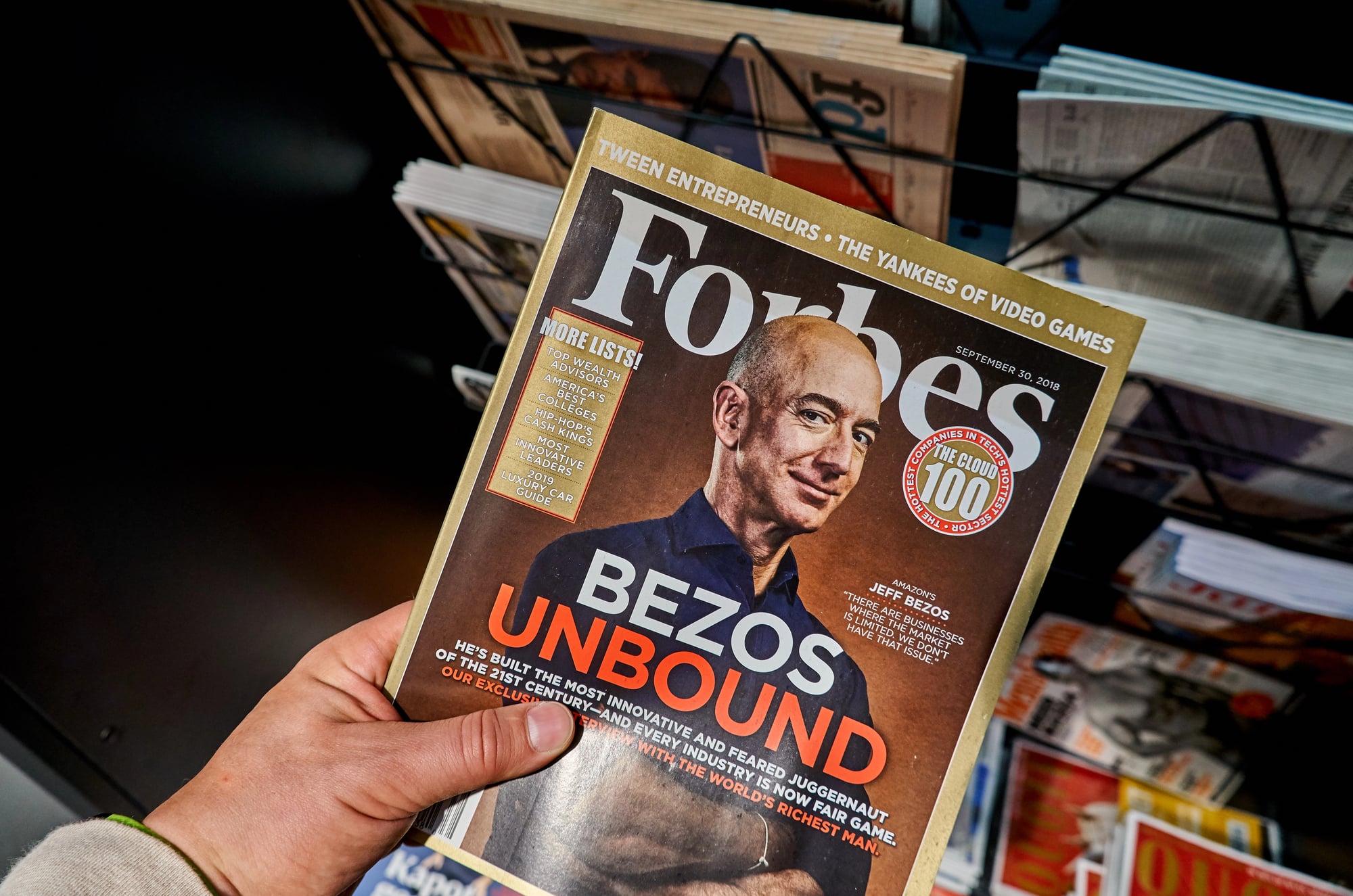
Forbes understood that money wasn’t just about numbers—it was about stories. The magazine transformed business coverage from dry financial reporting into narrative journalism that made economic forces feel personal and understandable.
Early issues featuring profiles of business leaders who later became major historical figures hold significant value.
The magazine caught many entrepreneurs and executives before they achieved legendary status, providing insights into their thinking and strategies during pivotal moments in their careers.
The magazine’s approach to wealth—celebrating it while also analyzing it—helped establish American attitudes toward business success that remain influential.
Issues covering major economic events or breakthrough companies document moments when business decisions shaped broader cultural and social changes.
Ebony

Ebony magazine filled a void that mainstream publications had ignored for too long—presenting successful, sophisticated African American life as normal rather than exceptional. The magazine didn’t just cover Black culture; it helped define it, creating a visual and editorial template for pride and aspiration.
Issues from the 1940s and 1950s are particularly valuable because they document a period when such representation was rare in mainstream media.
The magazine’s coverage of early civil rights leaders, entertainers, and business figures provides perspectives on major historical figures and events that were often missing from other publications.
The magazine’s fashion and lifestyle coverage helped establish aesthetic approaches that influenced American design and culture far beyond its primary readership.
Those early issues show the development of visual approaches to presenting success and sophistication that became widely influential.
Scientific American

Scientific American managed to make rigorous scientific research accessible without dumbing it down—a balance that required both deep understanding and skillful communication. The magazine served as a bridge between academic research and public understanding, explaining discoveries in ways that satisfied curiosity while maintaining scientific accuracy.
Early issues from the 19th and early 20th centuries document scientific understanding during periods of rapid discovery and change.
Articles about early theories of evolution, atomic structure, or space exploration capture moments when human knowledge was expanding in ways that would reshape civilization.
The magazine’s approach to visual explanation—detailed diagrams, careful illustrations, precise language—influenced how Americans learned to think about scientific inquiry.
Issues covering major breakthroughs or featuring work by scientists who later achieved legendary status represent moments when complex ideas were first made accessible to general audiences.
Motor Trend
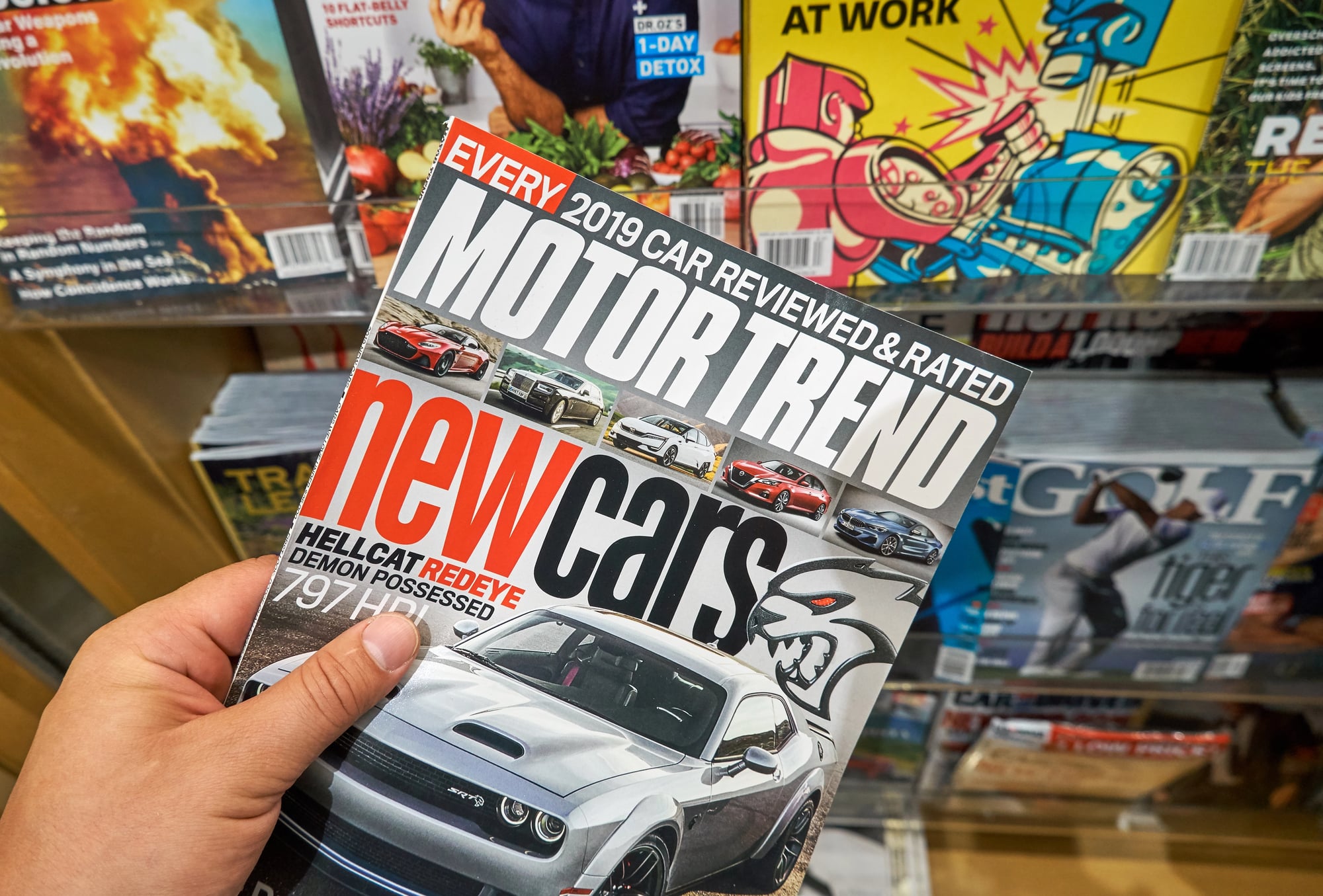
Motor Trend understood that cars weren’t just transportation—they were expressions of technological optimism and personal identity. The magazine covered automotive development during a period when American car design was establishing templates for how people would think about mobility, style, and progress.
Early issues from the late 1940s and 1950s document the development of car culture during its most influential period.
Coverage of classic cars when they were new, or early reviews of vehicles that later became iconic, provides perspectives on automotive history that are often missing from contemporary coverage.
The magazine’s approach to testing and evaluation helped establish standards for automotive journalism that are still visible today.
Issues covering breakthrough technologies or design approaches document moments when the automotive industry was establishing approaches to engineering and styling that influenced transportation for decades.
TV Guide Special Issues

And then there were those special TV Guide issues that transcended their weekly format entirely—the episode guides for major series, the year-end roundups, the anniversary celebrations that attempted to capture television’s growing cultural importance in single publications.
But perhaps the most interesting aspect of TV Guide’s collectible status is how it demonstrates the unpredictability of cultural value. Nobody saved these magazines thinking they were preserving history; they were just trying to figure out what to watch on Thursday night.
Yet they ended up creating one of the most detailed records of American entertainment consumption that exists—a record that becomes more valuable as the media landscape it documented disappears entirely.
The magazine’s casual tone and accessible approach captured television when it was still establishing itself as the dominant form of American entertainment, and those perspectives now feel both familiar and completely foreign.
When Paper Becomes Memory

Magazine collecting operates on a simple principle that extends far beyond publishing: the things that seem most disposable often become most precious. These magazines weren’t designed to last—they were printed on cheap paper, sold for small amounts, and intended to be discarded within weeks of purchase.
Yet here they are, decades later, commanding prices that would have seemed absurd to their original readers. The transformation from throwaway reading to collectible treasure happens gradually, then all at once, as cultural distance makes familiar objects feel like artifacts from vanished worlds.
More from Go2Tutors!

- The Romanov Crown Jewels and Their Tragic Fate
- 13 Historical Mysteries That Science Still Can’t Solve
- Famous Hoaxes That Fooled the World for Years
- 15 Child Stars with Tragic Adult Lives
- 16 Famous Jewelry Pieces in History
Like Go2Tutors’s content? Follow us on MSN.