18 Incredibly Rare Pokémon Cards That Could Pay Off Debt
For many adults, the mention of Pokémon cards brings back memories of playground trades and the thrill of opening fresh booster packs. What seemed like simple childhood fun has evolved into something far more valuable than anyone expected.
The cards gathering dust in closets and storage boxes might represent a small fortune waiting to be discovered.
The Pokémon trading card market has exploded in recent years, with certain cards selling for amounts that sound more like real estate transactions than collectible purchases. Pristine condition cards from the game’s earliest sets now command prices that could genuinely impact someone’s financial situation.
Some of these cards have become so valuable that finding one in mint condition feels like discovering buried treasure.
Base Set Shadowless Charizard
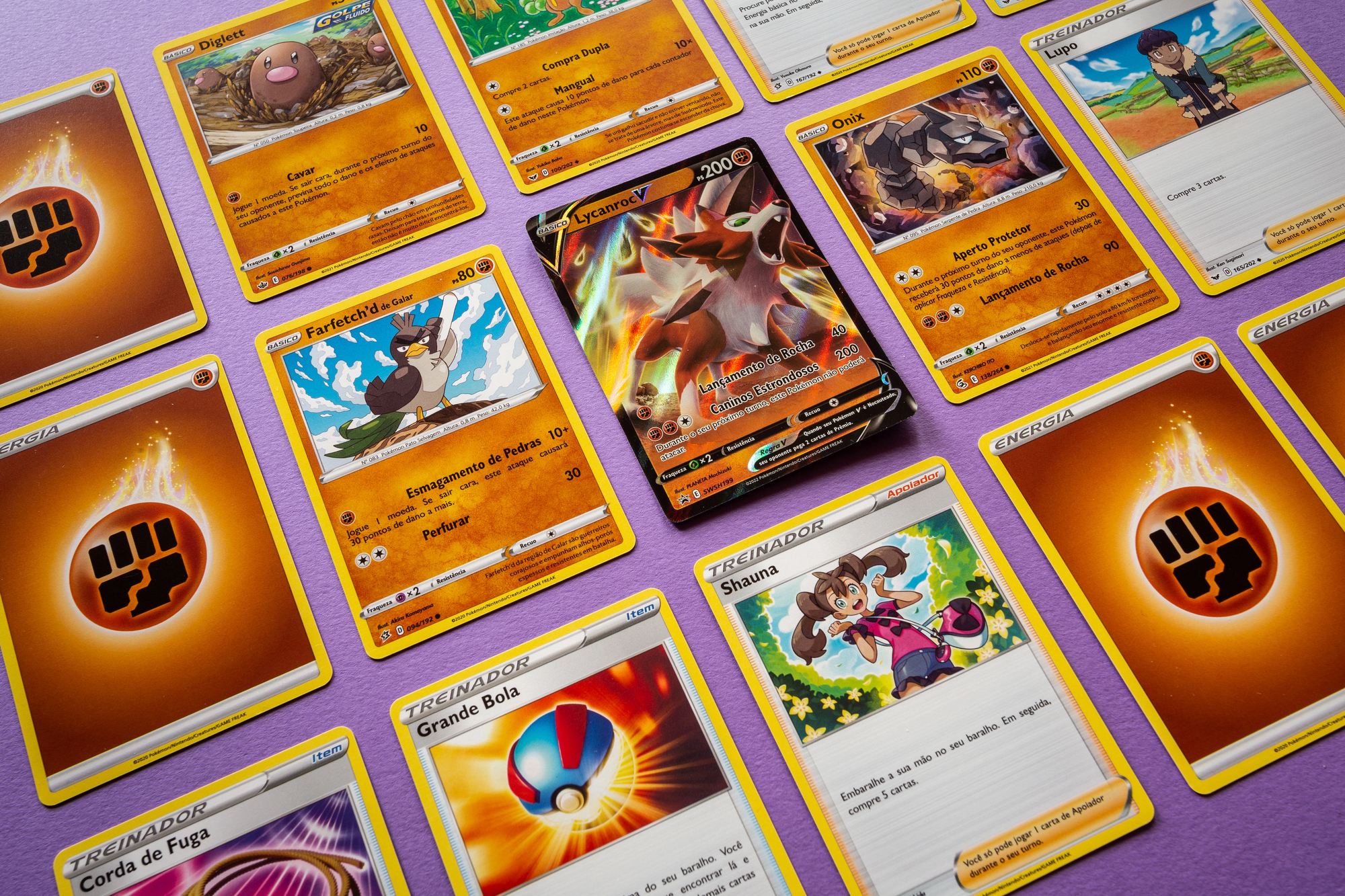
The king of all Pokémon cards. No contest.
A mint condition Base Set Shadowless Charizard has sold for over $400,000 at auction. Most examples in excellent condition still fetch between $10,000 and $50,000.
The card’s iconic artwork and nostalgic pull make it the holy grail for collectors worldwide.
Even damaged copies hold value that surprises most people. This single card has probably paid off more student loans than any other piece of cardboard in history.
Pikachu Illustrator
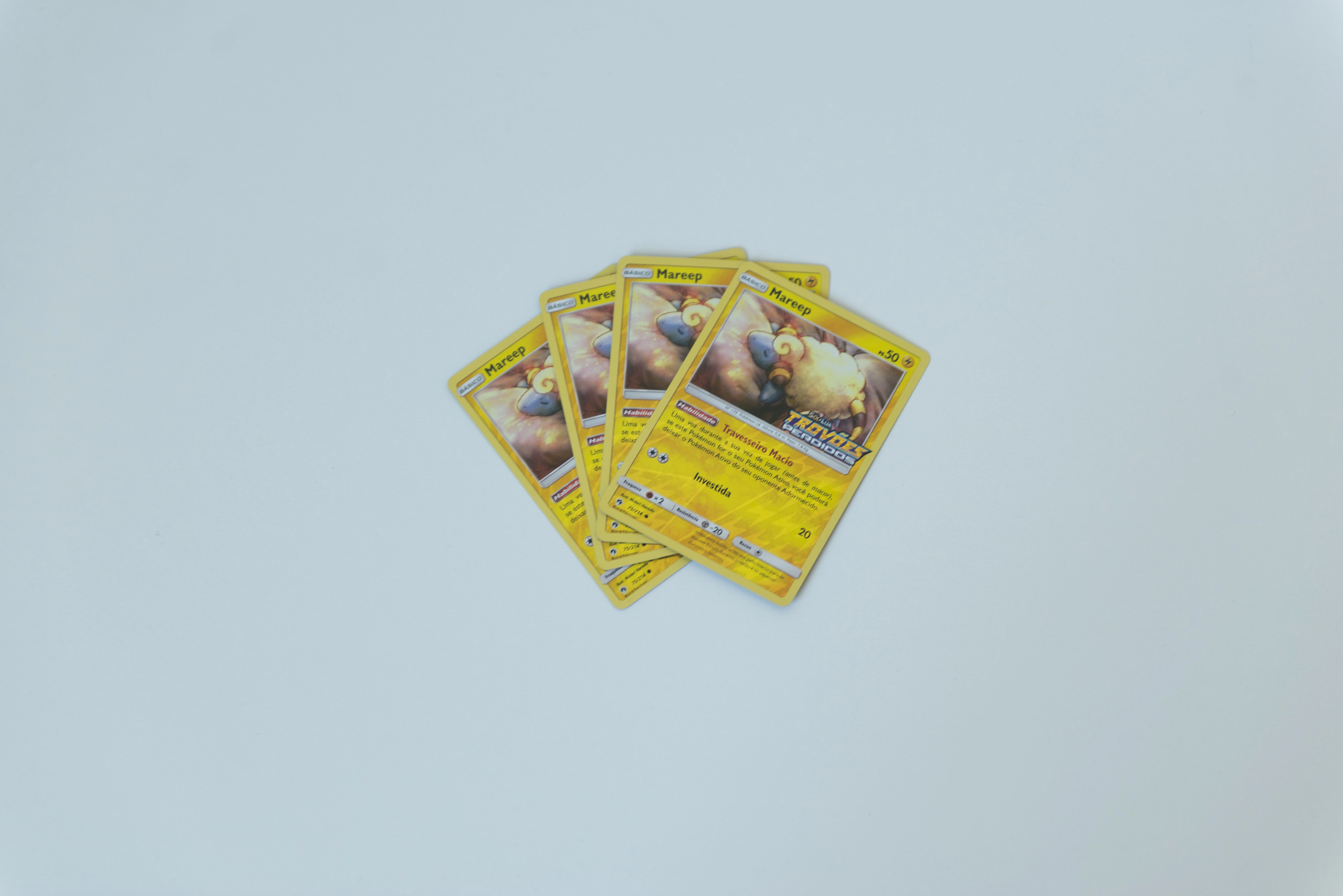
Here’s where things get interesting (and expensive, though the two often go hand in hand when discussing the upper echelons of collectible card games). The Pikachu Illustrator card was awarded to winners of a 1997 Japanese illustration contest, which means the total number of copies that exist can be counted without requiring advanced mathematics.
So naturally, when one appears at auction — and they appear about as frequently as solar eclipses — the bidding becomes a spectacle that makes traditional art auctions look conservative. The card holds the current record for the most expensive Pokémon card ever sold, reaching $5.275 million in 2021, which is the kind of number that makes people reconsider what they threw away during childhood bedroom cleanouts.
And yet the card itself is relatively simple: Pikachu holding a brush and palette, surrounded by other Pokémon. But simplicity, it turns out, becomes priceless when scarcity enters the equation.
Trophy Pikachu Gold
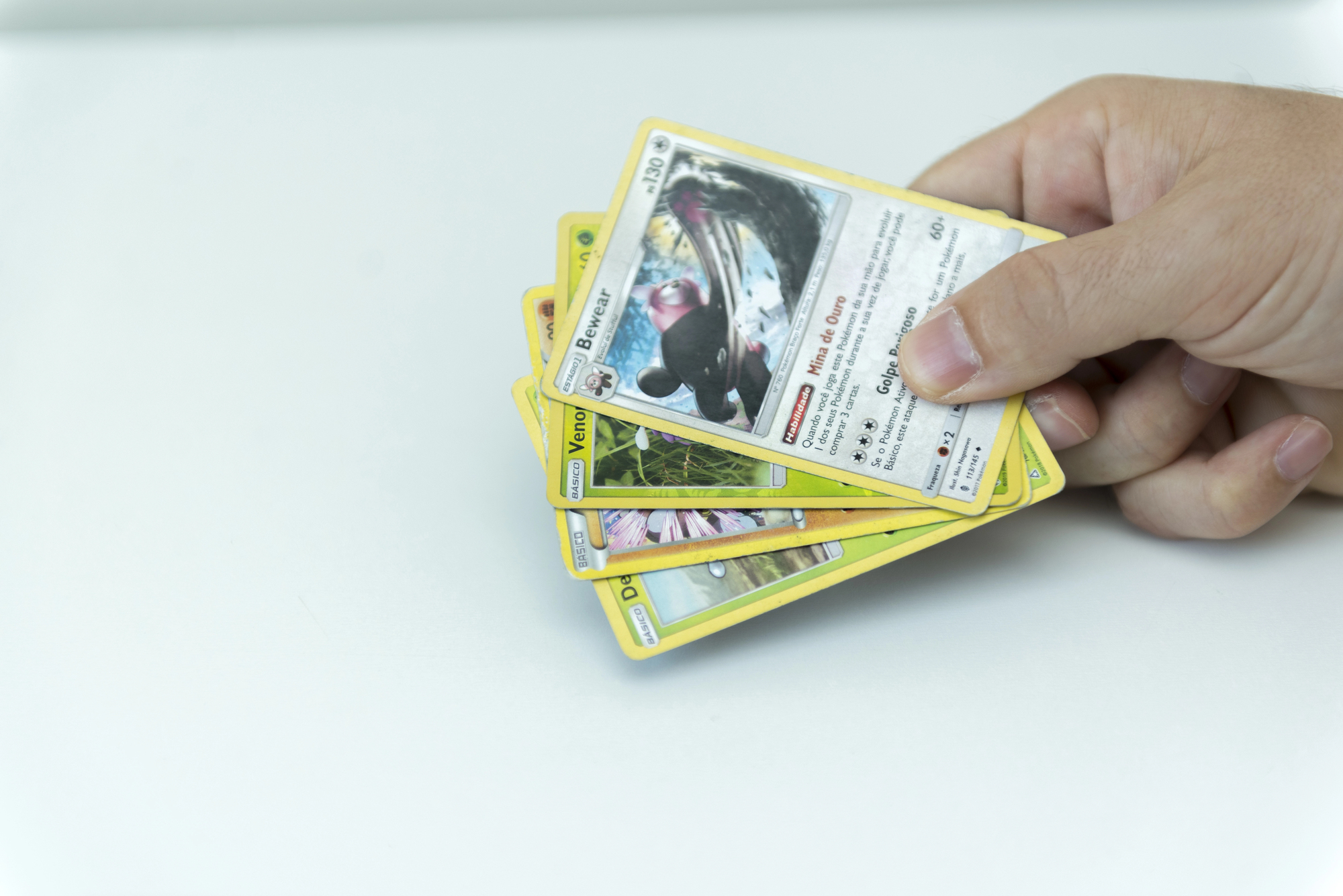
Like finding a rare bird that only appears in certain seasons, discovering a Trophy Pikachu Gold feels like encountering something that shouldn’t exist in ordinary circumstances. These cards were awarded to winners of the first official Pokémon tournaments in Japan, making each one a small monument to competitive achievement from the game’s earliest days.
The gold version carries the weight of being first — the initial recognition that Pokémon had grown beyond casual play into something worth competing over. Tournament winners received these as trophies, not knowing they were holding what would become six-figure investments.
There’s something quietly moving about a prize that was meaningful then becoming exponentially more meaningful decades later, though for entirely different reasons.
Values hover around $150,000 to $300,000 for pristine examples. The card represents a moment when Pokémon shifted from playground pastime to serious competition.
Base Set First Edition Charizard
The Base Set First Edition Charizard is the card that proves timing matters more than almost anything else. While the Shadowless version gets more attention, this particular printing carries its own weight in collector circles.
The “First Edition” stamp transforms what would already be a valuable card into something approaching financial security for the right person.
The difference between having this card and not having it often comes down to pure luck — whether someone’s parents bought the right booster pack at the right time. Fair? Absolutely not.
Valuable? Undeniably. Mint condition examples regularly sell for $50,000 to $150,000, depending on grading.
Neo Genesis First Edition Lugia

Neo Genesis introduced the second generation of Pokémon to the trading card game. Lugia became the face of that expansion.
First Edition Lugia cards in perfect condition sell for $15,000 to $40,000. The card’s popularity stems from both its powerful game mechanics and Lugia’s starring role in Pokémon movies.
Collectors who missed Charizard often target this card as their next best option.
The artwork shows Lugia emerging from ocean waves, which somehow captures the card’s own emergence as a valuable collectible years later.
Japanese Base Set No Rarity Charizard
The production quirks of early Pokémon cards created accidental rarities that no one saw coming, and the Japanese Base Set No Rarity Charizard stands as perhaps the most perfect example of how manufacturing mistakes become collector goldmines. This version of Charizard was printed without the typical rarity symbol that appeared on most cards — a small oversight that transformed ordinary print runs into something extraordinary decades later (though “ordinary” feels like the wrong word when discussing any version of the Base Set Charizard).
The absence of that tiny symbol means these cards exist in smaller numbers than their properly marked counterparts, which is the kind of detail that drives serious collectors to pay serious money. So when one surfaces in mint condition, the bidding reflects both the card’s inherent desirability and its accidental scarcity, creating a perfect storm of collector demand that pushes values into the $30,000 to $80,000 range.
The irony, of course, is that what was once considered a printing flaw now commands premium prices.
Tropical Mega Battle Tournament Cards
Tournament prize cards occupy their own tier in Pokémon collecting, and the Tropical Mega Battle series represents some of the most sought-after tournament rewards ever distributed. These cards were awarded at the 1997 Tropical Mega Battle tournament in Honolulu, making them both geographically and temporally specific in ways that drive collectors slightly mad with desire.
Like pressed flowers from a significant occasion, these cards carry the memory of a specific moment when competitive Pokémon was still finding its footing. Winners received them as recognition of skill, not investments.
The fact that they’ve become valuable feels almost secondary to their original purpose, though collectors certainly don’t treat the financial aspect as an afterthought.
Values range from $20,000 to $100,000 depending on the specific card and condition. Each one represents a moment when someone was the best Pokémon player in a room full of the best players.
Base Set Shadowless Blastoise
Base Set Shadowless Blastoise deserves recognition as more than just “the other valuable card” from the original set. The water-type starter holds its own commanding respect and significant prices from collectors who appreciate both its nostalgic value and relative scarcity compared to modern printings.
Mint condition examples sell for $8,000 to $25,000, which represents genuine financial value for anyone lucky enough to own one. The card’s artwork remains iconic — Blastoise emerging from its shell with water cannons ready.
Sometimes the straightforward approach works best, and this card proves that point effectively.
Snap Cards Contest Promo
Here’s something that feels like it emerged from a fever dream of 1990s promotional marketing: cards created specifically for a Pokémon photography contest tied to the Nintendo 64 game Pokémon Snap, where players were encouraged to submit their best in-game photographs for prizes that included these exclusive cards (which sounds almost quaint now, like a relic from an era when promotional tie-ins hadn’t yet learned to take themselves too seriously). The contest required participants to capture specific Pokémon in particular poses within the game, then somehow translate those digital achievements into physical card rewards — a process that feels both charmingly analog and unnecessarily complicated by today’s standards.
But the complexity of obtaining these cards is precisely what makes them valuable now: the combination of requiring both gaming skill and contest participation created a natural bottleneck that kept the total number of cards in circulation extremely low. And since most winners probably viewed them as neat prizes rather than future investments, many didn’t receive the careful storage treatment that would preserve their condition for decades.
Values for mint condition Snap Cards promos range from $15,000 to $50,000. They represent a fascinating intersection of gaming achievement and collectible value.
Japanese Promo Trophy Pikachu
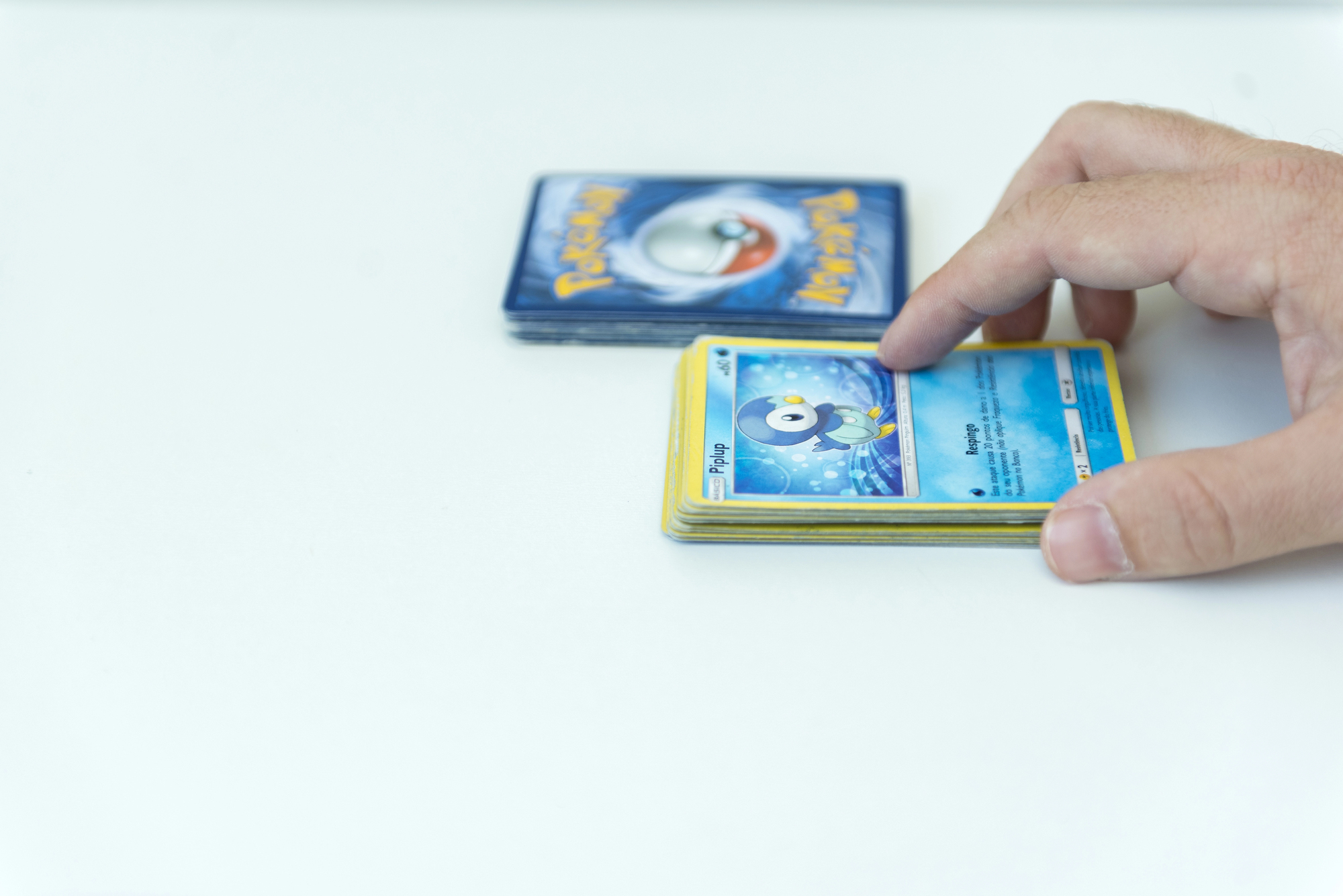
Japanese Promo Trophy Pikachu cards exist in several variations, each tied to specific tournaments and events throughout Pokémon’s competitive history. Unlike their more famous cousins, these cards were distributed more widely but still maintained exclusivity through their connection to organized play.
The various Trophy Pikachu cards create a hierarchy of value based on their specific tournament origins and rarity. Some versions command $30,000 to $80,000 in perfect condition.
Collectors often focus on completing sets of these tournament cards, viewing them as historical documents of competitive Pokémon’s evolution.
Each card carries the weight of a specific moment in tournament history, making them appealing to both nostalgia collectors and competitive players.
Master’s Key
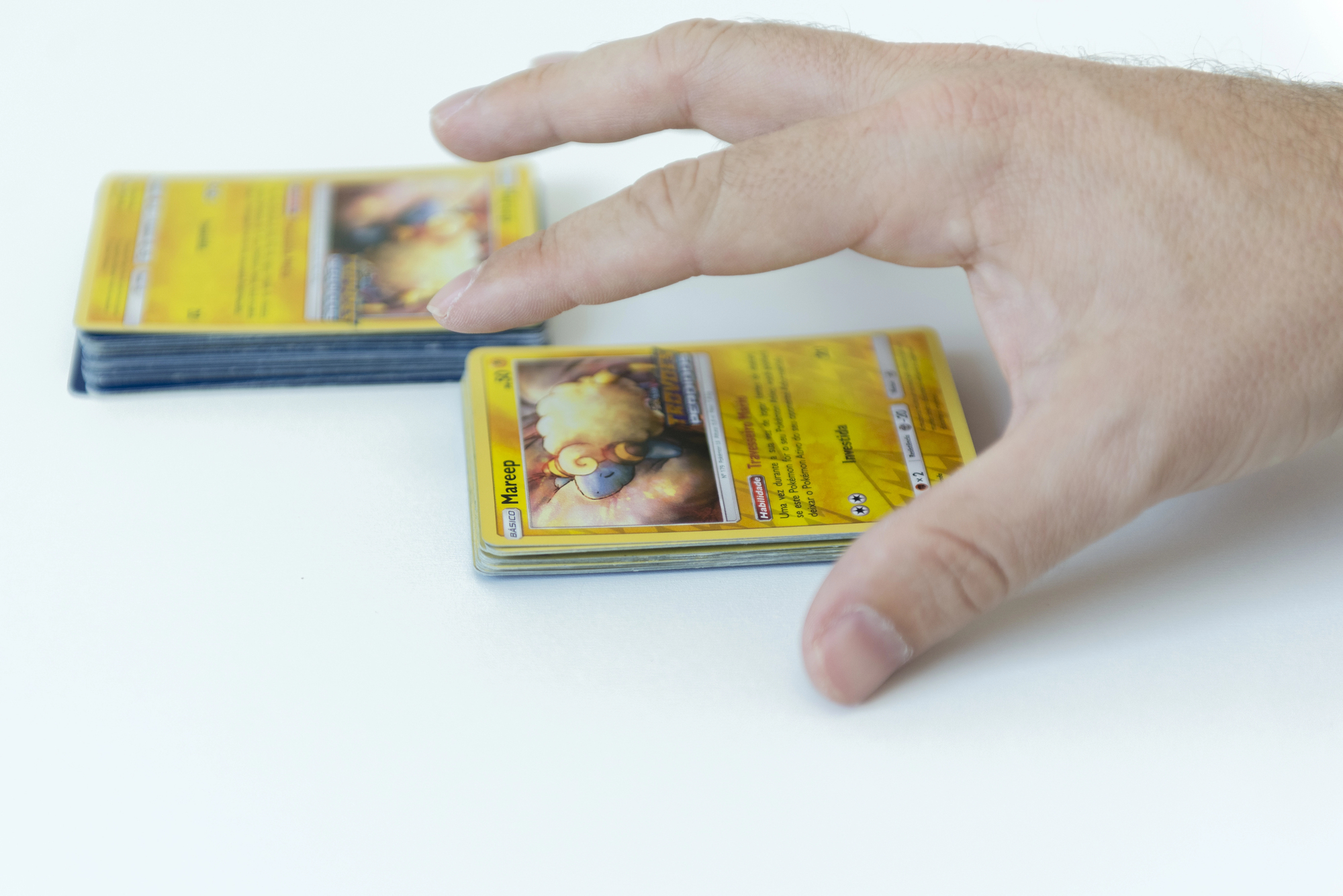
The Master’s Key exists in that strange space between promotional material and legitimate collectible — a card that was never meant for gameplay but somehow became one of the most sought-after pieces in the entire Pokémon universe. Given away at specific events to promote upcoming releases, it carries no game text, no powerful attacks, just simple artwork and the kind of exclusivity that makes collectors abandon rational spending limits.
Like a backstage pass that outlives the concert, the Master’s Key represents access to something that no longer exists: the early promotional events that helped build Pokémon’s cultural footprint. The card itself is almost beside the point; what matters is the story it tells about being present at the right moment.
Values reach $25,000 to $60,000 for pristine copies. Sometimes the most valuable things are the ones that weren’t supposed to be valuable at all.
University Magikarp
University Magikarp proves that irony sells just as well as power in the collectible card market. This promotional card features Magikarp — famously the weakest Pokémon in the entire franchise — distributed at Japanese universities to promote Pokémon among college students.
The absurdity of a weak Pokémon on a valuable card creates a perfect storm of collector interest. Mint condition examples sell for $15,000 to $35,000, which means this joke of a Pokémon commands more respect in card form than most legendary creatures.
The disconnect between the card’s subject and its value never stops being amusing to collectors.
Pokemon Japanese Base Set Charizard No Rarity
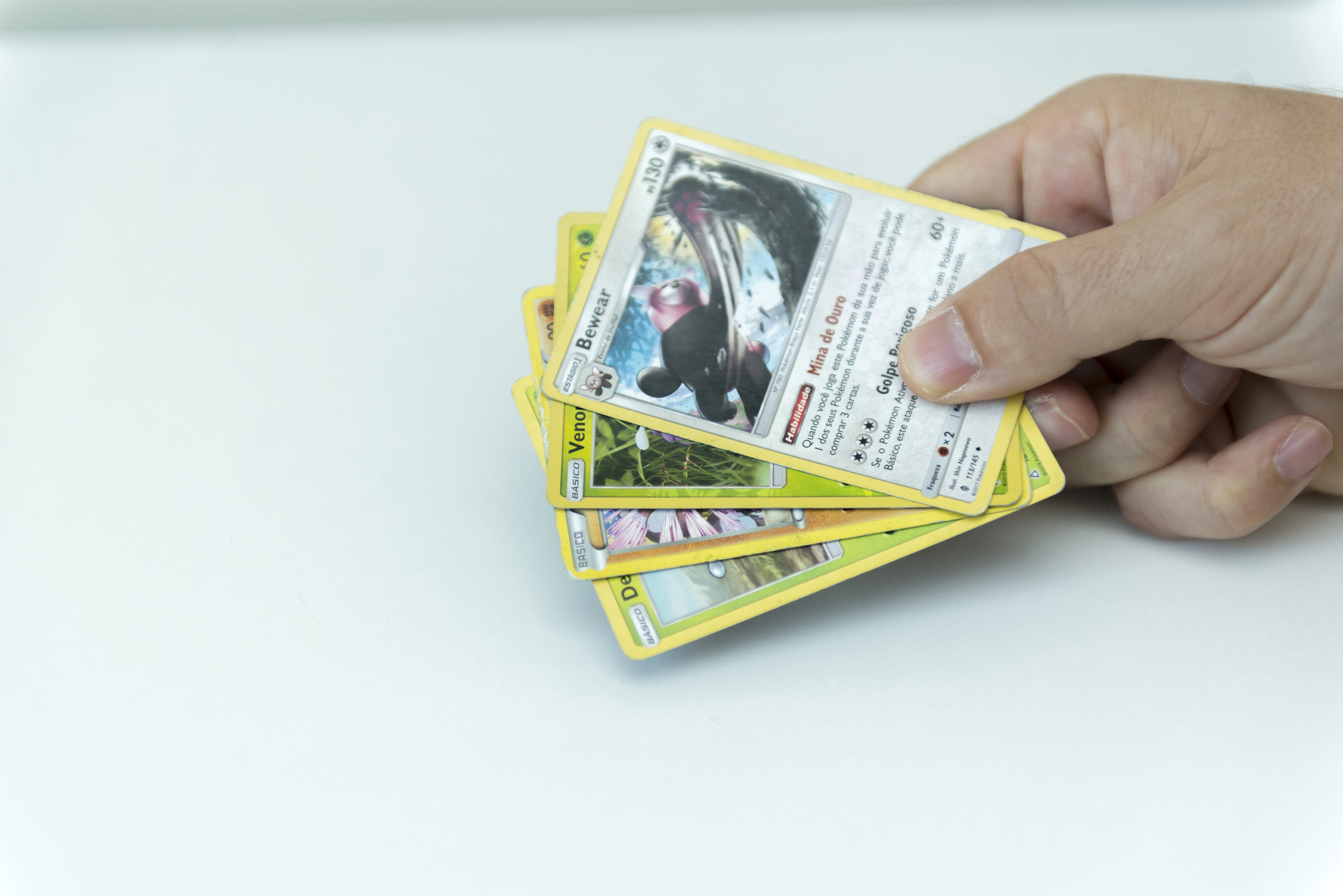
The absence of something often becomes more important than its presence, and the Pokemon Japanese Base Set Charizard No Rarity card demonstrates this principle with impressive clarity (and impressive sale prices that tend to leave both sellers and buyers slightly stunned by the final numbers). This particular version of Charizard was printed without the rarity symbol that typically appeared on cards from the same set — a production oversight that created accidental scarcity in a print run that was already destined to become valuable.
So collectors find themselves paying premium prices for what amounts to a printing mistake, which would be ironic if it weren’t so profitable for anyone lucky enough to own one. But the card market has never been particularly concerned with irony when scarcity enters the equation, and missing rarity symbols create exactly the kind of production quirk that drives serious collectors to make serious financial commitments.
The result is a card that looks nearly identical to its properly-marked counterparts but commands significantly higher prices purely because of what it lacks rather than what it contains.
Mint condition examples regularly sell for $40,000 to $90,000. Sometimes the most valuable thing about a card is what’s not printed on it.
Fan Club Porygon
Fan Club Porygon carries the distinction of being both extremely rare and tied to one of Pokémon’s most notorious controversies. The card was distributed through the official Pokémon Fan Club in Japan, but Porygon’s association with the infamous seizure-inducing anime episode created an unexpected layer of notoriety.
The combination of limited distribution and cultural significance pushes values for mint copies into the $20,000 to $50,000 range. Collectors appreciate both the card’s rarity and its connection to a specific moment in Pokémon history that most fans would prefer to forget.
Sometimes controversy adds value rather than destroying it.
Tamamushi University Magikarp
Academic institutions and trading cards make for unexpected partnerships, but Tamamushi University Magikarp represents one of the most successful crossovers between education and collectibles. This promotional card was created specifically for a Japanese university event, combining the weakest Pokémon with one of the strongest collector markets.
Like a thesis paper that accidentally becomes a bestseller, this card’s value has far exceeded its original promotional purpose. The university connection adds an element of scholarly respectability to what is essentially a picture of a fish on cardboard, though collectors seem more interested in the rarity than the academic pedigree.
Values range from $12,000 to $30,000 for mint condition copies. Higher education has rarely provided such direct returns on investment.
Japanese Base Set Venusaur No Rarity
Japanese Base Set Venusaur No Rarity rounds out the trio of starter Pokémon that suffered the same beneficial printing oversight as Charizard and Blastoise. While Venusaur doesn’t command quite the same prices as its fire-type counterpart, it still represents substantial value for collectors focused on completing sets or diversifying their Pokémon investments.
The grass-type starter has developed its own dedicated following among collectors who appreciate cards that offer significant value without the extreme prices of Charizard variants. Mint condition examples sell for $8,000 to $20,000, which still qualifies as life-changing money for most people.
Base Set Shadowless Alakazam
Base Set Shadowless Alakazam occupies the valuable middle ground between the premium starter Pokémon and the merely expensive cards from the original set, representing both the psychic-type’s popularity and the enduring appeal of cards that combine nostalgic artwork with legitimate scarcity (though “middle ground” feels misleading when discussing cards that regularly sell for more than most people’s annual salaries). The card features Alakazam in its classic pose — spoons crossed, eyes glowing — which captures both the Pokémon’s mysterious nature and the era’s distinctive art style that feels impossible to replicate in modern cards.
And since Alakazam held significant power in the original card game’s competitive scene, the card appeals to both nostalgic collectors and players who remember when psychic types dominated tournament play. But nostalgia and competitive history only explain part of the card’s value; the rest comes from the same scarcity factors that drive all Shadowless cards into premium territory, combined with Alakazam’s specific appeal to collectors who prefer their valuable cards to feature Pokémon with actual personality rather than just raw power.
Mint condition examples sell for $5,000 to $15,000. Sometimes the most cerebral Pokémon make the smartest investments.
No Contest Cards
The No Contest promotional cards were distributed at specific tournament events where matches were declared draws or otherwise left unresolved, creating one of the more unusual origin stories in Pokémon card history. These cards commemorate moments when competition failed to produce clear winners, which makes them oddly appropriate collectibles for a hobby where the biggest winners are often people who simply held onto cardboard long enough.
Values for mint condition No Contest cards reach $10,000 to $25,000. They represent the rare instance where not winning became more valuable than actually winning the tournament that preceded them.
When Cardboard Becomes Currency

The transformation of childhood trading cards into legitimate financial instruments says something profound about value, nostalgia, and the unpredictable nature of collectibles markets. Cards that once traded for candy and playground favors now command prices that rival cars and college tuitions.
The parents who reluctantly bought booster packs twenty-five years ago inadvertently made some of the best investments of their lives.
But the real magic isn’t in the money — it’s in the reminder that the things we dismiss as worthless often become priceless given enough time and the right circumstances. Sometimes the best investment strategy is simply holding onto the things that brought joy, even when logic suggests throwing them away.
More from Go2Tutors!

- The Romanov Crown Jewels and Their Tragic Fate
- 13 Historical Mysteries That Science Still Can’t Solve
- Famous Hoaxes That Fooled the World for Years
- 15 Child Stars with Tragic Adult Lives
- 16 Famous Jewelry Pieces in History
Like Go2Tutors’s content? Follow us on MSN.