18 Ancient Games That Predicted Modern Sports
Long before stadiums filled with cheering crowds and million-dollar contracts, our ancestors were already inventing games that would shape the future of athletics. These weren’t just simple pastimes—they were sophisticated competitions that laid the groundwork for the sports we love today. From the dusty arenas of ancient Rome to the ceremonial courts of Mesoamerica, civilizations across the globe developed games that bear striking similarities to modern sports.
The connections between ancient and contemporary athletics run deeper than you might expect. Here is a list of 18 ancient games that remarkably predicted the sports dominating today’s world.
Pankration
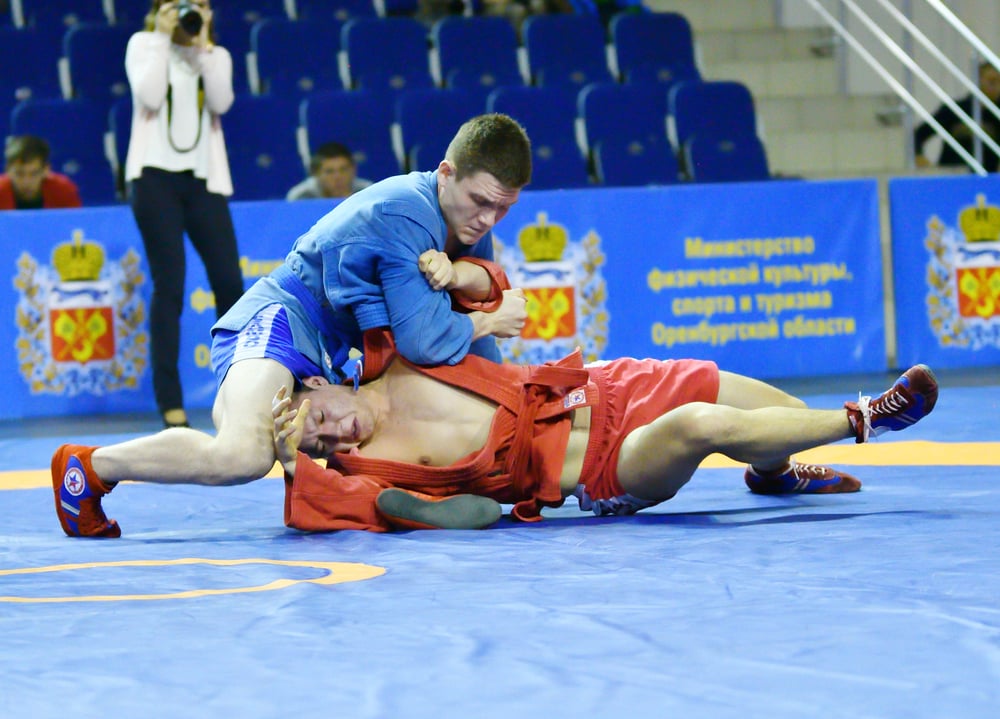
Ancient Greece gave us this brutal combination of wrestling and boxing that allowed nearly everything except biting and eye-gouging. Competitors fought with their bare hands, using grappling techniques, strikes, and submission holds to defeat their opponents.
Modern mixed martial arts owes its entire foundation to pankration, which was considered the ultimate test of a warrior’s skill and endurance.
Cuju

Chinese soldiers during the Han Dynasty kicked leather pouches filled with feathers and hair through goal posts as part of their military training. This game required precise footwork, teamwork, and strategic thinking—sound familiar?
Cuju evolved over centuries and spread throughout Asia, becoming the clear ancestor of modern football, which billions now call the world’s most popular sport.
Tlachtli
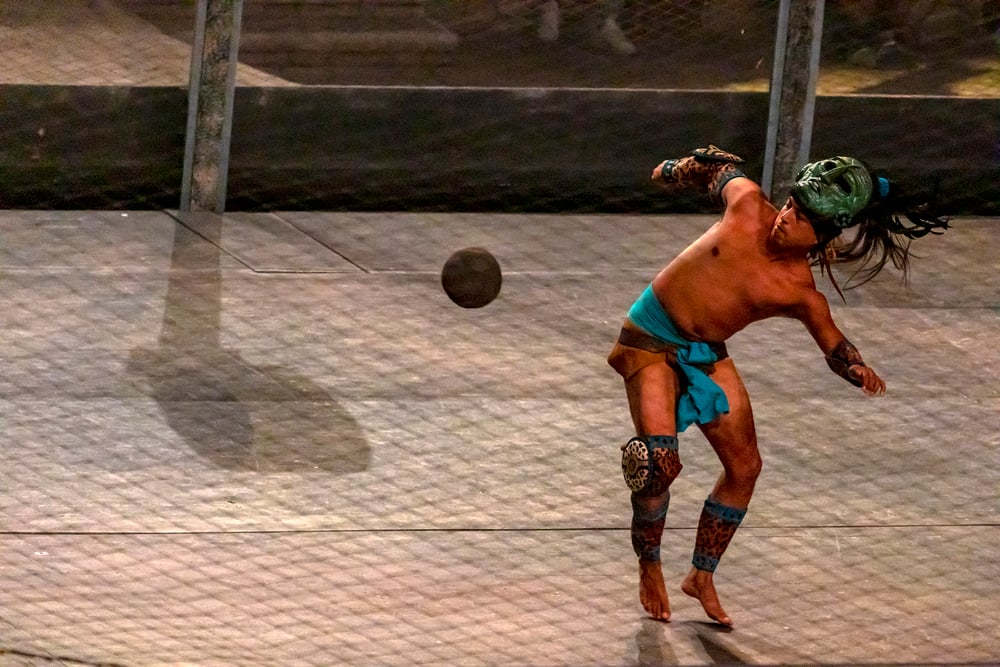
The Mayans and Aztecs played this intense game on stone courts using a solid rubber sphere that players could only touch with their hips, forearms, and shoulders. Teams competed to get the sphere through stone hoops mounted high on the court walls.
While more ritualistic than modern basketball, tlachtli shared the same core concept of getting a round object through an elevated target using teamwork and athletic skill.
Chunkey
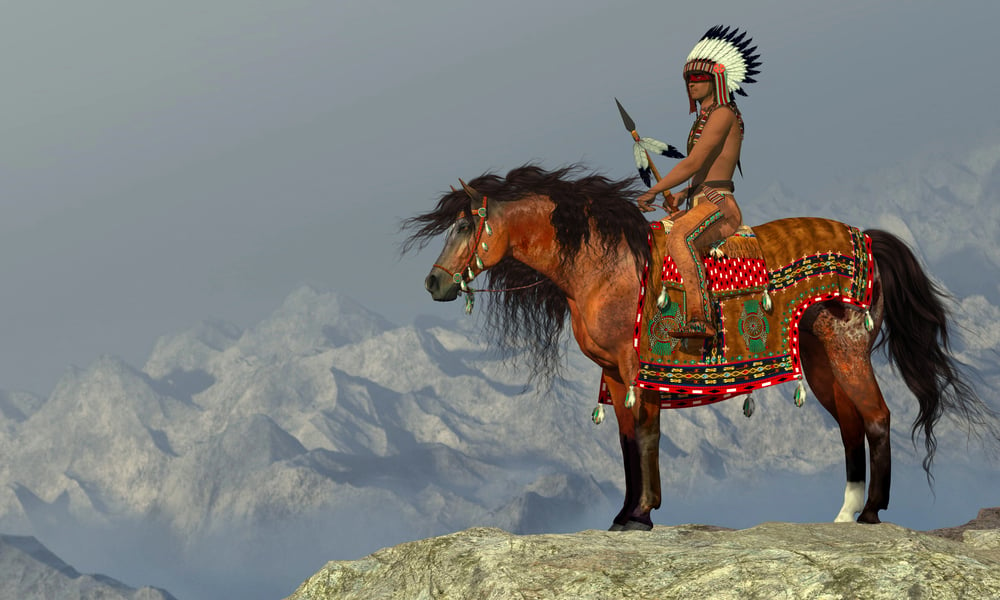
Native American tribes across the southeastern United States played this game by rolling a stone disk down a prepared track while players threw spears at where they predicted it would stop. The game required incredible accuracy, timing, and understanding of physics.
Today’s discus throw and javelin competitions echo chunkey’s emphasis on precision and calculated athletic motion.
Knucklebones
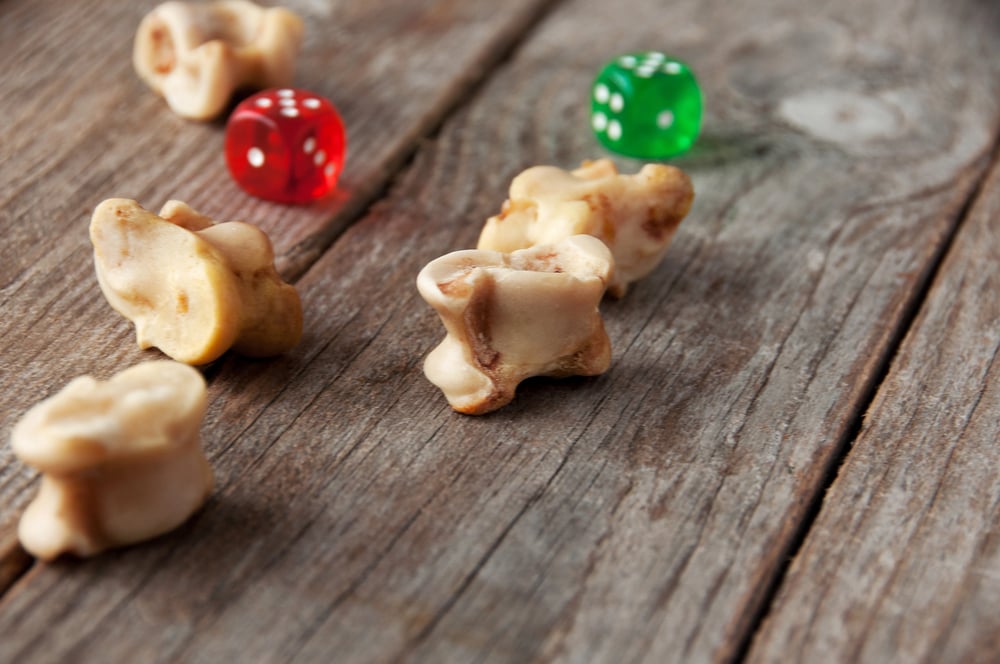
Ancient Greeks tossed small bones or stones into the air and tried to catch them in increasingly complex patterns. What started as simple hand-eye coordination training evolved into competitions with elaborate rules and scoring systems.
Modern juggling competitions and even some aspects of basketball’s handling skills trace their roots back to these ancient dexterity games.
Trigon
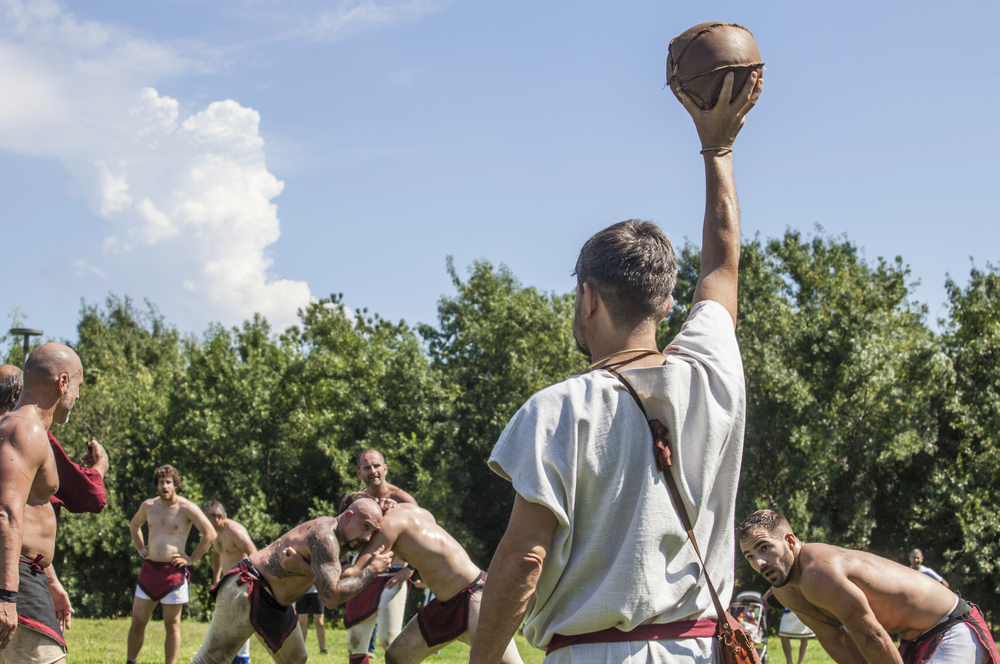
Romans played this fast-paced game with three players positioned at the points of a triangle, rapidly throwing and catching a hard sphere. The game demanded lightning reflexes, spatial awareness, and the ability to anticipate your opponents’ moves.
Trigon’s influence can be seen in modern handball, racquetball, and the quick-passing elements of team sports like basketball and volleyball.
Episkyros
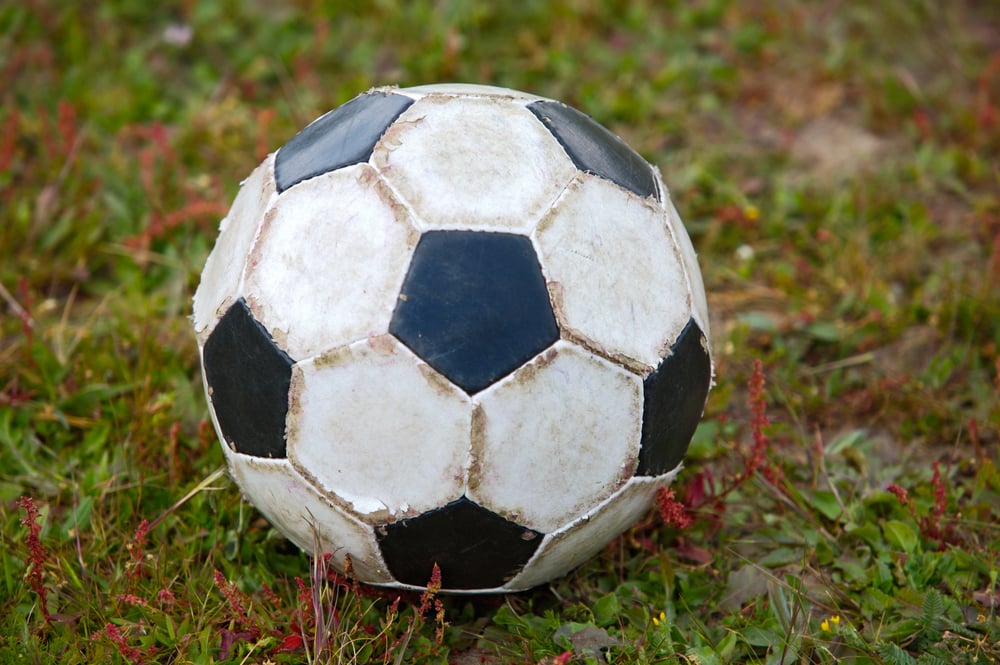
Another Greek invention, this team sport involved getting a leather sphere past the opposing team’s goal line using any part of the body except hands. Players could pass, kick, or carry the sphere while opponents tried to tackle them and steal possession.
The game’s combination of running, tackling, and strategic field positioning makes it a clear predecessor to both American football and rugby.
Harpastum

Romans adapted episkyros into this more organized team sport played on a rectangular field with defined boundaries. Teams fought for control of a small, hard sphere while trying to advance it toward their opponent’s goal line.
The game emphasized physical contact, tactical formations, and coordinated team movements that would later appear in numerous modern contact sports.
Kemari
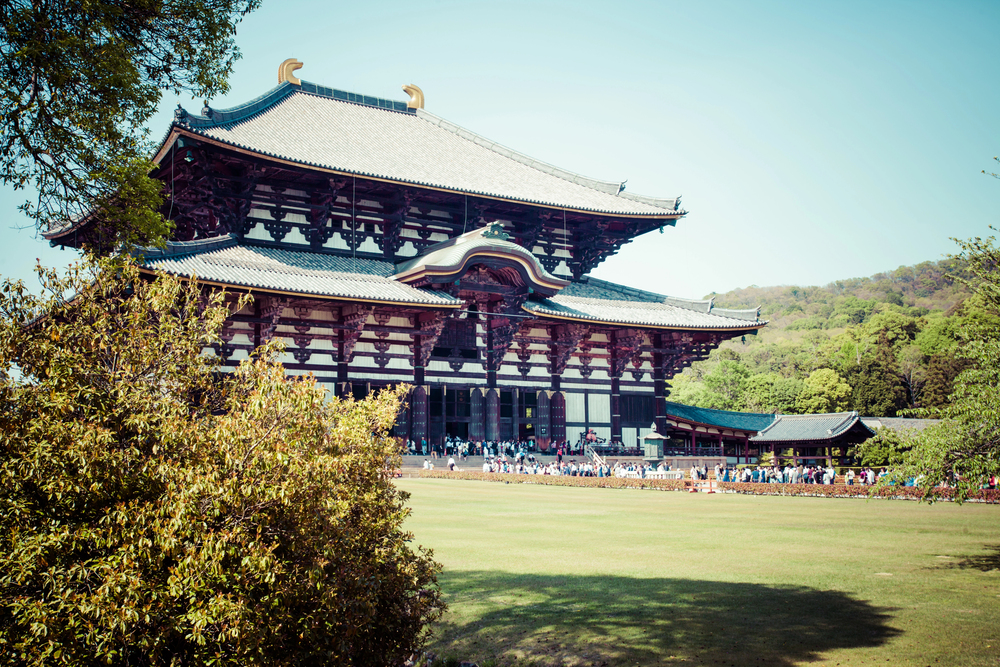
Japanese nobles developed this elegant game where players stood in a circle and kept a deerskin sphere aloft using only their feet. Unlike competitive sports, kemari focused on cooperation and grace rather than winning and losing.
The game’s emphasis on control, teamwork, and keeping the object airborne directly influenced the development of volleyball and the non-competitive aspects of modern football training.
Sepak Takraw
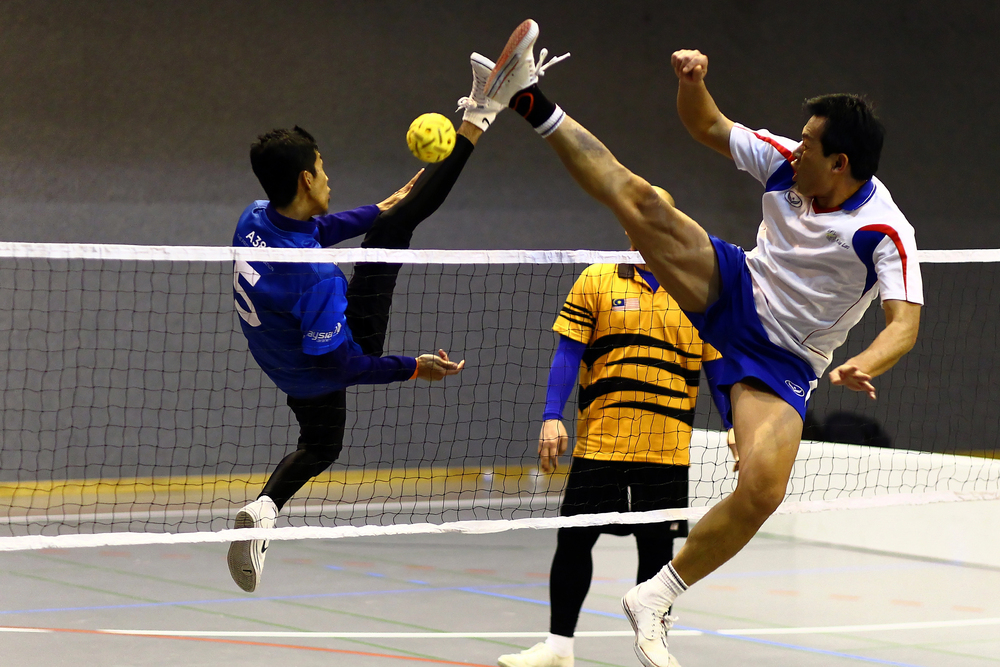
Southeast Asian communities created this acrobatic game where players used their feet, knees, chest, and head to keep a woven rattan sphere airborne over a net. The sport required incredible flexibility, timing, and coordination as players performed spectacular kicks and jumps.
Modern volleyball borrowed sepak takraw’s net-based gameplay, while the athletic movements influenced martial arts and gymnastics.
Polo
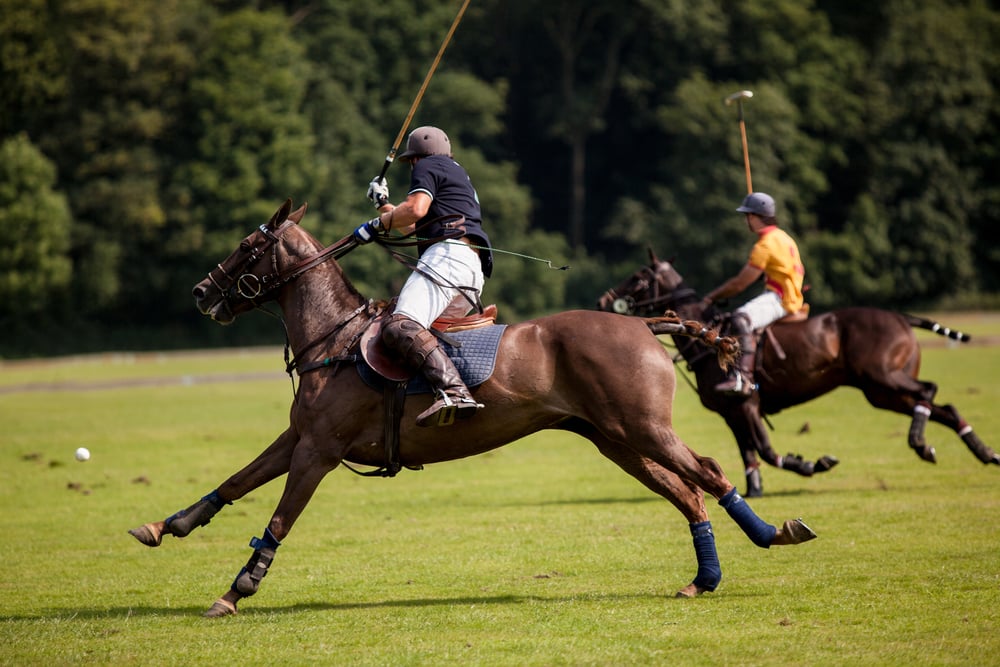
Persian cavalry units invented this mounted game to train for warfare, using wooden mallets to drive a wooden sphere toward goal posts. The sport required exceptional horsemanship, hand-eye coordination, and tactical thinking.
While modern polo remains relatively unchanged, the game’s emphasis on mounted competition and precision striking influenced the development of field hockey and lacrosse.
Ulama
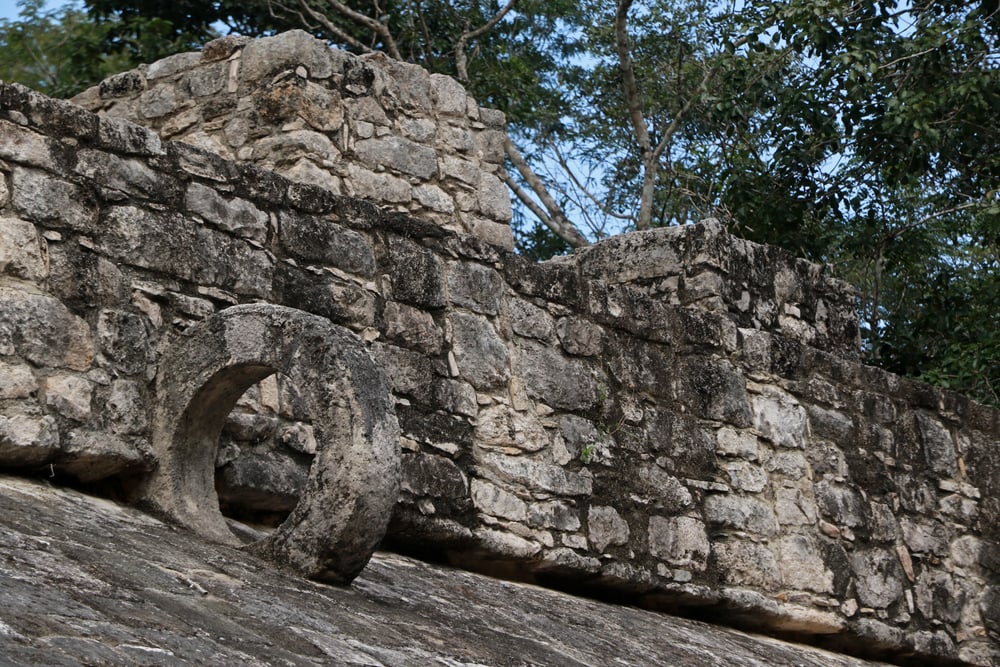
This ancient Mesoamerican game involved keeping a solid rubber sphere in play using only hips and forearms while competing on a long, narrow court. Players scored by getting the sphere past their opponents’ end line or through side markers.
The game’s emphasis on body control, endurance, and strategic positioning influenced numerous modern sports, particularly those requiring sustained physical contact and spatial awareness.
Buzkashi
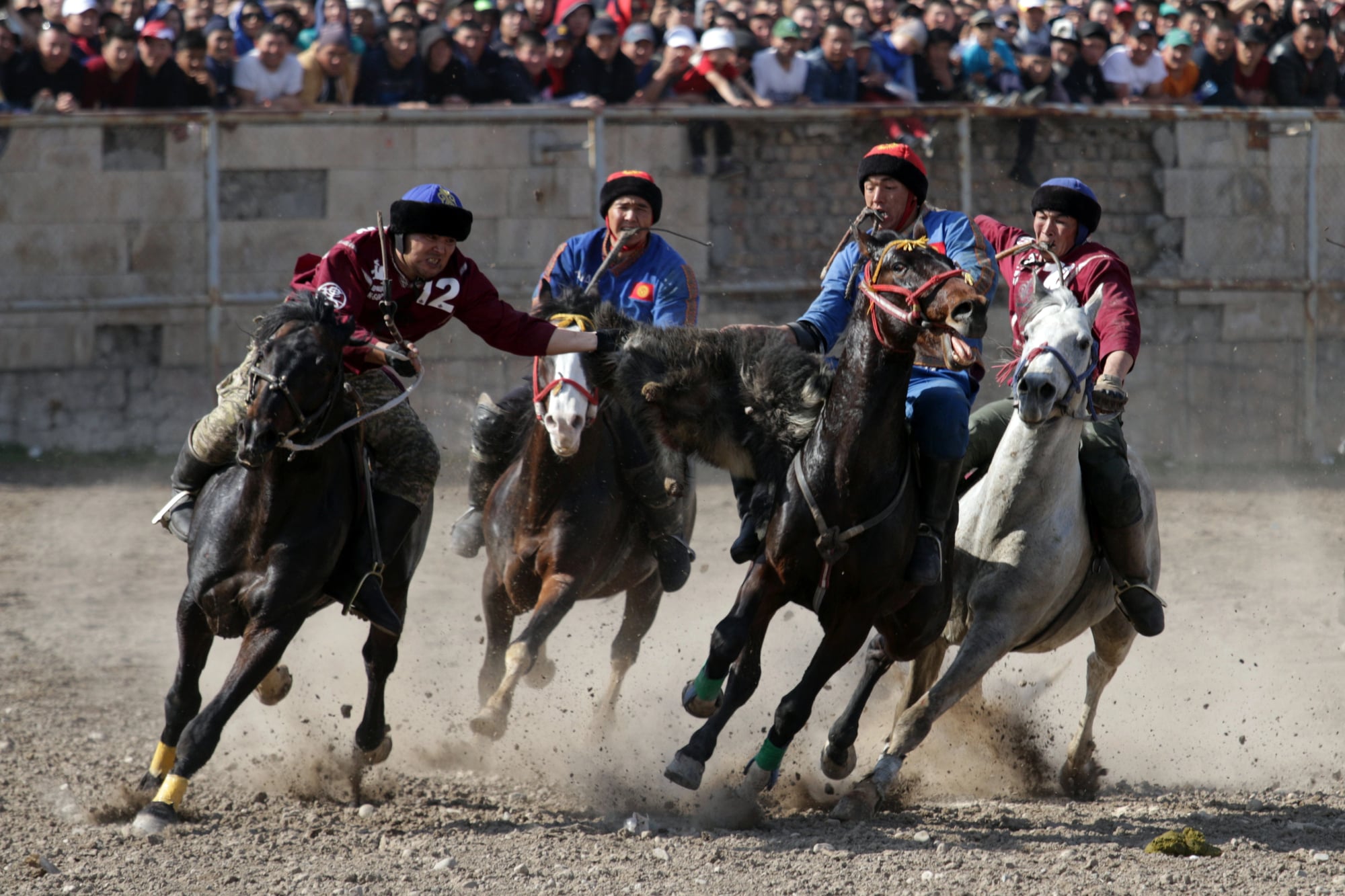
Central Asian horsemen developed this intense game where riders competed to grab a goat carcass and carry it to a scoring area while opponents tried to steal it away. The sport demanded exceptional riding skills, physical strength, and tactical awareness.
Modern rugby’s emphasis on possession, physical contact, and advancing toward a goal area shares remarkable similarities with buzkashi’s fundamental concepts.
Kho Kho

Ancient Indian communities played this chase-based game where teams alternated between offense and defense on a rectangular field with poles. Offensive players tried to avoid being tagged while defensive players pursued them with specific movement restrictions.
The game’s emphasis on speed, agility, and strategic positioning influenced numerous modern sports, particularly those involving chase elements and territorial control.
Pelota
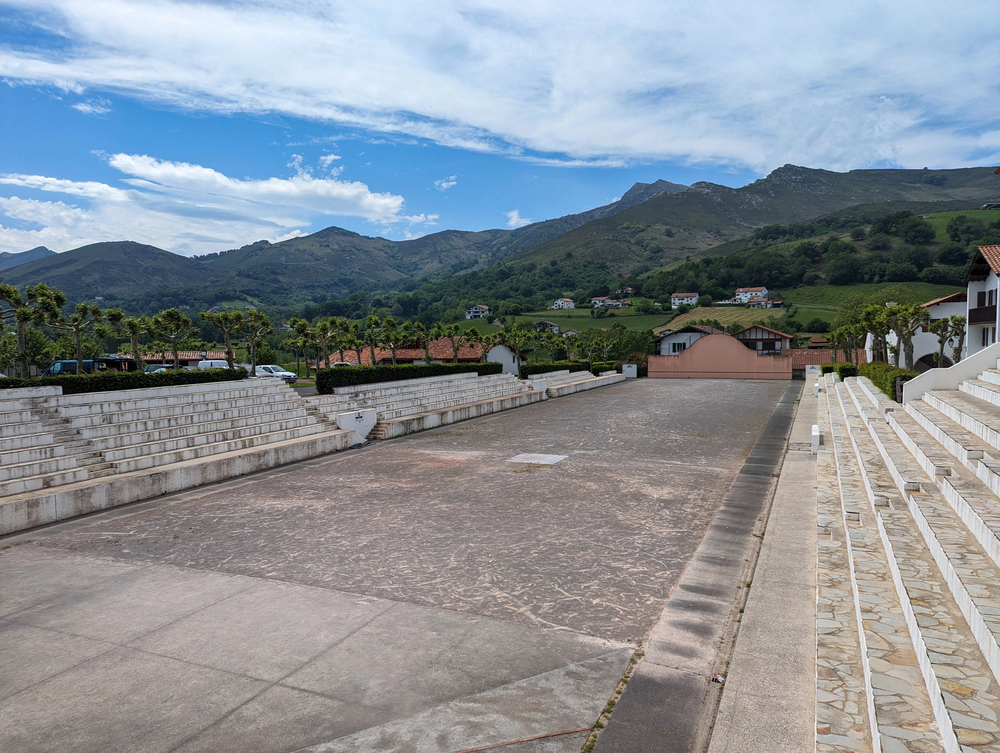
Basque communities developed this fast-paced game where players used curved wicker baskets to catch and throw a hard leather sphere against a wall. The sport required exceptional reflexes, accuracy, and understanding of angles and ricochets.
Modern jai alai directly descended from pelota, while the game’s wall-based gameplay influenced racquetball and squash.
Senet
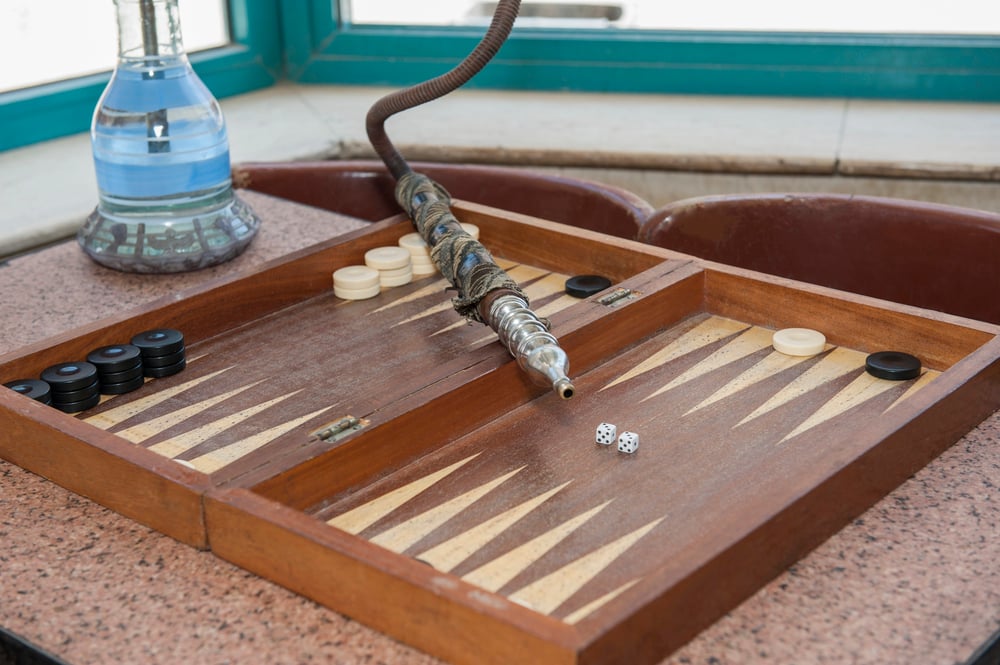
Ancient Egyptians played this board game that combined strategy with physical movement, as players had to perform specific actions based on their moves. While primarily a board game, senet included athletic elements and competitive scoring that influenced the development of modern track and field events.
The game’s emphasis on individual achievement and measured performance became foundational concepts in organized athletics.
Tchoukball

This Swiss-invented game actually has much older roots in ancient throwing sports practiced across Europe. Players scored by throwing a leather sphere at angled nets that would rebound the projectile beyond opponents’ reach.
The game’s emphasis on accuracy, teamwork, and non-contact competition influenced numerous modern sports, particularly those involving precision throwing and strategic positioning.
Calcio Storico
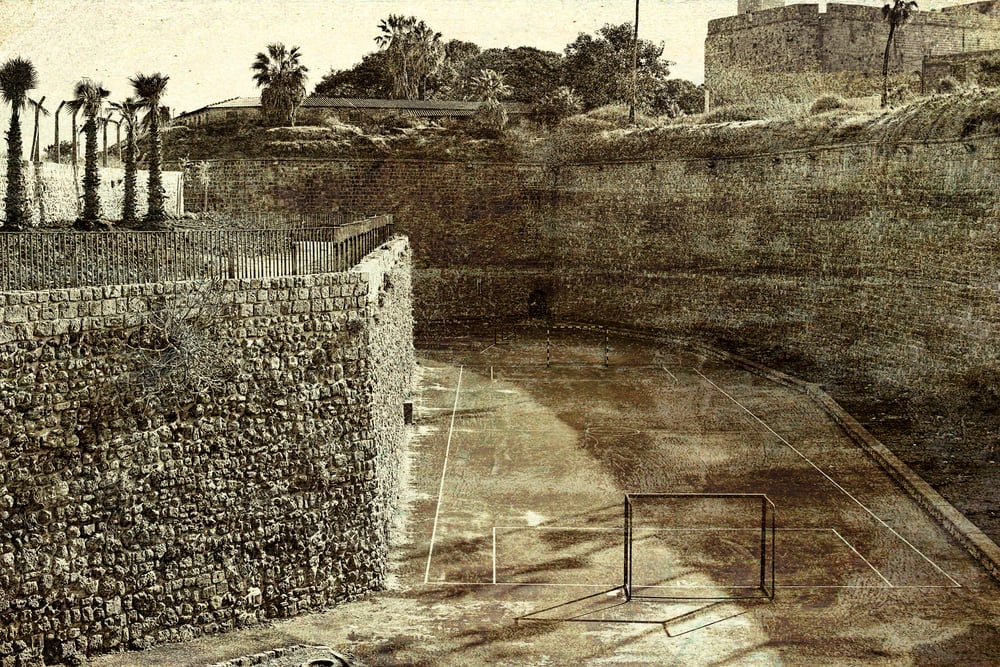
Medieval Florence developed this violent ancestor of modern football where teams of 27 players competed to advance a leather sphere toward goal areas using any means necessary. The game combined elements of wrestling, boxing, and strategic movement across a large field.
Modern American football, rugby, and association football all borrowed elements from calcio storico’s organized chaos and territorial advancement concepts.
The Thread That Connects Past and Present
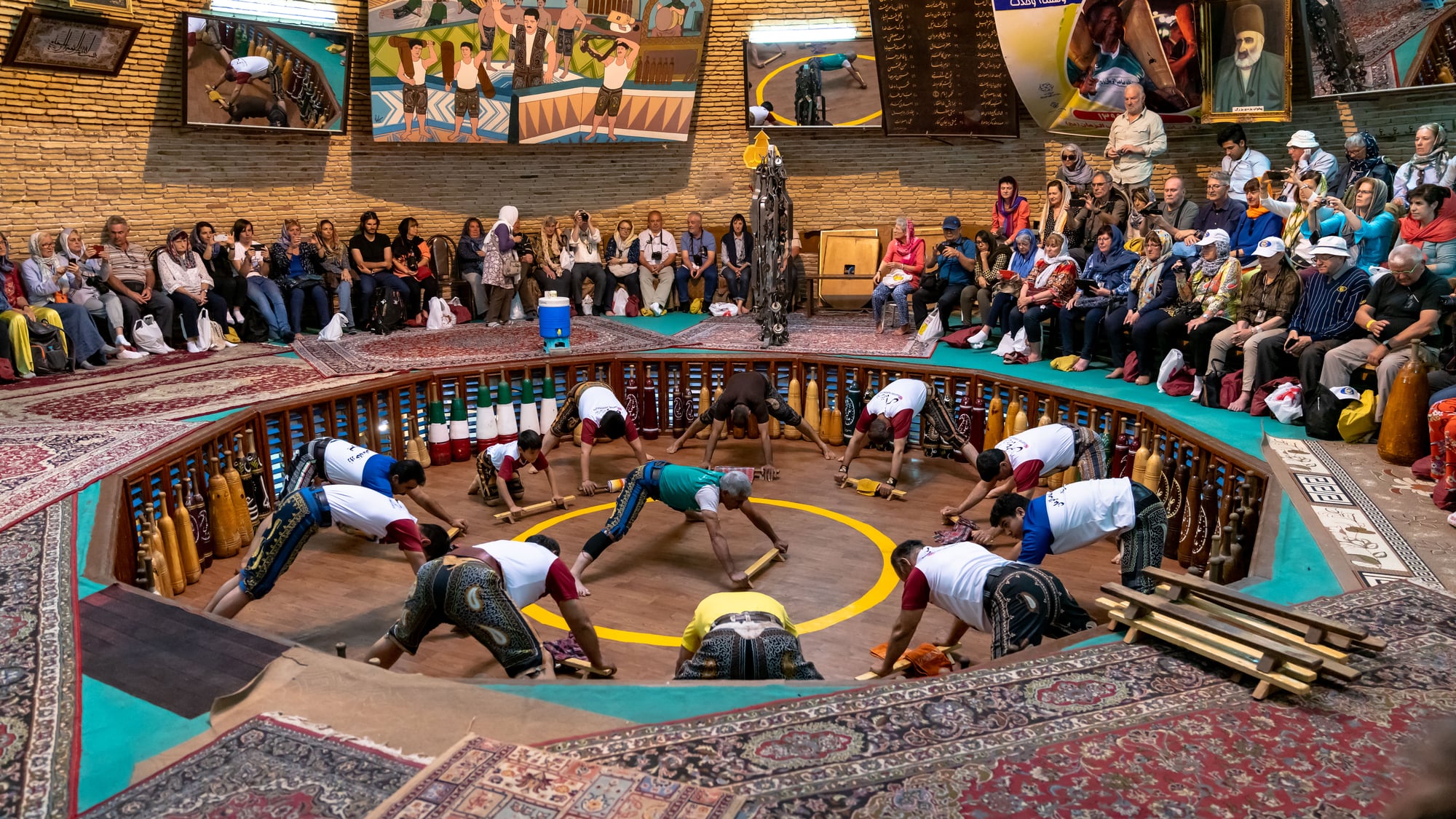
These ancient games reveal something profound about human nature—our need to compete, cooperate, and test our physical limits transcends time and culture. The same drives that motivated ancient warriors to perfect their pankration techniques fuel today’s mixed martial artists, while the teamwork required for tlachtli mirrors the coordination needed in modern basketball.
What began as training for warfare, religious ritual, or simple entertainment evolved into the global sports industry that now captivates billions and generates countless hours of human passion and dedication.
More from Go2Tutors!

- The Romanov Crown Jewels and Their Tragic Fate
- 13 Historical Mysteries That Science Still Can’t Solve
- Famous Hoaxes That Fooled the World for Years
- 15 Child Stars with Tragic Adult Lives
- 16 Famous Jewelry Pieces in History
Like Go2Tutors’s content? Follow us on MSN.