18 Dance Moves That Conveyed Secret Messages
Throughout history, dancers have used movement as more than just entertainment. When words were dangerous or forbidden, creative performers found ways to communicate through carefully choreographed gestures and steps that carried hidden meanings known only to those in the know.
From resistance movements to romantic courtship, these dance forms served as a secret language that could convey everything from political dissent to personal devotion. Here are 18 dance moves that carried messages far beyond what met the eye.
Ring Shout
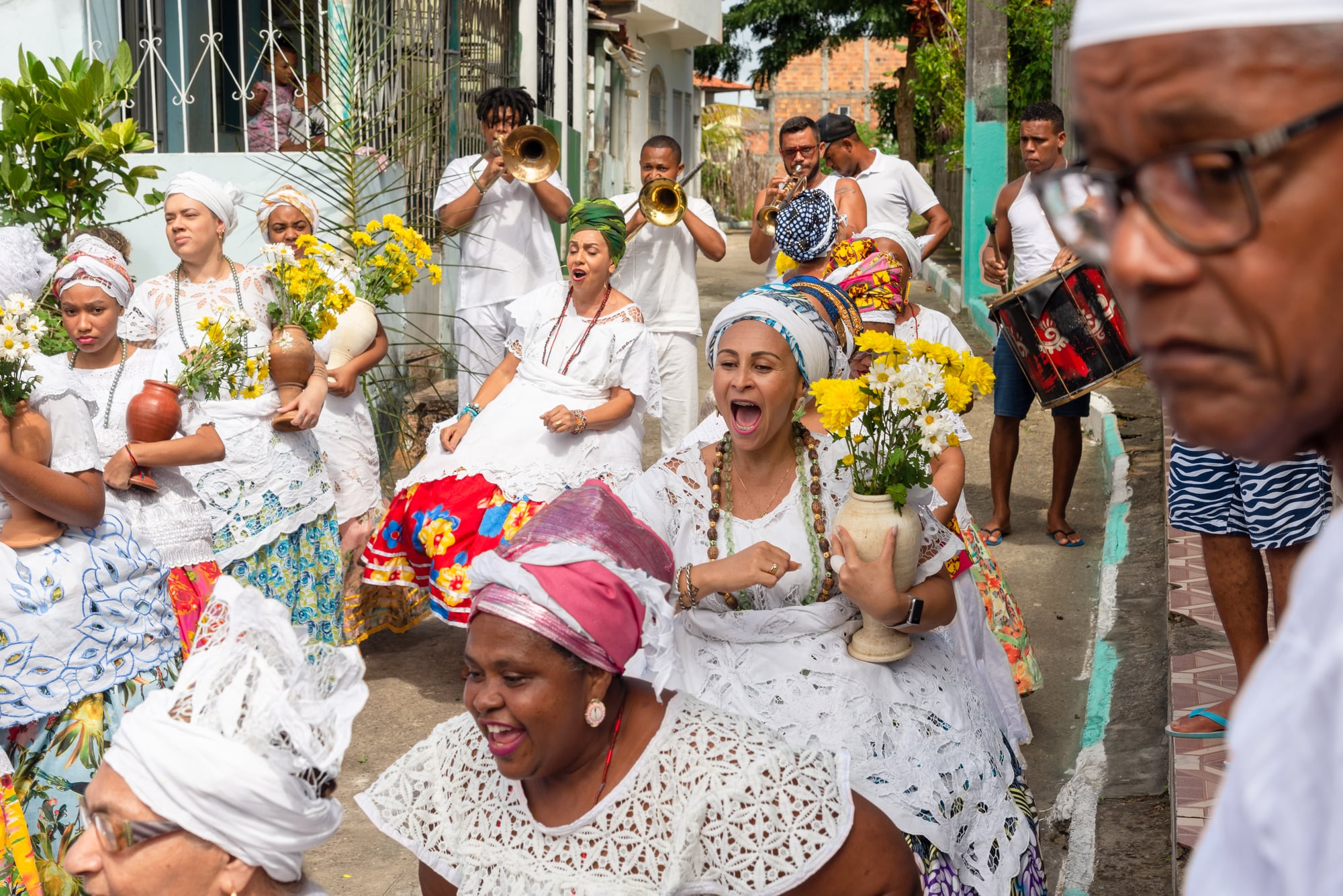
The Ring Shout emerged in enslaved communities across the American South as a way to preserve African spiritual traditions while appearing to conform to Christian worship. Participants moved in a shuffling circle, never crossing their feet or lifting them completely off the ground to technically avoid ‘dancing’ — which was often prohibited by slaveholders.
The subtle movements and call-and-response patterns carried coded messages about escape routes, safe houses, and community news. This practice allowed enslaved people to maintain their cultural identity while communicating vital information right under their oppressors’ noses.
Morris Dancing Boundary Markers

English Morris dancers didn’t just entertain at village festivals — they marked territorial boundaries through their performances. Different villages had distinct stepping patterns, stick-clashing sequences, and formation changes that locals could read like a map.
When Morris teams visited neighboring towns, their dance variations communicated which fields belonged to whom and where ancient rights of way existed. The seemingly playful ribbon waving actually reinforced centuries-old land agreements that might otherwise be forgotten.
Flamenco Resistance Signals

During Franco’s dictatorship in Spain, flamenco dancers embedded anti-fascist messages in their passionate performances. Sharp heel strikes, hand claps, finger snaps — these followed rhythmic patterns that spelled out resistance slogans in a coded percussion language.
Dancers would emphasize certain beats to indicate meeting times for underground gatherings. The intense emotional expression that flamenco is known for provided perfect cover, since audiences assumed the intensity was purely artistic rather than political.
Victorian Fan Language Choreography

Victorian ballroom dancers coordinated their movements with elaborate fan gestures to send romantic messages across crowded dance floors. A fan held in the right hand while waltzing meant ‘follow me’ — switching it to the left during a polka warned ‘we’re being watched.’
Couples developed entire conversations through the timing of fan openings, closings, and twirls synchronized with specific dance steps. This allowed them to plan secret meetings without speaking aloud.
Capoeira Combat Training

Brazilian capoeira masters disguised martial arts training as festive dance performances to avoid Portuguese colonial bans on enslaved people learning to fight. The acrobatic movements weren’t just for show — kicks and dodges were genuine combat techniques practiced in plain sight while musicians played traditional berimbau rhythms.
Participants communicated fighting strategies through specific movement combinations that looked like playful competition to outsiders. The ‘game’ aspect of capoeira provided perfect camouflage for serious preparation.
Hula Map Instructions

Traditional Hawaiian hula dances contained detailed geographical information encoded in hand gestures and body movements that guided travelers across the islands. Each gesture represented landmarks — mountains, rivers, coastlines — while stepping patterns indicated distances between locations.
Dancers essentially performed living maps that preserved navigation knowledge when written records were scarce. Those graceful arm waves tourists admire today once served as crucial wayfinding instructions for inter-island journeys.
Square Dance Underground Railroad
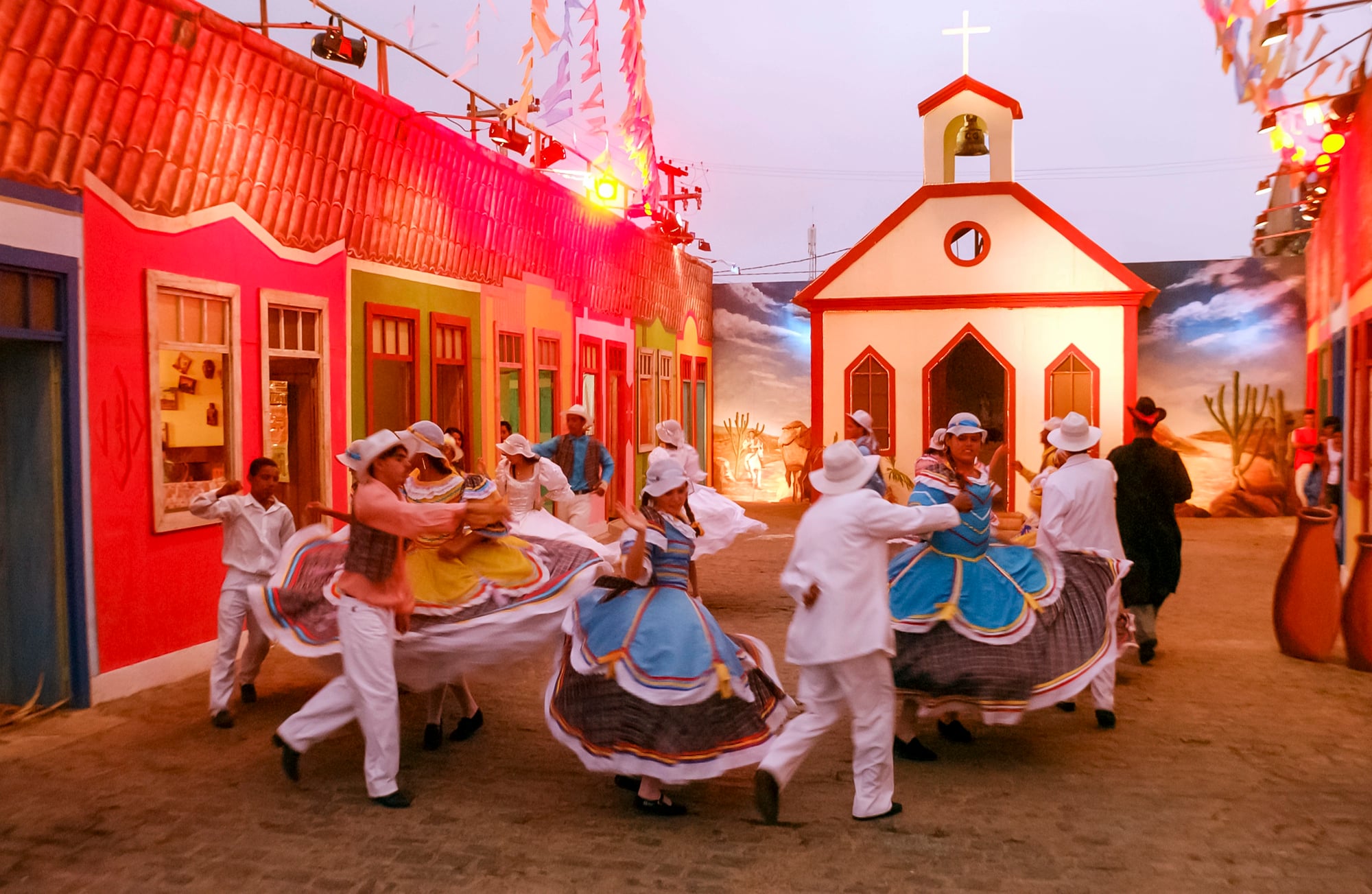
American square dancing incorporated coded calls that helped enslaved people navigate the Underground Railroad to freedom. Calls like ‘follow the drinking gourd’ referenced constellation navigation — ‘swing your partner’ might indicate which direction to turn at crossroads.
Dance masters at plantation gatherings would weave escape route information into seemingly innocent instructions for do-si-dos and allemandes. The caller’s commands provided perfect cover for sharing vital information about safe houses without arousing suspicion.
Tango Criminal Codes

In the brothels and taverns of early 20th-century Buenos Aires, tango dancers used their intimate embrace to exchange information about police raids and illegal business opportunities. Specific leg hooks, chest connections, walking patterns — these conveyed coded messages between partners who might be strangers yet shared the same underworld connections.
The passionate, close-contact nature of tango provided ideal cover for whispered conversations that kept criminal networks informed.
Native American Vision Quest Movements
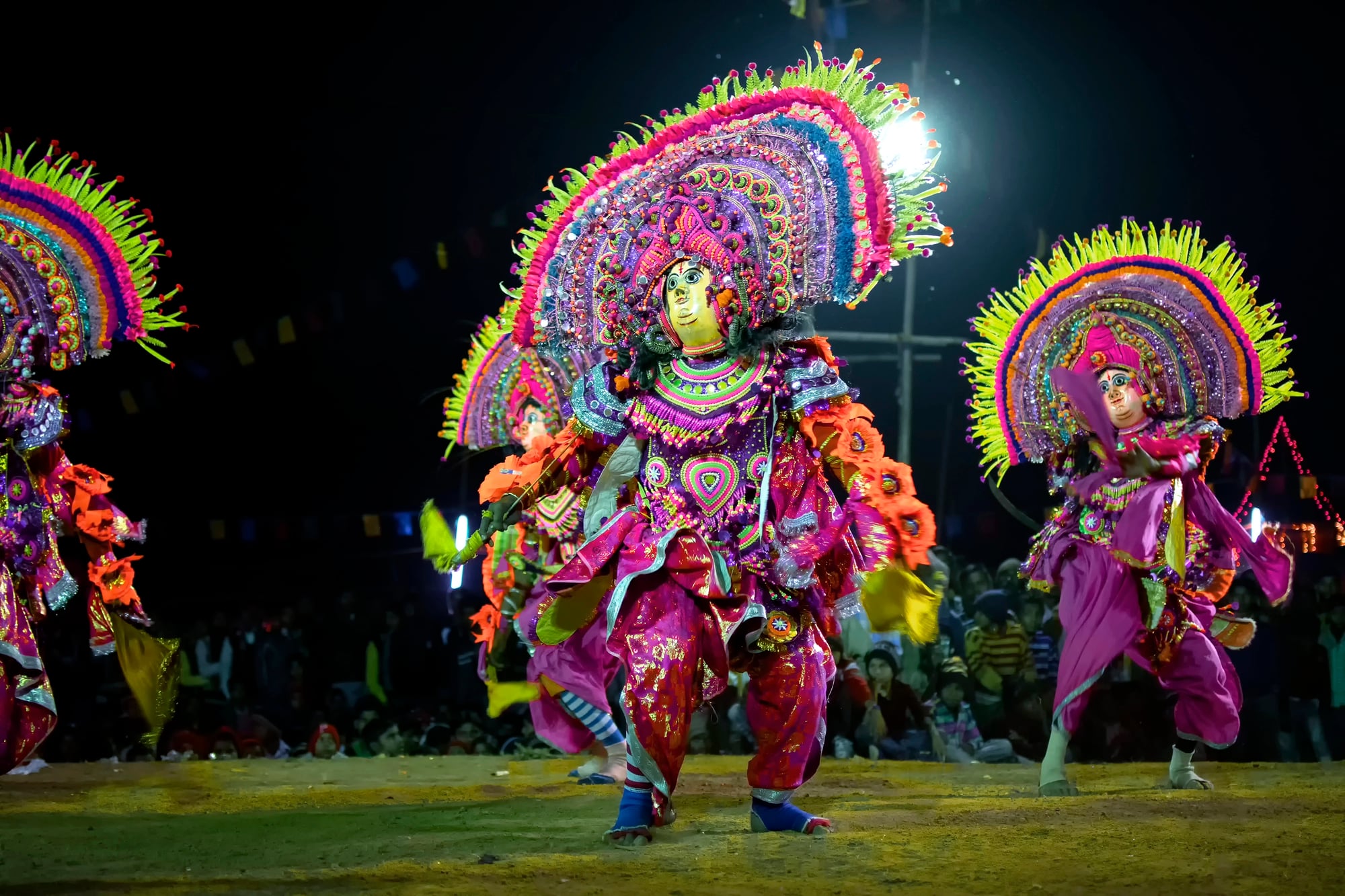
Plains Indian tribes incorporated vision quest experiences into ceremonial dances using movements that described spiritual journeys. Dancers would recreate their personal vision experiences through specific steps, turns, gestures that other tribe members could interpret as guidance for their own spiritual quests.
These performances served as a way to share wisdom with the community — maintaining the sacred nature of individual vision experiences while passing along insights.
Belly Dance Harem Communications
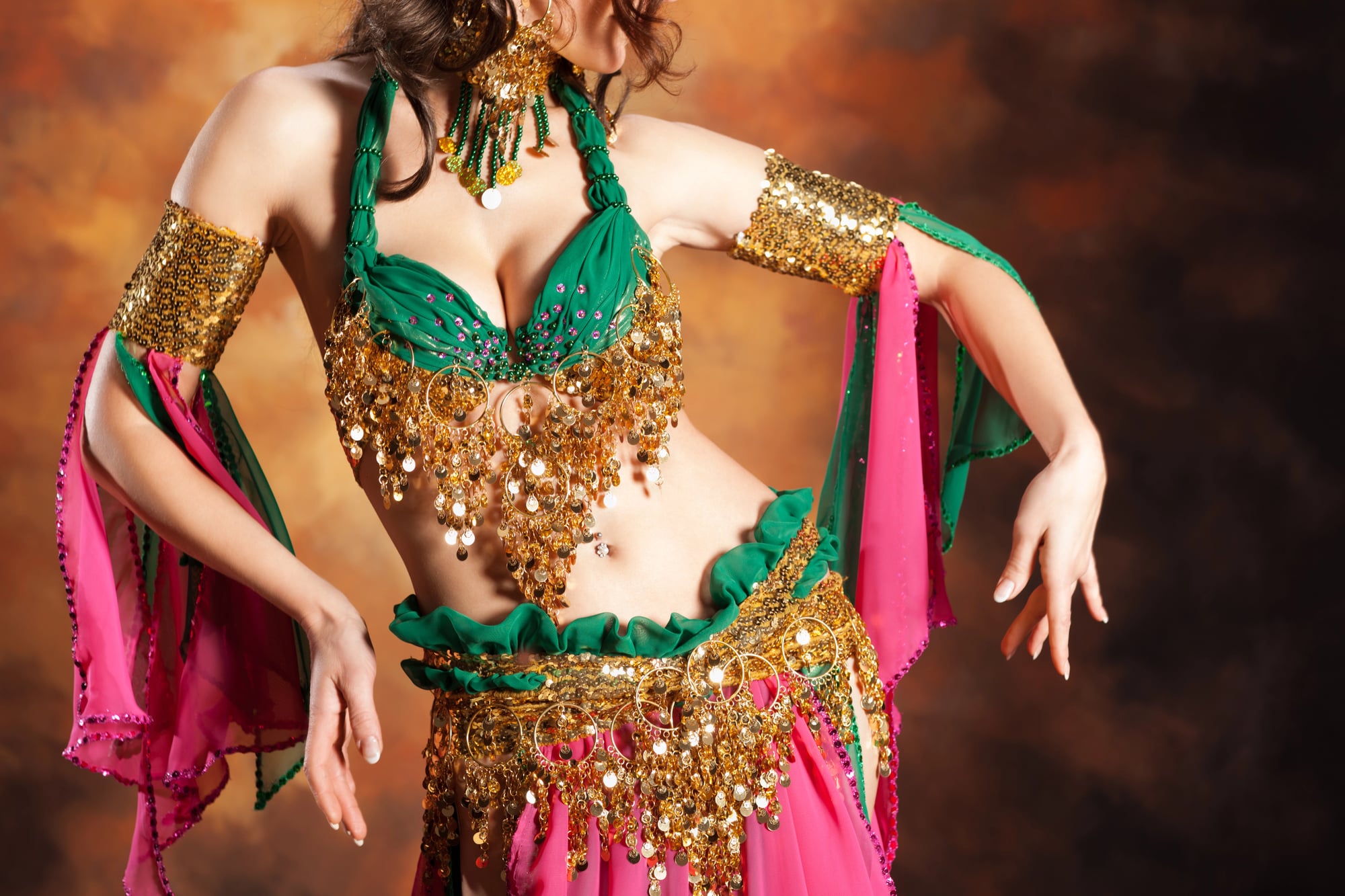
Ottoman palace dancers developed intricate hip movements and arm gestures that allowed communication between women in different parts of the harem without attracting attention from guards. Specific shimmy patterns indicated which concubines had gained favor with the sultan — certain arm positions warned of upcoming inspections or visits from palace officials.
The sensuous, flowing nature of the dance provided perfect camouflage for a sophisticated information network that helped women navigate complex court politics.
Irish Step Dancing Rebellion Messages
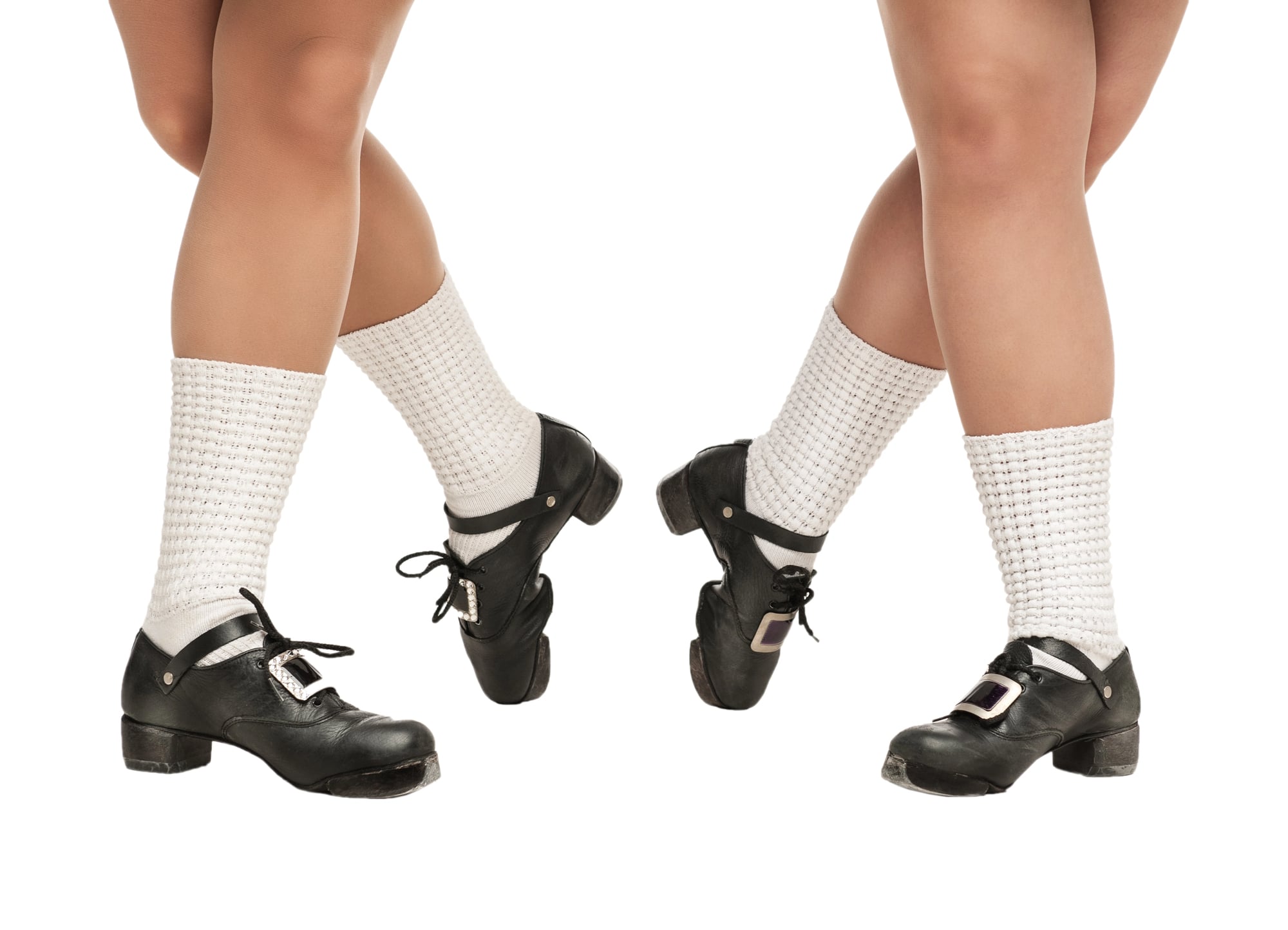
During British occupation of Ireland, competitive step dancers embedded nationalist messages in their rigid arm positions and precise footwork patterns. The thunderous rhythms spelled out forbidden Gaelic phrases and anti-British slogans that audiences could decode by listening to the beat patterns against wooden floors.
Dancers at festivals spread news about resistance activities through performances that appeared to be simple cultural entertainment to occupying forces.
Swing Era Draft Dodger Signals

Big band swing dancers in the 1940s developed jitterbug moves that helped young men avoid military conscription by communicating about draft board schedules and medical exemption strategies. Specific lifts, spins, aerial moves indicated safe houses, sympathetic doctors, transportation to Canada or Mexico.
Dance halls became unofficial coordination centers for anti-war sentiment, though seemingly spontaneous dance competitions actually served as information exchanges for draft resistance networks.
Chinese Lion Dance Gang Territories

Traditional lion dance performances in Chinese communities served as elaborate territorial displays between competing criminal organizations. The lion’s movements, color combinations, interaction patterns with other lions communicated which neighborhoods belonged to which tongs or triads.
Spectators could read the performances like a map of underworld influence, understanding which areas were safe and which were controlled by rival groups. The festive, celebratory nature of lion dancing provided perfect cover for these serious territorial negotiations.
Sufi Whirling Sacred Mathematics
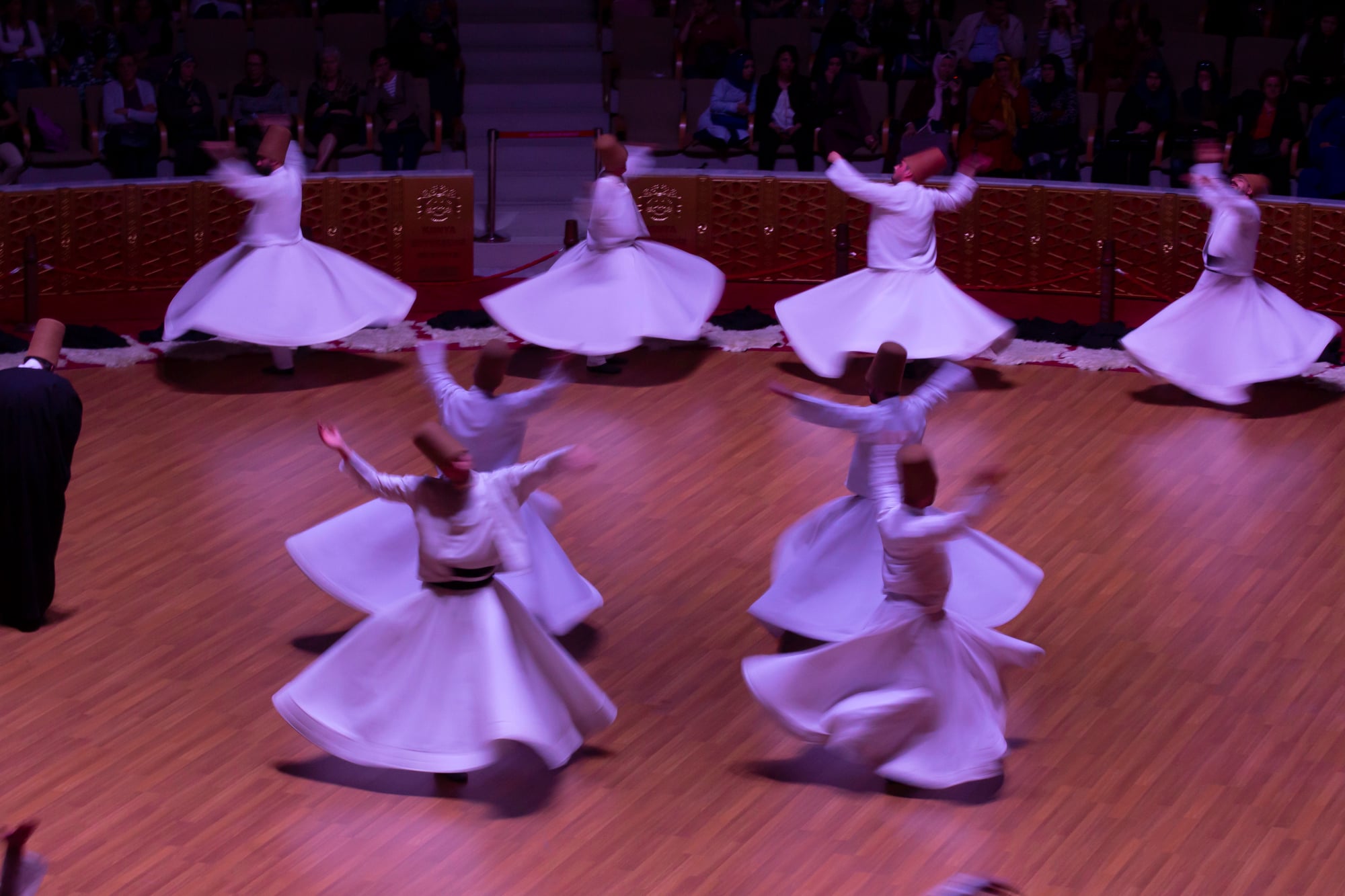
Sufi dervishes encoded complex mathematical and astronomical calculations into their spinning dance movements, preserving scientific knowledge during periods when such information was considered heretical by orthodox religious authorities. The number of rotations, positioning of arms, timing of directional changes contained geometric formulas and celestial observations that could be passed down through generations without written records.
This allowed Islamic scholars to maintain scientific traditions even when formal education was restricted.
Breakdancing Crew Challenges

Urban breakdancing battles in the 1970s and 1980s served as alternatives to violent gang confrontations, with specific moves carrying coded challenges between rival crews. A windmill performed at a certain speed might dare another crew to meet at a specific location, while particular freeze poses indicated acceptance or rejection of territorial disputes.
The athletic, competitive nature of breaking provided a relatively safe way for young men to settle neighborhood conflicts without resorting to weapons.
Polynesian War Dance Preparations
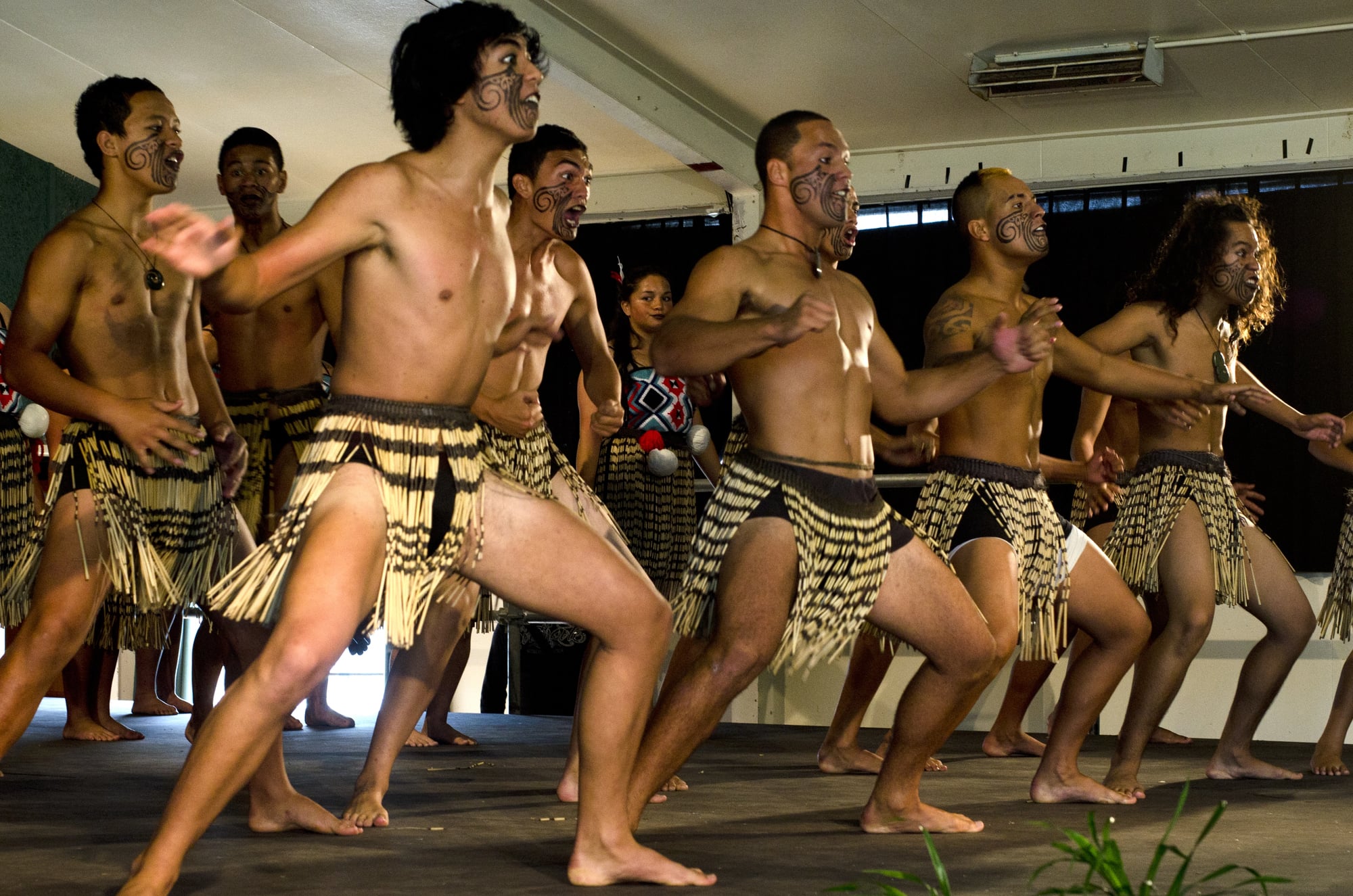
Pacific Island war dances like the Maori haka contained detailed battle plans and strategic information encoded in the fierce movements and chanted rhythms. Warriors could communicate attack formations, retreat signals, enemy weaknesses through specific gesture combinations that looked like intimidation displays to outsiders.
The aggressive, ceremonial nature of these performances provided perfect cover for military planning while also serving their obvious purpose of psychological warfare against opponents.
Kathak Mughal Court Intrigue

Indian Kathak dancers in Mughal courts used their elaborate storytelling performances to relay political gossip between different palace factions. Specific mudras (hand gestures) and facial expressions could indicate which nobles were falling in or out of favor, while certain spinning patterns warned of plots against the emperor.
The complex narrative nature of Kathak provided perfect camouflage for sharing sensitive political information that could mean the difference between advancement and execution in the dangerous world of imperial politics.
Lindy Hop Speakeasy Signals

During Prohibition, Lindy Hop dancers in jazz clubs developed swing moves that communicated information about police raids, alcohol shipments, competing speakeasies. Certain aerial moves indicated that federal agents were nearby, while specific Charleston kicks pointed toward hidden exits or stashed liquor supplies.
The energetic, improvisational nature of swing dancing provided ideal cover for coordinating illegal alcohol distribution networks while appearing to be nothing more than enthusiastic entertainment.
Movement as Memory

These secret dance languages remind us that human creativity flourishes even under the most restrictive circumstances. When direct communication becomes dangerous, people find ways to embed meaning in art, transforming entertainment into resistance and performance into survival.
Today’s viral dance trends on social media might seem trivial by comparison, yet they carry forward the same human impulse to use movement as a form of expression that transcends spoken language. The next time you watch dancers perform, remember that you might be witnessing more than just steps and rhythm — you could be seeing an entire conversation unfold before your eyes.
More from Go2Tutors!

- The Romanov Crown Jewels and Their Tragic Fate
- 13 Historical Mysteries That Science Still Can’t Solve
- Famous Hoaxes That Fooled the World for Years
- 15 Child Stars with Tragic Adult Lives
- 16 Famous Jewelry Pieces in History
Like Go2Tutors’s content? Follow us on MSN.