Bizarre Extreme Weather Occurunces This Decade
The weather has always been unpredictable, but the past ten years have felt like nature decided to rewrite the rulebook entirely. Temperature records that stood for centuries crumbled in single afternoons.
Rain fell where it never had before, while droughts stretched across regions that used to flood annually. Snow appeared in deserts, tornadoes touched down in places meteorologists thought impossible, and heat domes settled over cities like unwelcome guests who refused to leave.
These aren’t just numbers on a chart or abstract climate data. Each broken record represents something tangible — crops withering under unprecedented heat, communities evacuating from floods that weren’t supposed to happen, or families bundling up for cold snaps in places where winter coats usually gathered dust in closets.
The stories behind these statistics reveal a planet experimenting with extremes, testing boundaries that seemed permanent just a decade ago.
Death Valley’s Furnace Mode
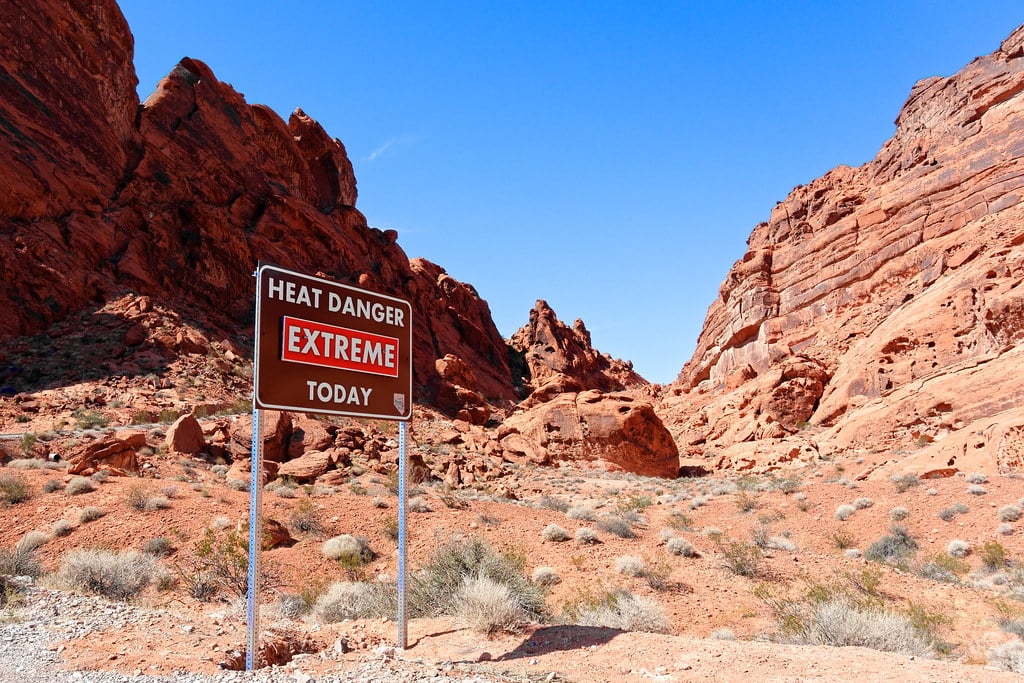
Death Valley hit 130°F in August 2020. The previous reliable record was 129°F from 1913.
One degree might not sound like much, but at those temperatures, the difference matters. Asphalt becomes soft enough to leave footprints.
The Texas Deep Freeze
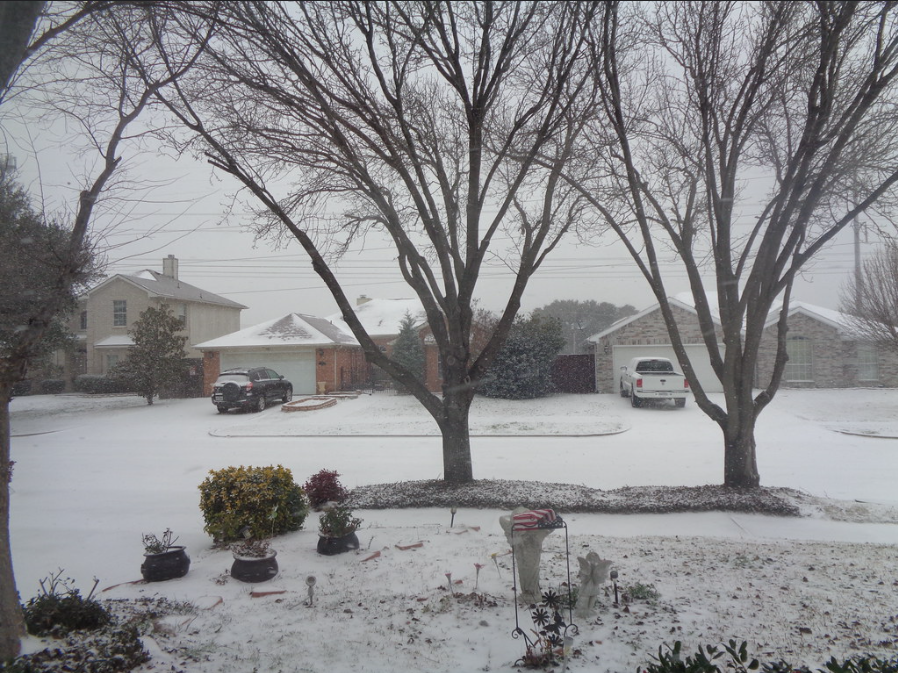
February 2021 brought temperatures to Texas that belonged in Minnesota, not the Lone Star State. Austin dropped to -2°F (and stayed there for days, which made everything worse since the infrastructure couldn’t handle it), while Houston — a city where palm trees grow year-round — saw snow accumulations that shut down highways and left millions without power or heat.
The cold snap lasted long enough that burst pipes became the primary concern after the initial shock wore off, and what started as a weather emergency turned into a humanitarian crisis when the electrical grid failed under demand it was never designed to meet. So much for everything being bigger in Texas — apparently that doesn’t include winter preparedness.
Australia’s Infinite Summer
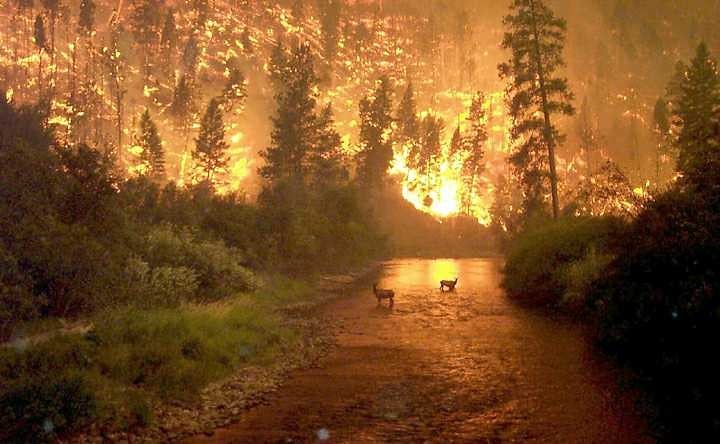
The summer of 2019-2020 in Australia wasn’t just hot — it was apocalyptic in a way that made previous heat waves look like mild inconvenience. Temperatures soared past 120°F across multiple states simultaneously, creating conditions so extreme that the weather maps ran out of colors to represent them (meteorologists had to add new purple and pink zones to their charts, which says something about how far outside normal parameters the heat had traveled).
The fires that followed weren’t just burning trees and grassland; they were creating their own weather systems, generating lightning that sparked new fires miles away, and the smoke plumes were so massive they circled the globe and could be detected from satellite imagery months later. The heat itself became a living thing, bending metal road signs and warping train tracks until they looked like abstract art installations.
When Antarctica Got Jealous
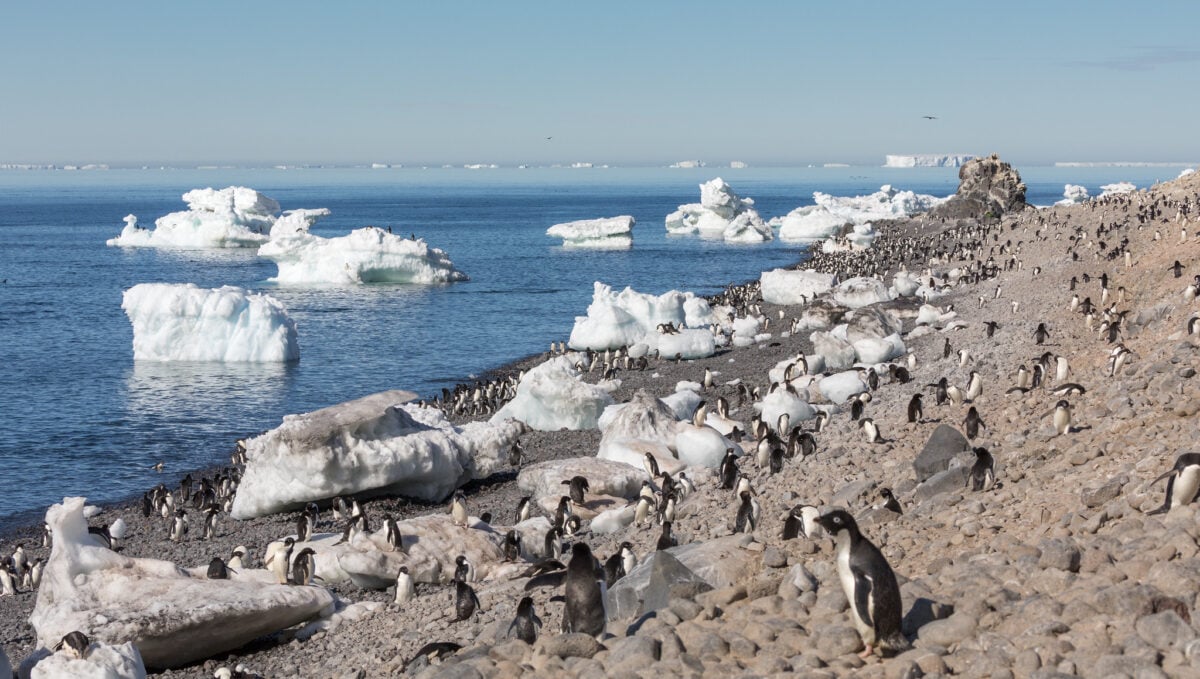
Antarctica recorded its highest temperature ever in February 2020: 65°F at Esperanza Base. That’s warmer than many spring days in New York City.
Ice that had been frozen for thousands of years started melting at rates that surprised even the researchers who study this stuff for a living. The temperature spike lasted long enough to create visible changes on satellite imagery, and the contrast was surreal — penguins navigating around puddles where solid ice had existed for generations, while researchers shed their heavy winter gear for the first time in the continent’s recorded history.
The Great Pacific Northwest Meltdown
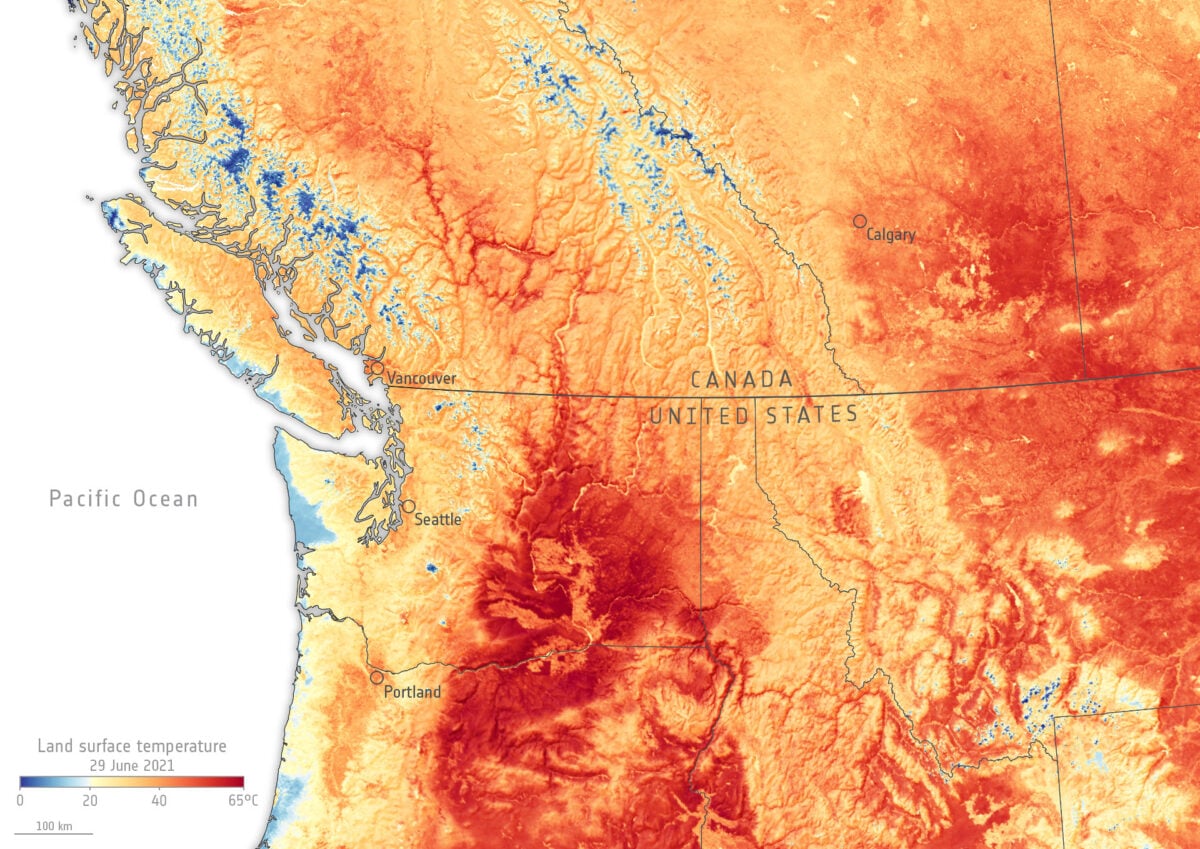
June 2021 turned the Pacific Northwest into a furnace that nobody saw coming (well, except for the meteorologists who were frantically issuing warnings that everyone assumed were exaggerated because Seattle hitting triple digits seemed as unlikely as snow in July). Portland reached 116°F, Seattle hit 108°F, and small towns across Oregon and Washington set records that shattered previous highs by margins that made weather historians double-check their math.
The region, built for mild summers and designed around the assumption that air conditioning was optional, found itself completely unprepared for heat that would be extreme even in Phoenix. Roads buckled, streetcar cables melted, and emergency rooms filled with heat stroke victims from a population that had never needed to learn the warning signs.
And the psychological impact was almost as brutal as the physical one: this was supposed to be the corner of America where people moved to escape extreme weather.
Flooding the Sahara
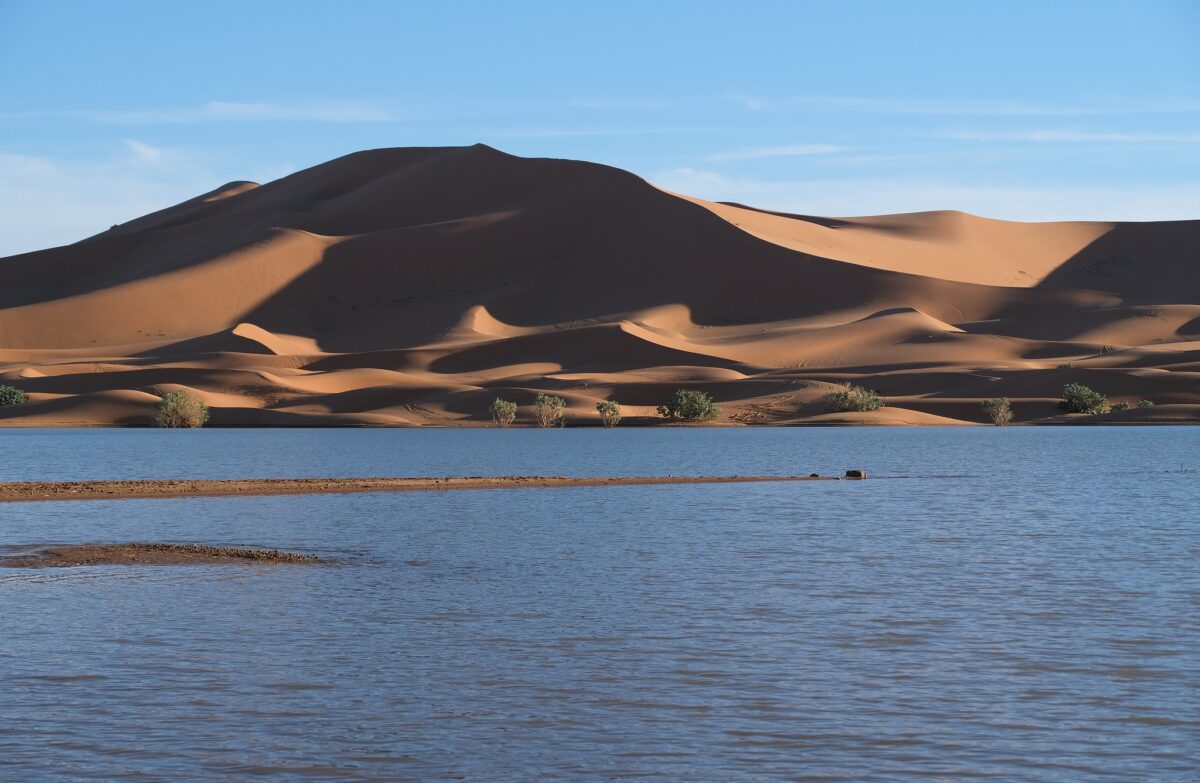
Morocco’s Sahara Desert received enough rainfall in a single day (September 2024) to flood areas that hadn’t seen water in living memory. The contrast was jarring — sand dunes reflecting pools of standing water like mirrors, while flash floods carved temporary rivers through landscape that usually exists in permanent drought.
Desert plants that had evolved to survive on minimal moisture suddenly found themselves drowning, and the ecological disruption rippled through food chains that had adapted to scarcity over millennia.
Germany’s American Moment
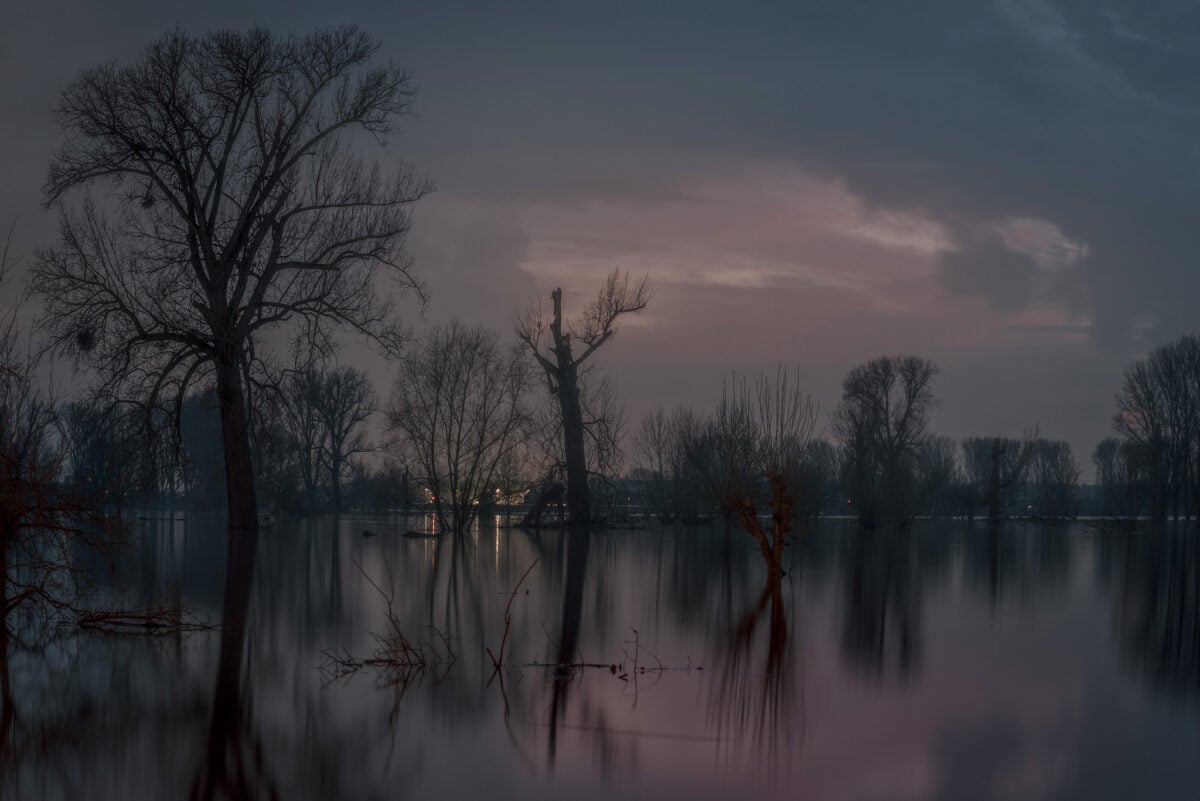
July 2021 brought European flooding that looked like something from American hurricane coverage, except this was happening in places where people don’t typically worry about catastrophic water damage. Germany, Belgium, and the Netherlands saw rainfall totals that broke not just records but entire measurement systems — some areas received more than a month’s worth of rain in single afternoons.
The floods moved with a speed and force that surprised everyone, turning quiet streams into torrents that swept away cars, buildings, and infrastructure that had stood for decades without water damage. European cities found themselves dealing with rescue operations and evacuation procedures they’d never needed to practice, while insurance companies scrambled to process claims for damage they hadn’t calculated into their risk models.
Canadian Heat Island
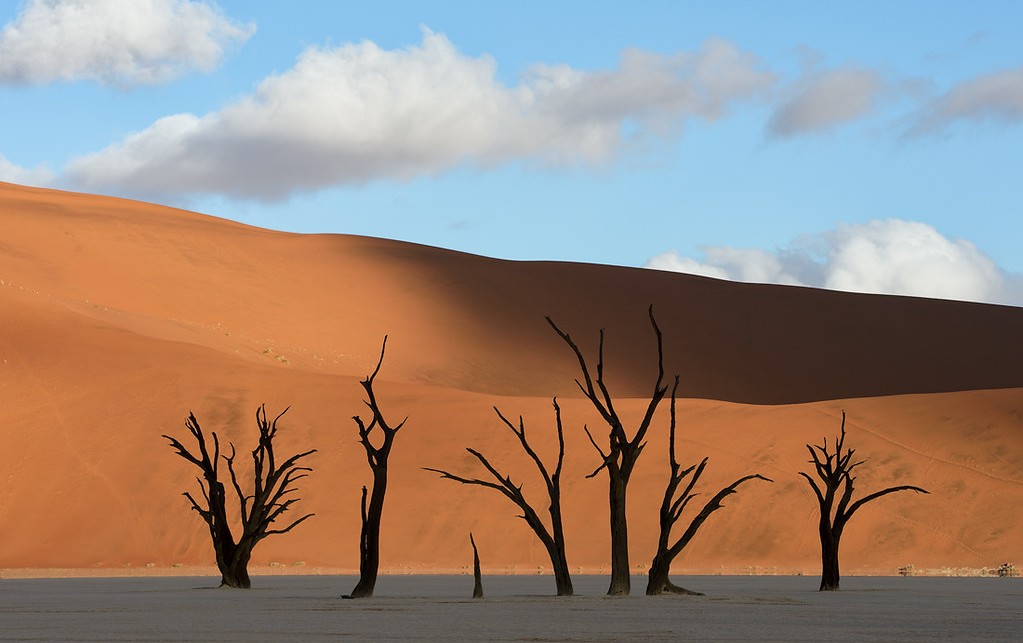
British Columbia hit 121°F in June 2021, which would be noteworthy in Arizona but felt apocalyptic in a province known for mild summers and excellent skiing. Lytton, the town that set the record, burned down entirely two days later when the extreme heat created fire conditions that overwhelmed every suppression effort.
The temperature spike wasn’t gradual — it was a sudden jump that caught everyone off guard, including the power grid, the emergency services, and the residents who found themselves living through conditions their region had never experienced.
The Backwards Monsoon
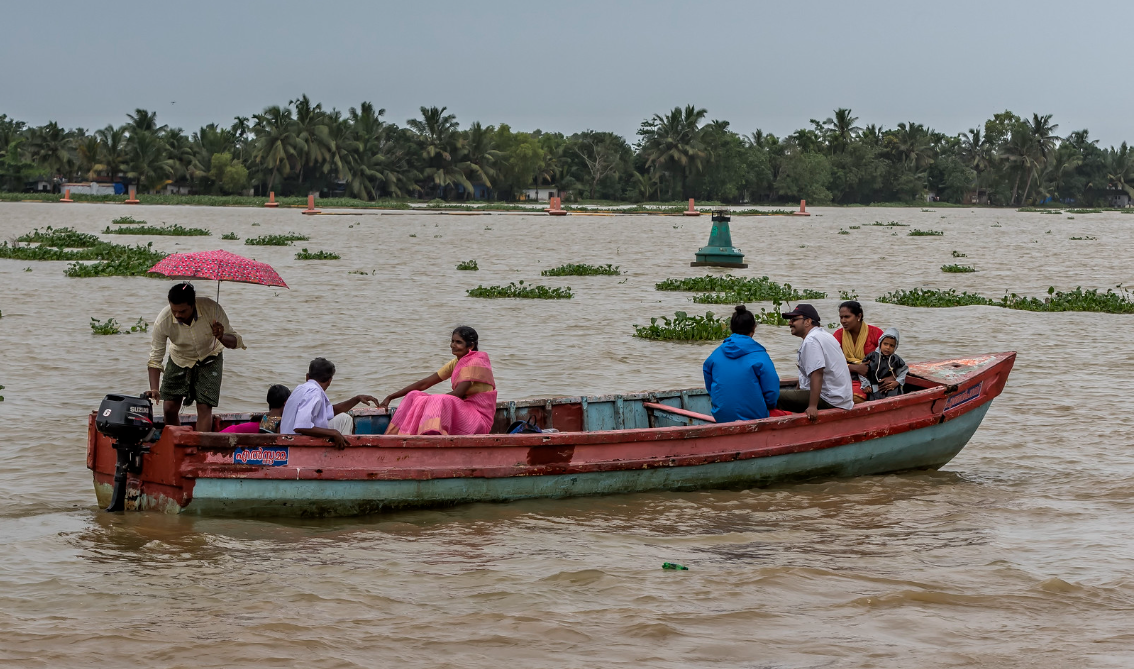
India’s monsoon season got confused in 2023, delivering record rainfall to areas that typically stay dry while leaving traditionally wet regions in drought. Some parts of Rajasthan — a desert state — received more rain in two weeks than they usually see in entire years, while regions that depend on monsoon flooding for agriculture waited for storms that never arrived.
The reversal disrupted agricultural cycles that had remained consistent for centuries, forcing farmers to adapt planting schedules based on weather patterns that seemed to be making up new rules as they went along.
Arctic Heat Bubble
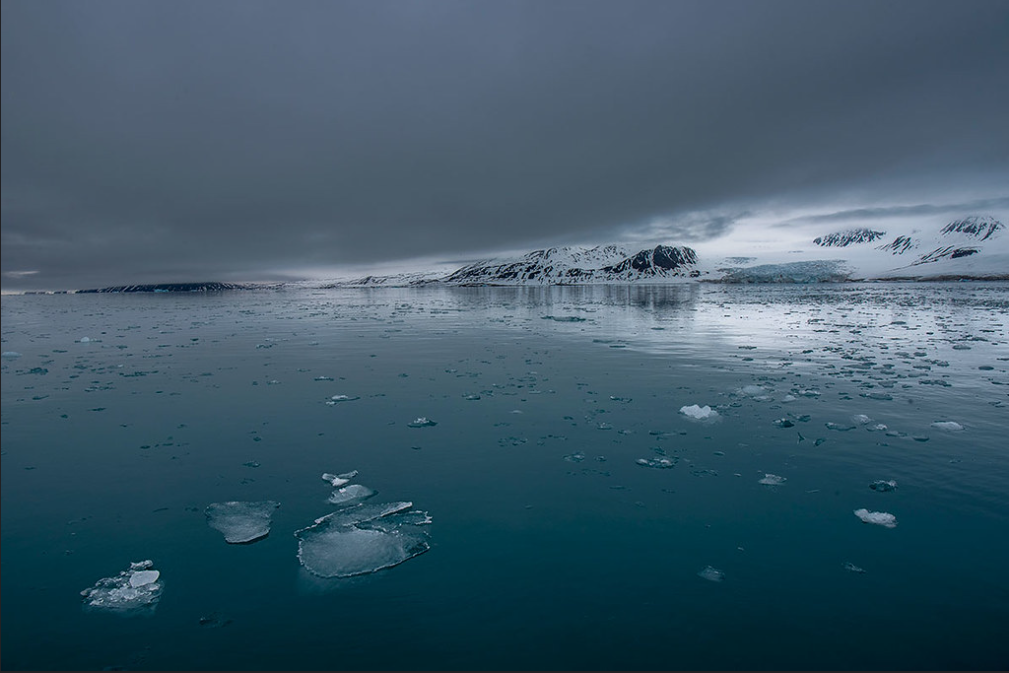
Siberia recorded its highest temperature ever in June 2020: 100°F in a region where permafrost is supposed to stay permanently frozen. The heat bubble that settled over the Arctic lasted for weeks, creating conditions so unusual that climate scientists initially questioned their data because the numbers seemed impossible.
Permafrost began melting at accelerated rates, releasing methane that had been trapped in frozen soil for thousands of years and creating feedback loops that amplified the warming effect.
The Upside-Down Hurricane
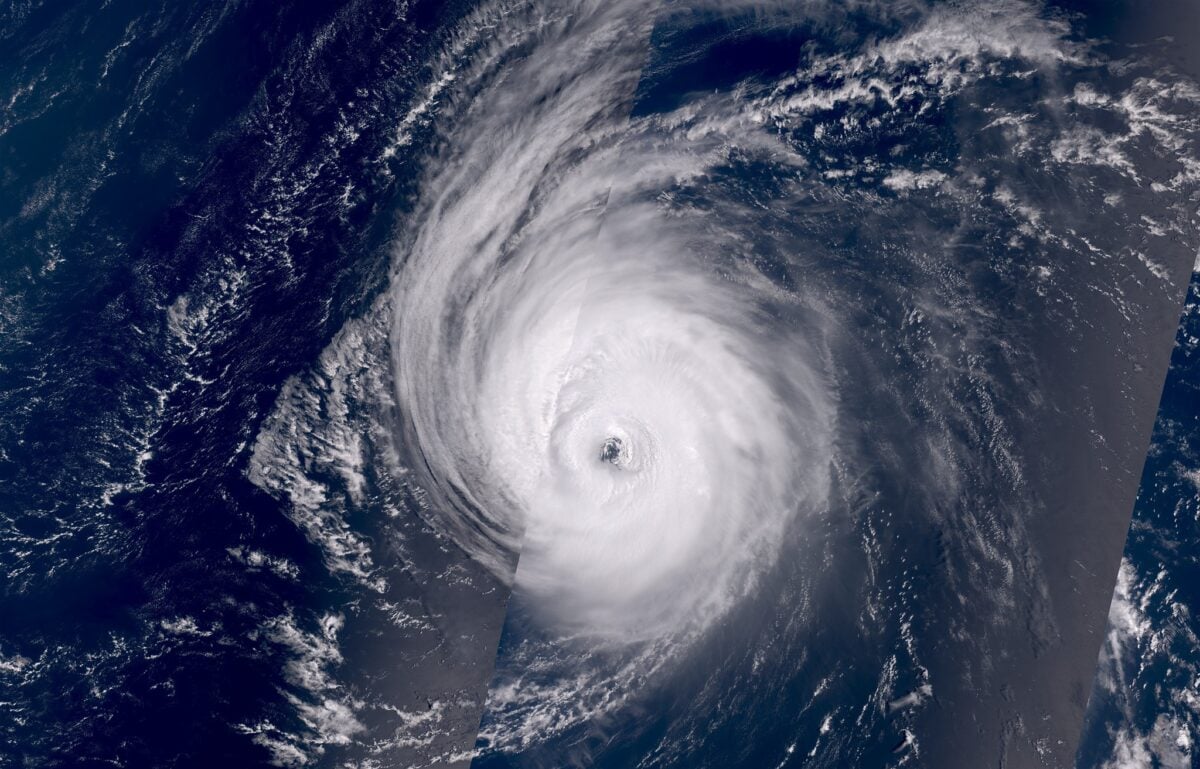
Hurricane Larry in 2021 intensified in water that was supposed to be too cool to support major storm development, defying the conventional wisdom about where and how hurricanes gain strength. The storm maintained category 4 intensity while traveling through the North Atlantic, bringing hurricane-force winds to regions that typically see only the weakened remnants of tropical systems.
The path and persistence challenged forecasting models that had worked reliably for decades, forcing meteorologists to update their understanding of how storms behave in changing ocean conditions.
When Winter Forgot Wisconsin
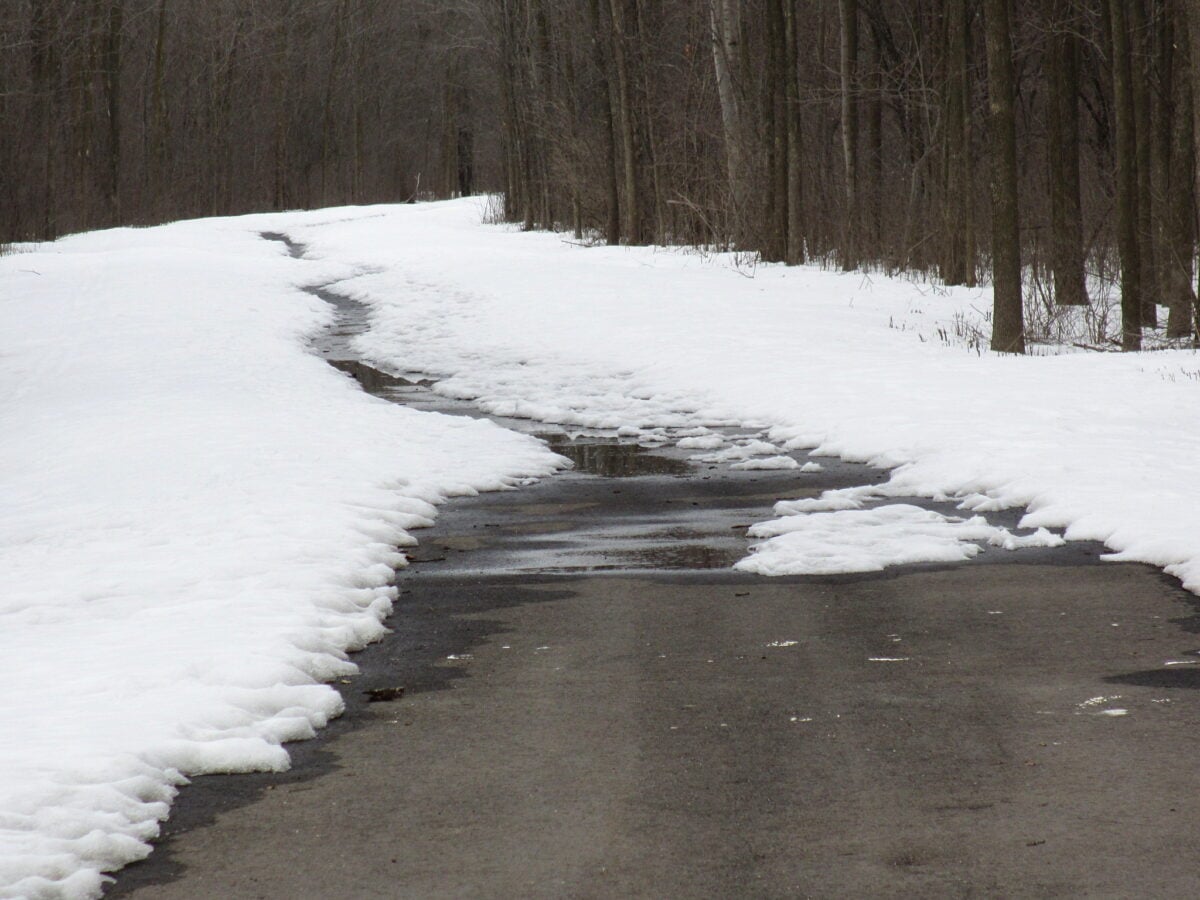
Wisconsin experienced its warmest winter day ever in February 2024: 71°F in a state where February usually means ice fishing and snow removal. The temperature spike melted snow pack that communities depend on for spring water supplies and confused wildlife whose seasonal behaviors are timed to temperature cues that suddenly became unreliable.
Trees began budding weeks early, creating vulnerability to late-season cold snaps that could damage or kill vegetation that had emerged from winter dormancy prematurely.
European Furnace
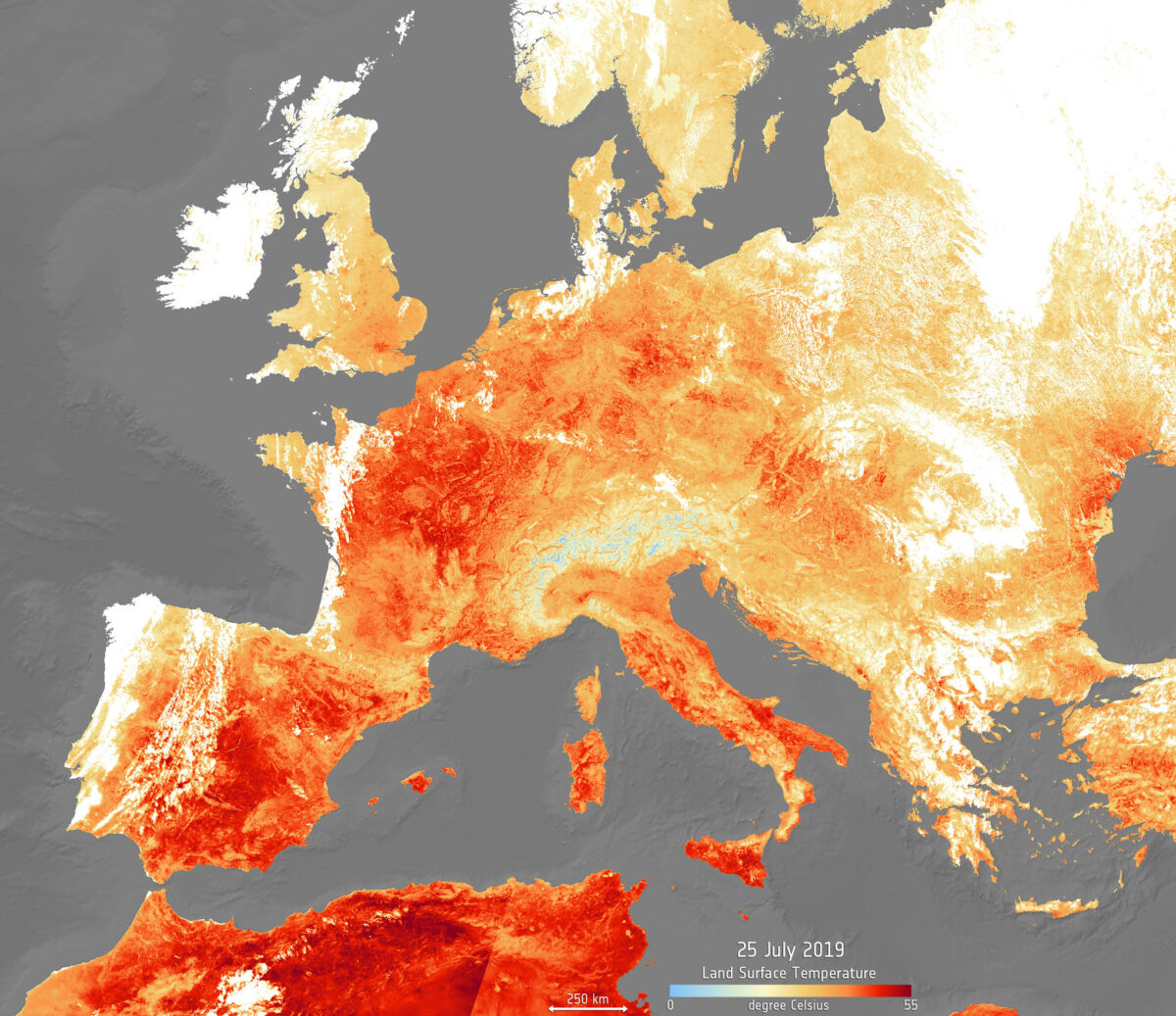
Europe’s summer of 2023 brought temperatures that transformed the continent into something unrecognizable. Spain hit 117°F, France reached 114°F, and even traditionally temperate regions like the UK saw thermometers climb past 100°F for the first time in recorded history.
The heat wasn’t just a weather event — it became a social and economic crisis as air conditioning-optional architecture suddenly felt uninhabitable, transportation systems designed for milder climates began failing, and energy grids strained under demand they’d never been built to handle.
The Snow that Shouldn’t Exist
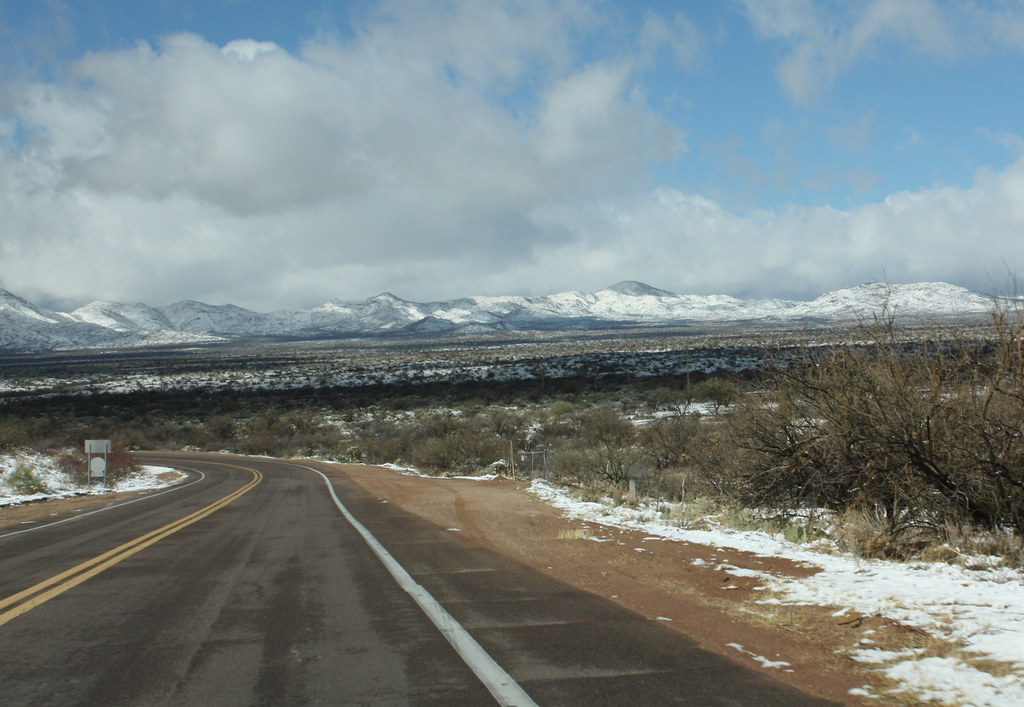
Hawaii received snow at elevations where it had never been documented before, while Saudi Arabia saw snowfall in regions that had no words in local dialects to describe frozen precipitation. These weren’t just unusual weather events — they were reminders that the basic assumptions about where certain weather can and cannot happen might need updating.
The snow appeared suddenly, lasted longer than anyone expected, and left behind photographic evidence of weather phenomena occurring in places where they contradicted everything locals understood about their climate.
Nature’s New Math
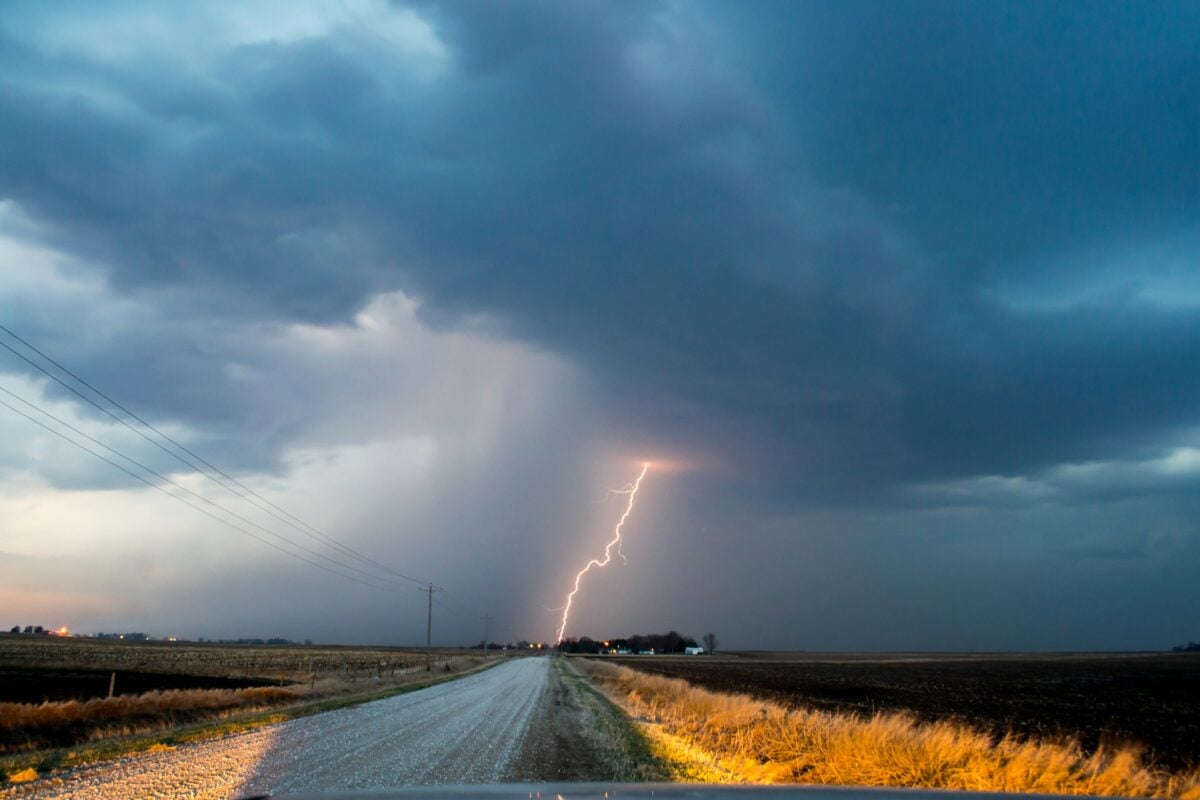
These records aren’t just statistical curiosities or conversation starters for small talk. They represent the planet experimenting with extremes that don’t fit into the patterns humans have used to organize agriculture, architecture, and daily life for centuries.
Each broken record forces communities to recalculate what’s possible, what’s probable, and what kind of weather they should actually prepare for. The decade’s weather has been a reminder that the climate operates on scales and timelines that make human planning look optimistic at best.
But there’s something almost admirably stubborn about how people adapt to the impossible becoming routine, finding ways to live with new normals that would have seemed like science fiction just ten years ago.
More from Go2Tutors!

- The Romanov Crown Jewels and Their Tragic Fate
- 13 Historical Mysteries That Science Still Can’t Solve
- Famous Hoaxes That Fooled the World for Years
- 15 Child Stars with Tragic Adult Lives
- 16 Famous Jewelry Pieces in History
Like Go2Tutors’s content? Follow us on MSN.



