15 Glowing Lakes and Rivers That Look Unreal
Mother Nature has a way of creating spectacles that seem too magical to be real. Across the globe, certain bodies of water light up with an otherworldly glow that looks like something straight out of a fantasy movie. These luminous waters get their ethereal appearance from various natural phenomena, ranging from tiny organisms that sparkle when disturbed to mineral deposits that create stunning color displays.
From tropical bays that turn electric blue at night to mineral-rich springs that glow with vibrant hues, these aquatic wonders prove that reality can be more extraordinary than fiction. Here is a list of 15 glowing lakes and rivers that will make you question what’s possible in the natural world.
Mosquito Bay, Puerto Rico

Mosquito Bay offers an unforgettable bioluminescent bay experience due to the large concentration of dinoflagellates, tiny organisms that light up when disturbed. Despite its uninviting name, this protected bay in Vieques is considered the brightest bioluminescent body of water on Earth.
When you swim or kayak through its waters at night, every movement creates trails of brilliant blue light that follow your path like liquid starlight.
Luminous Lagoon, Jamaica

Jamaica’s Luminous Lagoon near Falmouth creates one of the most reliable bioluminescent displays in the Caribbean. The shallow, warm waters are home to millions of dinoflagellates that react to any disturbance by producing flashes of blue-green light.
Tour operators regularly take visitors out for nighttime swims where they can literally glow in the dark, with the effect being strongest on moonless nights.
Like Go2Tutors’s content? Follow us on MSN.
Holbox Island, Mexico

The waters around Holbox Island come alive with bioluminescent plankton during certain times of the year, particularly from May through September. The glow is incredibly vibrant when the water is stirred, creating magical experiences for swimmers.
Local fishermen have known about this phenomenon for generations, but it’s only recently become a major draw for eco-tourists seeking this natural light show.
Toyama Bay, Japan

During spring months, Toyama Bay transforms into a glowing spectacle thanks to firefly squid that rise to the surface to mate. These tiny creatures, no bigger than your thumb, produce an intense blue light that can illuminate entire stretches of coastline.
The phenomenon is so reliable that local tourism boards schedule special viewing tours, and the squid are even considered a regional delicacy.
Indian River Lagoon, Florida

Bioluminescence naturally occurs in the brackish waters of Florida’s Space Coast Intracoastal Waterways, where dinoflagellates create glowing effects when contacted. The Indian River Lagoon system stretches for 156 miles along Florida’s east coast and provides some of the most accessible bioluminescent kayaking in the United States.
Summer months offer the best viewing conditions when water temperatures peak.
Like Go2Tutors’s content? Follow us on MSN.
Jervis Bay, Australia

This pristine bay south of Sydney occasionally lights up with bioluminescent displays that can be seen from space. The phenomenon occurs when conditions are just right—warm water, minimal wind, and an abundance of the right type of plankton.
Local Aboriginal communities have known about these glowing waters for thousands of years, incorporating them into their traditional stories about sea spirits.
Torrey Pines State Beach, California

While not as reliable as tropical locations, Southern California’s coastline sometimes produces spectacular bioluminescent displays during red tide events. The sea glows when disturbed by wave breaking or splashing in the water at night, usually from algae blooms of plankton.
Surfers and beachgoers have reported waves that look like they’re filled with blue fire, creating an almost supernatural surfing experience.
Morning Glory Pool, Yellowstone

This famous hot spring in Yellowstone National Park displays brilliant colors that seem to glow from within due to heat-loving bacteria called thermophiles. The pool’s deep blue center gradually transitions to green, yellow, and orange rings as temperatures decrease toward the edges.
Each color represents different bacterial communities that thrive at specific temperatures, creating a natural rainbow effect that looks almost too vibrant to be real.
Like Go2Tutors’s content? Follow us on MSN.
Blue Lake, New Zealand

Located in Nelson Lakes National Park, Blue Lake earns its name from the incredible clarity and color of its water, which can appear to glow in bright sunlight. The lake’s intense blue hue comes from its exceptional purity—it’s been measured as having some of the clearest water in the world.
When sunlight hits at the right angle, the entire lake seems to emit a supernatural blue radiance.
Great Salt Lake, Utah

During certain conditions, Utah’s Great Salt Lake can produce a reddish-pink glow that’s visible from aircraft flying overhead. This coloration comes from halophilic bacteria that thrive in the lake’s extremely salty conditions.
When algae blooms occur, the entire southern portion of the lake can turn colors ranging from orange to deep red, creating an alien landscape that seems to pulse with inner light.
Lake Hillier, Australia

This remarkable pink lake on Middle Island maintains its bubble-gum color year-round, creating a glowing effect that’s particularly striking from aerial views. Scientists believe the color comes from a combination of algae, bacteria, and high salt content that work together to produce the lake’s famous hue.
The surrounding eucalyptus forest creates a stunning contrast with the bright pink water.
Like Go2Tutors’s content? Follow us on MSN.
Crater Lake, Oregon

America’s deepest lake sits in the caldera of an ancient volcano and displays an intense blue color that seems to glow from within. The lake’s extraordinary depth of 1,943 feet and incredible purity create optical effects that make the water appear luminescent, especially during sunrise and sunset.
Native American tribes considered the lake sacred, believing spirits dwelled in its glowing depths.
Abraham Lake, Canada

This artificial reservoir in Alberta becomes a winter wonderland when methane bubbles freeze beneath its surface, creating patterns that appear to glow when backlit by sunlight. The trapped methane comes from decomposing organic matter on the lake bottom, and when temperatures drop, these gas bubbles get frozen in place at different depths.
Photographers flock here to capture the ethereal patterns that look like frozen lightning or glowing jellyfish suspended in crystal-clear ice.
Gippsland Lakes, Australia
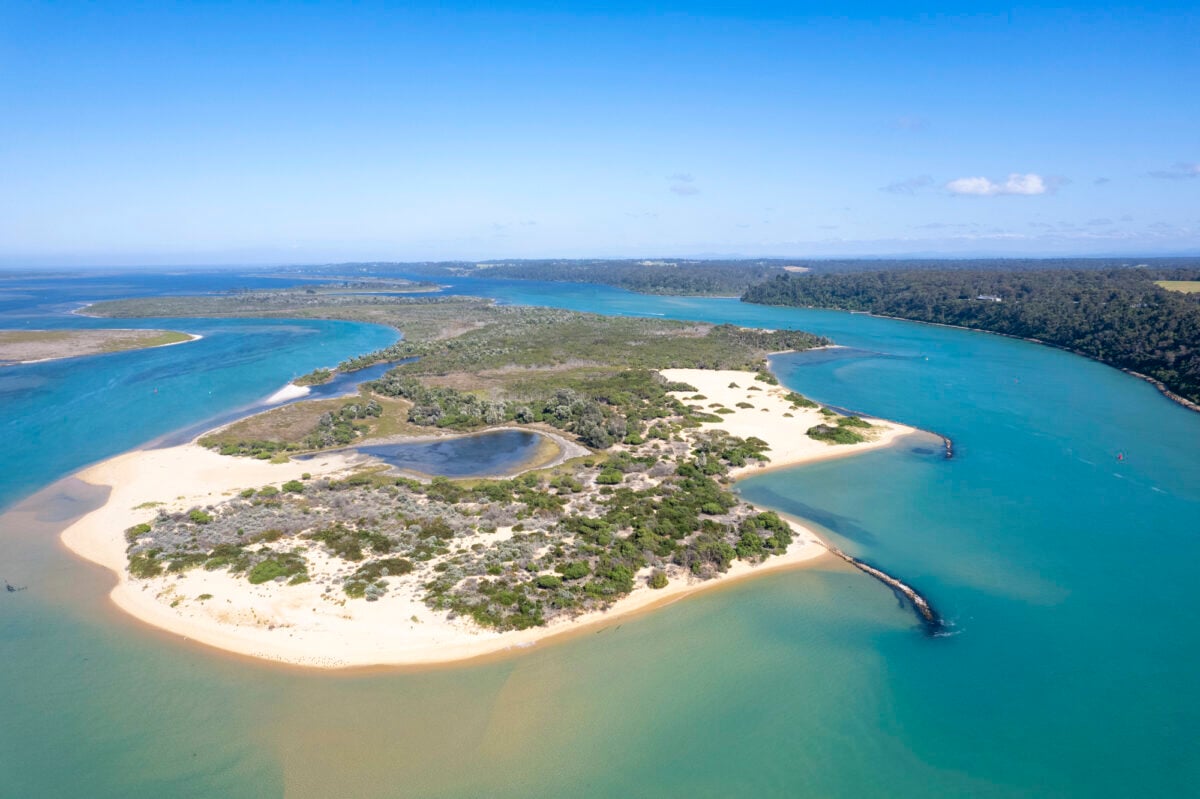
These shallow coastal lakes in Victoria occasionally light up with some of the most intense bioluminescent displays ever recorded. Bioluminescent activity can look like blue, glowing effects when dinoflagellates light up like sparklers when disturbed by waves and currents.
The 2008-2009 bushfires in the region created conditions that led to massive algae blooms, resulting in bioluminescent displays so bright they could be photographed with standard cameras.
Like Go2Tutors’s content? Follow us on MSN.
Waitomo Glowworm Caves, New Zealand

While technically underground streams rather than lakes, the waterways in Waitomo’s cave system create one of nature’s most magical light displays. Thousands of glowworms hang from the cave ceiling, creating a starry sky effect that reflects in the dark water below.
The larvae produce a blue-green light to attract prey, turning the underground rivers into something that looks like a fairy tale come to life.
Nature’s Living Light Show

These glowing waters remind us that our planet still holds countless mysteries waiting to be discovered. The ethereal glow of bioluminescence results from chemical reactions involving luciferase and luciferin, creating magical travel experiences you won’t soon forget.
Whether caused by tiny organisms defending themselves or mineral deposits catching the light just right, these luminous waters continue to inspire wonder and scientific curiosity. Each glowing lake and river represents a unique combination of chemistry, biology, and physics working together to create something that challenges our understanding of what’s possible in nature.
More from Go2Tutors!

- 16 Historical Figures Who Were Nothing Like You Think
- 12 Things Sold in the 80s That Are Now Illegal
- 15 VHS Tapes That Could Be Worth Thousands
- 17 Historical “What Ifs” That Would Have Changed Everything
- 18 TV Shows That Vanished Without a Finale
Like Go2Tutors’s content? Follow us on MSN.