17 Easter Candies from the Past That You Can Still (Kind of) Find Today
For years, Easter baskets packed with vibrant goodies that herald the approach of spring have pleased both adults and children. Even if the variety of candy available has greatly increased in recent years, many of us still yearn for the nostalgic treats that characterized our early holidays.
Not all of the candies that used to make Easter mornings joyful have vanished; many have only altered, evolved, or become seasonal specialties. This selection of 17 traditional Easter candies from earlier decades has persisted in some form into the present day, giving sugar lovers a chance to relive their early springtime festivities.
Hollow Chocolate Bunnies
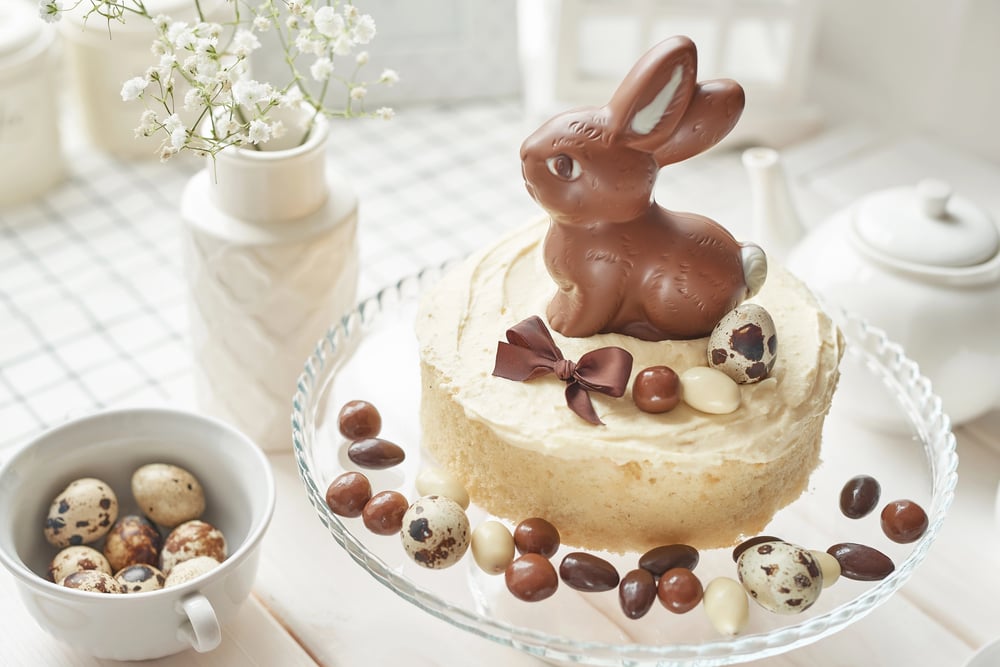
These iconic Easter figures first gained popularity in the 1940s when manufacturing techniques improved enough for mass production. The original versions featured intricate details and thick chocolate walls that provided a satisfying crack when bitten into.
Today’s mass-market versions tend to have thinner shells. Still, artisanal chocolatiers have revived the classic thick-walled versions in response to nostalgic demand from customers who remember the substantial bunnies of yesteryear.
Marshmallow Peeps
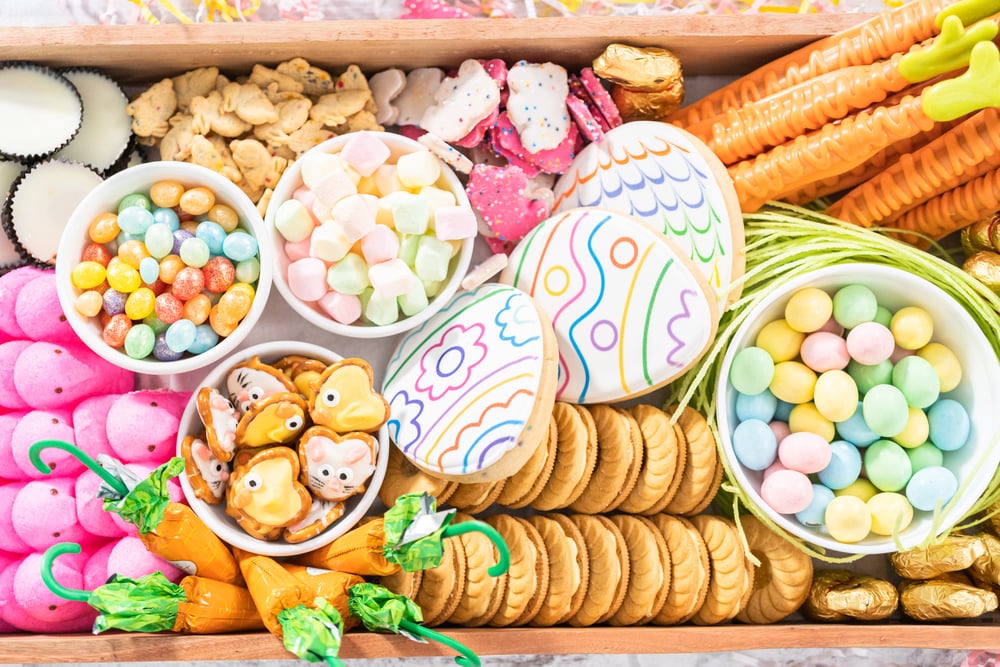
These fluffy chicks debuted in 1953 when each Peep was painstakingly hand-squeezed through a pastry tube, taking 27 hours to create a single tray. Modern manufacturing has reduced production time to six minutes.
While the recipe has been tweaked for longer shelf life, Just Born still produces them with the signature granulated sugar coating. The classic yellow chicks remain unchanged despite the brand expanding to dozens of shapes, colors, and even mystery flavors that would bewilder Easter celebrants from the 1950s.
Cadbury Creme Eggs
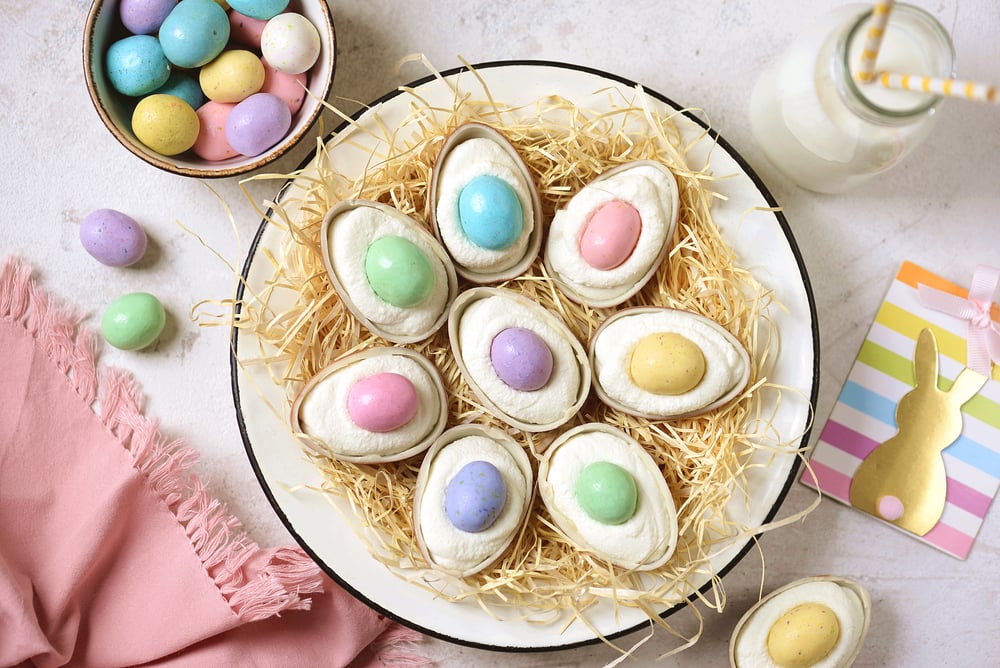
The chocolate fondant-filled Easter eggs we associate today began back in 1971, despite Cadbury manufacturing filled eggs during the 1920s. American enthusiasts claim the formula got altered when Hershey began mass-producing them on license in the United States of America, and British enthusiasts clung to the original formula.
Serious candy importers now import authentic U.K. versions to cater to customers who want precisely the same rich creamy texture and sweetness profile their kids remembered on Easter.
Jelly Beans
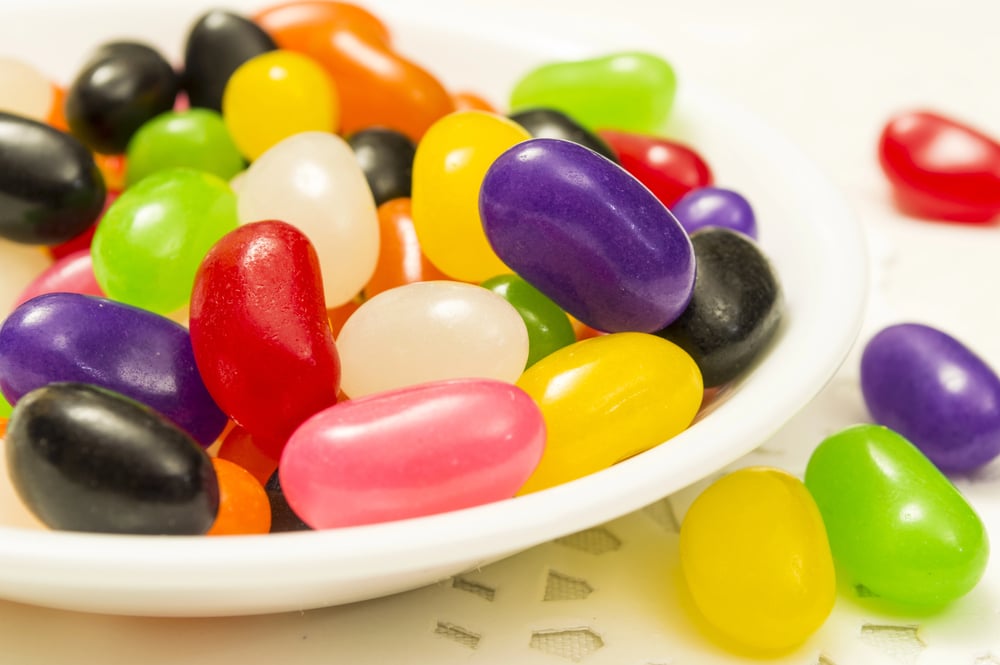
These sugar-shelled candies date back to the 1860s but became Easter basket staples in the 1930s when their egg-like shape made perfect seasonal sense. Traditional recipes featured mild flavors like cherry, lemon and licorice, a far cry from today’s gourmet versions with flavors ranging from buttered popcorn to champagne.
Classic simple jelly beans still exist alongside their fancy counterparts, though discerning fans seek out smaller manufacturers who maintain the original texture and less intense flavoring of mid-century varieties.
Chocolate Cream Eggs
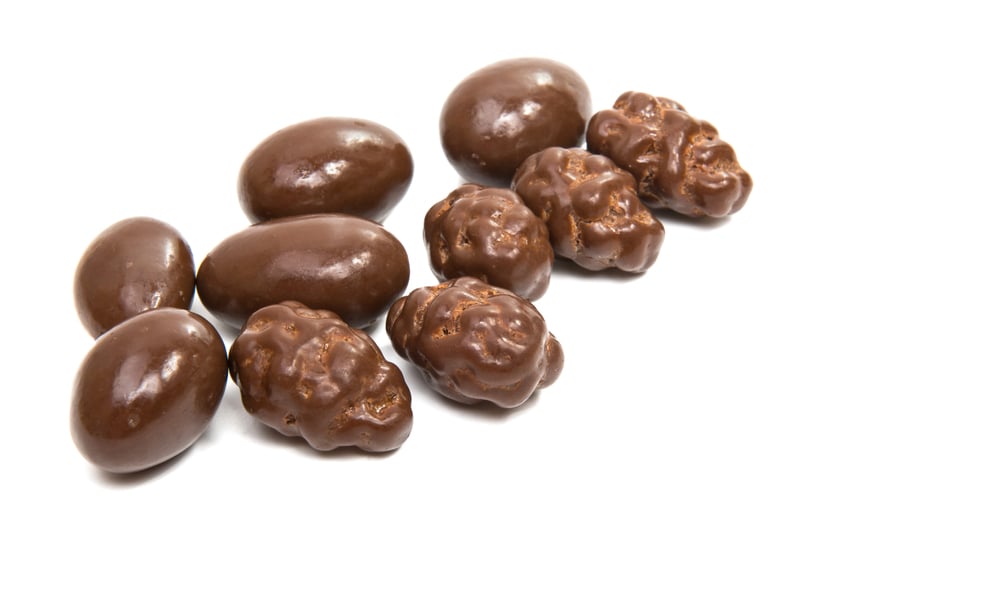
By the 1950s, these foil-wrapped treats containing marshmallow or fondant cream were mainstays in Easter baskets. Regional candy companies each had their own version before national brands dominated the market.
Many small confectioners still make these eggs seasonally using original family recipes passed down through generations, allowing candy hunters to find versions nearly identical to those their grandparents enjoyed, complete with the distinctive foil wrapping that created a treasure-like unwrapping experience.
Panoramic Sugar Eggs
These elaborate decorative eggs with peepholes revealing miniature spring scenes inside were Victorian-era Easter treats that remained popular through the 1960s. The intricate sugar creations fell out of mass production as manufacturing costs rose, but artisan confectioners and online specialty shops have revived the tradition.
Modern versions still use traditional techniques, creating crystalline windows into tiny dioramas of rabbits, chicks, and spring flowers that capture the same magical quality that delighted previous generations.
Coconut Cream Nests
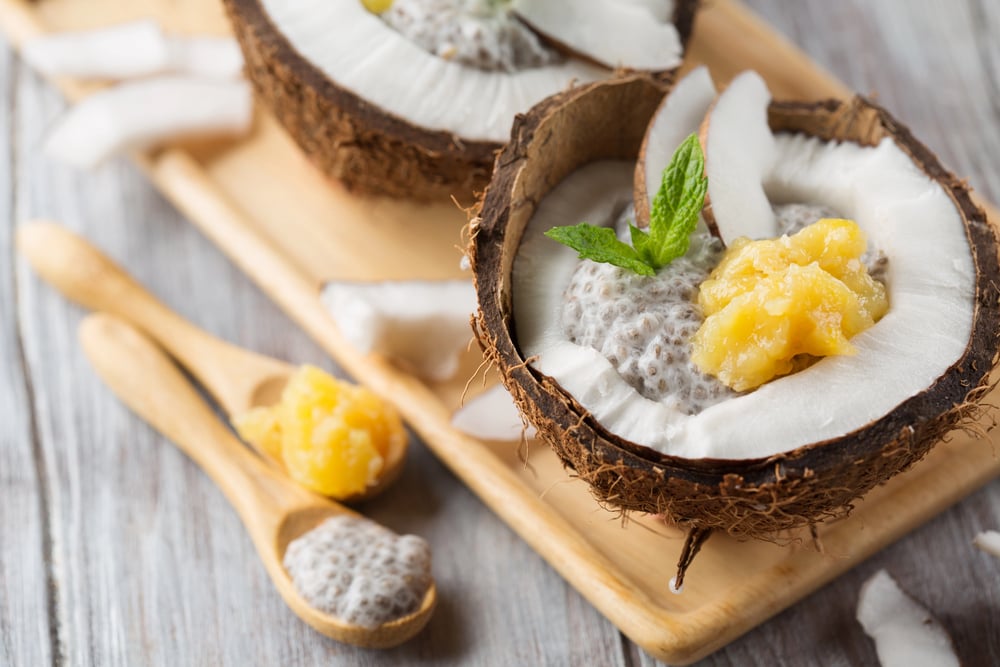
These chocolate-dipped coconut clusters shaped like bird nests were regulars in the Easter candy aisle throughout the mid-20th century. The combination of toasted coconut with rich chocolate made them a sophisticated choice for older children and adults.
While major manufacturers discontinued them, regional candy companies across the country still produce seasonal batches using traditional copper kettles and small-batch techniques that perfectly recreate the texture and flavor profile that candy enthusiasts remember.
Candy Buttons

These colorful dots of sugar attached to paper strips weren’t specifically Easter candy, but often appeared in holiday baskets throughout the 1950s and 60s. The manufacturing process remains virtually unchanged since its invention in 1947, with the same primary colors and mild flavoring.
Finding them requires visiting old-fashioned candy shops or online nostalgic candy retailers. Still, the experience of carefully peeling the buttons from the paper backing remains identical to what previous generations enjoyed.
Robin Eggs
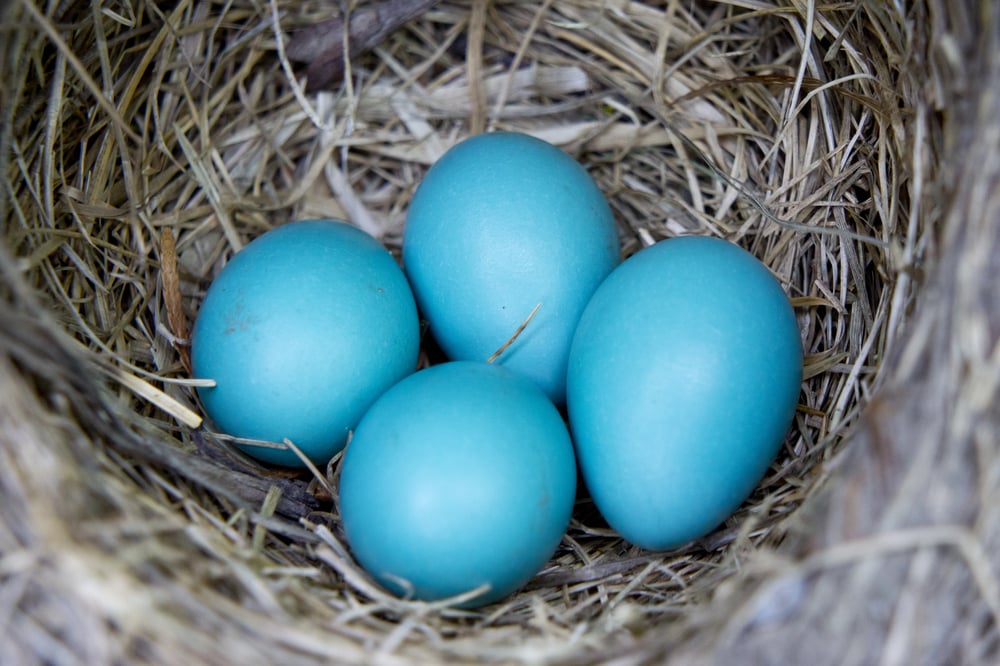
These malted milk balls covered in speckled candy shells mimicking bird eggs became Easter favorites in the 1950s. Whoppers now produces the most widely available version, though the recipe has been adjusted over the decades.
Candy connoisseurs note that the original versions had thinner candy shells and more pronounced malt flavor. Specialty candy makers now offer ‘heritage recipe’ versions during the Easter season that more closely match the texture and flavor balance of the mid-century originals.
Chocolate Coins

These foil-wrapped chocolate discs were traditional Easter basket fillers representing prosperity and good fortune. Originally featuring intricate embossed designs on both the chocolate and foil, many modern versions have simplified the detailing.
European chocolate companies still produce coins with elaborate designs and richer chocolate that characterize the originals, making them popular imports for those seeking an authentic taste of Easter past.
Candy Cigarettes

These controversial chalk-like sticks packaged to resemble cigarette packs were common Easter basket additions from the 1930s through the 1970s. Public health concerns led to their rebranding as ‘candy sticks’ with packaging changes that eliminated cigarette imagery.
The candy itself remains remarkably unchanged, with the same chalky texture and mild wintergreen or peppermint flavor, allowing adults to experience a controversial childhood treat minus the problematic packaging.
Fruit Slice Jellies

These sugar-crusted, fruit-shaped jellies have been Easter basket staples since the 1940s. Original versions contained natural fruit pectin and flavorings that gave them a more subtle taste than modern counterparts.
Several old-fashioned candy companies maintain traditional recipes with proper aging processes that develop the crystallized sugar coating naturally, providing a more authentic version than mass-produced varieties with their intensified colors and flavors.
Easter Cream Mix
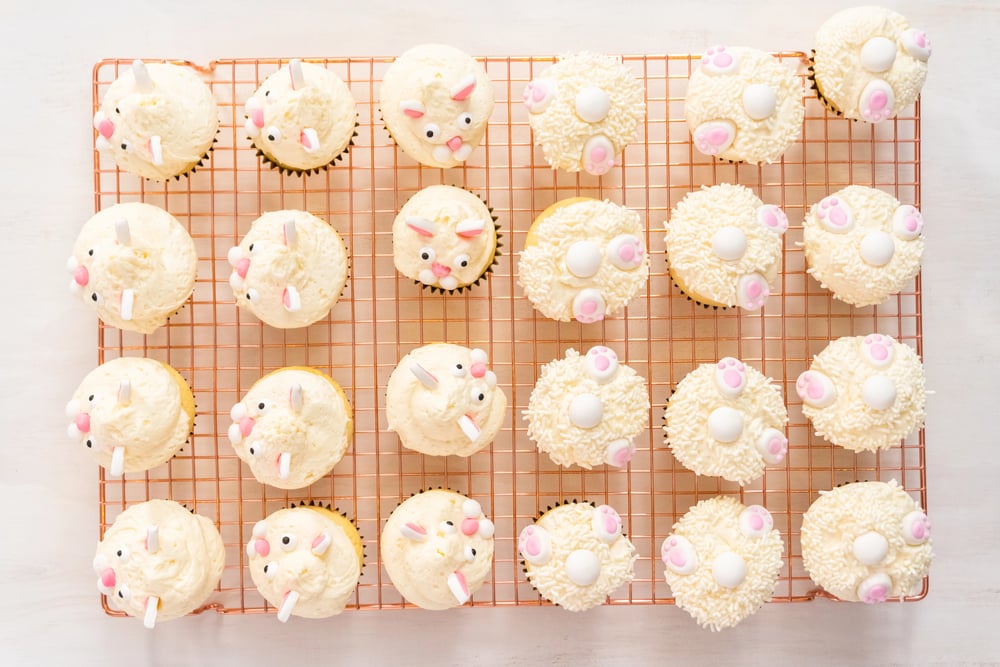
These pastel-colored, cream-filled chocolates in various shapes dominated Easter candy assortments from the 1920s through the 1960s. Each color signified a different flavor—maple, vanilla, chocolate, or fruit.
While major manufacturers discontinued these mixed assortments, family-owned candy shops in New England and the Midwest still produce seasonal batches using original copper kettles and flavor formulations, allowing candy enthusiasts to experience this classic assortment just as it was decades ago.
Chocolate-Covered Marshmallow Eggs

These simple treats featuring vanilla marshmallow enrobed in milk chocolate were Easter favorites starting in the early 1900s. The original versions used hand-piped marshmallow that created a distinctive texture different from modern manufacturing methods.
Several historic candy companies that have operated continuously for over a century still produce these eggs seasonally using their original equipment and recipes, providing an authentic taste experience that transports candy lovers back in time.
Jordan Almonds

These pastel-colored sugar-coated almonds have been Easter traditions since Victorian times, symbolizing good wishes and new beginnings. Traditional versions featured multiple layers of sugar coating applied over several days, creating a distinctive crunch.
Artisanal confectioners in Italy and France still make them using this time-intensive traditional method, resulting in a more substantial sugar shell with subtle coloring that distinguishes them from mass-produced varieties.
Peanut Butter Eggs

These egg-shaped peanut butter candies covered in chocolate became Easter basket fixtures in the 1950s. Regional variations across America featured different textures—some creamy, others more fudge-like.
While Reese’s version dominates today’s market, small batch candy kitchens throughout Pennsylvania and Ohio maintain their distinctive local recipes, some dating back three generations and offering a taste of regional candy traditions that larger manufacturers have standardized away.
Chocolate-Filled Plastic Eggs

These brightly colored plastic eggs containing foil-wrapped chocolate pieces gained popularity in the 1970s as practical alternatives to sugar eggs for egg hunts. The original versions featured higher-quality European chocolates that contrasted with their plastic containers.
Specialty candy importers now offer heritage-inspired versions that pair collectible plastic containers with premium chocolates, elevating this relatively recent Easter tradition for a new generation of collectors.
Sweet Traditions Preserved
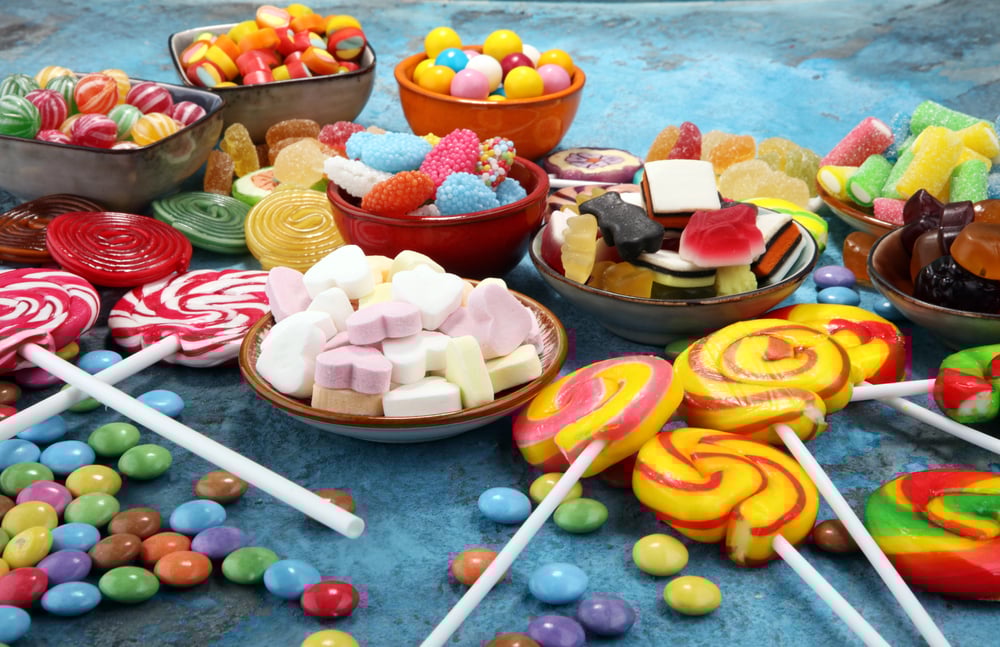
These Easter treats demonstrate how candy traditions evolve while maintaining connections to the past. Many of these confections survive thanks to small-scale candy makers who preserved traditional recipes and manufacturing techniques when larger companies moved toward mass production.
The persistence of these classic sweets allows multiple generations to share similar Easter morning experiences despite decades between them, creating continuity in our celebrations and proving that our collective sweet tooth has a long and enduring memory.
More from Go2Tutors!

- The Romanov Crown Jewels and Their Tragic Fate
- 13 Historical Mysteries That Science Still Can’t Solve
- Famous Hoaxes That Fooled the World for Years
- 15 Child Stars with Tragic Adult Lives
- 16 Famous Jewelry Pieces in History
Like Go2Tutors’s content? Follow us on MSN.