Peculiar Botanical Trivia Facts About Rare Plants
The plant kingdom holds secrets that sound more like fiction than science. While most people know about Venus flytraps and sunflowers, the truly rare specimens harbor mysteries that challenge everything we think we understand about how life works.
These botanical oddities have evolved solutions so strange, so perfectly improbable, that discovering them feels like stumbling into nature’s private joke book.
Welwitschia mirabilis
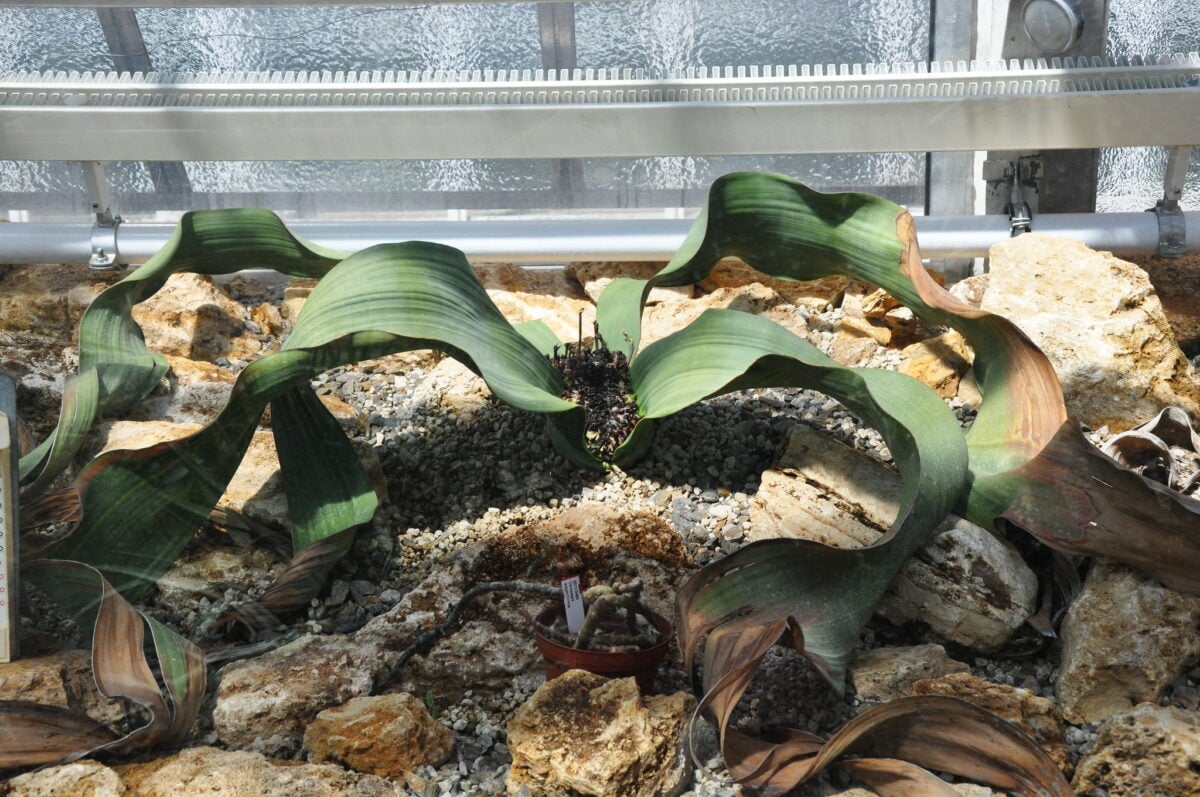
This plant refuses to die. Welwitschia mirabilis grows only in the Namib Desert and can live over 1,500 years.
It produces exactly two leaves in its entire lifetime, and those same leaves keep growing for centuries, becoming twisted and weathered like ancient leather straps dragging across the sand. The plant looks dead most of the time.
Visitors often mistake it for debris.
Lithops
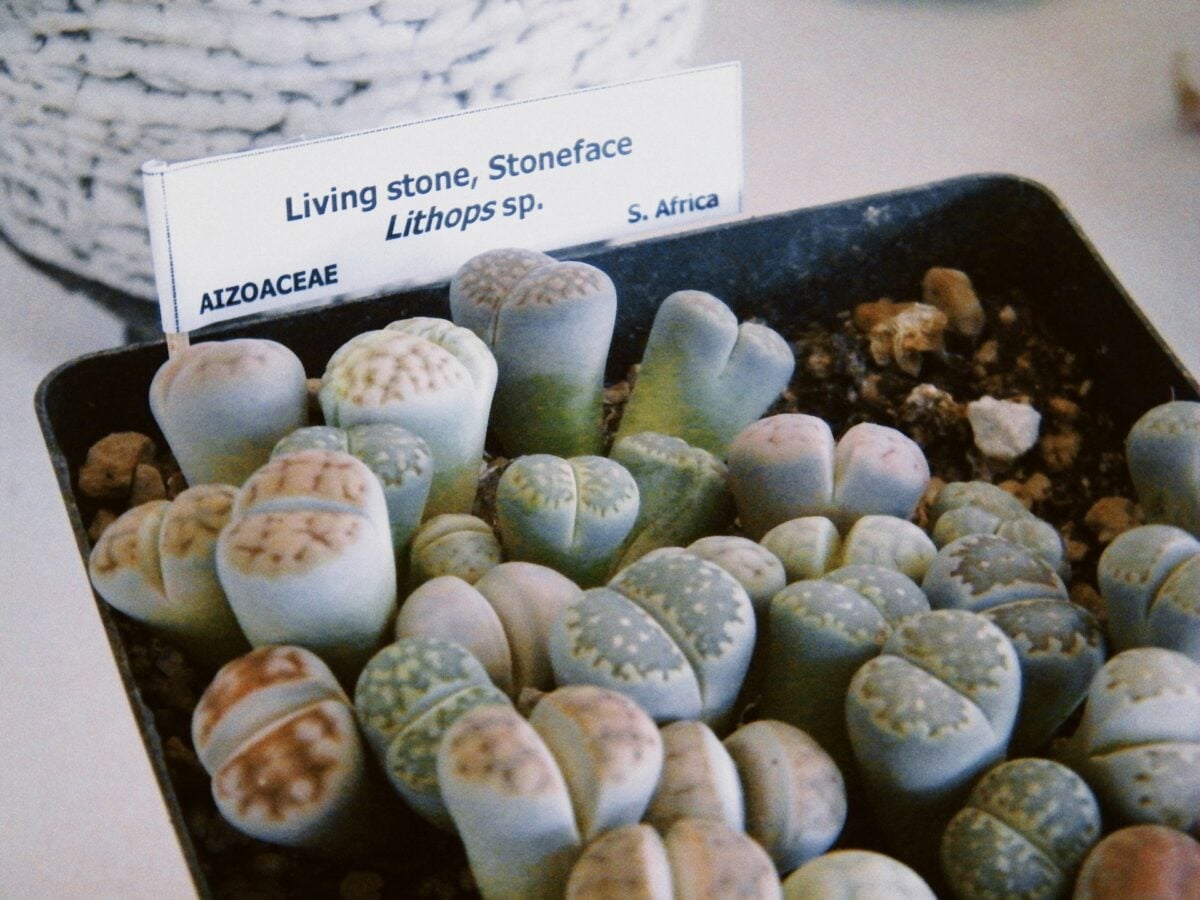
Living stones don’t just mimic rocks — they become indistinguishable from them. Lithops have perfected camouflage to such an extreme that botanists sometimes step on specimens while searching for them.
Each plant consists of just two thick leaves fused together, with patterns and colors that match the specific gravel and stones of their exact location. The deception runs deeper than appearance.
These plants can remain dormant for years, waiting for the precise moment when conditions align for growth, which might happen once in a decade.
Dracaena cinnabari
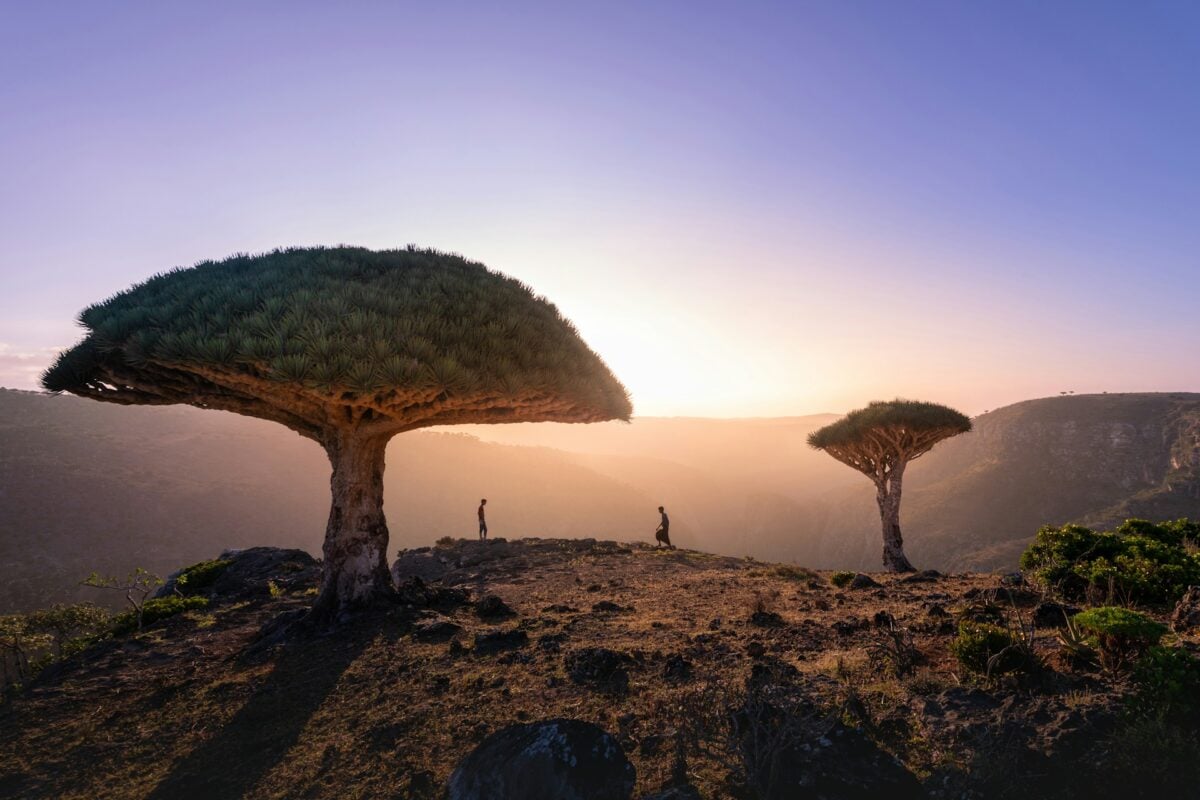
Dragon’s blood trees look like something a child might draw if asked to imagine what trees look like on another planet — which, in a way, they are (the child would be right, that is, about the otherworldly appearance, even if Socotra Island technically remains part of Earth, though it’s been isolated long enough that a third of its plant species exist nowhere else). The tree bleeds crimson resin when cut, a substance so valued historically that it was worth more than gold, and the resin hardens into a deep red crystal that ancient civilizations used for everything from medicine to magic, though the magic part was probably just people being impressed by a tree that literally bleeds red.
But here’s what makes them truly strange: they only grow in one place on Earth, and they grow upside down. Well, not literally upside down, though they look like they should be.
The branches spread out flat at the top like an umbrella that’s been turned inside-out by wind, except there’s no wind strong enough on Socotra to explain the shape — it’s just how they decided to grow, as if they looked at every other tree design and chose to do the opposite.
Rafflesia arnoldii
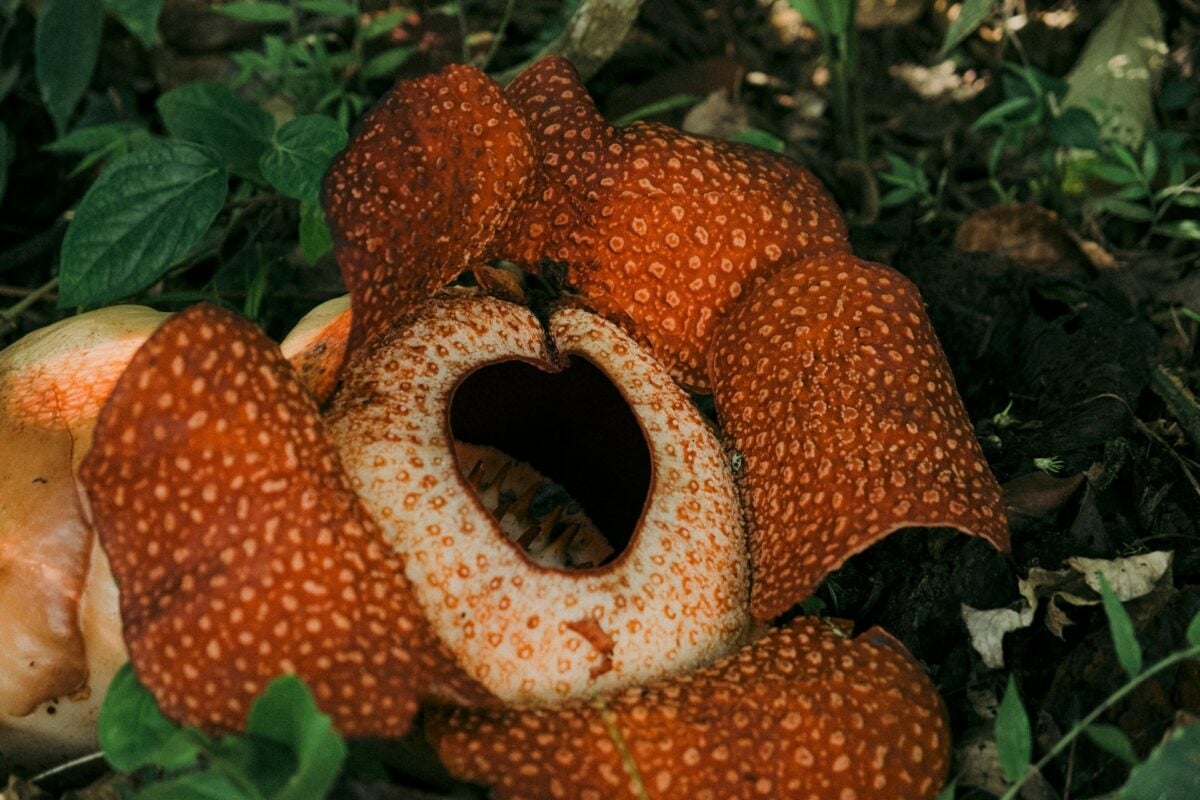
You could crawl inside the world’s largest flower, assuming you could tolerate the stench of rotting flesh that serves as its signature perfume. Rafflesia arnoldii produces blooms that can reach three feet across and weigh up to 15 pounds, but the plant itself has no stems, leaves, or roots.
It exists as a parasite, living entirely within the tissues of jungle vines until the moment comes to bloom. Then it erupts through the host’s bark like some botanical alien bursting from a cocoon.
The flower lasts only a few days before collapsing into black slime. The local name translates to “corpse flower,” which undersells how intensely it commits to smelling like death.
Baobab trees
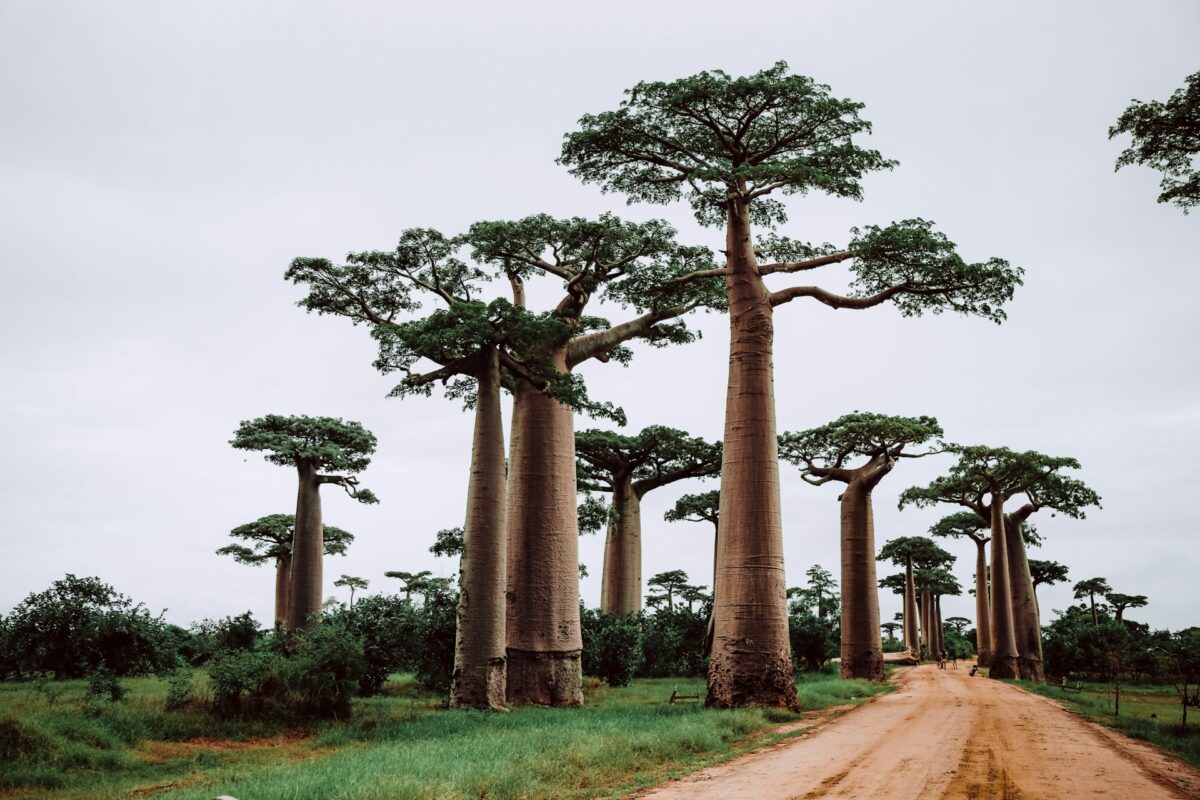
There’s something backward about baobab trees, as if they’ve been planted upside-down with their roots reaching toward the sky instead of their branches. The trunk swells to such impossible proportions that it looks less like wood and more like a building — which, as it turns out, is exactly how people use them.
These trees hollow themselves out as they age, creating natural chambers large enough to live in. Entire bars, prisons, and post offices have been carved into baobab trunks without harming the tree.
The wood holds water like a sponge, storing thousands of gallons through drought years, which means the tree essentially becomes a living well in landscapes where water is scarce. But the real peculiarity lives in their relationship with time.
Baobabs can live for thousands of years, growing so slowly that the same tree might have sheltered ancient civilizations and modern tourists under branches that barely changed between visits.
Mimosa pudica
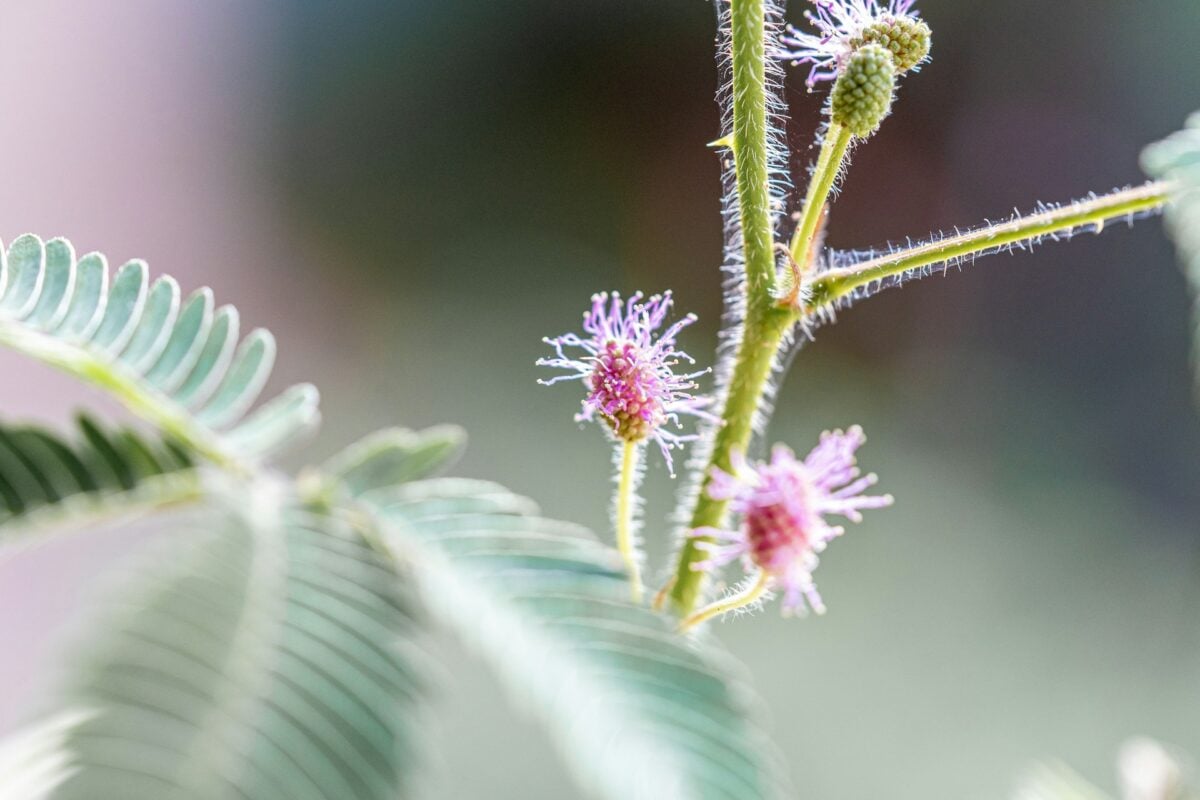
Sensitive plants have social anxiety. Touch a Mimosa pudica leaf and it folds instantly, the entire branch collapsing as if the plant has fainted from embarrassment.
The reaction happens fast enough that you can watch the wave of folding spread from the point of contact outward, each leaflet snapping shut in sequence. The plant can distinguish between different types of touch.
A gentle raindrop won’t trigger the response, but a caterpillar’s footstep will. It can even learn to ignore repeated harmless stimuli, which means the plant has a form of memory.
Scientists still argue about whether this counts as plant intelligence. The plant, presumably, doesn’t care about the debate.
Dionaea musciparia
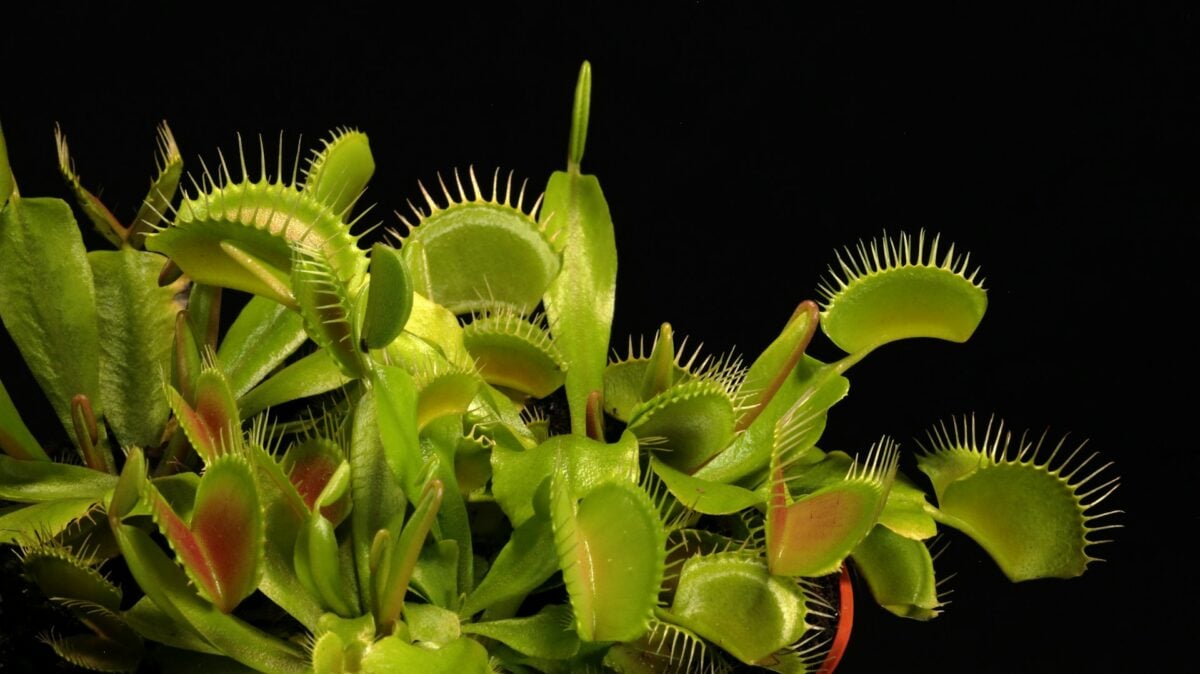
The Venus flytrap solves the problem of nutrient-poor soil by becoming a carnivore, but it’s surprisingly bad at it (which might explain why these plants remain rare and finicky, growing naturally in only a small region of North and South Carolina, where the soil is so lacking in nitrogen that turning to meat seemed like a reasonable evolutionary strategy, even though the execution leaves much to be desired). Each trap can close multiple times throughout its life, potentially over 100 closures depending on environmental conditions and nutrient availability, so the plant must be selective about energy expenditure, and it frequently makes mistakes — snapping shut on raindrops or debris that provide no nutritional value, essentially wasting one of its limited chances at a meal.
The trap mechanism relies on trigger hairs that must be touched twice within twenty seconds, which sounds foolproof until you realize that wind-blown particles regularly trigger false alarms. And even when the plant catches actual prey, the digestion process takes so much energy that small insects aren’t worth the effort — the plant actually loses more energy processing them than it gains from the meal.
So the Venus flytrap, nature’s most famous carnivorous plant, spends most of its time being hungry and disappointed.
Amorphophallus titanum
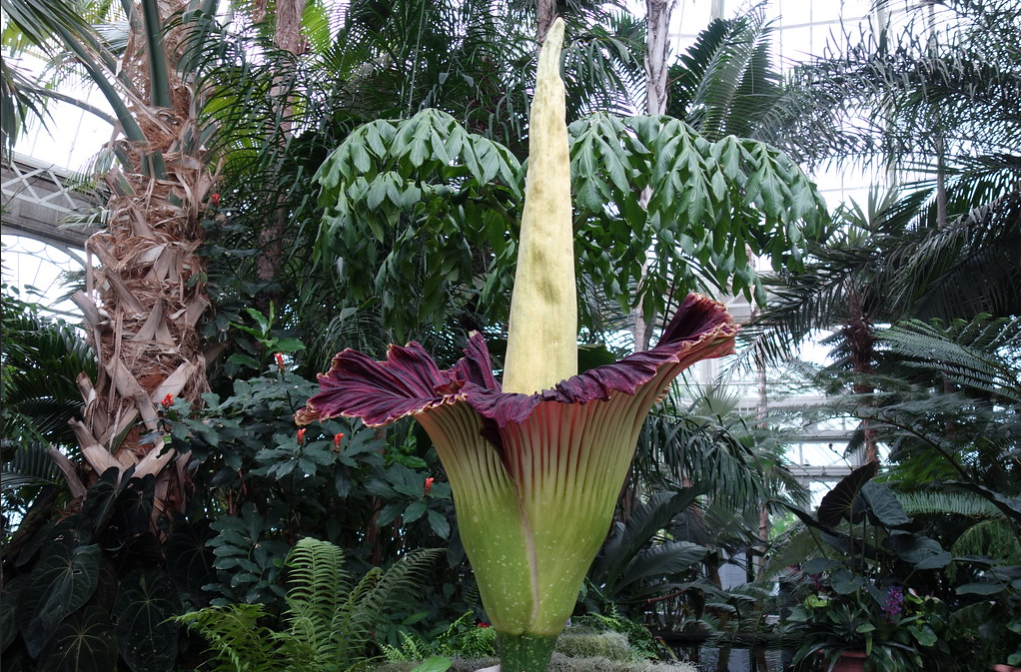
The corpse flower announces its readiness to reproduce by producing a smell so potent it can clear buildings. Amorphophallus titanum blooms once every seven to ten years, and when it does, the flower heats up to nearly 100 degrees Fahrenheit while releasing compounds that smell exactly like rotting flesh.
The plant grows from a single underground corm that can weigh over 300 pounds. When not blooming, it produces a single leaf that can reach 20 feet tall, making the plant look more like a small tree than a flower.
Botanical gardens announce corpse flower blooms like sporting events. People line up for hours to experience the smell, which says something about human nature that’s probably worth examining.
Desmodium gyrans
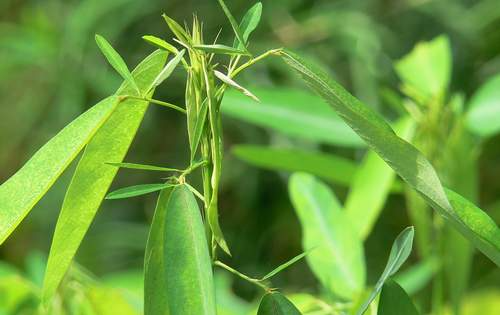
The dancing plant moves to its own rhythm, leaves swaying and rotating in patterns that follow no external stimulus. Desmodium gyrans performs this botanical choreography continuously, the smaller leaflets spinning like propellers while the main leaves rock back and forth.
The movement intensifies in warm weather and can speed up in response to sound vibrations, though scientists debate whether the plant is actually “dancing” to music or simply reacting to the physical vibrations. The plant doesn’t seem interested in settling the debate.
Traditional medicine practitioners have used dancing plants for centuries, though they were more interested in the medicinal properties than the entertainment value.
Selaginella lepidophylla
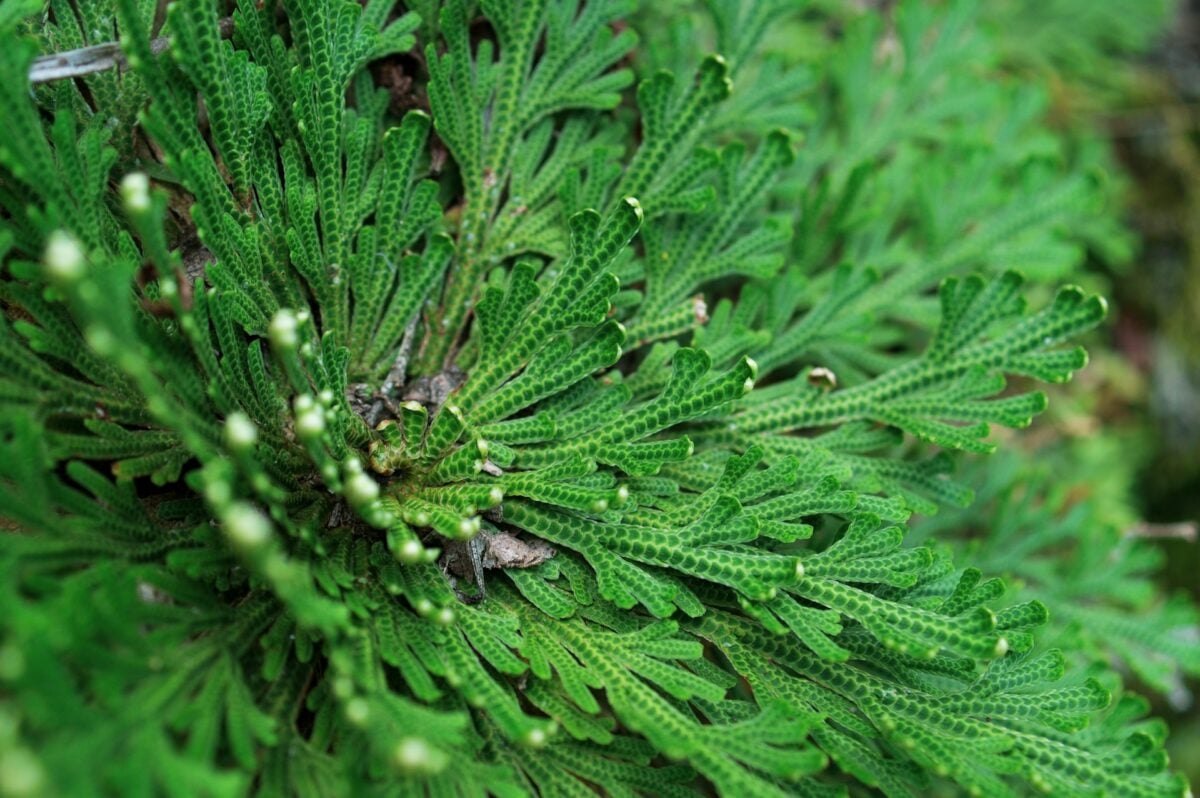
Resurrection plants take drought survival to extremes that seem impossible. Selaginella lepidophylla can lose up to 95% of its water content, curling into a brown orb that looks completely dead, then return to full green life within hours of receiving moisture.
The plant can remain in this death-like state for years. Dried specimens have been stored in museums for decades, then successfully revived with a few drops of water.
The resurrection happens fast enough to watch in real-time, which never stops being startling. One moment you’re looking at what appears to be plant debris, the next you’re watching something that was dead come back to life.
Ceropegia woodii
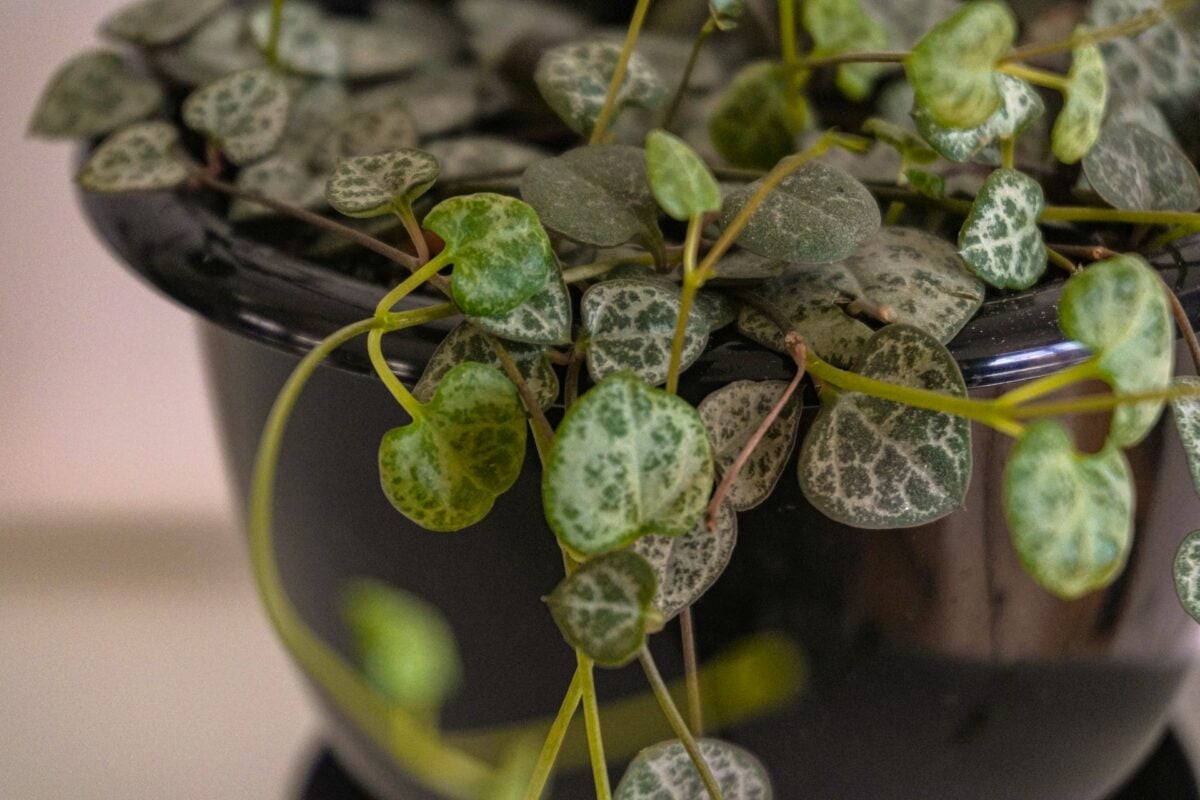
String of hearts grows like living jewelry, producing chains of heart-shaped leaves connected by thin, trailing stems that can reach several feet in length. The plant stores water in the heart-shaped leaves, which have a silvery pattern that looks hand-painted.
The flowers are even stranger — small tubes that trap flies temporarily, holding them just long enough to ensure pollination before releasing them unharmed. It’s pollination by kidnapping, and somehow it works.
The plant propagates by producing small tubers along the stems that can grow into new plants while still attached to the parent, creating cascading chains of hearts.
Seeds of wonder
The peculiar truth about rare plants is that their strangeness often represents solutions to problems we’re still learning to understand. These botanical oddities have spent millions of years perfecting survival strategies that seem impossible until you see them working.
Each strange adaptation tells a story about resilience, creativity, and the endless capacity of life to find ways forward, even in the most unlikely circumstances.
More from Go2Tutors!

- The Romanov Crown Jewels and Their Tragic Fate
- 13 Historical Mysteries That Science Still Can’t Solve
- Famous Hoaxes That Fooled the World for Years
- 15 Child Stars with Tragic Adult Lives
- 16 Famous Jewelry Pieces in History
Like Go2Tutors’s content? Follow us on MSN.



