14 Viral News Stories That Turned Out to Be Marketing Tricks
In today’s media landscape, the line between news and advertising continues to blur. Social media has transformed how information spreads, creating the perfect environment for brands to craft stories that appear organic but are actually carefully orchestrated marketing campaigns.
These campaigns often generate authentic public engagement and media coverage, making them particularly effective at capturing attention in our saturated information environment. Here is a list of 14 viral news stories that had everyone talking—until they were revealed as clever marketing stunts.
The Blair Witch Project
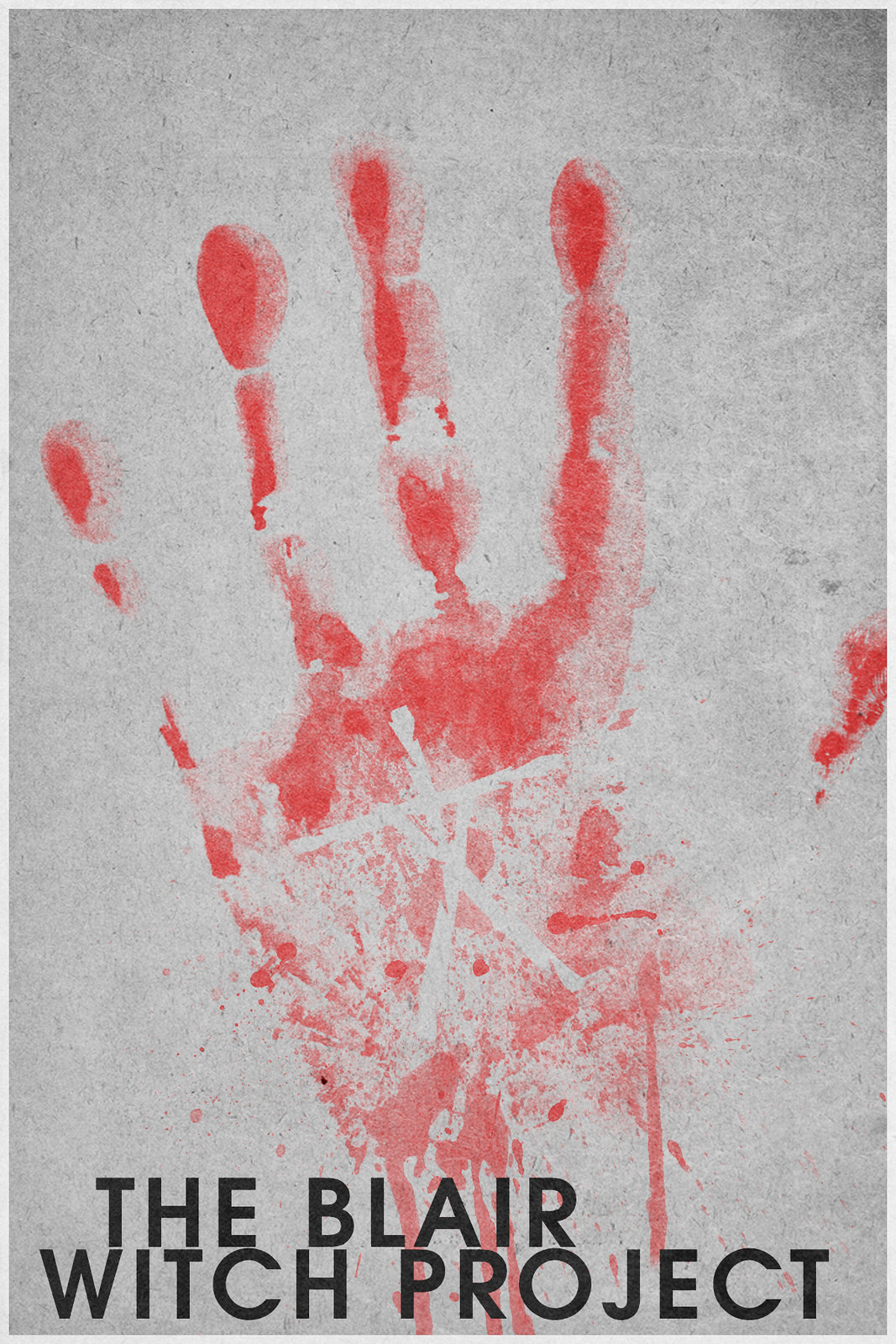
Years before social media existed, the creators of this 1999 horror film pioneered viral marketing by presenting their fictional story as a real documentary. They created websites claiming the film footage was authentic, distributed missing person flyers for the ‘disappeared’ actors, and maintained the cast’s low profile to preserve the illusion.
This revolutionary approach turned a $60,000 budget film into a $248 million worldwide phenomenon and forever changed movie marketing.
Left-Handed Whopper
In 1998, Burger King placed full-page ads in USA Today announcing a new ‘Left-Handed Whopper’ specially redesigned with ingredients rotated 180 degrees to better fit left-handed customers’ grip. The April Fool’s announcement generated thousands of requests for the specialized burger and significant media coverage.
Burger King revealed the hoax the following day, having successfully generated massive attention without creating a single new product.
Like Go2Tutors’s content? Follow us on MSN.
The Crop Circle Mystery

Crop circles suddenly developed overnight in a Nebraska wheat field in 2004, confounding residents and sparking global media interest. Created utilizing GPS technology and teams of workers under the cover of night, the complex formation turned out to be an elaborate advertisement for the energy drink brand Sobe.
While presenting the brand as enigmatic and countercultural, the campaign produced millions in free attention.
Alex From Target
When an apparently random image of a teenager Target cashier named Alex went viral in 2014, hundreds of teenage females fell in love with the gullible worker. As a showcase for their social media influence, marketing firm Breakr later claimed responsibility for creating the phenomenon, which at first seemed to be organic virality.
Even though Target denied any involvement and the entire narrative is still up for debate, the episode demonstrated how staged “authentic moments” may garner international attention.
Cadbury’s Gorilla Drummer
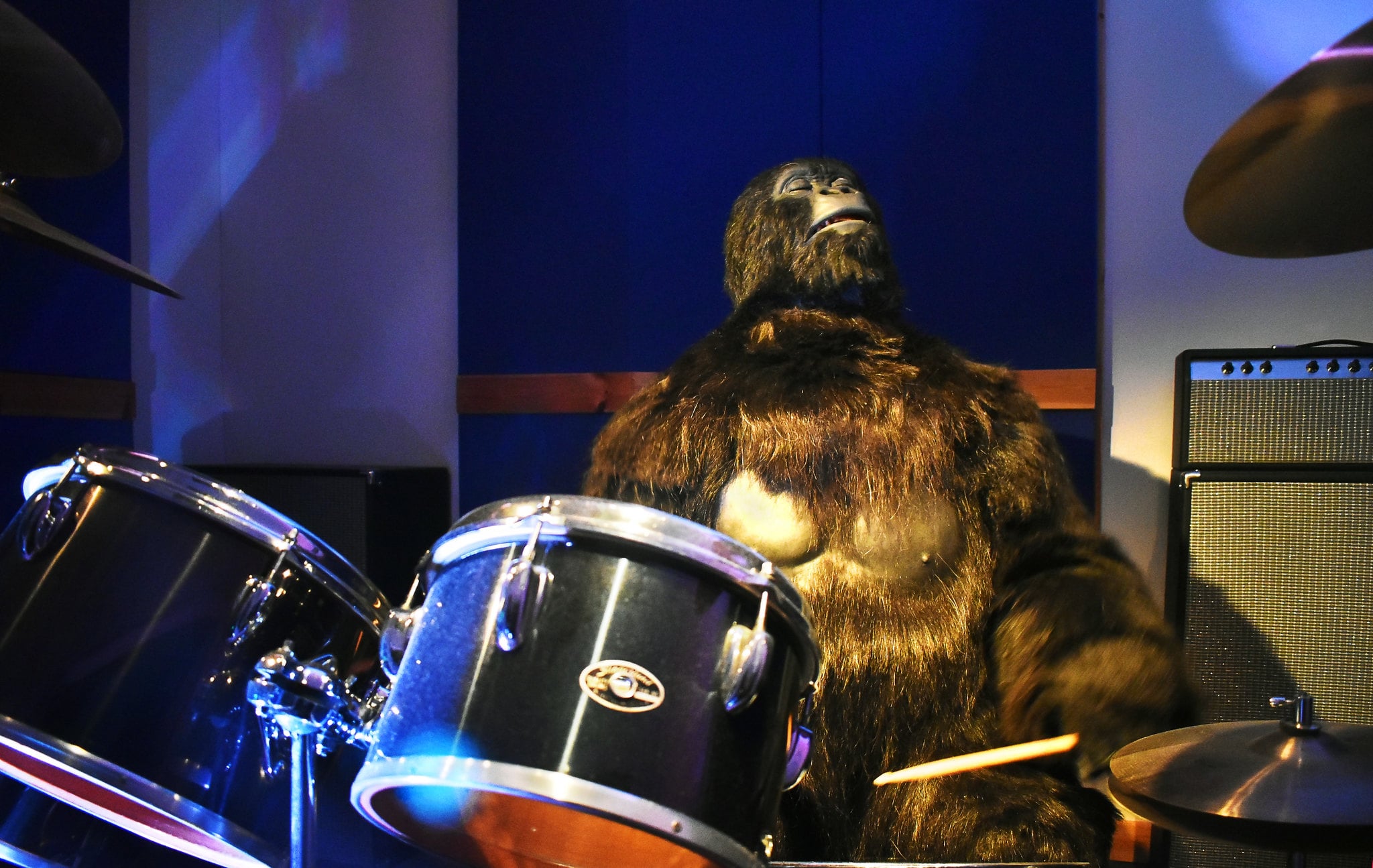
In 2007, a bizarre commercial featuring a gorilla passionately drumming to Phil Collins’ ‘In the Air Tonight’ captivated viewers and sparked endless speculation about its meaning. The strange, storytelling-free approach represented a radical departure from traditional chocolate advertising.
Cadbury revealed the campaign was designed specifically to create conversation rather than directly sell products, resulting in a 10% sales increase and demonstrating the power of prioritizing shareability over conventional marketing messages.
Like Go2Tutors’s content? Follow us on MSN.
The Loch Ness Pod

In 2016, Apple Maps appeared to capture evidence of the Loch Ness Monster in satellite imagery, sending monster hunters and media into a frenzy. The mysterious shape in the water generated global headlines before being revealed as a publicity stunt for the release of the Loch Ness Monster movie ‘The Legend of Barney Thomson.’
This clever exploitation of mapping technology demonstrated how digital platforms could be used to reinvigorate ancient myths for marketing purposes.
The Taco Liberty Bell
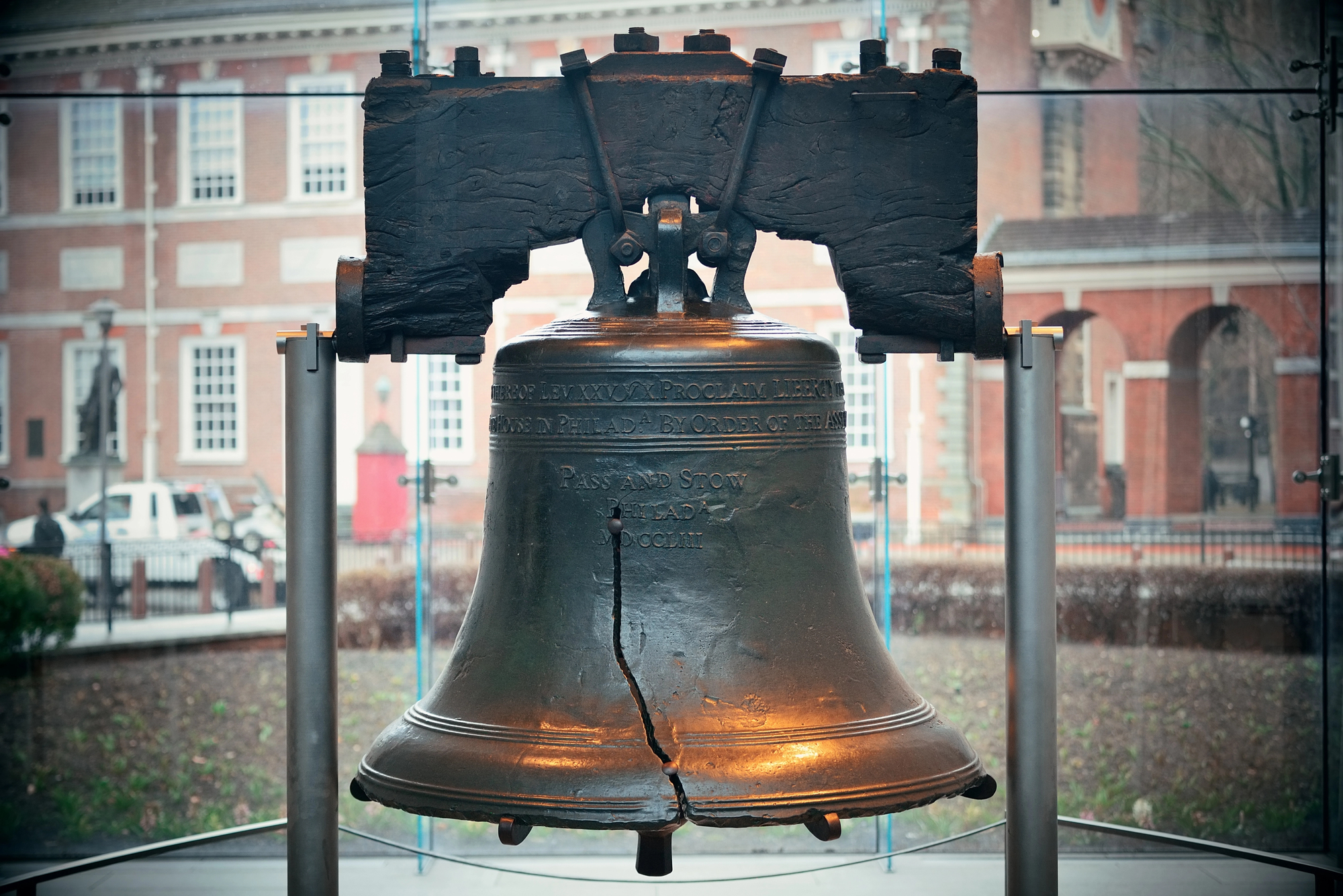
In 1996, Taco Bell announced in major newspaper ads that they had purchased the Liberty Bell to help reduce the national debt and renamed it the ‘Taco Liberty Bell.’ The April Fool’s prank generated massive outrage until the hoax was revealed, with the company enjoying a $1.7 million sales increase in just two days.
Even the White House joined the fun, announcing they would also be selling the Lincoln Memorial to Ford Motor Company.
Netflix’s Fake Protests
To promote the dystopian series ‘Black Mirror,’ Netflix staged fake protests in multiple cities with demonstrators carrying signs reading ‘Death to Technology’ and other anti-tech messages. The apparent grassroots movement generated significant media coverage and social media attention before being revealed as a promotion for the show.
This guerrilla marketing approach effectively embodied the show’s themes while creating real-world intrigue.
Like Go2Tutors’s content? Follow us on MSN.
The Manhattan Apartment Ghostbusting
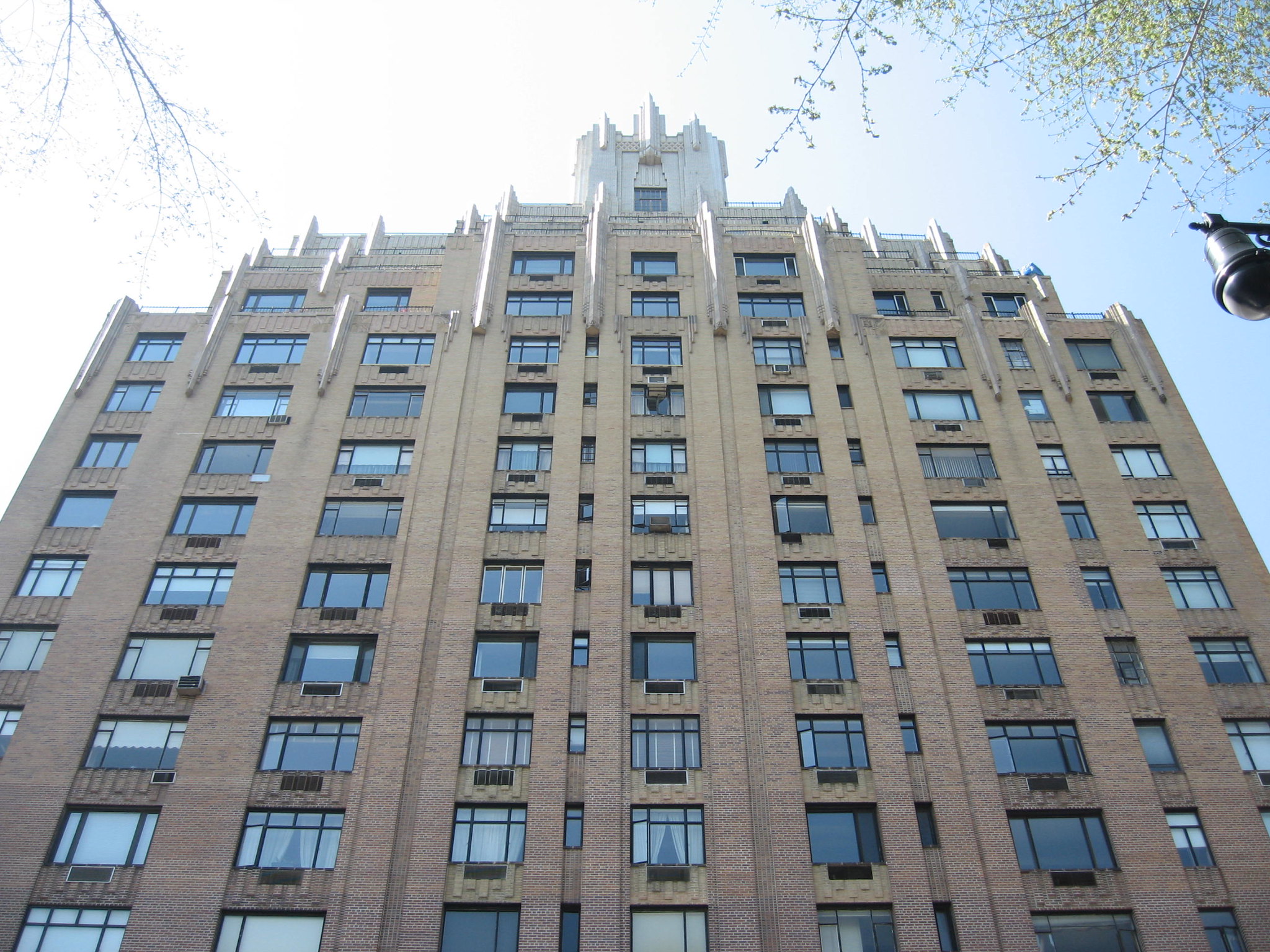
In 2010, a New York Times classified ad described a Manhattan apartment with one unsettling problem—it was haunted by a ghost named Penelope. The ad went viral as readers debated its authenticity, only to discover later it was clever marketing for the video game ‘Dead Space 2.’
The campaign leveraged a traditional media channel to create digital buzz, demonstrating sophisticated cross-platform marketing that felt authentic to increasingly ad-savvy consumers.
The Greatest Job Interview Ever

In 2014, viral videos showed incredible job interviews where candidates faced staged emergency situations—a car accident, a sudden health crisis, and a bullying incident. Those who stopped to help learned they had already ‘passed’ the interview for the position.
The emotional videos were actually sophisticated marketing for insurance company Zenith, generating millions of views and positioning the brand as people-centered without a single mention of insurance products.
The MGM Lion Escape
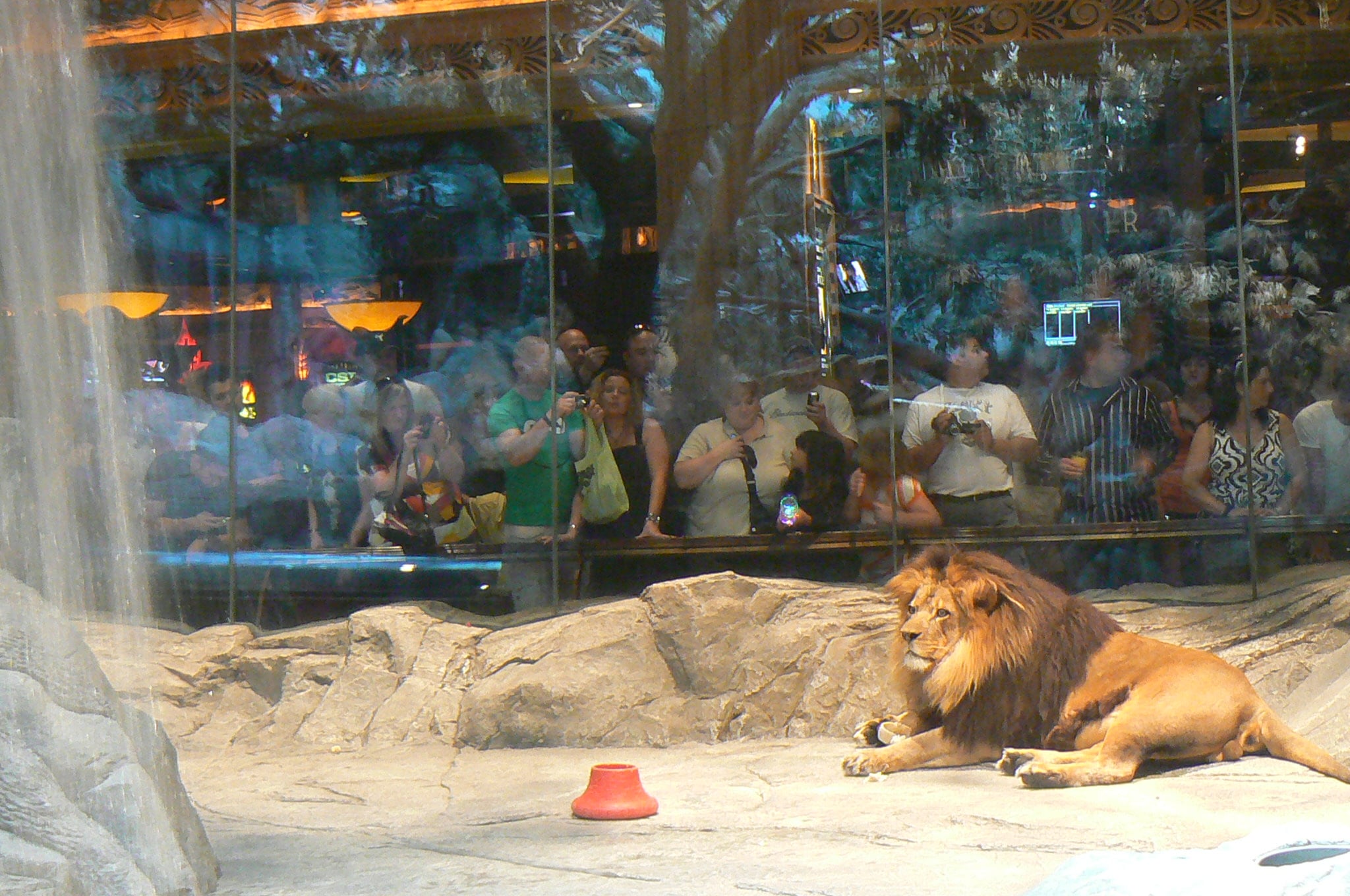
Reports of an MGM lion escaping during a photo shoot in New York spread rapidly across social media platforms in 2012. Supposed eyewitness accounts and photos of the lion wandering through city streets created panic before being revealed as promotion for Revision3’s online show ‘Zoochosis.’
The campaign demonstrated how easily false information could spread and be believed, foreshadowing today’s debates about misinformation.
Like Go2Tutors’s content? Follow us on MSN.
Dead Man’s Switch Bitcoin Stunt
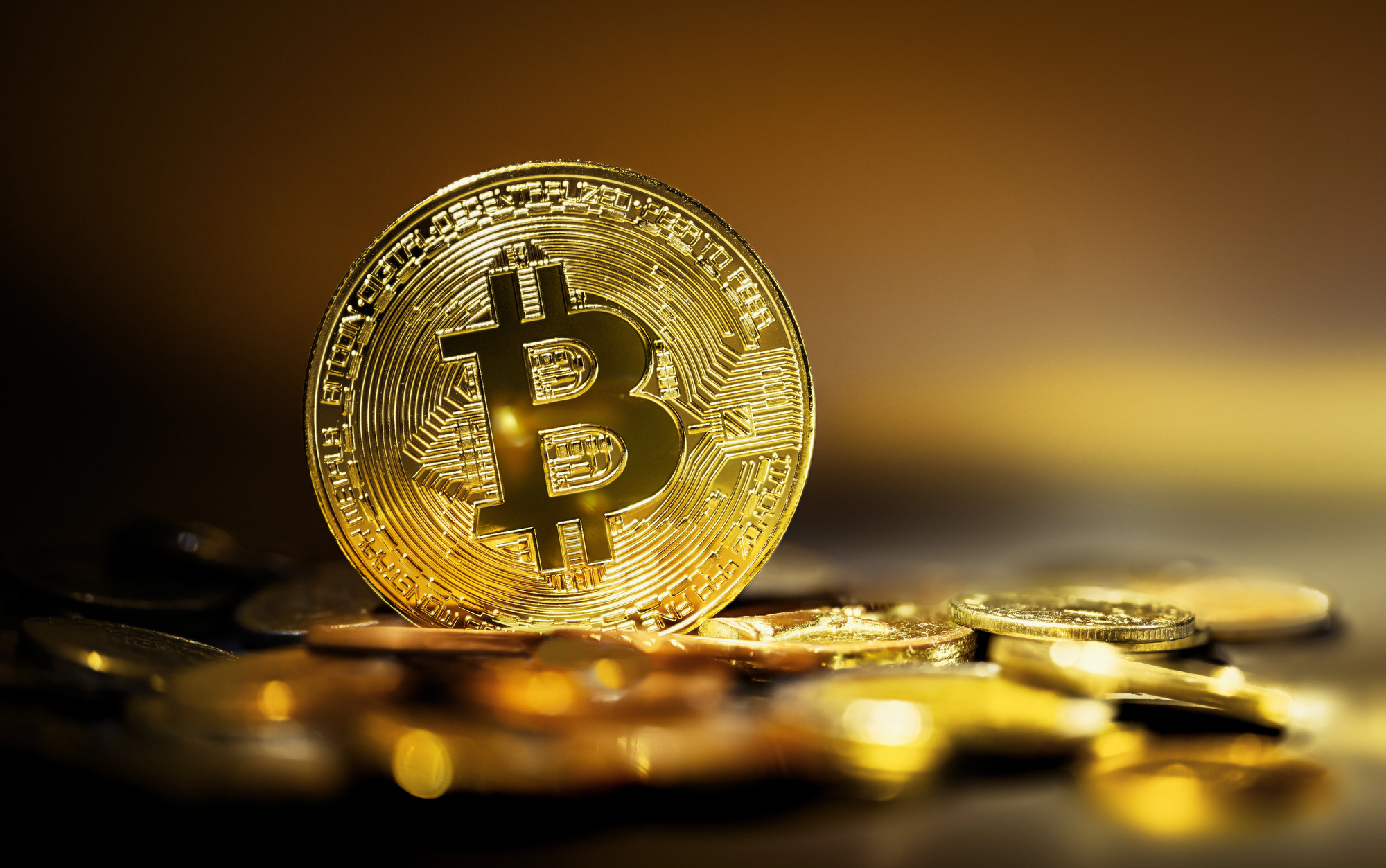
In 2020, millions watched as a supposed dead man’s Bitcoin wallet worth over $60 million began making transactions years after his reported death. The viral mystery captivated cryptocurrency communities before being exposed as an elaborate marketing campaign for a new security protocol.
By tapping into both financial curiosity and human interest in the macabre, the campaign generated massive attention in tech communities.
Half-Court Basketball Shot
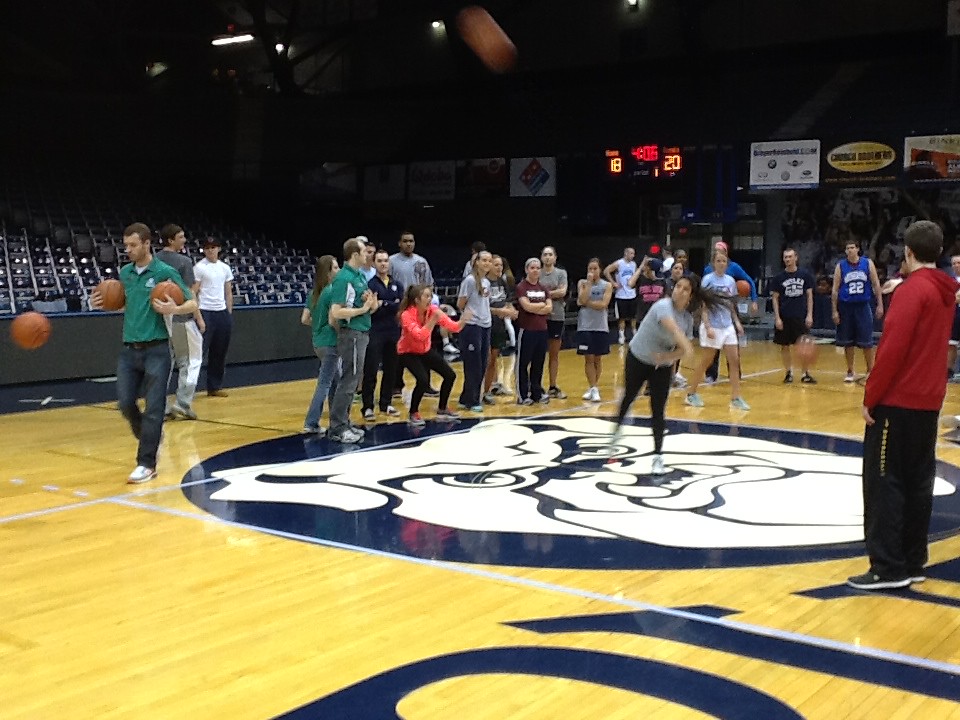
A video of a blindfolded fan hitting an impossible half-court basketball shot to win $100,000 went viral in 2013, appearing on news broadcasts nationwide. The miraculous moment was later revealed as a Pepsi Max commercial, filmed with actors but presented as genuine fan footage.
The campaign demonstrated how brands could create ‘too-good-to-be-true’ moments that media would eagerly amplify without thorough verification.
Lonelygirl15
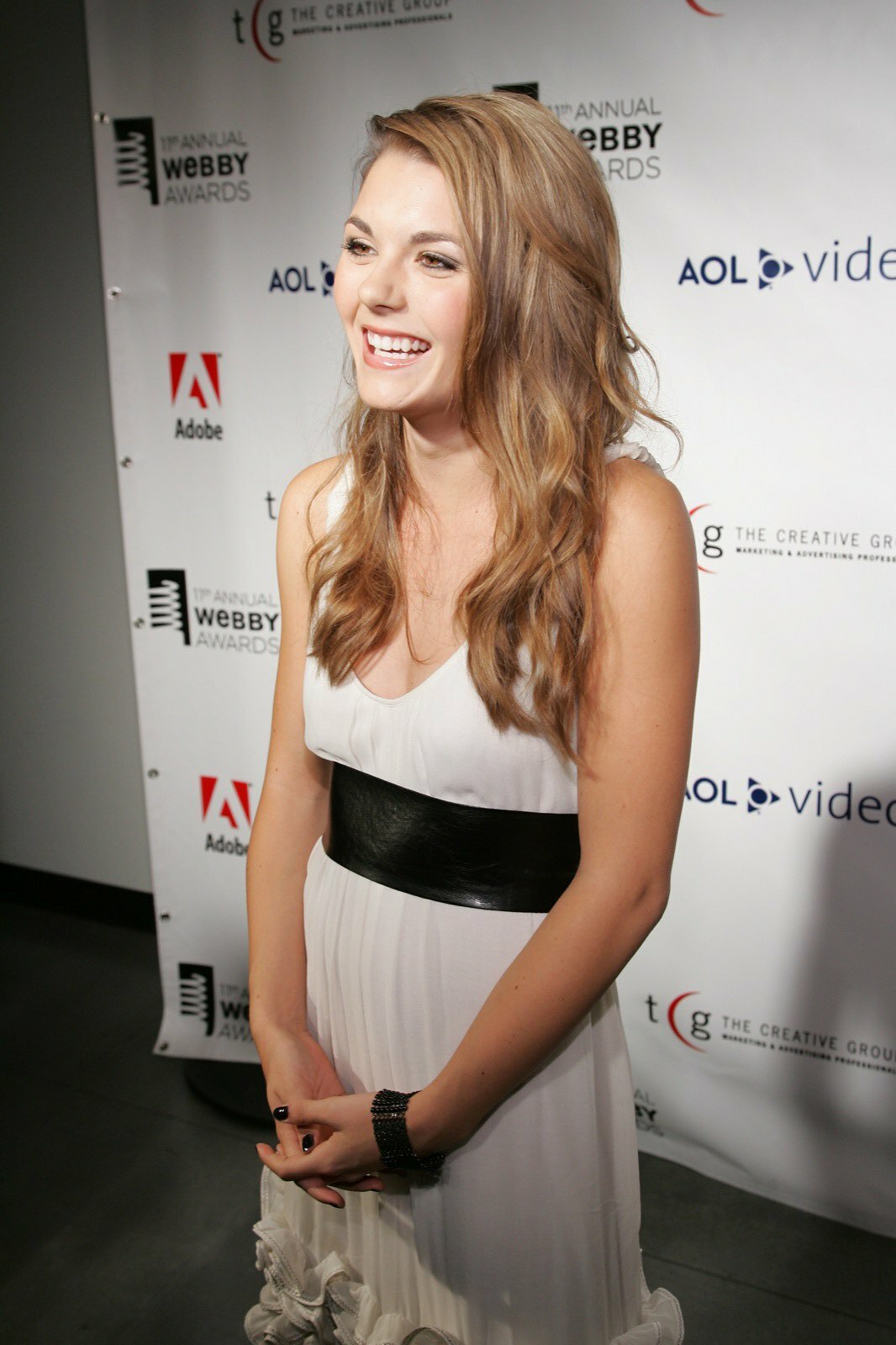
In 2006, a teenage video blogger named Bree became one of YouTube’s earliest stars, sharing seemingly authentic posts about her life. After months of building a dedicated following, she was exposed as an actress in an elaborate storytelling project with commercial aspirations.
The revelation sparked discussions about online authenticity and pioneered the concept of narrative marketing through social media personalities that now dominate influencer culture.
Like Go2Tutors’s content? Follow us on MSN.
The Reality Behind Viral Content
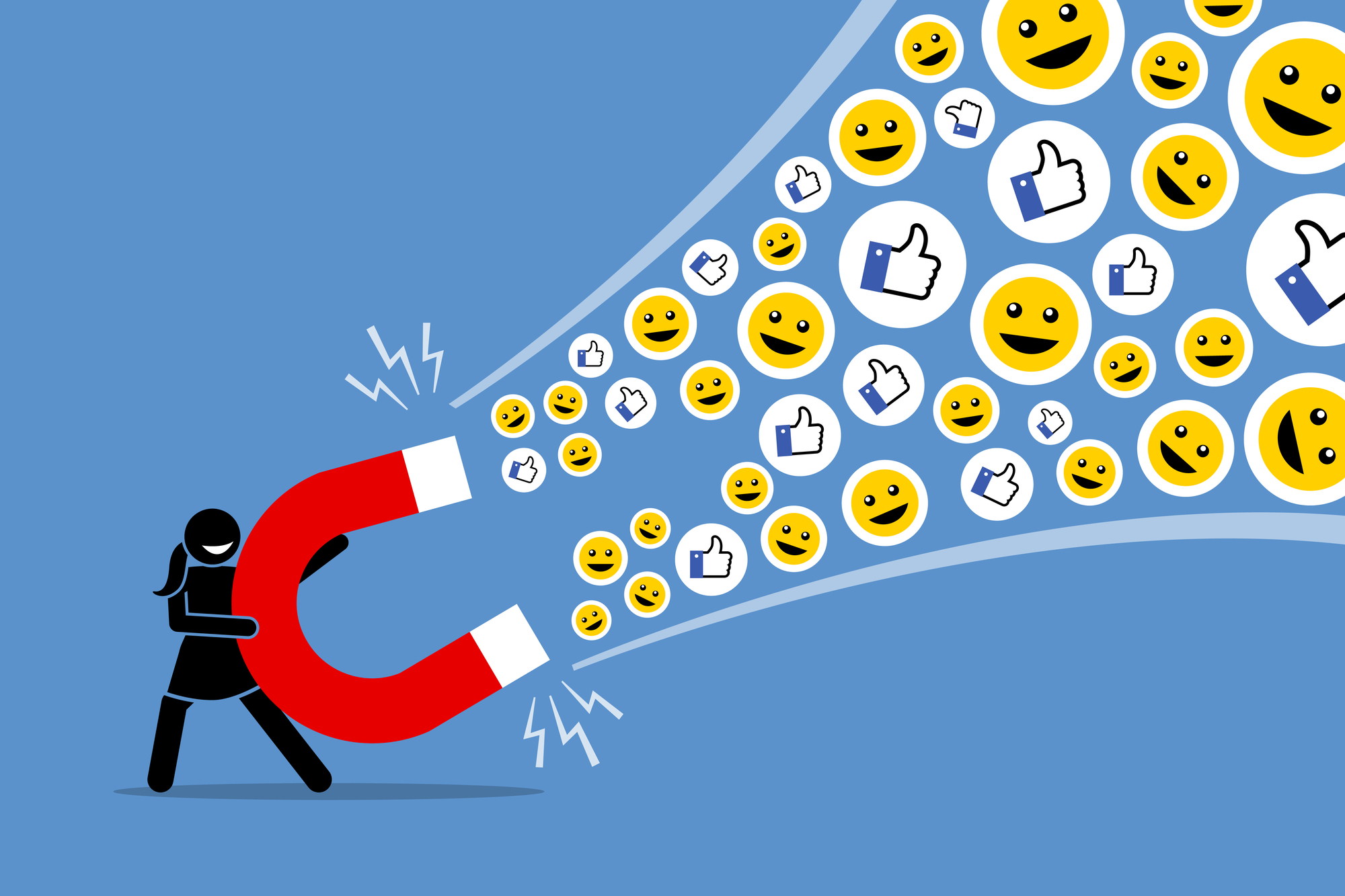
These 18 examples reveal the sophisticated machinery often hiding behind seemingly organic viral moments. As marketing continues evolving beyond traditional advertising channels, consumers face increasing challenges in distinguishing genuine news from brand-engineered content.
While some of these campaigns represent creative storytelling, others raise important questions about media literacy and information authenticity in our interconnected world where attention itself has become the most valuable currency.
More from Go2Tutors!

- 18 Unexpectedly Valuable Collectibles You Might Have Lying Around
- 20 Little-Known Historical Battles That Had Huge Consequences
- 20 Historical Artifacts That Scientists Can’t Explain
- 15 Inventions That Were Immediately Banned After Being Created
- 20 Actors Who Were Almost Cast in Iconic Roles
Like Go2Tutors’s content? Follow us on MSN.