18 Behind-the-Scenes Disasters That Almost Ruined Famous Films
The magic of cinema often hides the chaotic reality of filmmaking. At the same time, audiences see polished final products, while cast and crew frequently battle catastrophes that threaten to derail entire productions.
These near-misses reveal just how precarious the filmmaking process can be, even for Hollywood’s biggest blockbusters. Here is a list of 18 behind-the-scenes disasters that nearly stopped these famous films from ever reaching theaters.
Jaws
Steven Spielberg’s mechanical shark rarely worked properly in saltwater, forcing the director to reimagine his entire approach to the film. The 55-day shoot ballooned to 159 days as the crew struggled with a malfunctioning star that sank to the ocean floor on its first day.
This technical disaster inadvertently created the film’s tension through implied danger rather than explicit shark scenes, ultimately making the movie more frightening.
Apocalypse Now
Francis Ford Coppola’s Vietnam epic faced a typhoon that destroyed expensive sets, leading actor Martin Sheen suffered a heart attack, and the Philippine government regularly reclaimed helicopters mid-shoot for actual military operations. The production went so catastrophically over schedule and budget that Coppola mortgaged his home and vineyard, risking personal bankruptcy to complete the film.
What began as a 16-week shoot stretched into a 16-month nightmare that nearly broke the director mentally and financially.
Titanic
James Cameron’s epic ran so dramatically over budget that Fox executives demanded significant cuts to the three-hour film, which the director flatly refused. Cast and crew members fell ill after someone laced the crew’s lobster chowder with PCP, sending 50 people to the hospital during a critical shooting period.
The film that nearly drowned its studio financially went on to become the highest-grossing movie of all time upon its release.
The Wizard of Oz
The original Tin Man actor, Buddy Ebsen, was hospitalized after aluminum powder from his makeup entered his lungs, forcing a complete recasting of the role. Margaret Hamilton, who played the Wicked Witch, suffered severe burns when a trapdoor special effect malfunctioned, while the flying monkeys repeatedly crashed to the ground as their piano wire harnesses broke.
The troubled production barely made it to the finish line, only to perform modestly at the box office before becoming a beloved classic decades later.
Mad Max: Fury Road

The production relocated from Australia to Namibia due to unexpected rainfall, which turned the desert into a flower-filled landscape unsuitable for a post-apocalyptic wasteland. Stars Tom Hardy and Charlize Theron clashed intensely throughout filming, barely speaking to each other off-camera as the shoot dragged on for eight months in harsh desert conditions.
George Miller’s vision survived endless production challenges to become one of the most acclaimed action films of the century.
The Exorcist
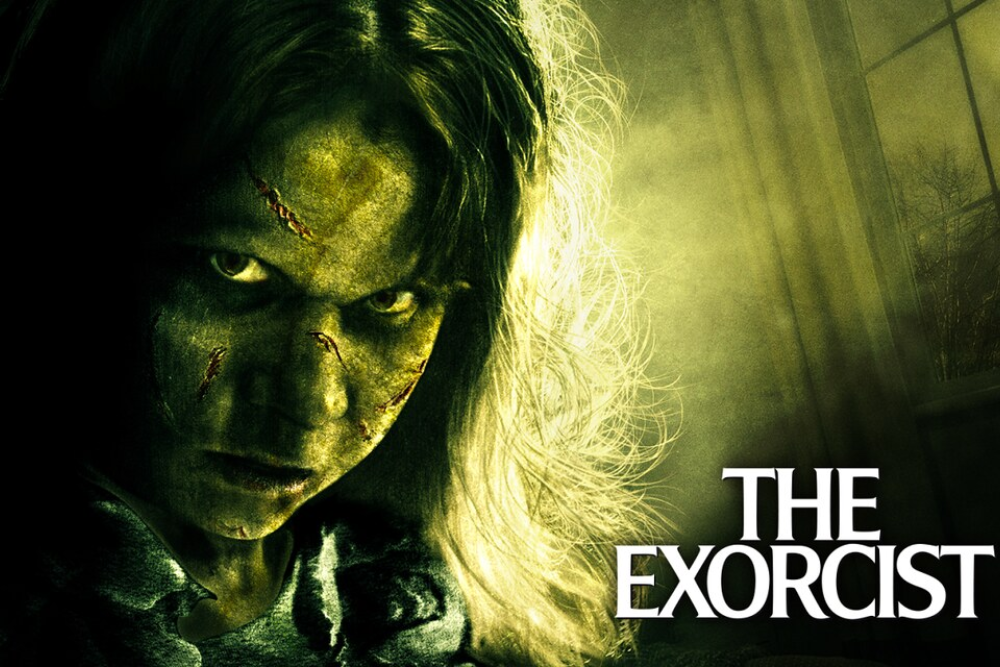
A mysterious fire destroyed the set of Regan’s bedroom, causing a six-week production delay while the only element left untouched was the demon-possessed character’s bed. Multiple actors suffered serious injuries, including Ellen Burstyn’s permanent spinal damage from a stunt gone wrong.
The notoriously troubled production, complete with reports of unusual accidents and phenomena on set, only enhanced the film’s terrifying reputation upon release.
Waterworld
Flickr/Grufnik
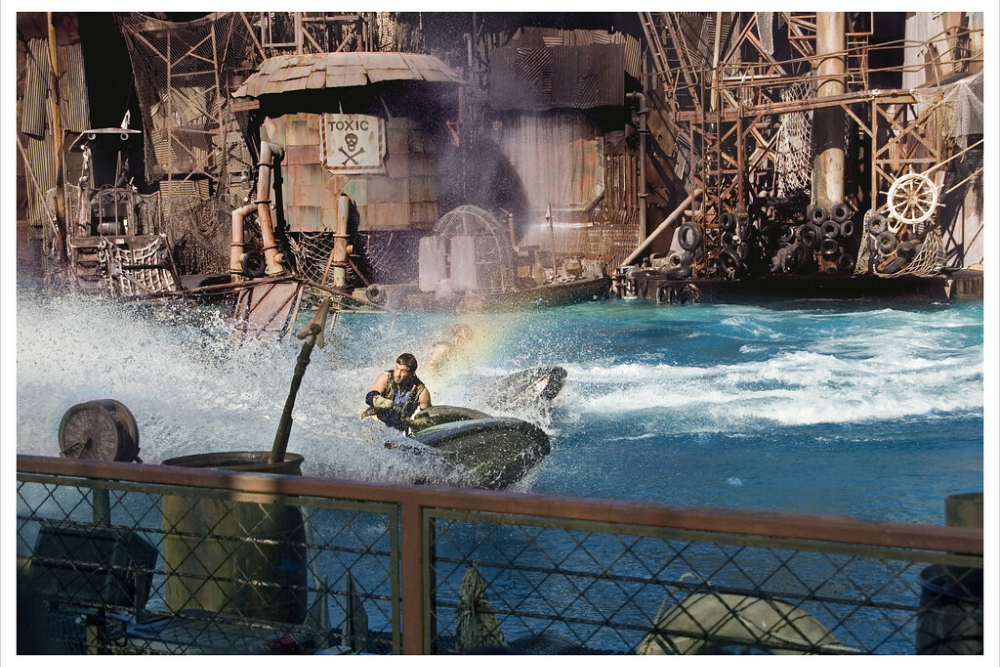
Kevin Costner’s post-apocalyptic aquatic adventure saw its floating set destroyed by a hurricane, adding tens of millions to the already-bloated budget. The star nearly died when caught in a squall while tied to the mast of a trimaran for a stunt sequence.
The film that was mockingly called ‘Fishtar’ before release became the most expensive movie ever made at that time, though it eventually turned a modest profit through international release and home video.
The Revenant
Leonardo DiCaprio and the crew endured hypothermia-inducing conditions in remote Canadian and Argentine locations as temperatures plunged to -40 degrees. The production lost its crucial snow when unexpected warming hit Alberta, forcing the entire shoot to relocate to the southern hemisphere to chase winter conditions.
Alejandro Iñárritu’s insistence on shooting only with natural light in remote locations pushed crew members to their breaking point, with many quitting mid-production.
The Island of Dr. Moreau
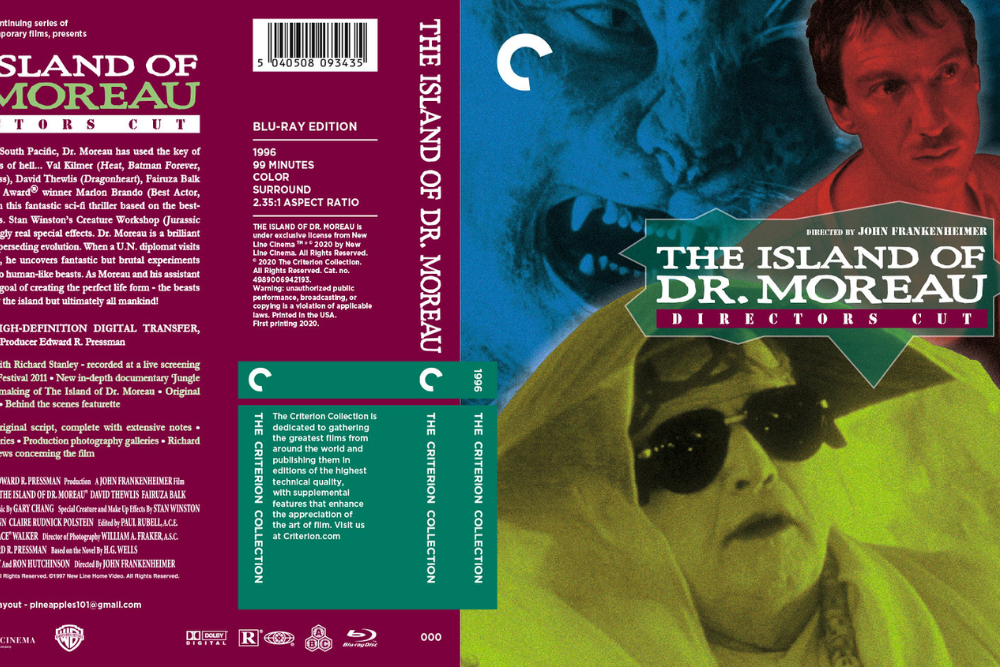
Original director Richard Stanley was fired three days into shooting, star Marlon Brando showed up extremely overweight and refused to learn his lines, and replacement director John Frankenheimer dealt with constant script rewrites and tropical storms. Val Kilmer, amid a divorce, demanded a 40% reduction in his shooting days, forcing entire script sections to be reconceived at the last minute.
The chaotic production resulted in one of the most notorious film disasters of the 1990s.
World War Z
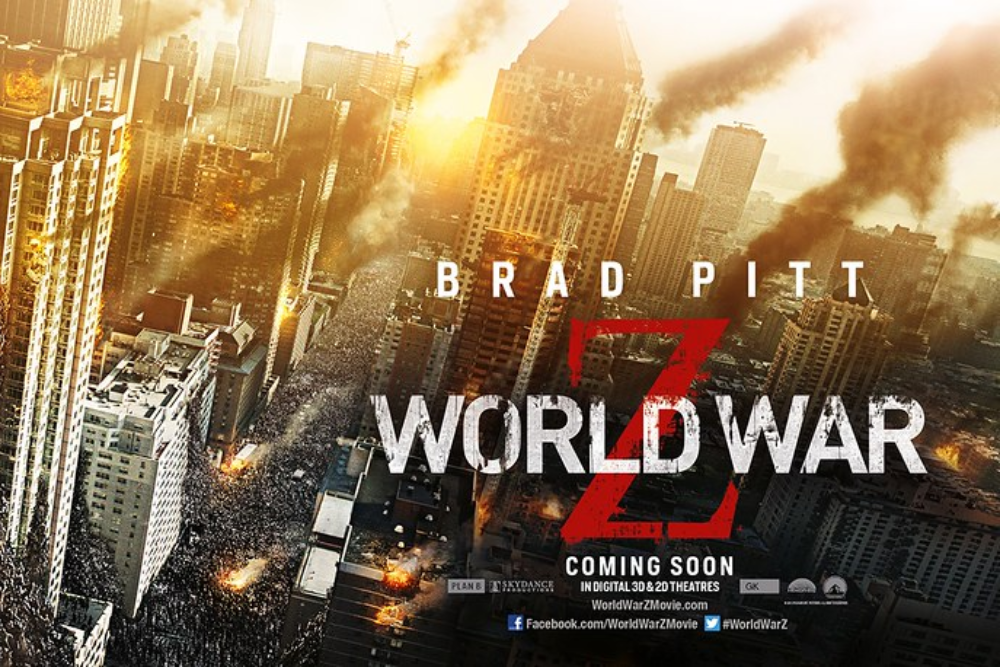
The original third act of this zombie thriller was scrapped entirely after test audiences rejected it, requiring an unprecedented 40 minutes of the film to be reshot at an enormous expense. The budget exploded from $125 million to over $200 million as entire sequences filmed in Budapest were abandoned and rewritten from scratch.
Paramount’s biggest-budgeted film ever survived its production woes to become a surprise hit, though the planned sequel never materialized.
Back to the Future
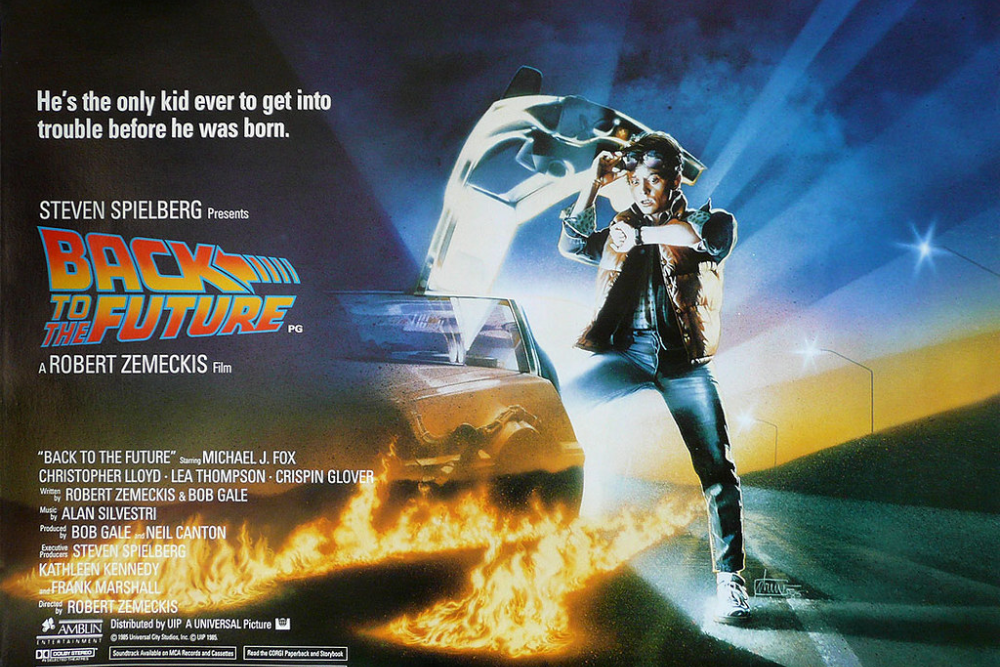
The film was shot for six weeks with Eric Stoltz as Marty McFly before producers made the costly decision to recast Michael J. Fox and reshoot every scene. The tight schedule forced Fox to film the Family Ties sitcom during the day and Back to the Future at night, averaging five hours of sleep for months.
The movie that seemed destined for disaster became one of the most successful and beloved films of the decade.
The Man Who Killed Don Quixote
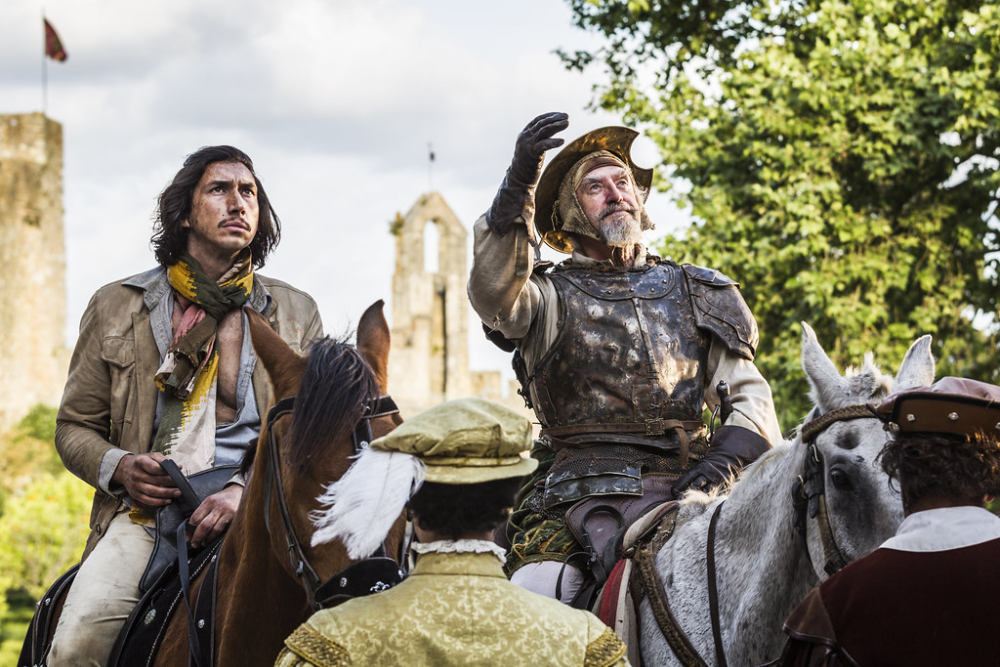
Terry Gilliam’s cursed project suffered flash floods that washed away equipment, military jets flying overhead ruining audio during crucial scenes, and lead actor Jean Rochefort suffering a herniated disc that made horseback riding impossible. The production collapsed entirely after just six days of filming, only to be resurrected and abandoned multiple times over a 29-year period before finally being completed with an entirely different cast.
The film that inspired the documentary ‘Lost in La Mancha’ about its catastrophic original production became legendary for its troubles long before anyone saw the finished product.
Twilight Zone: The Movie
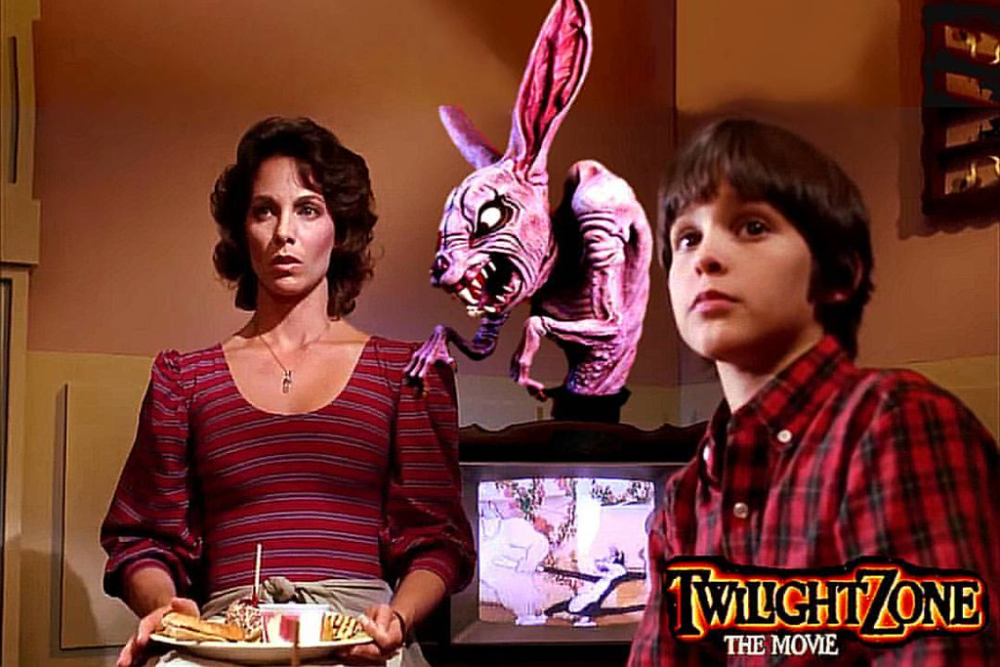
The most tragic production disaster occurred when a helicopter crash killed actor Vic Morrow and two child actors during a Vietnam sequence being shot illegally at night with the children working without permits. The deadly accident led to years of manslaughter trials, major safety reforms in Hollywood, and the end of director John Landis’s relationship with Steven Spielberg.
The film was eventually completed and released, though the segment involved was heavily edited to work around the missing footage.
Heaven’s Gate

Michael Cimino’s notorious western went so catastrophically over budget that it financially ruined United Artists studio and ended the director-driven era of 1970s Hollywood. The perfectionist director demanded dozens of takes for even minor scenes, built and rebuilt entire sets to adjust their size by inches, and fell five days behind schedule on the very first day of shooting.
The film that cost a then-astronomical $44 million earned less than $3.5 million at the box office.
The Abyss
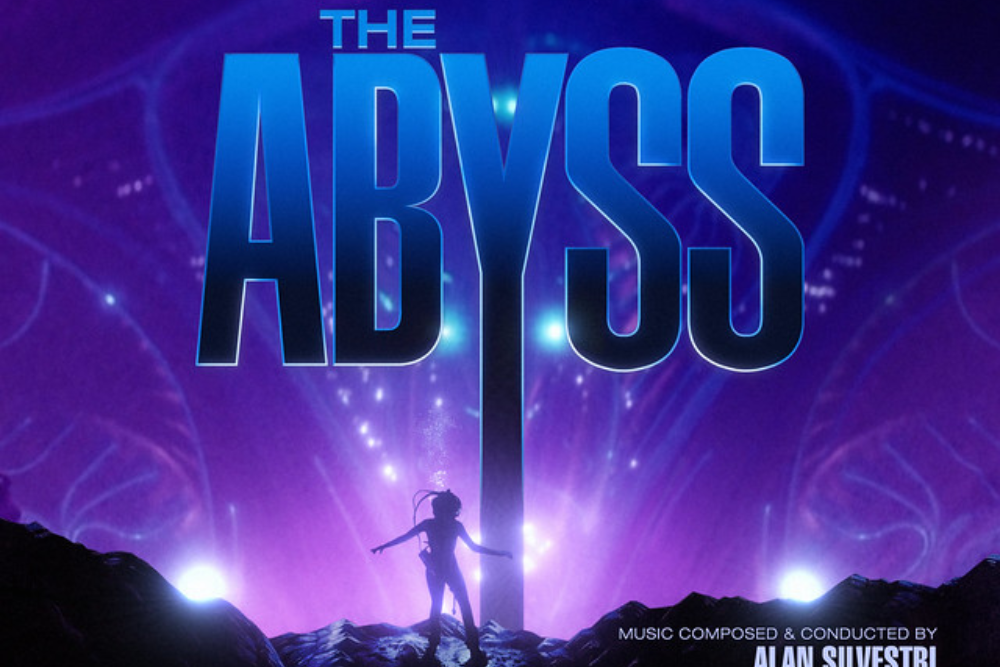
James Cameron’s underwater epic required actors to spend hours submerged in a flooded nuclear reactor facility, with Ed Harris nearly drowning during one incident. Mary Elizabeth Mastrantonio had a physical breakdown after a particularly grueling resuscitation scene requiring multiple takes, walking off set crying, ‘We are not animals!’
The technical challenges of creating realistic underwater sequences with 1989 technology pushed the cast, crew, and budget to breaking points.
Fantastic Four (2015)
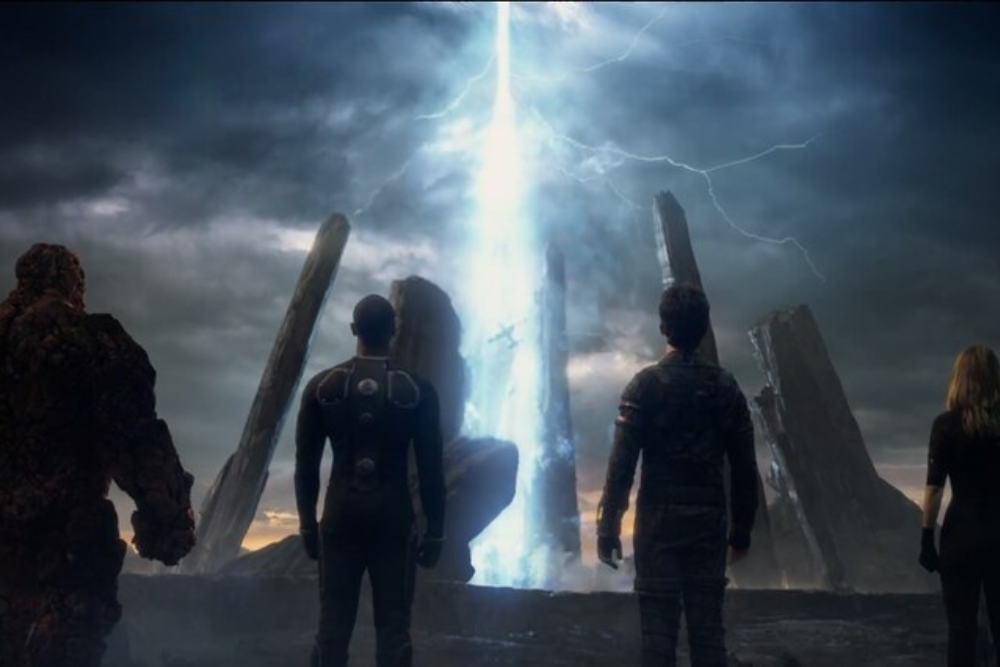
Director Josh Trank allegedly exhibited erratic behavior on set, including nearly coming to blows with star Miles Teller and isolating himself in a tent with blacked-out sides where he would issue directions. The studio ordered extensive reshoots, creating a visibly disjointed final product where Kate Mara’s wig changes appearance between scenes after her hair had been cut for another role.
The troubled production resulted in a box office disaster that killed the franchise and damaged multiple careers.
Cleopatra
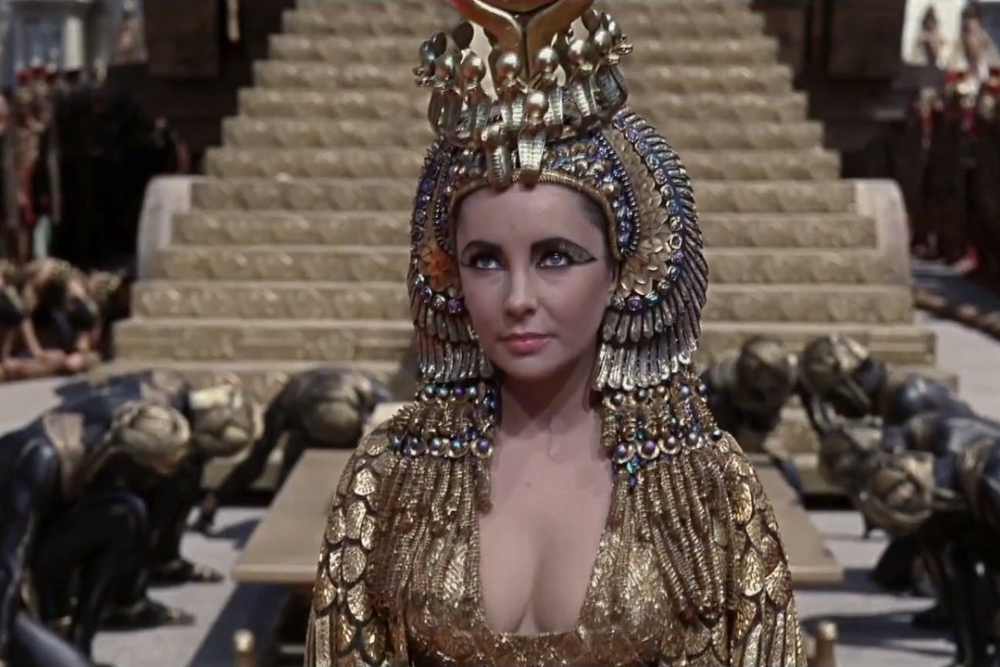
This historical epic ran so dramatically over budget that it nearly bankrupted 20th Century Fox, which had to sell a portion of its backlot (now Century City in Los Angeles) to stay afloat. Elizabeth Taylor almost died from pneumonia during production, forcing a location change from London to Rome and the reconstruction of enormous sets.
The film’s budget ballooned to the equivalent of $350 million in today’s dollars, making it proportionally one of the most expensive movies ever made.
The Shining
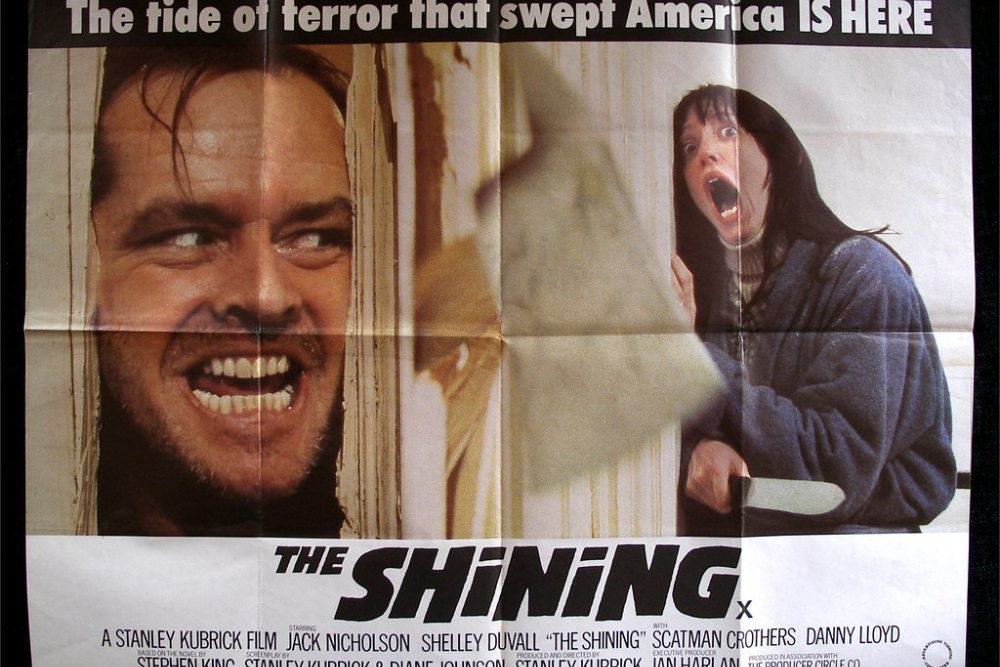
Stanley Kubrick’s perfectionism led to a record-setting 127 takes for a single scene of Shelley Duvall entering a room with a baseball bat. Kubrick deliberately created a hostile environment for Duvall to enhance her performance, leading to such extreme stress that her hair began falling out during the year-long shoot.
The director’s obsessive approach nearly broke his actors but resulted in one of the most meticulously crafted horror films ever made.
When Production Mayhem Creates Movie Magic
These filmmaking catastrophes reveal the thin line between disaster and triumph in Hollywood. While some troubled productions collapsed under their challenges, others transformed chaos into unexpected creative success.
The films that survived these near-fatal disasters often became classics precisely because filmmakers found innovative solutions to seemingly impossible problems. Perhaps cinema’s most impressive special effect is the minor miracle that some of these movies exist at all.
More from Go2Tutors!

- The Romanov Crown Jewels and Their Tragic Fate
- 13 Historical Mysteries That Science Still Can’t Solve
- Famous Hoaxes That Fooled the World for Years
- 15 Child Stars with Tragic Adult Lives
- 16 Famous Jewelry Pieces in History
Like Go2Tutors’s content? Follow us on MSN.



