16 Everyday Items from the Roman Empire vs. How They Look Today
The Romans weren’t just building aqueducts and conquering territories. They were brushing their teeth, writing letters, and arguing about politics over dinner — using tools and objects that would look surprisingly familiar to anyone walking through a modern home.
Sure, the materials have changed and the manufacturing has gotten more sophisticated, but the basic human needs that drove Roman innovation remain exactly the same. The remarkable thing isn’t how different their world was from ours, but how many of their everyday solutions we’re still using, just dressed up in new materials and improved engineering.
Oil Lamps
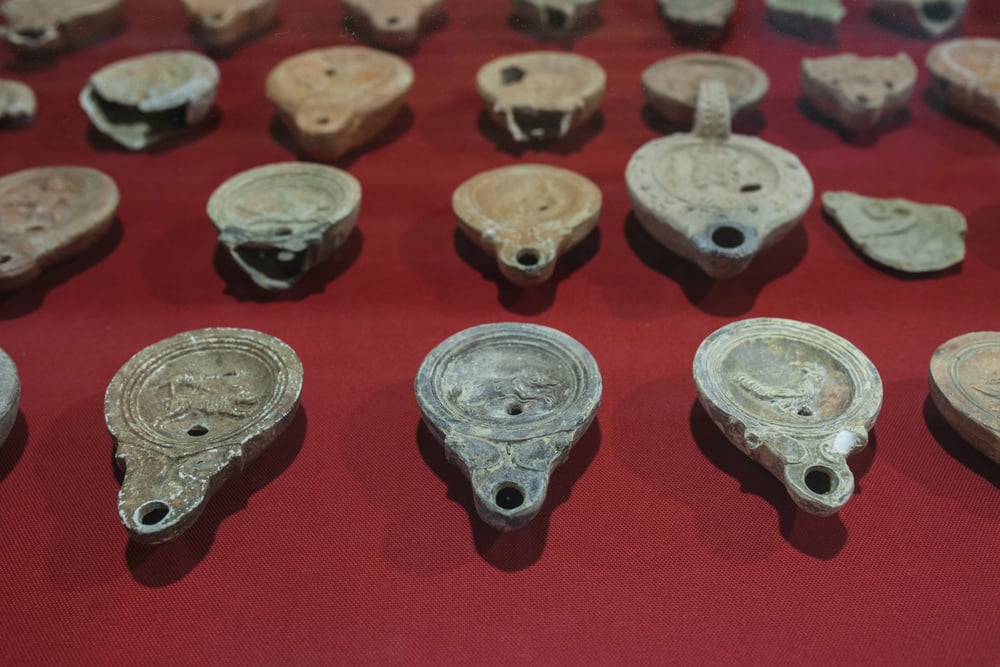
Romans lit their homes with small clay oil lamps. Olive oil went in, a wick came out.
Simple mechanics that worked exactly as expected. Modern lighting runs on electricity instead of oil.
The bulb replaces the flame, but the basic concept hasn’t budged — contained energy source, controlled release of light.
Keys and Locks
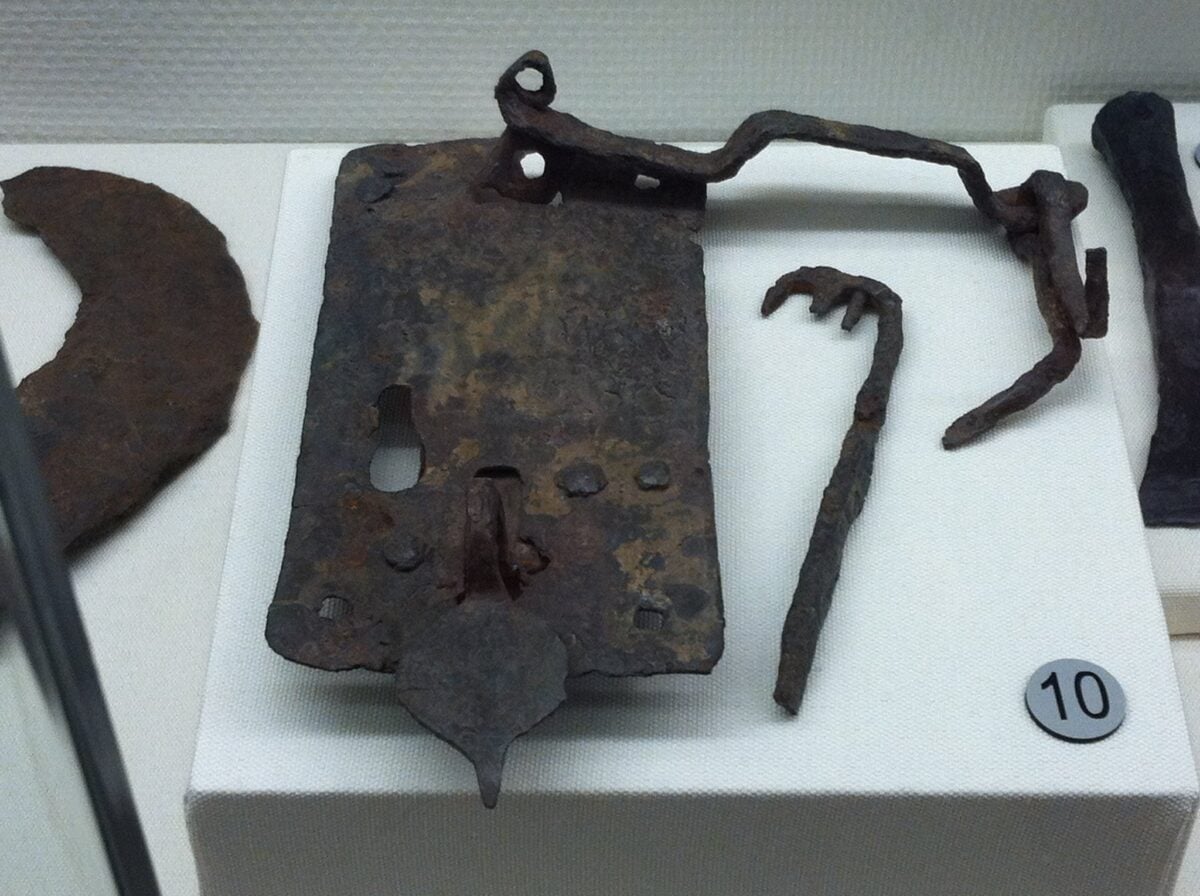
Roman locksmiths created bronze and iron keys that operated pin tumbler locks (and yes, they invented those too, because Romans apparently couldn’t leave anything unsecured). The keys were often worn as rings — practical and impossible to misplace, which is more than most people can say about their car keys.
And here’s where things get interesting: the fundamental mechanism inside your front door lock operates on the exact same principle those Roman locksmiths figured out two thousand years ago. The materials have improved — steel instead of bronze, precision manufacturing instead of hand-forging — but when you slide your key into the lock and turn it, the pins falling into place are doing exactly what Roman pins did.
Modern smart locks and electronic systems are certainly more sophisticated, but even those are often backup systems for a mechanical lock that would make perfect sense to a Roman locksmith (once you explained what steel was). The Romans just couldn’t bring themselves to leave anything simple: their keys often doubled as rings, and the wealthy had elaborate decorative designs worked into the metal.
But underneath the ornamentation, it’s the same technology you used to get into your house this morning.
Toothpicks
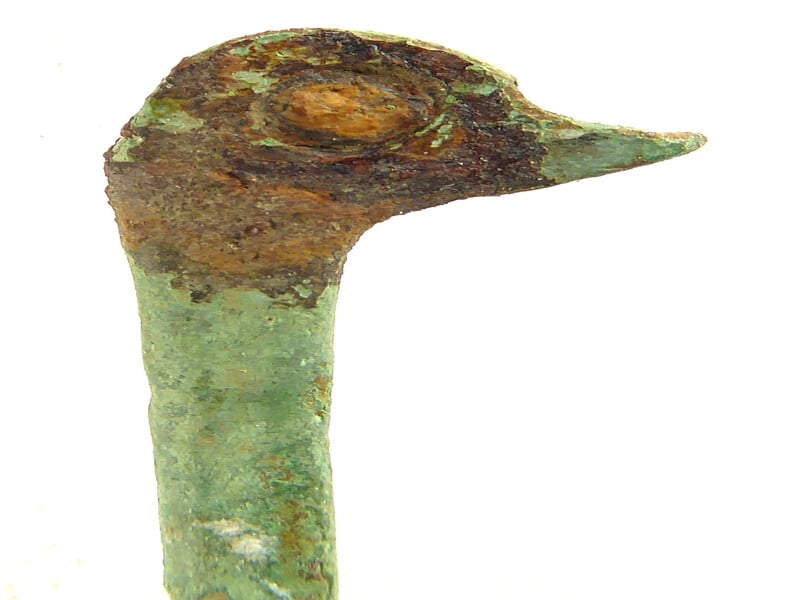
There’s something almost stubborn about a tool that refuses to evolve. Roman toothpicks were small, pointed pieces of wood or bronze.
Two thousand years later, toothpicks are still small, pointed pieces of wood. They’ve found elaborately decorated bronze ones in Roman ruins — because apparently even dental hygiene was an opportunity for status signaling.
The modern version might be mass-produced instead of hand-carved, and you can get them in different woods or with flavoring, but the essential engineering hasn’t changed. A pointed stick that fits between teeth.
Sometimes the best solution is also the most obvious one.
Writing Tablets
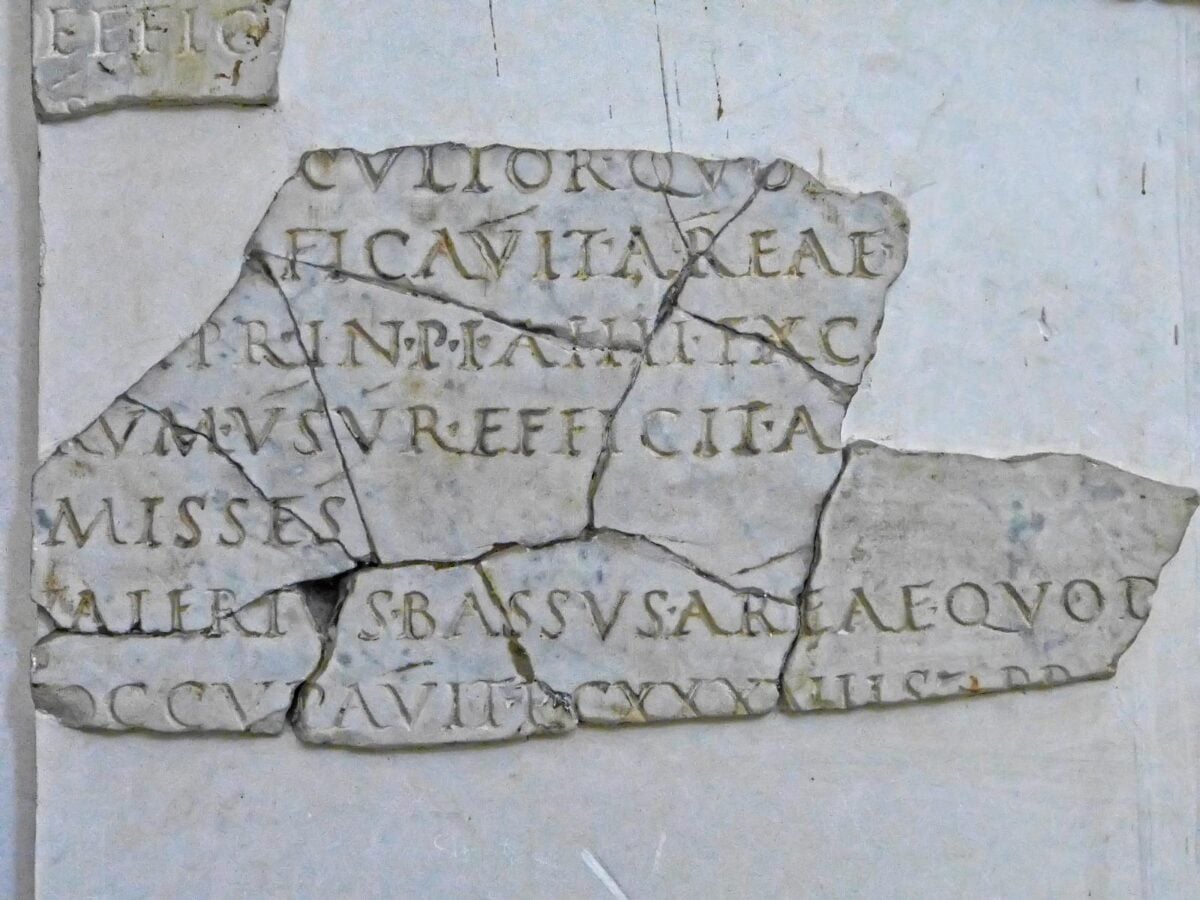
Romans wrote on wax-covered wooden tablets using a bronze stylus. Press the pointed end into the wax to write, flip it around and use the flat end to erase.
Reusable, portable, and completely practical for notes, calculations, or keeping track of daily business. The iPad sitting on your desk operates on exactly the same principle.
Touch the surface to write, tap to erase, use it over and over again. The materials have shifted from wax and wood to glass and silicon, and the stylus connects through sensors instead of physical pressure, but the fundamental concept remains unchanged.
A flat surface you can write on temporarily, erase completely, and use again immediately. Even the modern Apple Pencil has the same flip-it-around functionality — tap the barrel to switch tools, just like flipping a Roman stylus to access the eraser end.
Dice
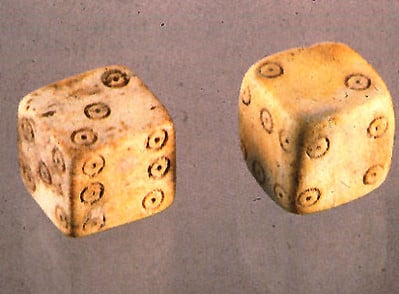
Roman dice were carved from bone, stone, or ivory into perfect cubes with dots arranged exactly the way modern dice arrange them. Opposite sides added up to seven.
Six games of chance worked the same way then as now. Modern dice are injection-molded plastic instead of carved bone.
The materials changed, the mathematics didn’t. Romans were apparently just as interested in leaving things up to chance as anyone scrolling through a gambling app today.
Sandals
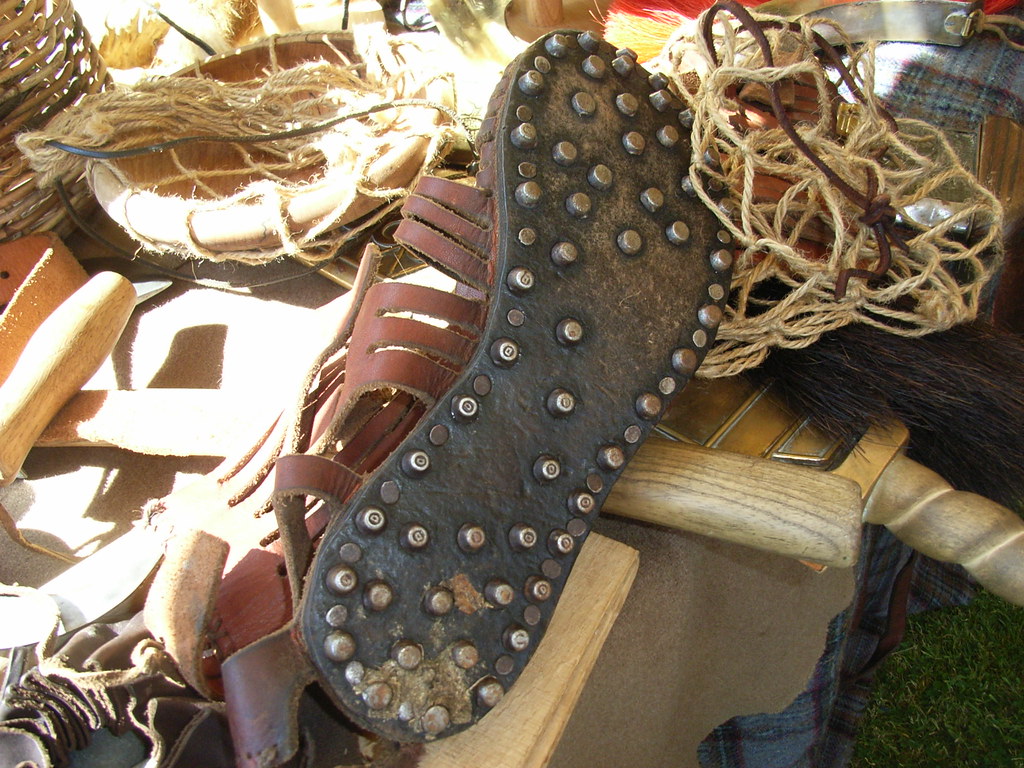
Roman sandals consisted of a leather sole held to the foot with straps. Multiple strap configurations existed — some wrapped around the ankle, others stayed closer to the toes.
The wealthy had more elaborate designs, but the basic engineering remained consistent: protect the bottom of the foot while allowing airflow. Today’s sandals use synthetic materials and improved sole technology, but the fundamental approach hasn’t shifted.
Rubber or foam soles, nylon or leather straps, same basic attachment points to the foot. The Birkenstock sitting by your door would make perfect sense to a Roman — better materials, identical concept.
Spoons and Ladles
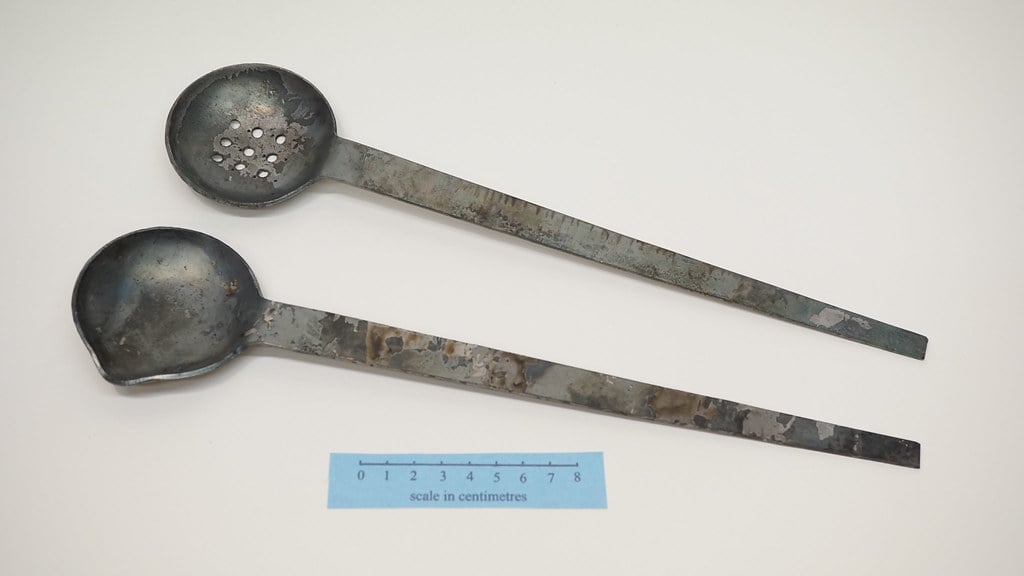
Romans ate with spoons made from wood, bronze, or silver. The bowl shape held liquid, the handle provided leverage and distance from heat.
Ladles were simply larger spoons for serving — bigger bowl, longer handle, same mechanics. Modern spoons are typically stainless steel instead of bronze, with more precise manufacturing and consistent sizing.
But the shape remains essentially unchanged because the shape works. You still hold the handle, the bowl still holds the soup. Some problems solved themselves correctly the first time.
Medical Forceps
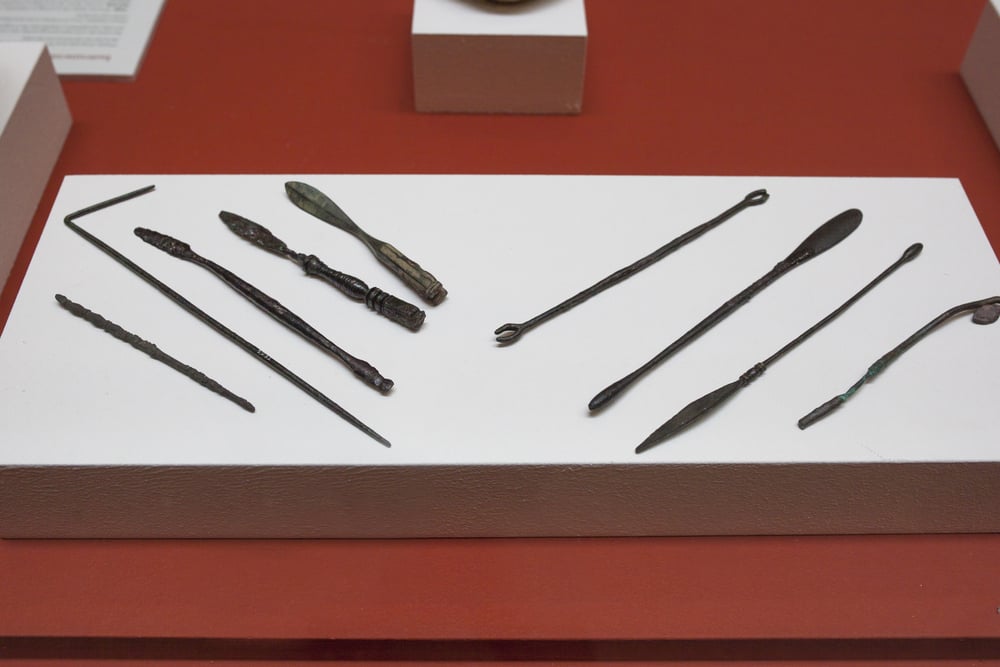
Roman surgeons used bronze forceps to grip, hold, and extract during medical procedures. Two arms connected at a pivot point, squeeze to close, release to open.
The basic design handled everything from splinter removal to major surgery. Modern forceps are made from surgical steel with improved precision and sterilization capabilities, but the fundamental mechanism is identical.
Two arms, one pivot, controlled grip pressure. Roman forceps found in archaeological sites look remarkably similar to instruments still used in operating rooms today. The engineering was sound from the beginning.
Hair Pins
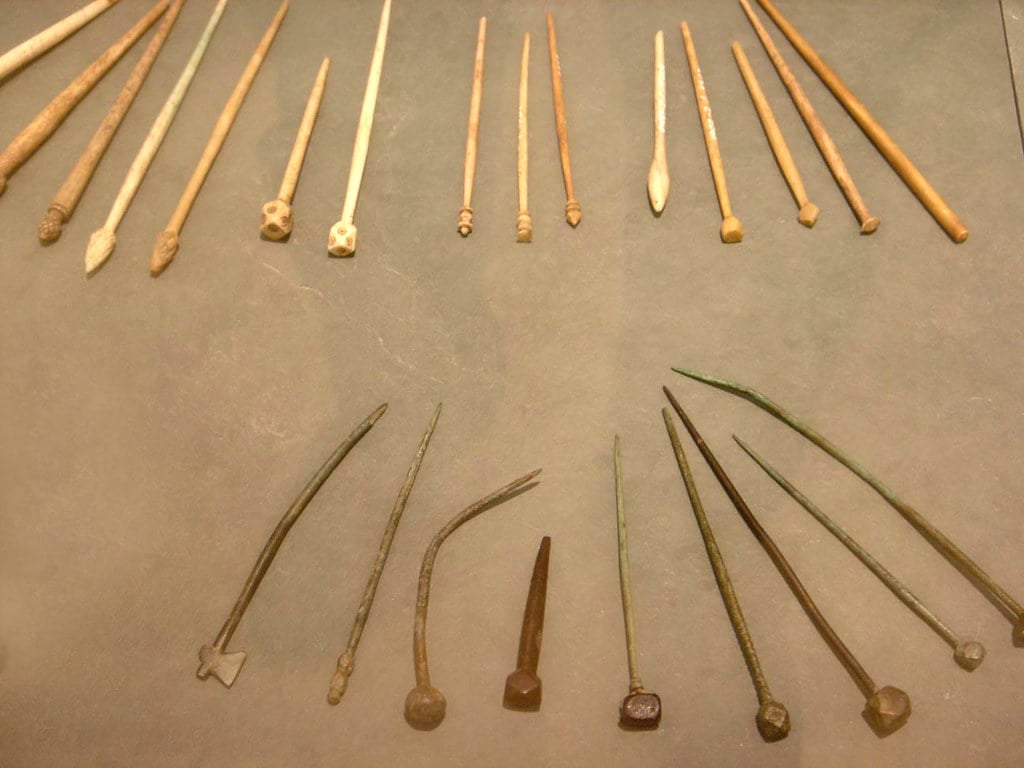
Roman women (and men) held their hair in place with bronze, bone, or ivory pins. Long, thin pieces with decorative heads that slid through arranged hair and held it secure.
The wealthy had elaborate designs worked into the heads, but the functional end remained simple — a straight pin that friction held in place. Modern hair pins are typically made from plastic or coated metal, but the mechanics haven’t changed.
Bobby pins add a bent shape for better grip, but traditional hair pins still work exactly the way Roman versions did. A long, thin piece that slides through hair and stays put through friction.
The decorative possibilities have expanded, but the basic engineering remains the same.
Bells
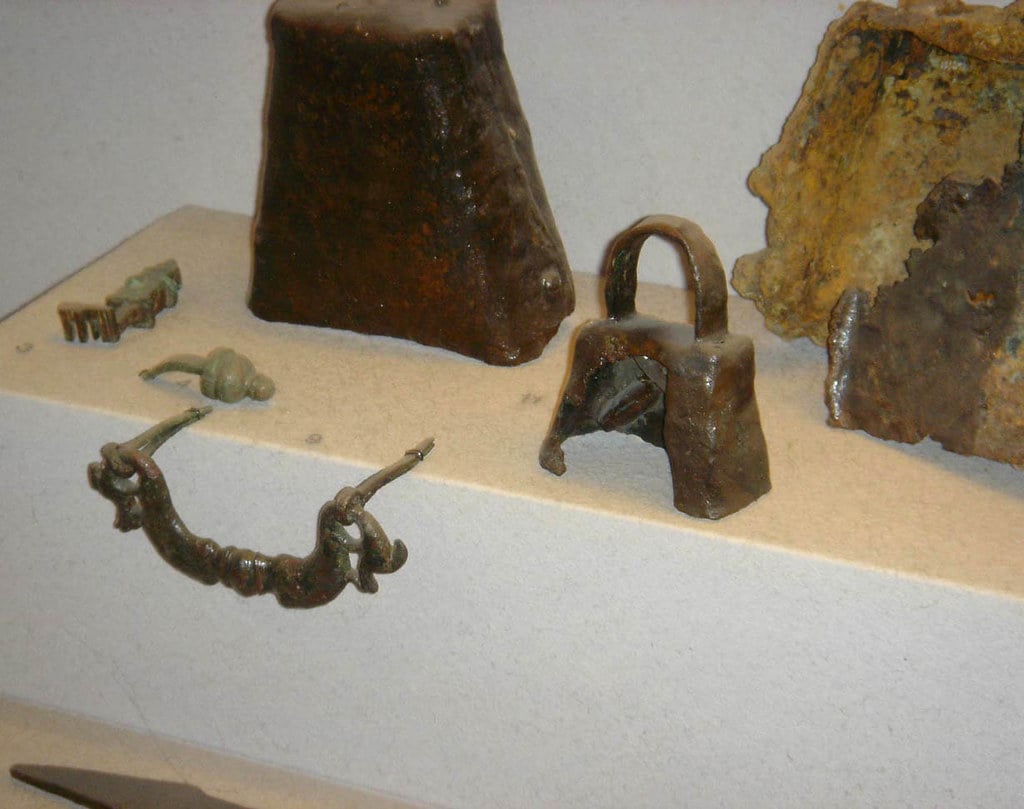
Romans made bells by casting bronze into hollow shapes with a clapper inside. Strike the clapper against the wall, create sound waves, get people’s attention.
They used them for religious ceremonies, public announcements, and livestock management. Modern bells might be made from different alloys or synthetic materials, but the acoustic principle is unchanged.
Hollow resonating chamber, something to strike it with, sound waves traveling through air. Electric bells and digital chimes offer alternatives, but mechanical bells still work exactly the way Roman bells worked.
The physics of sound hasn’t changed.
Scissors
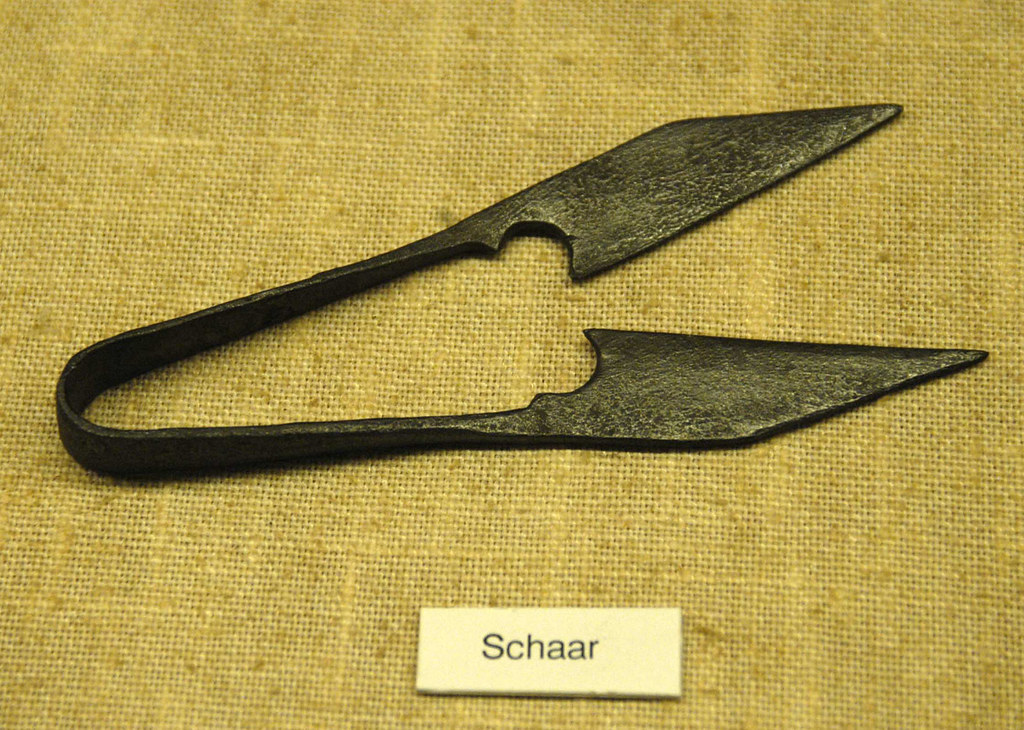
Roman scissors operated on a spring principle — two blades connected at the center, squeeze to bring the cutting edges together, release and they spring apart. They made them from iron or bronze and used them for cutting cloth, trimming hair, and general household tasks.
Modern scissors use steel instead of bronze and have improved pivot mechanisms, but the basic operation remains identical. Two blades that come together to cut, controlled by finger pressure on the handles.
The spring mechanism has been replaced by a simple pivot in most cases, but the cutting action is unchanged. Roman scissors would feel immediately familiar to anyone who’s ever wrapped a present.
Mirrors
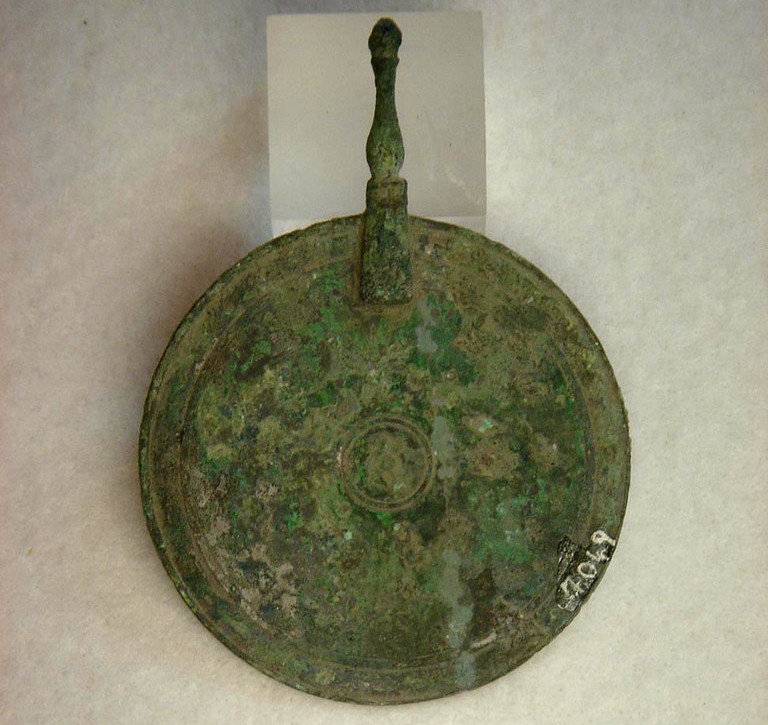
Romans made mirrors by polishing bronze or silver to a reflective finish. Hold it up, see your reflection, adjust your appearance accordingly.
The wealthy had larger mirrors with decorative handles, but the functional principle was universal — a smooth, reflective surface that showed an accurate image. Modern mirrors use glass backed with silver or aluminum instead of polished metal, providing clearer reflections with less distortion.
But the basic concept remains unchanged. A reflective surface that shows you what you look like. The materials improved dramatically, but the purpose and function stayed exactly the same.
Romans checking their appearance before heading to the forum were doing precisely what you do before leaving the house.
Combs
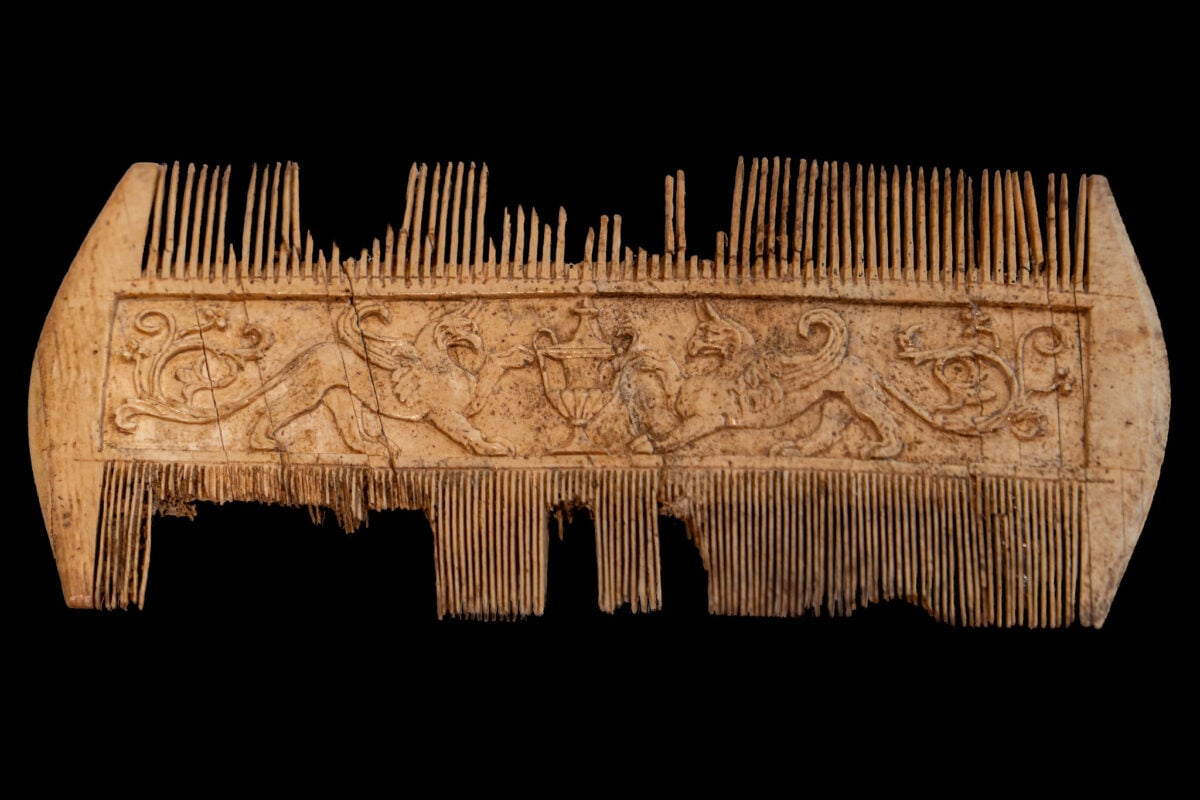
Roman combs were carved from wood, bone, or ivory with teeth spaced to work through hair. Fine teeth for detailed work, wider spacing for thick or curly hair.
Double-sided combs had different tooth spacing on each side, giving multiple options in a single tool. Modern combs are typically made from plastic instead of organic materials, but the design has remained essentially unchanged.
Teeth arranged in parallel lines, spacing determined by intended use, held by a solid back piece. The materials are different, the engineering is identical.
A Roman comb would work perfectly fine in modern hair, and a modern comb would have made perfect sense to a Roman.
Seals and Signet Rings
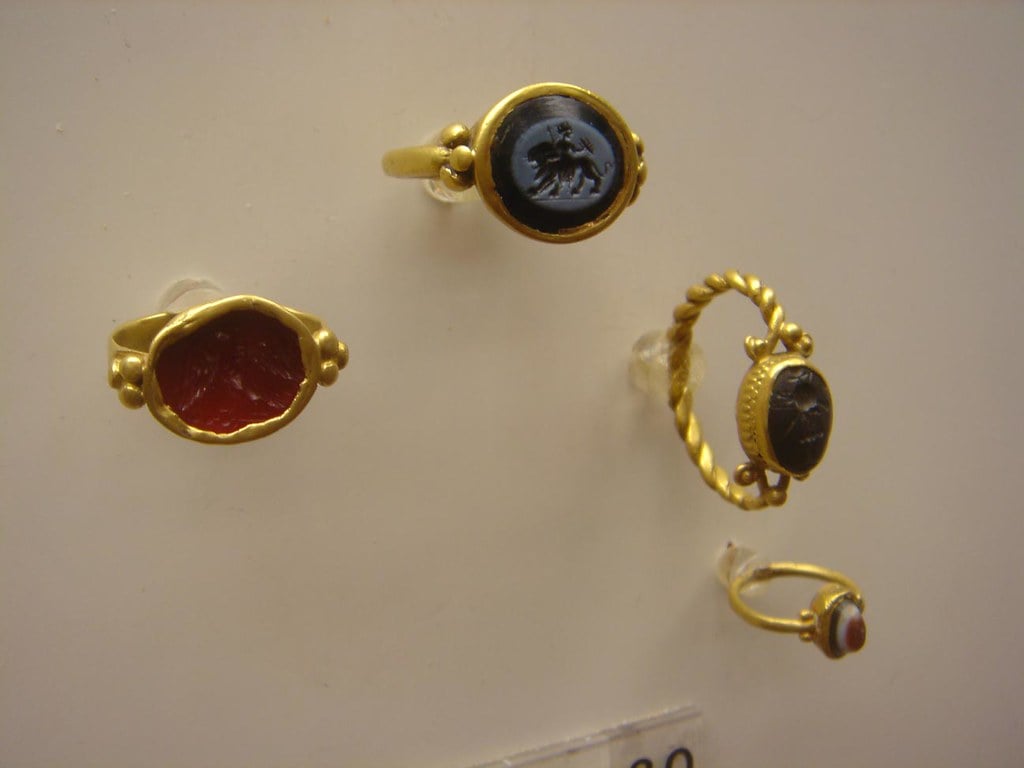
Romans used personal seals to authenticate documents and mark ownership. A carved design pressed into warm wax left a distinctive impression that served as a signature.
Signet rings made the process portable — the seal was always on your hand, ready for use. Modern signature systems have largely moved to handwritten names or digital verification, but wax seals never completely disappeared.
They’re still used for formal documents, legal papers, and ceremonial purposes. The concept has also translated directly to modern security — the idea of a unique, personal mark that proves authenticity runs through everything from credit card chips to biometric scanners.
The Romans just did it with carved gemstones and warm wax instead of electronic sensors.
Tweezers
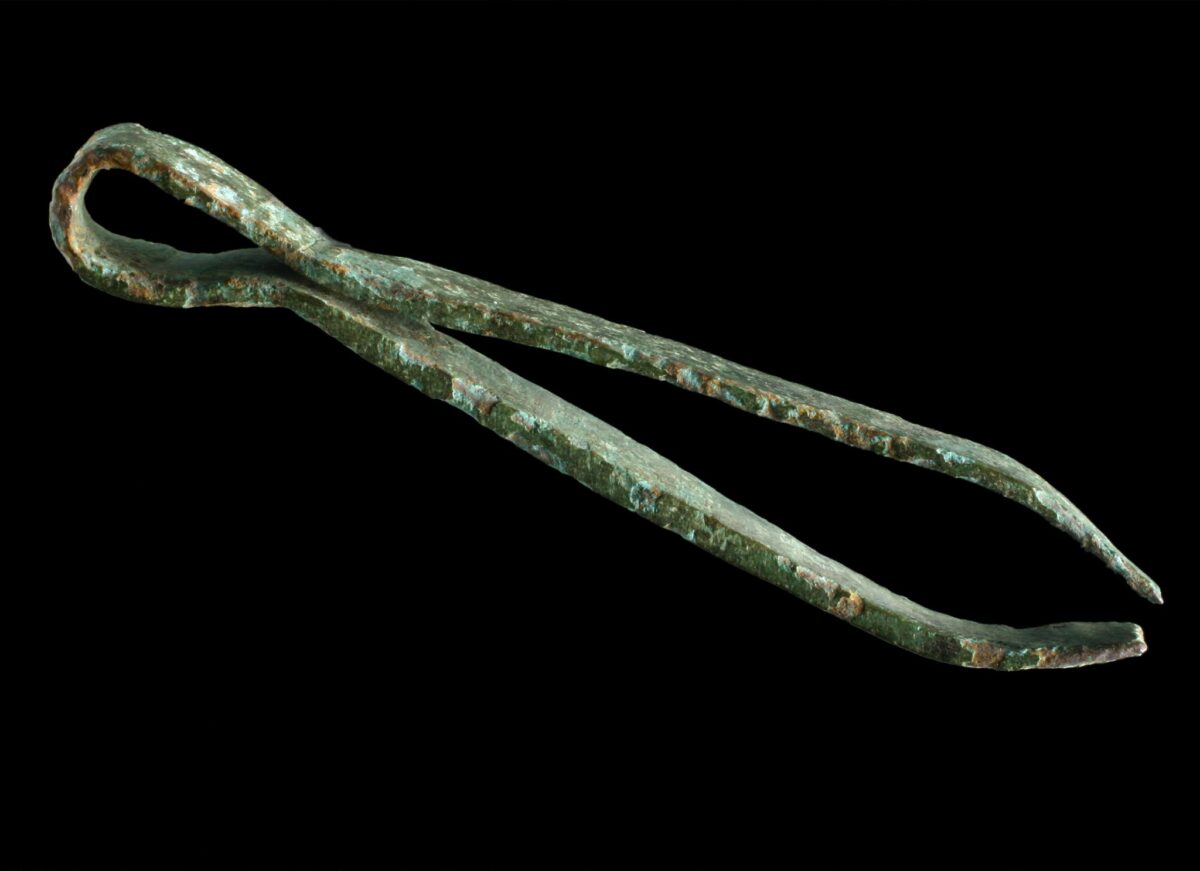
Roman tweezers were made by taking a strip of bronze, folding it in half, and sharpening the ends to meet precisely. Squeeze the sides together, grip small objects, remove unwanted hairs or splinters.
Simple mechanics that required no moving parts and provided exact control. Modern tweezers are made from stainless steel with more precise manufacturing, but the design hasn’t changed at all.
Same folded-metal construction, same pincer action, same applications. Roman tweezers found at archaeological sites look identical to tweezers sitting in modern medicine cabinets.
The engineering was perfect from the beginning, so it stayed the same.
Sundials
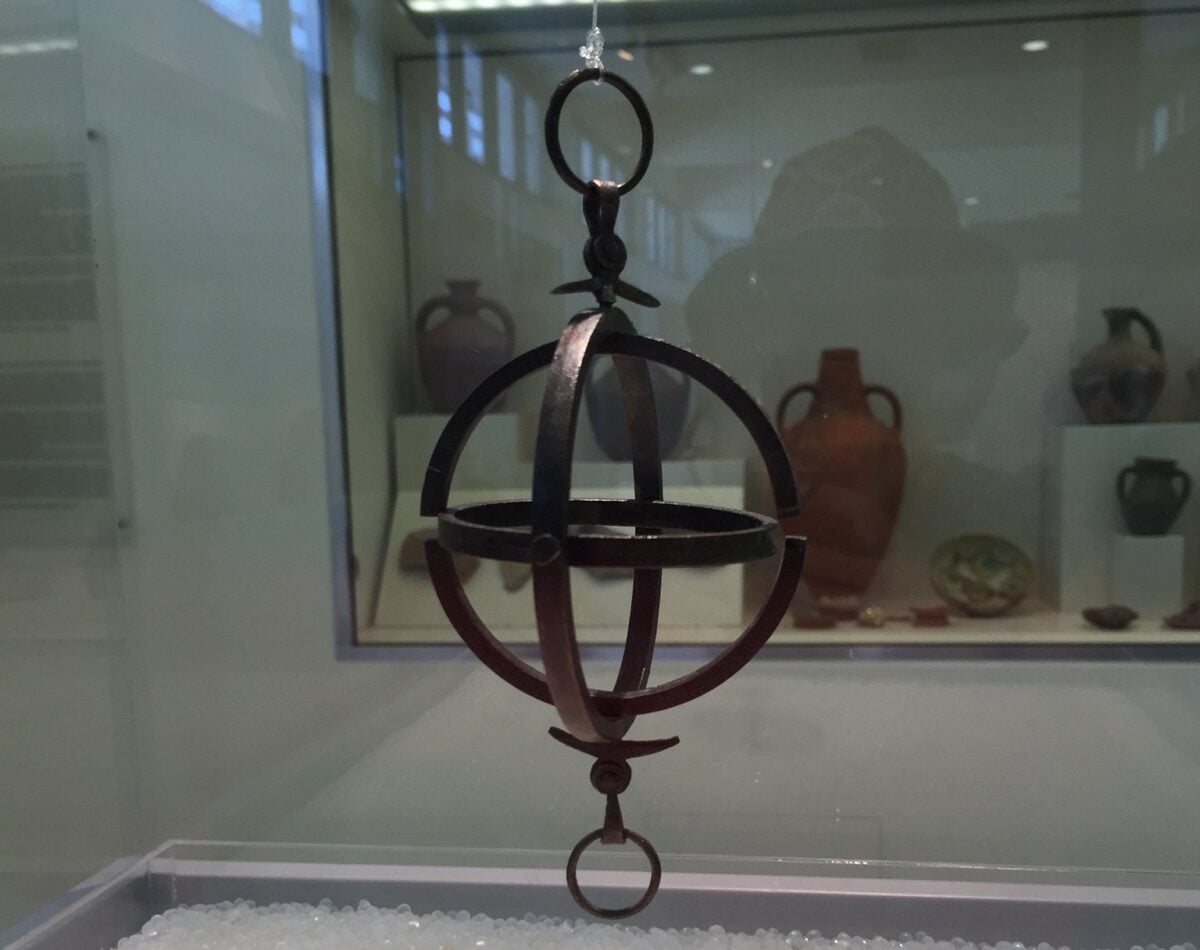
Romans told time by watching shadows move across marked surfaces. A raised pointer cast a shadow that moved predictably as the sun traveled across the sky.
Mark the surface with hour divisions, read the time by checking where the shadow fell. Digital clocks and atomic timekeeping have made sundials largely decorative, but the basic principle remains scientifically sound.
The sun still moves across the sky in predictable patterns, shadows still fall at consistent angles. Modern sundials work exactly the way Roman sundials worked — they’re just not the primary timekeeping method anymore.
But if every electronic device stopped working tomorrow, a Roman sundial would still tell accurate time.
The Thread That Connects Us

Walking through these comparisons, what becomes clear isn’t how much we’ve advanced, but how much we’ve simply refined. The Romans figured out solutions to basic human problems that were so fundamentally sound they didn’t need to be replaced — just improved upon.
Better materials, more precise manufacturing, mass production instead of individual craftsmanship, but the core engineering often remains unchanged. It’s humbling to realize that many of the tools we consider modern innovations are actually ancient solutions dressed up in contemporary materials.
More from Go2Tutors!

- The Romanov Crown Jewels and Their Tragic Fate
- 13 Historical Mysteries That Science Still Can’t Solve
- Famous Hoaxes That Fooled the World for Years
- 15 Child Stars with Tragic Adult Lives
- 16 Famous Jewelry Pieces in History
Like Go2Tutors’s content? Follow us on MSN.



