Odd Foods Professional Tasters Are Forced to Sample
Most people think professional tasting is a glamorous career filled with fine wines and artisanal chocolates. The reality is far stranger.
Professional tasters work across every corner of the food industry, and that means sampling things that would make the average person’s stomach turn. From pet food to baby formula, their palates are put to tests that have nothing to do with pleasure and everything to do with quality control.
Dog Food
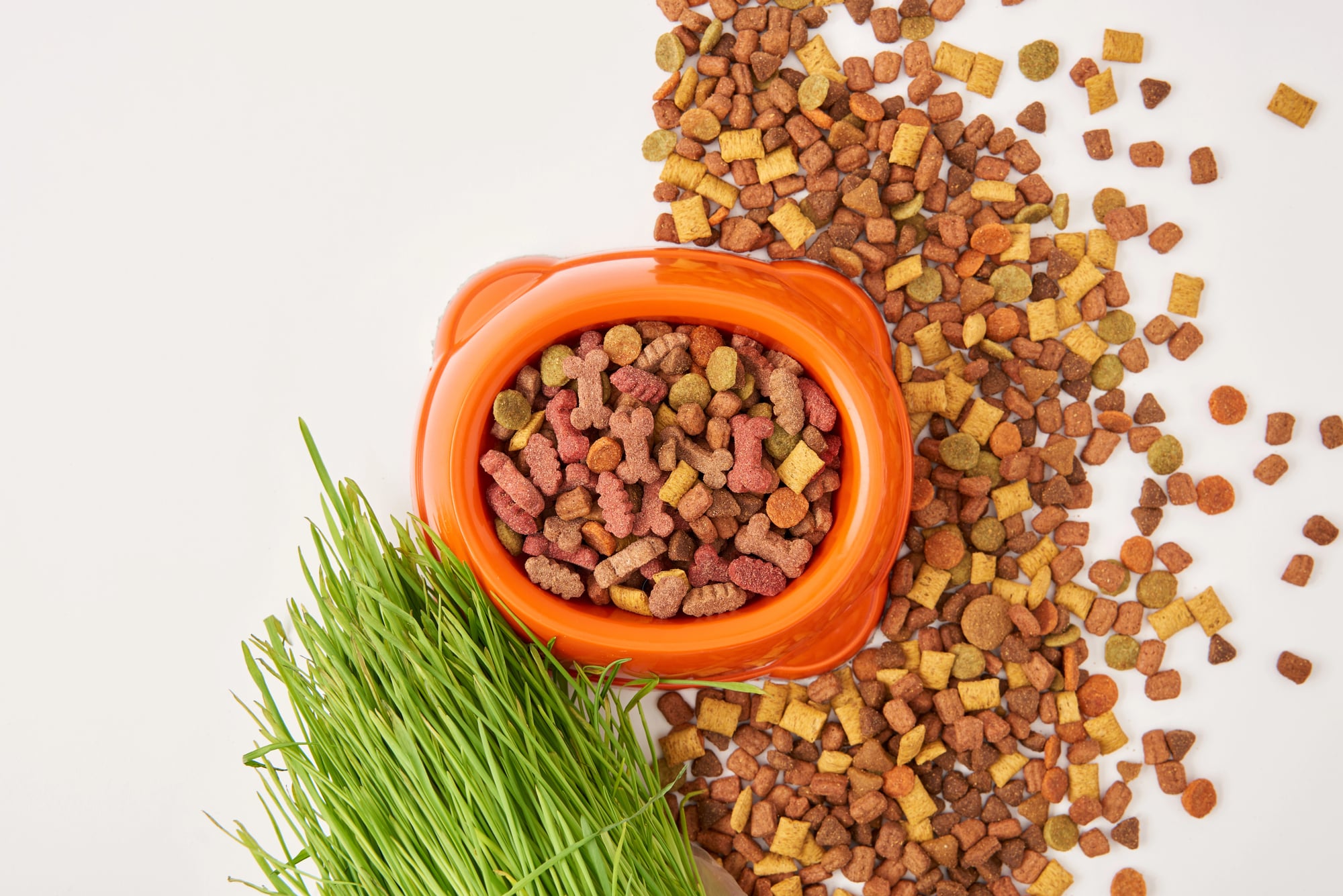
Premium dog food costs more per pound than some human meals. Someone has to make sure it tastes right.
Professional pet food tasters don’t just sniff and guess. They chew kibble, sample wet food, and evaluate treats the same way wine experts approach a vintage.
The texture matters. The flavor balance matters.
Dogs can’t file complaints, so humans do the work.
Baby Formula
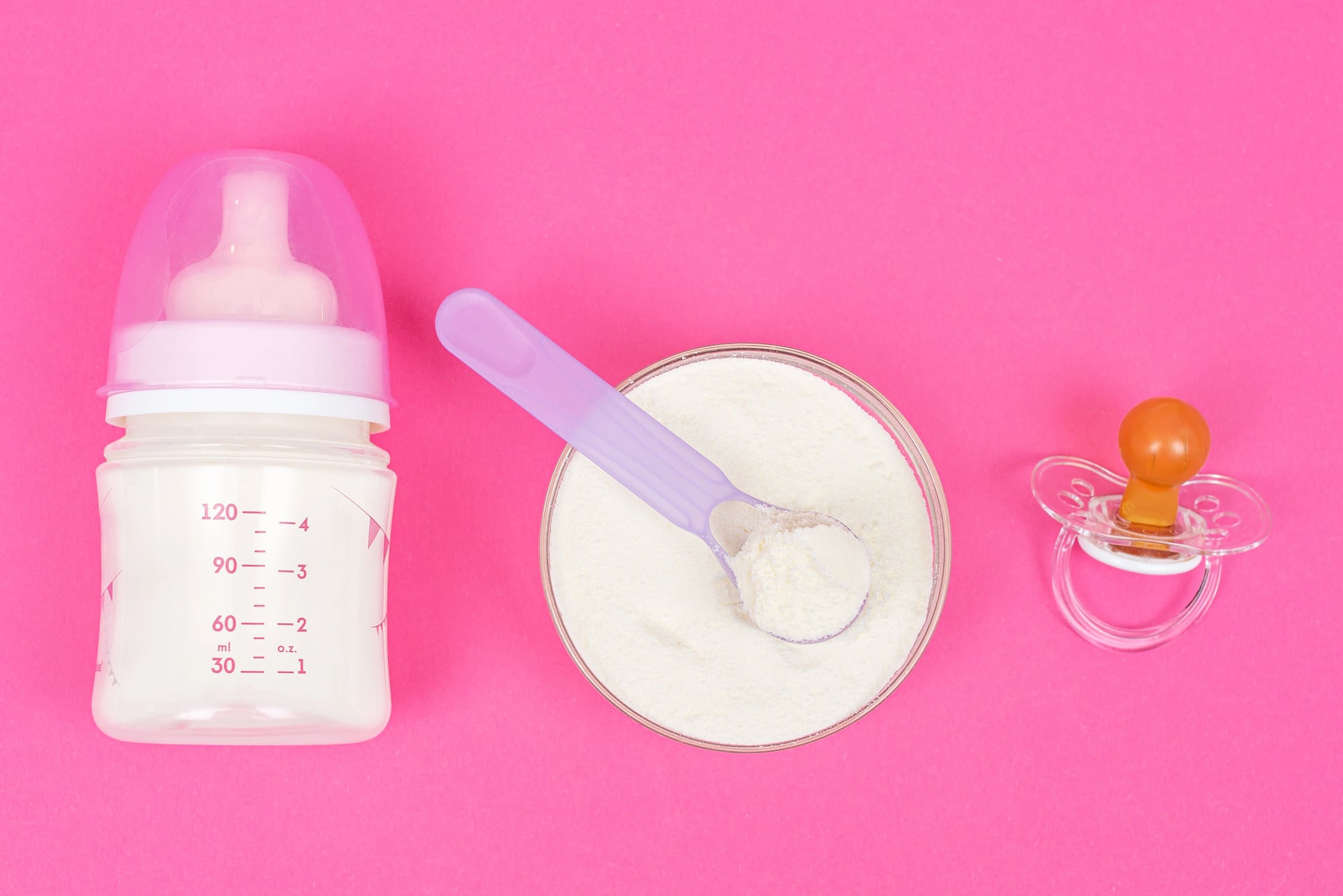
The process of tasting infant formula is more complex than it sounds (and it already sounds pretty complex when you consider that adults are methodically sampling what’s essentially liquid baby food throughout their workday). Companies employ trained tasters who evaluate everything from the initial powder mixing properties to the final nutritional drink, checking for off-flavors that could signal contamination or processing errors, because when your primary consumers can’t articulate their preferences beyond crying or refusing to eat, professional judgment becomes the only reliable quality control measure available.
These tasters work with precise protocols. They know exactly what constitutes normal versus concerning flavor profiles, and they can detect the subtle differences between batches that parents would never notice but could indicate serious production issues.
And yet the strangest part isn’t the tasting itself — it’s developing a professional vocabulary for describing the nuances of a product designed to be as mild and inoffensive as possible. How do you become an expert in something engineered to be unremarkable?
Cat Treats
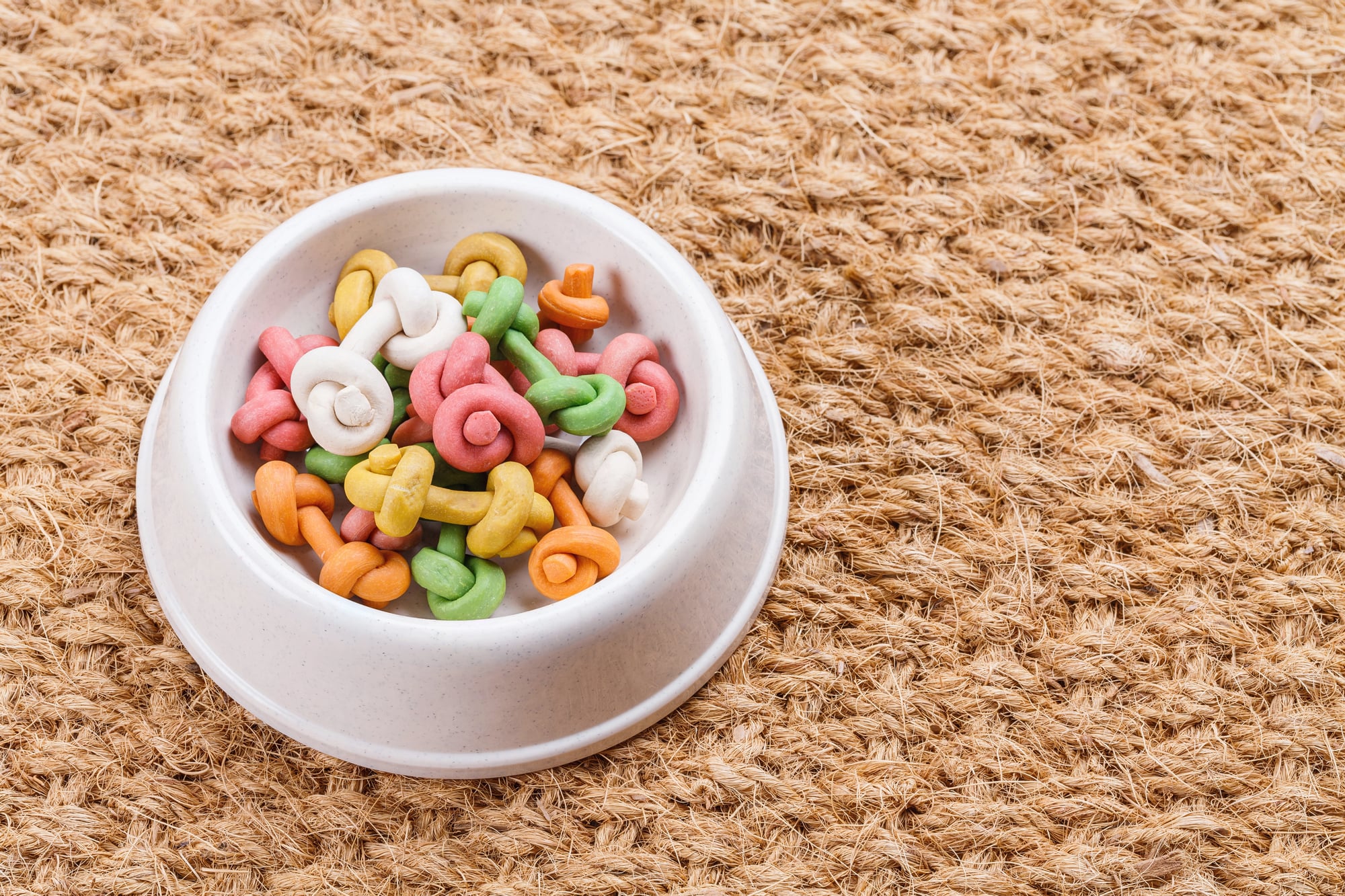
There’s something deeply unsettling about watching a human carefully consider the salmon-and-liver flavor profile of a tiny fish-shaped snack designed for creatures that lick themselves clean. Professional cat treat tasters approach their work with the same methodical precision as any other food scientist, but the disconnect between human palate and feline preference creates a strange professional space where expertise means understanding a taste experience you’ll never naturally enjoy.
The treats often taste exactly like what they are — concentrated fish, poultry, and organ meat compressed into uniform shapes. Cat treat tasters learn to appreciate textures and flavors that exist nowhere else in human cuisine.
They develop specialized knowledge that serves no purpose outside their specific industry.
Spoiled Food
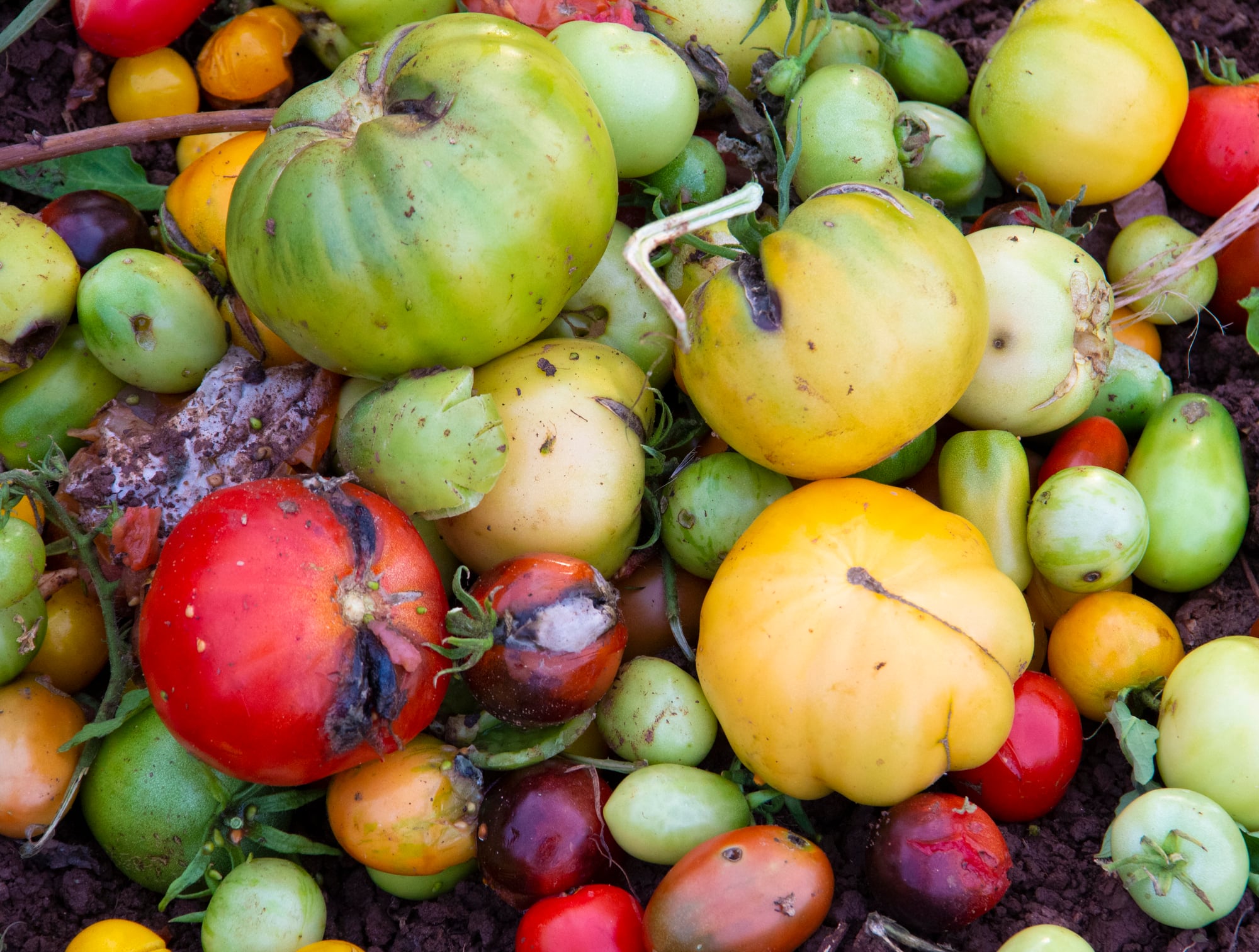
Food safety testers deliberately consume products past their expiration dates. This isn’t accidental — it’s methodical research into exactly how things go wrong.
They taste milk at various stages of sourness. They sample bread as mold develops.
They document the precise point where fresh becomes questionable becomes dangerous. Someone has to establish those safety margins that appear on every package, and that means controlled exposure to deliberate spoilage.
Airline Meals
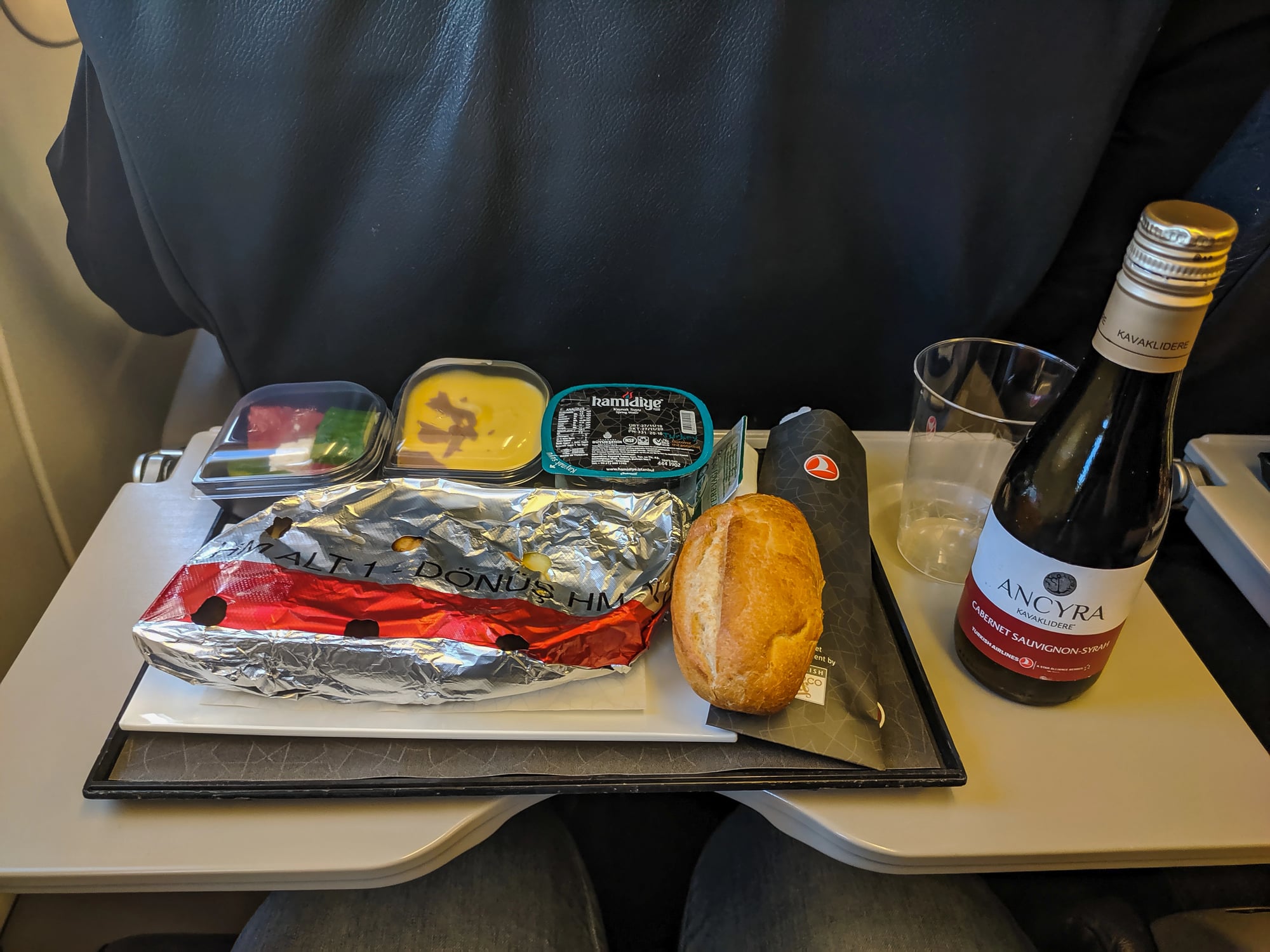
Airplane food tastes different at altitude, and professional tasters account for that difference by working in pressurized chambers that simulate flight conditions. The job requires sampling meals while experiencing the same dry air and reduced air pressure that passengers encounter at 35,000 feet, because what tastes acceptable on the ground can become completely unpalatable once the plane reaches cruising altitude.
These tasters work through entire meal services — appetizers, entrees, desserts — while sealed in environments designed to replicate the exact conditions that strip flavor from food and dull the human sense of taste. So they’re essentially professional food critics who work in chambers designed to make food taste worse than it actually is.
The goal is creating meals that remain edible under conditions specifically hostile to human taste perception.
But here’s what makes it particularly strange: they’re not just tasting food that’s been engineered for blandness, they’re doing it while experiencing the same physical discomfort that makes airplane food notorious in the first place.
Toothpaste

Toothpaste tasters evaluate products designed to clean teeth, not satisfy hunger. They sample mint variations, whitening formulas, and sensitivity treatments while focusing on texture, foam production, and aftertaste rather than conventional flavor appeal.
The work involves spitting, rinsing, and repeating the process dozens of times per day. Toothpaste tasters develop preferences for products they’ll never actually consume, rating the success of flavors meant to be expelled rather than swallowed.
They become experts in the precise balance between cleaning effectiveness and oral comfort.
Livestock Feed
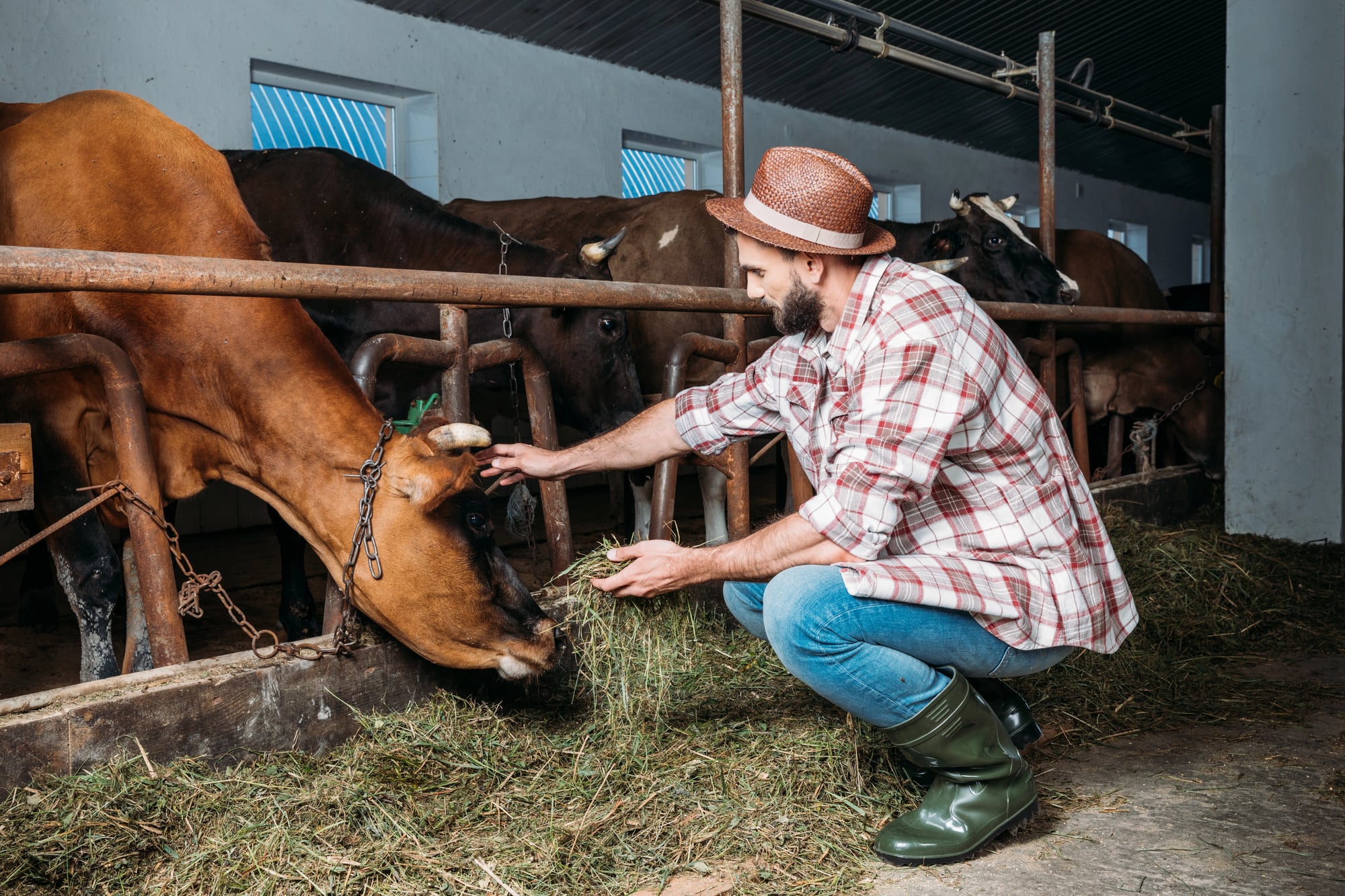
There’s something fundamentally absurd about a human developing a refined palate for products designed to nourish animals whose digestive systems work completely differently from our own. Professional livestock feed tasters evaluate corn-based cattle feed, grain mixtures for pigs, and specialized formulations for dairy cows, trying to predict how these products will affect animal health and productivity based on human sensory experience.
The feeds often taste like exactly what they are — processed grains, protein supplements, and nutritional additives compressed into pellets or mixed into uniform slurries. Yet these tasters develop genuine expertise in detecting quality variations that could affect livestock performance.
Feed tasters work in an industry where their human judgment serves as a proxy for the preferences and nutritional needs of creatures with four-chamber stomachs. They taste products designed for animals that can digest grass and convert it into milk, trying to evaluate quality using taste buds evolved for an entirely different diet.
Cough Syrup
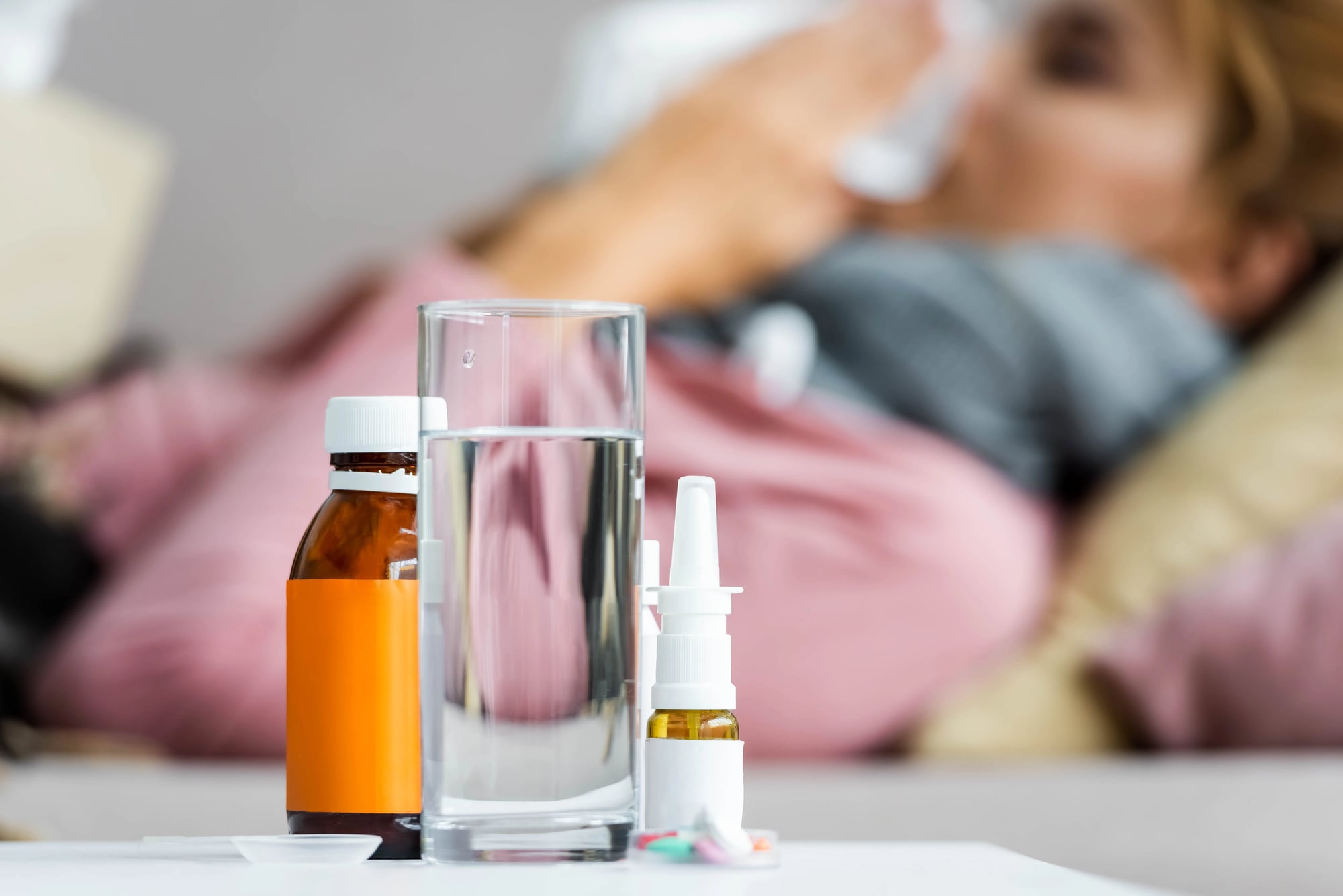
Cough syrup tasters face a unique challenge: evaluating products specifically formulated to mask the taste of medicine while delivering therapeutic benefits. The work requires sampling cherry-flavored formulations, honey-based varieties, and sugar-free alternatives designed for diabetic patients, all while focusing on how effectively the flavoring agents cover the bitter taste of active pharmaceutical ingredients.
These professionals develop expertise in artificial fruit flavors that exist primarily in the medicine industry. They understand the precise balance between palatability and effectiveness, knowing that making cough syrup too pleasant could encourage overconsumption while making it too unpleasant reduces patient compliance.
Prison Food
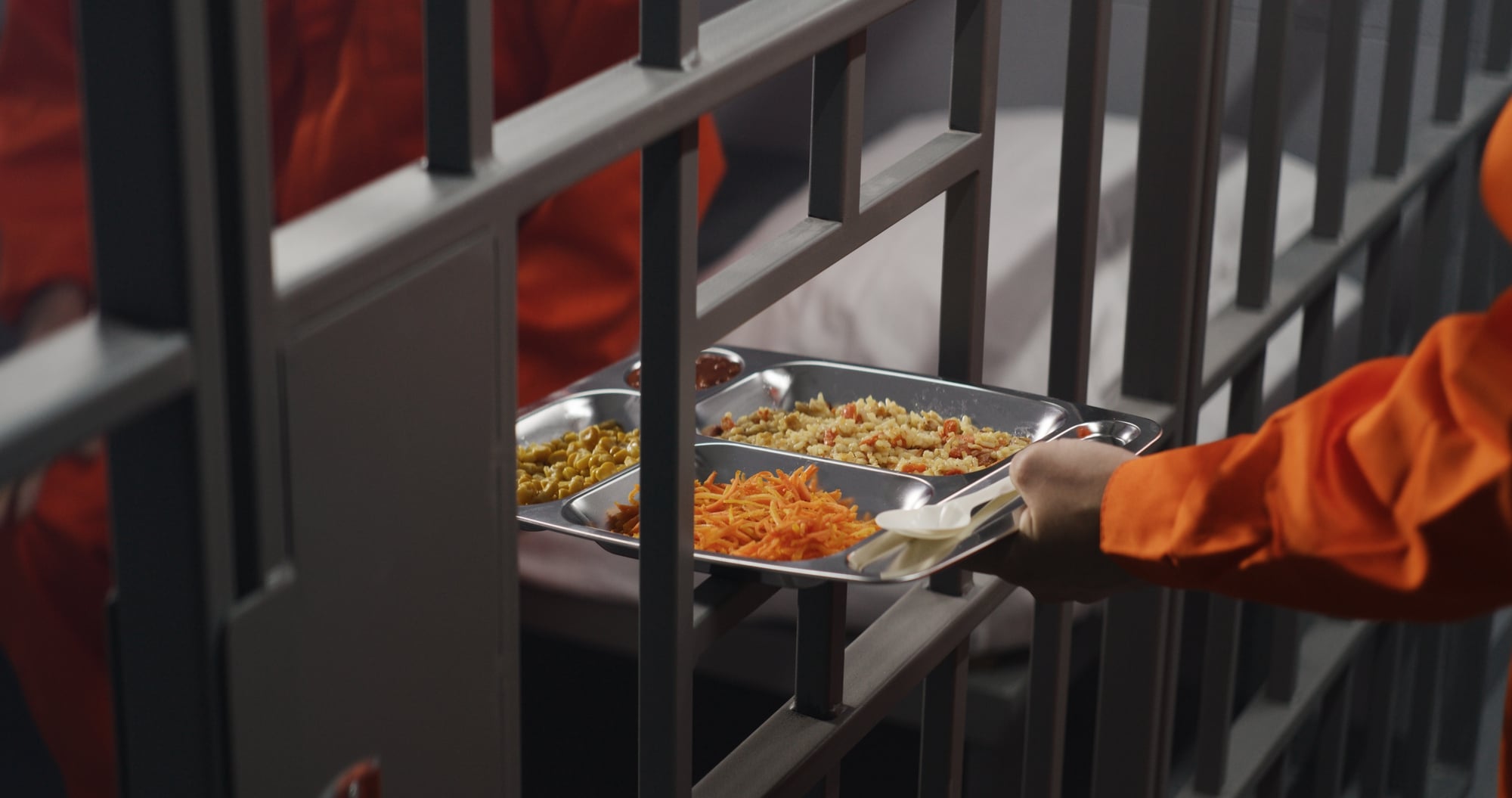
Professional tasters evaluate institutional food designed to meet nutritional requirements and budget constraints rather than culinary satisfaction. They sample mass-produced meals intended for correctional facilities, focusing on food safety, nutritional adequacy, and basic palatability within extremely tight cost parameters.
The work involves tasting foods engineered for efficiency rather than pleasure. These tasters understand institutional cooking in ways that have no application outside their specific industry, evaluating meals designed to feed large populations with minimal resources and maximum security considerations.
Military Rations
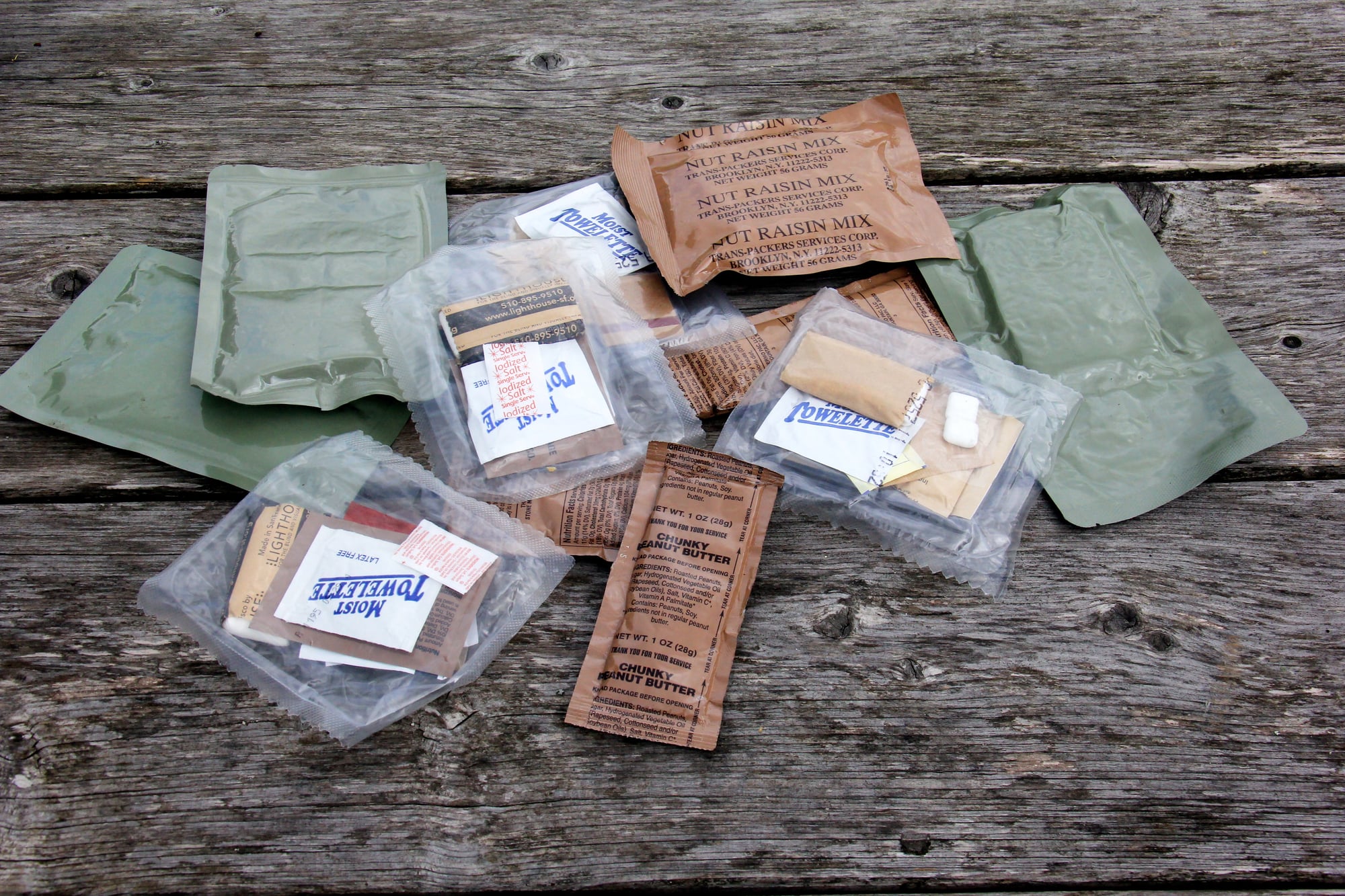
Military ration tasters work with foods designed to remain edible for years while providing complete nutrition in extreme conditions. The testing process involves sampling meals that have been freeze-dried, vacuum-sealed, and engineered to withstand temperature extremes that would destroy conventional food products.
And the strangest part isn’t just that they’re tasting food designed for combat situations while sitting in comfortable office environments — it’s that they’re evaluating products specifically created to prioritize shelf life and caloric density over any conventional notion of culinary appeal. These tasters become experts in foods that represent a completely different approach to nutrition.
Energy Drinks
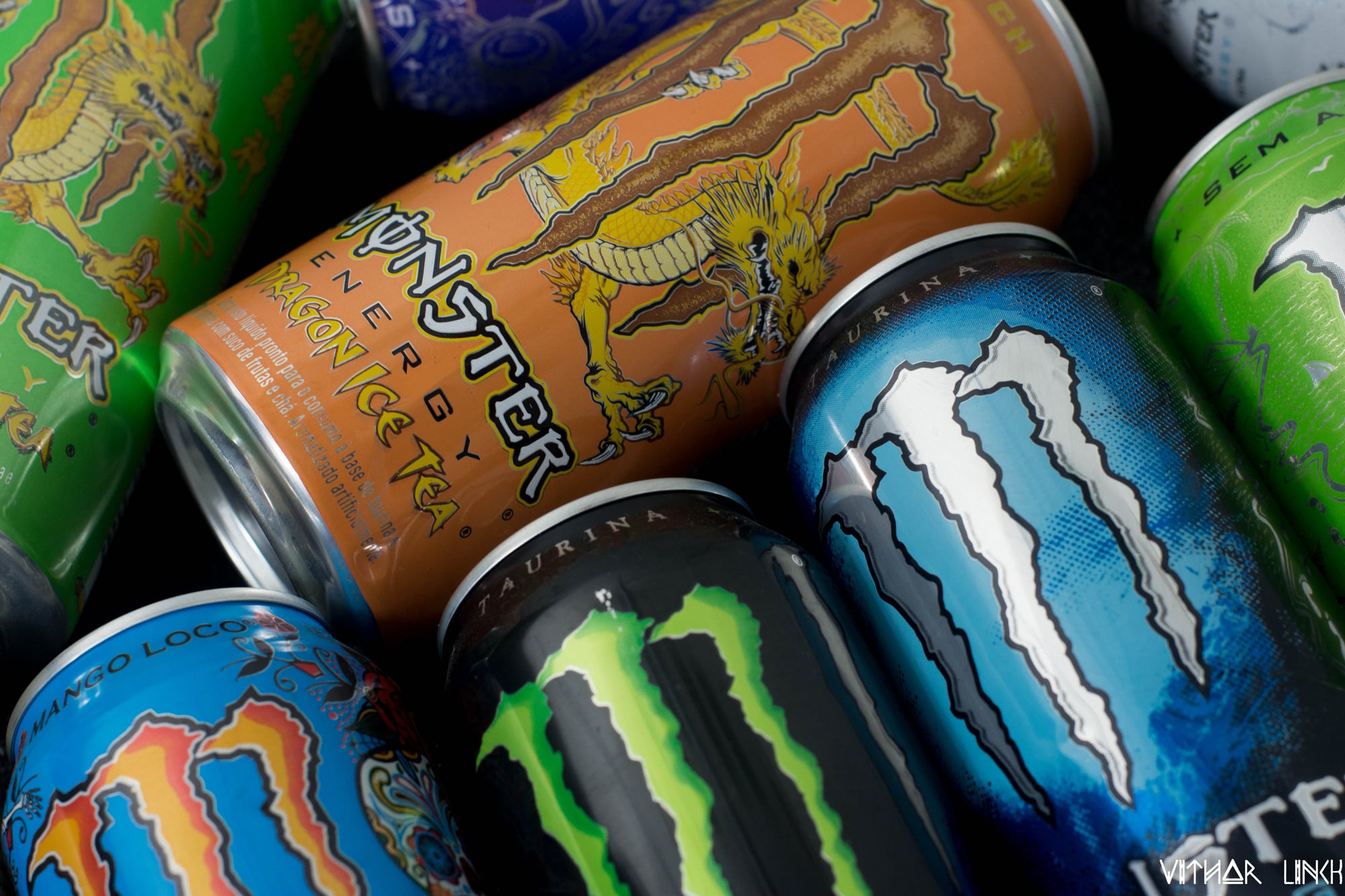
The realm of energy drink tasting exists in a peculiar space between beverage evaluation and pharmaceutical assessment, where professional tasters sample products loaded with caffeine levels that would be considered dangerous in any other food category. These tasters work through flavor combinations designed to mask the bitter taste of taurine, guarana, and synthetic caffeine while delivering stimulant effects that have nothing to do with taste satisfaction.
Energy drink tasters evaluate products that prioritize chemical effectiveness over flavor appeal, rating the success of beverages designed to alter human physiology rather than simply quench thirst. They develop professional expertise in artificial flavors that exist primarily to make functional ingredients palatable.
The work requires sampling products that blur the line between food and medicine, evaluating taste profiles specifically created to deliver drugs disguised as refreshment.
Insect Protein
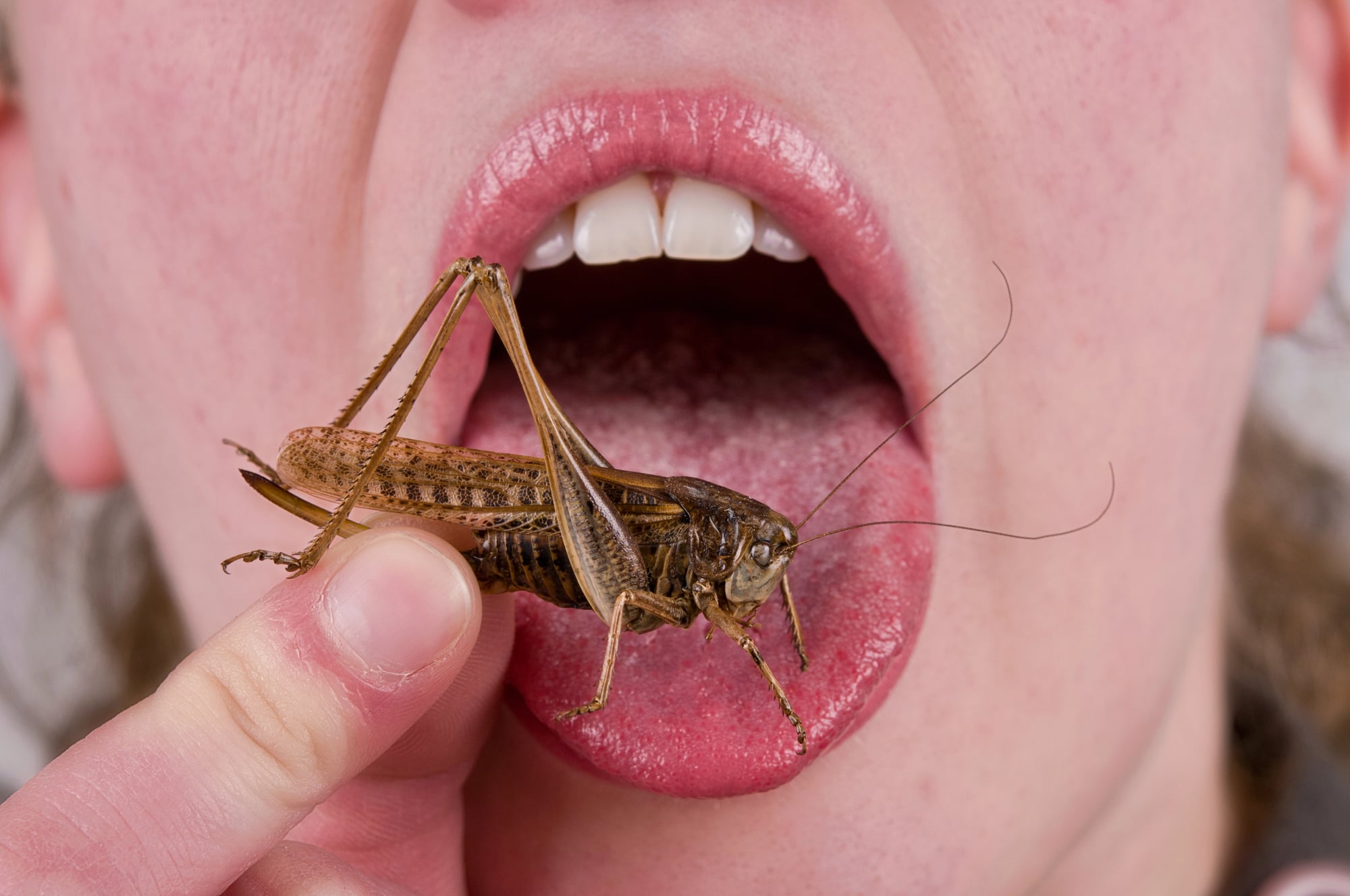
Insect protein tasters work at the frontier of alternative food sources, sampling cricket flour, mealworm snacks, and grasshopper protein bars designed to normalize insects as human food. They evaluate products attempting to make culturally unfamiliar protein sources acceptable to markets traditionally resistant to entomophagy.
The work requires overcoming deeply ingrained cultural preferences while developing professional judgment about texture, flavor, and processing techniques for ingredients most humans instinctively avoid. These tasters become experts in foods that challenge fundamental assumptions about what constitutes acceptable nutrition.
The Strange Dignity Of It All
What emerges from this catalog of unusual professional tasting isn’t disgust or amusement, but something closer to respect. These tasters approach their work with the same methodical precision found in any skilled trade, developing expertise that serves essential functions in food safety, quality control, and product development.
They taste things the rest of us avoid so that the products we do consume meet standards we take for granted. Their palates serve as quality control mechanisms protecting everyone from pet owners to airline passengers to military personnel deployed in remote locations.
More from Go2Tutors!

- The Romanov Crown Jewels and Their Tragic Fate
- 13 Historical Mysteries That Science Still Can’t Solve
- Famous Hoaxes That Fooled the World for Years
- 15 Child Stars with Tragic Adult Lives
- 16 Famous Jewelry Pieces in History
Like Go2Tutors’s content? Follow us on MSN.