15 Ancient Ideas Still Used Today
The modern world often prides itself on innovation and cutting-edge technology, yet many concepts we consider revolutionary have ancient roots. From architectural principles to mathematical formulas, our ancestors developed remarkably sophisticated ideas that have withstood the test of time.
These enduring concepts demonstrate how human ingenuity solved fundamental problems thousands of years ago in ways we still find valuable. Here is a list of 15 ancient ideas that continue shaping our modern world in surprising ways.
Concrete

Roman concrete has survived over 2,000 years of weathering and remains standing in impressive structures like the Pantheon and Colosseum. The Romans mixed lime, volcanic ash, and seawater to create a material that actually strengthens over time, particularly in marine environments.
Modern engineers have only recently begun to understand the chemical processes that make ancient Roman concrete more durable than many modern versions. This ancient building material inspires new research into self-healing concrete that could revolutionize infrastructure projects worldwide.
Democracy

The Athenians developed democracy around 500 BCE, establishing a system where citizens voted directly on laws and policies. Though limited to free men and excluding women and enslaved people, this revolutionary concept established the principle that ordinary citizens should have a voice in governance.
Modern democratic systems build on this foundation while expanding participation rights to create more inclusive societies. The core idea that power should flow from the people rather than divine right or military might remains the cornerstone of governmental legitimacy across much of the world.
Zero as a Number

The concept of zero as both a placeholder and a number in its own right originated in ancient India around 458 CE, though earlier civilizations had placeholder symbols. Mathematicians like Brahmagupta developed rules for calculating with zero, enabling advanced mathematics and eventually leading to the binary system powering all modern computing.
Without this seemingly simple innovation, modern technology from smartphones to space travel would be impossible. The empty space representing nothing became one of the most important somethings in mathematical history.
Hydraulic Systems
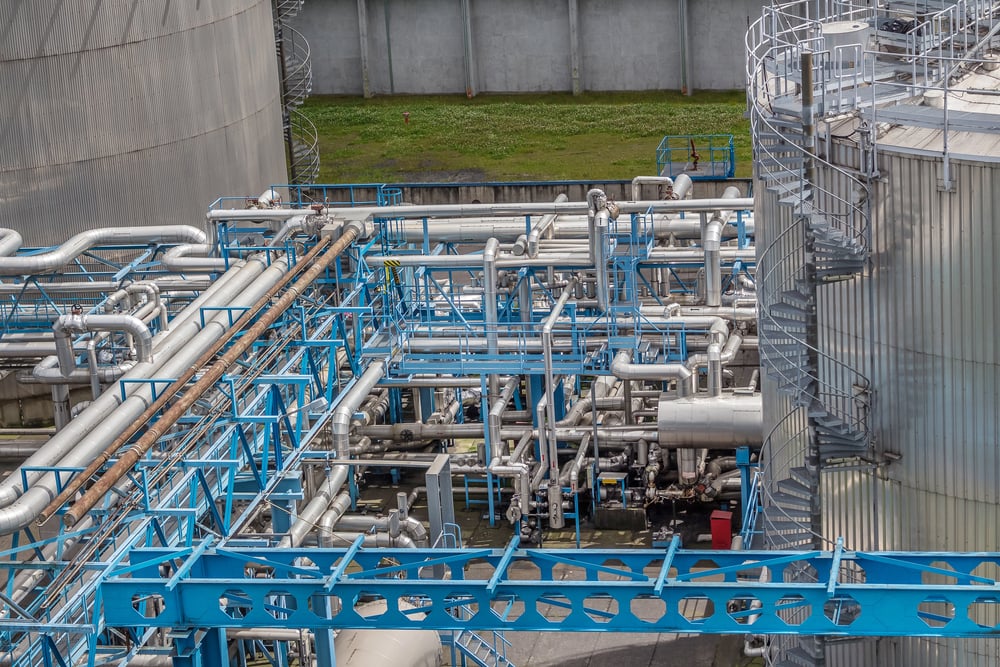
Ancient civilizations from Rome to China developed sophisticated water management technologies using principles we still apply today. The Romans built aqueducts spanning nearly 60 miles to transport water using gravity alone, while ancient Persians created qanat underground channels to access groundwater.
These systems used basic physics to solve complex water distribution challenges without pumps or electricity. Modern plumbing and irrigation systems use many of the same hydraulic principles, just with updated materials and mechanical assistance.
Urban Planning
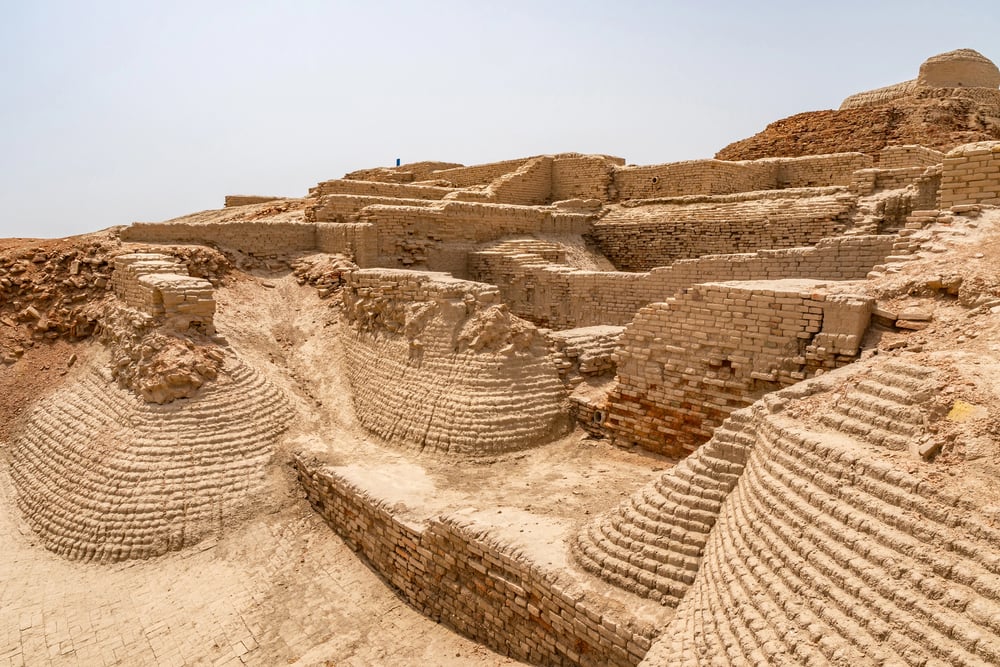
The ancient Indian city of Mohenjo-daro featured a grid street pattern, public baths, and sophisticated drainage systems around 2600 BCE. Similarly, ancient Chinese cities followed feng shui principles organizing space according to compass directions and natural features.
These early planned communities addressed fundamental urban issues like waste management, traffic flow, and public space that modern city planners still grapple with today. The grid pattern developed thousands of years ago remains the dominant urban layout worldwide.
Astronomy

Babylonian astronomers tracked celestial movements with remarkable precision as early as 1800 BCE, developing mathematical models to predict astronomical events. The ancient Maya created calendars accurate to within minutes per year and tracked Venus with astonishing precision without telescopes or modern instruments.
These early stargazers established observational techniques and mathematical approaches that formed the foundation for how we understand cosmic cycles. Many astronomical terms and constellations we use today come directly from ancient Greek and Arabic naming systems.
Surgery

Ancient Egyptian medical papyri from 1600 BCE describe surgical procedures and instruments recognizable to modern doctors. The Edwin Smith Papyrus contains 48 case studies with examinations, diagnoses, and treatments for wounds and injuries using evidence-based approaches.
In India, Sushruta performed reconstructive surgery around 600 BCE, including rhinoplasty using skin grafts. These early surgeons established the fundamental approach of careful examination, specialized tools, and methodical intervention that remains central to surgical practice.
Libraries

The ancient Library of Alexandria collected hundreds of thousands of scrolls from throughout the Mediterranean world around 300 BCE, creating history’s first major research institution. Scholars traveled great distances to access this centralized knowledge repository where texts were organized by subject and author.
The basic concept of gathering, preserving, and organizing information for public access remains unchanged in modern libraries, though the media has evolved from papyrus to digital formats. Library cataloging systems still follow principles established over two millennia ago.
Steam Power
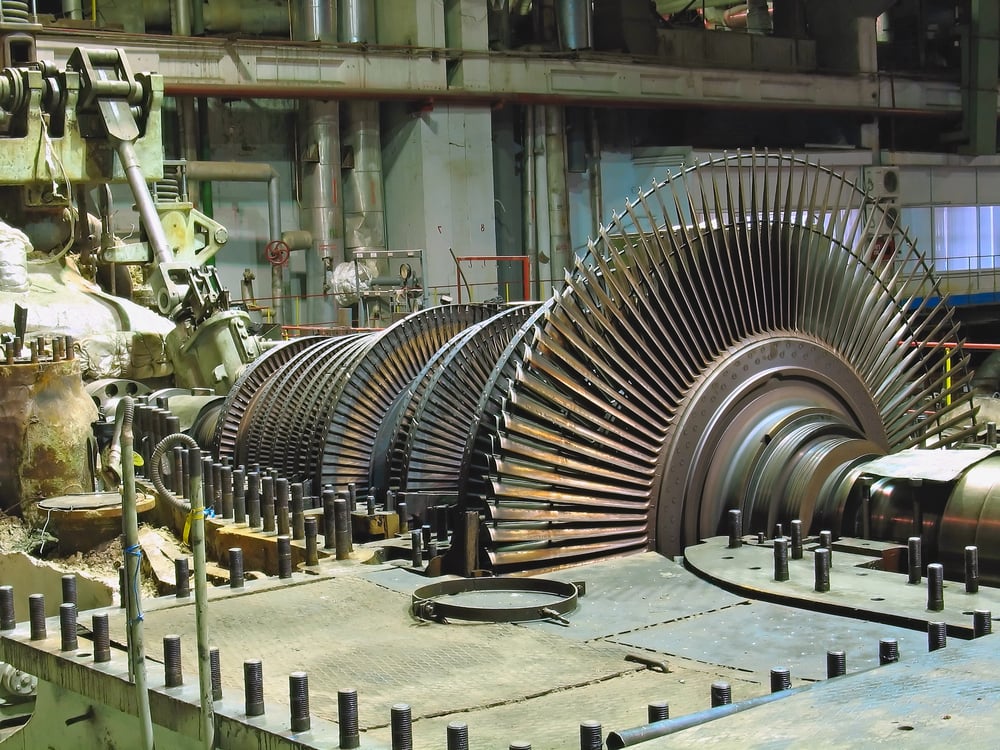
The aeolipile, invented by Greek mathematician Hero of Alexandria around 60 CE, was the first recorded steam engine. This spinning metal sphere powered by steam demonstrated mechanical principles that would eventually revolutionize transportation and manufacturing.
Though treated as a curiosity rather than a practical technology in ancient times, Hero’s device established fundamental thermodynamic principles later applied during the Industrial Revolution. The same basic concept of steam expansion creating mechanical force powers many modern electrical plants.
Concrete Domes

The Romans perfected large-scale concrete domes, with the Pantheon’s 142-foot unreinforced concrete dome standing as their crowning achievement. These massive spans created column-free interior spaces previously impossible in stone architecture by using graduated thickness and lightweight aggregates in higher sections.
Modern stadium roofs and monumental buildings still employ these same structural principles, though with added steel reinforcement. The Pantheon dome has inspired architects for nearly 2,000 years and remains the world’s largest unreinforced concrete dome.
Plumbing

Ancient Minoan palaces on Crete featured sophisticated plumbing systems with flushing toilets, sewers, and rainwater collection around 1700 BCE. The multi-story Royal Palace of Knossos included terra cotta pipes with perfect tapers for water flow and accessible cleanouts for maintenance.
These systems managed waste while providing fresh water using gravity flow and simple materials. Modern plumbing codes still reflect these ancient innovations in waste removal and water supply principles.
Glass

Ancient Mesopotamians discovered glassmaking around 3500 BCE, developing techniques for creating transparent materials from sand and ash. Egyptian and Roman artisans perfected coloring methods, blowing, and molding glass into vessels and windows that transformed architecture and daily life.
The basic chemical formula for glass remains largely unchanged since ancient times, though production methods have been mechanized. This transparent material that ancient innovators developed continues to play critical roles in everything from smartphone screens to medical equipment.
Arches

Mesopotamian builders used early arches in underground structures, but the Romans perfected the architectural arch for bridges, aqueducts, and buildings around 100 BCE. The curved design distributes weight to the sides rather than straight down, allowing larger spans than post-and-lintel construction.
This simple but revolutionary structural element enabled interior spaces impossible with previous building methods. Modern buildings, bridges, and monuments still incorporate the basic arch form developed by ancient engineers.
Paper

Chinese inventor Cai Lun created the first true paper around 105 CE by mixing plant fibers, water, and binding agents to form thin sheets. This lightweight, portable writing surface revolutionized information storage compared to heavy clay tablets or expensive parchment.
Though mostly digital today, paper remains fundamentally unchanged in composition and manufacturing process from its ancient origins. The basic concept of felted plant fibers transformed into sheets has enabled literacy and information exchange for nearly two millennia.
Gears

Ancient Greek inventors created complex gear mechanisms for astronomical calculators like the Antikythera mechanism around 100 BCE. These precisely-cut metal wheels transferred and modified motion through carefully calculated ratios, creating mechanical computers that modeled planetary movements.
The same mechanical principles power countless modern devices from watches to vehicles. Every gear in today’s machines follows mathematical relationships first worked out by ancient inventors.
Ancient Wisdom in Modern Packaging

These enduring innovations remind us that human creativity has addressed fundamental challenges with remarkable ingenuity throughout history. While materials, manufacturing techniques, and applications have evolved, the core principles behind these ancient ideas remain largely unchanged.
The next time you flush a toilet, cross an arched bridge, or use concrete in a construction project, remember you’re benefiting from solutions devised thousands of years ago. Perhaps our most valuable inheritance from ancient civilizations isn’t specific inventions but the problem-solving mindset that continues driving human progress through creative adaptation of established principles.
More from Go2Tutors!

- The Romanov Crown Jewels and Their Tragic Fate
- 13 Historical Mysteries That Science Still Can’t Solve
- Famous Hoaxes That Fooled the World for Years
- 15 Child Stars with Tragic Adult Lives
- 16 Famous Jewelry Pieces in History
Like Go2Tutors’s content? Follow us on MSN.