15 Haunting Pictures From Concentration Camps
The weight of history sometimes crystallizes into a single frame. These photographs from Nazi concentration camps don’t just document events — they preserve the evidence of humanity’s darkest chapter.
Each image carries the responsibility of memory, ensuring that what happened in these places can never be forgotten or denied. Looking at them requires courage, but that courage matters more than comfort.
Bergen-Belsen Liberation
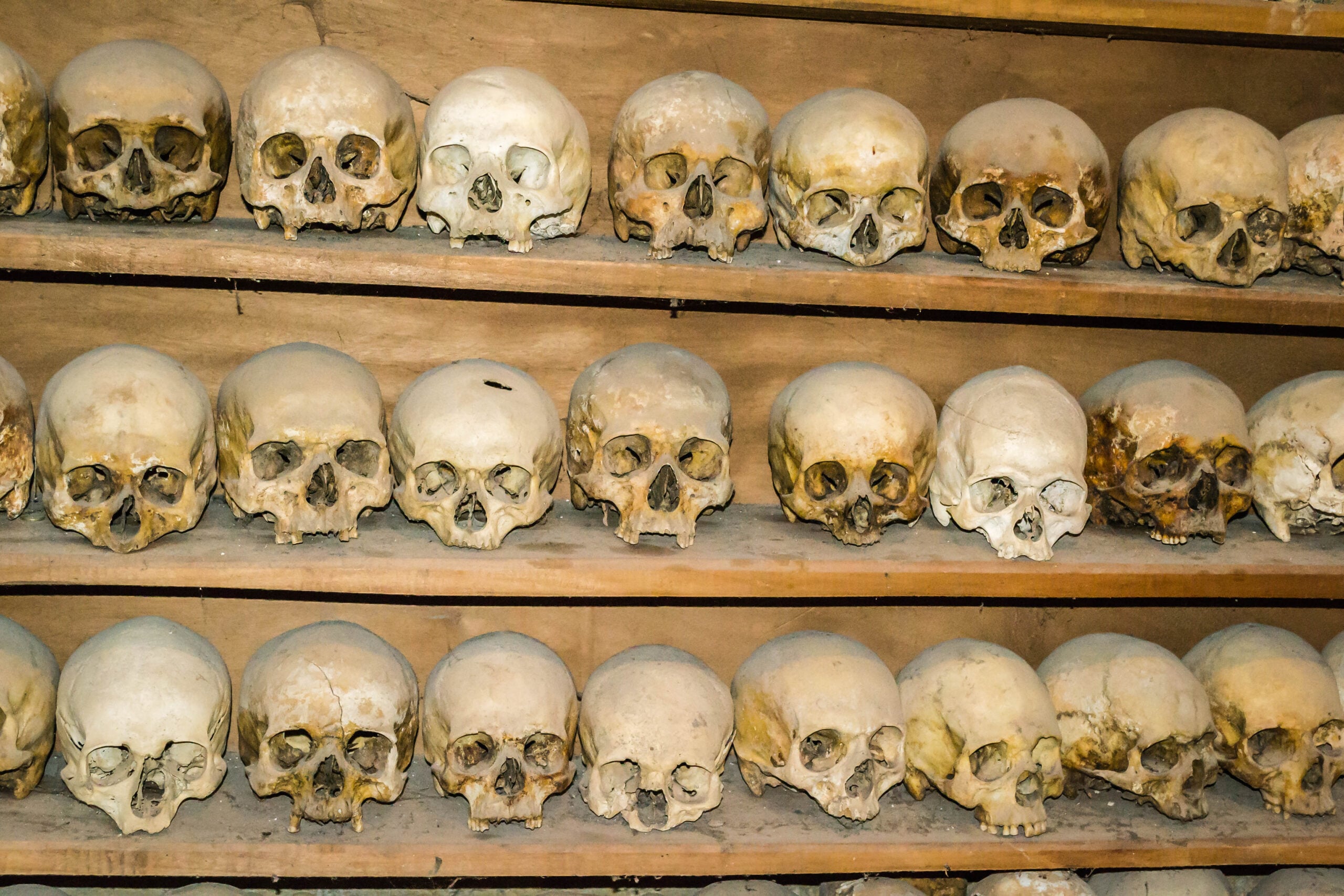
British forces arrived at Bergen-Belsen on April 15, 1945. Nothing prepared them for what they found.
The photographs taken that day show piles of bodies stacked like cordwood, survivors who looked more like walking skeletons than human beings.
Auschwitz-Birkenau Gates
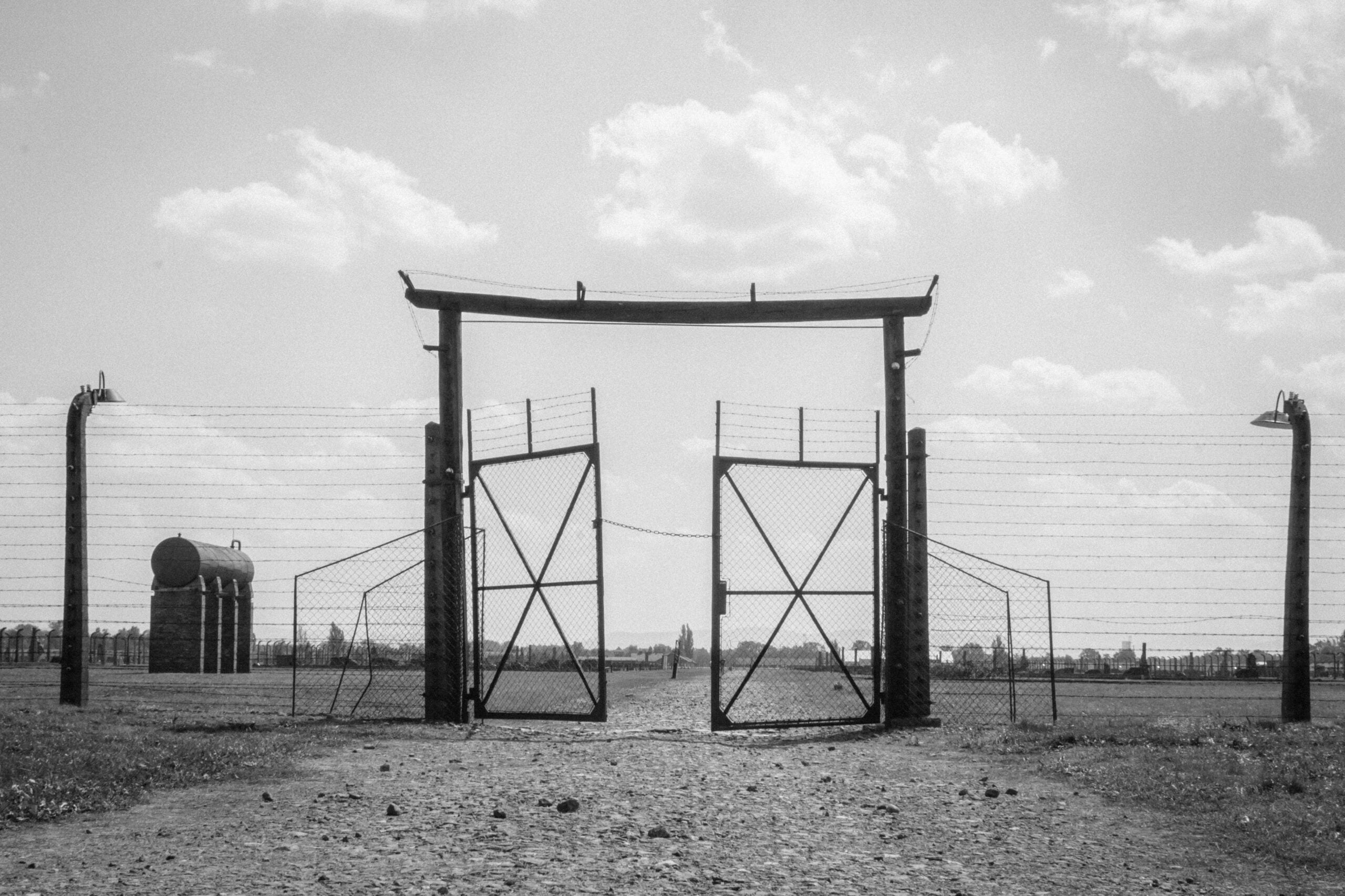
The infamous “Arbeit macht frei” sign hangs over the entrance like a cruel joke. Work makes you free — except it didn’t, and everyone knew it wouldn’t.
The photograph captures the lie that greeted prisoners every morning, assuming they lived to see another morning.
Children Behind Barbed Wire
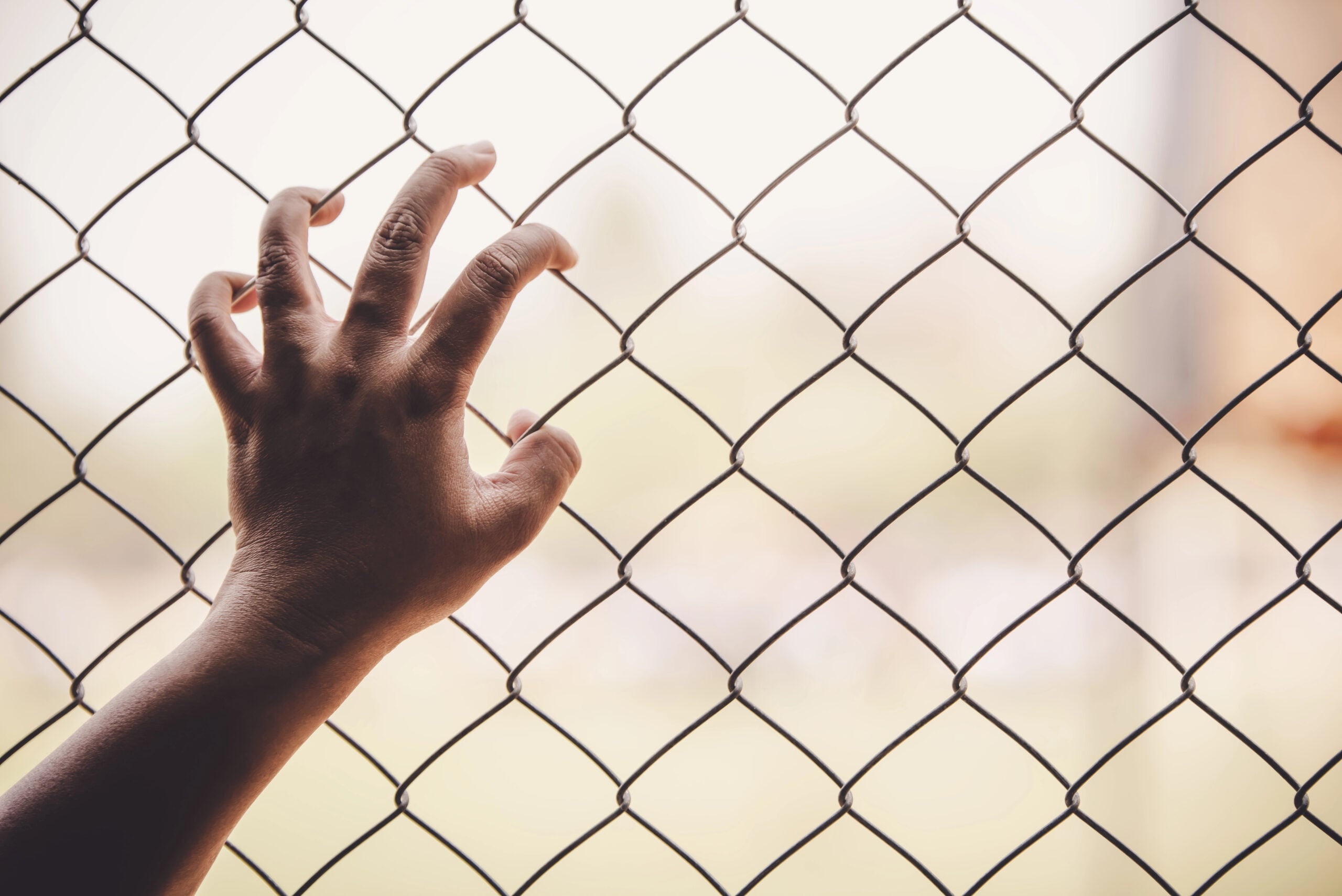
So you think you’ve seen everything that war can do to innocence, and then you encounter this image from Auschwitz (taken during liberation) — children standing behind barbed wire, their eyes holding something that shouldn’t exist in young faces, a knowledge that arrived decades too early. Their striped uniforms hang loose on frames that should have been filled with the soft roundness of childhood, but instead carry the sharp angles of starvation.
And yet what strikes you most isn’t the physical deterioration — it’s how they’re still standing there, still looking directly at the camera. Still present.
Shoes at Majdanek
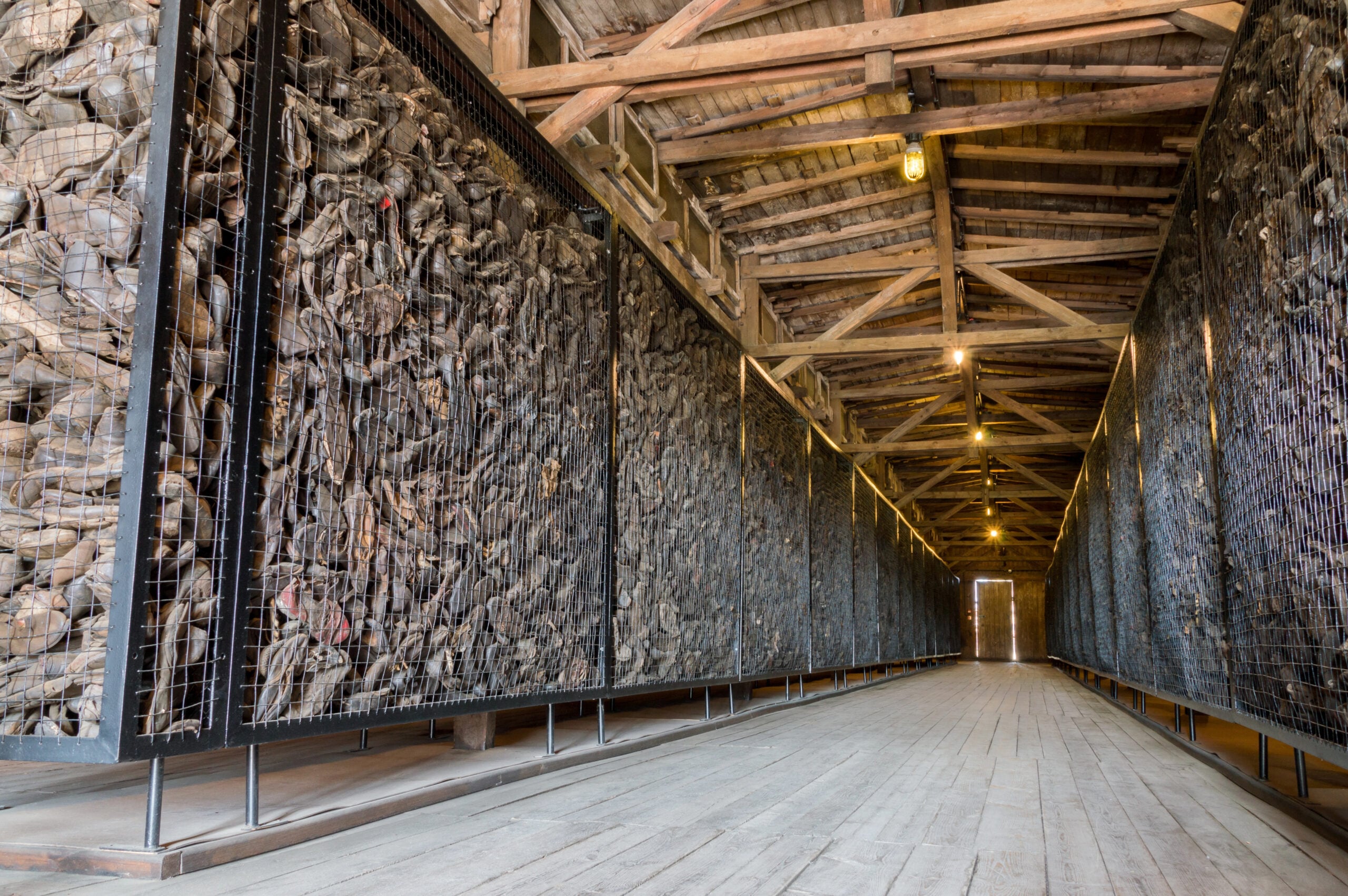
Thousands upon thousands of shoes, piled in a warehouse like inventory. Each pair walked into that camp on someone’s feet.
The photograph doesn’t show faces or names, just leather and fabric that once carried people through ordinary days — walking to work, climbing stairs, running to catch a train.
Medical Experiments Documentation
The clinical photographs from medical experiments represent something beyond cruelty — they document the systematic removal of humanity from medicine itself. These aren’t healing hands or merciful interventions, but rather the methodical cataloging of torture dressed up as science (which makes them no less horrific for being organized).
Doctors took these pictures the same way they might document a successful surgery, with the same detached professionalism, the same careful attention to detail. But the subjects weren’t patients — they were victims.
The sterile documentation somehow makes it worse.
Buchenwald Survivors
Liberation day at Buchenwald shows men crowded into wooden bunks, staring out with expressions that seem to exist somewhere between relief and disbelief. The camera captures that precise moment when survival becomes real, when the impossible shift from prisoner to human being again begins to take shape.
Crematorium Ovens
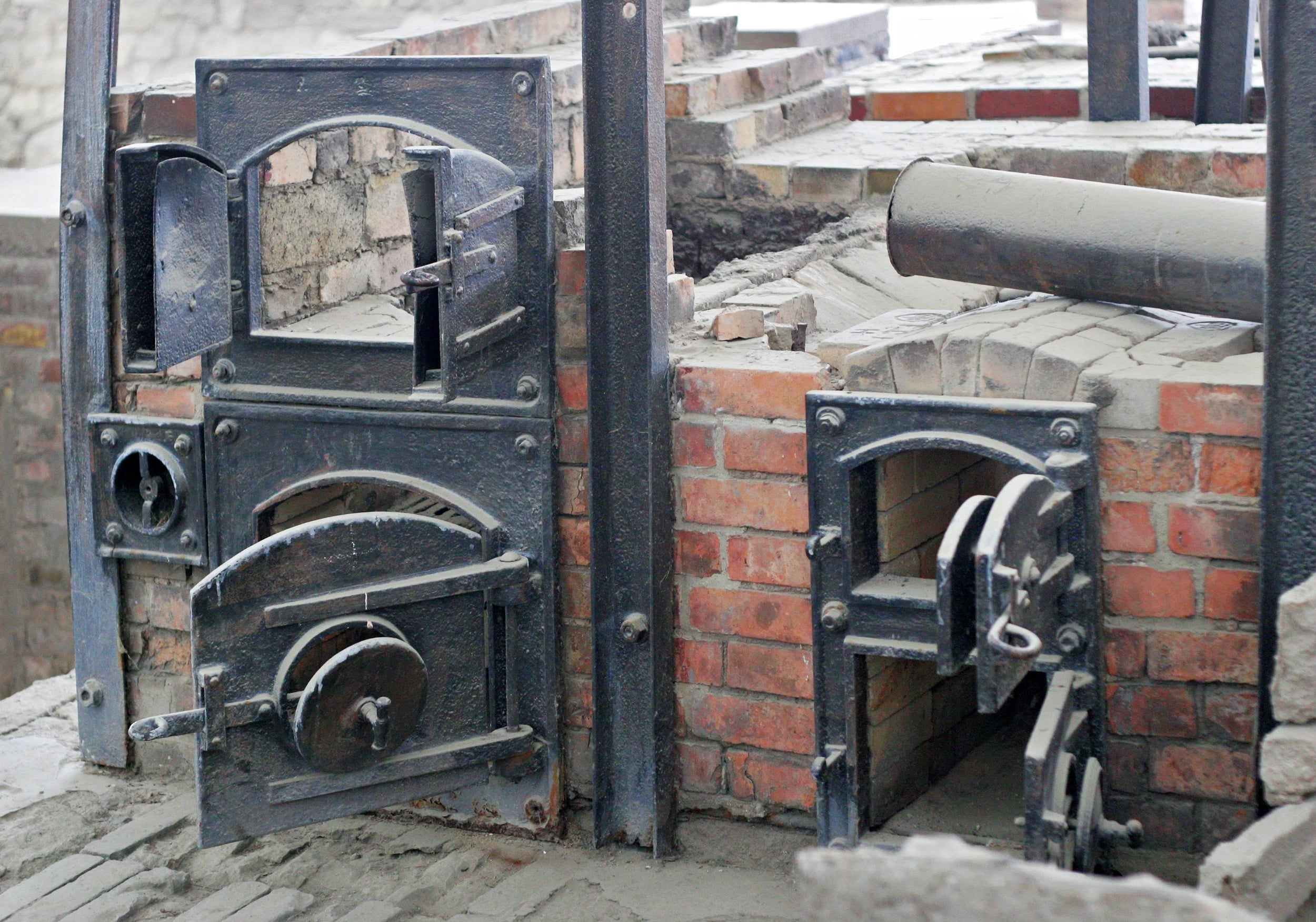
The ovens at Dachau sit open like hungry mouths that finally stopped feeding. There’s something almost mundane about the engineering — efficient, practical, built to handle volume.
Which is exactly what makes the photograph so disturbing. Someone designed these.
Someone installed them. Someone operated them every day.
Warsaw Ghetto Deportations
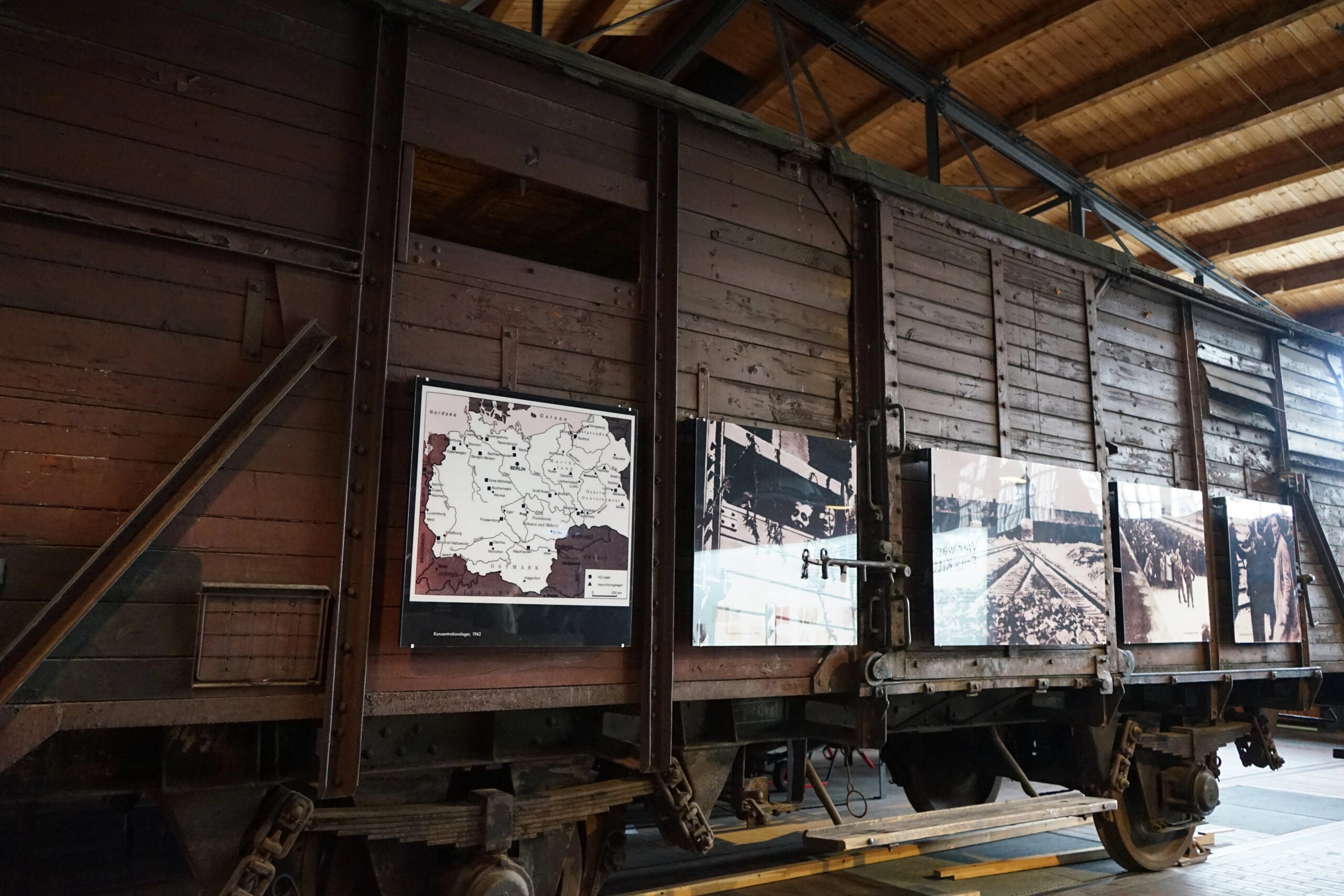
The photographs from the Warsaw Ghetto show families being loaded into cattle cars, carrying suitcases and bundles like they’re going on a trip. Children hold their parents’ hands.
People wear their best clothes. The camera captures the last moment before everything familiar disappeared forever.
Dachau Liberation
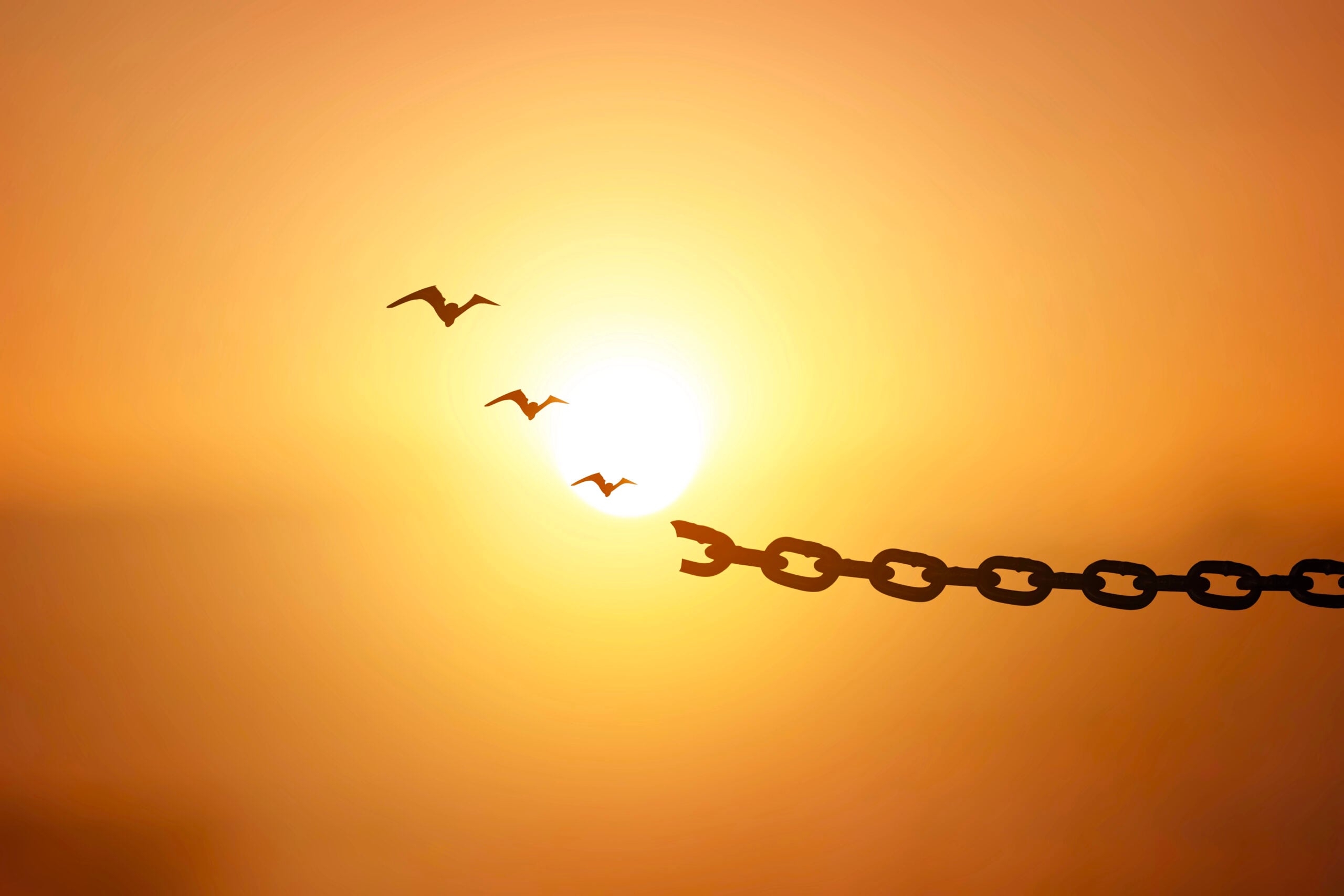
American soldiers opened the gates at Dachau and found train cars filled with corpses — people who had died just miles from liberation, so close to freedom they could probably smell it. The photograph shows the collision between hope and horror, between what the liberators expected and what they actually found.
Personal Belongings
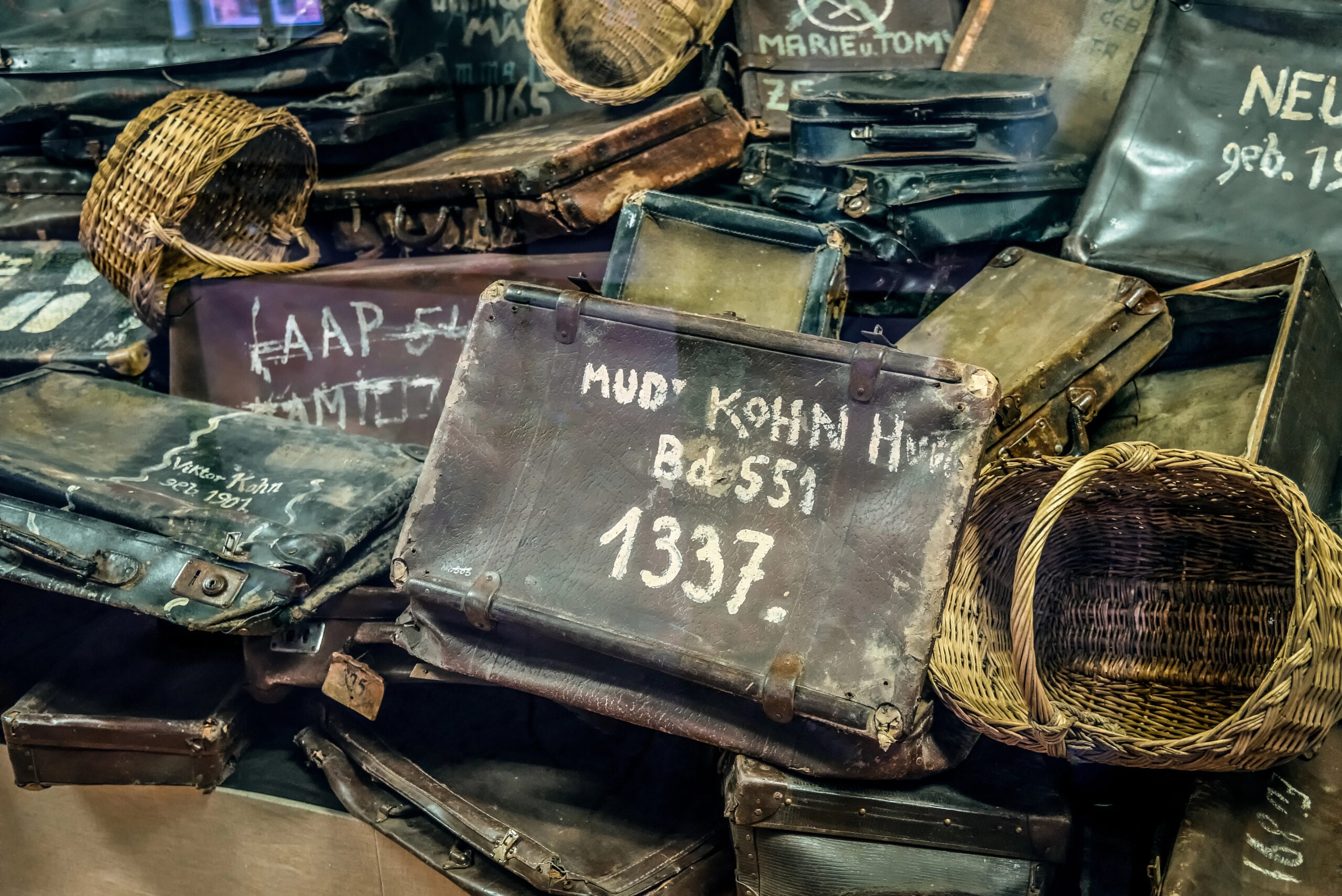
Mountains of eyeglasses, prosthetic limbs, hairbrushes, and suitcases marked with names and addresses that no longer existed. The photograph at Auschwitz shows these items sorted and stacked with the same efficiency that characterized everything else about the killing process.
Each object had an owner, a story, a life attached to it.
Standing Roll Call
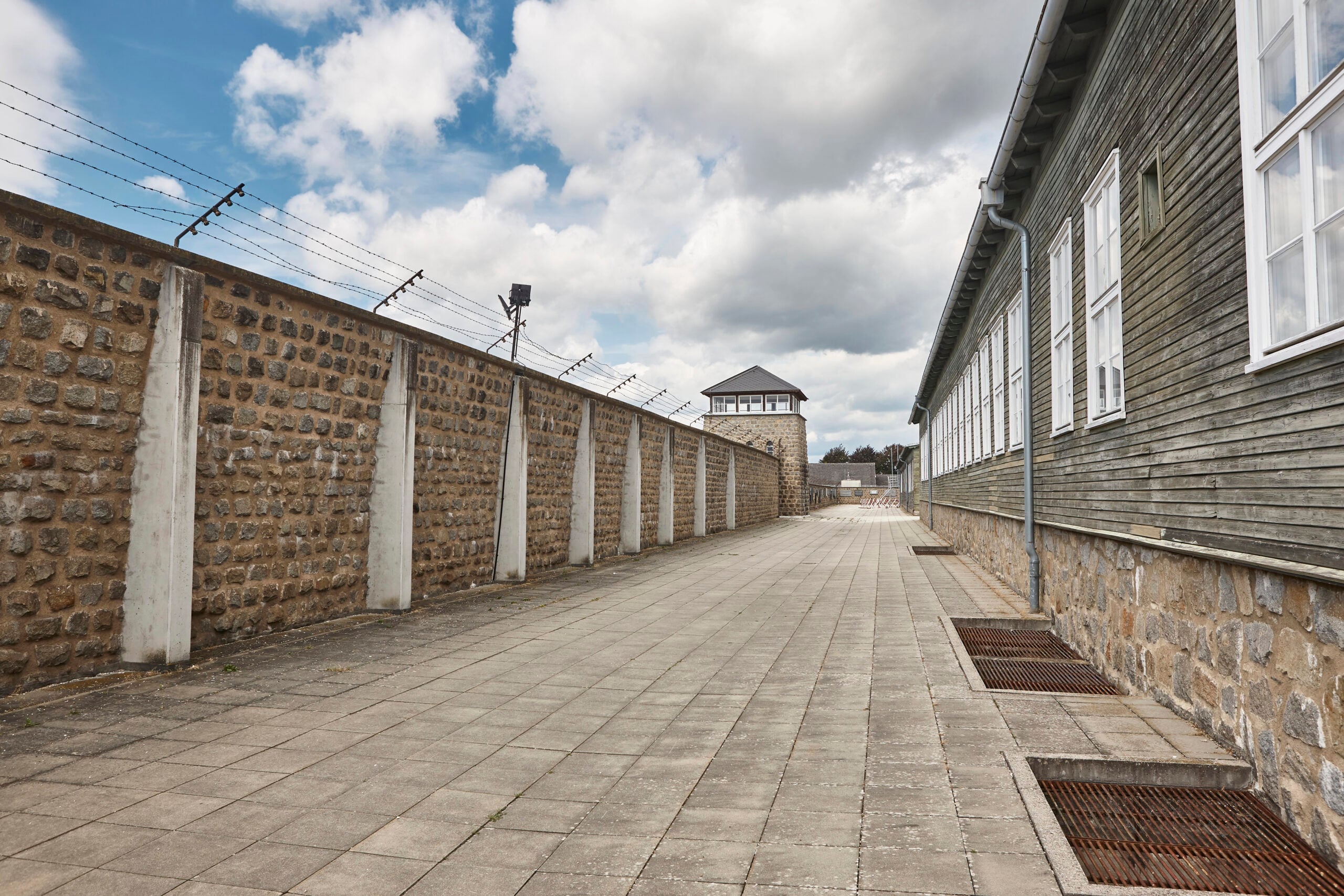
Prisoners stand in perfect rows for the morning count at Mauthausen, arranged with military precision under the watch of guards. The photograph captures the daily ritual of dehumanization — reducing people to numbers, forcing them to stand motionless while their captors decided who would live another day.
Liberation of Mauthausen
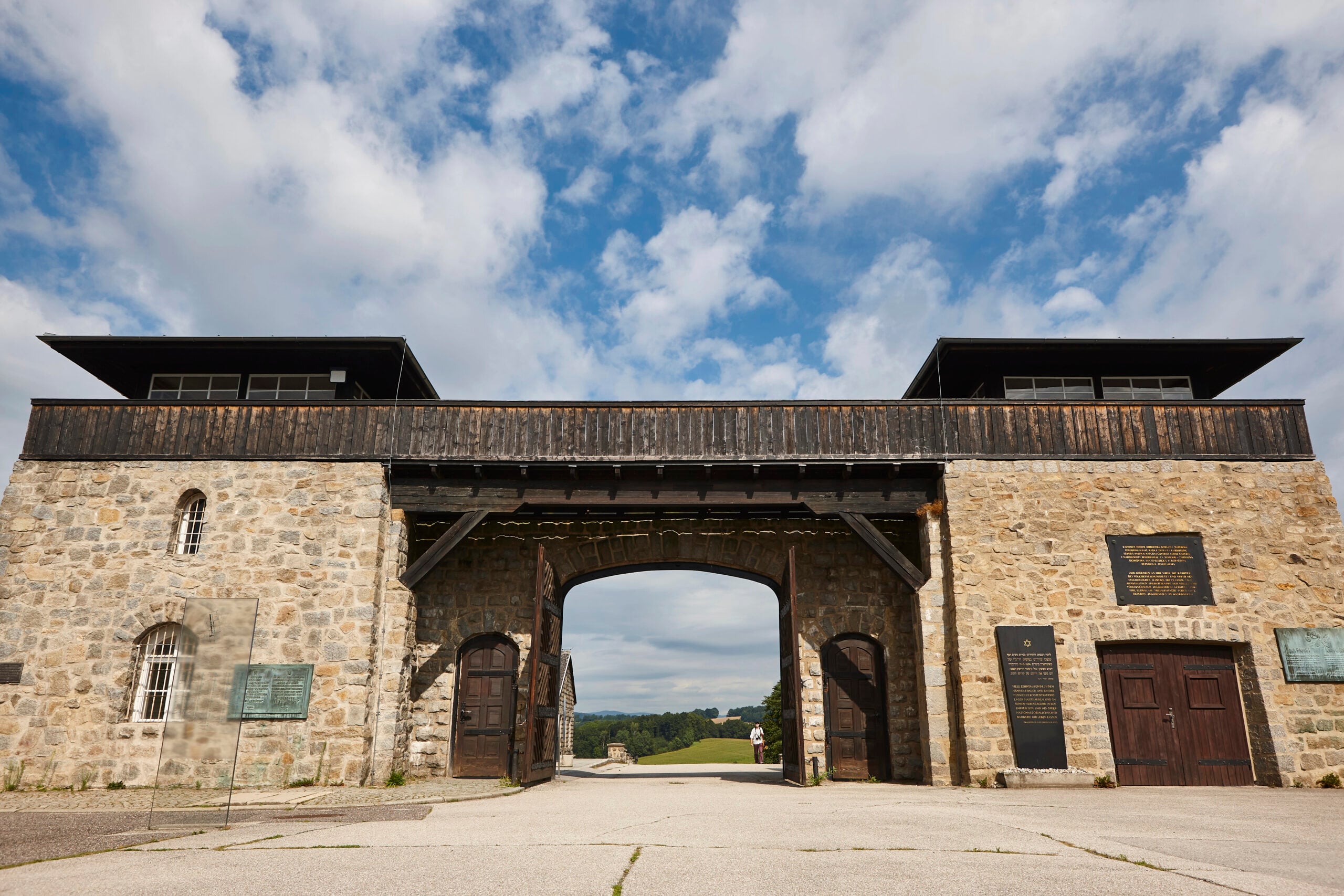
When American forces arrived at Mauthausen in May 1945, they found prisoners who had been so close to death that liberation almost came too late. The photograph shows survivors greeting their liberators with a mixture of joy and exhaustion so complete that some collapsed from the effort of celebration.
Execution Wall
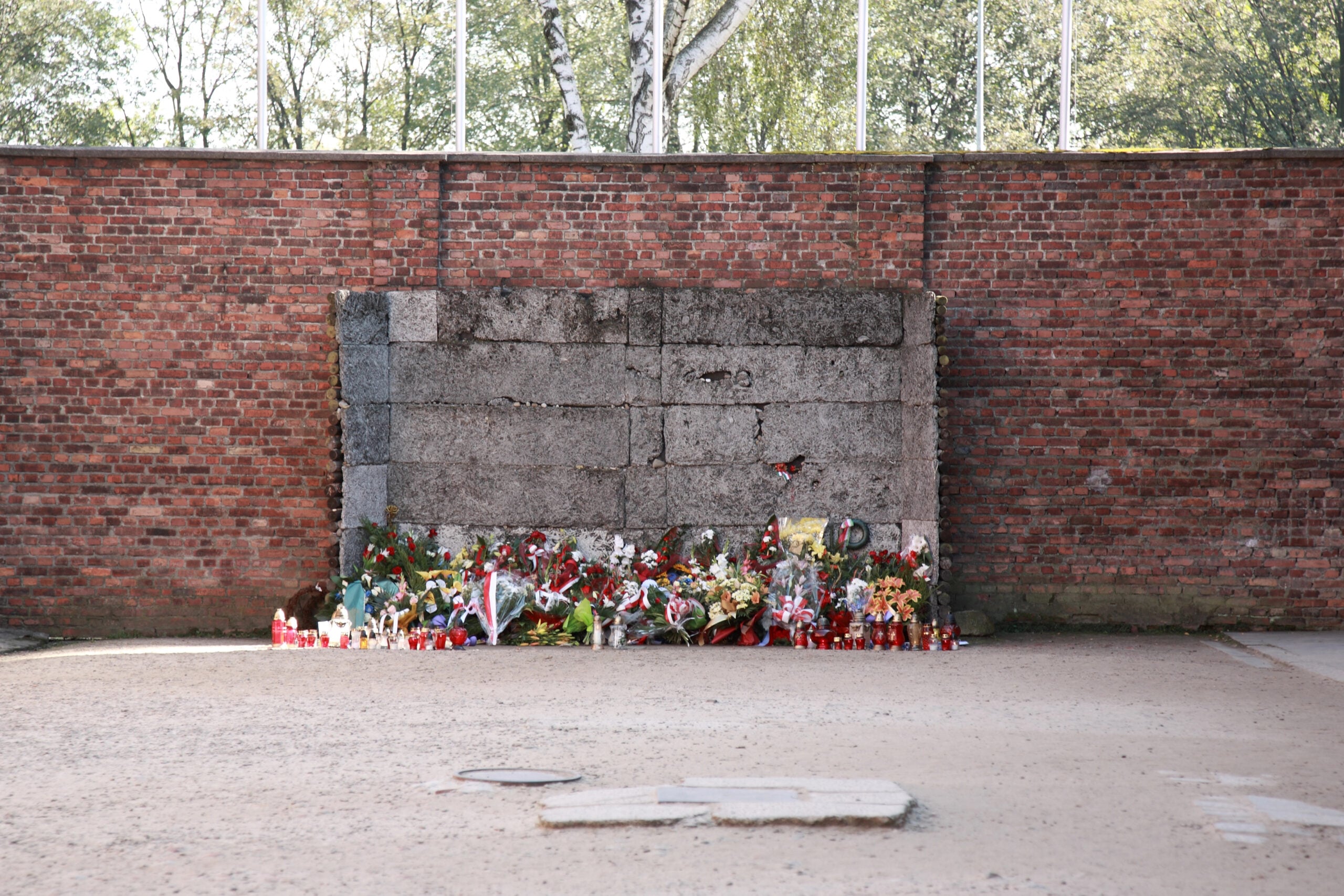
The execution wall at Auschwitz stands marked with bullet marks and stained with blood that never fully washed away. Thousands of people faced this wall as their last sight on earth.
The photograph doesn’t need explanation or context — the wall tells its own story through the evidence carved into stone and brick.
Mass Graves
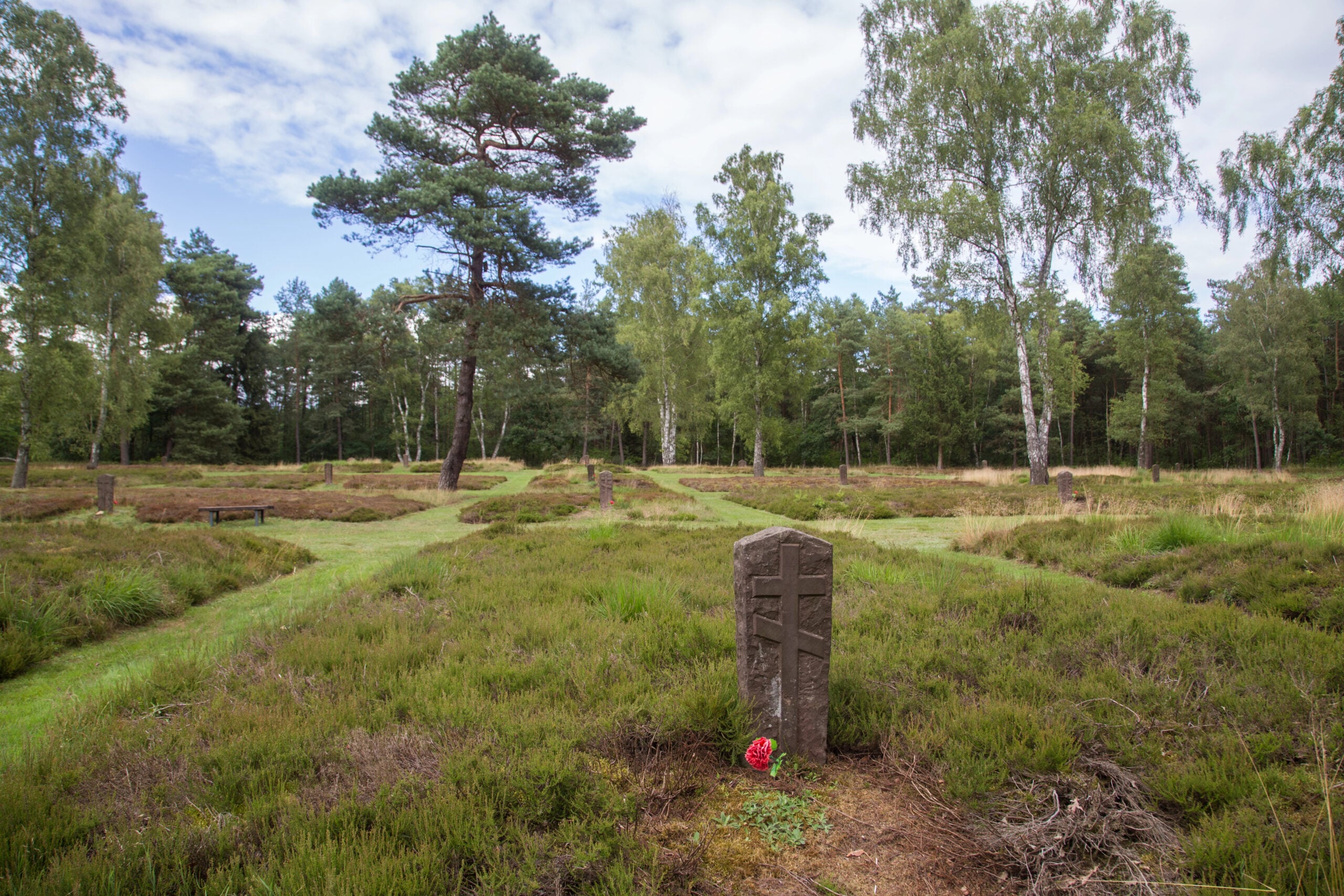
British bulldozers push bodies into mass graves at Bergen-Belsen because there were simply too many dead to bury individually. The photograph documents the aftermath of systematic murder — the point where human death became an engineering problem that required heavy machinery to solve.
Survivor Testimonies
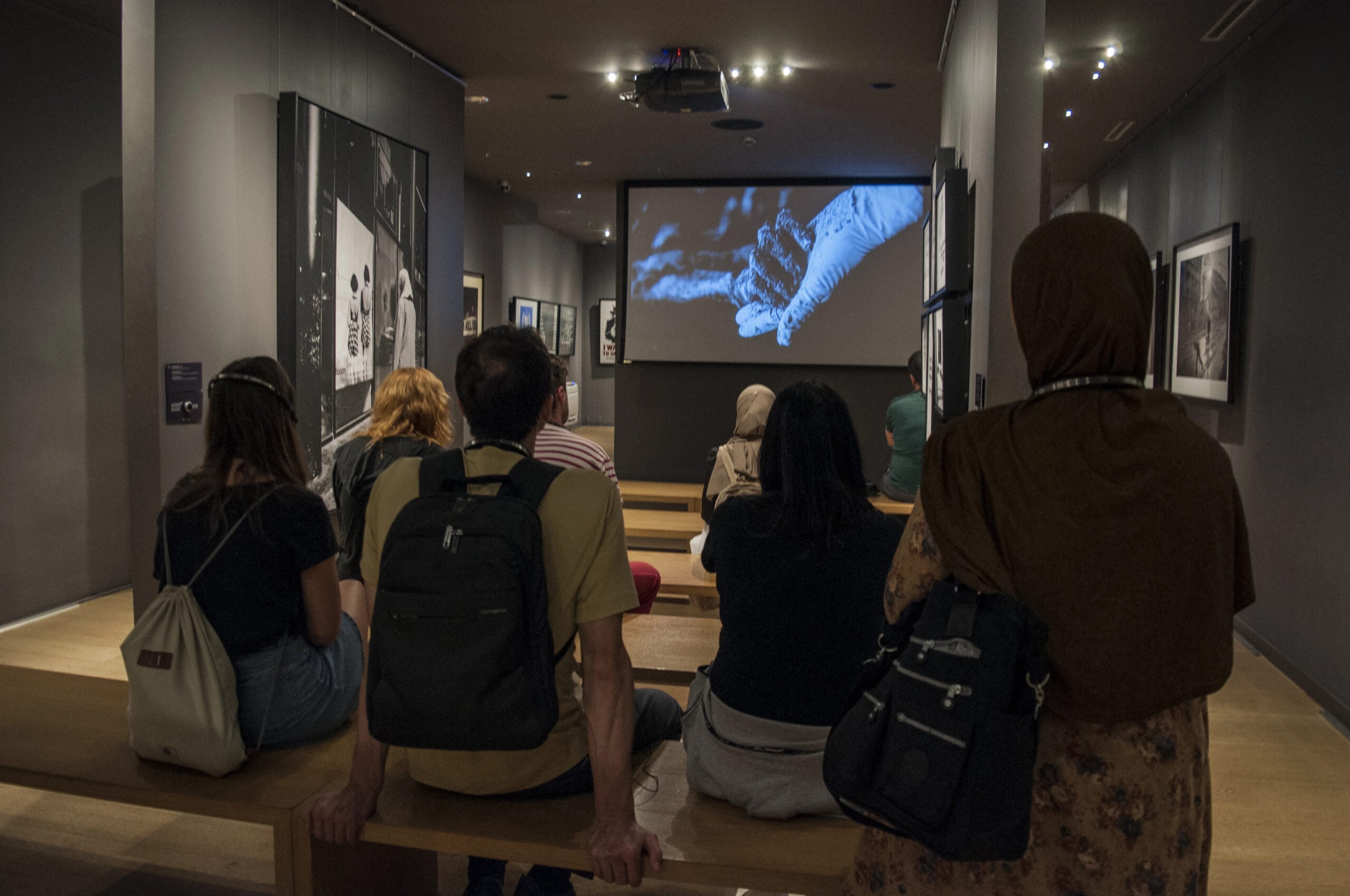
The photographs of survivors giving testimony show faces marked by experiences that no human should endure, yet speaking with a determination to ensure the world would know what happened. Their eyes carry the weight of witnessing, of surviving when others didn’t, of bearing responsibility for memory itself.
Never Again Means Now
These photographs aren’t historical artifacts — they’re warnings. Every generation needs to see them, needs to understand what happens when hatred becomes policy and cruelty becomes routine.
The camera preserved what words alone could never convey, creating a permanent record that outlasts denial, revision, and time itself. Looking at these images hurts because it should hurt.
The discomfort serves a purpose. It reminds us that forgetting isn’t just dangerous — it’s a betrayal of everyone who died and everyone who survived to tell their story.
More from Go2Tutors!

- The Romanov Crown Jewels and Their Tragic Fate
- 13 Historical Mysteries That Science Still Can’t Solve
- Famous Hoaxes That Fooled the World for Years
- 15 Child Stars with Tragic Adult Lives
- 16 Famous Jewelry Pieces in History
Like Go2Tutors’s content? Follow us on MSN.