19 Military Projects That Were Abandoned for Unusual Reasons
Throughout history, military forces have pursued ambitious projects to gain tactical advantages. While many projects fail due to budget constraints or technical limitations, some were shelved for far more intriguing reasons.
From peculiar psychological effects to unexpected animal interference, these ventures met their end in ways their creators never anticipated. Here is a list of 19 military projects that were discontinued for fascinating and often bizarre reasons, each offering a unique glimpse into the unpredictable nature of military innovation.
Project Acoustic Kitty

In the 1960s, the CIA spent $20 million attempting to turn cats into spy devices by surgically implanting transmitters and antennas. The first field test ended tragically when the inaugural spy cat was immediately hit by a taxi outside the Soviet embassy.
Training sessions proved cats were entirely uninterested in following directions or maintaining surveillance positions. The project files were declassified in 2001, revealing that handlers couldn’t overcome the cats’ stubborn nature and tendency to wander off in search of food.
The entire program was ultimately abandoned in 1967.
The Stilwell Brain

In 1943, the British military developed a mechanical computer designed to intercept German bombers. Engineers discovered that the device would temporarily stop working when a certain technician entered the room.
After months of investigation, they realized his body was naturally producing an unusual electromagnetic field that interfered with the circuits. The disruptions couldn’t be shielded against with available technology.
The project was abandoned when they couldn’t find a way to operate it without the risk of human electromagnetic interference.
Project Habbakuk
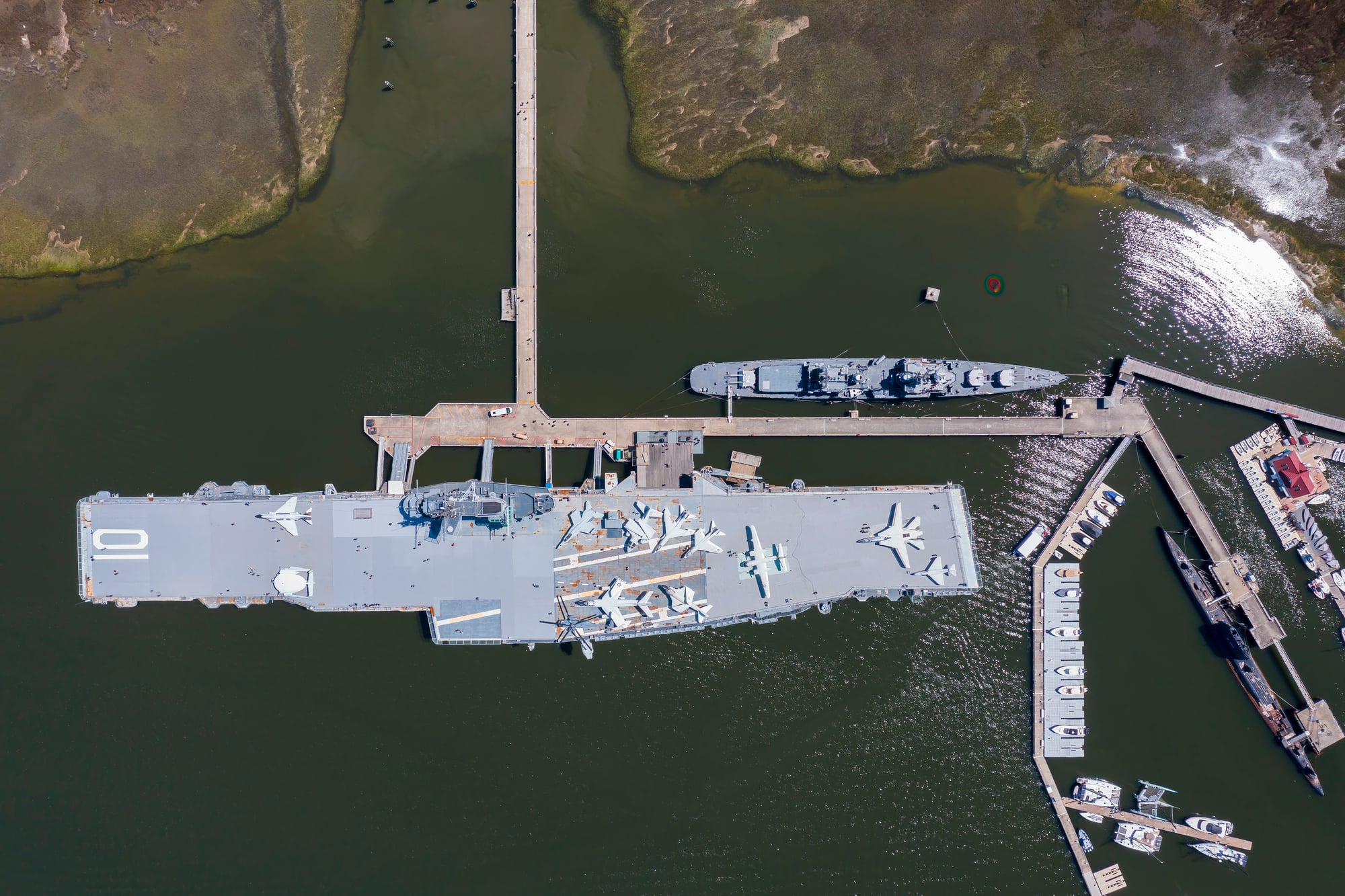
British planners in WWII proposed building massive aircraft carriers out of pykrete, a frozen mixture of water and wood pulp. The material proved incredibly durable and resistant to explosions in tests.
A prototype built in Canada required three weeks of summer heat to melt even slightly. However, the project was abandoned when engineers calculated that keeping the ship frozen would require 25 generators and enough insulation to significantly reduce its cargo capacity.
The energy needed to maintain the frozen structure made the entire concept impractical.
The Blue Peacock Nuclear Mine

British military planners developed nuclear land mines to be placed in Germany during the Cold War. The unusual challenge was keeping the bomb’s electronics warm enough to function during winter.
Their solution involved housing live chickens inside the devices with enough food and water for a week. The heat from the chickens would prevent the components from freezing.
The project was abandoned in 1958 when officers realized they couldn’t guarantee the chickens would survive long enough to maintain optimal temperatures.
Project Pigeon

During WWII, behaviorist B.F. Skinner trained pigeons to guide missiles by pecking at target images. The birds proved remarkably accurate in tests, maintaining guidance even under intense acceleration and irregular movement.
The project received significant funding until military officials became uncomfortable with relying on birds for precision warfare. Despite successful demonstrations, the unusual nature of using pigeons as guidance systems made commanders too uncomfortable to proceed.
The project was shelved despite its technical success.
The Bat Bomb

In 1942, a dental surgeon proposed attaching small incendiary devices to bats and releasing them over Japanese cities. The bats would roost in buildings before the timers activated, starting widespread fires.
Early tests showed promise, with the bats successfully burning down a replica Japanese village in New Mexico. The project was canceled when calculations revealed that conventional firebombs would be more efficient, though not before several test bats escaped and set fire to an Air Force base hangar.
Project High Beam

The U.S. Army attempted to develop trucks with psychedelic headlights that would disorient enemy forces. Initial tests produced promising results, with test subjects becoming temporarily confused and unable to aim weapons.
The project was abandoned when researchers discovered that the lights had an equally disorienting effect on friendly forces, even when viewed in peripheral vision or reflection. The inability to protect their own troops from the effects made the system impractical for battlefield use.
The Goliath Tracked Mine
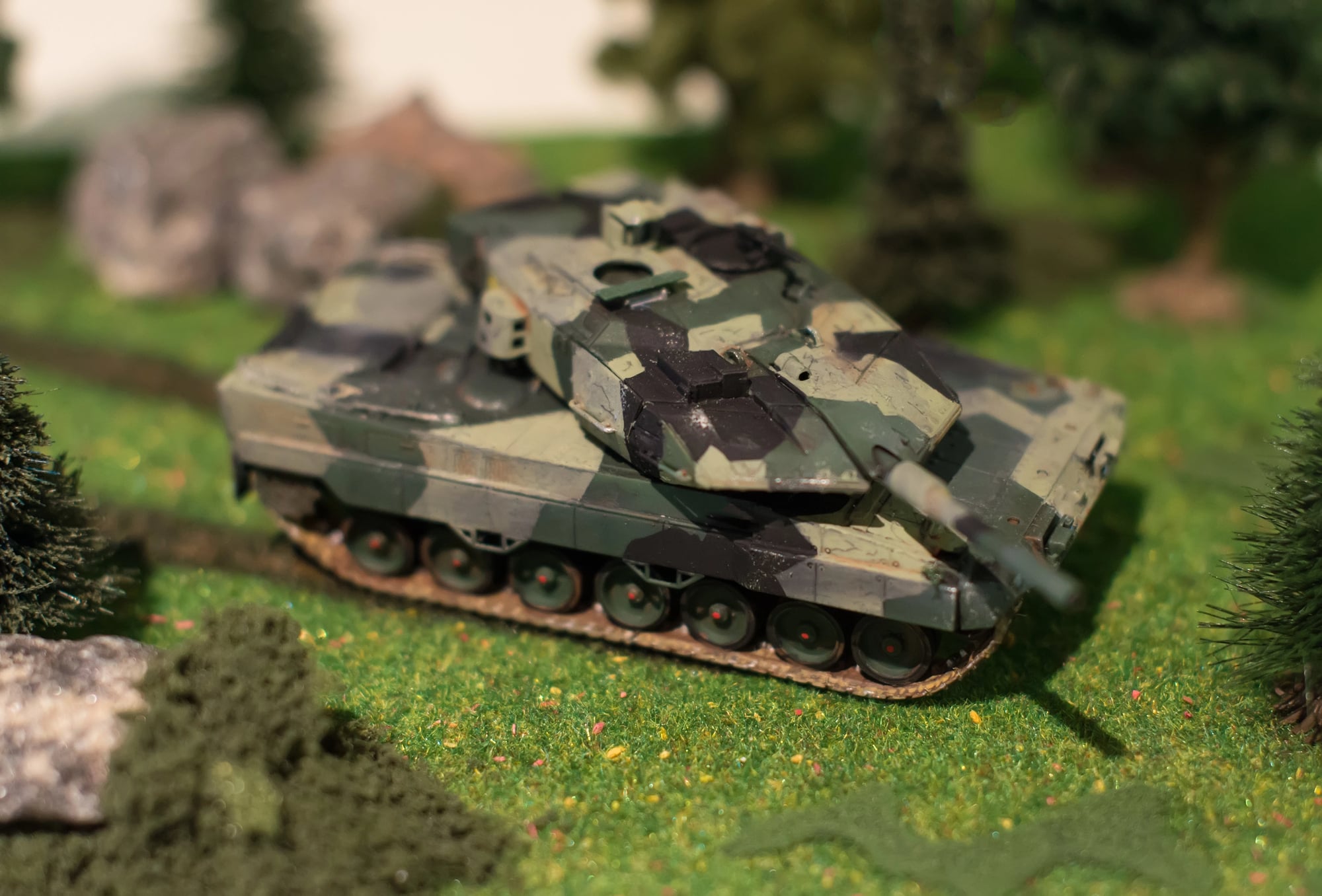
German forces in WWII created tiny remote-controlled tanks packed with explosives. These miniature tanks were designed to detonate and drive under enemy vehicles.
The project failed when soldiers discovered the control cables were easily severed by small arms fire. The vehicles also proved too slow to avoid being spotted and destroyed.
The final nail in the project’s coffin came when troops realized they could simply flip the small tanks over with poles, rendering them useless.
The Flying Aircraft Carrier

In the 1930s, the U.S. Navy successfully built and flew two helium-filled airships designed to launch and recover biplanes mid-flight. The system worked surprisingly well in calm conditions.
The project ended tragically when both airships were destroyed in storms, revealing that the massive vessels couldn’t operate safely in anything but perfect weather. The loss of life and extreme weather limitations led to the concept’s abandonment despite its technical success.
Project Thor

During the Cold War, military planners proposed placing tungsten rods in orbit that could be dropped on targets with devastating kinetic energy. The “Rods from God” concept proved technically feasible and impossible to defend against.
The project was shelved when calculations revealed the cost of lifting the heavy rods into orbit would exceed the price of conventional weapons by several orders of magnitude. The astronomical launch expenses made the system impractical despite its theoretical effectiveness.
Project Silkworm

In the 1950s, British military scientists attempted to breed super-sized silkworms to produce industrial quantities of silk for parachutes. The worms grew successfully but became so heavy they couldn’t climb mulberry trees to feed.
Attempts to create smaller trees failed when the worms’ increased weight damaged young branches. The program ended when synthetic materials proved more practical than attempting to redesign both worms and trees.
The Sawdust Aircraft

During WWII, Britain faced an aluminum shortage for aircraft construction. Engineers successfully developed a composite material using sawdust and resin that proved surprisingly durable.
The material worked well in prototypes but was abandoned when they discovered the sawdust mixture attracted armies of woodworms. The risk of aircraft literally being eaten out of the sky proved too significant to overcome despite the material’s other advantages.
Project Horizon

The U.S. Army planned to build a military base on the moon by 1967, complete with nuclear reactors and living quarters for 12 soldiers. The engineering plans were thoroughly developed and technically feasible.
The project was abandoned when strategists realized that any lunar military installation would be impossible to defend from Earth-based missile attacks. The base’s vulnerability to conventional weapons made it strategically worthless despite its technical possibility.
The Rocket Belt

In the 1960s, Bell Aerosystems developed a working hydrogen peroxide-powered rocket belt for the U.S. Army. The device worked perfectly in tests, allowing soldiers to fly short distances.
The project was abandoned when commanders realized the loud noise and visible exhaust plume made users easy targets. The limited flight time of 21 seconds and high fuel consumption meant soldiers would be stranded after each brief flight, making the system impractical for combat.
Project Sidewinder
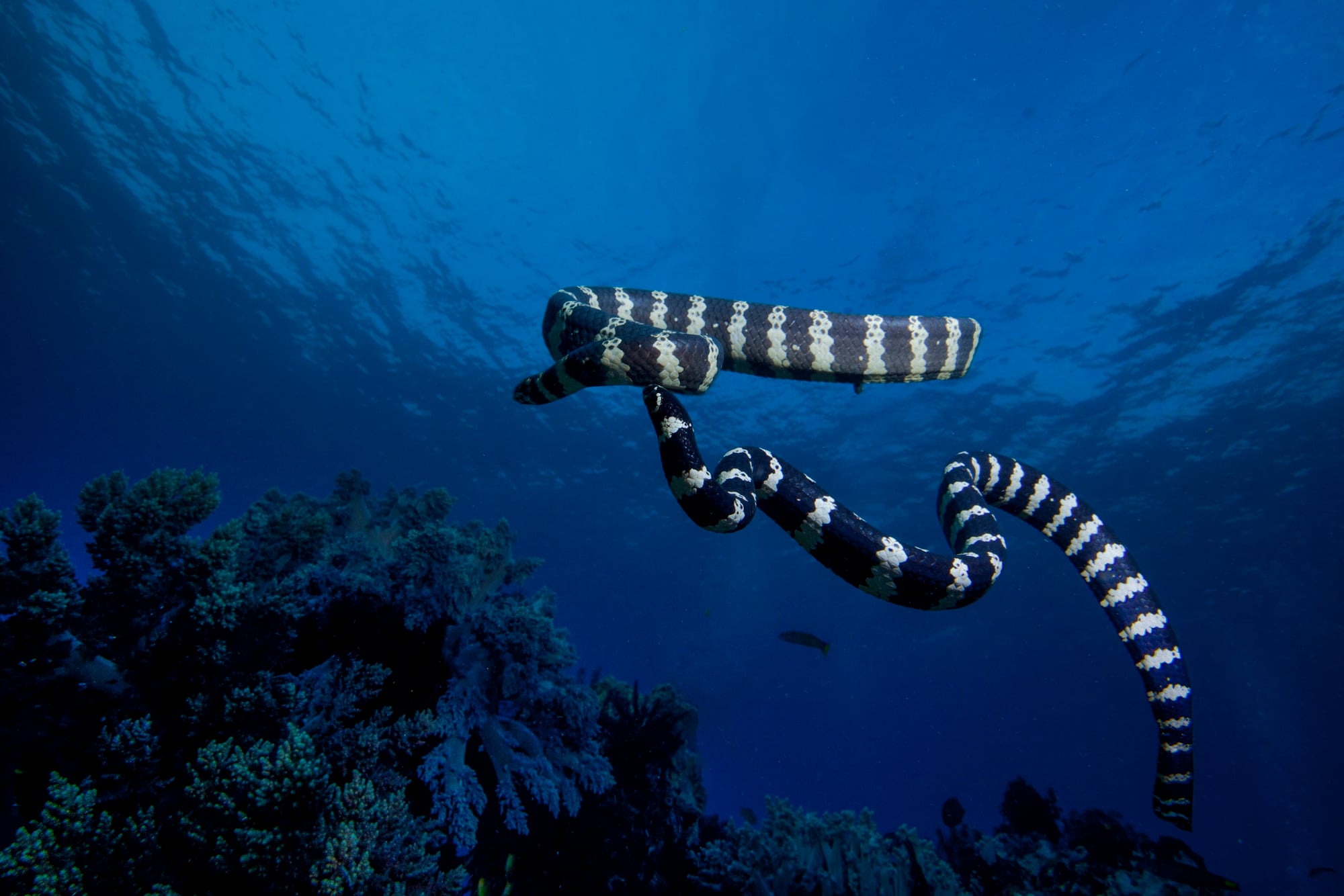
Naval researchers attempted to train sea snakes to locate and disable enemy divers by identifying their unique movement patterns. The snakes proved highly effective at finding divers in murky water.
The project was abandoned when handlers discovered they couldn’t prevent the snakes from attacking friendly divers during training exercises. The inability to reliably distinguish between friend and foe made the program too dangerous to continue.
The Sun Gun

German scientists during WWII proposed building a giant orbital mirror to focus solar energy as a weapon. Mathematics and engineering were theoretically sound, though they were far beyond contemporary technology.
The project was shelved when calculations revealed that assembling the mirror in orbit would require over 200 years of continuous launches with available rockets. The construction timeline made the project impractical despite its theoretical feasibility.
The Hedgehog Bomb

British military designers created a spherical bomb covered in spikes that would bounce unpredictably when dropped. The weapon proved effective in tests but was abandoned when loading crews suffered numerous injuries handling the spiky devices.
The medical costs and training delays caused by accidents during routine handling outweighed any tactical advantages. The project was canceled after multiple storage facilities reported similar safety issues.
The Ghost Army

During WWII, the U.S. Army successfully deployed inflatable tanks and recorded sound effects to deceive German forces. The deceptions worked so well that the fake units received multiple citations for bravery from Allied commanders who didn’t know they were rubber decoys.
The program was scaled back when planners realized the inflatable equipment was often more convincing than real vehicles, causing confusion among friendly forces. The risk of misleading their own troops led to limited deployment despite the system’s effectiveness against enemies.
Camel Corps

In the 1850s, the U.S. Army imported camels for military use in the American Southwest. The animals proved extremely effective at carrying heavy loads through desert terrain.
The project was abandoned when horses and mules refused to work anywhere near the camels, disrupting standard supply operations. The camels’ aggressive behavior and tendency to spook other military animals forced the Army to auction them off despite their superior desert performance.
Beyond Good Ideas

Many of these abandoned projects demonstrated genuine innovation and technical success, only to be undone by unexpected complications their designers never considered. Their stories serve as fascinating reminders that military innovation often fails not because ideas don’t work, but because reality has a way of introducing complications that no amount of planning can anticipate.
These unusual cancelations continue to influence modern military development, reminding planners to consider not just if something will work, but all the bizarre ways it might go wrong.
More from Go2Tutors!

- 16 Historical Figures Who Were Nothing Like You Think
- 12 Things Sold in the 80s That Are Now Illegal
- 15 VHS Tapes That Could Be Worth Thousands
- 17 Historical “What Ifs” That Would Have Changed Everything
- 18 TV Shows That Vanished Without a Finale
Like Go2Tutors’s content? Follow us on MSN.