15 Nightmare Airports That Somehow Keep Getting Worse
Air travel has become a peculiar form of endurance sport where the finish line keeps moving backward. What once felt like minor inconveniences at certain airports have morphed into genuine tests of human patience and physical stamina.
Some airports seem determined to prove that things can always get worse, and they’re succeeding with remarkable consistency.
LaGuardia Airport
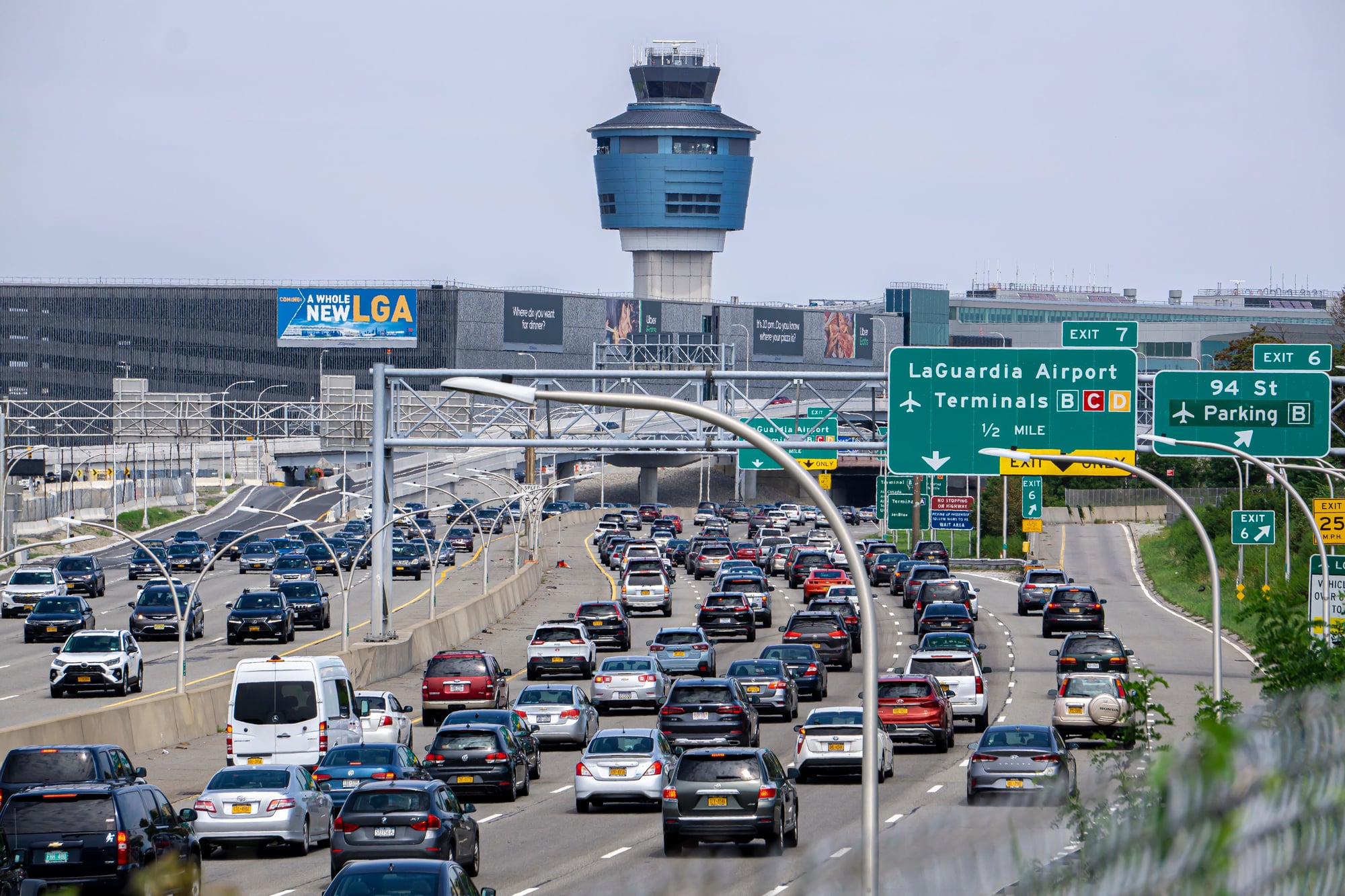
LaGuardia doesn’t pretend to be good anymore. The construction has been going on so long that toddlers have grown up thinking airports naturally involve detours through temporary plywood tunnels.
The Wi-Fi cuts out every twelve minutes like clockwork.
Even the new terminals feel designed by someone who’s never actually walked through an airport. You’ll spend more time finding your gate than flying to most destinations.
Los Angeles International Airport
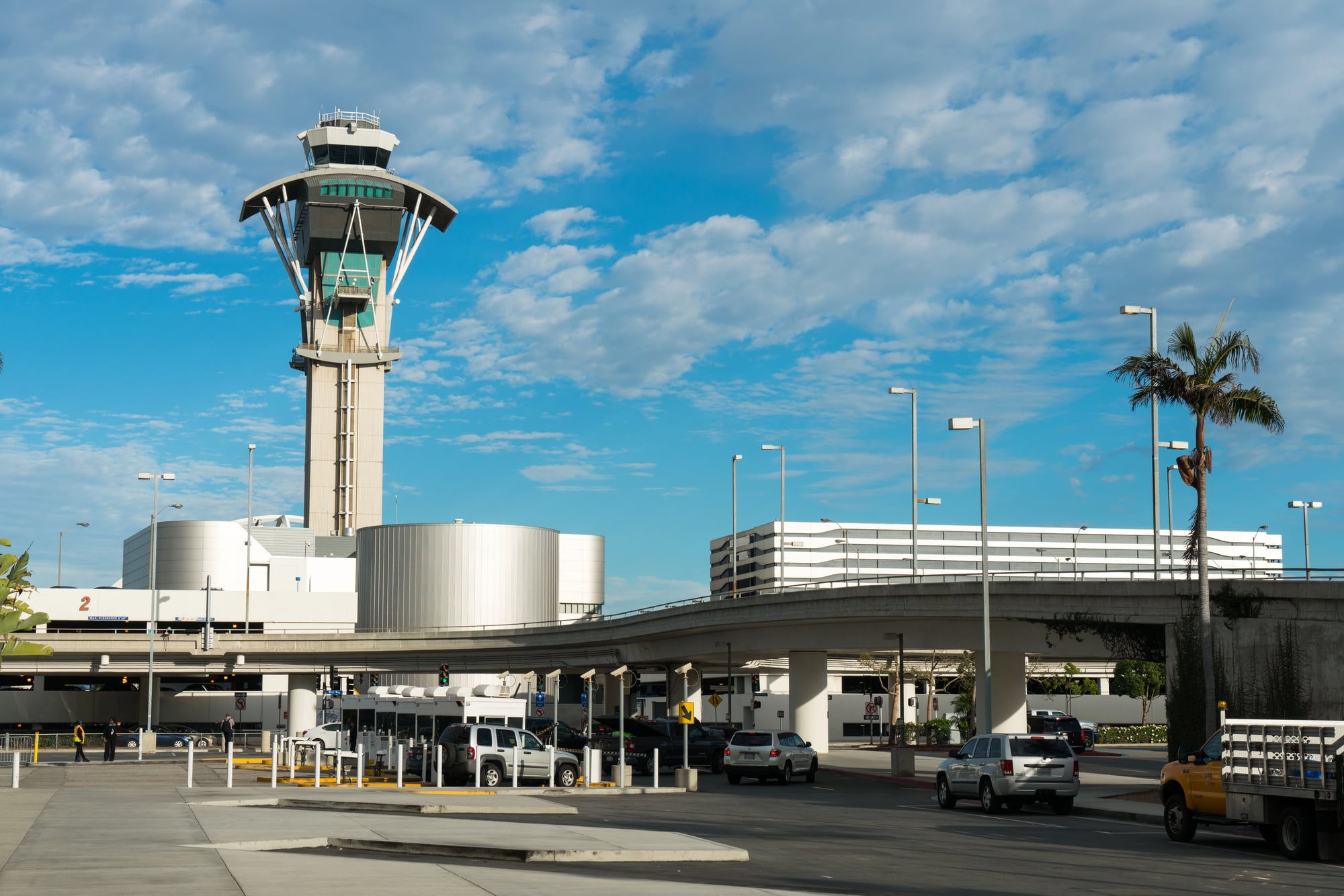
LAX operates like a city that forgot it was supposed to be an airport — sprawling, confusing, and seemingly designed by committee members who never had to use the thing themselves. The traffic situation borders on performance art: cars circling the horseshoe-shaped road in what appears to be a slow-motion demolition derby, while ride-share drivers text passengers increasingly frantic updates about their estimated arrival times (which keep getting pushed back in fifteen-minute increments).
And the walking distances between terminals feel punitive, as if the architects were settling some personal score with future travelers. But here’s the thing about LAX that makes it particularly maddening: it’s getting worse in ways that seem almost intentional, like watching someone methodically rearrange furniture to make a room less functional.
The food courts charge theme park prices for gas station quality, and the gate announcements sound like they’re being broadcast through a tin can connected to a string. So you end up paying twenty-two dollars for a sandwich that tastes like cardboard while straining to hear whether your flight has been moved to a gate in what might be a completely different time zone.
Hartsfield-Jackson Atlanta International Airport
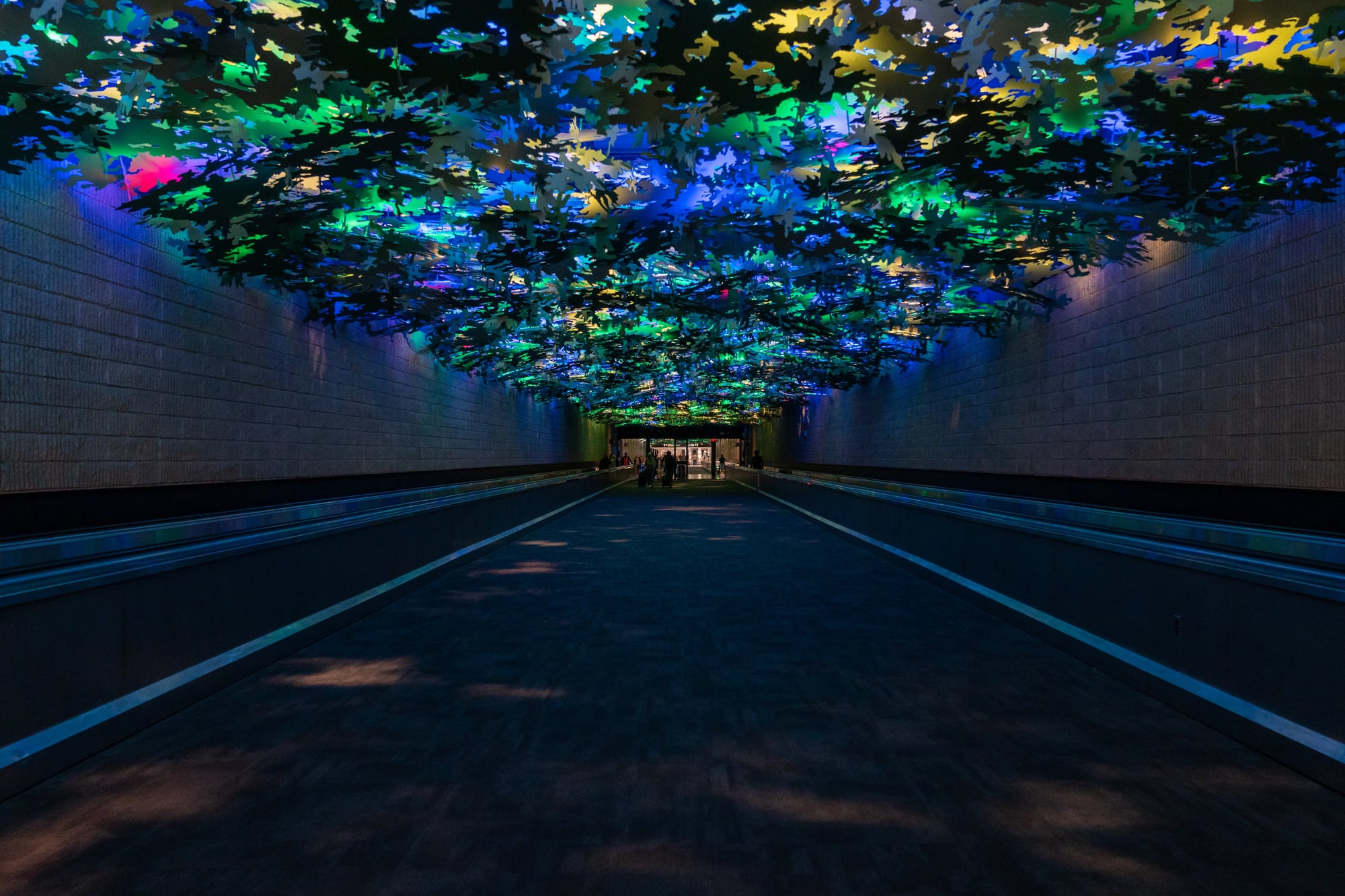
There’s something almost mythological about getting lost in Atlanta’s airport — like wandering through a labyrinth designed by someone who understood that the real punishment isn’t never finding your way out, but always feeling like you’re almost there. The train system moves with the efficiency of a government committee, stopping at each terminal with the kind of deliberate pause that suggests it’s reconsidering its life choices.
People lean against the walls with the resigned posture of shipwreck survivors, clutching their boarding passes like life preservers, while the fluorescent lights buzz overhead with the persistence of cicadas in August.
The sheer scale tricks your brain into thinking you’re making progress when you’re mostly just walking in very large circles.
Newark Liberty International Airport
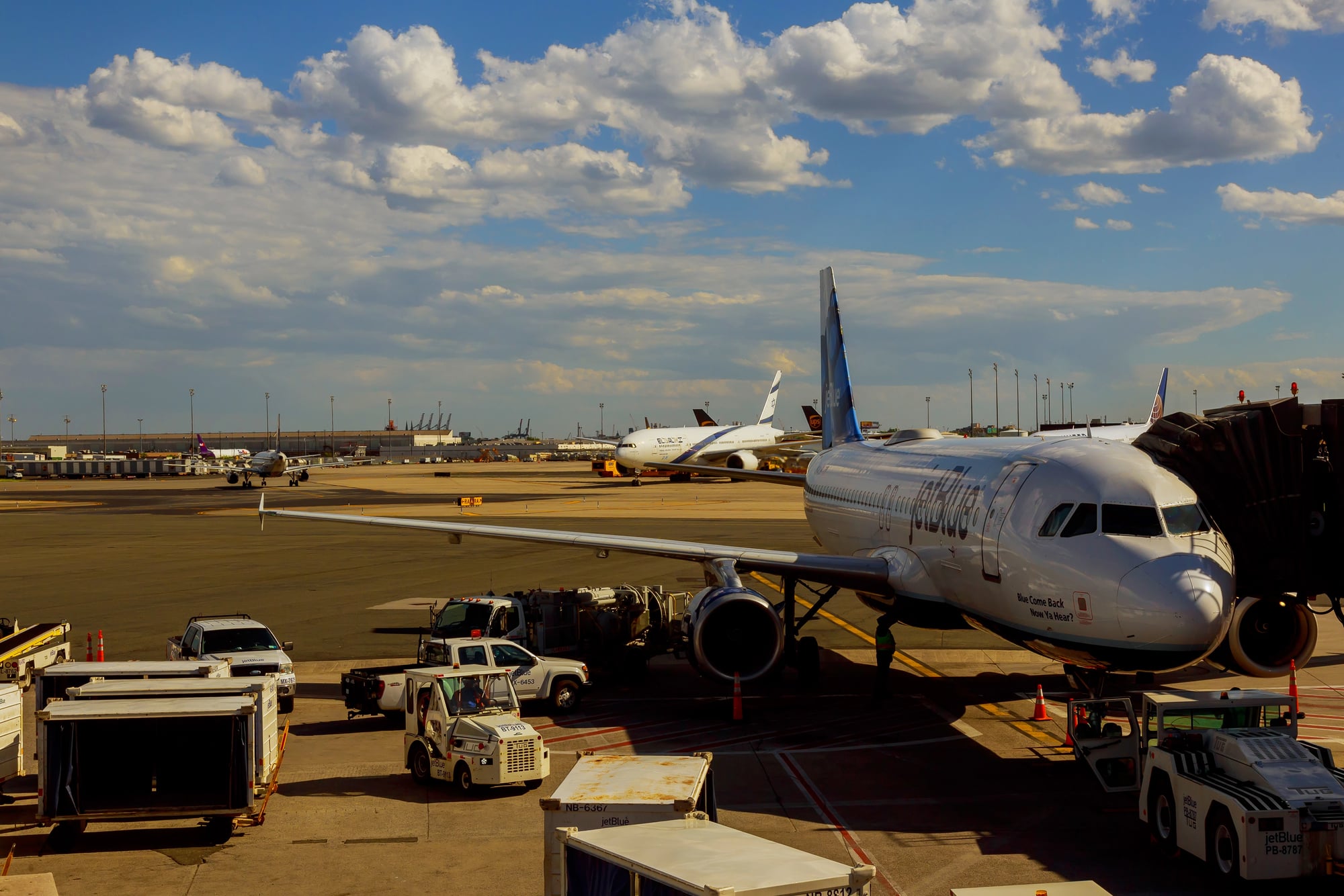
Newark exists to make other airports look competent by comparison. The customer service approach appears to be “aggressive indifference” — staff members who’ve perfected the art of looking right through you while you’re standing directly in front of them asking a question.
The departure boards update with the reliability of a broken sundial.
Terminal connections require what amounts to a visa application and a sherpa guide. To be fair, at least they’re consistent in their commitment to making travel feel like a bureaucratic obstacle course designed by people who genuinely dislike airports.
John F. Kennedy International Airport
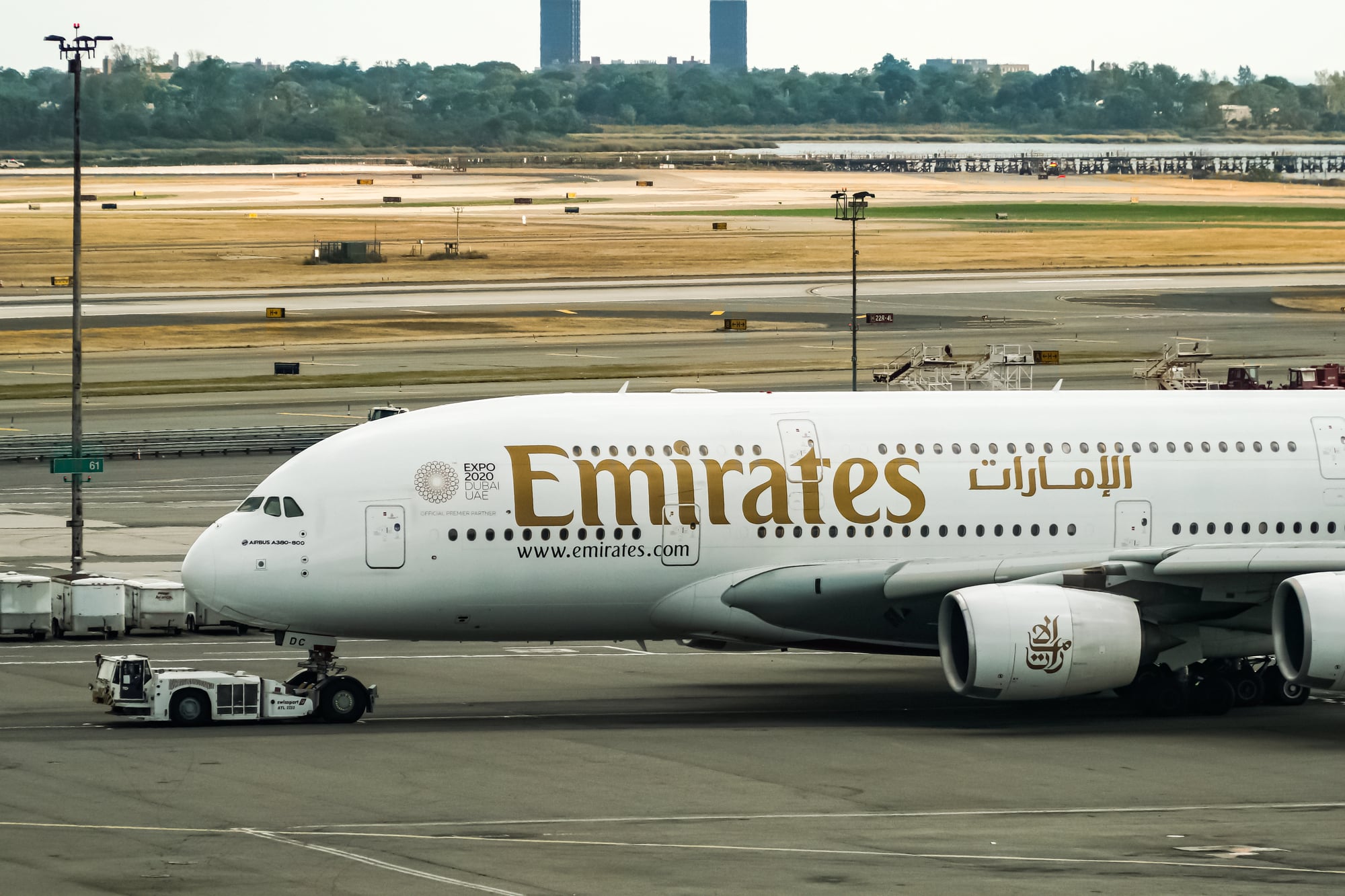
JFK carries the weight of its own reputation like an old coat that no longer fits but refuses to be thrown away. Terminal 4 stretches endlessly in both directions, creating the optical illusion that you’re walking on a treadmill while someone slowly moves the walls backward.
The immigration lines snake through corridors with the mathematical precision of a Fibonacci sequence, each turn revealing another identical section filled with travelers who’ve developed the thousand-yard stare of people who’ve been standing in the same spot for geological time periods.
Chicago O’Hare International Airport
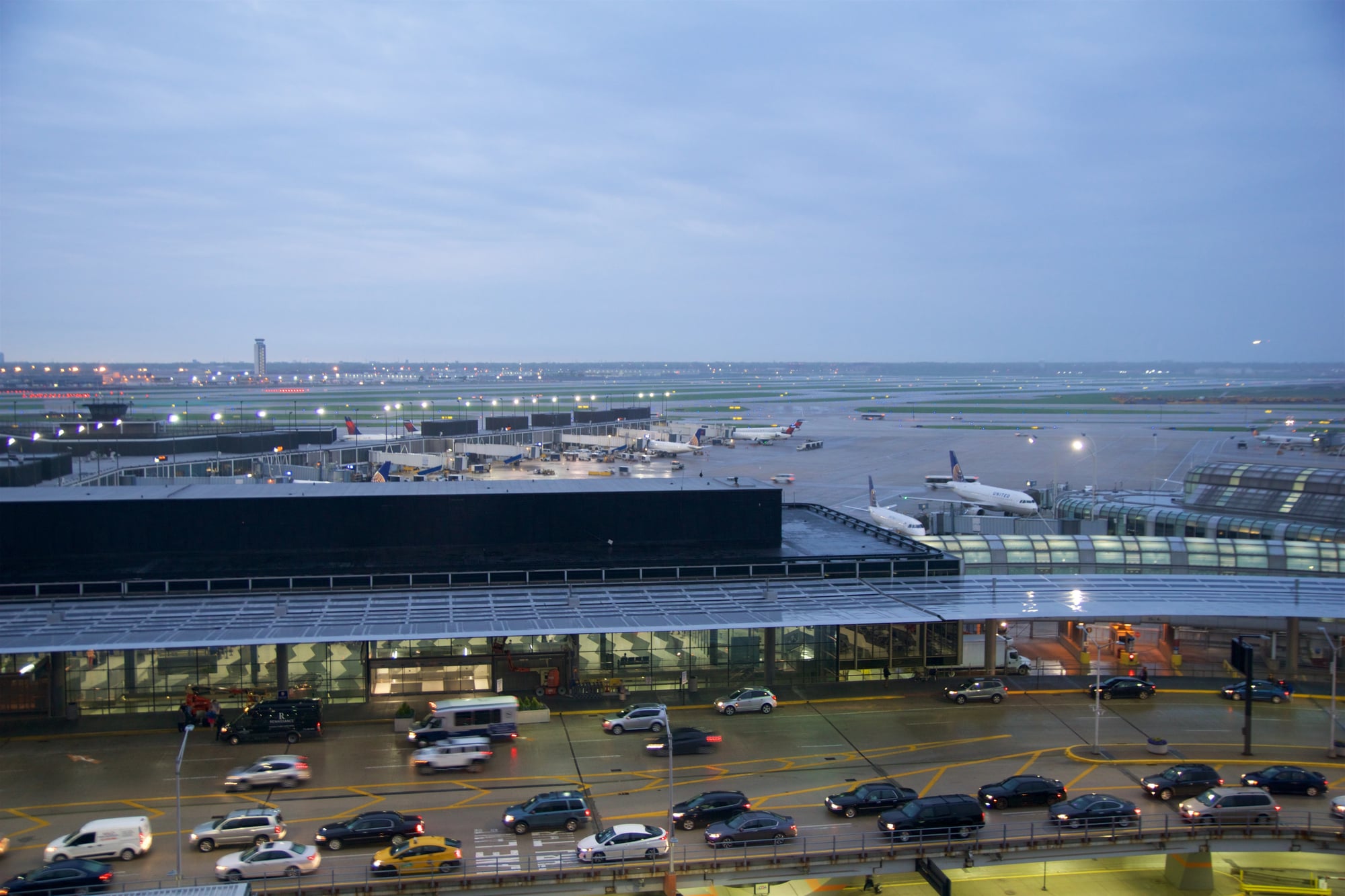
O’Hare operates on what can only be described as “chaos theory management.” Flight delays aren’t announced so much as they’re discovered organically through a process that resembles detective work.
Gates change with the frequency of a slot machine, and passengers develop a peculiar form of Stockholm syndrome toward the departure boards.
The food options exist in a strange economic bubble where a bottle of water costs more than some people’s mortgage payments. Winter weather turns the place into something resembling a refugee camp for business travelers.
Miami International Airport
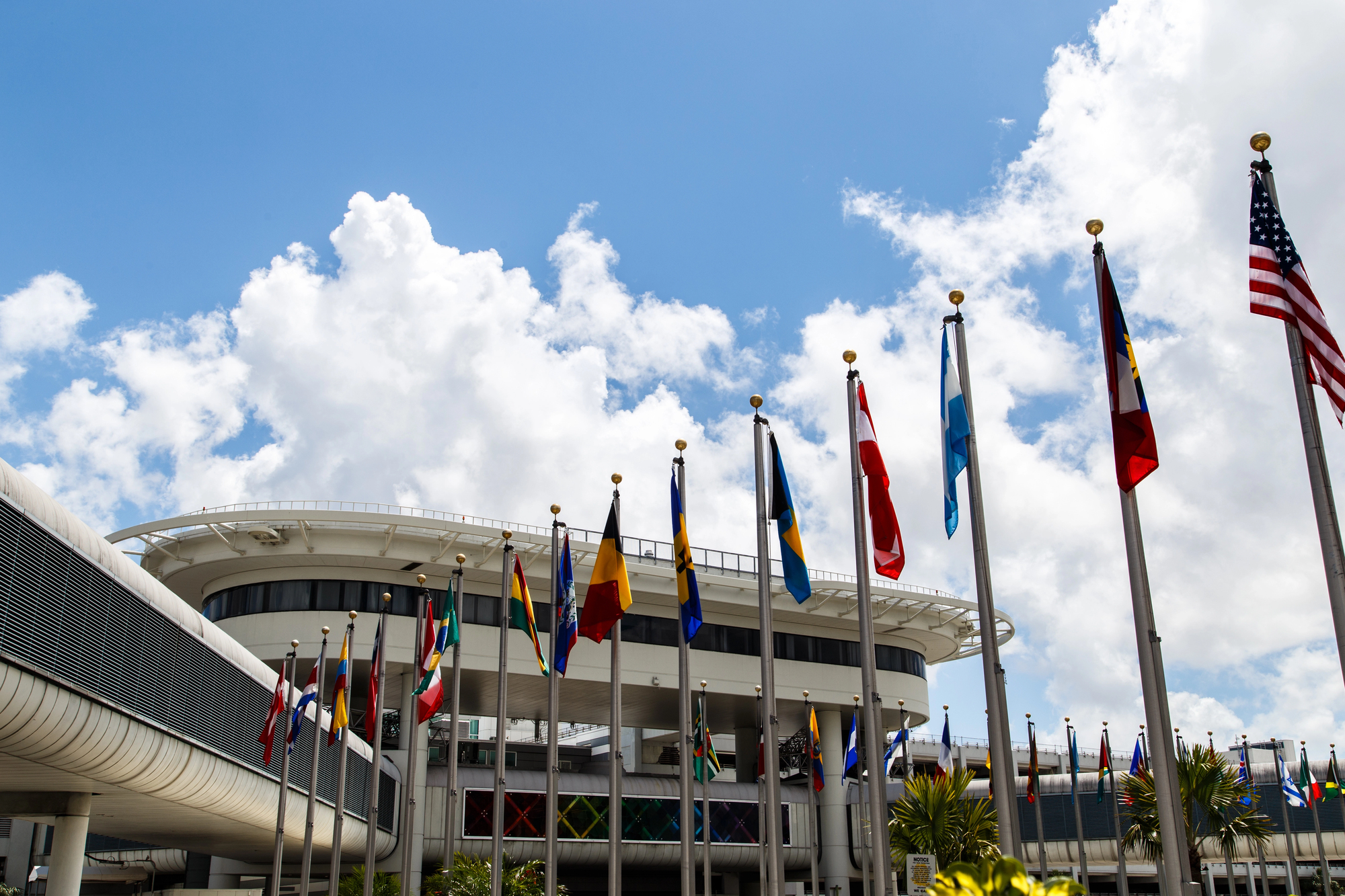
Miami’s airport feels like it was designed by someone who’d only heard airports described secondhand — sprawling and hot in ways that seem to defy both architecture and physics. The air conditioning system operates with the consistency of Florida weather: unpredictable, inadequate, and somehow always failing at the exact moment you need it most.
Security lines move with the glacial pace of art installation, while travelers strip down to their undergarments in what feels less like a safety procedure and more like an endurance test designed to break the human spirit.
The gate seating appears to have been designed for a species with different skeletal structure than humans, and the charging stations work about as often as solar panels during an eclipse.
Boston Logan International Airport
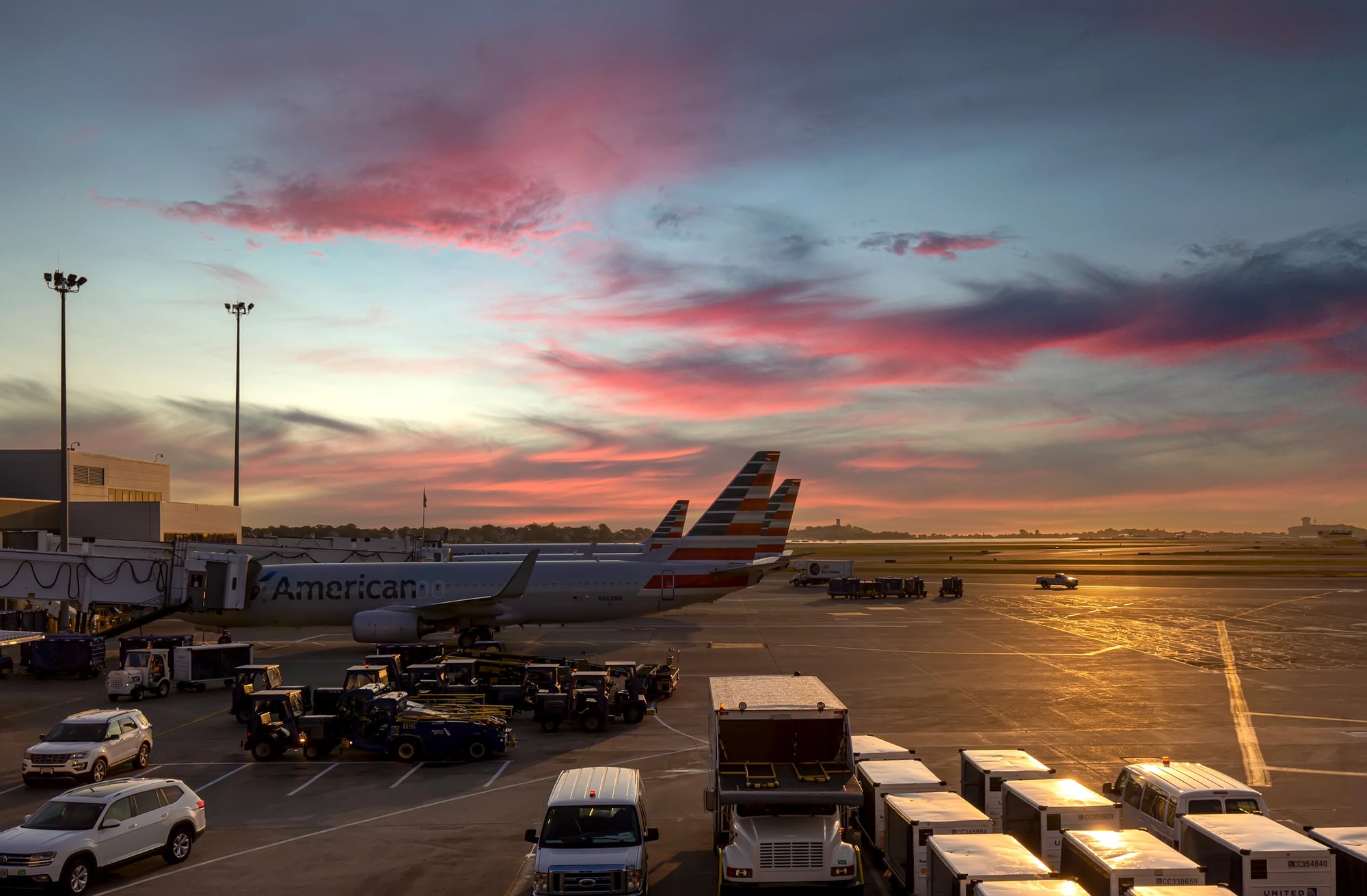
Logan manages to feel simultaneously overcrowded and understaffed, as if someone designed it for half the number of people who actually use it. The departure gates cluster together with the organizational logic of a yard sale, while passengers perform an elaborate dance of musical chairs every time a boarding announcement crackles over the intercom.
Construction zones appear and disappear like seasonal weather patterns, except the seasons last for years and always seem to block whichever route you need to take.
San Francisco International Airport
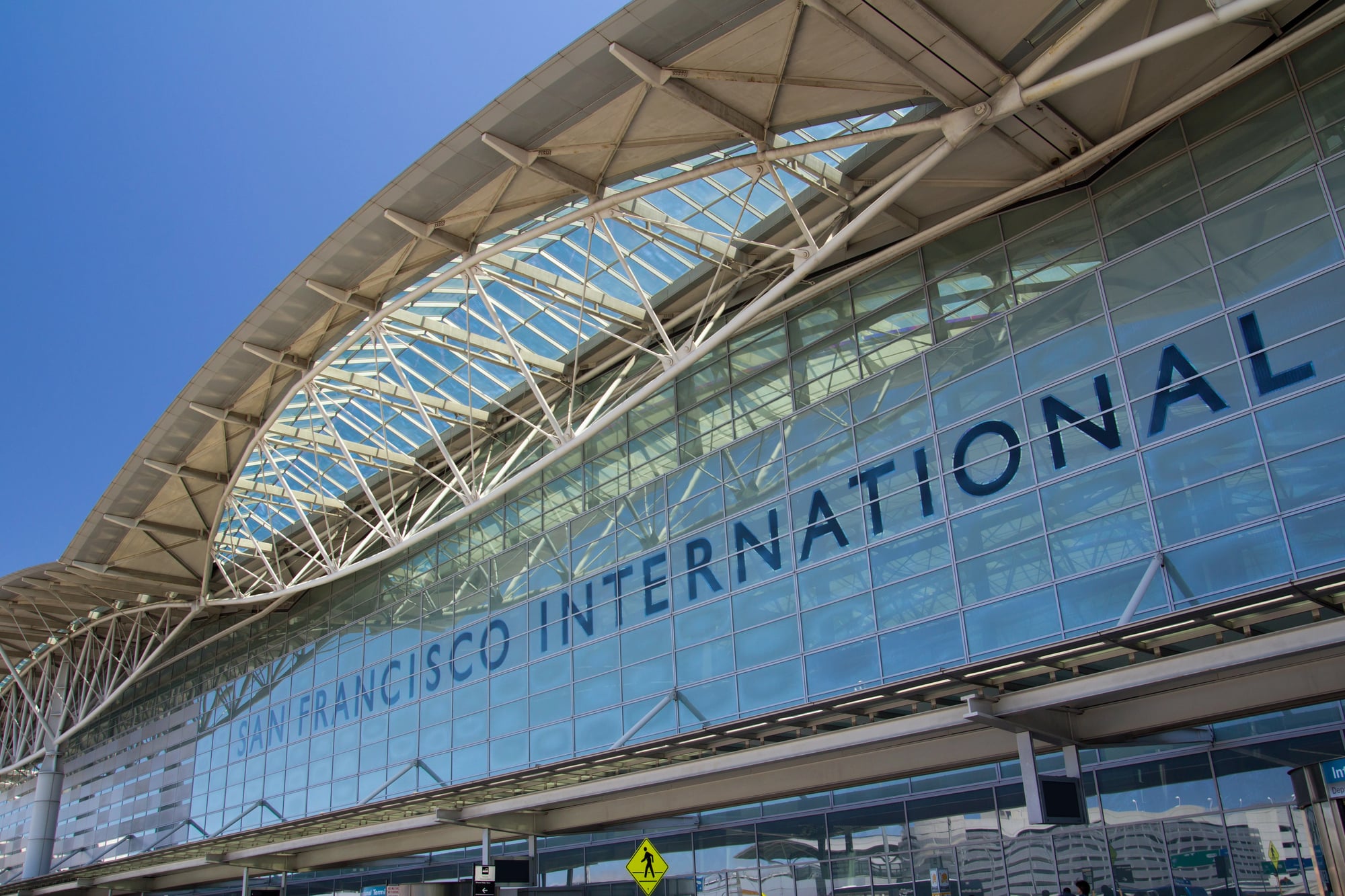
SFO presents itself as the tech-forward airport of the future, which makes its fundamental dysfunction feel even more pronounced. The automated systems break down with the regularity of a Swiss watch, except instead of keeping time, they’re keeping travelers trapped in various forms of technological purgatory.
The food courts embrace California pricing with the enthusiasm of a gold rush prospector.
Security wait times fluctuate wildly based on mysterious algorithms that seem to factor in lunar phases and cryptocurrency prices. The Wi-Fi works everywhere except the places where you actually need it.
Washington Dulles International Airport
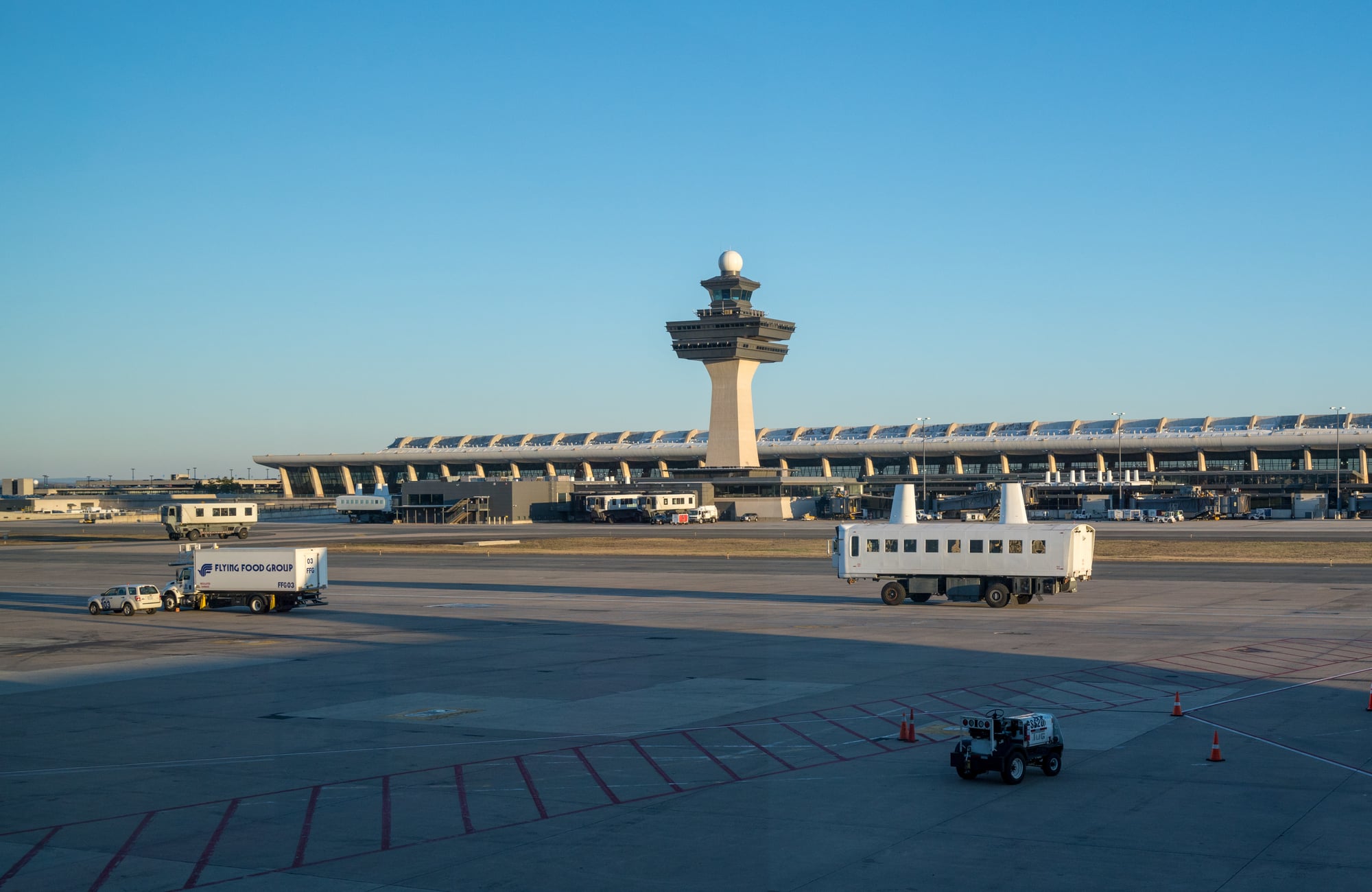
Dulles feels like a Cold War museum that forgot to stop operating as an airport — all concrete brutalism and wide empty spaces that echo with the footsteps of travelers who’ve been walking toward their gates since the Carter administration. The mobile lounges move passengers between terminals with the mechanical enthusiasm of a Soviet-era factory assembly line, while everyone inside sits in uncomfortable silence, staring out windows at tarmac that stretches to the horizon like an asphalt prairie.
The whole experience carries the emotional weight of a government building where hope goes to file paperwork in triplicate.
But here’s what makes Dulles particularly maddening: it’s not just that nothing works efficiently — it’s that everything works just slowly enough to make you wonder if the delays are intentional, like someone’s conducting a long-term psychological experiment on travel endurance.
Philadelphia International Airport
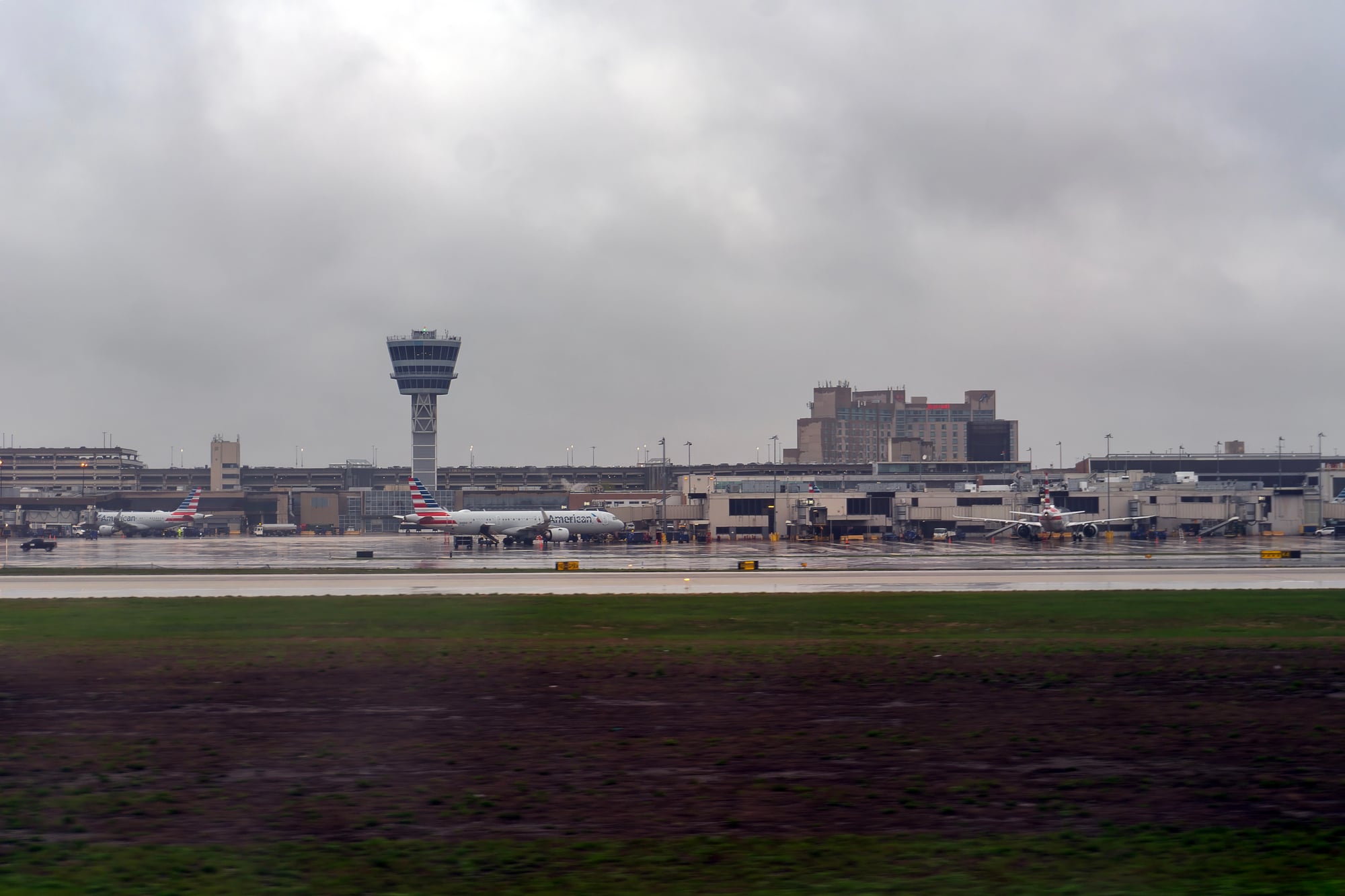
Philadelphia treats customer service like an optional upgrade that nobody ever purchases. The staff operates with the enthusiasm of people who’ve been asked to explain quantum physics to a group of toddlers during a sugar crash.
Gate changes happen without announcement, as if passengers are expected to develop telepathic abilities as part of the travel experience.
The food courts charge premium prices for what can only be described as “airline terminal cuisine” — a culinary category that exists nowhere else in human civilization for good reason.
Houston George Bush Intercontinental Airport
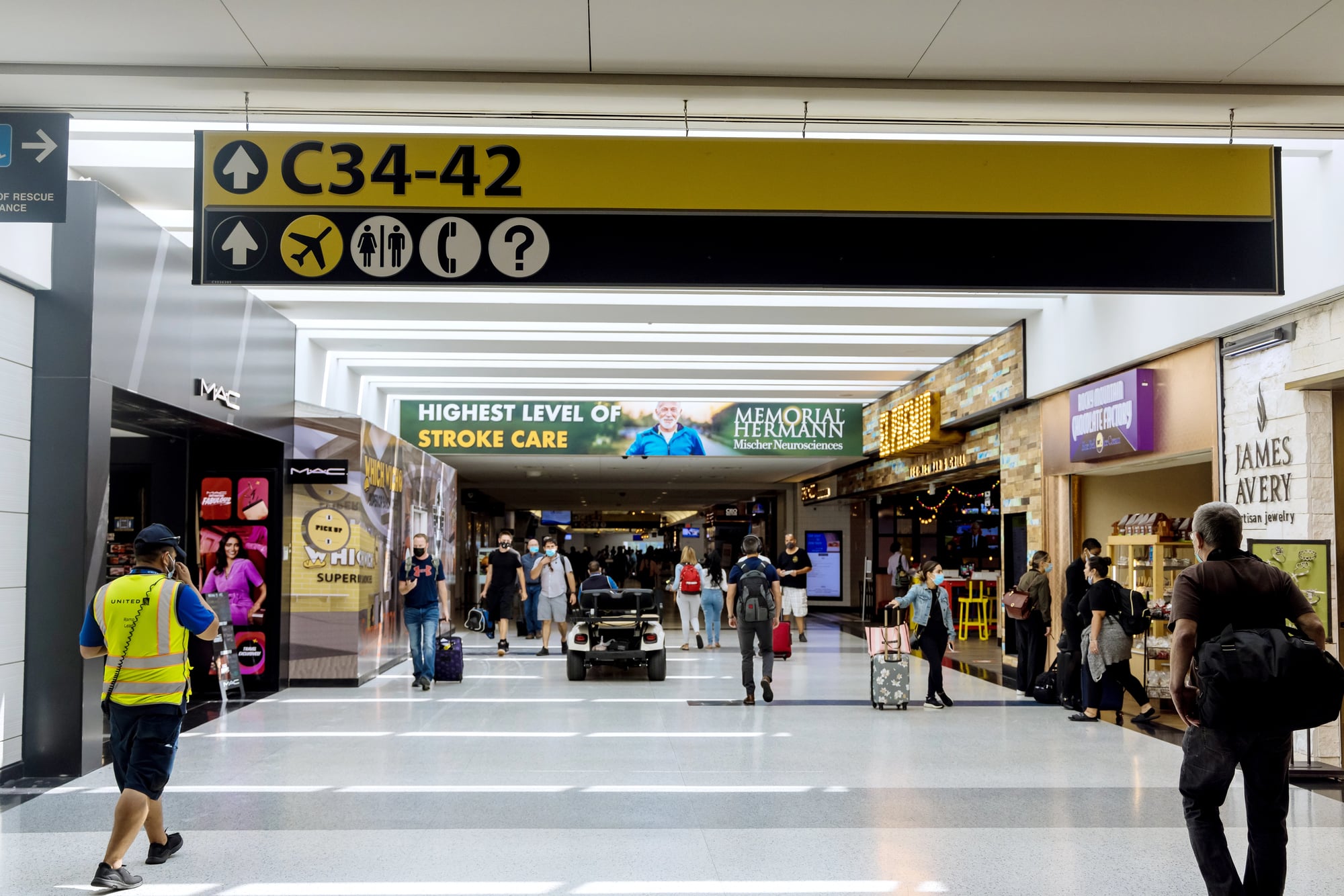
Houston’s airport operates on Texas-sized inefficiency. The terminal train system breaks down with the reliability of a century-old pickup truck, leaving passengers to trek across distances that require their own weather forecasts.
Immigration and customs lines move at speeds that make geological processes seem rapid.
The air conditioning struggles against Houston humidity like a hair dryer trying to stop a hurricane. Even the vending machines seem to operate at half speed, as if everything in the building has collectively agreed to take its time.
Detroit Metropolitan Wayne County Airport
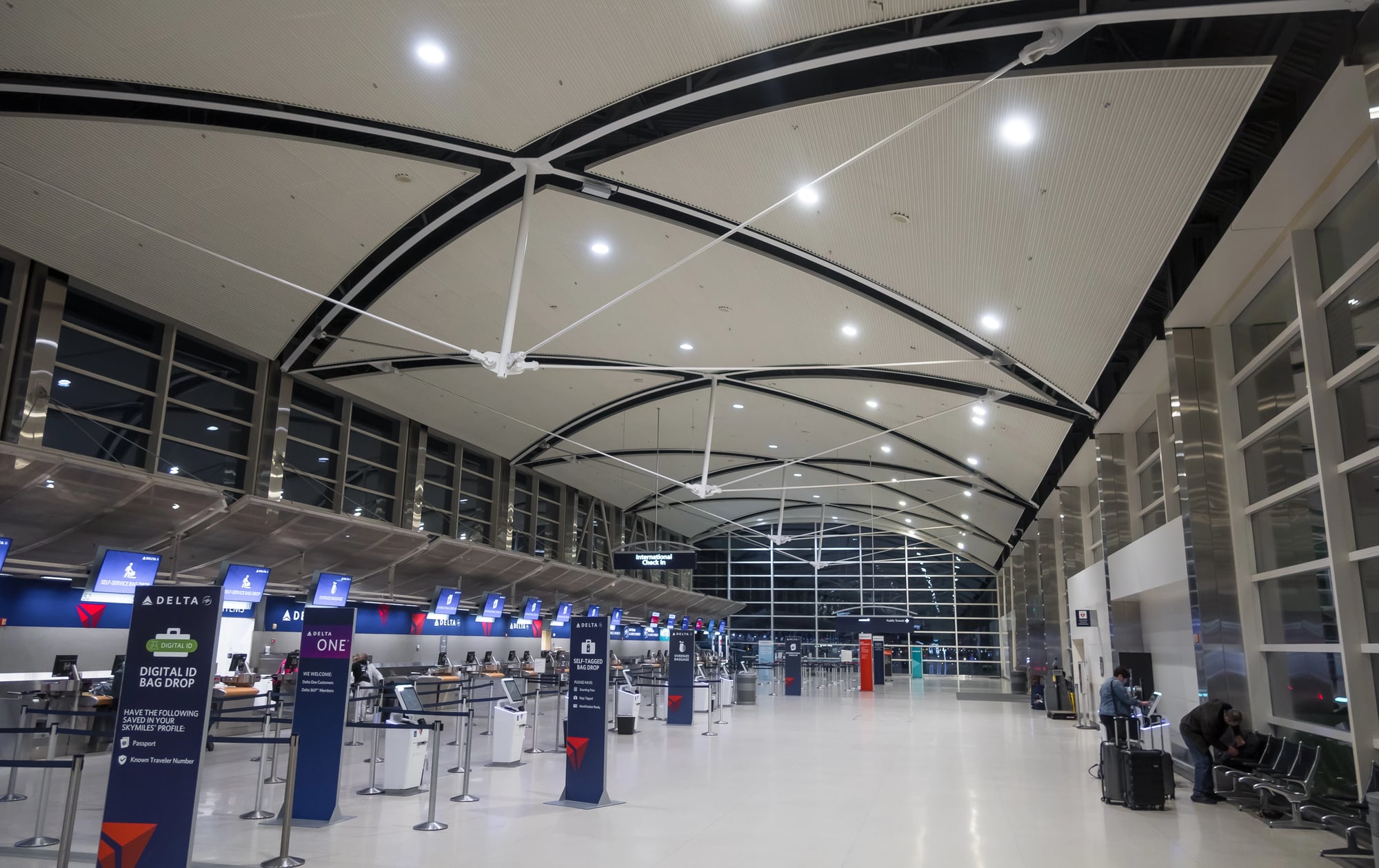
Detroit’s airport manages to feel simultaneously abandoned and overcrowded, as if it exists in some parallel dimension where the laws of space and time operate differently. The terminal design creates dead zones where cellular service goes to die, leaving passengers isolated in communication while their flights depart from gates that might as well be located in neighboring states.
McNamara Terminal stretches for what feels like several zip codes, connected by a tram system that runs on what appears to be the honor system.
Phoenix Sky Harbor International Airport
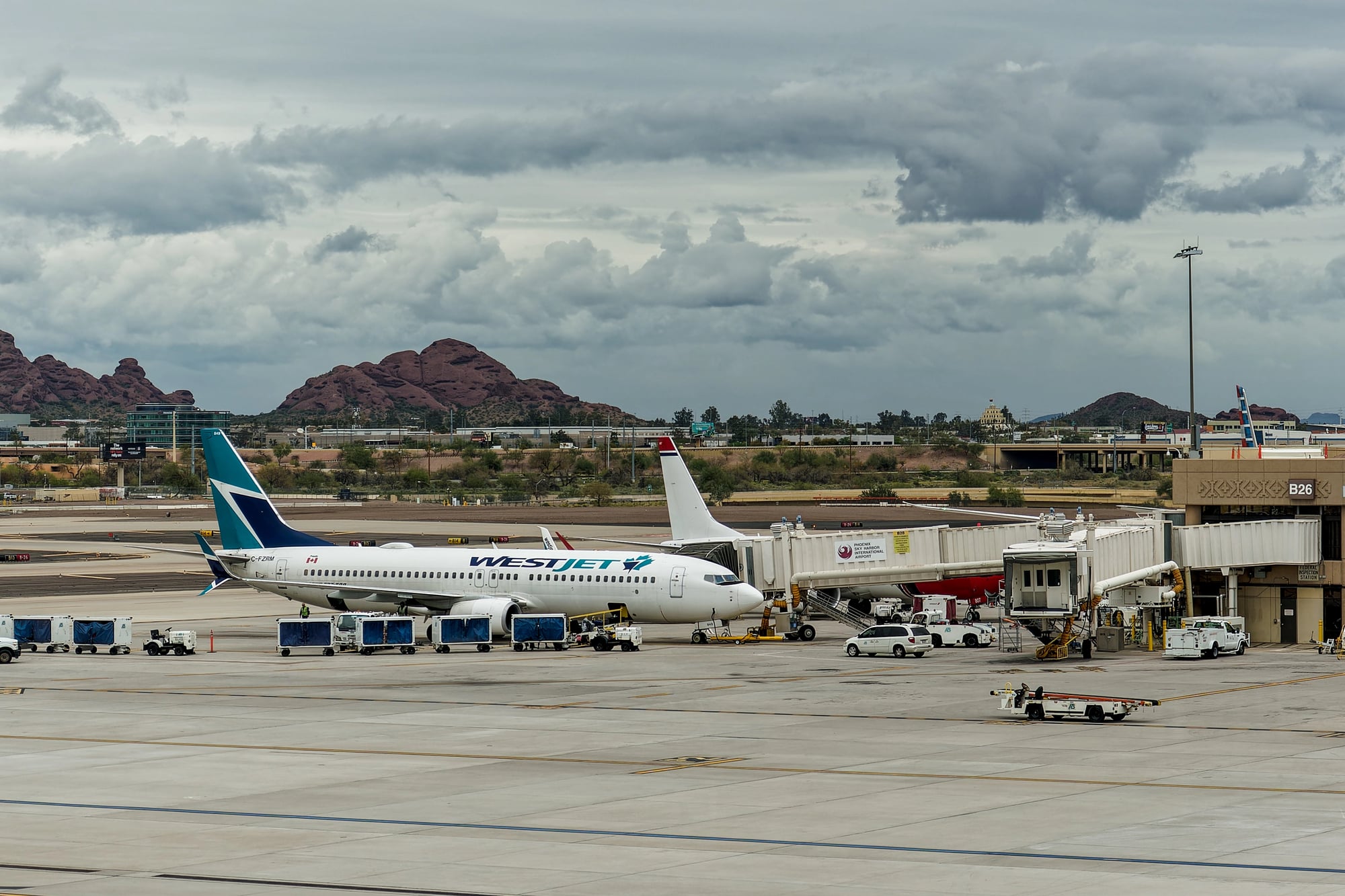
Phoenix operates under the assumption that everyone traveling through Arizona has infinite time and patience. The security checkpoints move like molasses in the desert heat, while the gate areas offer all the comfort of a bus station designed by someone who actively dislikes travelers.
Terminal connections require hiking expeditions through corridors that seem designed to test cardiovascular endurance.
The restaurant prices reflect the captive audience situation with the subtlety of highway robbery. Even the air feels recycled through too many systems for too many years.
Fort Lauderdale-Hollywood International Airport
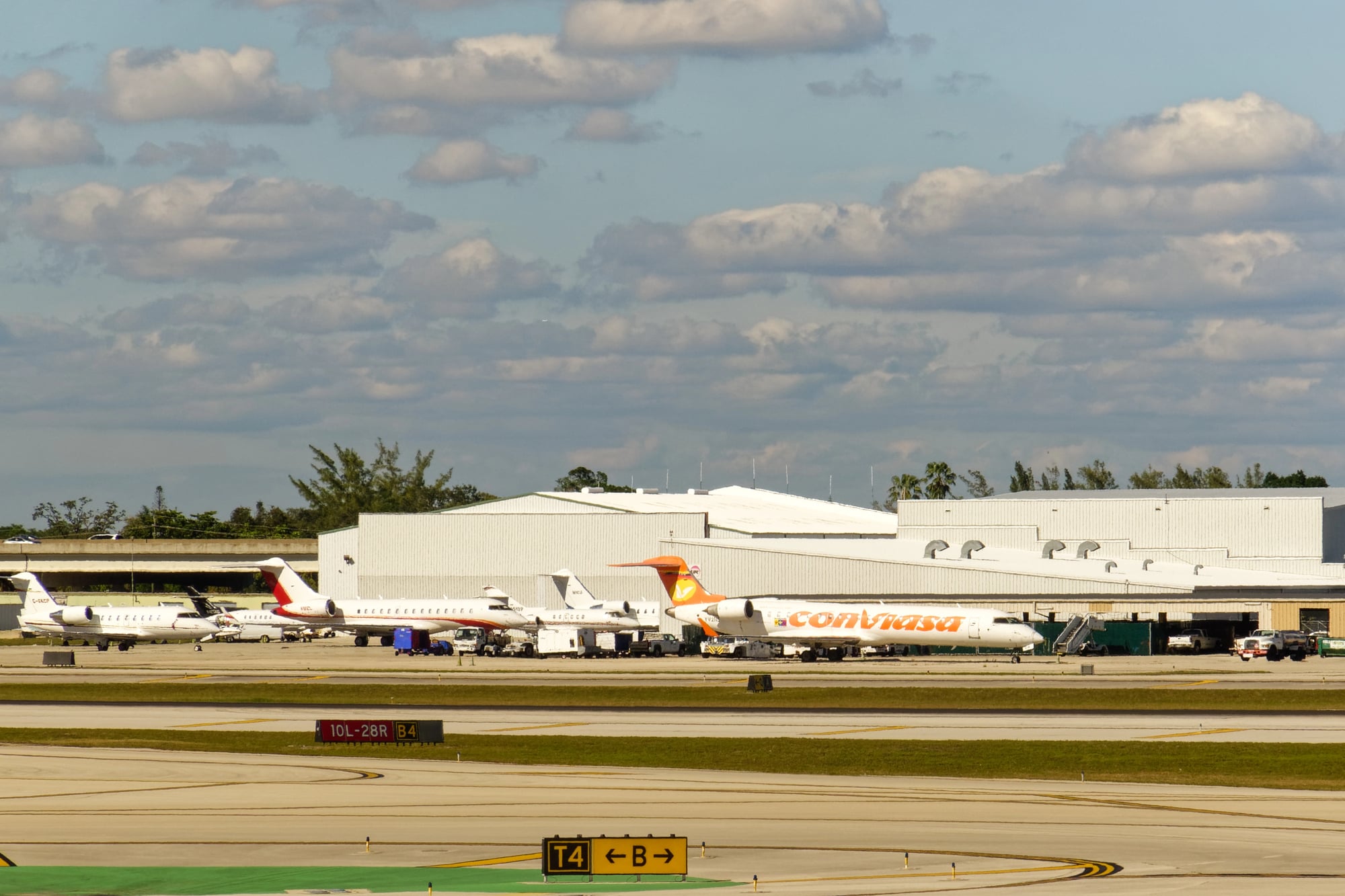
Fort Lauderdale approaches airport management with the organizational skills of a yard sale during a hurricane. Baggage claim operates on what can only be described as “interpretive timing” — your luggage might arrive on the first carousel, the last carousel, or possibly next Tuesday.
The terminal design seems to actively discourage logical navigation, as if someone took a perfectly functional airport layout and decided to scramble it like a Rubik’s cube.
Gates change without notice, staff disappear during crucial moments, and the departure boards display information with the accuracy of a Magic 8-Orb. The whole operation feels like it’s being run by people who’ve heard about airports but never actually seen one function properly.
The Silver Lining Nobody Asked For

Maybe these airports serve a purpose nobody talks about — they make arriving at your destination feel like a genuine victory rather than just the end of a trip. After navigating the chaos, overpriced food, and existential confusion of a truly dysfunctional airport, even the most ordinary destination starts to look like paradise.
Which is probably not the tourism strategy anyone intended, but turns out to work anyway.
More from Go2Tutors!

- The Romanov Crown Jewels and Their Tragic Fate
- 13 Historical Mysteries That Science Still Can’t Solve
- Famous Hoaxes That Fooled the World for Years
- 15 Child Stars with Tragic Adult Lives
- 16 Famous Jewelry Pieces in History
Like Go2Tutors’s content? Follow us on MSN.