Animal Cracker Facts You Didn’t Know
Crackers shaped like animals seem basic at first glance. Packed into lunches, carried along on drives, they appear during those small times when a hint of sugar hits the spot.
Their usual look makes people think everything about them is already known. Turns out, that belief could not be more wrong.
Tiny creatures made of cookies hold over a hundred years of meals, ads, machines fixing issues, and society changing its mind. Not loud but steady, these treats grew as factories improved, kids changed routines, life redefined fun, boxes transformed too.
What seems like a sweet memory is really proof – simple bites shift with eras yet stay themselves.
A fresh peek into animal crackers shows quirks many miss, including longtime snackers. Some details slip by unnoticed, despite years of munching on the same box.
They Were Inspired by European Tradition, Not Childhood Snacks
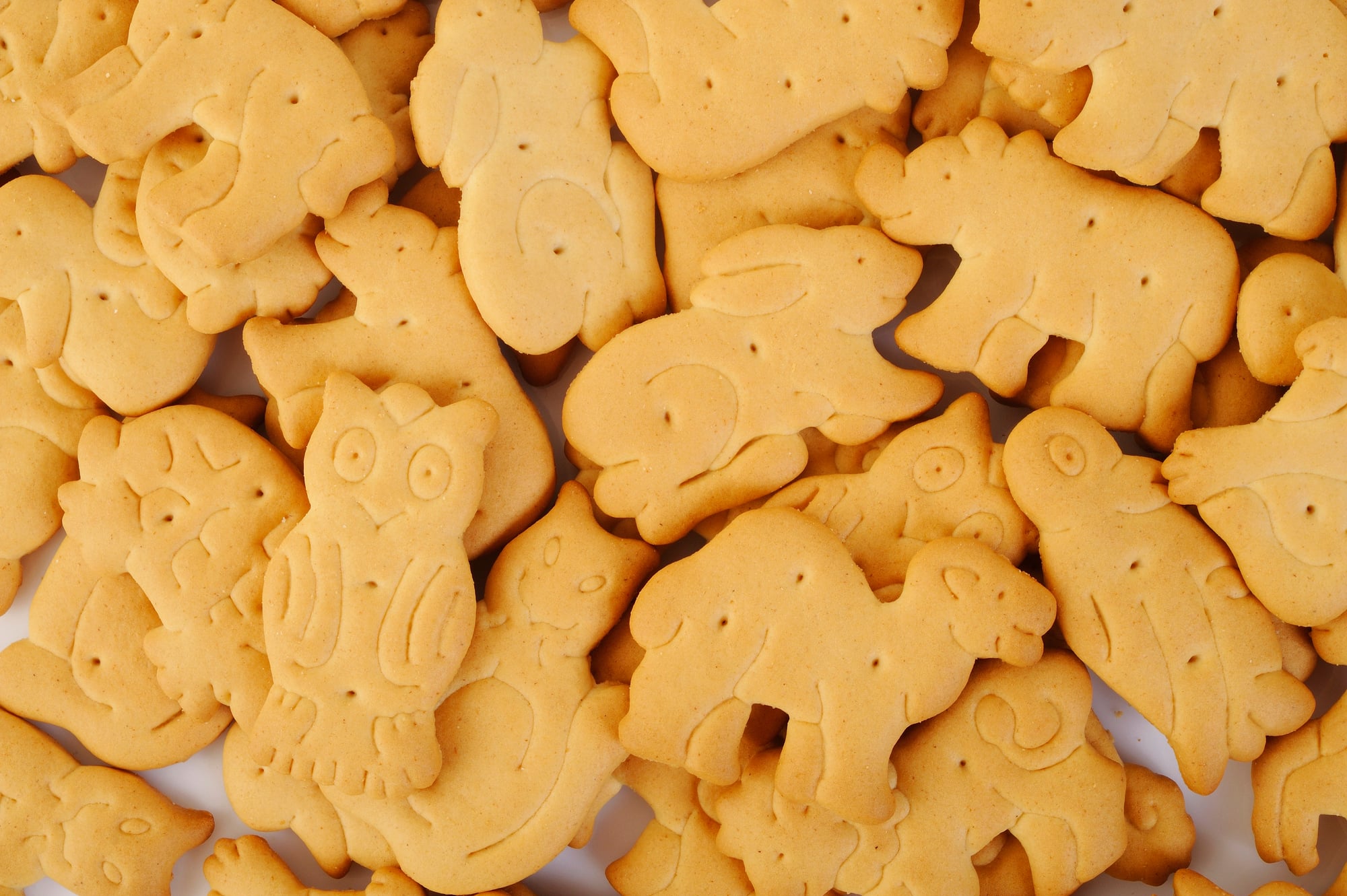
Animal-shaped biscuits did not originate as a children’s treat. In the late 1800s, European bakers were already making small biscuits molded into animals, often sold by weight and eaten as casual snacks by adults.
These treats were closer to plain tea biscuits than sugary desserts.When the idea crossed the Atlantic, American bakeries adapted it for mass production.
The animal shapes remained, but the context shifted.What had once been a novelty item for all ages slowly became associated with childhood, not because of the recipe, but because of how it was marketed and packaged.
The Circus Theme Came Later Than Most People Think
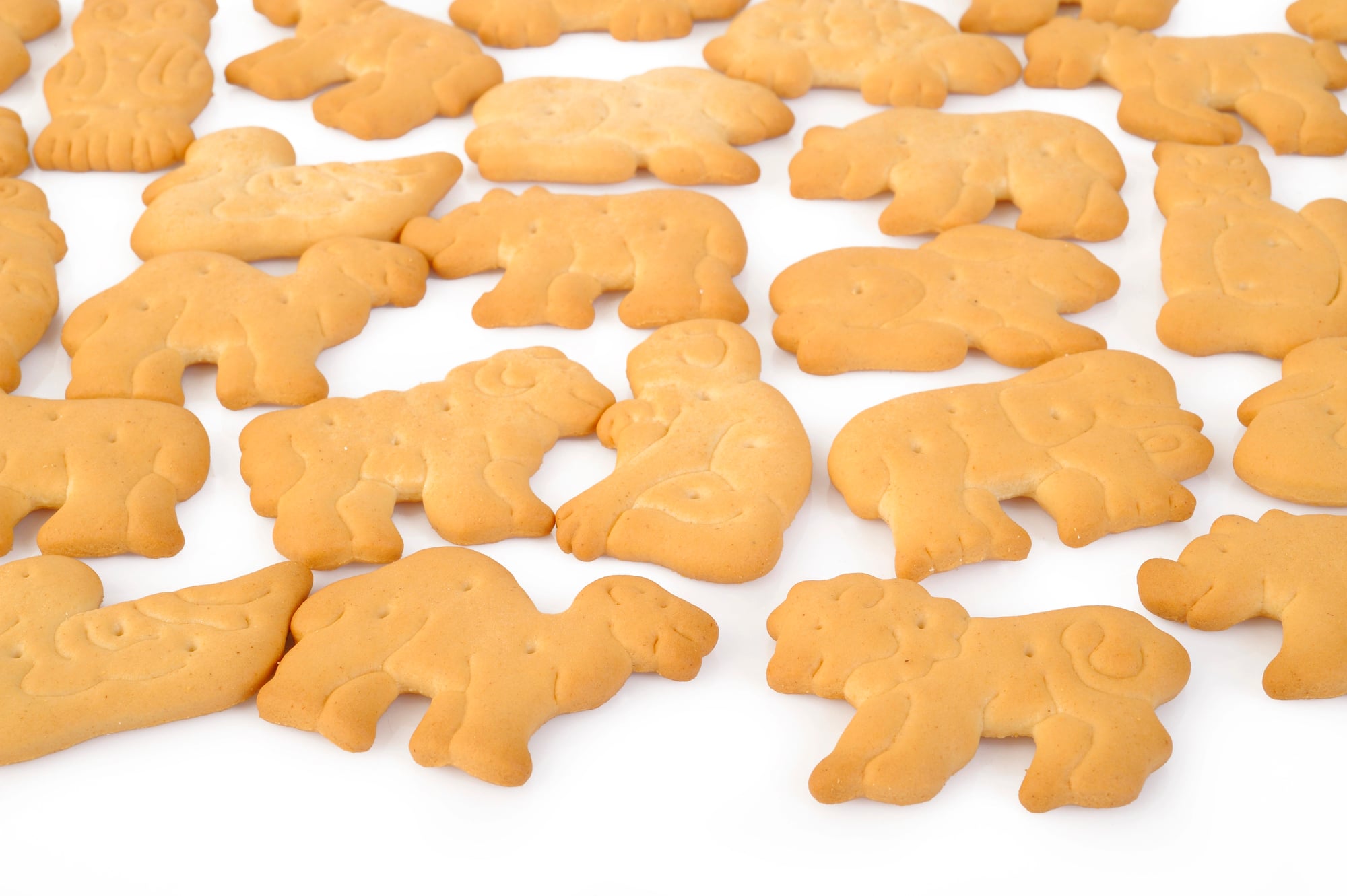
The iconic circus imagery tied to animal crackers was not part of the original concept. Early versions were sold plainly, sometimes in bulk barrels or simple cartons.
The circus theme emerged as a branding decision meant to connect the animals to imagination and play.That association stuck so thoroughly that many people assumed animal crackers were always meant to evoke a circus.
In reality, the imagery was layered on later, transforming a neutral snack into something whimsical without changing the product itself very much.
The Box Design Solved a Practical Problem
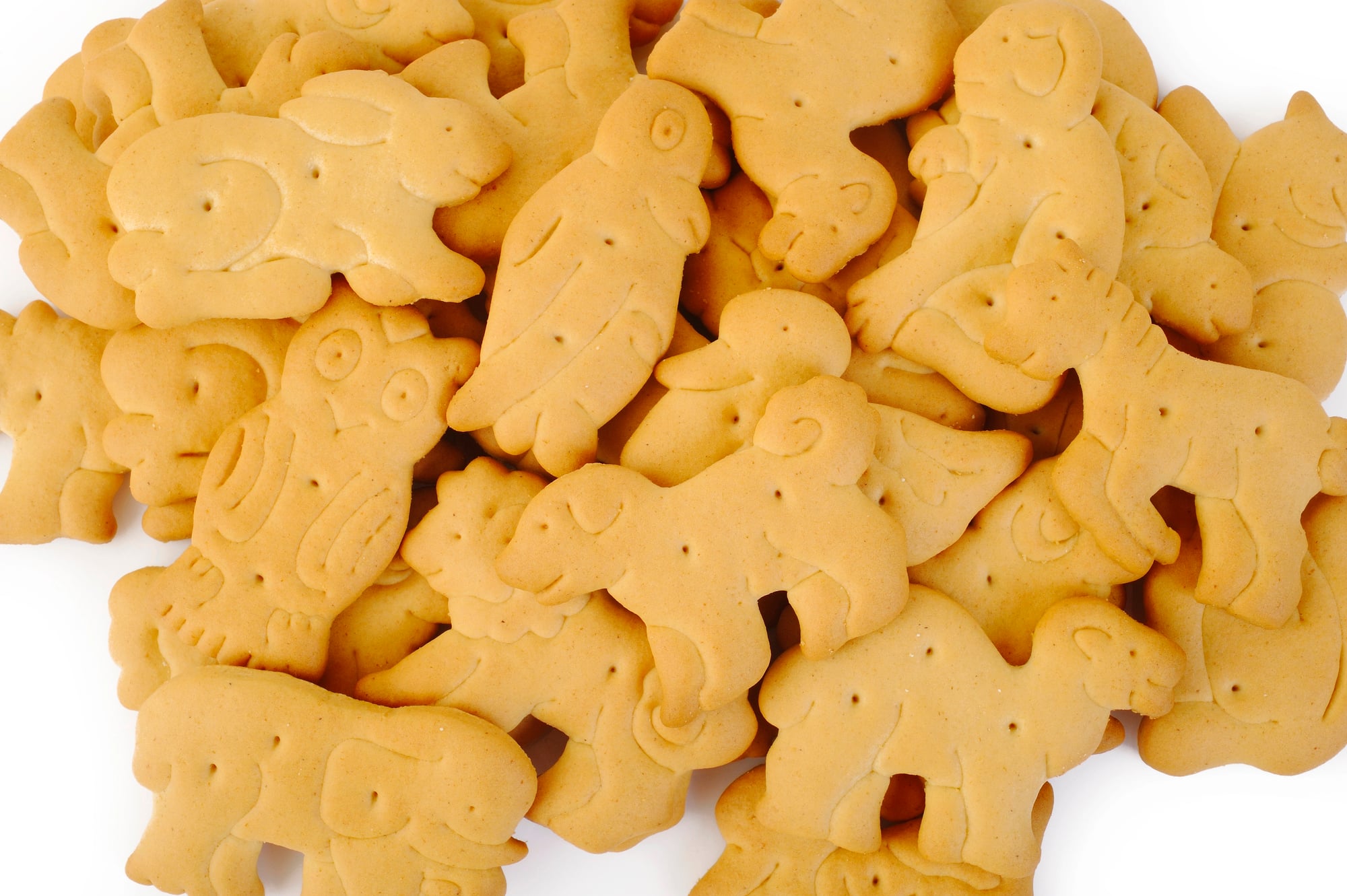
The small cardboard box with a string handle was not just decorative. It was designed to make the product portable and appealing at a time when packaged snacks were still novel.
The handle allowed children to carry the box easily, reinforcing the idea that the snack belonged to them.That design choice also helped distinguish animal crackers from other baked goods on crowded store shelves.
It turned packaging into part of the experience, long before branding experts used that language.The box became as recognizable as the snack inside.
The Animals Are Not Chosen at Random
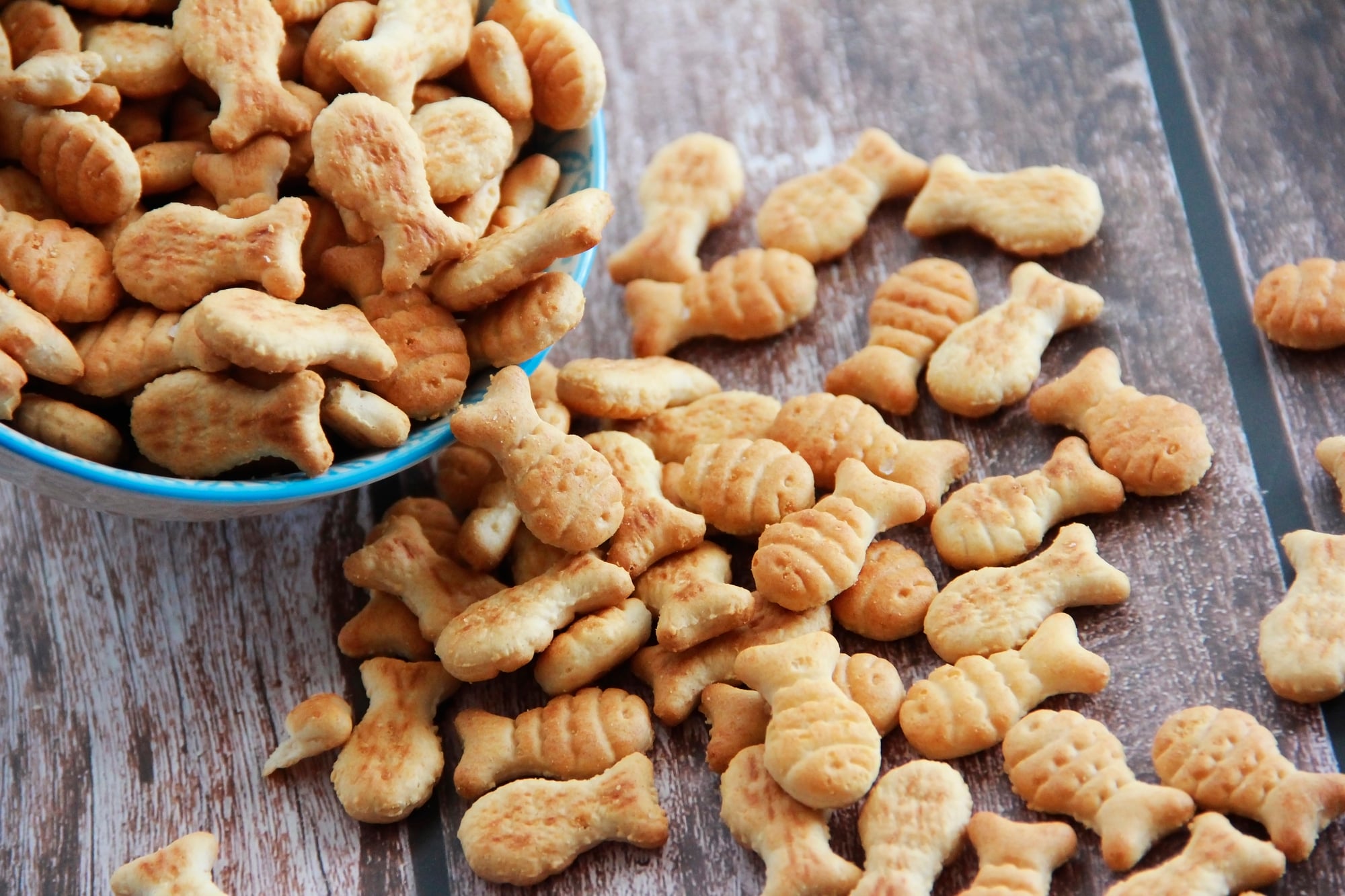
Animal cracker shapes are selected carefully, even if the reasoning is not obvious at first glance. Manufacturers favor animals that can be clearly identified once baked and that maintain their shape without fragile protrusions.
This limits which creatures work well at scale.Giraffes, lions, elephants, and bears appear frequently because their silhouettes survive baking, handling, and transport.
Animals with thin legs or delicate features tend to break too easily.What looks like a playful zoo lineup is actually a lesson in industrial design.
The Molds Are More Complex Than They Appear
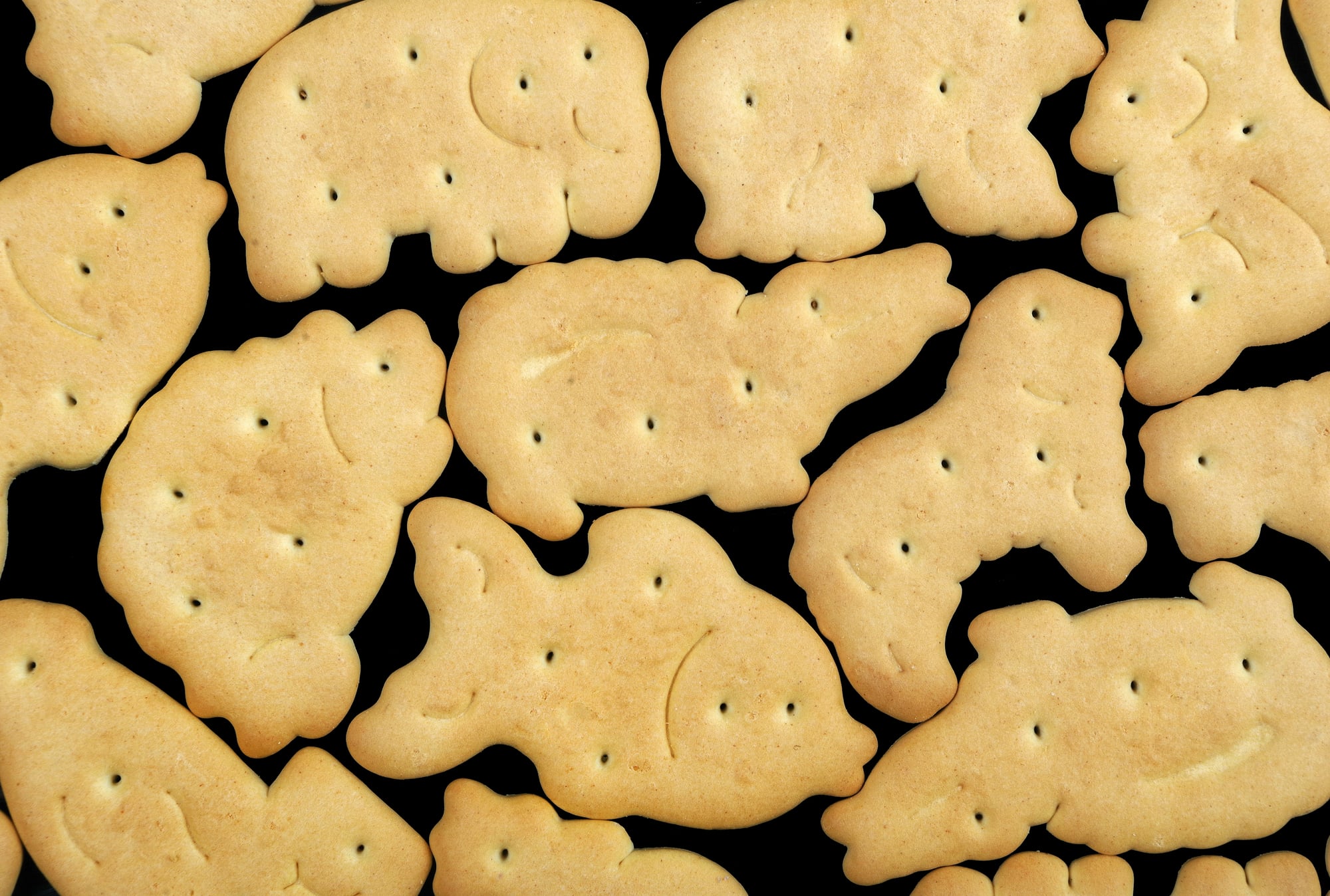
Creating consistent animal shapes requires precision tooling. The molds must account for dough expansion, moisture loss, and heat distribution.
Even small changes can result in animals losing definition or baking unevenly.Over time, manufacturers refined these molds to balance detail with durability.
The goal was not realism, but recognizability.That balance explains why animal crackers look stylized rather than lifelike, even though modern technology could achieve far more detail.
Flavor Was Intentionally Kept Mild
Animal crackers are lightly sweet by design. Their flavor profile was developed to be approachable across age groups, not overpowering or heavily spiced.
This neutrality helped them appeal to adults as well as children.The mildness also made them versatile.
They could be eaten plain, paired with spreads, or crumbled into desserts without clashing with other flavors.What some people interpret as simplicity is actually restraint, chosen to maximize longevity and broad appeal.
They Were Once Marketed as a Grown-Up Snack
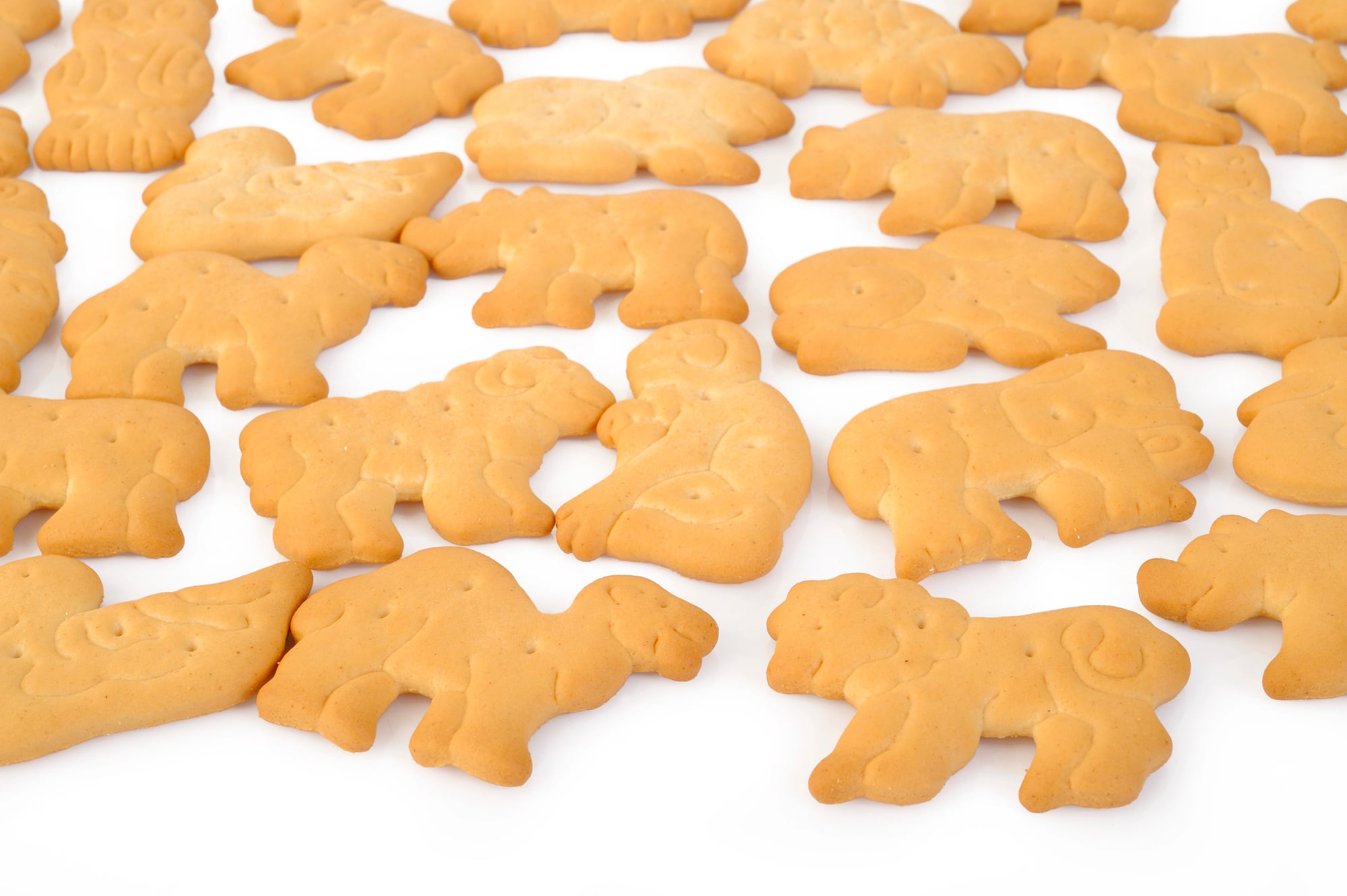
In their early years, animal crackers were not positioned exclusively for children. Advertising emphasized quality ingredients and craftsmanship rather than playfulness.
The shift toward a child-focused image happened gradually as consumer culture evolved.As packaged foods became more associated with family life and childhood convenience, animal crackers followed that trend.
The animals stayed the same, but the messaging changed.This shift illustrates how branding can redefine a product’s identity without altering the product itself.
Production Had to Scale Without Losing Shape
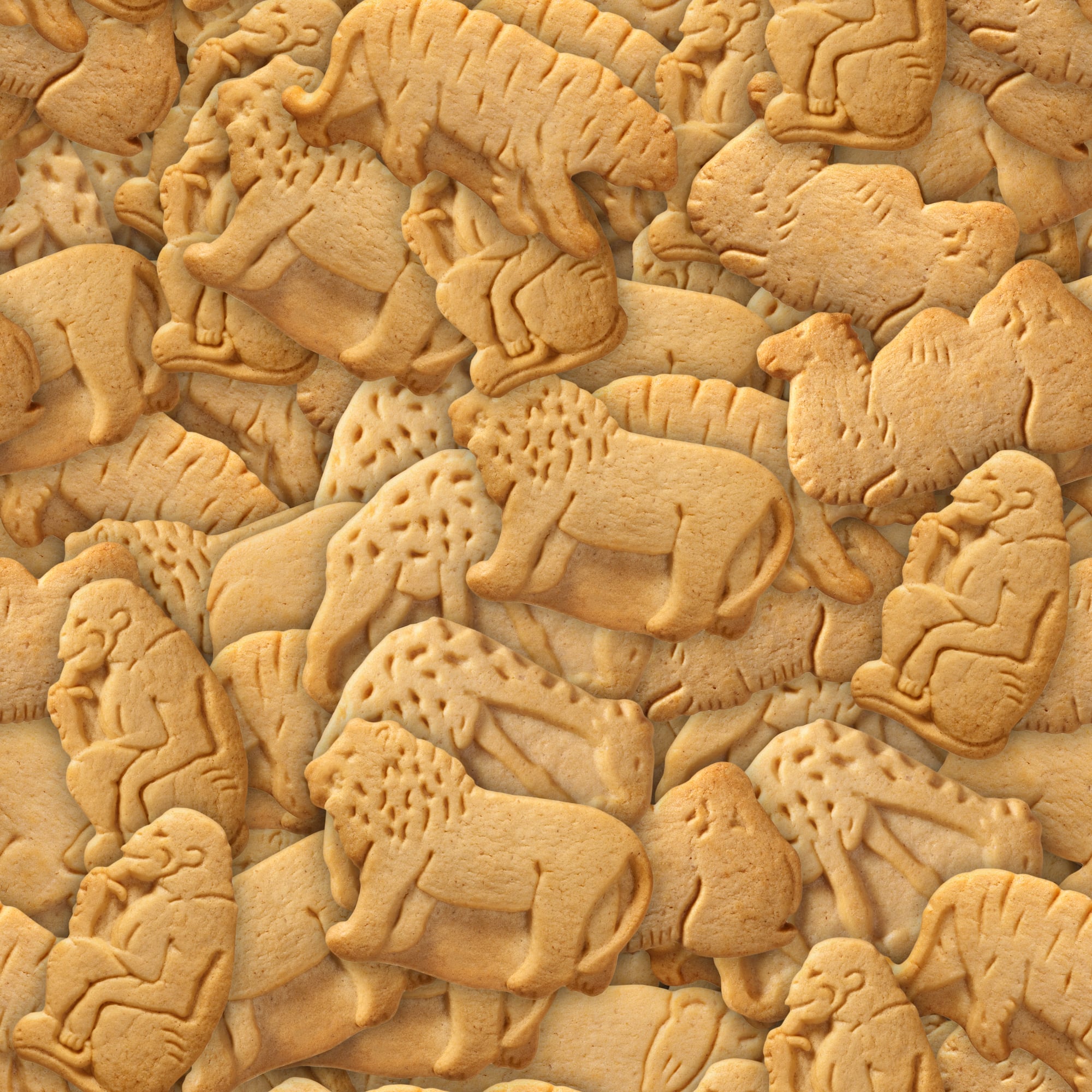
Scaling animal cracker production was more challenging than it might seem. Flat biscuits are relatively easy to mass-produce.
Shaped biscuits introduce more variables, from uneven heat exposure to breakage during packaging.Manufacturers invested heavily in refining conveyor systems, baking times, and handling processes to preserve shape.
The fact that most animal crackers arrive intact is the result of decades of incremental improvement, not luck.
The Animals Used to Face Different Directions
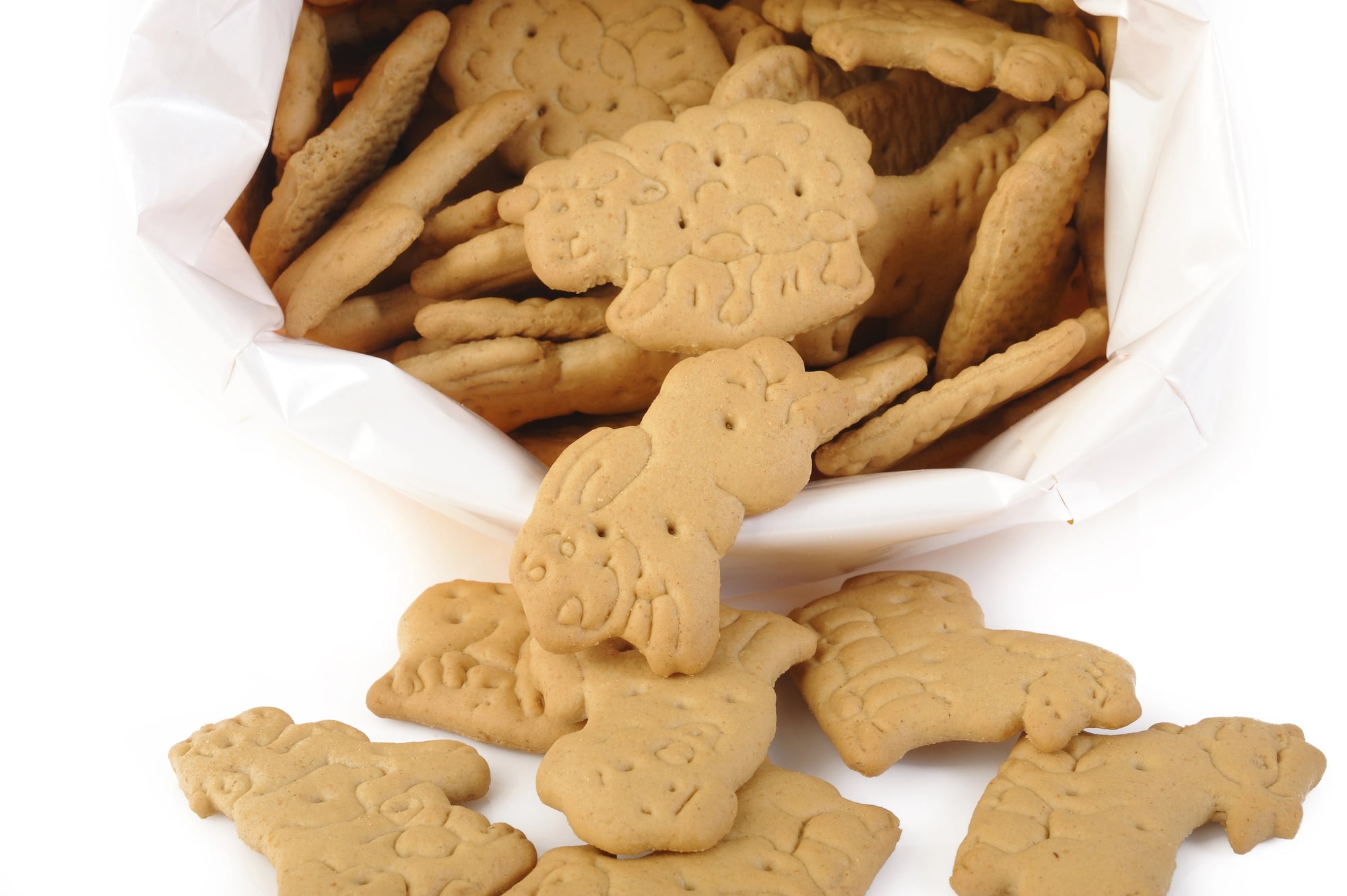
Early animal cracker designs often featured animals facing inward, as if looking at one another. Over time, designs shifted so animals faced outward.
This change was subtle but intentional, reflecting evolving ideas about presentation and symbolism.Outward-facing animals were perceived as more engaging and expressive.
The change also simplified molding and alignment during production.It is a small detail, but one that reveals how even familiar designs continue to evolve.
Packaging Changes Reflected Cultural Shifts
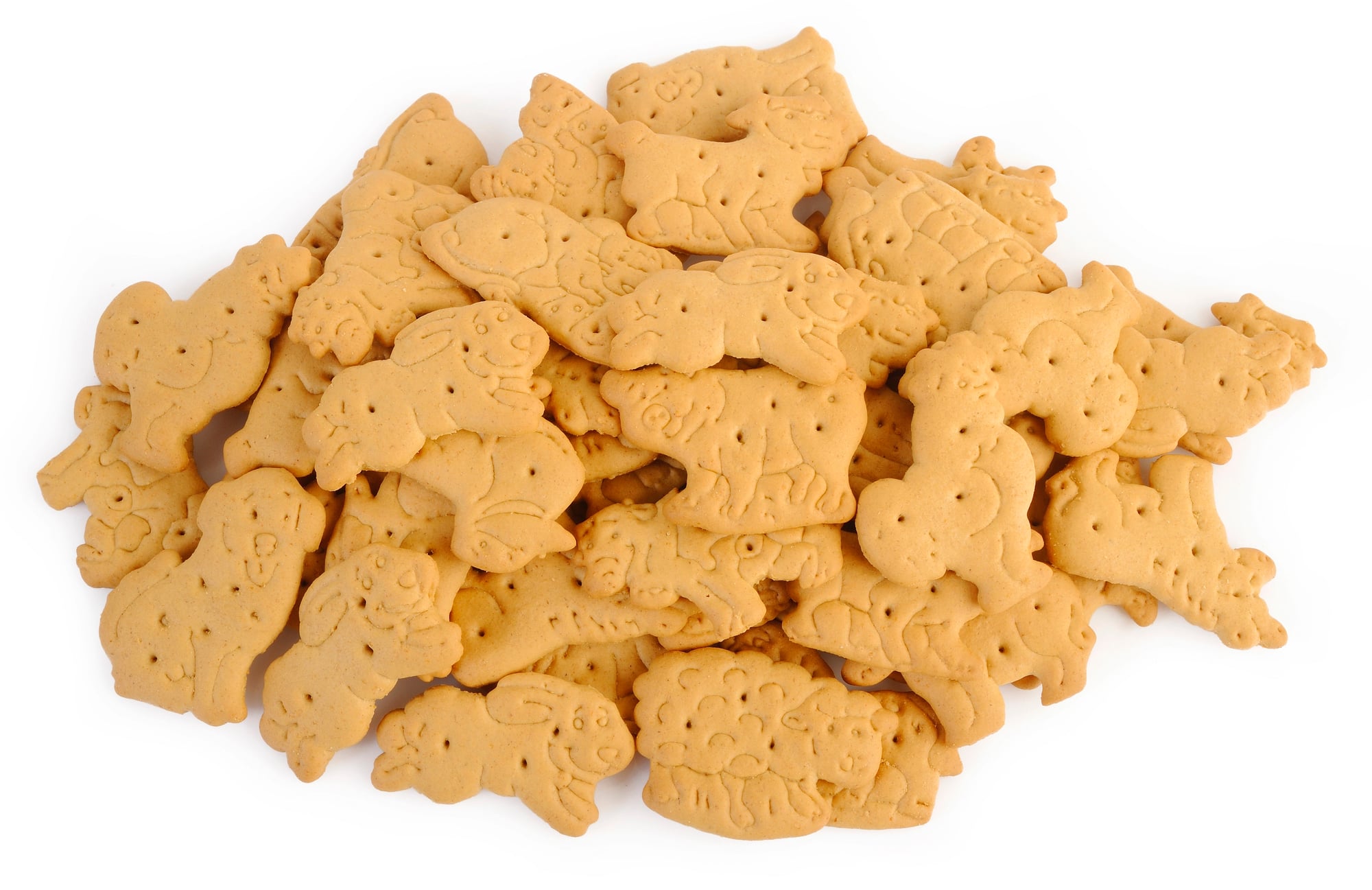
Animal cracker packaging has been revised multiple times to reflect changing cultural values. Early designs emphasized exotic animals and spectacle.
Later versions leaned into inclusivity, playfulness, and simplicity.These updates were not just aesthetic.
They signaled how companies wanted the snack to be perceived in a given era.Packaging became a mirror of broader cultural attitudes toward childhood, imagination, and even education.
They Influenced How Snacks Were Categorized
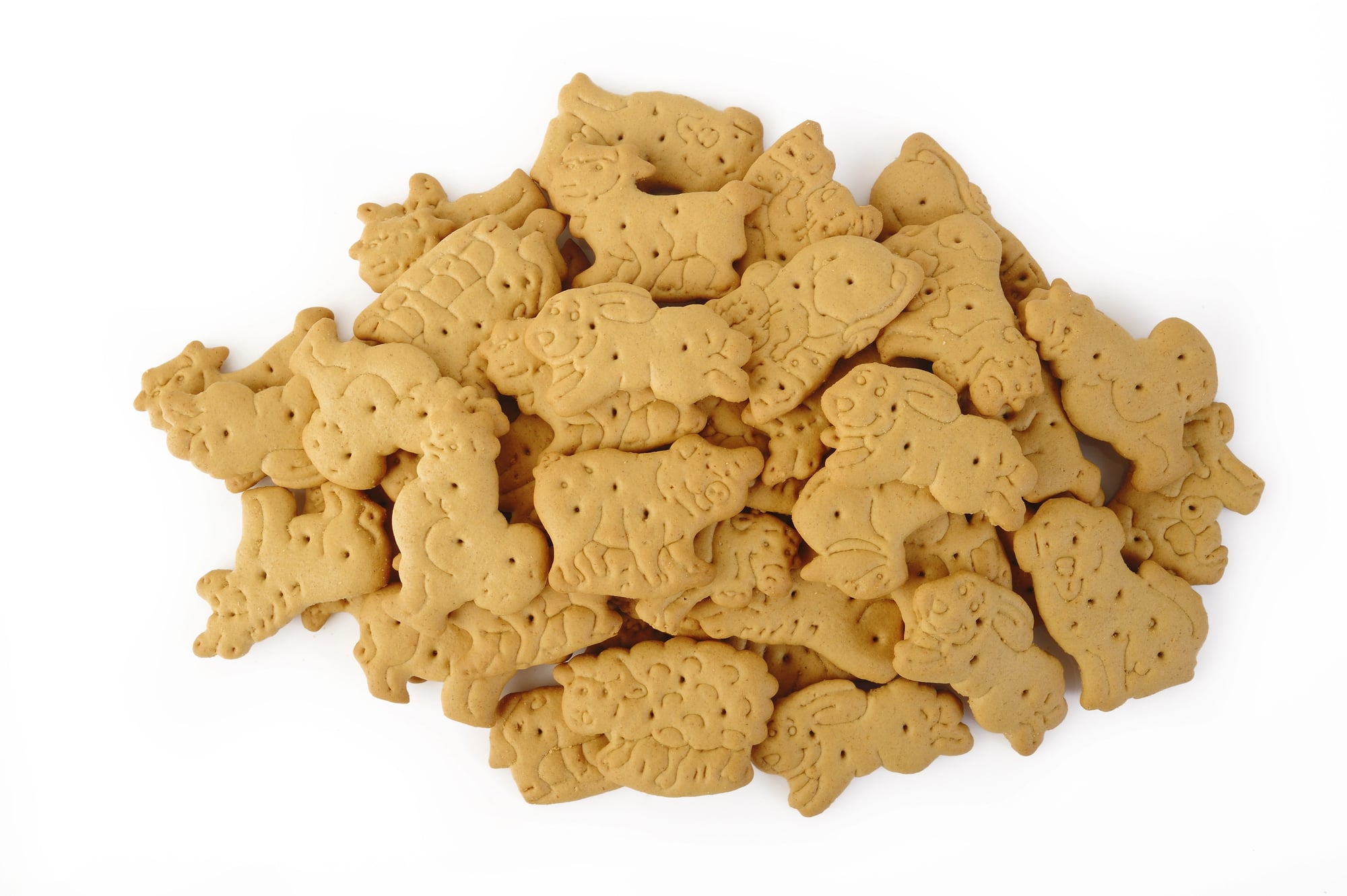
Animal crackers occupy a strange space between cookie and cracker. This ambiguity influenced how similar snacks were developed and marketed.
They helped create a category of lightly sweet, non-dessert baked snacks that could be eaten at any time.That positioning proved influential.
Many later snack products borrowed the idea of being just sweet enough to feel like a treat without being framed as indulgent.Animal crackers quietly helped shape that middle ground.
The Recipe Changed Less Than the Process
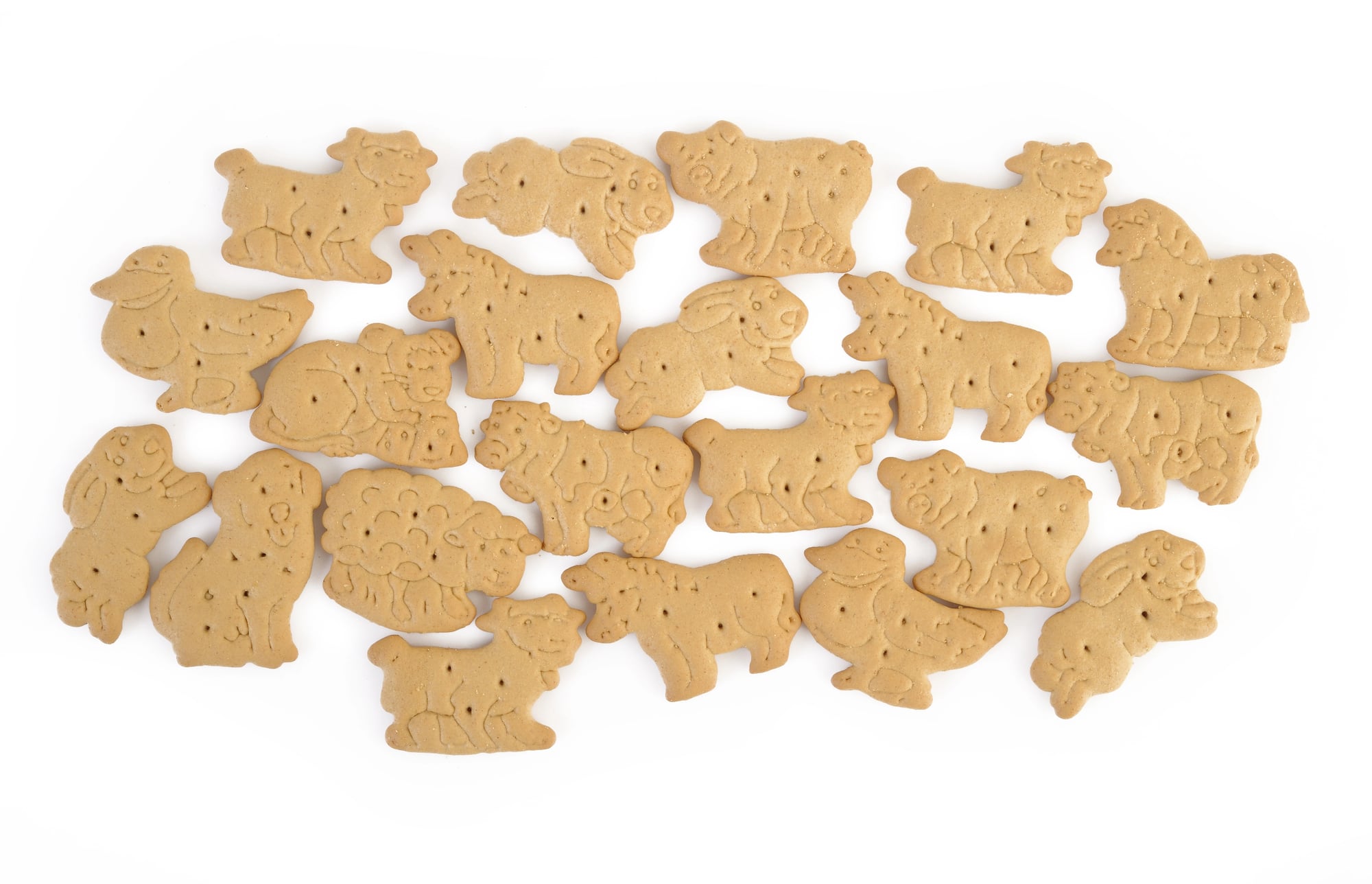
While manufacturing methods evolved dramatically, the basic recipe for animal crackers remained relatively stable. Flour, sugar, and simple leavening formed the backbone from the beginning.
Changes focused more on consistency and shelf life than flavor reinvention.This stability contributed to their enduring appeal.
People returning to animal crackers after years away often find them reassuringly familiar.The taste acts as a throughline across generations, even as everything around it changes.
They Became a Cultural Shorthand
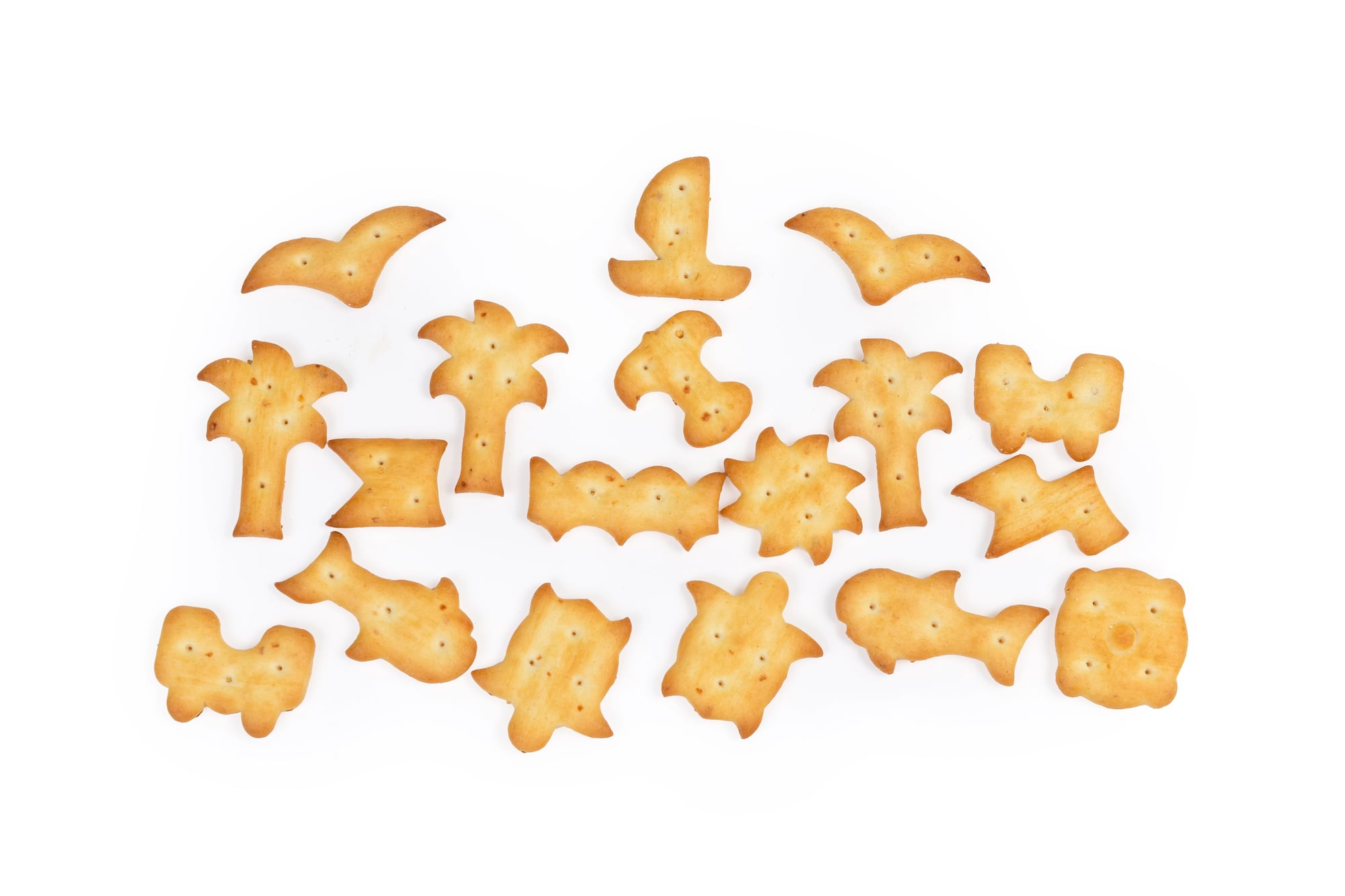
Animal crackers are often used as shorthand for childhood innocence or simplicity in writing and media. This symbolic role developed organically rather than through deliberate branding.
The snack became associated with quieter moments and uncomplicated pleasure.That association persists because the product never chased trends aggressively.
Its consistency allowed meaning to accumulate over time.Few snacks have achieved that level of cultural resonance without constant reinvention.
The Brand History Is Deeper Than Most People Realize
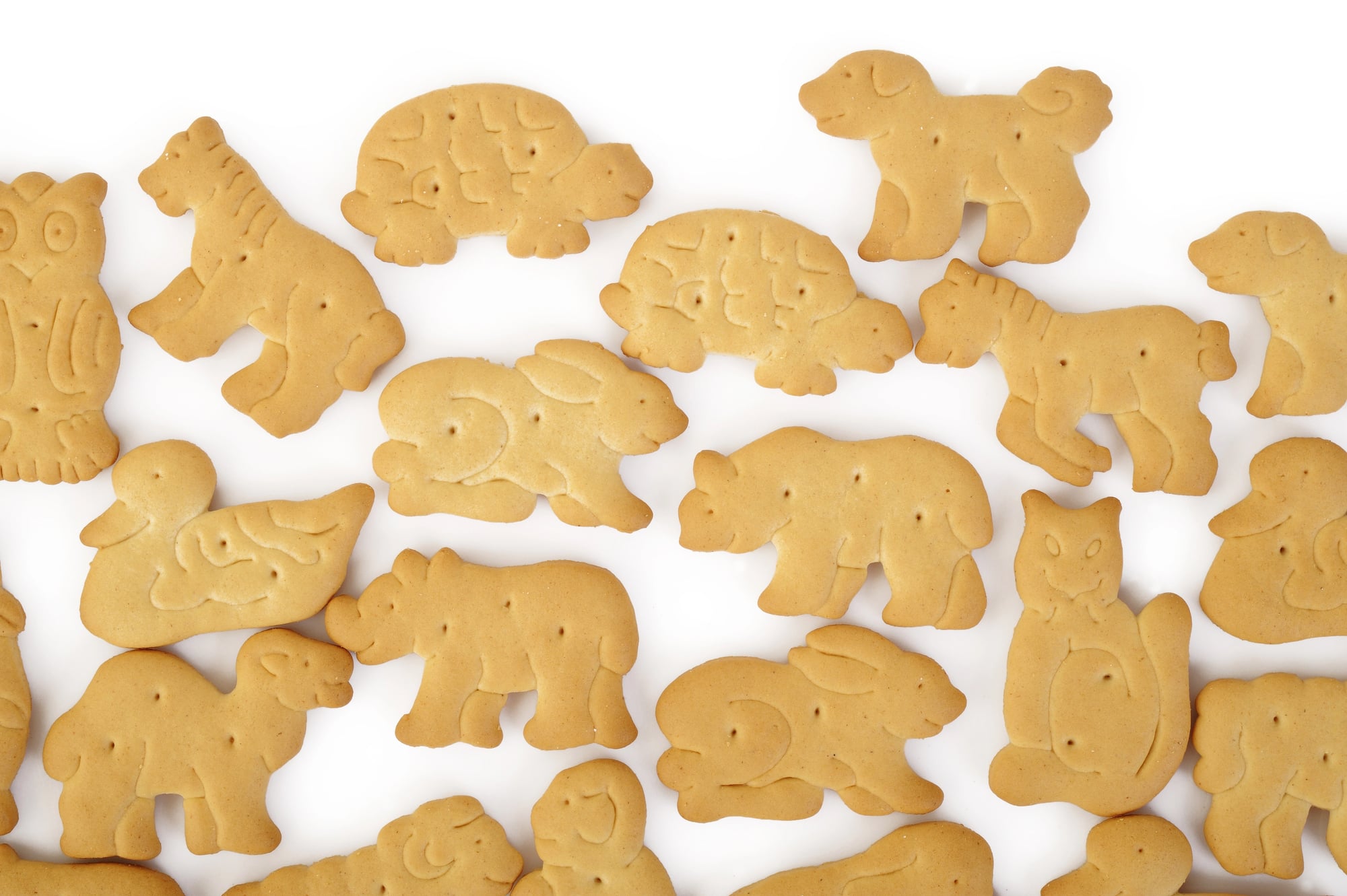
One of the most influential names in animal cracker history is Nabisco, which played a major role in standardizing production and distribution. Earlier roots trace back to the late 19th century, when companies like Barnum’s helped popularize the product nationwide.
These companies treated animal crackers as more than novelty items. They invested in infrastructure, logistics, and quality control that allowed a simple idea to become a staple.
The longevity of the snack owes as much to business decisions as it does to taste.
Why Animal Crackers Still Endure
Crackers shaped like animals stick around for good reason. Not too common, yet somehow always known.
Playful but quiet in their charm. A look back that does not feel old.
What you see came from limits more than wishes. Culture helped.
So did simplicity. Flash never had a chance.
Even as tastes change, animal crackers stay put. One choice at a time, over years, shapes what sticks around.
A humble treat turns out to be proof that quiet presence matters more than loud flashes. Built not by accident but by slow trust earned crumb by crumb.
Their staying power comes from showing up the same way, every single day.
More from Go2Tutors!

- The Romanov Crown Jewels and Their Tragic Fate
- 13 Historical Mysteries That Science Still Can’t Solve
- Famous Hoaxes That Fooled the World for Years
- 15 Child Stars with Tragic Adult Lives
- 16 Famous Jewelry Pieces in History
Like Go2Tutors’s content? Follow us on MSN.



