Images Of 15 Chilling Locations from the Salem Witch Trials
The Salem witch trials cast shadows that stretch far beyond their brief but devastating span from 1692 to 1693. These locations still exist today, scattered across what is now Danvers, Salem, and surrounding Massachusetts towns.
Walking through these places, you can almost feel the weight of fear, accusation, and tragedy that unfolded here over 330 years ago. The buildings may have changed, the landscapes evolved, but the echoes of those dark months remain embedded in the very ground where innocent people faced their final moments.
Salem Village Parsonage Site
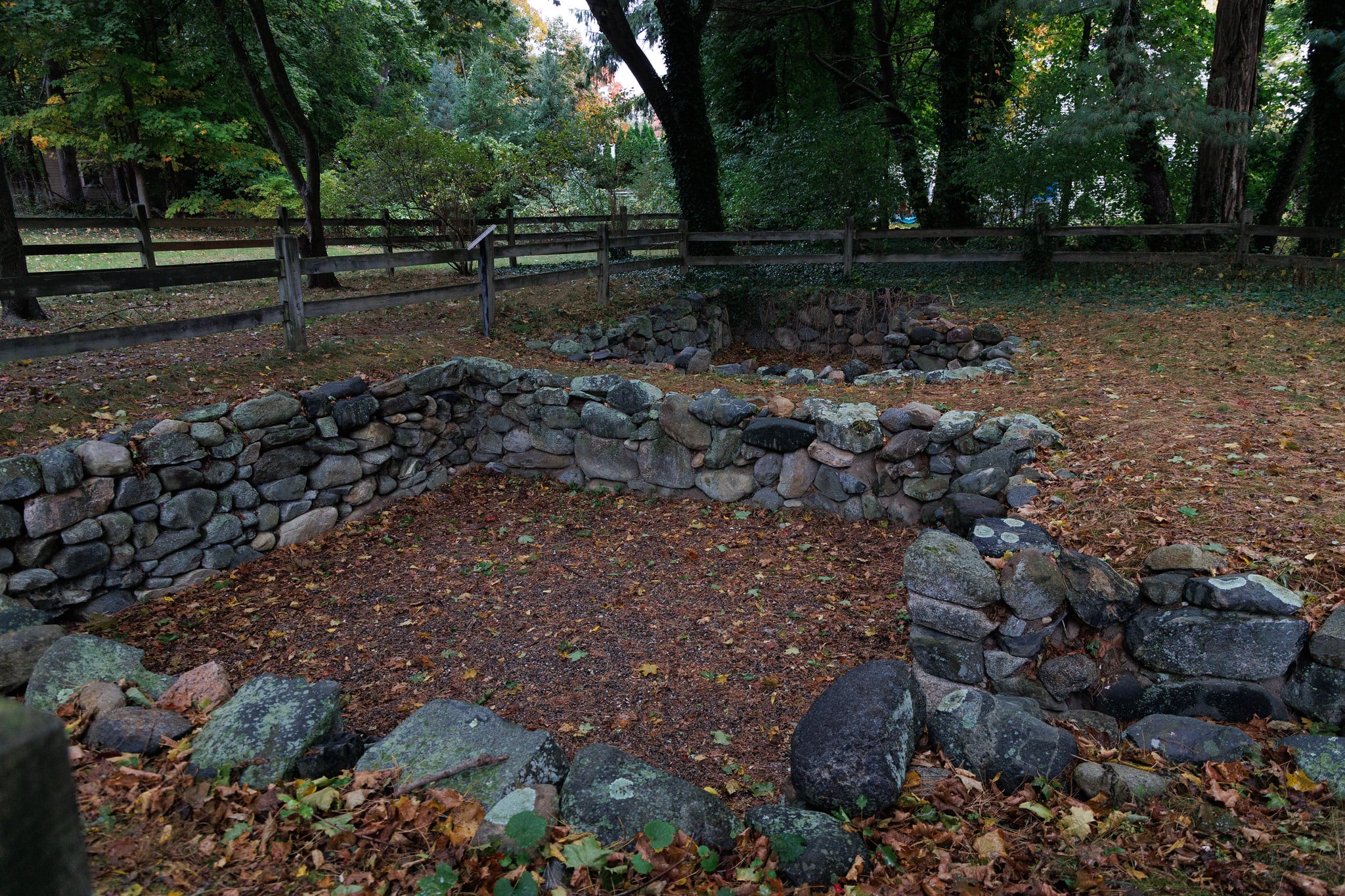
The terror started here. This is where Samuel Parris lived with his daughter Betty and niece Abigail Williams. Their strange fits in early 1692 launched the entire crisis.
Nothing remains of the original parsonage. A small stone marker sits in a residential neighborhood in Danvers, surrounded by modern homes. The contrast feels jarring.
Rebecca Nurse Homestead
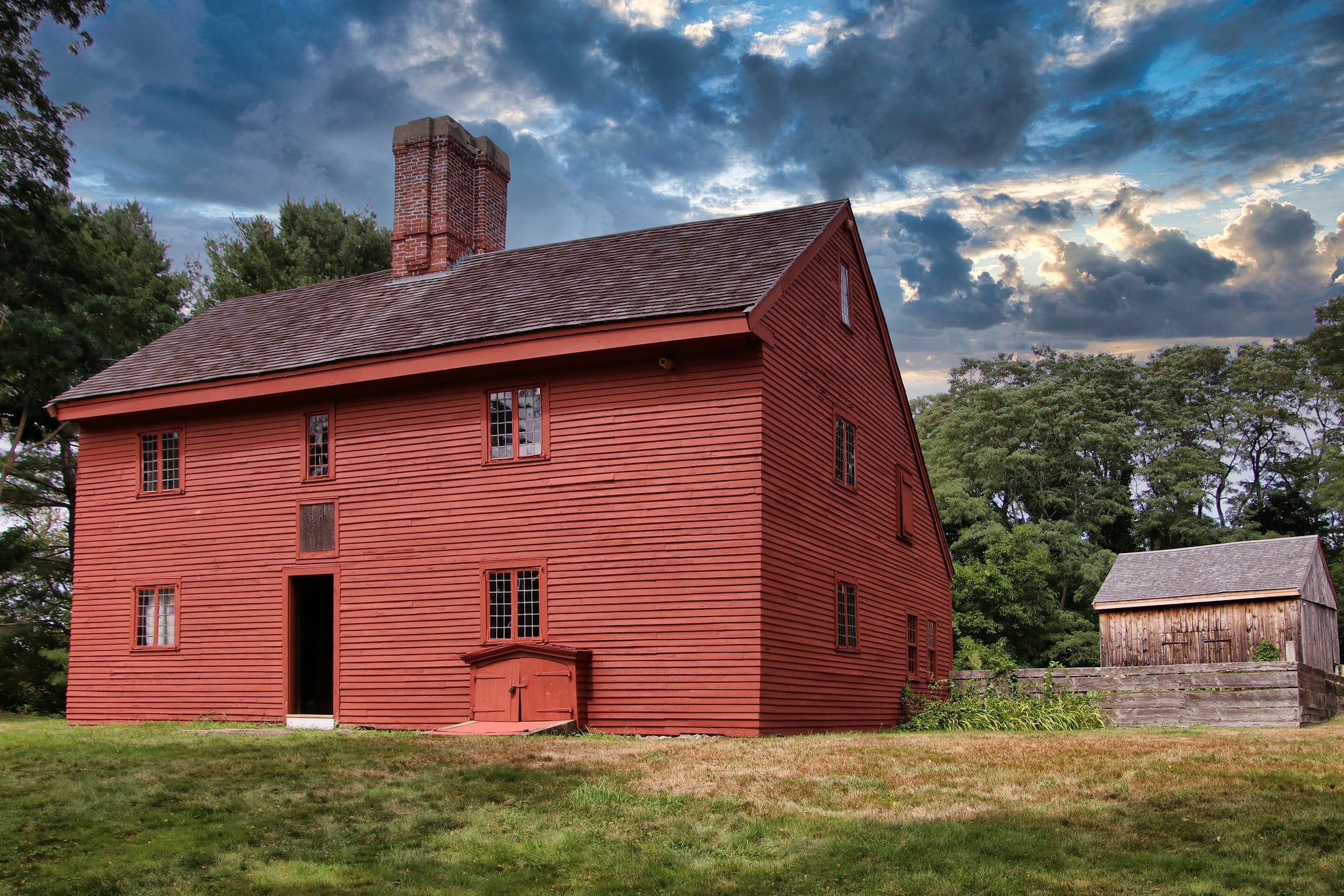
Rebecca Nurse was 71 when they dragged her from this house (which you think would have been enough to spare someone from accusations of witchcraft, but hysteria has its own twisted logic). The woman had been a respected church member for decades, known for her piety and good works.
None of that mattered when the accusers pointed their fingers. The house still stands on Centre Street in Danvers — a weathered saltbox structure that looks exactly like what it is: the home of someone who lived quietly and bothered no one.
And yet Rebecca Nurse was hanged on July 19, 1692, because teenage girls claimed her specter tormented them. The irony writes itself: the most innocent-looking house harbored what the community decided was its most dangerous resident.
Bridget Bishop House Site
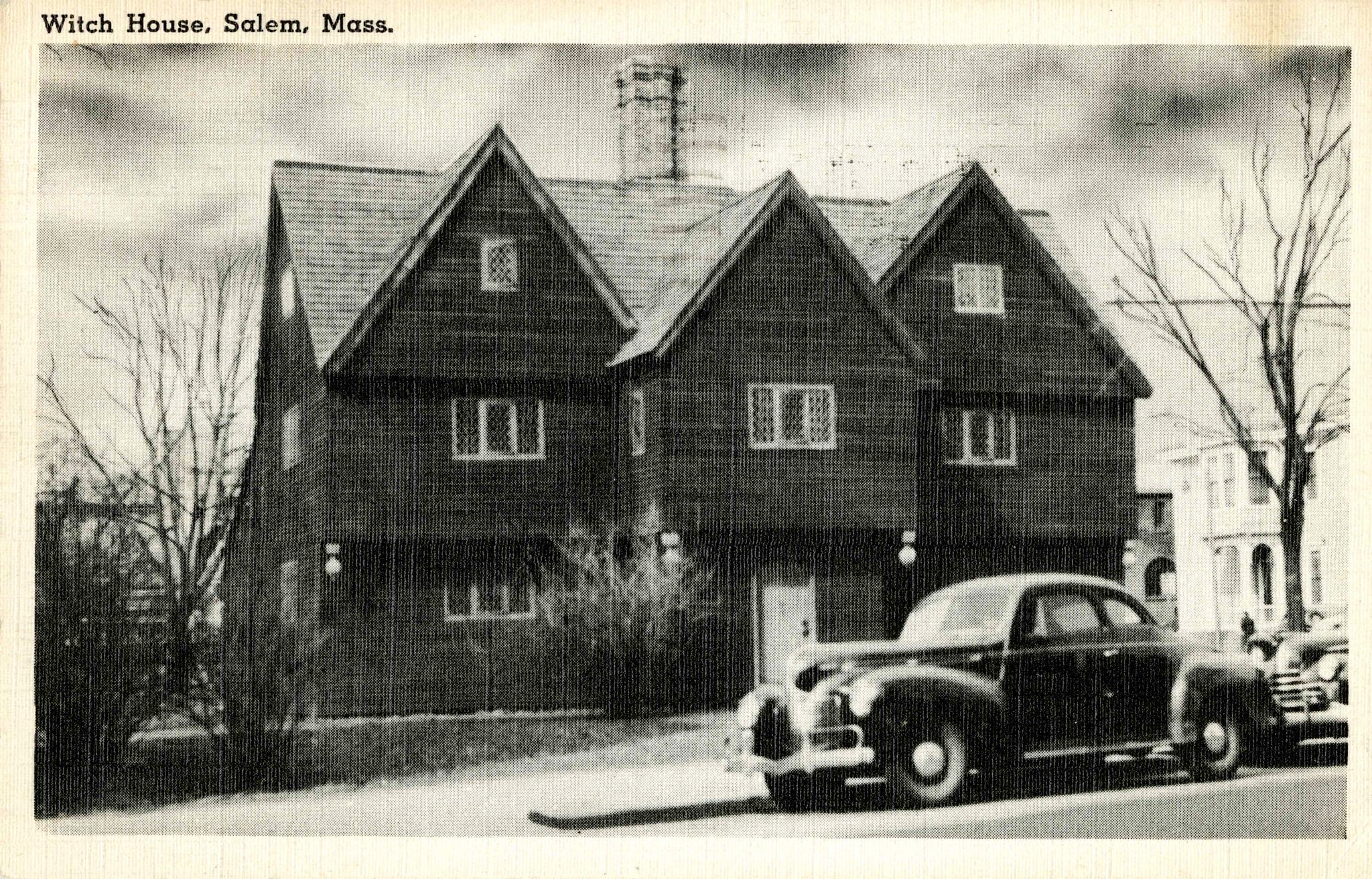
History remembers Bridget Bishop as Salem’s first execution, but that clinical description misses something crucial about her story. She ran taverns, dressed in colors that scandalized her neighbors, and had been married three times — which made her precisely the kind of woman a Puritan community would view with suspicion even before anyone whispered the word “witch.”
Her house stood on what is now Chestnut Street in Salem, though nothing remains of the original structure. But you can picture it: a place where people gathered, laughed, drank, and behaved in ways that made the more rigid members of the community uncomfortable.
So when the accusations started flying, Bishop became an obvious target. She died on June 10, 1692, not because she practiced witchcraft, but because she lived too freely for her neighbors’ comfort.
Old Salem Village Meetinghouse Site
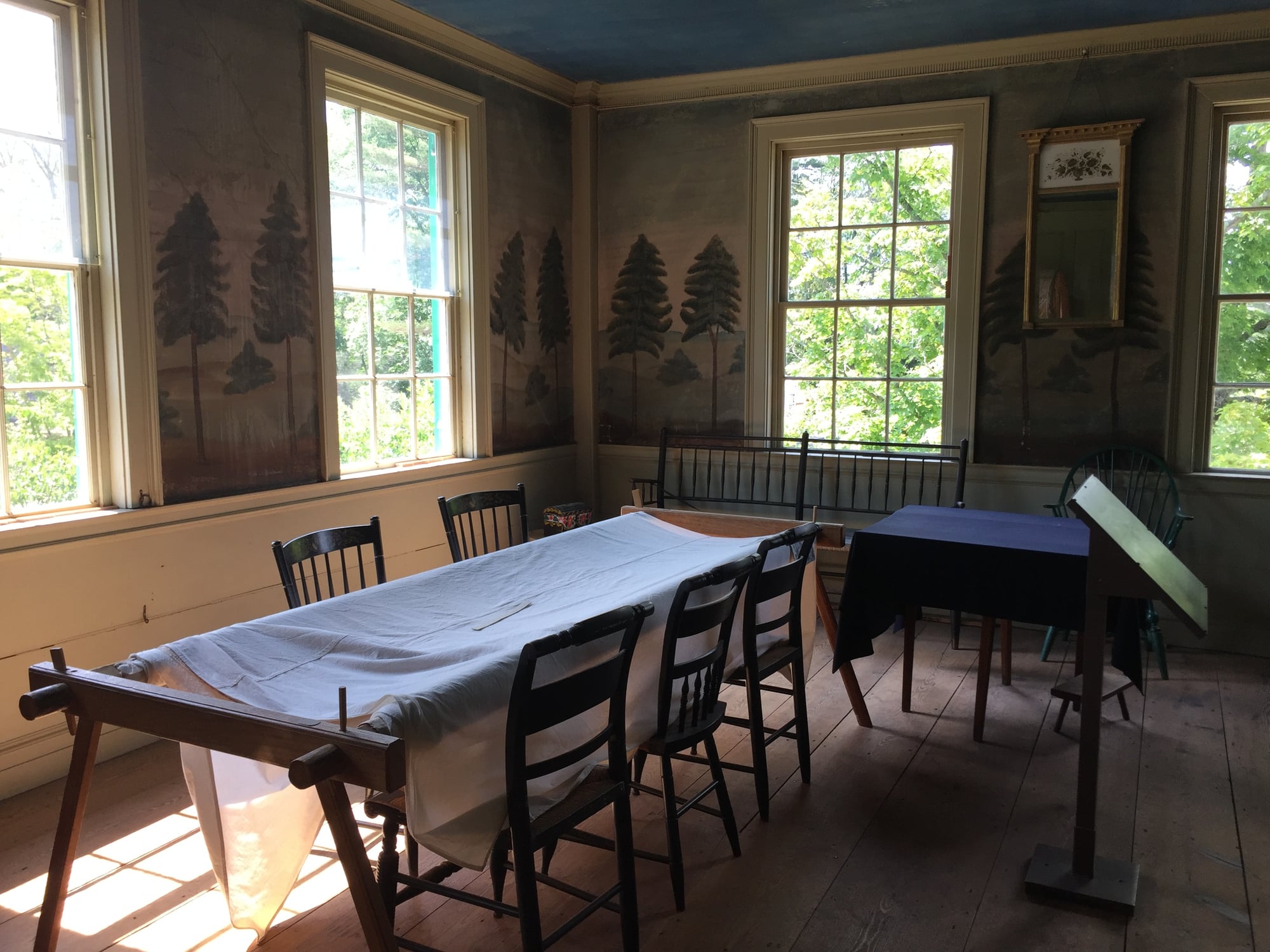
Picture this: a plain wooden building where the community gathered each Sunday, listening to Samuel Parris deliver sermons about sin, salvation, and the devil’s presence among them. The same room where people had once prayed together became the stage for the preliminary hearings that would send neighbors to their deaths.
The original meetinghouse disappeared long ago. A cemetery now occupies part of the site on Forest Street in Danvers.
Gravestones mark the spot where accusations were first given official weight, where friendship and community dissolved under the pressure of fear and finger-pointing. The dead rest quietly where the living once destroyed each other with words.
Sheriff George Corwin House

George Corwin was 25 years old when he became Salem’s High Sheriff. Young for the job, but apparently well-suited for the work of arresting accused witches and seizing their property.
The house where Corwin lived still stands on Chestnut Street in Salem, though it’s been moved from its original location. Corwin died just three years after the trials ended, and his family had to hide his body to prevent relatives of the accused from seizing it for debt.
Even death couldn’t escape the bitter aftermath of what he’d helped orchestrate.
The John Proctor House Site
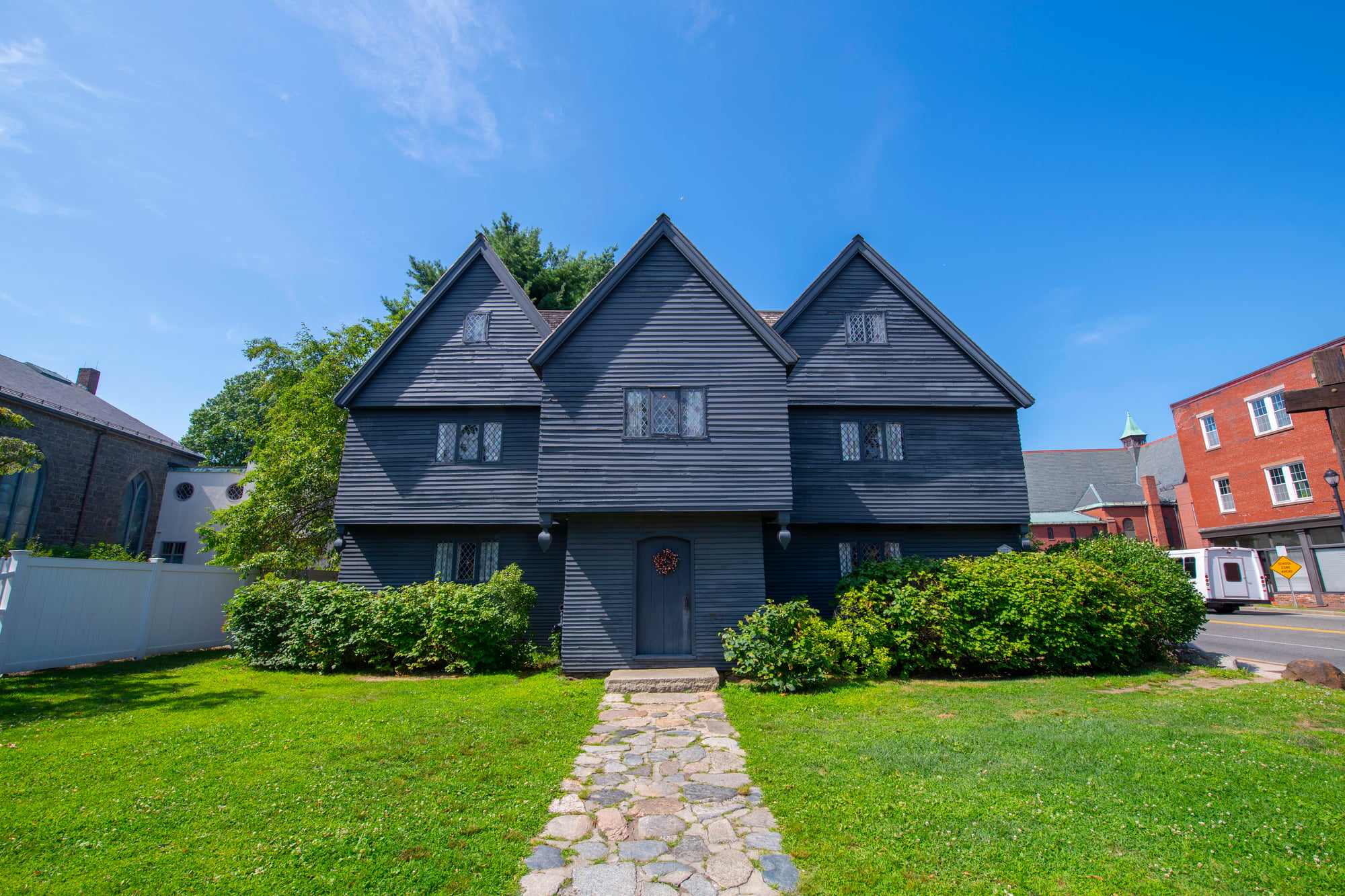
John Proctor owned a tavern and farmland in what is now Peabody. He made the fatal mistake of speaking publicly against the witch trials, calling the afflicted girls “little children” and suggesting the magistrates were being deceived.
The house is gone now, replaced by residential development on Lowell Street. But Proctor’s story lingers: a man who saw through the hysteria, spoke against it, and paid for his honesty with his life.
He was hanged on August 19, 1692, along with four others. His wife Elizabeth was also condemned but spared execution because she was pregnant. Sometimes luck comes in the strangest forms.
Gallows Hill
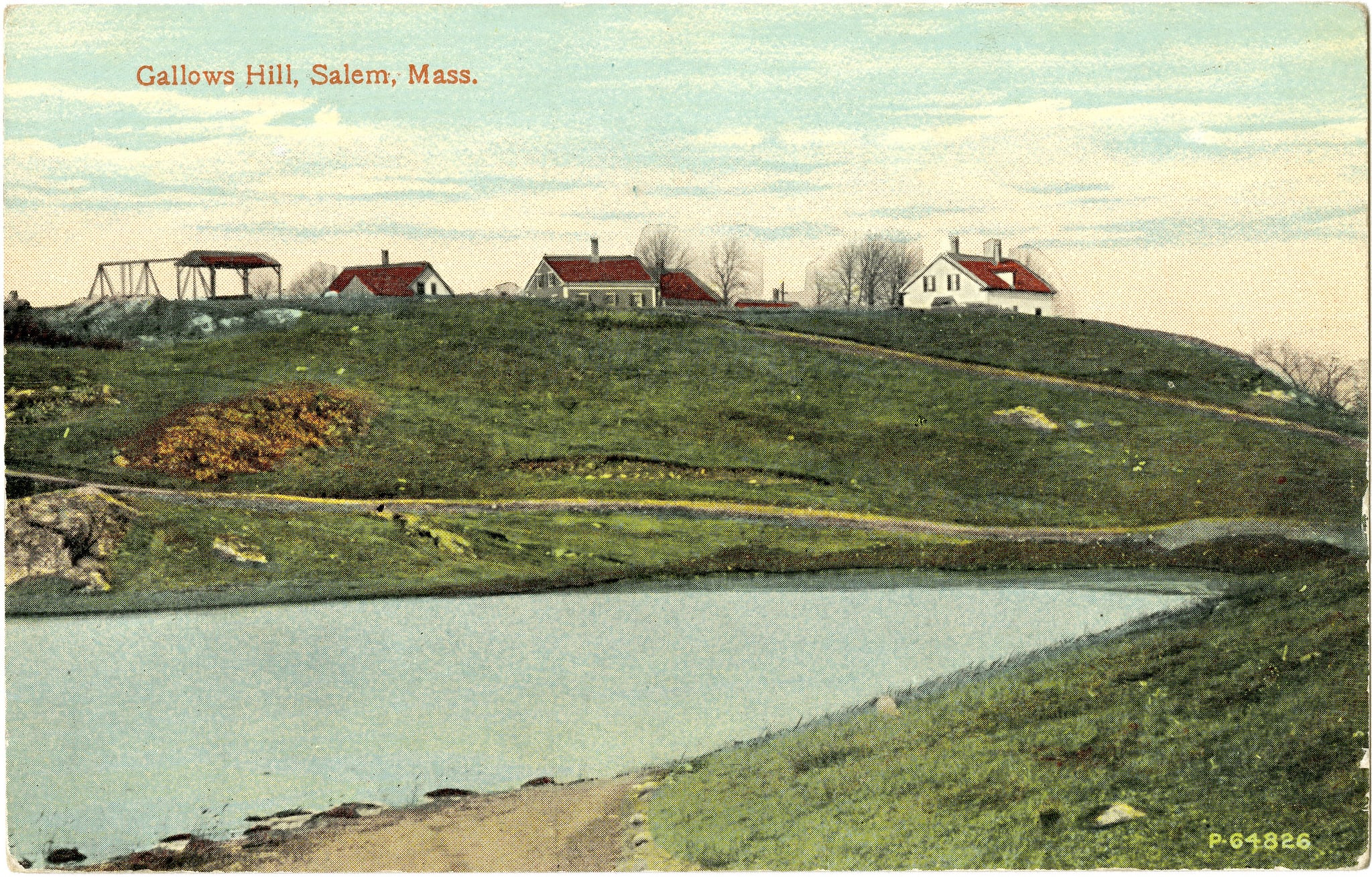
This is where it ended for twenty people. The exact location on Gallows Hill remained disputed for centuries, but recent archaeological evidence points to a rocky outcropping called Proctor’s Ledge.
Standing there now, you realize how exposed the site is — visible from multiple directions, designed to serve as a public warning. The condemned would have seen their community spread out below them in their final moments, a town that had chosen to believe the worst rather than question the unquestionable.
No monuments marked the spot for over 300 years, as if Salem preferred to forget what happened there.
Salem Village Boundary Marker
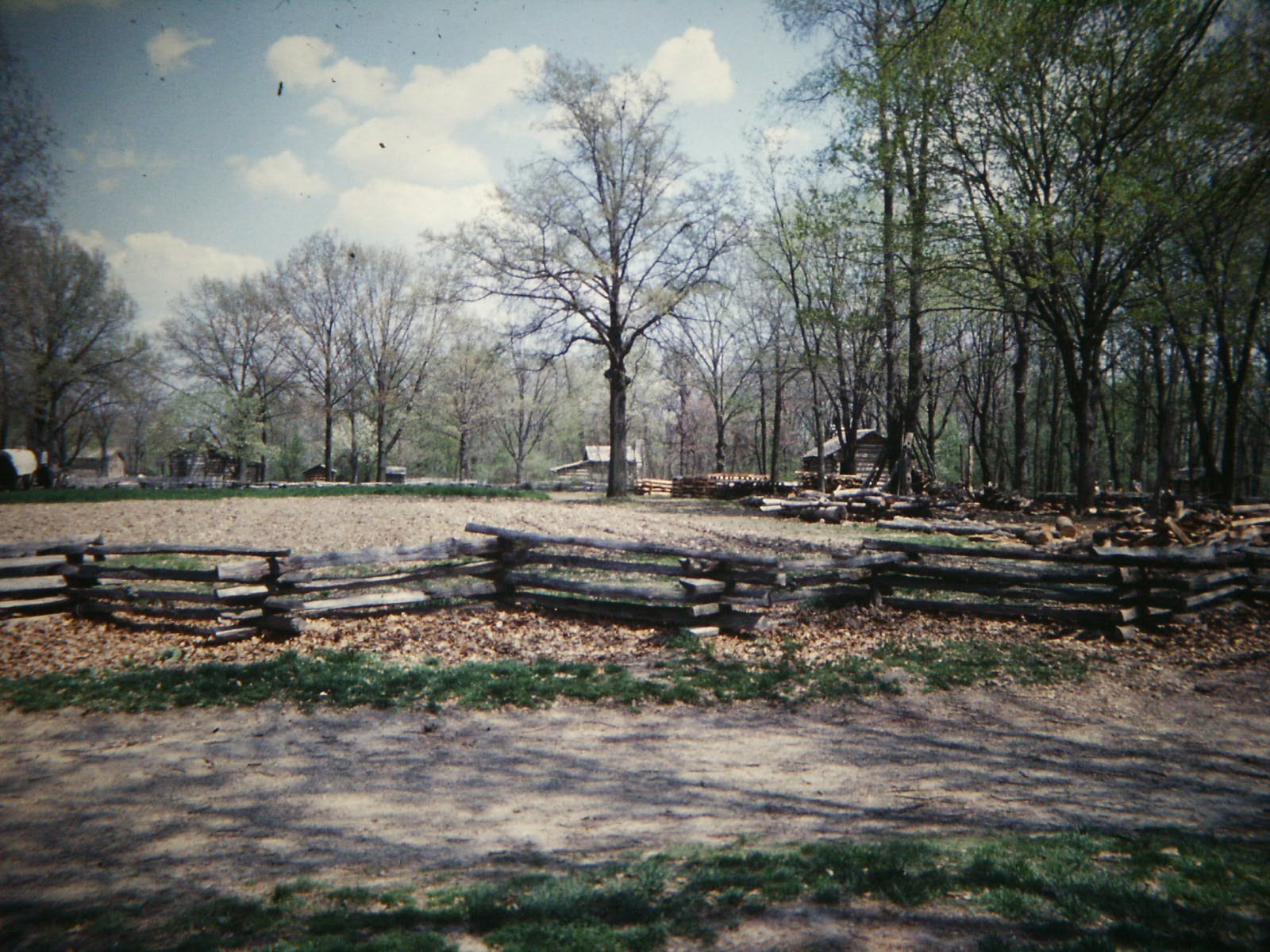
The invisible line that separated Salem Village from Salem Town might have seemed trivial in 1692, but it determined everything about how the crisis unfolded (and geography, as it turns out, can be more dangerous than any spell). Most of the accusers lived in Salem Village; most of the accused lived in or had connections to Salem Town.
A simple stone marker now indicates where that division ran. Such a small thing to carry so much weight.
But property disputes, church conflicts, and old grudges don’t disappear just because people share a community name. They fester. And when the opportunity for revenge presented itself wrapped in religious righteousness, those old boundaries became battle lines.
Thomas Putnam House Site

The Putnam family provided more accusers than any other household. Ann Putnam Jr. was only 12 when she began naming witches, but she proved remarkably prolific at it. Her parents, Thomas and Ann Sr., encouraged and amplified their daughter’s accusations.
The house site on Centre Street in Danvers is now marked by a small memorial. The Putnams lost property disputes, church battles, and social standing in the years before 1692.
The witch trials gave them a chance to settle scores. Ann Jr. would later be the only accuser to publicly apologize, but that came in 1706 — too late to help the nineteen people who died because a child pointed her finger and adults chose to believe her.
Giles Corey Farm
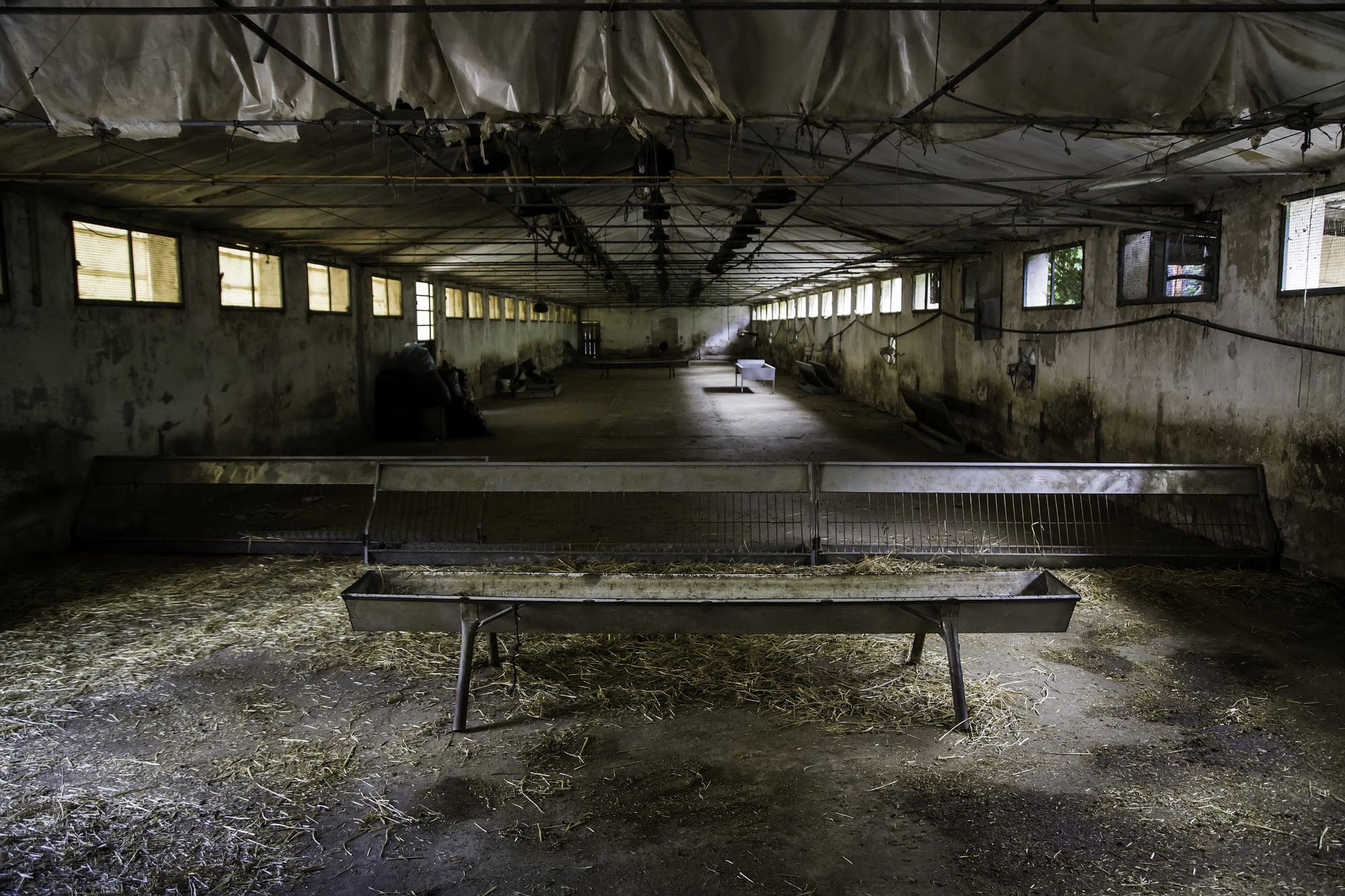
Giles Corey refused to enter a plea when accused of witchcraft. This technicality meant he couldn’t be tried, so the authorities decided to press him to death instead — literally placing heavy stones on his chest until he either agreed to plead or died.
Corey’s farm occupied land that is now part of Peabody. He was over 80 years old and apparently stubborn enough to choose an agonizing death rather than participate in proceedings he considered illegitimate.
His last words were reportedly “More weight.” The farm is gone, but that phrase echoes: the final act of defiance from a man who refused to give his accusers what they wanted, even when they were willing to crush him for it.
Wenham Village
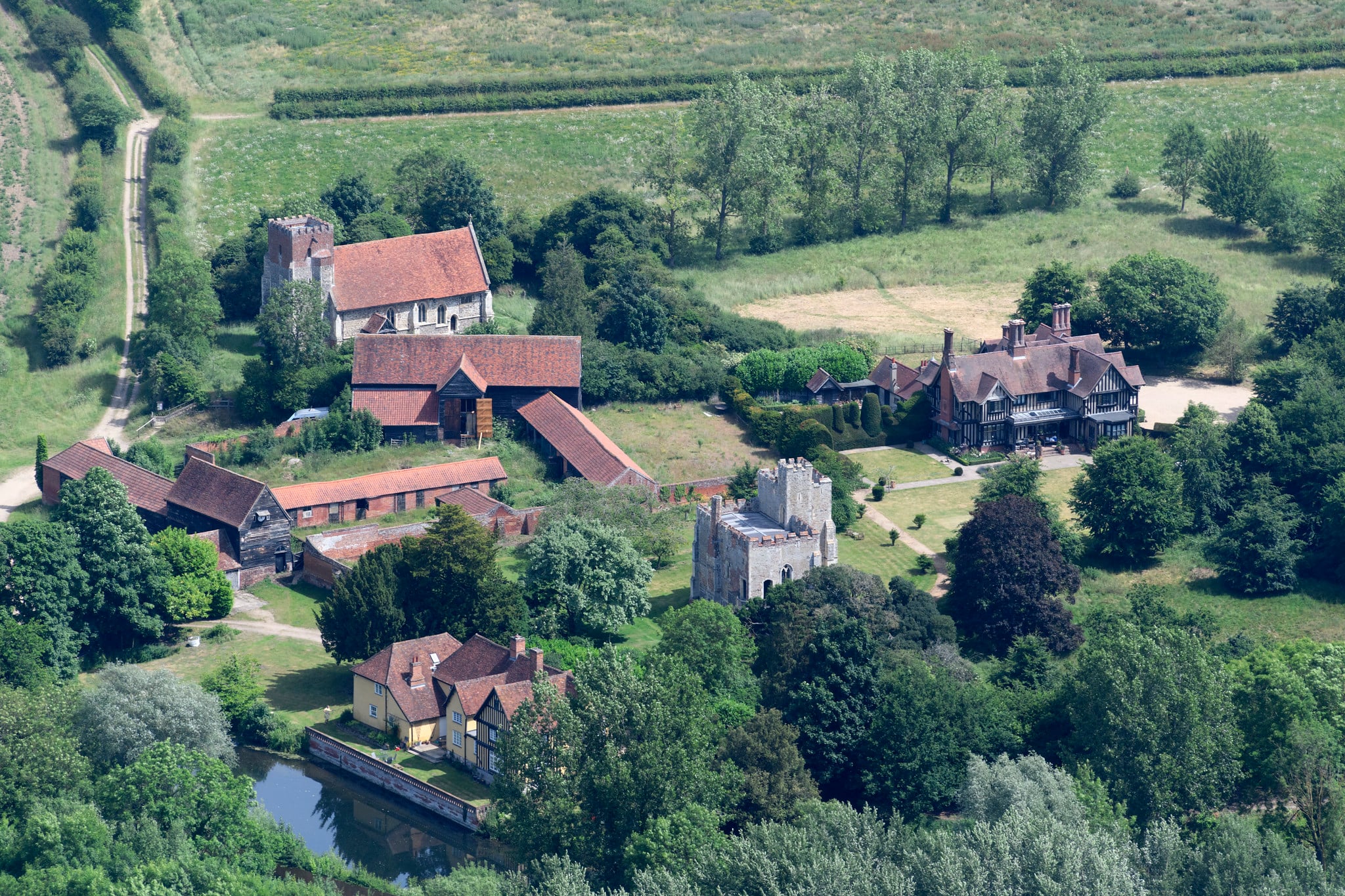
Several accused witches had connections to Wenham, including Martha Corey (Giles Corey’s wife) who had lived there before marrying. The village represented something that made Salem’s accusers particularly uncomfortable — a place where people minded their own business and didn’t get caught up in the religious and social conflicts tearing Salem Village apart.
Wenham’s distance from the epicenter of hysteria couldn’t protect its former residents once they fell under suspicion. Martha Corey was hanged on September 22, 1692.
Her calm demeanor and obvious piety during her trial made some spectators question the proceedings, but not enough to save her. Sometimes being reasonable in unreasonable times is the most dangerous thing of all.
Salem Town Harbor
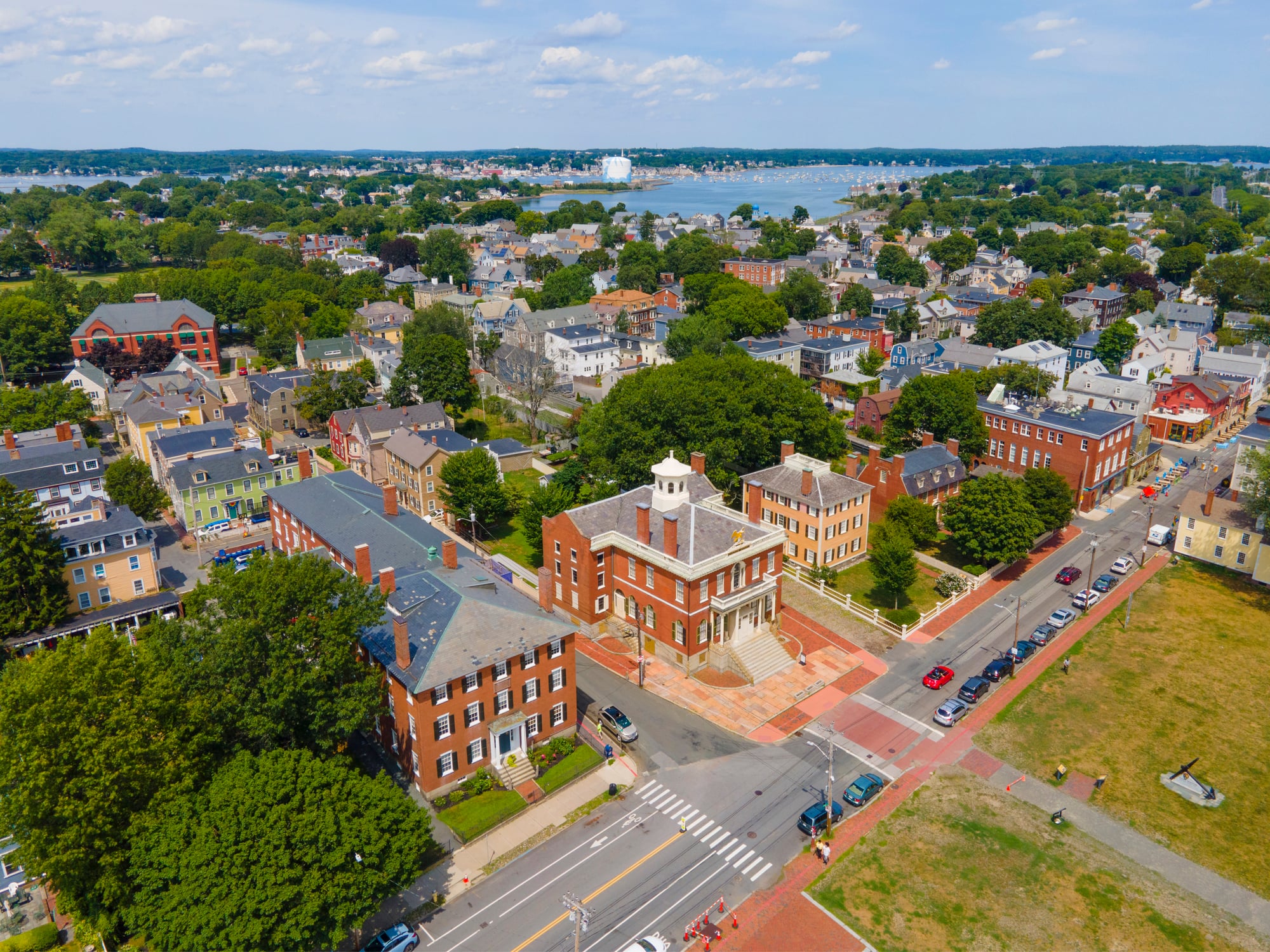
Salem’s merchant families — the Englishes, the Bishops — had connections to this bustling harbor that brought wealth and worldliness to the community. That prosperity bred resentment among Salem Village’s struggling farmers, and several accused witches had ties to Salem’s maritime trade.
The harbor still functions today, though it looks nothing like it did in 1692. But you can imagine how the sight of ships and foreign goods flowing through Salem Town must have looked to villagers dealing with failed crops and property disputes.
Witchcraft accusations became a way to strike at people whose lives seemed charmed by comparison.
Dr. William Griggs House Site
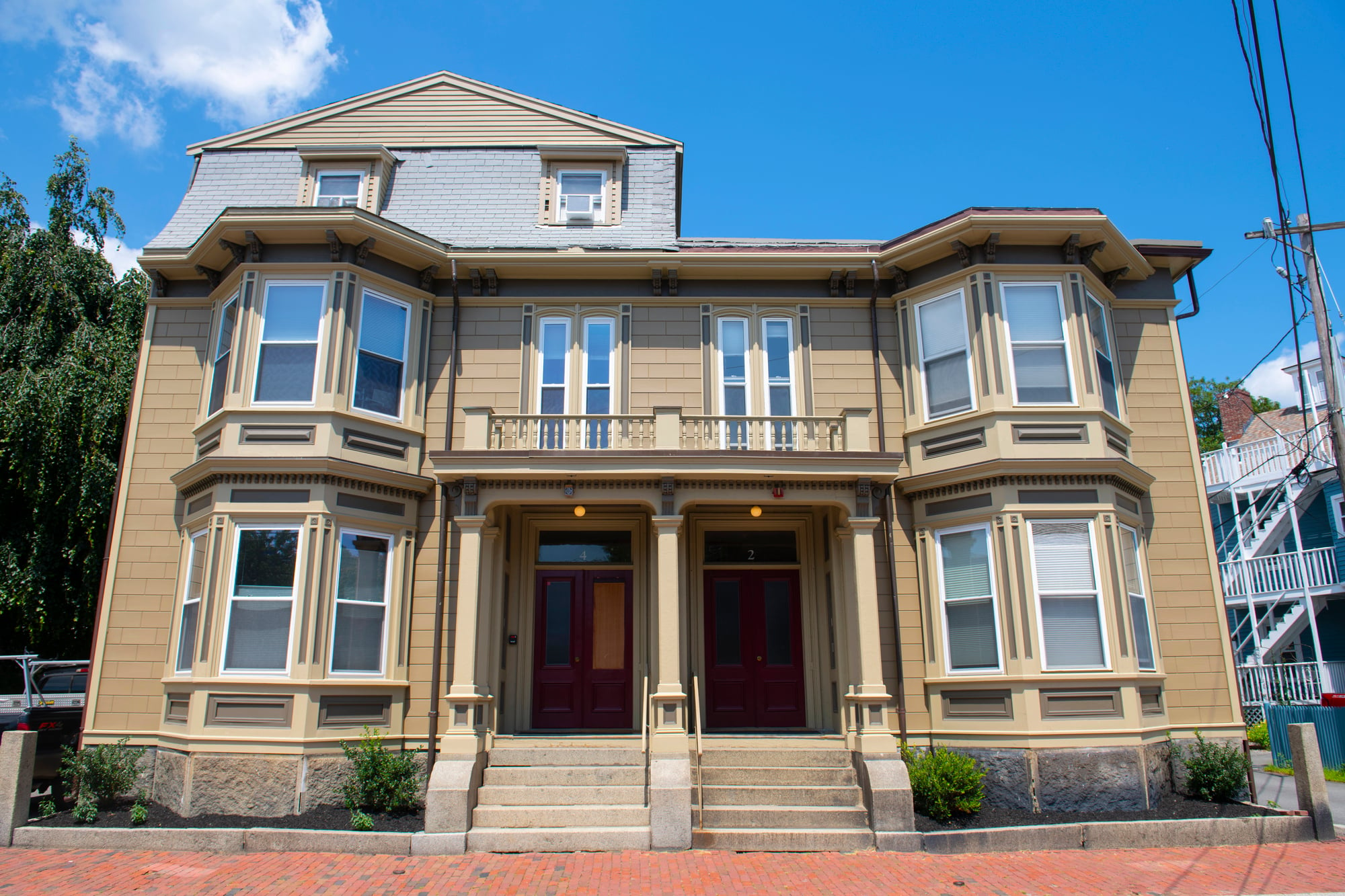
Dr. Griggs examined Betty Parris and Abigail Williams when they first began having fits. When he couldn’t find a medical explanation for their symptoms, he suggested they might be bewitched. That diagnosis launched the entire crisis.
The house site on Essex Street in Salem is now occupied by other buildings. Griggs probably thought he was being helpful, offering an explanation when medical knowledge failed him.
But his willingness to invoke supernatural causes gave official weight to what might have remained a household problem. Sometimes the most dangerous words are the ones spoken by people others trust.
Joseph Hutchinson Farm
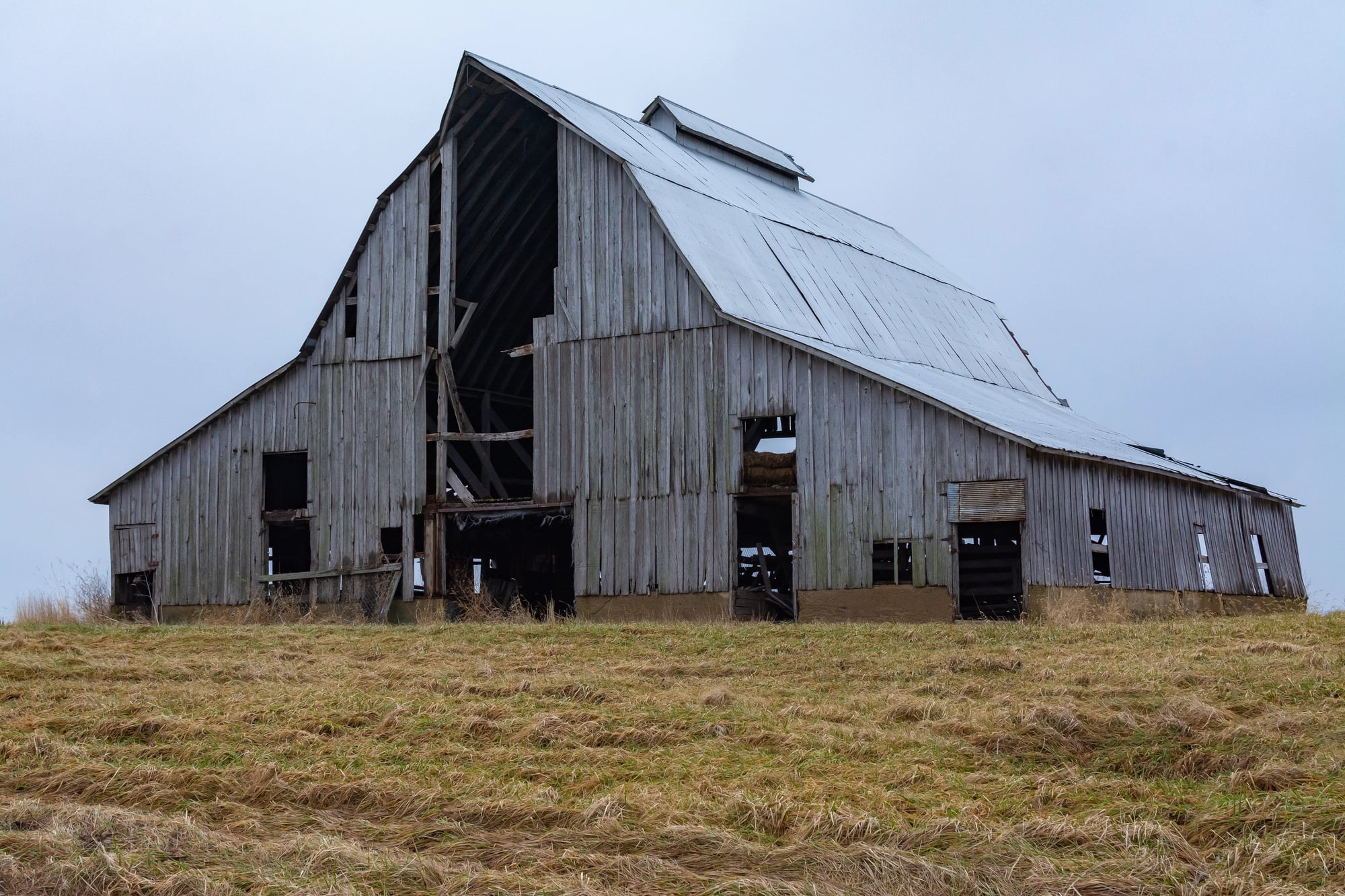
Joseph Hutchinson was one of the few Salem Village residents who openly opposed the witch trials. He refused to attend church while Samuel Parris remained minister and signed petitions defending the accused. His farm provided a rare island of sanity in a community gone mad.
The farm site on Forest Street in Danvers is now residential. Hutchinson’s courage stands out precisely because so few others shared it.
Speaking against the trials required not just moral clarity but physical bravery — the accusers could easily have turned their attention to anyone who questioned their credibility too loudly.
Philip English House
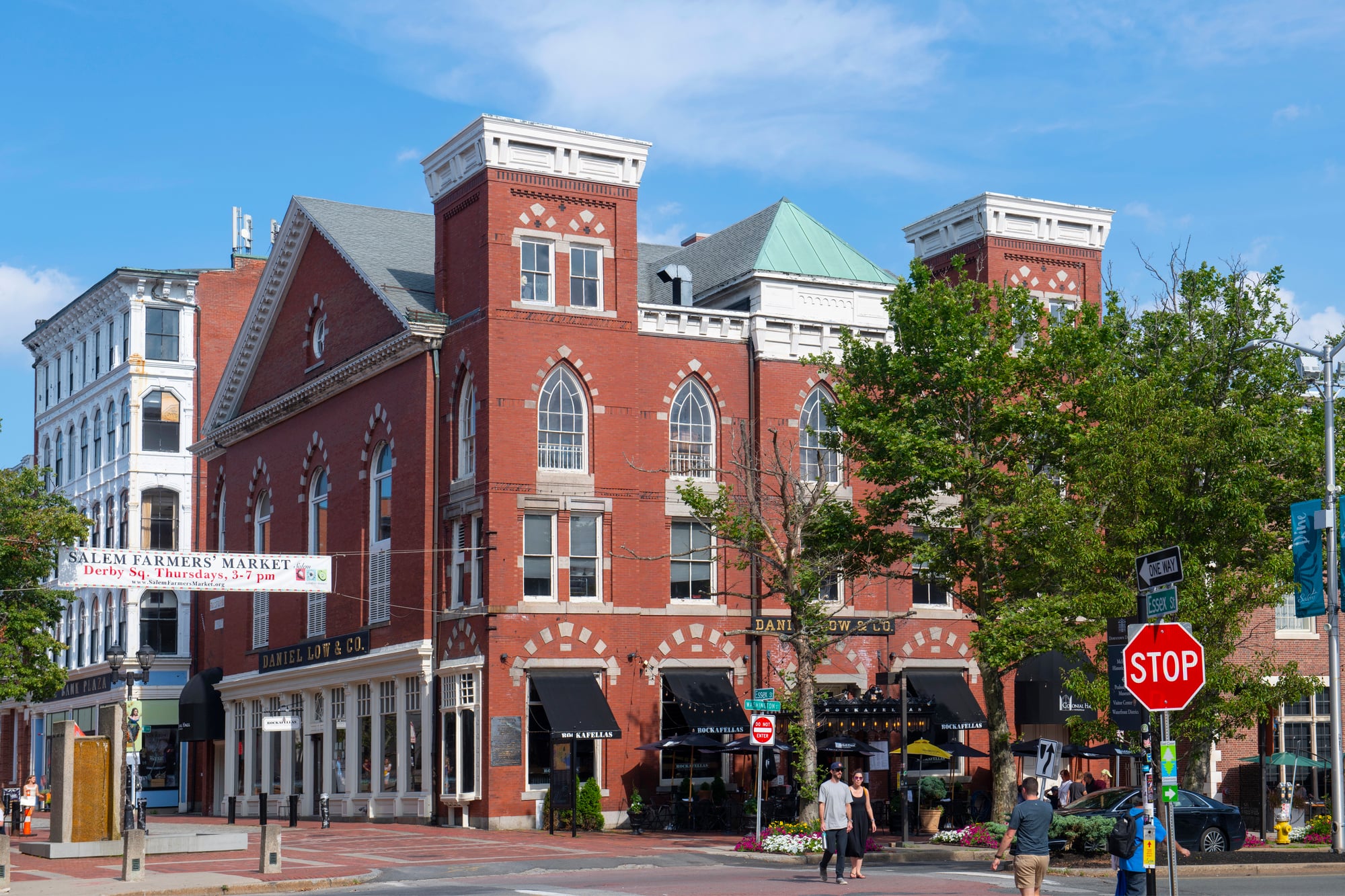
Philip English was one of Salem’s wealthiest merchants. When accusations reached him and his wife, they fled to New York and waited out the hysteria from a safe distance. Not everyone had that option.
The English house on Essex Street in Salem has been preserved as a historical site. The building itself tells a story about class and survival — elegant enough to house one of the town’s leading families, sturdy enough to outlast the crisis that drove them away.
Money couldn’t prevent accusations, but it could buy escape routes that weren’t available to farmers and tavern keepers.
Where Fear Took Root

The Salem witch trials weren’t an accident or an outbreak of temporary madness. They grew from real conflicts over land, church authority, and social change that had been simmering in the community for years.
The locations where these events unfolded still exist, scattered across what are now quiet suburban neighborhoods and historical districts.
These places remind us that ordinary communities can become dangerous very quickly when fear overrides reason. The houses, meetinghouses, and farms of 1692 Salem look unremarkable today, which might be the most unsettling thing about them.
Evil doesn’t announce itself with dramatic architecture or obvious warning signs. It emerges from the same streets and homes where people live normal lives right up until the moment they don’t.
More from Go2Tutors!

- The Romanov Crown Jewels and Their Tragic Fate
- 13 Historical Mysteries That Science Still Can’t Solve
- Famous Hoaxes That Fooled the World for Years
- 15 Child Stars with Tragic Adult Lives
- 16 Famous Jewelry Pieces in History
Like Go2Tutors’s content? Follow us on MSN.



