Most Fuel Efficient Commercial Jets Flying Today
The airline industry faces relentless pressure to cut costs, and fuel represents the single largest operational expense for carriers worldwide. While passengers might focus on legroom and in-flight entertainment, airlines obsess over every gallon consumed at 35,000 feet.
This economic reality has driven manufacturers to develop increasingly efficient aircraft that can travel farther while burning less fuel.
Modern commercial aviation has entered an era where fuel efficiency isn’t just a nice-to-have feature—it’s the difference between profitable routes and grounded aircraft. The jets flying today represent decades of aerodynamic refinement, engine innovation, and materials science breakthroughs, all focused on extracting maximum performance from every drop of jet fuel.
Airbus A220-100
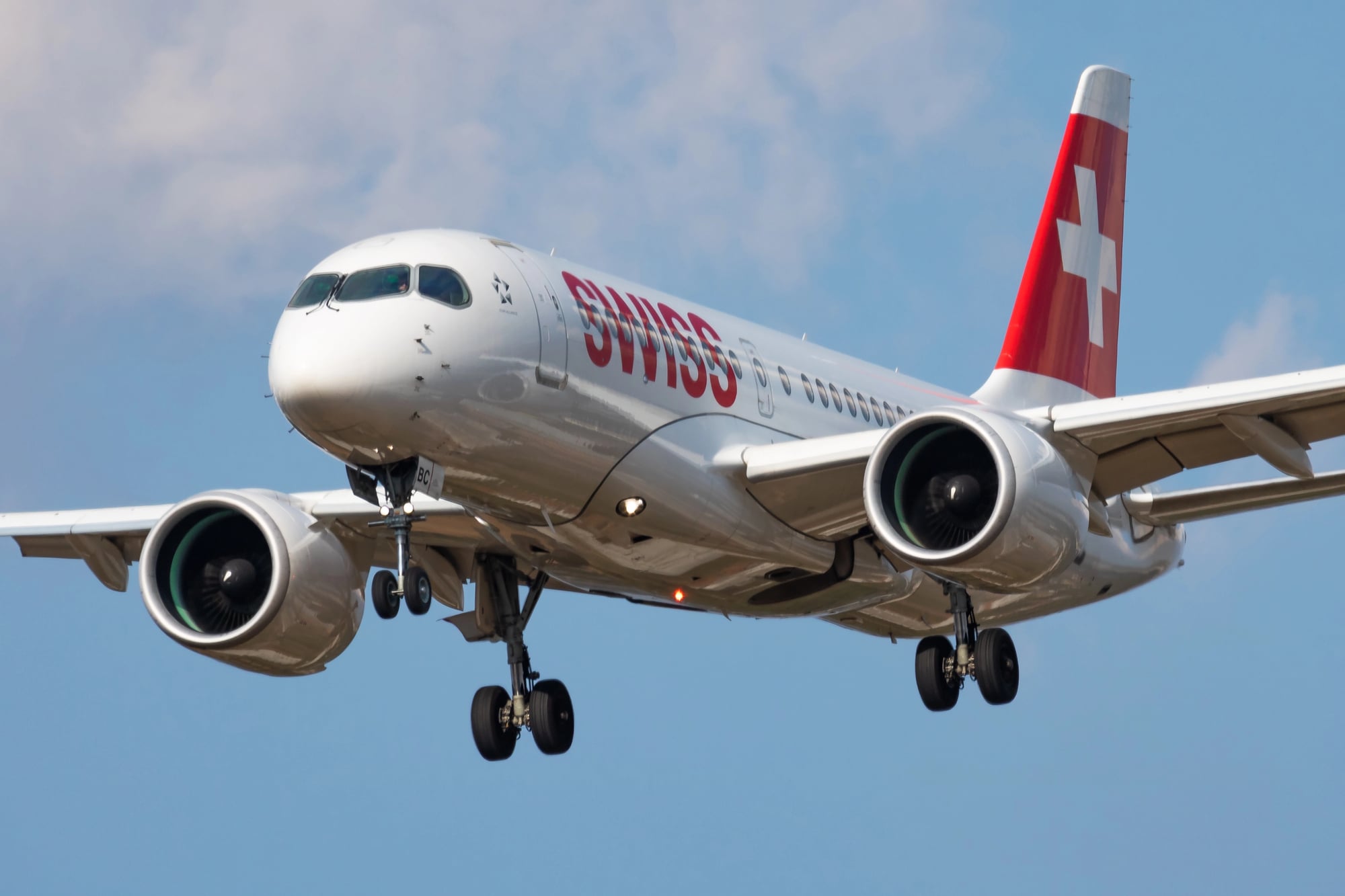
The A220-100 burns roughly 20% less fuel than similarly sized aircraft. That’s not marketing spin—that’s measurable economics that airlines can bank on.
Pratt & Whitney’s geared turbofan engines make the difference here. The technology isn’t flashy, but it works.
Boeing 787-8 Dreamliner
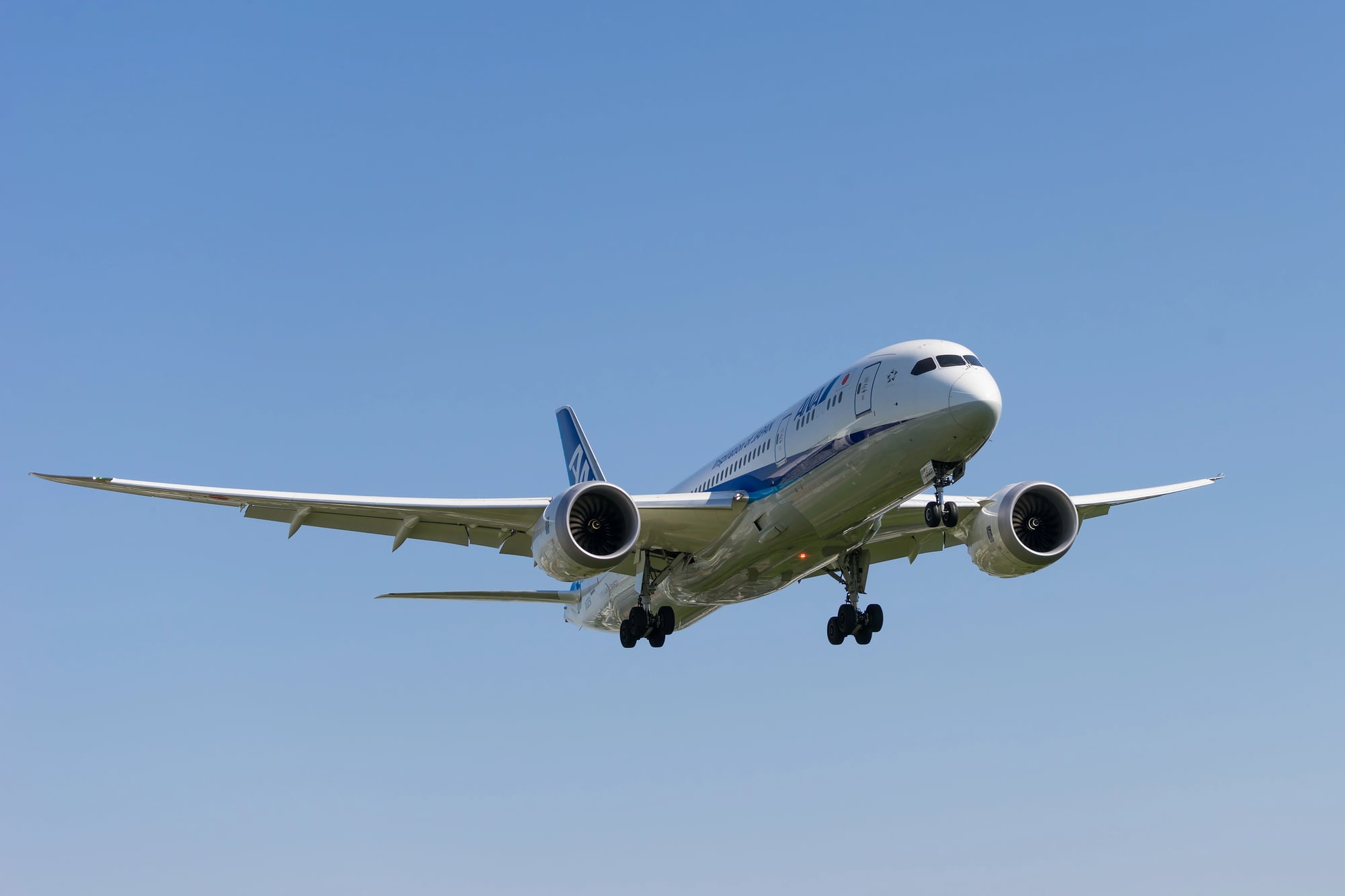
Boeing built the 787 around a simple proposition that turned out to be remarkably complex in execution: what happens when you design an aircraft where fuel efficiency drives every other decision, rather than treating it as an afterthought that gets addressed through incremental improvements? The answer (and this took Boeing nearly a decade of development headaches, supply chain disasters, and battery fires to discover) involves rethinking materials, engines, and aerodynamics simultaneously rather than optimizing them separately.
Carbon fiber composites replace aluminum throughout the fuselage—not just in select areas where weight savings are most obvious, but systematically across the entire structure. So the 787 weighs significantly less than comparable aircraft.
And that weight reduction, combined with engines that extract more thrust from less fuel, creates efficiency gains that compound rather than simply adding up.
Airbus A350-900
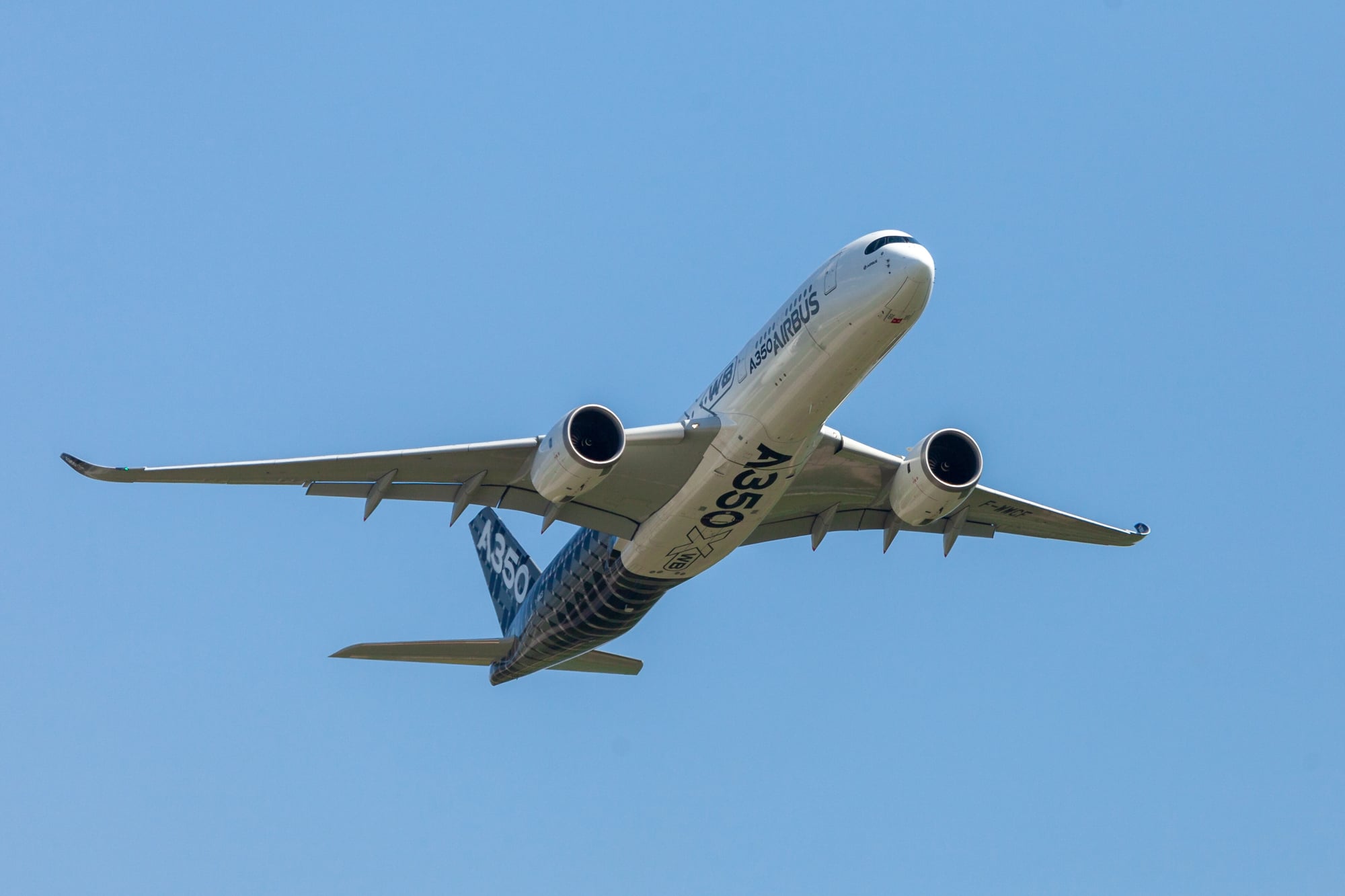
There’s something almost stubborn about the way the A350 approaches fuel efficiency—like a craftsperson who refuses to accept that good enough actually is. The aircraft doesn’t just meet efficiency targets; it quietly exceeds them through a thousand small refinements that most passengers will never notice but airlines definitely feel in their operating costs.
The wing design tells the story best. Airbus didn’t simply make the wings longer or change their angle—they reimagined how wings generate lift and manage airflow.
The winglets curve upward in a way that looks almost organic, and the wing’s cross-section varies along its length like a bird’s wing rather than maintaining the uniform profile that defined earlier generations of aircraft.
Boeing 737 MAX 8

The 737 MAX burns about 14% less fuel than its predecessor. Airlines ordered over 5,000 of them before the grounding, which tells you what the industry thought of those numbers.
The LEAP-1B engines are larger than what the original 737 design anticipated, so Boeing had to raise the landing gear and modify the engine mounting. Those changes created handling characteristics that required software compensation.
The rest, as they say, became aviation history—though the aircraft has since returned to service with additional pilot training and system modifications.
Airbus A320neo
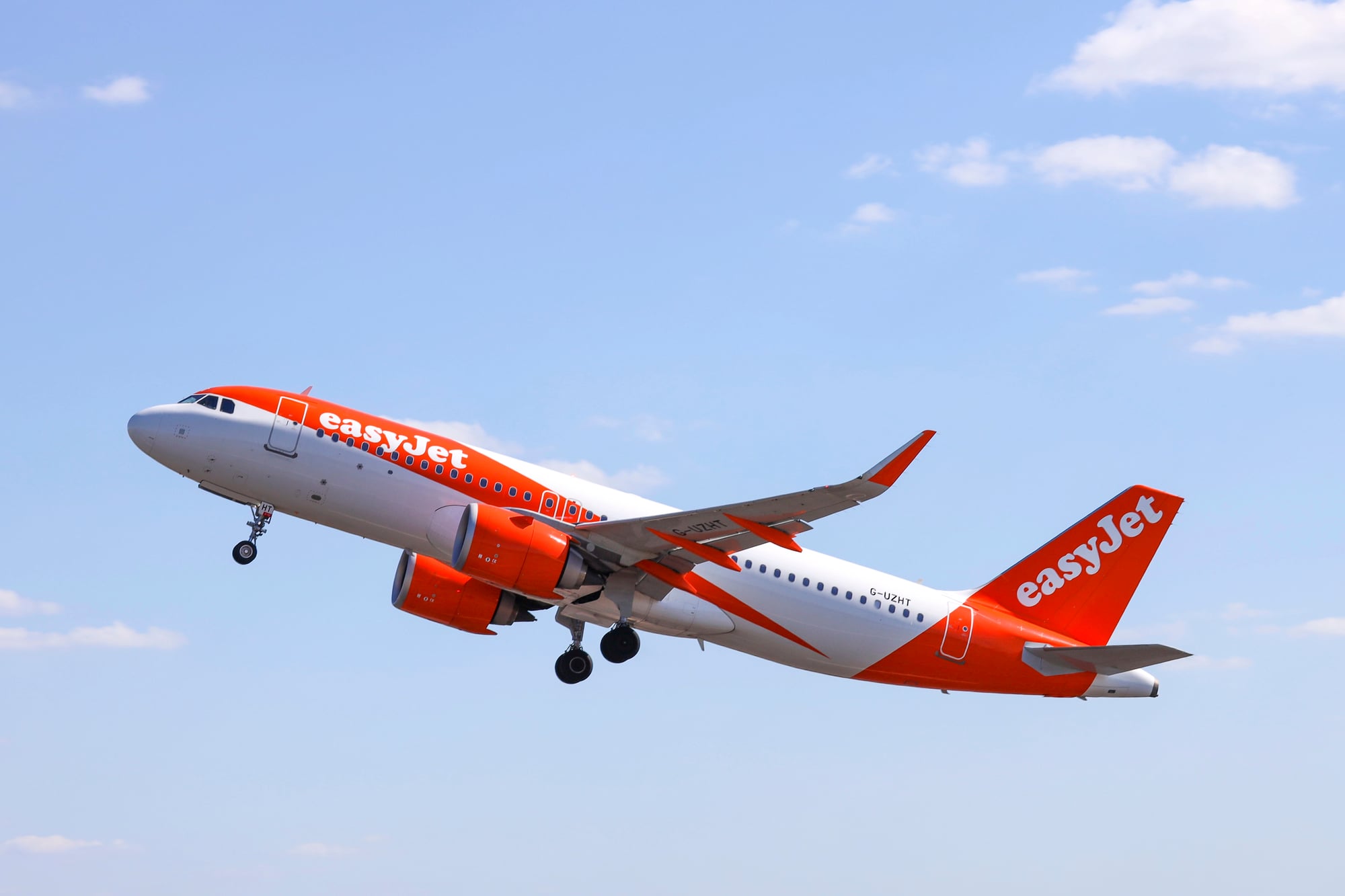
When Airbus decided to update the A320 rather than design an entirely new aircraft, the choice seemed almost cautious by industry standards—airplane manufacturers usually prefer the drama and marketing potential of clean-sheet designs that can be presented as revolutionary breakthroughs rather than evolutionary improvements (even when the improvements deliver more practical benefits than the breakthroughs).
But the A320neo demonstrates something that’s easy to overlook in an industry obsessed with the next big thing: sometimes the most effective innovations happen when experienced engineers take a proven design and methodically eliminate every inefficiency they’ve learned to identify over decades of operation.
The “neo” stands for “new engine option,” which undersells what Airbus actually accomplished here, because the new engines required aerodynamic refinements, weight reductions, and system optimizations that collectively transformed the aircraft’s performance rather than simply bolting better engines onto an existing airframe.
The fuel savings—around 15% compared to the original A320 family—materialize immediately and consistently across different routes, weather conditions, and operational profiles, which means airlines can calculate the economic benefits with unusual precision.
Bombardier CS100 (now Airbus A220-100)
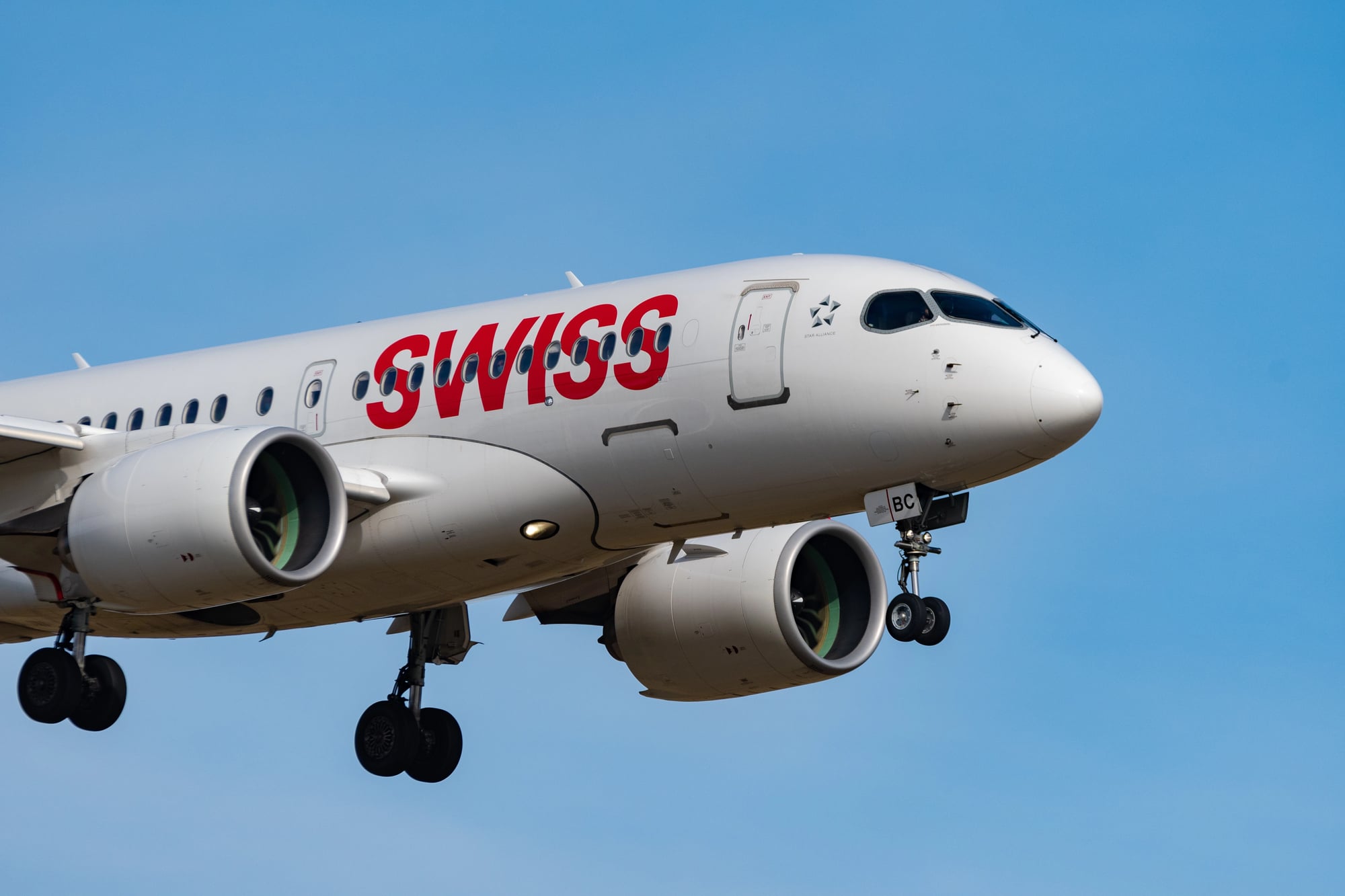
The CS100 occupies a peculiar space in commercial aviation. Too large for regional routes, too small for major trunk routes, but precisely sized for the routes that actually make money for most airlines.
Bombardier designed this aircraft for efficiency rather than capacity, which turns out to matter more than the industry initially recognized.
The geared turbofan engines deliver fuel burn rates that make 100-150 seat routes economically viable even when demand doesn’t justify larger aircraft.
Boeing 787-9

Picture the airline route planner’s dilemma: passengers want direct flights to secondary cities, but those routes can’t fill a 300-seat aircraft consistently enough to justify the fuel costs and airport fees that come with larger jets. The 787-9 emerged from Boeing’s attempt to thread this particular needle—creating an aircraft large enough to make long-haul routes economically sensible while remaining small enough to serve city pairs that don’t generate massive passenger volumes.
The solution required thinking about efficiency differently than simply optimizing fuel burn per passenger mile. The 787-9 needed to be profitable on routes where aircraft utilization might be lower, where alternative airports might lack the ground infrastructure for larger jets, and where passenger loads fluctuate seasonally in ways that make capacity planning genuinely difficult.
The result feels like an aircraft designed by accountants who actually understood operations rather than just spreadsheets.
Airbus A330neo
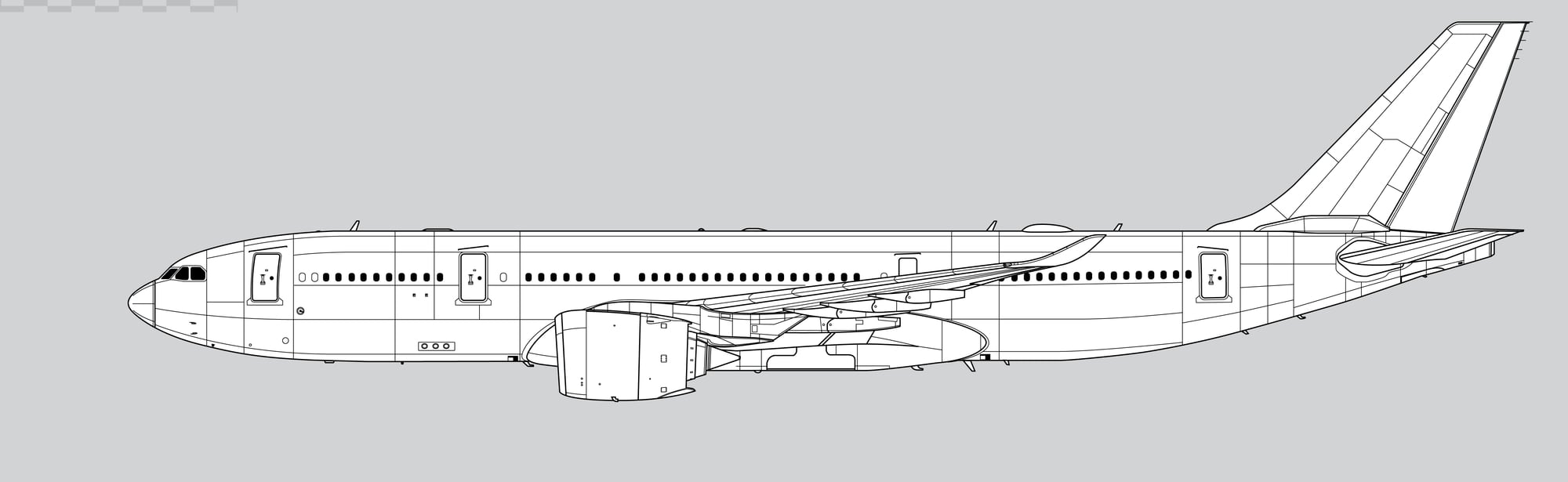
Airbus took a different approach with the A330neo than Boeing did with the 787. Instead of revolutionary materials and radical design changes, they focused on evolutionary improvements that airlines could trust from day one.
The Rolls-Royce Trent 7000 engines provide most of the efficiency gains—about 14% better fuel economy than the original A330. That’s significant enough to change route economics without requiring airlines to retrain maintenance crews or rethink their operational procedures.
The strategy worked. Airlines that wanted proven reliability with improved economics found exactly what they needed.
Embraer E-Jet E2 Series
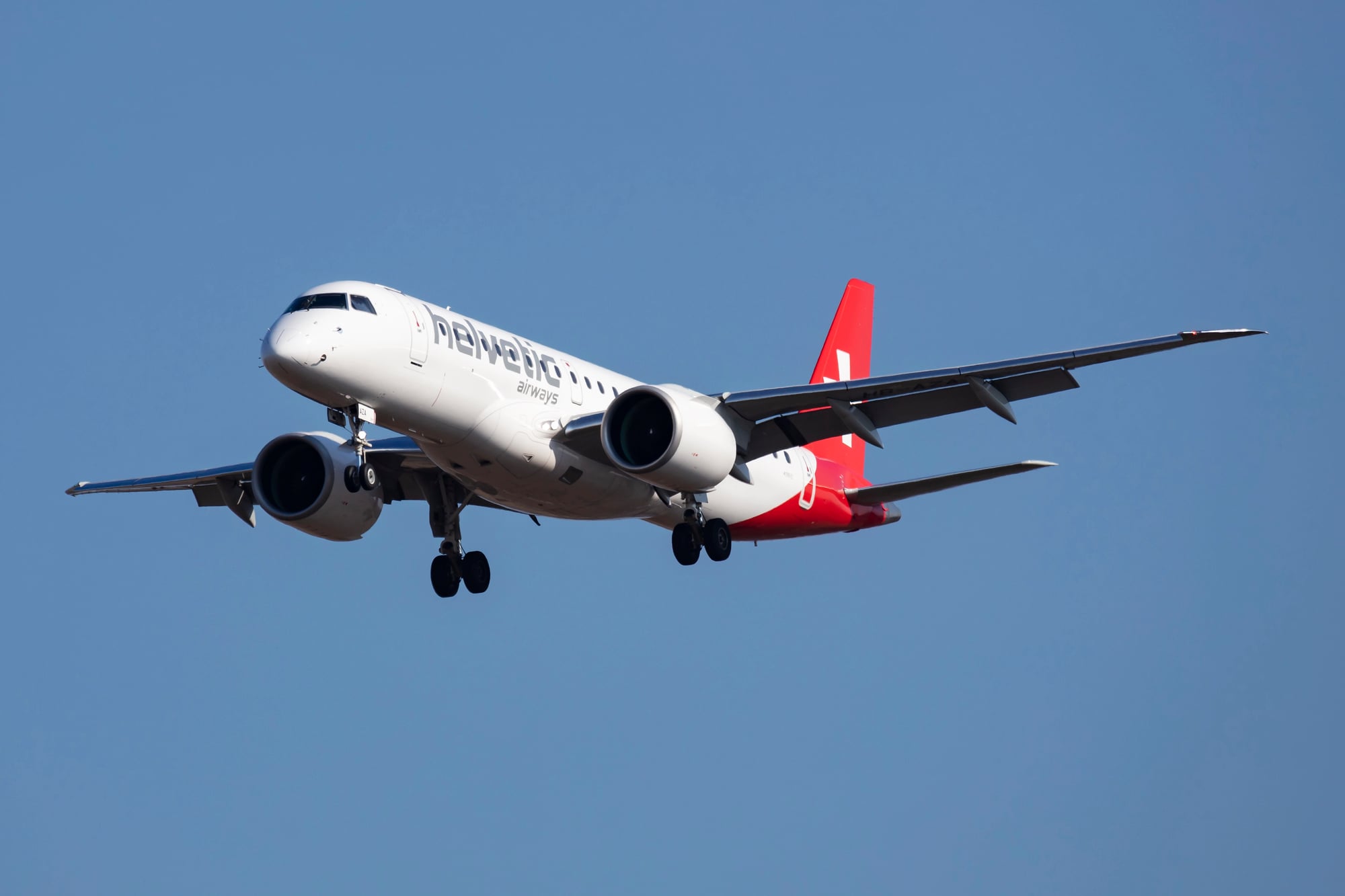
Regional aviation lives in an economic space where every percentage point of fuel efficiency translates directly into route viability, because the margins between profitable and unprofitable service are often measured in single digits rather than the comfortable buffers that major carriers enjoy on popular routes (and even those buffers aren’t as comfortable as they used to be, which explains why major carriers increasingly care about regional aircraft efficiency).
Embraer understood this when they developed the E-Jet E2 series, designing aircraft that could serve thin routes—connections between smaller cities, or routes with limited daily frequency—while delivering fuel burn rates low enough to make those services economically sustainable.
The E2 burns about 17% less fuel than the original E-Jet family, and that improvement often represents the difference between a route that breaks even and one that requires subsidization or cancellation.
And here’s what makes the E2 particularly clever: the efficiency improvements don’t come at the expense of passenger comfort, which matters because regional routes often involve passengers who have limited alternative options and whose loyalty to specific airlines can depend heavily on their experience aboard smaller aircraft.
Boeing 737-800
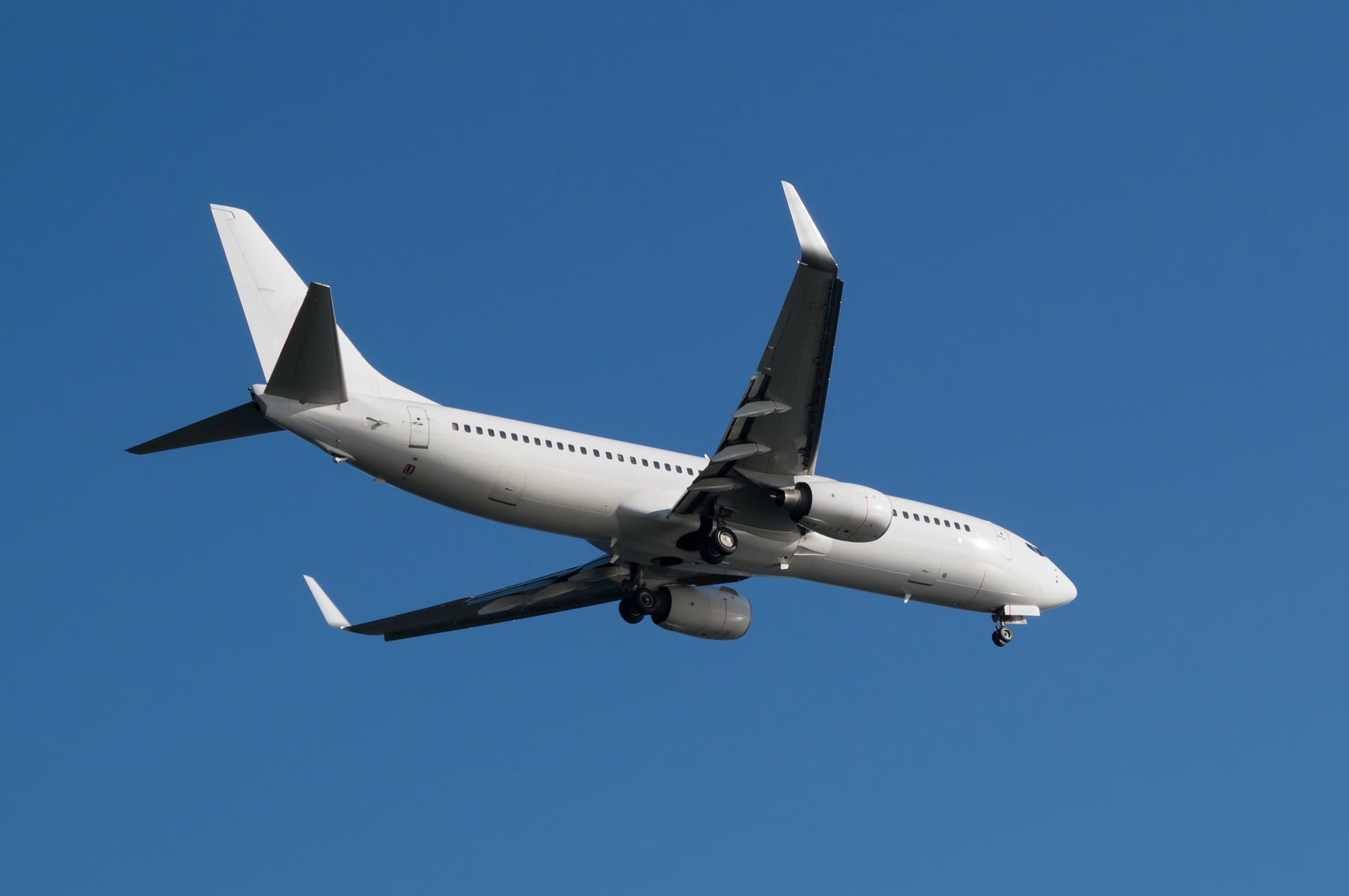
The 737-800 represents mature engineering rather than cutting-edge innovation. Boeing has been refining this basic design for decades, eliminating inefficiencies through incremental improvements that add up to substantial gains.
It burns about 6% less fuel than earlier 737 variants while carrying more passengers. Those numbers might not sound revolutionary, but they’ve made the 737-800 one of the most successful aircraft in commercial aviation history.
Airlines appreciate predictable performance over breakthrough technology that comes with operational uncertainties.
Airbus A319neo
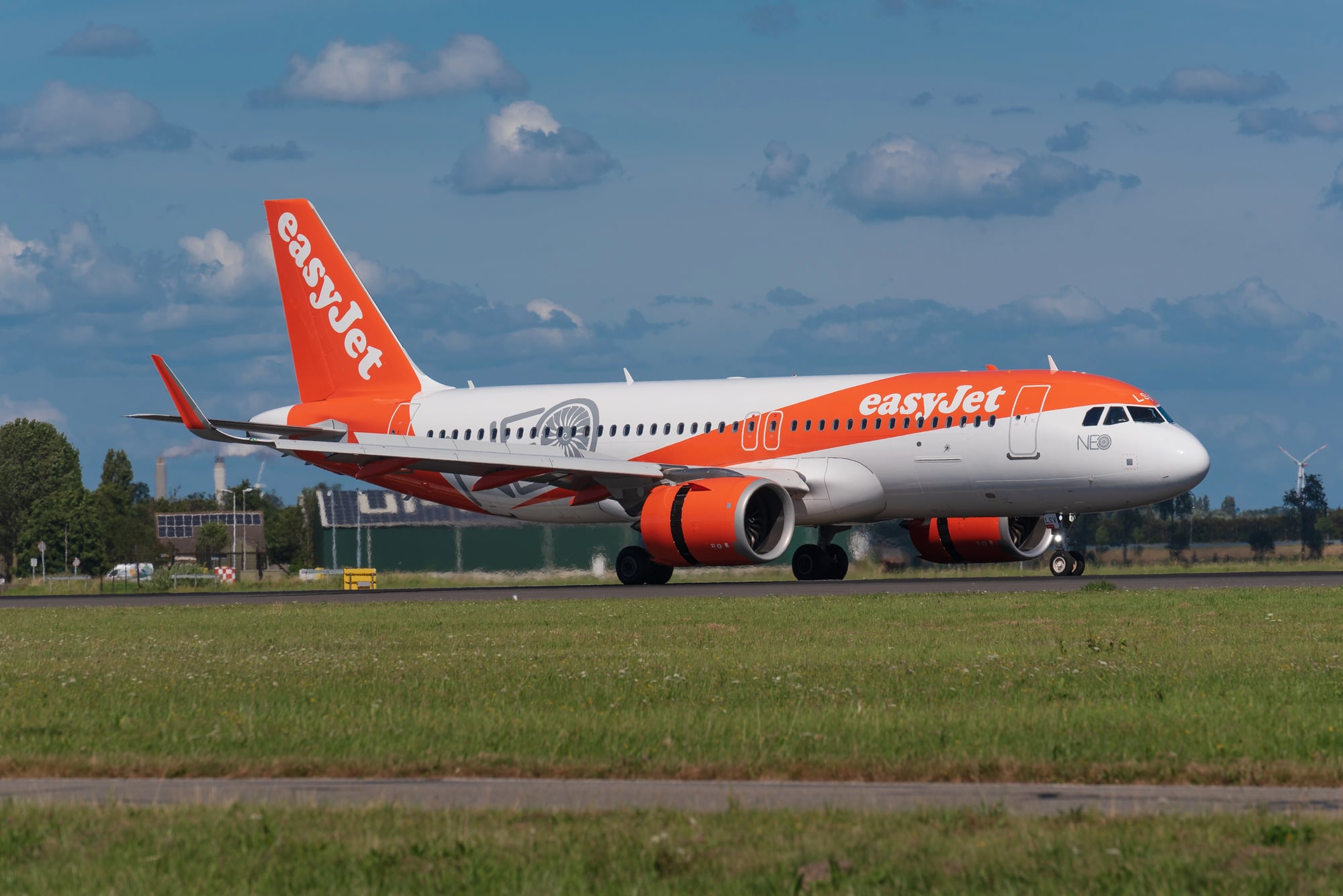
The A319neo exists for routes that don’t quite work with larger aircraft but generate too much demand for regional jets. It’s a Goldilocks solution that turns out to be exactly right for more routes than most airlines initially realized.
The fuel efficiency improvements—about 15% over the original A319—make those marginal routes consistently profitable rather than break-even propositions.
That reliability matters more than peak efficiency numbers because it allows airlines to build sustainable networks rather than gambling on routes that might work under ideal conditions.
Boeing 757-200 (Select Variants)
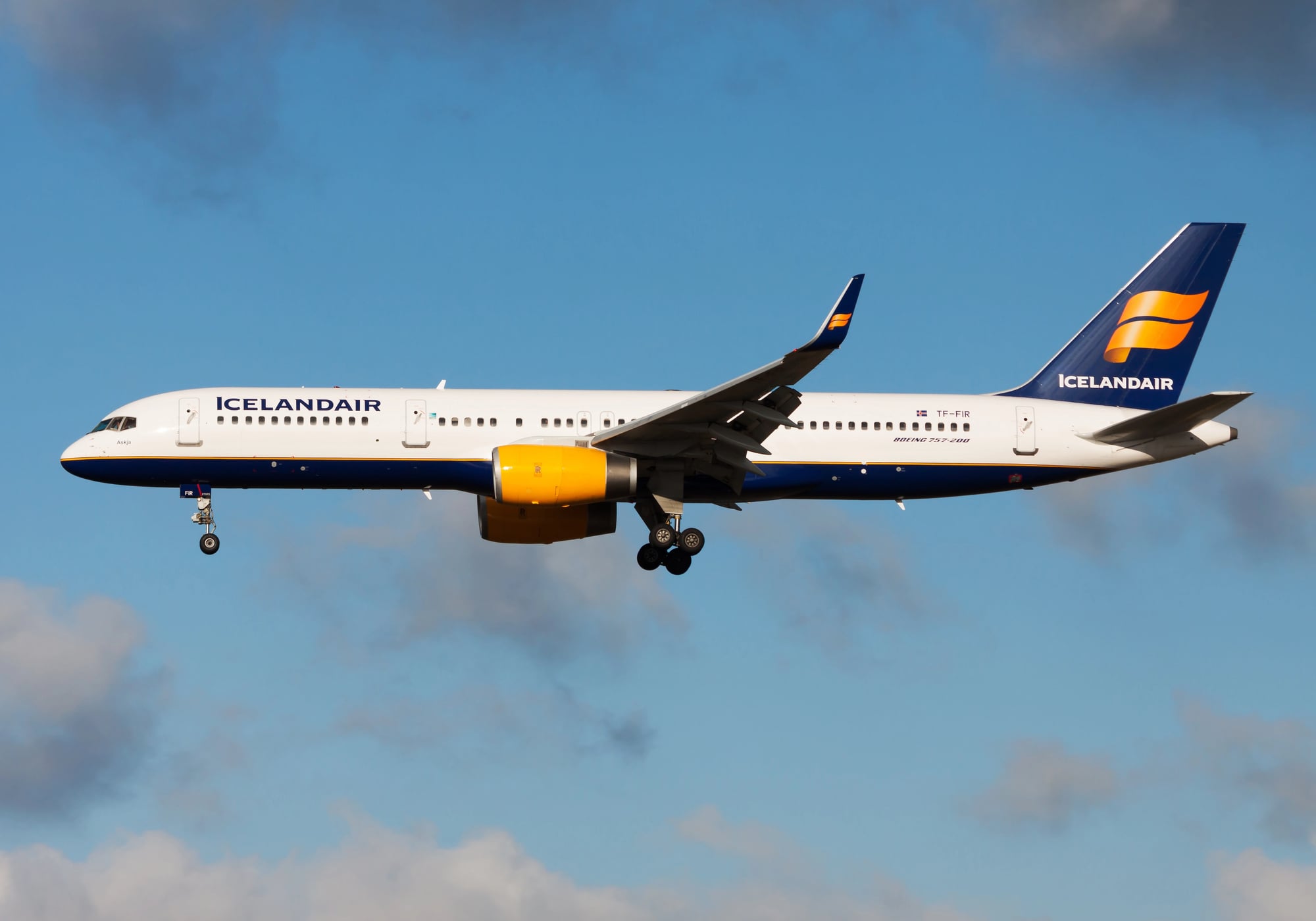
Here’s the thing about the 757: Boeing stopped making them in 2004, but airlines keep flying them because no current aircraft combines the same range, capacity, and airport flexibility. The 757 can operate from shorter runways than wide-body aircraft while carrying enough passengers to make transcontinental and transatlantic routes profitable.
Modern 757s with updated engines and aerodynamic modifications achieve fuel efficiency that’s competitive with some newer designs. The aircraft’s narrow-body configuration makes it ideal for thin long-haul routes—exactly the kind of service that passengers want but airlines struggle to operate profitably with other aircraft types.
Airbus A321neo
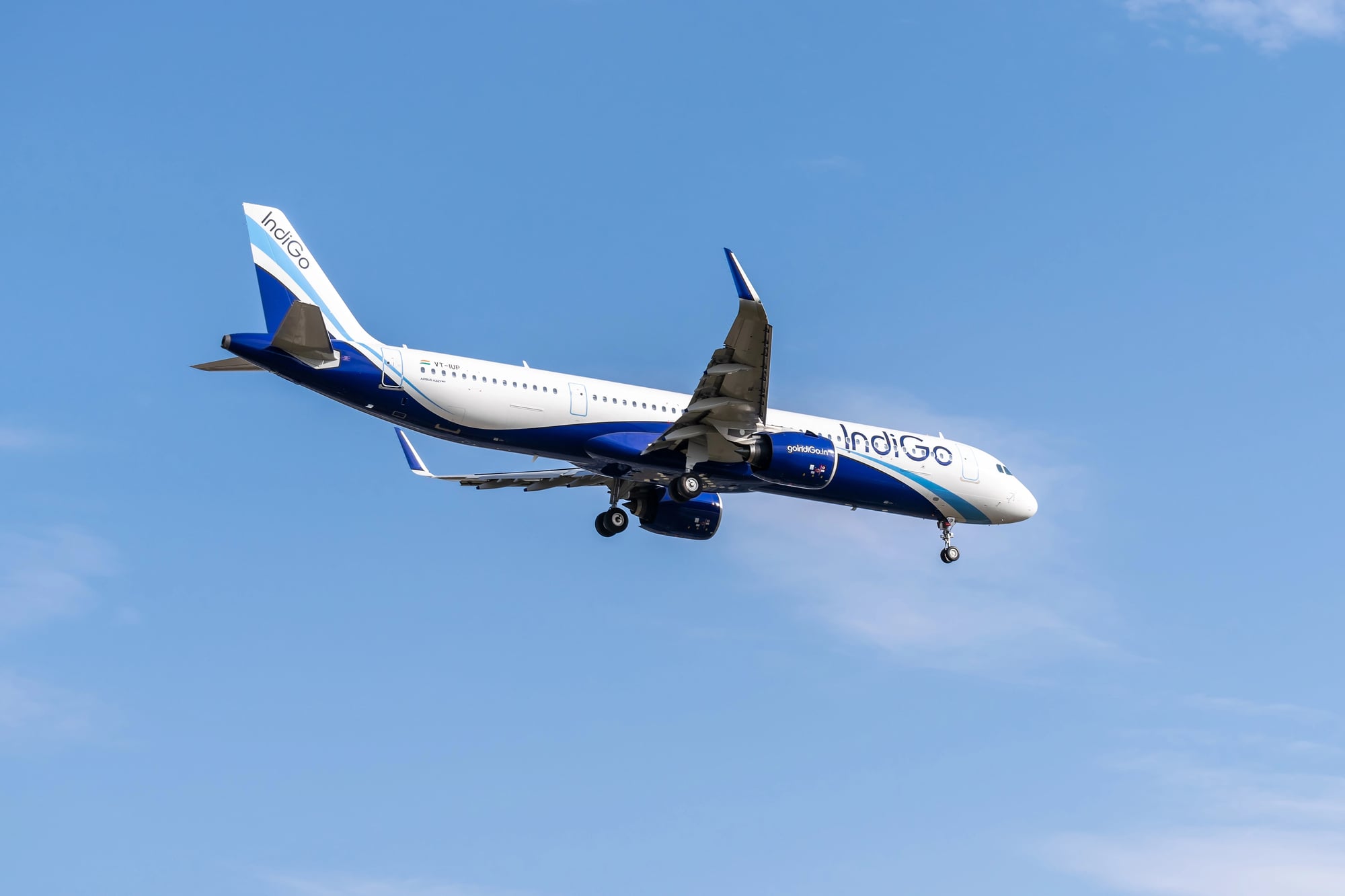
The A321neo stretches the single-aisle concept about as far as physics and passenger tolerance will allow, creating an aircraft that can handle routes traditionally served by wide-body jets while burning significantly less fuel per passenger.
Airlines discovered they could use the A321neo for transcontinental routes in North America and even some transatlantic services, opening up route possibilities that didn’t exist before.
The efficiency gains come from spreading the fixed costs of flight operations—crew, fuel for taxi and takeoff, airport fees—across more passengers without the complexity and expense of twin-aisle operations.
It’s simple math that creates genuinely new operational possibilities rather than just improving existing ones.
The Economics Behind the Efficiency
Fuel efficiency in commercial aviation isn’t really about environmental consciousness, though that’s become an increasingly important consideration for airlines facing regulatory pressure and passenger expectations. The driving force remains relentlessly economic: fuel costs can represent 20-30% of an airline’s total operating expenses, which means that a 10% improvement in fuel efficiency translates directly into profit margins that determine whether routes survive or disappear from the schedule.
These efficiency gains reshape the industry in ways that extend far beyond airline balance sheets, enabling direct service between city pairs that previously required connections, making seasonal routes year-round viable, and allowing carriers to serve destinations that couldn’t support the economics of less efficient aircraft.
More from Go2Tutors!

- The Romanov Crown Jewels and Their Tragic Fate
- 13 Historical Mysteries That Science Still Can’t Solve
- Famous Hoaxes That Fooled the World for Years
- 15 Child Stars with Tragic Adult Lives
- 16 Famous Jewelry Pieces in History
Like Go2Tutors’s content? Follow us on MSN.