15 Shocking Secrets from Famous Music Festivals
Festivals seem like nonstop joy when you watch from afar – pounding beats, seas of fans, moments etched forever. Yet beyond bright canopies and booming sound rigs lie tales kept quiet.
A handful bring laughter, others freeze your breath, while certain ones shift how you see your go-to event entirely. Ready to go backstage? Here are 15 things the festival brochures definitely left out.
Woodstock Almost Never Happened
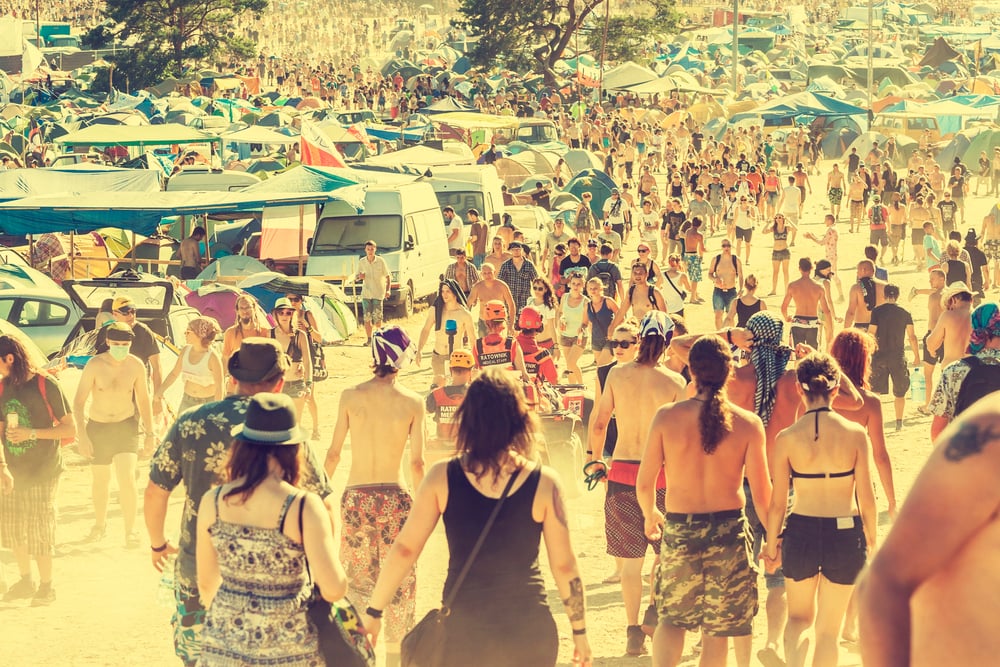
Out in rural New York, the 1969 Woodstock festival got turned down by four separate communities first. Then came Max Yasgur – a man who raised cows – offering his fields just weeks ahead of time.
His farm became home to half a million strangers, more than anyone had imagined possible. Originally? Fifty thousand guests were what they’d prepared for.
Coachella’s Underground Pipes

Underground, a web of pipes snakes below the polo fields – fifteen miles long. When the sun beats down hard, this hidden grid keeps crowds hydrated through days of music and dust.
Keeping it running takes millions each year. Should it fail, survival in that heat would be unlikely.
Glastonbury’s Secret Fence Deal
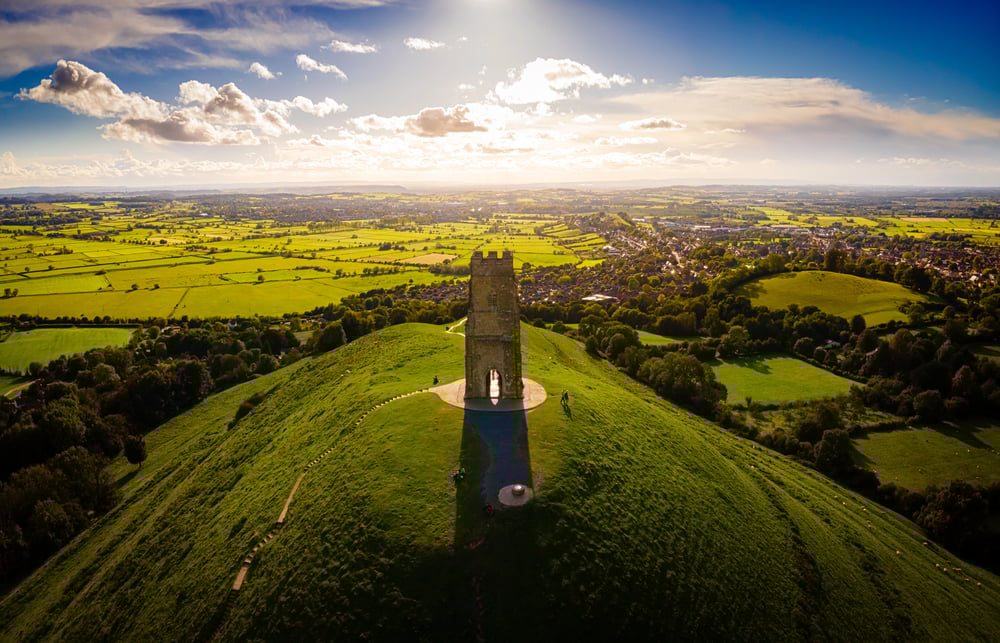
Since the 1970s, folks have sneaked into Glastonbury Festival in England. By 2002 though, event planners had installed a massive barrier – nicknamed the ‘Super Fence’ – costing roughly two million dollars to block uninvited guests.
That high-tech wall arrived after nearly 100,000 attendees slipped inside free each year. Huge financial losses piled up annually until stronger measures took hold.
Farewell Tour Was Where Lollapalooza Began
Off stage that year, Perry Farrell dreamed up something small – a farewell trip for Jane’s Addiction. Not once did he picture crowds stretching beyond sight years later.
A final bow became a lasting echo. Summer hosted just one spin around the block back then.
Burning Man’s Art Gets Destroyed On Purpose
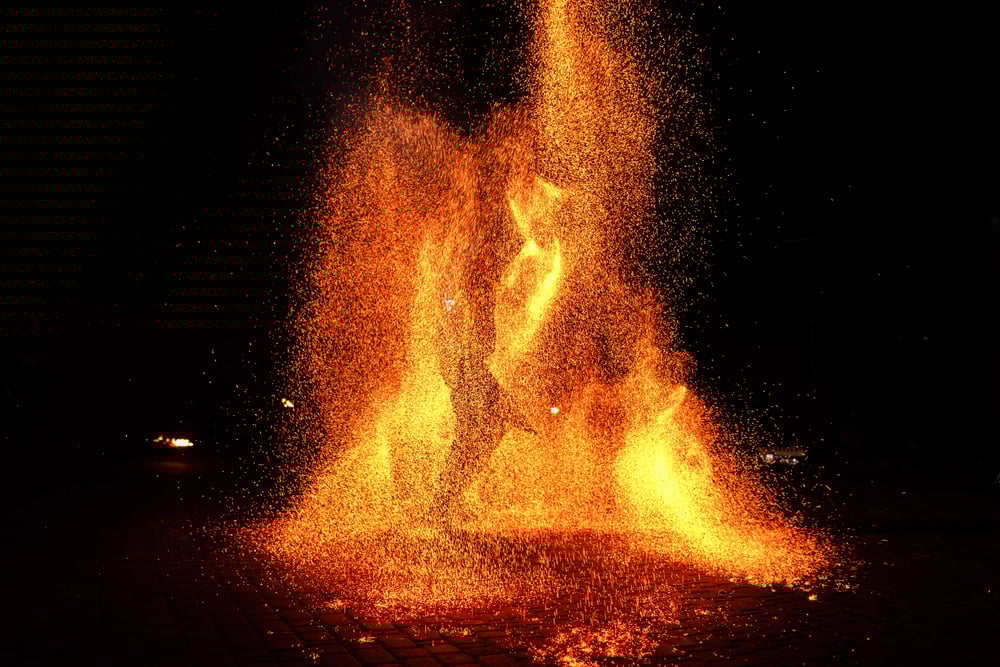
Fire eats giant sculptures at Burning Man when the desert gathering winds down. Not destruction by mistake – this outcome belongs.
Creators plan it that way on purpose. Temporary life marks each artwork’s role there. Lasting forever goes against what the makers wanted.
Roskilde’s Tragic Crowd Crush
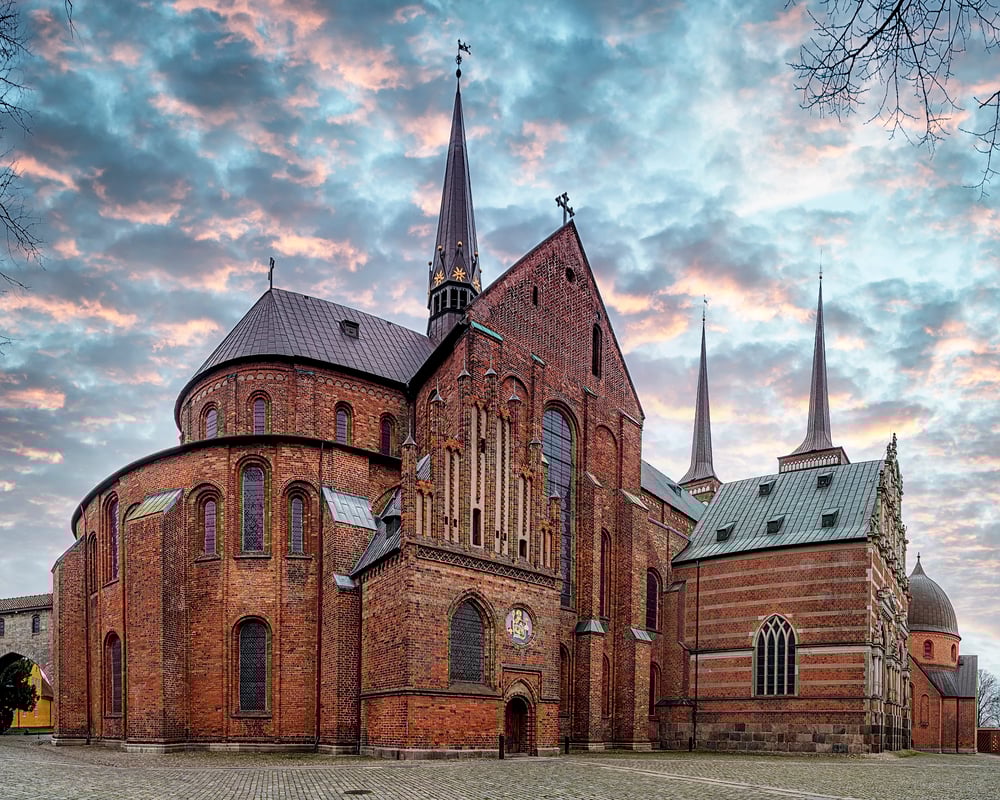
Nine fans lost their lives at Roskilde Festival in 2000 when the crowd surged forward during a Pearl Jam show. That moment stopped the band from playing festivals for many years afterward.
Because of what happened, how crowds are managed at outdoor events changed drastically around the globe. Even now, it stands among the most tragic episodes ever seen at music gatherings.
Coachella Is Owned By A Conservative Landlord

Coachella happens on land held by AEG, yet the nearby Polo Club sits within a private property tied to staunch right-wing politics. Though Philip Anschutz runs AEG, his contributions to organizations resisting LGBTQ+ equality stir unease.
That reality bumps against the festival’s image – one often seen as open, diverse, welcoming. Voices among performers and attendees point out the friction plainly. The clash lingers beneath bright lights and loud music.
Glastonbury Feeds An Army
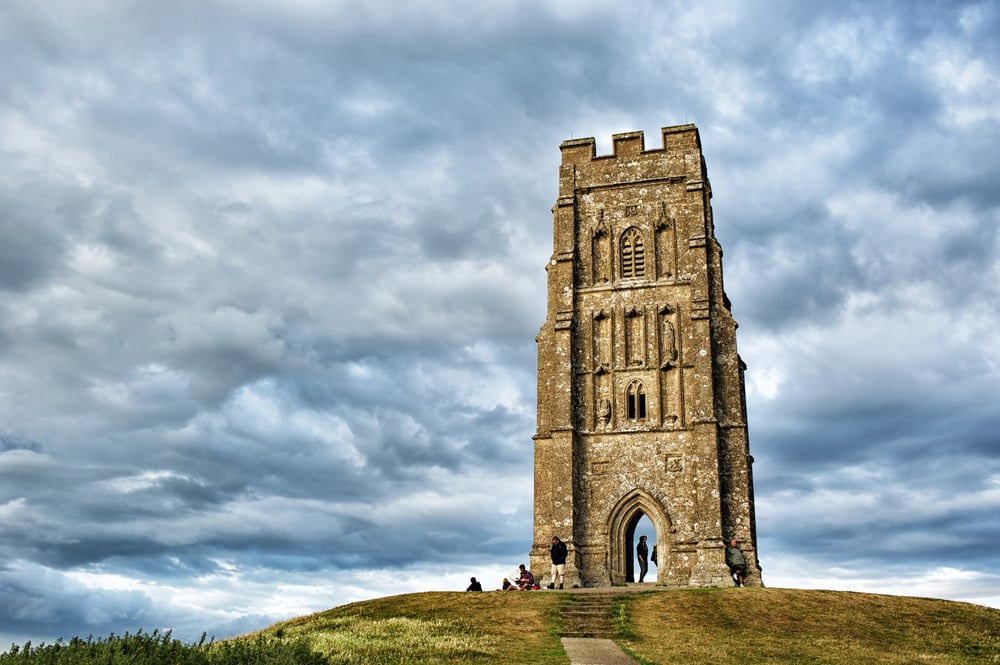
Glastonbury serves roughly 175,000 meals over its five-day run. The festival employs over 3,000 catering staff and works with hundreds of independent food vendors.
Coordinating food delivery to a temporary city of that size requires military-level planning. If the supply chain breaks down even slightly, thousands of people go hungry.
The Original Isle Of Wight Drew More People Than Woodstock
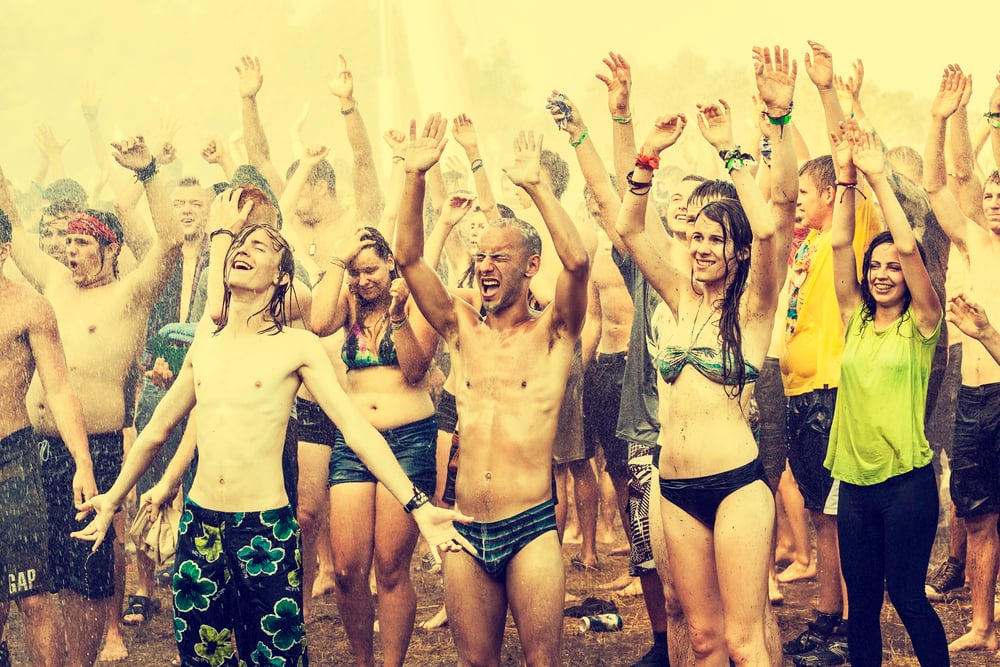
The 1970 Isle of Wight Festival in England attracted somewhere between 600,000 and 700,000 people, making it bigger than Woodstock. Jimi Hendrix performed there just weeks before his death.
The event was so overwhelming that the UK government actually passed a law limiting gatherings of that size on the island. It remains one of the largest concerts in history.
Festival ATMs Run Out Within Hours
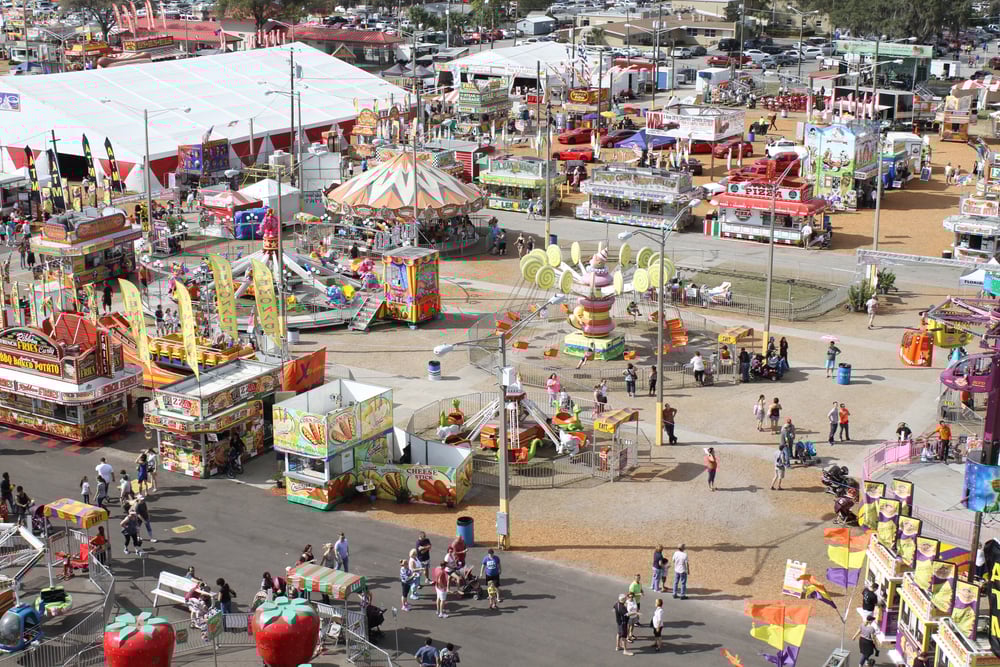
At most large festivals, ATMs on-site run out of cash within the first few hours of opening day. Festival organizers know this happens and often choose not to stock more machines because card spending at vendor stalls earns them transaction fees.
Attendees who rely on cash can be left stranded. It is a quiet but profitable inconvenience.
Bonnaroo’s Heat Is A Medical Emergency Every Year
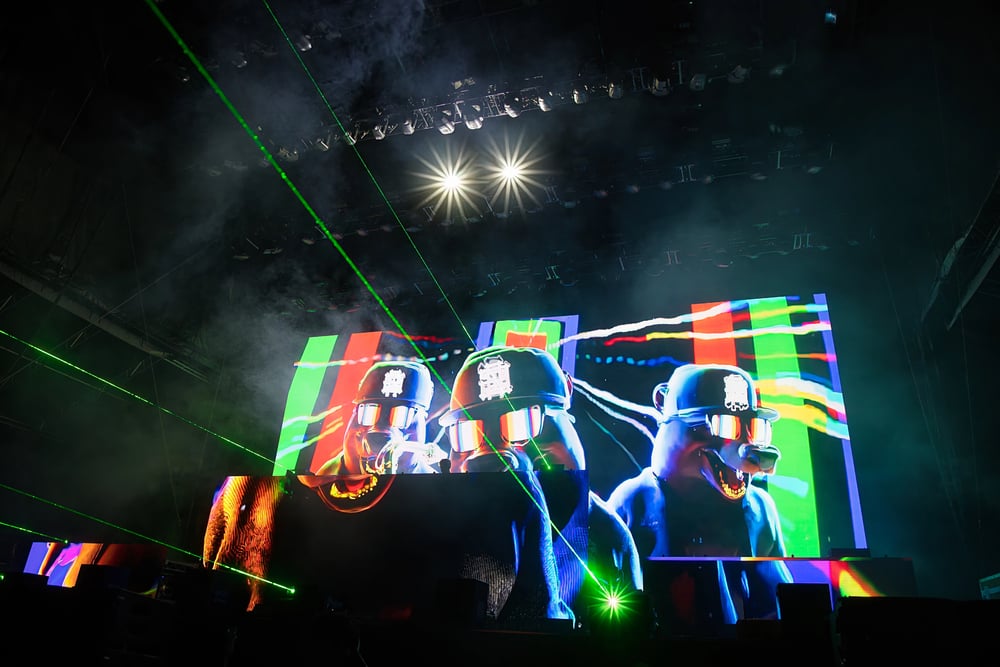
At Bonnaroo in Tennessee, medical teams treat thousands of heat-related cases each year. Temperatures regularly hit above 95°F during the June festival.
The organizers maintain a full field hospital on-site staffed with doctors, nurses, and paramedics. In some years, the medical team has treated more than 3,000 patients over the four-day weekend.
Tomorrowland Has A Fake Mayor

Tomorrowland, the electronic music festival in Belgium, has an entirely fictional backstory and even a ‘mayor’ of the imaginary world it creates each year. The theme changes annually and entire sets, bridges, and villages are built around the narrative.
Thousands of workers spend months constructing the fantasy environment. When the festival ends, almost all of it gets torn down.
Coachella Bans Professional Cameras But Not Drones
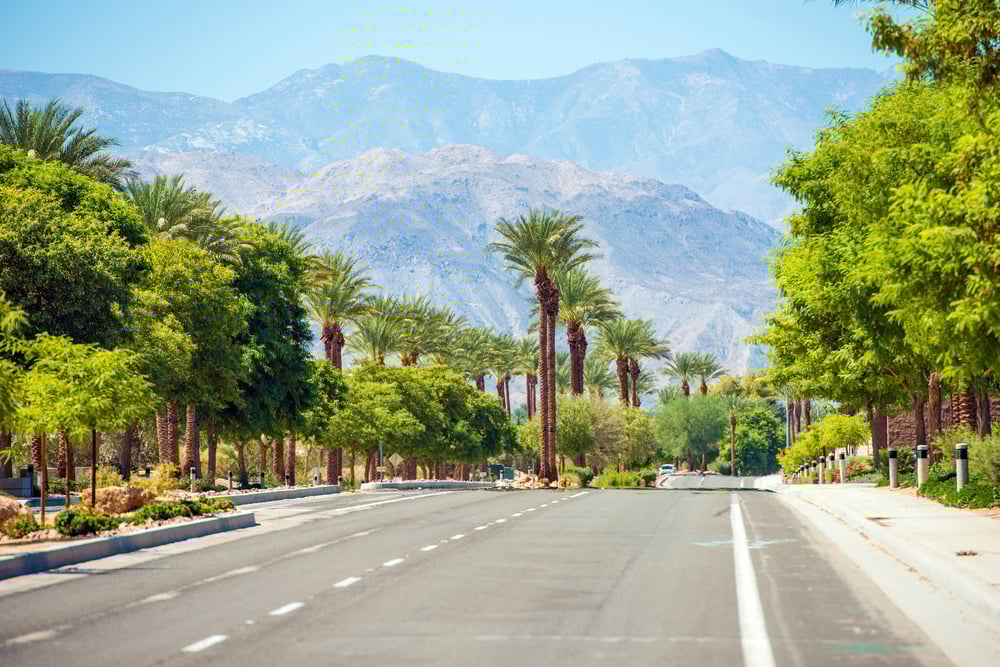
Coachella has strict rules against professional photography equipment being brought in by regular attendees, yet drone footage from inside the festival shows up online every year. The festival’s own media team uses drones extensively for promotional content.
The contrast between what fans can and cannot do highlights the business side of how these events protect their image rights. It is not about safety. It is about content ownership.
Fyre Festival Had Real Investors Who Lost Millions
The infamous Fyre Festival of 2017 was not just a social media disaster. Real investment firms and wealthy backers lost millions of dollars when the event collapsed.
Organizer Billy McFarland raised over $26 million before the festival fell apart in the Bahamas. He was later sentenced to six years in prison for wire fraud.
Reading Festival’s Mud Is Not Always Natural
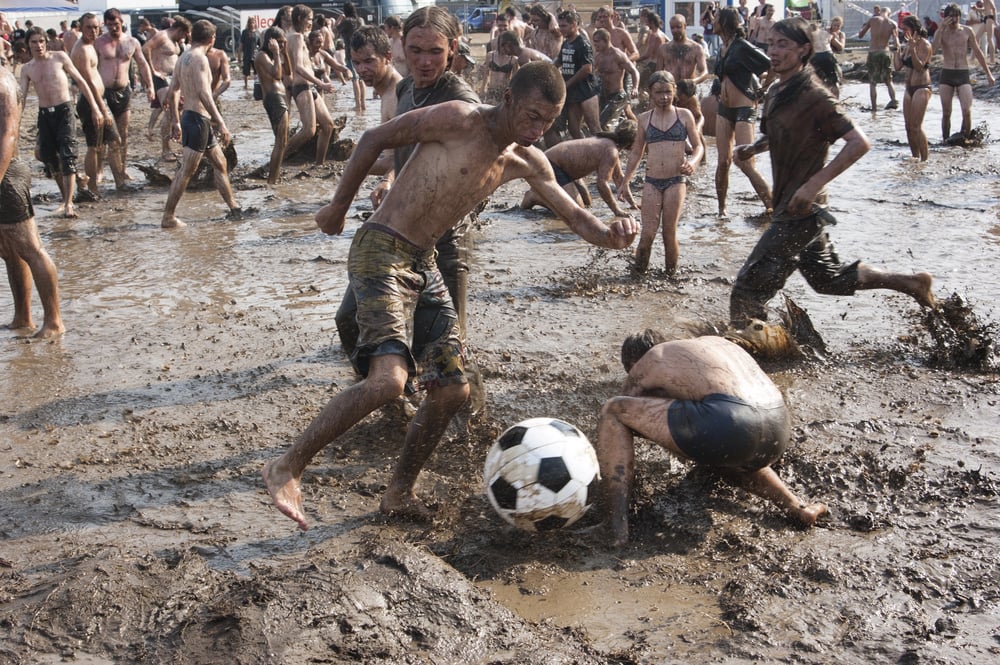
At the Reading Festival in England, the iconic muddy conditions are sometimes made worse on purpose. Festival crews have been known to water down certain areas to create the ‘festival feel’ that attendees expect.
Genuine rain makes it worse, but the mud has become such a part of the brand that a dry Reading is considered a disappointment by some regulars. Tradition is a strange thing.
The Festival Industry Never Really Slept
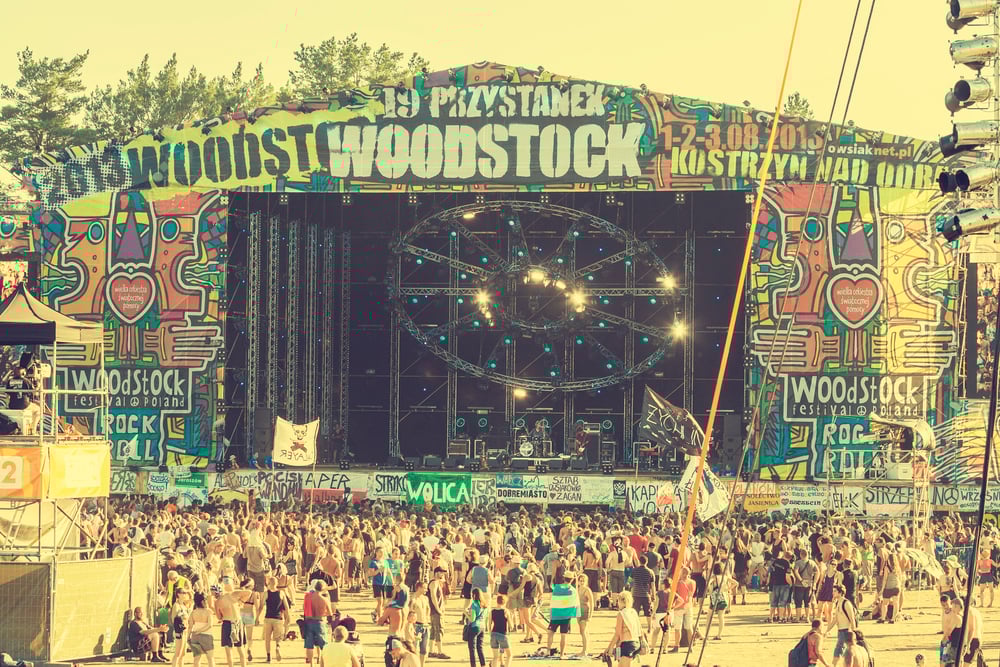
Far from being a relic of the past, the stories behind these festivals reveal how much goes on beneath the surface of every stage and ticket gate. Safety failures shaped crowd management laws.
Financial disasters rewrote how events get funded. And strange traditions turned into global brands worth billions. The next time the music starts and the crowd goes wild, there is a whole other world running quietly in the background, keeping the lights on and the chaos contained.
More from Go2Tutors!

- The Romanov Crown Jewels and Their Tragic Fate
- 13 Historical Mysteries That Science Still Can’t Solve
- Famous Hoaxes That Fooled the World for Years
- 15 Child Stars with Tragic Adult Lives
- 16 Famous Jewelry Pieces in History
Like Go2Tutors’s content? Follow us on MSN.