Beaches Where the Sand is Not Typical Sand
Most beaches feature the familiar golden or white sand that feels soft between your toes. But scattered across the globe, some beaches break all the rules with shores made from materials that seem too strange to be real.
These unusual beaches formed through volcanic activity, erosion of specific rock types, or accumulation of unique materials over thousands of years. Walking on them feels completely different from a typical beach day, and the colors and textures can seem almost alien.
These aren’t your standard vacation spots with predictable scenery. Each one offers something genuinely different that makes regular sand seem boring by comparison.
Punalu’u Black Sand Beach in Hawaii

Punalu’u Beach on Hawaii’s Big Island features jet-black sand that formed from lava flowing into the ocean and shattering into tiny fragments. When molten lava hits cold seawater, it explodes and breaks down into fine particles that eventually wash ashore.
The beach looks almost otherworldly, especially when contrasted with the bright blue ocean and green palm trees. Endangered Hawaiian green sea turtles often bask on this dark sand because it absorbs heat from the sun and keeps them warm.
The black sand can get surprisingly hot during the day, making water shoes a smart choice for visitors.
Glass Beach in California

Glass Beach near Fort Bragg, California turned a dump site into an accidental work of art. For decades, residents threw trash including glass bottles off the cliffs into the ocean.
The waves spent years tumbling and smoothing these glass pieces into colorful pebbles that now cover the shore. What was once garbage became smooth, frosted gems in shades of green, blue, brown, and occasionally red.
Visitors used to collect the glass by the handful, but that’s now discouraged because the supply isn’t being replenished. The beach serves as an odd reminder that nature can transform human mistakes into something beautiful given enough time.
Papakolea Green Sand Beach in Hawaii

Papakolea Beach contains one of only four green sand beaches in the entire world, and it gets its color from olivine crystals. The olivine comes from a volcanic cinder cone that eroded over time, releasing these semi-precious crystals onto the shore.
The sand sparkles with an olive-green tint that looks almost unnatural in photographs. Getting there requires a challenging three-mile hike or a ride in a local’s truck, making it one of Hawaii’s more difficult beaches to visit.
The combination of green sand, red cliffs, and blue water creates a color palette that doesn’t seem like it should exist in nature.
Pink Sands Beach in the Bahamas

Harbour Island in the Bahamas hosts a three-mile stretch of pink sand that comes from tiny organisms called foraminifera. These microscopic creatures have bright pink or red shells, and when they die, waves crush their shells and mix them with white sand.
The result is a soft pink hue that looks especially vivid during sunrise and sunset. The water stays incredibly clear and calm thanks to a nearby coral reef that acts as a barrier.
Pink Sands Beach became popular with celebrities and luxury travelers, though it maintains a relatively quiet atmosphere compared to more commercial Bahamian destinations.
Jokulsarlon Black Sand Beach in Iceland

Jokulsarlon’s black volcanic sand creates a dramatic backdrop for chunks of crystal-clear glacial ice that wash ashore. This beach earned the nickname ‘Diamond Beach’ because the ice pieces scattered across the black sand look like giant diamonds.
The ice comes from a nearby glacial lagoon where icebergs break off and float toward the ocean. Watching these ice chunks glisten against dark sand creates a stark contrast that photographers travel thousands of miles to capture.
The ice melts relatively quickly, so the beach’s appearance changes constantly throughout the day.
Shell Beach in Australia
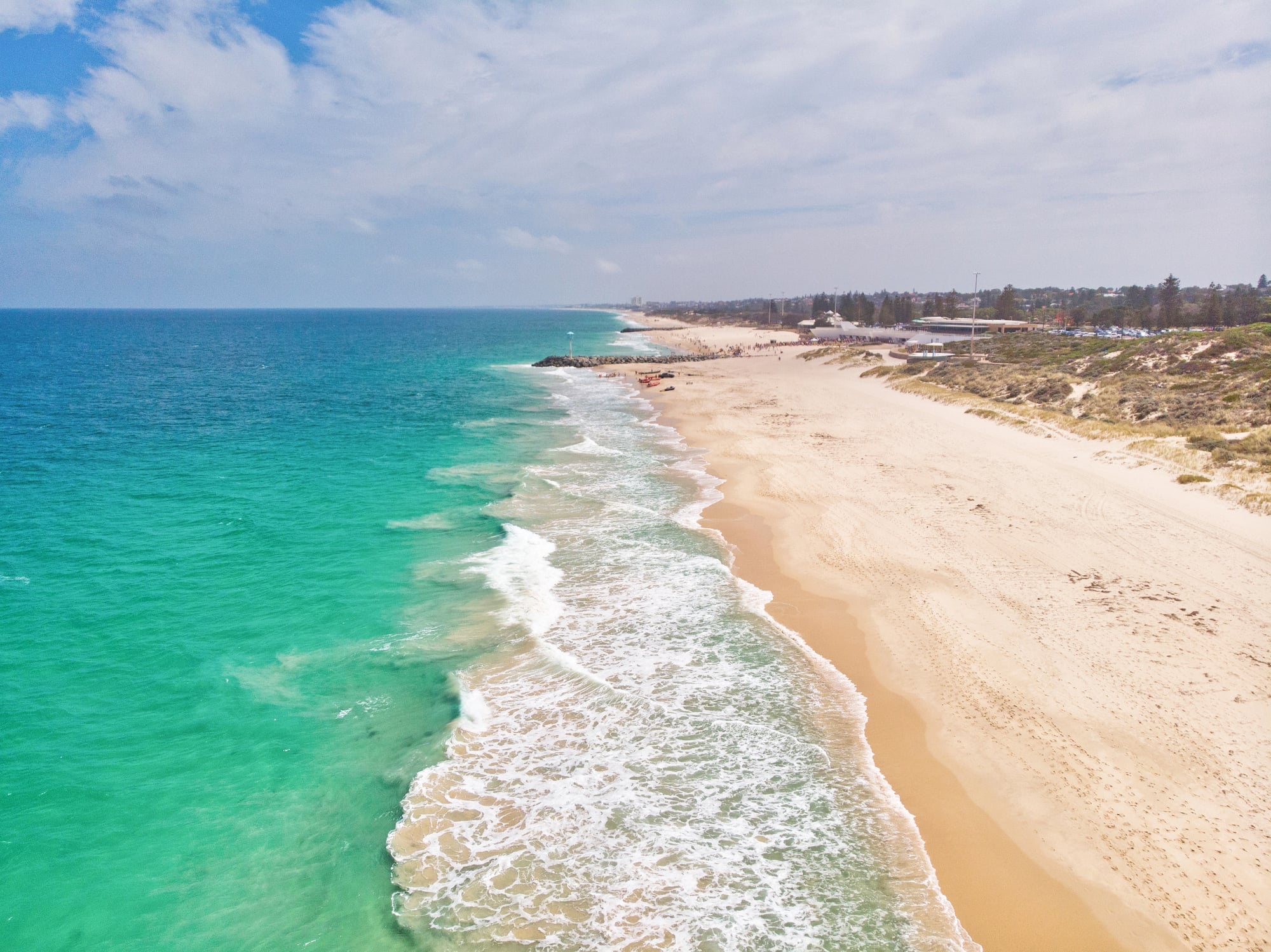
Shell Beach in Western Australia stretches for about 70 miles and reaches depths of up to 30 feet in some spots, all made entirely of tiny white shells. The shells come from a single species called Fragum erugatum, which thrives in the area’s high-salinity water where few predators can survive.
The water’s salt content is roughly twice that of normal seawater, creating conditions where these shells accumulate without being eaten or broken down. Early settlers actually mined the compacted shells to create building blocks for local structures.
Walking on billions of tiny shells creates a crunching sound quite different from regular sand.
Red Sand Beach in Hawaii
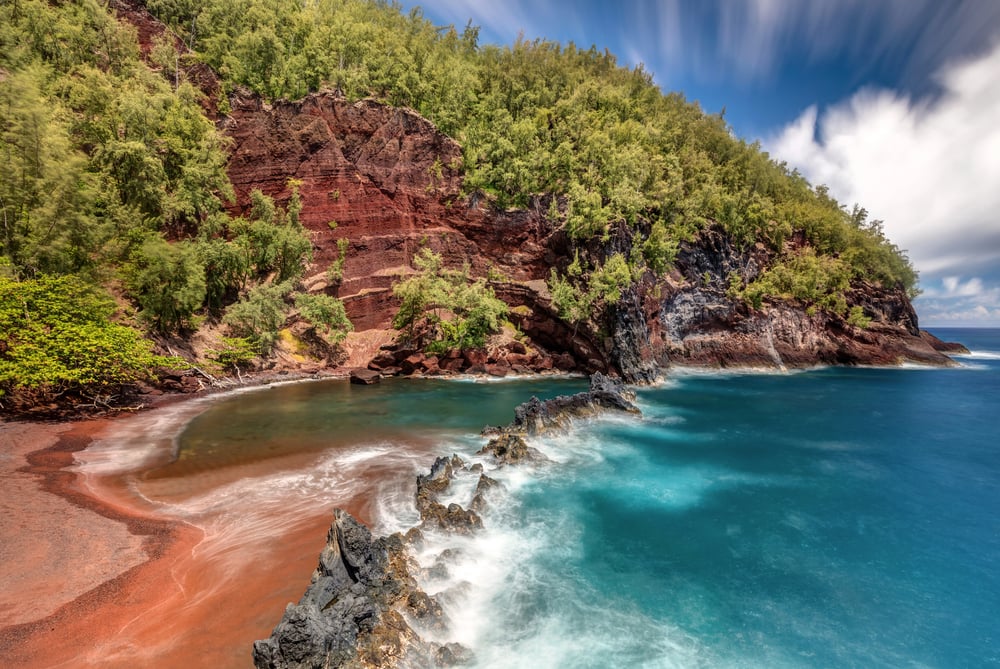
Kaihalulu Beach on Maui features deep red sand created by the erosion of the surrounding iron-rich cinder cone. The red color comes from iron oxide, essentially rust, that developed as volcanic materials weathered over time.
This small pocket beach sits in a secluded cove surrounded by red cliffs that continue releasing their colored sediment. Getting there involves a somewhat treacherous trail along crumbling cliff edges, which keeps crowds relatively small.
The red sand contrasts beautifully with the turquoise water, creating a color combination that seems almost too vibrant to be natural.
Orange Sand Beach in Malta

Ramla Bay in Gozo, Malta features distinctive orange-red sand that stands out dramatically against the Mediterranean’s blue waters. The sand gets its unusual color from a high concentration of iron oxide mixed with lighter limestone sediments.
This beach is relatively large and popular with both tourists and locals who appreciate its unique appearance. The orange hue becomes especially pronounced when wet or during the golden hour before sunset.
Ancient Roman pottery and other artifacts occasionally wash up on this beach, adding an archaeological element to a simple beach day.
Bowling Orb Beach in California

Mendocino County’s Bowling Orb Beach features large, spherical rocks scattered across the sand that look like giant bowling pins knocked them over. These rocks formed through a geological process called concretion, where minerals cement together around a core over millions of years.
The ocean’s erosion wore away softer rock and revealed these hard spheres that can measure up to eight feet in diameter. The best viewing happens during low tide when dozens of these round boulders become exposed.
The sight looks so unusual that people often assume the rocks were placed there artificially, but they formed entirely through natural processes.
Maho Beach in St. Maarten
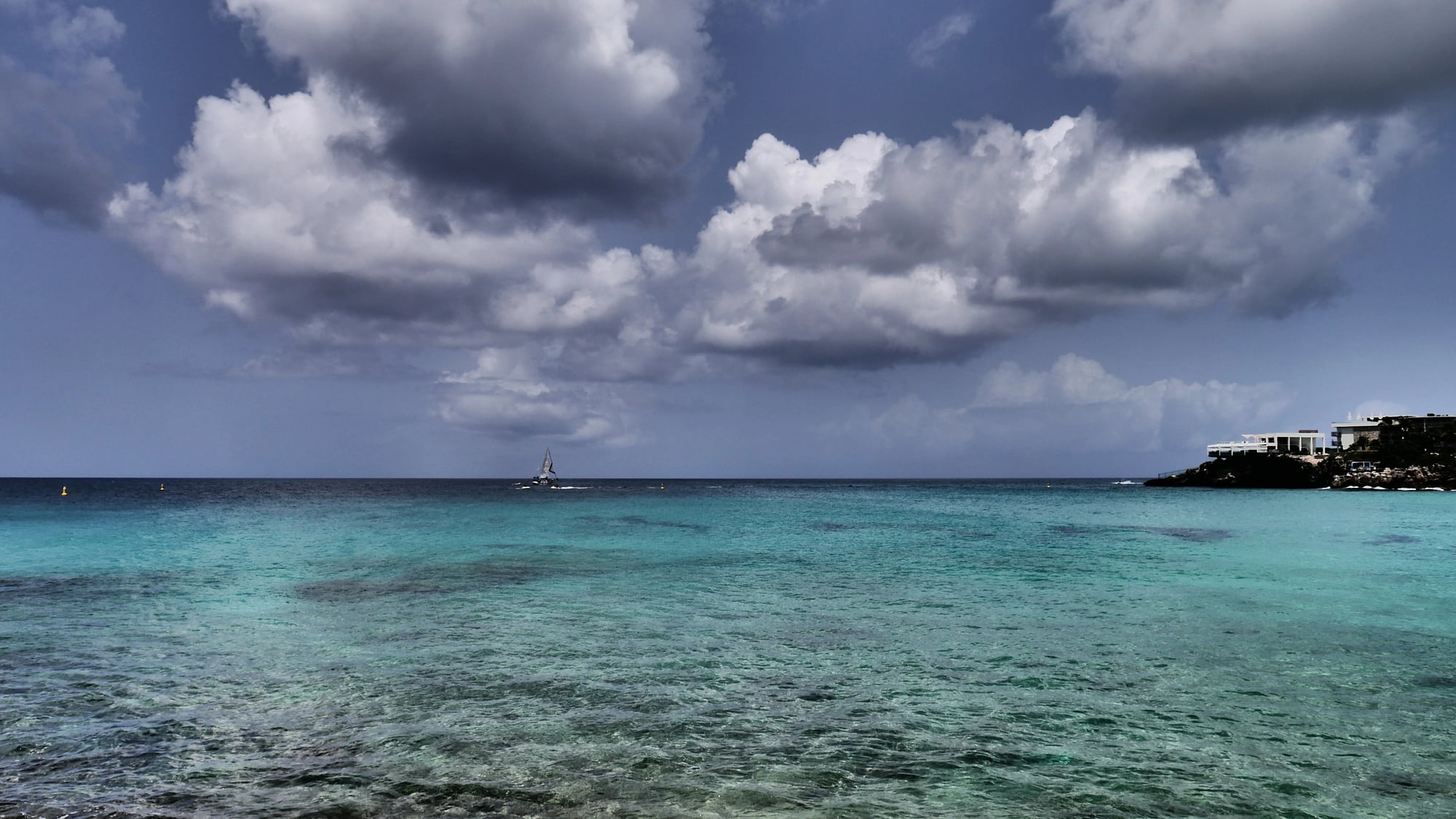
While Maho Beach has typical white sand, what makes it unusual is that massive jets fly about 30 feet overhead as they land at the nearby airport. Princess Juliana International Airport’s runway starts just beyond the beach, forcing planes to make extremely low approaches.
The phenomenon attracts aviation enthusiasts and thrill-seekers who want to experience the rush of jet blast and the roar of engines at close range. Warning signs explicitly tell people about the danger of jet blast, which has actually blown people off their feet.
The beach became famous through viral videos showing people clinging to fences as planes roared past overhead.
Giants Causeway Beach in Northern Ireland
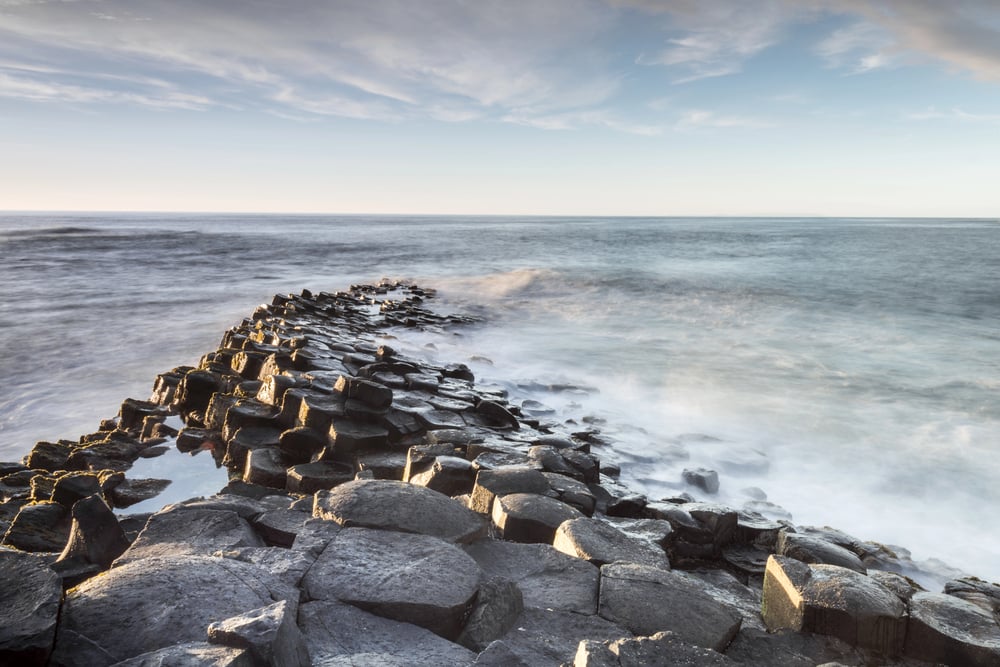
The beach at Giants Causeway features about 40,000 interlocking basalt columns that look like stepping stones built by giants. These hexagonal pillars formed when volcanic lava cooled and contracted roughly 60 million years ago, creating geometric patterns that seem too perfect to be natural.
Most columns are hexagonal, but some have four, five, seven, or eight sides. The tallest columns reach about 40 feet high while others remain at ground level, creating an uneven surface that visitors can carefully walk across.
Legend says the Irish giant Finn MacCool built the causeway to reach Scotland, which sounds more believable than the geological explanation when standing among these perfect shapes.
Hyams Beach in Australia
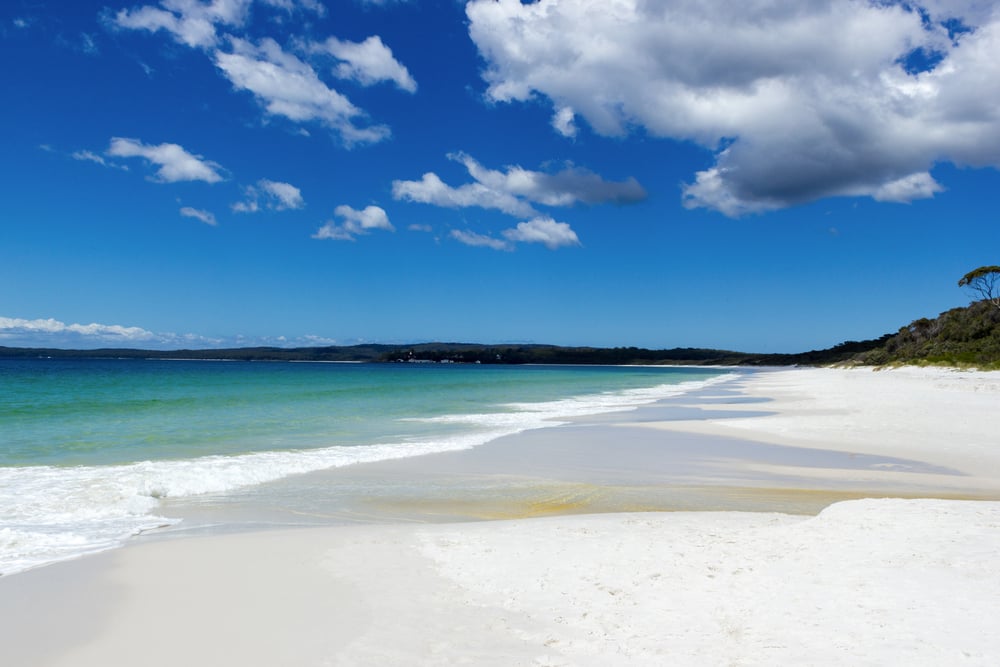
Hyams Beach in New South Wales holds the Guinness World Record for having the whitest sand on Earth. The sand is nearly pure white and so fine it squeaks when walked on, creating an audible sound with each step.
This ultra-white sand reflects sunlight intensely, making sunglasses essential and sometimes causing the beach to feel even hotter than it actually is. The sand’s purity comes from quartz that has been broken down over millions of years and bleached by the sun.
The bright white shore contrasts sharply with the clear blue water, creating postcard-perfect scenery that looks enhanced even in unedited photographs.
Pfeiffer Beach in California
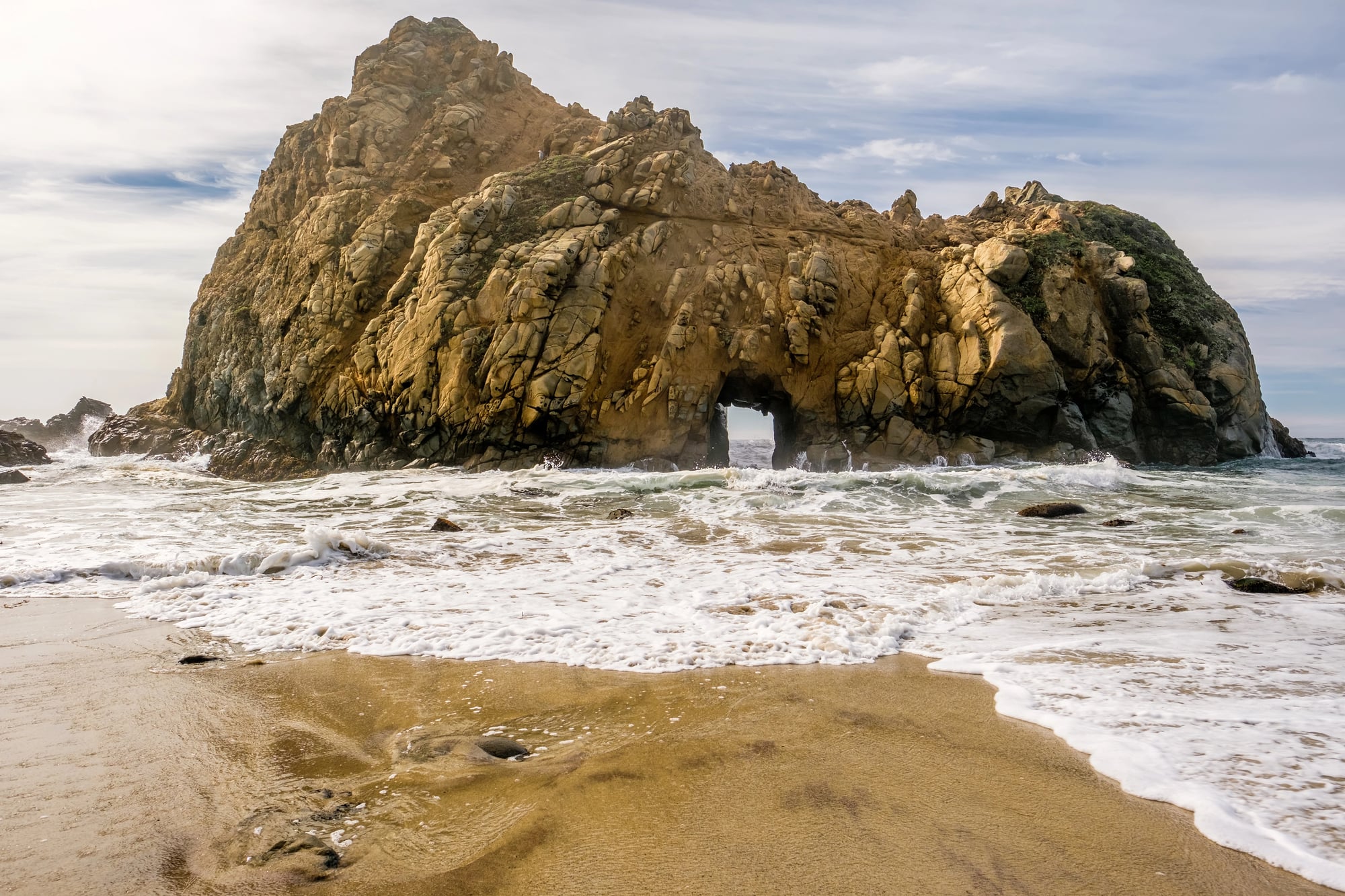
Pfeiffer Beach in Big Sur occasionally shows patches of purple sand mixed in with the regular tan sand. The purple color comes from manganese garnet that washes down from the nearby hills and concentrates in certain areas.
The purple patches become most visible after storms when fresh garnet gets deposited on the beach. Keyhole Arch, a rock formation with a natural opening, sits just offshore and frames the sunset perfectly during certain times of year.
The beach can be tricky to find since the turnoff from Highway 1 is unmarked, and the access road is narrow and winding.
Chandipur Beach in India

Chandipur Beach performs a daily disappearing act where the water recedes up to three miles during low tide. This extreme tidal range exposes the seabed for hours, allowing visitors to walk where fish were swimming just hours earlier.
The beach’s sand contains high levels of magnetic minerals, and some areas will actually attract small metal objects. Local fishermen take advantage of the low tide to collect fish and crabs trapped in the temporary pools.
When the tide returns, it moves quickly and covers the exposed sand in a matter of hours, completely transforming the beach’s appearance.
Koekohe Beach in New Zealand

Out here at Koekohe Beach, round stone giants rest half-buried in the grit – like relics from another world. Formed long before humans walked, they grew slowly within sediment, mineral building layer by layer.
While smaller than mountains, some stretch wider than a person is tall, heavy beyond imagining. Time has split many apart, showing inner chambers glittering with crystal patterns.
Stories passed down say these stones were once food containers and sea creatures lost when a great waka broke against the coast ages back.
Jokulsarlon Ice Beach in Iceland
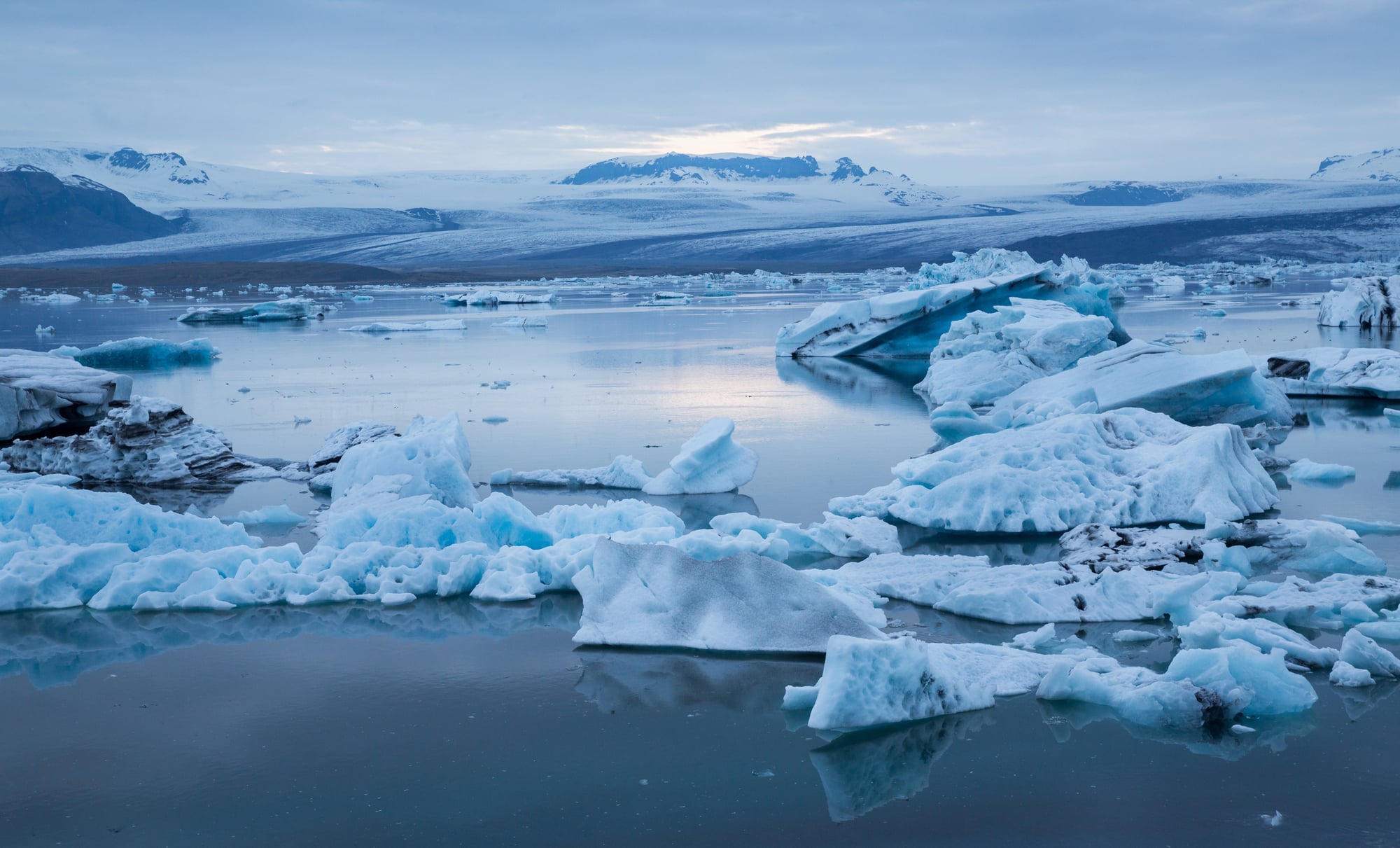
Every day brings something different to Jokulsarlon Ice Beach in Iceland – ice washes up fresh from the glacial lake, shifting shapes constantly. While some blocks shine like glass, others glow deep blue, and certain ones trap threads of dark volcanic dust within them.
From time to time, seals glide through floating slabs near shore before vanishing into open water. Sizes shift without warning: one moment there’s tiny fragments, next there’s masses larger than vehicles littering the sand.
Waves demand attention; footing turns risky when meltwater slicks the surface, yet many underestimate how fast tides rush forward.
Where earth shows off
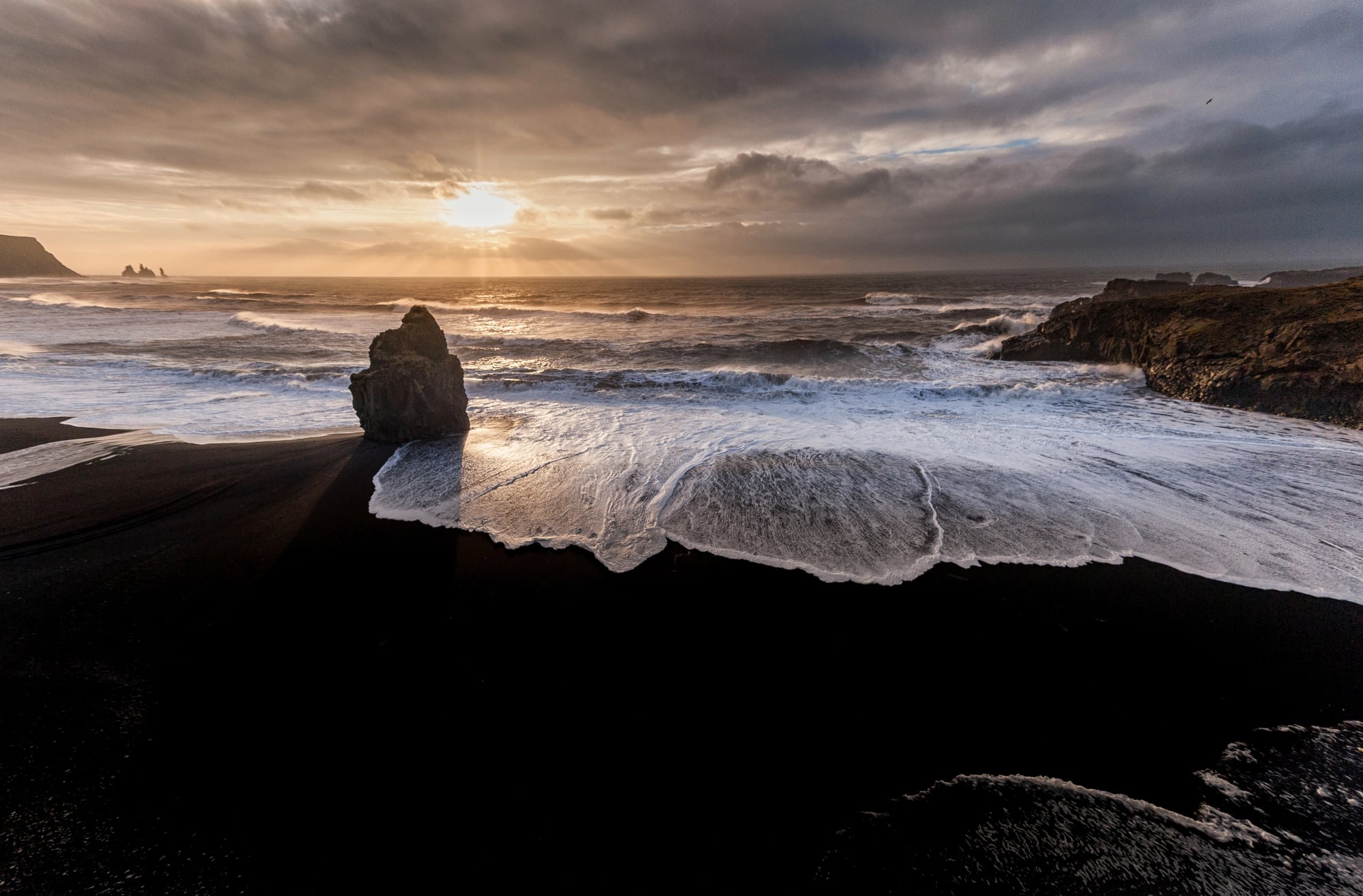
Who would have thought our planet hides such odd coastlines, despite every inch being mapped by satellites and online tools. Not shaped overnight, each one came together under rare circumstances built slowly across eons.
When molten rock crashes into seawater, black sand begins to pile up. In salty waters crowded with certain tiny creatures, beaches made entirely of crushed shells can emerge.
Icebound shorelines appear only when massive glaciers break apart and dump icy chunks along the edge of oceans. Sun seekers may prefer soft golden grains beneath their feet.
Yet what these strange stretches lack in comfort they make up for in sheer disbelief. Standing on them feels less like vacationing, more like stumbling upon a secret the world forgot to mention.
More from Go2Tutors!

- The Romanov Crown Jewels and Their Tragic Fate
- 13 Historical Mysteries That Science Still Can’t Solve
- Famous Hoaxes That Fooled the World for Years
- 15 Child Stars with Tragic Adult Lives
- 16 Famous Jewelry Pieces in History
Like Go2Tutors’s content? Follow us on MSN.