Historic Monuments With Surprising Stories
Every famous monument has a postcard-perfect image that tourists around the world instantly recognize. But behind those glossy photos and Instagram posts, there are usually some genuinely weird, dark, or just plain surprising stories that nobody talks about.
You know, the kind of stuff that would make a tour guide pause awkwardly before deciding whether to share it with the group. These monuments aren’t just static structures—they’re the products of human ambition, ego, tragedy, political maneuvering, and sometimes just really bad planning.
Here are some of the most surprising stories behind monuments you definitely know.
The Eiffel Tower Was Supposed to Be Temporary

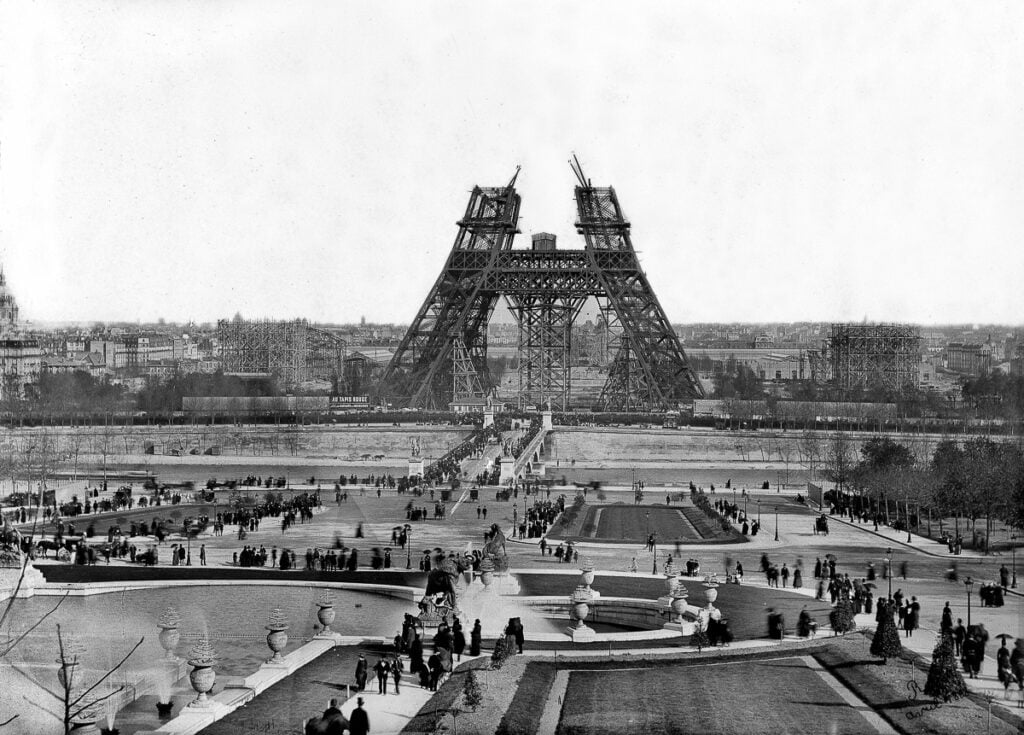
The Eiffel Tower was built for the 1889 World’s Fair in Paris and was meant to stand for exactly 20 years before being torn down. Artists and intellectuals hated it—they called it an eyesore, a metal monstrosity ruining the Parisian skyline.
Guy de Maupassant supposedly ate lunch at the tower’s restaurant frequently because it was the only place in Paris where he couldn’t see the tower itself. Gustave Eiffel saved his creation by emphasizing its scientific value, particularly for radio transmission experiments.
By the time the permit expired in 1909, it had become too useful as a communications tower to demolish. Now it’s the most visited paid monument in the world (and everyone seems to have forgotten they originally hated it).
Funny how that works.
The Statue of Liberty Almost Didn’t Happen
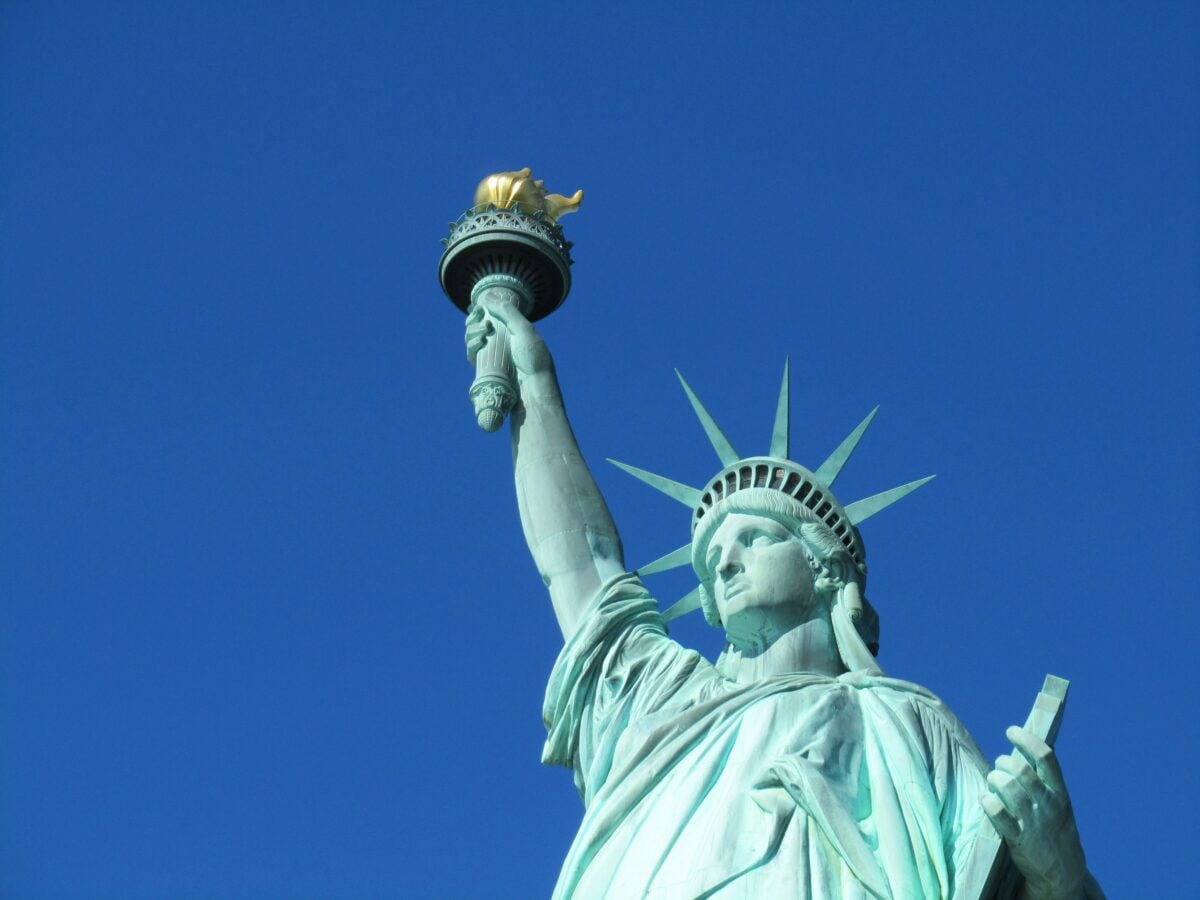
France designed and built the Statue of Liberty as a gift to the United States, but America had to pay for the pedestal. And honestly, fundraising was a disaster.
Americans weren’t exactly enthusiastic about footing the bill for a giant French statue. The project stalled for years because nobody wanted to donate.
Joseph Pulitzer finally saved the campaign by publishing the names of every single donor in his newspaper, no matter how small the contribution. It worked. Over 120,000 people donated, most giving less than a dollar. The statue’s full name is “Liberty Enlightening the World,” and the broken chains at her feet (which you can’t see from the ground) represent freedom from oppression.
Also, the statue was originally a shiny copper color but oxidized over about 30 years to the green we know today.
Taj Mahal’s Dark Side

Everyone knows the Taj Mahal as this ultimate symbol of love—Shah Jahan built it as a tomb for his beloved wife Mumtaz Mahal after she died in childbirth in 1631. Romantic, right? But the construction stories are pretty grim.
Around 20,000 workers labored for over 20 years to complete it. Legend says (though historians debate this) that Shah Jahan had the hands of the workers cut off after completion so they could never build anything as beautiful again.
There’s also a story that he planned to build an identical black marble mausoleum for himself across the river, connected by a bridge, but his son imprisoned him before he could start. Shah Jahan spent his final years imprisoned in Agra Fort, only able to see the Taj Mahal in the distance through a window.
The son, Aurangzeb, eventually buried him next to Mumtaz inside the Taj, which kind of ruins the symmetry of the tomb.
The Leaning Tower of Pisa Started Tilting Immediately

The tower began leaning during construction in 1173, not centuries later like you might assume. The foundation was only three meters deep (way too shallow for a structure this tall), and the ground was soft clay and sandy soil.
After they’d completed three floors, the tilt was already noticeable. Construction stopped for almost a century because Pisa went to war with neighboring city-states.
When they resumed building, engineers tried to compensate by making the upper floors taller on one side. You can actually see the slight curve if you look carefully—it’s not perfectly straight.
The bell chamber at the top was finally completed in 1372, nearly 200 years after construction began. Engineers have since stabilized it (it was close to collapsing in the 1990s), but they’ve kept the tilt because, let’s be honest, nobody would visit if it was straight.
Mount Rushmore Is Unfinished and Controversial

The faces on Mount Rushmore were supposed to extend down to the waists of Washington, Jefferson, Roosevelt, and Lincoln. Funding ran out, and then sculptor Gutzon Borglum died in 1941, so his son wrapped up the project with just the heads.
Behind Lincoln’s head, there’s actually a hidden room—the Hall of Records—carved into the mountain, intended to hold important American documents, though it was never completed. And the location?
The Black Hills are sacred to the Lakota Sioux. The land was guaranteed to them by treaty, then illegally seized when gold was discovered.
Carving presidential faces into their sacred mountain adds insult to injury (and it’s not like anyone asked permission). About 17 miles away, there’s another mountain carving in progress—Crazy Horse Memorial—honoring the Lakota leader, though it’s been under construction since 1948 and might never be finished.
Big Ben Isn’t Big Ben

The tower everyone calls Big Ben is actually the Elizabeth Tower. Big Ben is the name of the bell inside (the largest of five bells).
And that bell has been cracked since 1859, just two months after it was installed. It cracked when hit with a hammer that was too heavy, which permanently changed its sound.
They rotated it so the hammer hits a different spot, and you can still hear the crack’s effect in the distinctive tone today. The clock faces are massive—each one is seven meters in diameter, and the minute hands alone are over four meters long (and surprisingly, they’re made of hollow copper to keep the weight manageable).
During World War II, the clock kept running even during the Blitz, though the lights were turned off so German bombers couldn’t use it for navigation.
The Colosseum Had Elaborate Underground Machinery

What you see when you visit the Colosseum today—that exposed underground area called the hypogeum—was originally covered by the arena floor. It was a sophisticated two-level subterranean system with 80 vertical shafts and a network of trap doors.
This is where they kept gladiators, condemned criminals, and wild animals before shows. There were hand-operated elevators and pulley systems that could raise animals and scenery up to the arena floor for dramatic entrances (imagine a lion suddenly appearing through a trap door).
They even flooded the arena for mock naval battles in the early years, though historians still debate exactly how they managed the plumbing. The whole operation was incredibly complex, kind of like ancient special effects.
The building could hold between 50,000 and 80,000 spectators, and it had a retractable awning system called the velarium to provide shade.
Easter Island’s Moai Had Eyes
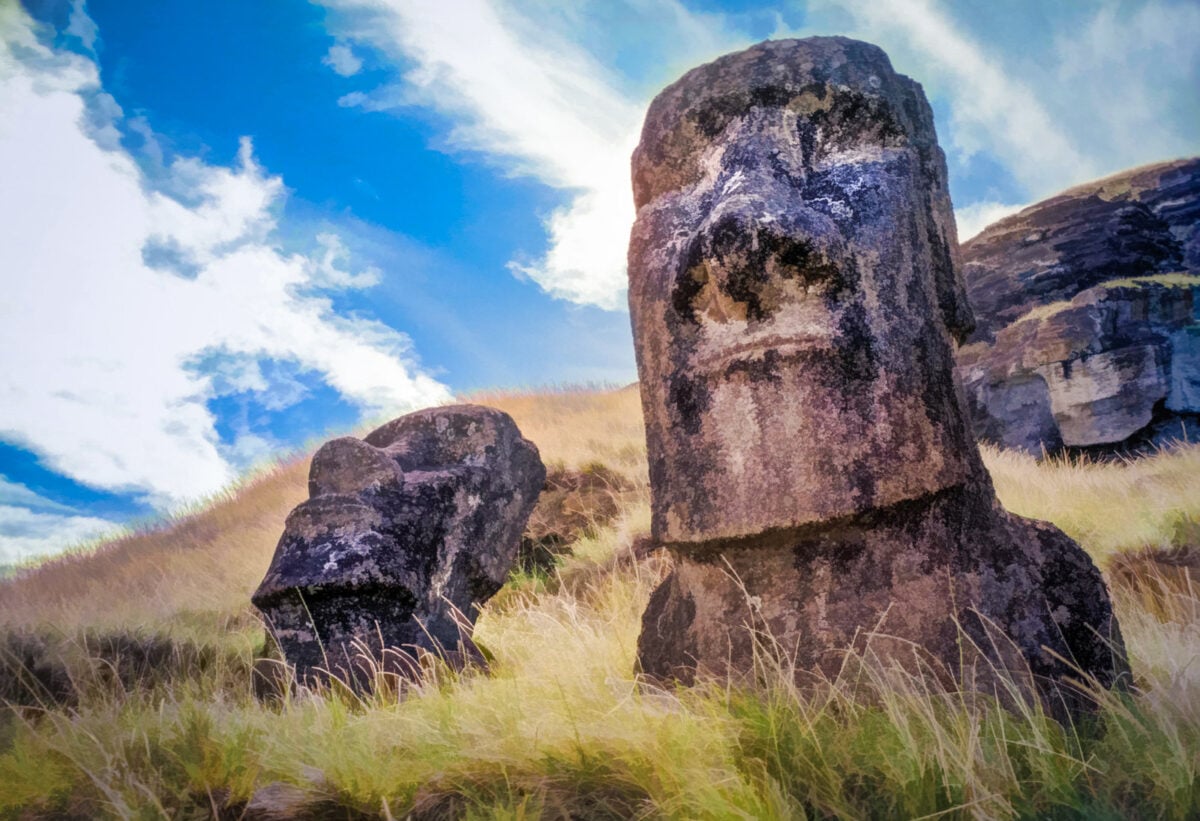
The stone heads on Easter Island aren’t just heads—most have bodies buried underground (which everyone seems surprised by). But here’s what’s really wild: they originally had eyes made of white coral with pupils of red scoria or black obsidian.
When you see photos of them now, they look solemn and mysterious with those empty eye sockets. But imagine hundreds of these massive statues with white staring eyes. Creepy.
They weren’t gray either. Many were painted, with red topknots (called pukao) representing hair or headdresses.
The moai were created by the Rapa Nui people between roughly 1400 and 1650 CE, and nearly 1,000 statues were carved. Some were left unfinished in the quarry, which is eerie to see—these massive figures partially carved into the rock face, abandoned mid-creation.
Great Wall of China Myths and Realities

The Great Wall is not a single continuous wall, it’s a series of fortifications built by different dynasties over centuries, with lots of gaps. Total length is disputed, but it’s somewhere around 21,000 kilometers if you count all the branches and historical sections.
The myth that you can see it from space? Not true.
Even from low Earth orbit, it’s not visible to the unaided eye (astronauts have confirmed this repeatedly, but the myth persists). What is true, unfortunately, is that the stories about workers who died during construction are buried within the wall itself.
The Ming Dynasty sections alone (1368-1644) may have cost the lives of hundreds of thousands of workers. Some historians consider it the world’s longest cemetery.
Sections of the wall have been used as a source of building materials by locals over the years, which is why preservation efforts are ongoing and why some parts are crumbling.
Sydney Opera House Construction Drama

Danish architect Jørn Utzon won the design competition in 1957, but the project turned into a nightmare. The roof design was revolutionary—those iconic shells—but incredibly difficult to engineer.
Construction was supposed to take four years and cost $7 million Australian dollars. It took 14 years and cost over $100 million.
Utzon resigned in 1966 after constant conflicts with the government over design changes and budget issues, and he left Australia, never to return. He never saw the completed building in person. The interior ended up being finished by a different architectural team, not according to his original vision.
Despite the troubled history, it’s now one of the most recognizable buildings in the world and was named a UNESCO World Heritage Site in 2007, and Utzon won the Pritzker Prize in 2003, but still, he never went back.
Christ the Redeemer Gets Hit by Lightning Constantly

The 30-meter tall statue on Corcovado mountain in Rio de Janeiro is basically a lightning rod (being the tallest thing around and made partly of reinforced concrete with the outer soapstone acting as an insulator but the structure itself being conductive). It gets struck multiple times a year.
In 2014, a lightning strike damaged the fingers on the right hand during a storm. Built between 1922 and 1931, it was a collaborative effort between Brazil and France.
The face was sculpted by Romanian artist Gheorghe Leonida, and if you look closely, it resembles him a bit. The statue’s arms stretch 28 meters wide.
There’s a small chapel at the base where people can hold baptisms and weddings, which seems slightly presumptuous but also kind of amazing.
Arc de Triomphe’s Delayed Completion

Napoleon commissioned the Arc de Triomphe in 1806 after his victory at Austerlitz, intending it as a monument to his military greatness. But construction was slow (18 meters of foundation took two years alone), and Napoleon was defeated and exiled before it was finished.
When he returned from exile in 1814, a temporary full-scale model made of painted canvas was quickly constructed so he could parade through it. He was defeated again at Waterloo, exiled again, and died in 1821.
The Arc wasn’t completed until 1836, under King Louis-Philippe. Napoleon’s body finally passed under it in 1840 when his remains were returned to France.
Now it’s home to the Tomb of the Unknown Soldier from World War I, with an eternal flame that’s been burning since 1923, rekindled every evening at 6:30 PM.
Petra Was Actually Lost and Found
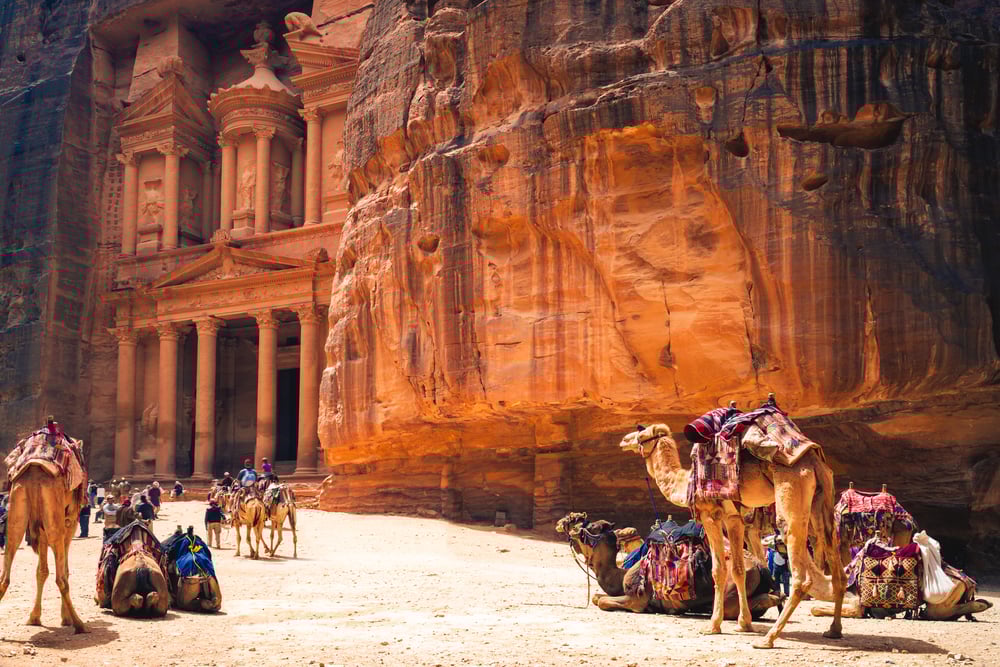
Petra wasn’t exactly “discovered” by Swiss explorer Johann Ludwig Burckhardt in 1812—local Bedouins always knew it was there. But it had been unknown to the Western world for centuries.
Burckhardt had to disguise himself as an Arab Muslim and convince his guide to take him to the tomb of Aaron to get there, because the Bedouins were suspicious of outsiders. The famous Treasury (Al-Khazneh) that everyone photographs was carved directly into the sandstone cliff face around 100 CE by the Nabataeans.
And that’s just one building—the entire city contains hundreds of tombs, temples, and structures carved into the pink rock. The Nabataeans were master hydraulic engineers, creating a sophisticated water management system in the desert with dams, cisterns, and ceramic pipes.
The site was eventually annexed by the Romans in 106 CE and slowly declined until it was largely abandoned.
Neuschwanstein Castle Inspired Disney
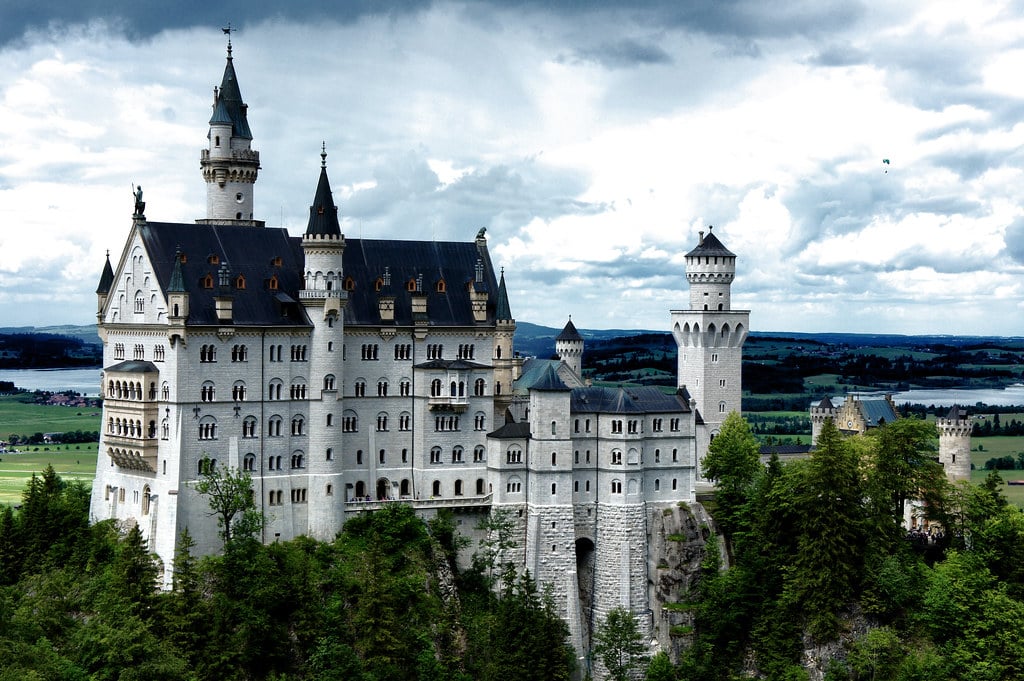
King Ludwig II of Bavaria started building this fairytale castle in 1869 as a personal refuge. He was a recluse who increasingly withdrew from public life and had a fascination with medieval romance and Wagnerian opera.
The castle was supposed to be a tribute to Richard Wagner, and several rooms are dedicated to scenes from Wagner’s operas. Ludwig only lived in the castle for about 170 days.
In 1886, he was declared insane by a government commission (which he never got to defend himself against), deposed, and died under mysterious circumstances three days later—found dead in a lake along with his psychiatrist. Could’ve been self-harm, could’ve been murder, nobody knows.
The castle was opened to tourists seven weeks after his death to help pay off the enormous debts Ludwig had incurred. Walt Disney later used it as inspiration for Sleeping Beauty’s castle. It’s now one of the most photographed buildings in Germany.
When Monuments Outlive Their Creators
What’s strange about these stories is how often the people who commissioned or built these monuments never got to see them completed, never got to enjoy them, or ended up regretting them entirely (looking at you, artists who hated the Eiffel Tower). We treat monuments as if they’ve always existed, permanent and unchanging, but they’re really just frozen moments of human ambition, compromise, ego, and sometimes pure stubbornness.
The surprising stories behind them make them more interesting than any postcard ever could.