15 Fast Food Items Everyone Loved
Fast food has always been about more than convenience. Sure, it fills the gap between paychecks and feeds families on busy weeknights, but the items that really stick with people do something else entirely.
They become small rituals, shared memories, the taste that brings you right back to being twelve years old in the back seat of your parents’ car. Some of these menu items disappeared without warning.
Others evolved into something unrecognizable. A few hung around just long enough for people to realize what they were losing.
These are the fast food items that didn’t just satisfy hunger — they created devotion.
McDonald’s Fried Apple Pies
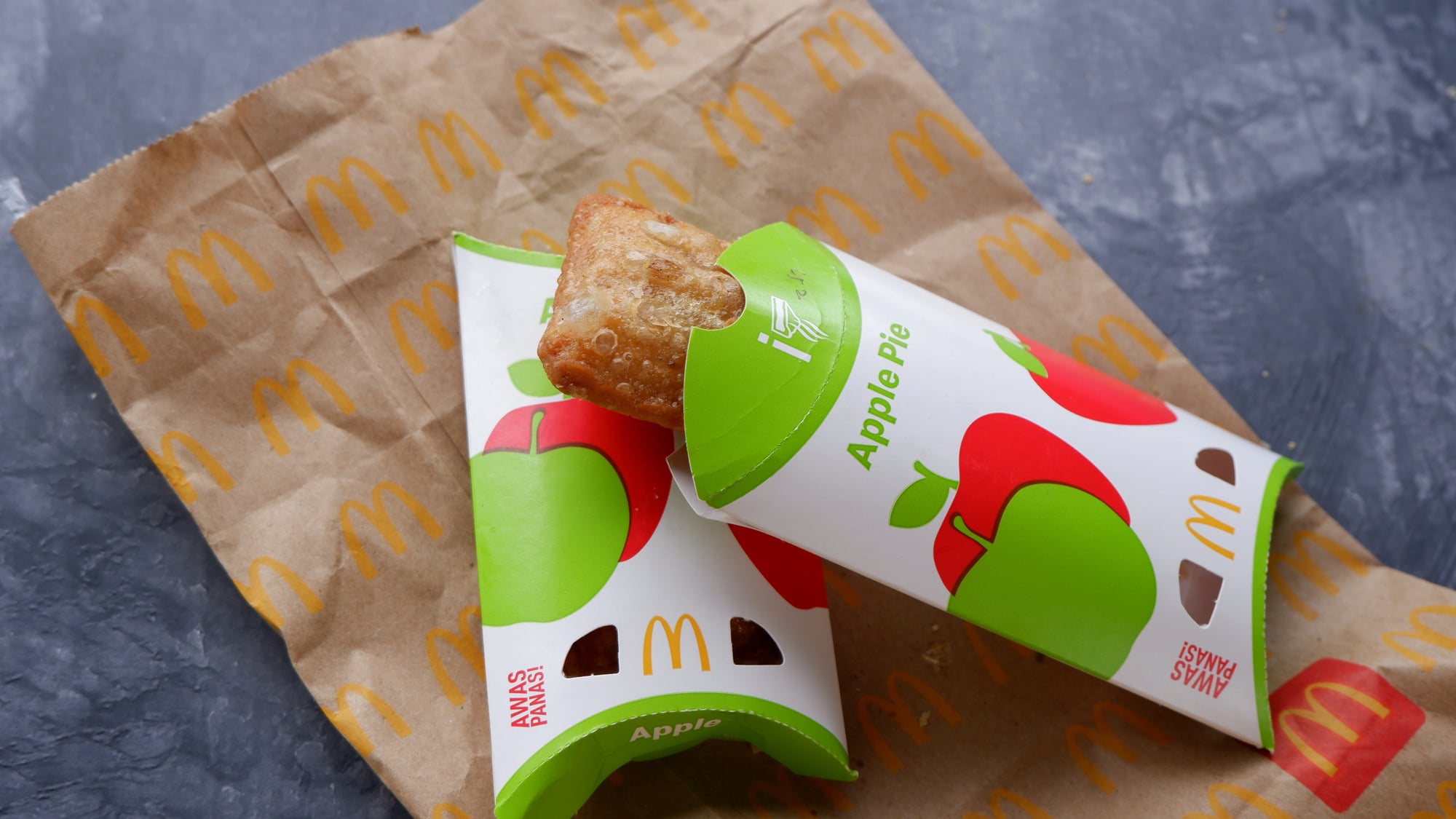
McDonald’s fried apple pies were dangerous in the best possible way. The filling reached temperatures that could melt steel, and everyone knew it.
But people ordered them anyway because that flaky, bubbly crust was worth the roof-of-mouth casualties. When McDonald’s switched to baked pies in 1992, something fundamental changed.
The new version was safer, sure, but safety was never the point.
Taco Bell’s Mexican Pizza
The Mexican Pizza occupied a weird space in Taco Bell’s lineup — too fancy to be fast food, too simple to be impressive. And yet it worked in ways that defied explanation, because sometimes what you want isn’t another variation on meat and cheese wrapped in a tortilla, but rather this strange flat creation that seemed to exist in its own category entirely (which, thinking about it now, was probably exactly why people loved it so much).
The crispy shell gave way to familiar flavors arranged in an unfamiliar way. Predictable, but not.
So when Taco Bell discontinued it in 2020, the outcry wasn’t just about losing a menu item — it was about losing something that had carved out its own small corner of the fast food universe. And the petition to bring it back?
That gathered over 170,000 signatures, which is saying something for what was essentially a tostada with extra steps. But Taco Bell listened, bringing it back in 2022, because even corporations sometimes realize that certain things shouldn’t disappear just because they seem redundant on paper.
Wendy’s Spicy Chicken Sandwich
There’s something to be said for being first to a fight that everyone else thought they were having. Wendy’s Spicy Chicken Sandwich showed up before the chicken sandwich wars became a thing, before every chain felt obligated to have an answer to Popeyes, before spicy chicken became a marketing category instead of just good food.
The heat wasn’t performative. It didn’t announce itself with a ridiculous name or challenge people to prove their tolerance.
It just sat there on the sandwich, doing its job, letting the chicken speak for itself. Which is probably why it never needed to disappear and come back with fanfare — it just stayed, reliable as gravity.
KFC’s Original Recipe
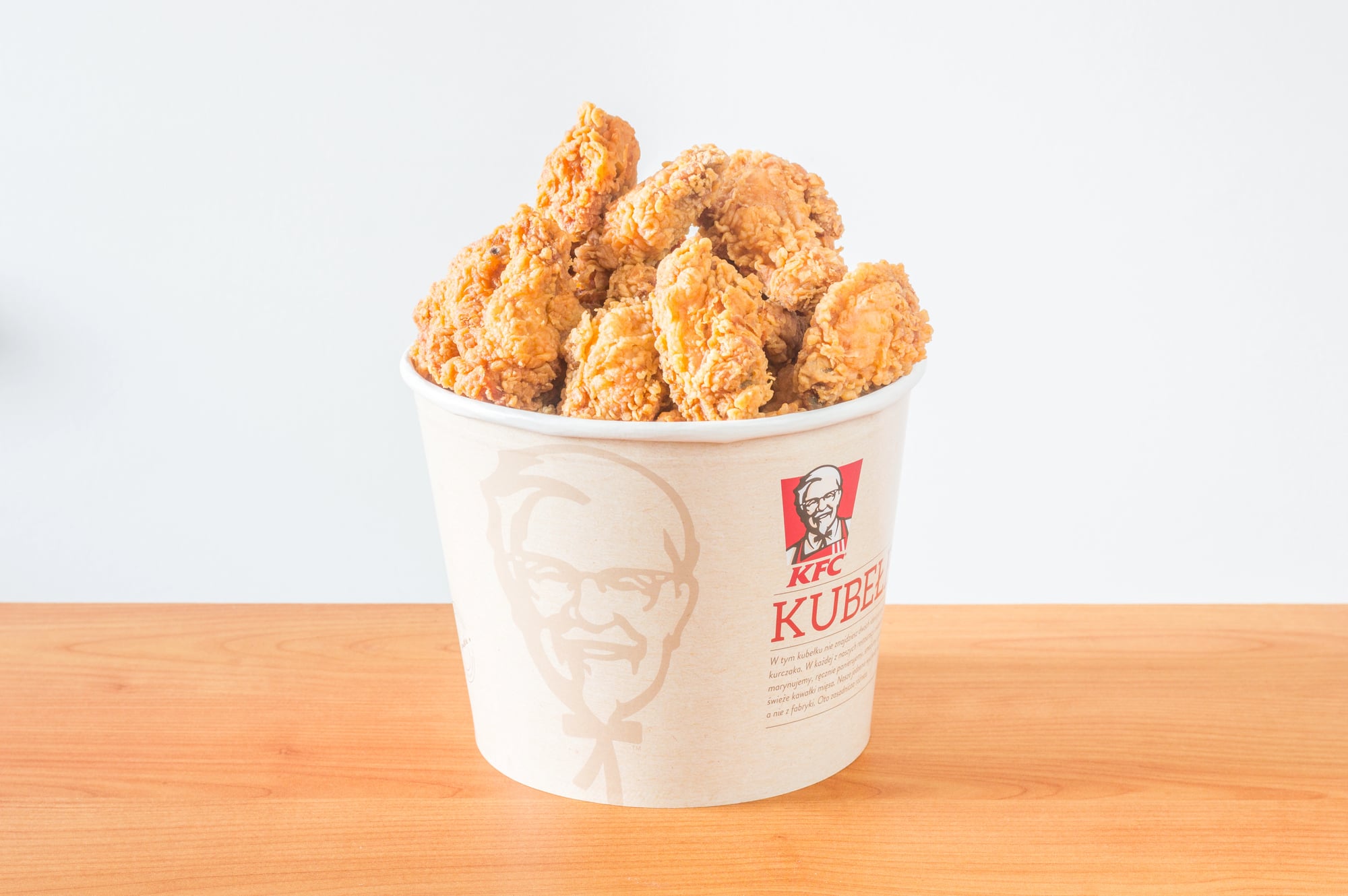
Colonel Sanders was particular about his chicken. Obsessively so.
Eleven herbs and spices, locked in a vault, the whole theatrical setup that sounds like marketing nonsense until you taste what all that fuss was about. The original recipe chicken didn’t just taste different from other fried chicken — it tasted like it came from somewhere specific.
Like someone’s actual kitchen, scaled up but not dumbed down. You could argue that modern KFC doesn’t quite hit the same notes, and plenty of people do argue exactly that.
Fair enough.
Burger King’s Original Chicken Sandwich
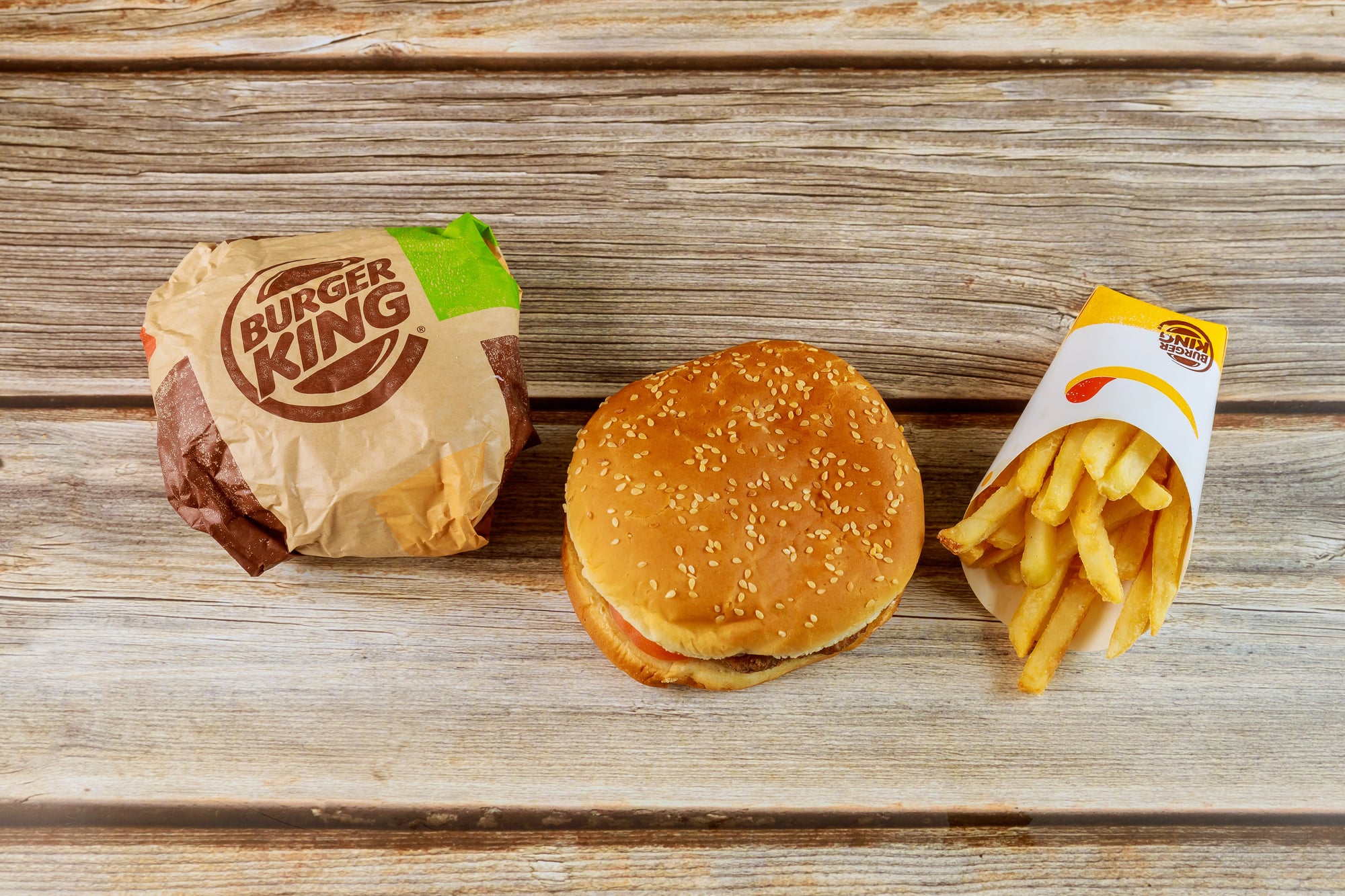
Before everyone got obsessed with buttermilk coatings and brioche buns, Burger King’s original chicken sandwich understood something simple: sometimes a chicken breast, some mayo, and lettuce on a sesame seed bun is exactly enough. No more, no less.
It wasn’t trying to be premium or artisanal. It was trying to be a chicken sandwich that you could count on tasting the same way every time you ordered it.
Mission accomplished, for the most part, until the endless pursuit of better somehow made it worse instead.
McDonald’s McRib
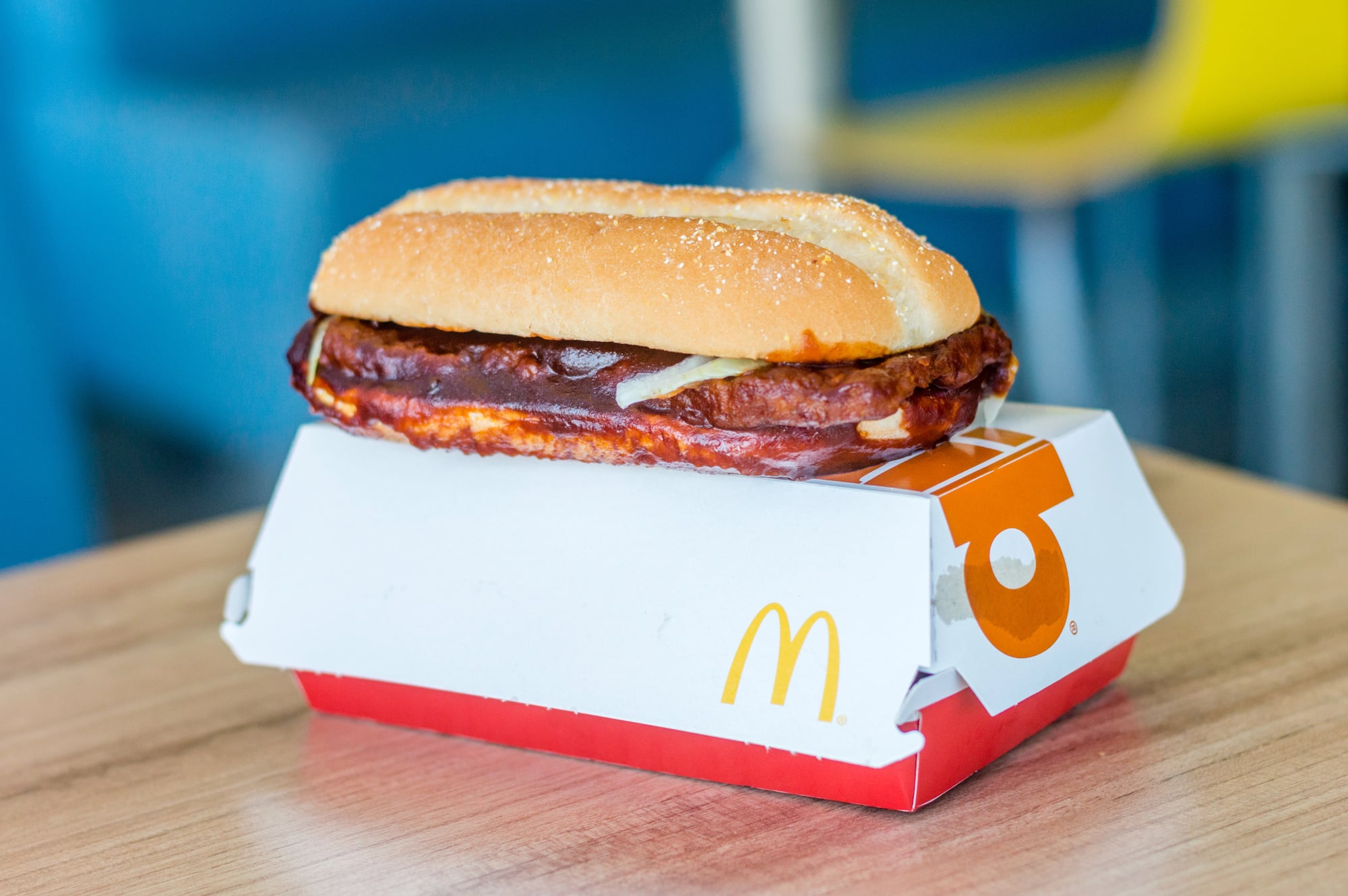
The McRib operates according to its own mysterious logic, appearing and disappearing from McDonald’s menus like some kind of fast food comet. People track its movements across the country, plan road trips around its availability, and generally treat it with the kind of devotion usually reserved for limited-edition sneakers.
Here’s the thing about the McRib: it doesn’t actually taste like ribs. It tastes like the McRib, which is its own distinct flavor category.
The barbecue sauce is sweet in that particular McDonald’s way, the onions add crunch, and the pickles cut through the richness just enough to make you want another bite. It’s processed food that doesn’t apologize for being processed food, and somehow that honesty makes it work better than it should.
Taco Bell’s Crunchwrap Supreme
Someone at Taco Bell looked at the fundamental problem of hard-shell tacos — they fall apart when you eat them — and engineered a solution that was both practical and completely ridiculous. Wrap the whole thing in a soft tortilla, grill it flat, and suddenly you have a handheld meal that doesn’t require strategic planning to consume.
The Crunchwrap Supreme feels like it was designed by people who actually eat fast food, which isn’t always a given in the fast food industry. Every component has a purpose: the hard shell for texture, the soft tortilla for structural integrity, the lettuce for freshness, the tomatoes for acidity.
It’s almost logical, which makes it strange that it took so long for someone to think of it.
Subway’s $5 Footlong
Five dollar footlong became more than a menu item — it became a cultural reference point, a way to measure value that extended far beyond sandwich shops. The jingle was inescapable, sure, but the deal itself was what made people care enough to remember the jingle in the first place.
For a few years there, you could walk into any Subway and know exactly what you were going to spend on lunch. No mental math, no comparing options, no wondering if you had enough cash.
Just twelve inches of sandwich for five dollars, which felt like getting away with something even when it was completely legitimate.
Pizza Hut’s Stuffed Crust Pizza
Pizza Hut took something that was already good — pizza — and made it slightly absurd by hiding cheese in the crust. And then they got Donald Trump to eat it backwards in a commercial, which was exactly the kind of weird marketing move that made perfect sense in the ’90s.
But strip away the celebrity endorsements and the novelty factor, and what you had was genuinely improved pizza. The stuffed crust solved the age-old problem of what to do with the boring part at the end of each slice.
Instead of being an afterthought, the crust became the best part, the thing you saved for last because you knew it was going to be good.
Chick-Fil-A’s Original Chicken Sandwich
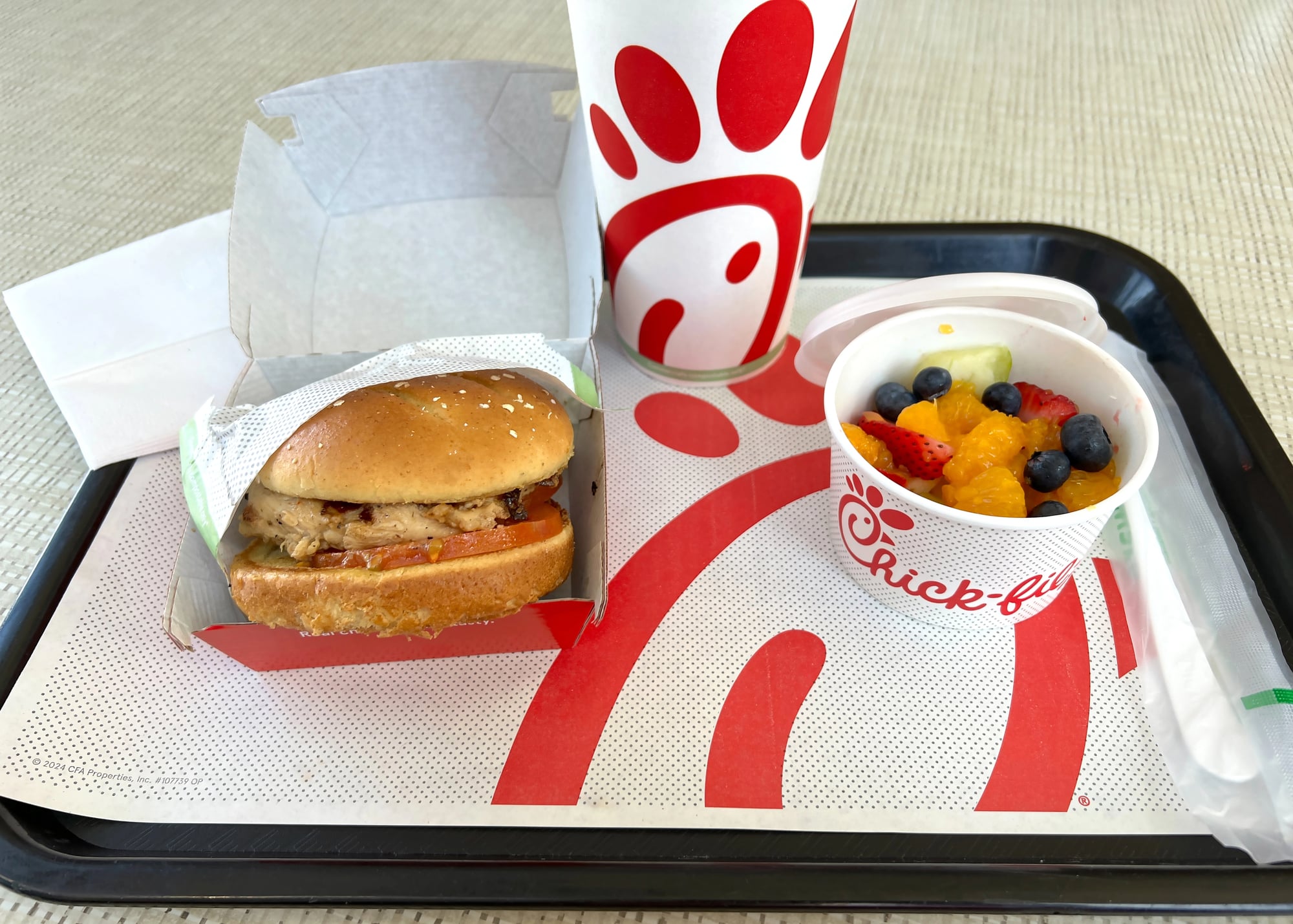
Chick-fil-A’s chicken sandwich arrived at the simple truth that most fast food seems to miss: if you’re going to do one thing, do it exactly right rather than doing fifteen things adequately. The chicken is pressure-cooked in peanut oil, which gives it a specific flavor that you can’t quite replicate anywhere else.
The pickle placement isn’t random — it’s two chips, positioned to hit your tongue at the right moment. The bun is soft enough to compress when you bite down, but sturdy enough to hold everything together until the last bite.
These details matter more than they should, but they’re also why people will sit in drive-thru lines that wrap around parking lots just to get this particular chicken sandwich instead of the dozen other options available within a five-minute drive.
White Castle Sliders
White Castle sliders are small, weird, and completely unlike any other burger in fast food. The patties have pits punched through them, the onions are steamed right into the meat, and the buns are soft in a way that seems structurally impossible.
They’re served in quantities that would be embarrassing for any other food — who orders just one slider? — but somehow make perfect sense. You either understand White Castle or you don’t, and the people who understand it really understand it.
They buy them by the sack, they crave them at odd hours, and they get genuinely excited when they see that distinctive logo from the highway. It’s a specific kind of food loyalty that doesn’t translate well to people who’ve never experienced it, but it doesn’t need to.
White Castle has been doing the same thing since 1921, and the people who get it will keep coming back.
Arby’s Beef ‘N Cheddar
The Beef ‘n Cheddar shouldn’t work. It’s roast beef and cheese sauce on an onion roll, which sounds like something you’d throw together from leftovers rather than something you’d specifically crave.
But Arby’s managed to make each component just artificial enough to be interesting without being so processed that it stops tasting like food. The cheese sauce is orange in a way that occurs nowhere in nature, and that’s exactly the point.
It’s not trying to be real cheddar — it’s trying to be Arby’s cheese sauce, which is its own category. Combined with the roast beef that’s been engineered to have just the right amount of salt and just the right texture, it becomes something that you can’t recreate at home even if you wanted to.
Dairy Queen Blizzard
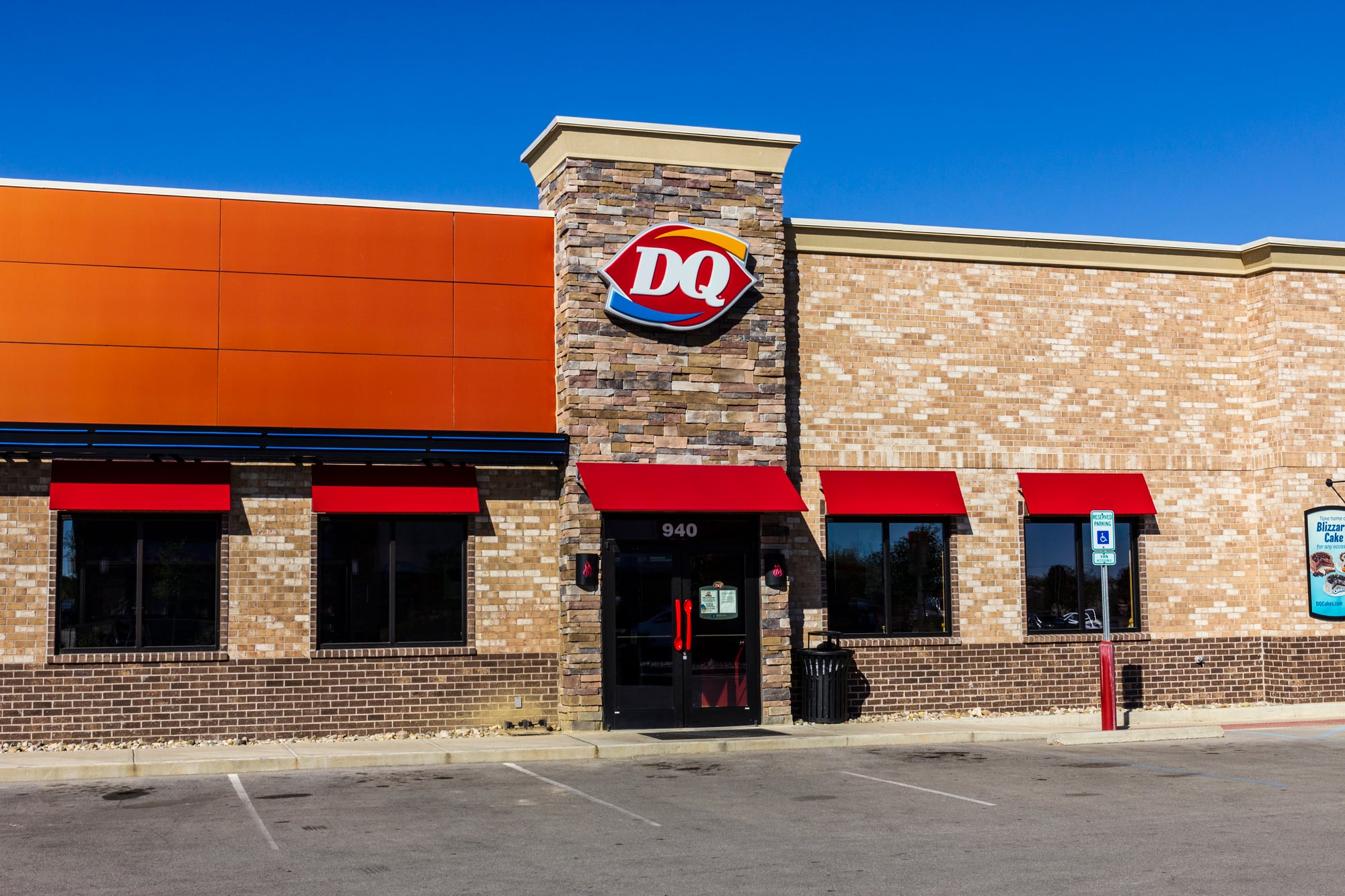
The Blizzard proved that soft serve could be more than just a delivery system for toppings. By blending everything together and then serving it upside-down — which was equal parts gimmick and quality control — Dairy Queen created something that was part ice cream, part milkshake, and entirely its own thing.
The texture is what makes it work. Thick enough to eat with a spoon, but smooth enough that you don’t feel like you’re chewing ice cream.
The mix-ins distribute evenly instead of settling at the bottom, which means every bite delivers the flavor combination you ordered instead of making you hunt for the good parts.
Jack In The Box Tacos
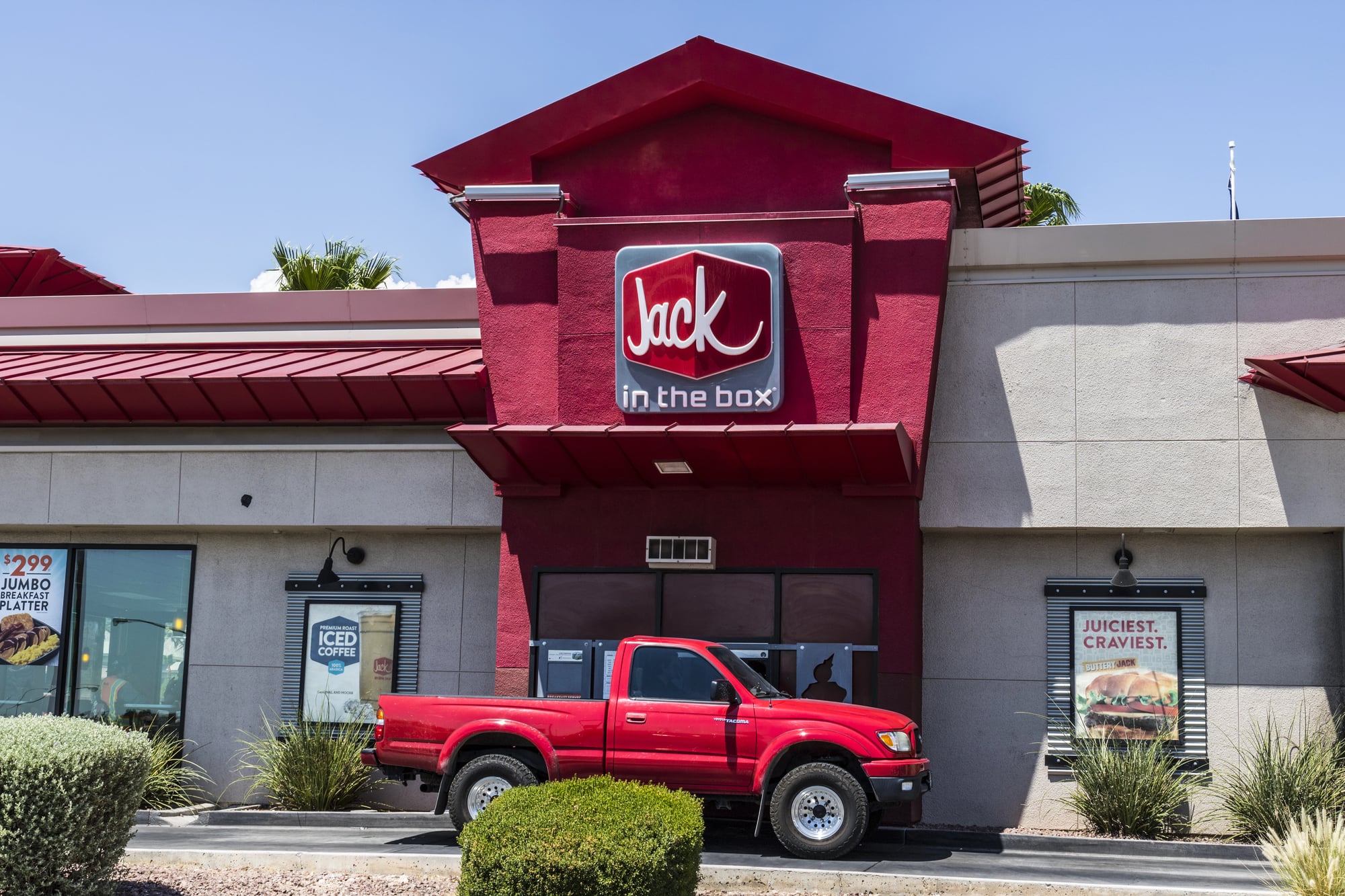
Jack in the Box tacos are objectively terrible and completely addictive, which puts them in a category occupied by very few foods. They’re deep-fried, which is not how tacos are supposed to be prepared.
The shell gets soggy. The filling is mysterious.
And yet people order them by the dozen, especially late at night when good judgment tends to take a backseat to immediate satisfaction. Maybe it’s because they’re so different from actual tacos that they don’t invite comparison.
Maybe it’s because they’re cheap enough that you can afford to order too many. Or maybe it’s because sometimes what you want isn’t good food — it’s food that tastes like a specific time and place, even if that time and place happens to be 2 a.m. in a Jack in the Box parking lot.
Popeyes Biscuits
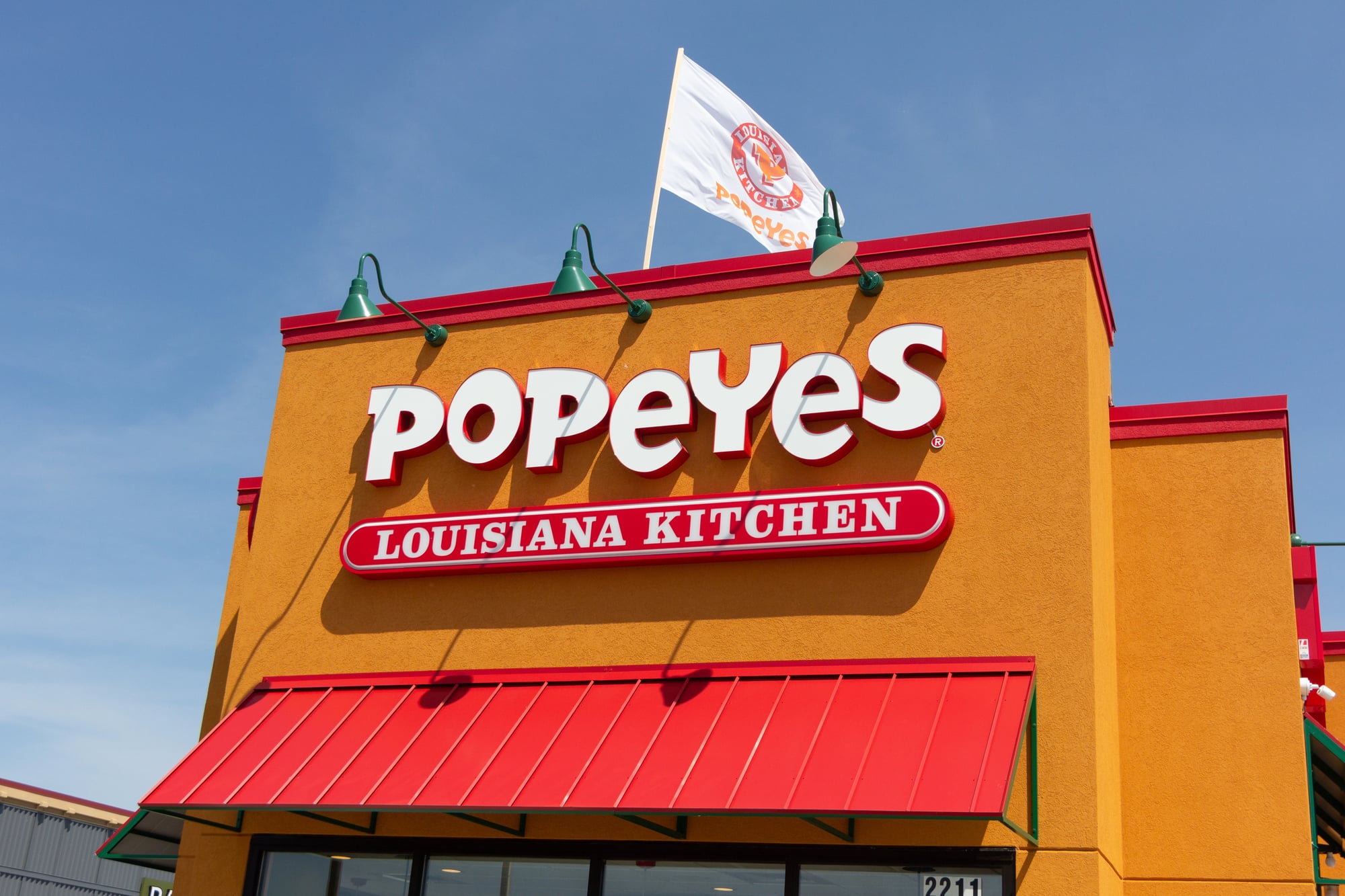
Popeyes biscuits are simultaneously the best and worst thing on their menu. Best because they’re buttery, flaky, and warm in a way that makes you forget that you came in for chicken.
Worst because they’re so dry that eating one without a drink feels like a genuine health risk. But that’s also what makes them memorable.
They demand your full attention. You can’t eat a Popeyes biscuit while doing something else — it requires commitment, strategy, and adequate hydration.
It’s fast food that slows you down, which is either a design flaw or a feature, depending on how you look at it.
When Favorites Become Memories
The thing about beloved fast food items is that they’re never really about the food alone. They’re about being a kid and getting to choose your own meal, about late-night runs with friends, about the small comfort of knowing that some things stay exactly the same even when everything else changes.
Which is probably why losing them feels like more than just losing a menu option — it feels like losing a small piece of shared culture. Some of these items have come back, some have evolved into something different, and some are gone for good.
But the fact that people still talk about them, still petition for their return, still remember exactly how they tasted — that says something about the weird power of fast food done right.
More from Go2Tutors!

- The Romanov Crown Jewels and Their Tragic Fate
- 13 Historical Mysteries That Science Still Can’t Solve
- Famous Hoaxes That Fooled the World for Years
- 15 Child Stars with Tragic Adult Lives
- 16 Famous Jewelry Pieces in History
Like Go2Tutors’s content? Follow us on MSN.