Defunct Parks That Once Thrilled Millions
Theme parks hold a strange grip on collective memory. The rush of that first roller coaster drop, the sticky sweetness of cotton candy, the way everything seemed possible when you walked through those entrance gates.
But not every park gets to live forever in the hearts of visitors. Some close their gates one final time, leaving behind only faded photographs and stories that grow more mythical with each telling.
Riverview Park
Chicago’s Riverview Park didn’t mess around. From 1904 to 1967, it packed thrills into every corner of its 74 acres on the North Side.
The Bobs roller coaster threw riders around curves that defied physics, while the Shoot-the-Chutes sent boats plummeting down water slides that seemed designed by someone with a grudge against safety regulations.
The park attracted over two million visitors annually during its peak years. Families saved up for months just to spend a day getting dizzy on the Tilt-a-Whirl and testing their luck at carnival games rigged just enough to keep things interesting.
When real estate developers finally claimed the land in 1967, they demolished a piece of Chicago’s soul along with the rides.
Freedomland U.S.A.
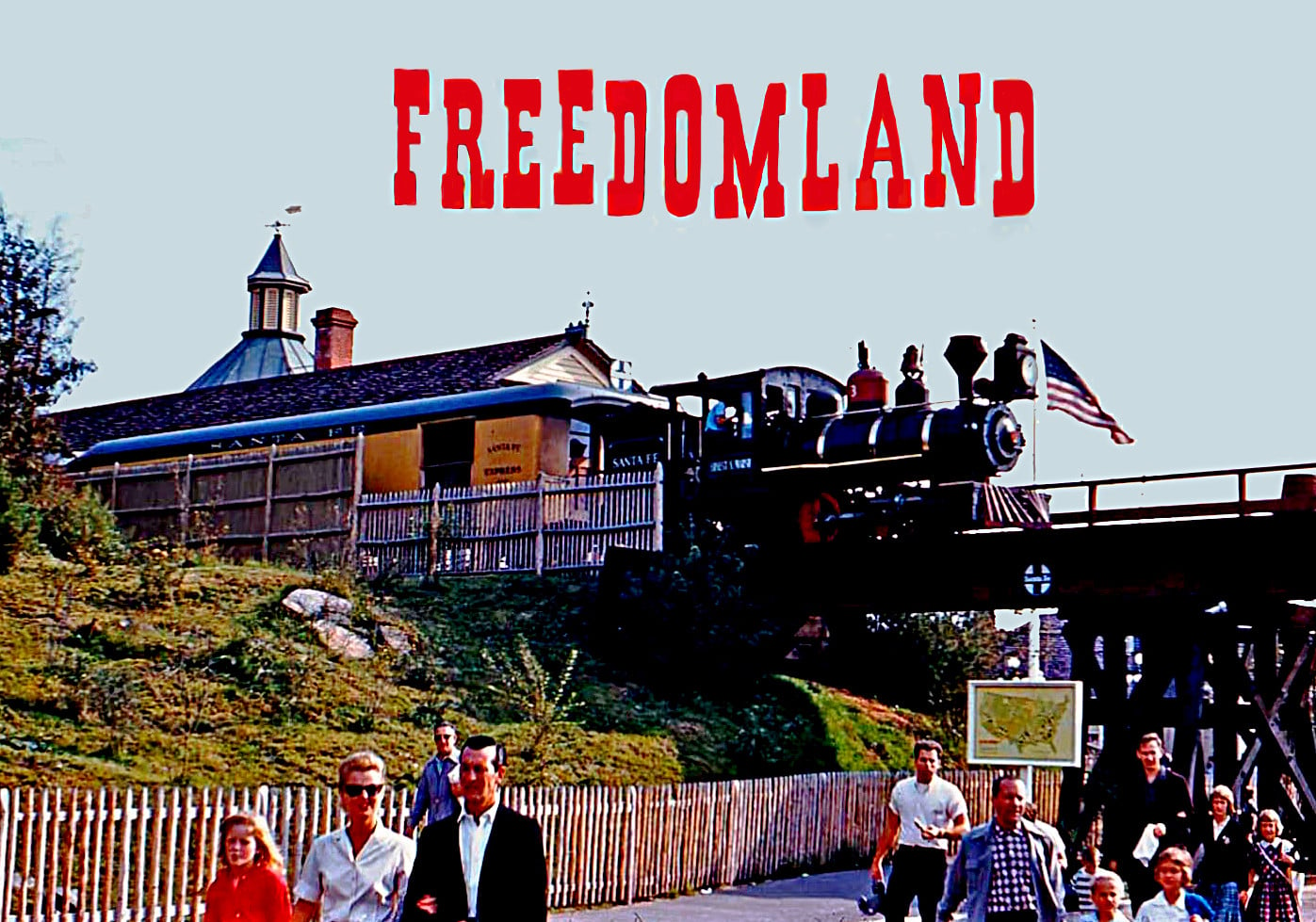
Freedomland was supposed to be New York’s answer to Disneyland, though it turned out more like a fever dream about American history (complete with staged gunfights and a replica of the Chicago Fire that burned down fake buildings twice daily). The Bronx park opened in 1960 with the ambitious goal of teaching visitors about their heritage while separating them from their money, and for a while, it actually worked—the park drew massive crowds who came to watch cowboys shoot blanks at each other and ride boats through mock disasters.
But Freedomland suffered from the kind of operational problems that make accountants break out in cold sweats: rides broke down constantly, the staged shows cost a fortune to maintain, and the whole enterprise burned through cash faster than their simulated fires consumed fake storefronts. The park limped along for four years before closing permanently in 1964, leaving behind a cautionary tale about the dangers of combining education with entertainment on a scale that nobody could actually afford to sustain.
Palisades Amusement Park
There’s something about a park perched on the edge of a cliff that speaks to the human fascination with danger disguised as fun. Palisades Amusement Park sat on the New Jersey cliffs overlooking the Hudson River for six decades, and from that vantage point, it watched New York City grow and change while remaining stubbornly committed to the simple pleasure of scaring people senseless.
The park’s Cyclone roller coaster earned a reputation that bordered on mythical. Riders would climb aboard wooden cars that rattled and shook as they climbed the first hill, offering a spectacular view of Manhattan just before plunging them into a series of drops and turns that felt less like engineering and more like controlled chaos.
The ride operated on the principle that fear and joy occupy the same emotional territory, and for most visitors, that principle proved absolutely correct. When developers finally succeeded in buying the land in 1971, they erased more than just rides and concession stands.
They eliminated a place where three generations of families had created memories that would last longer than the park itself.
Pacific Ocean Park
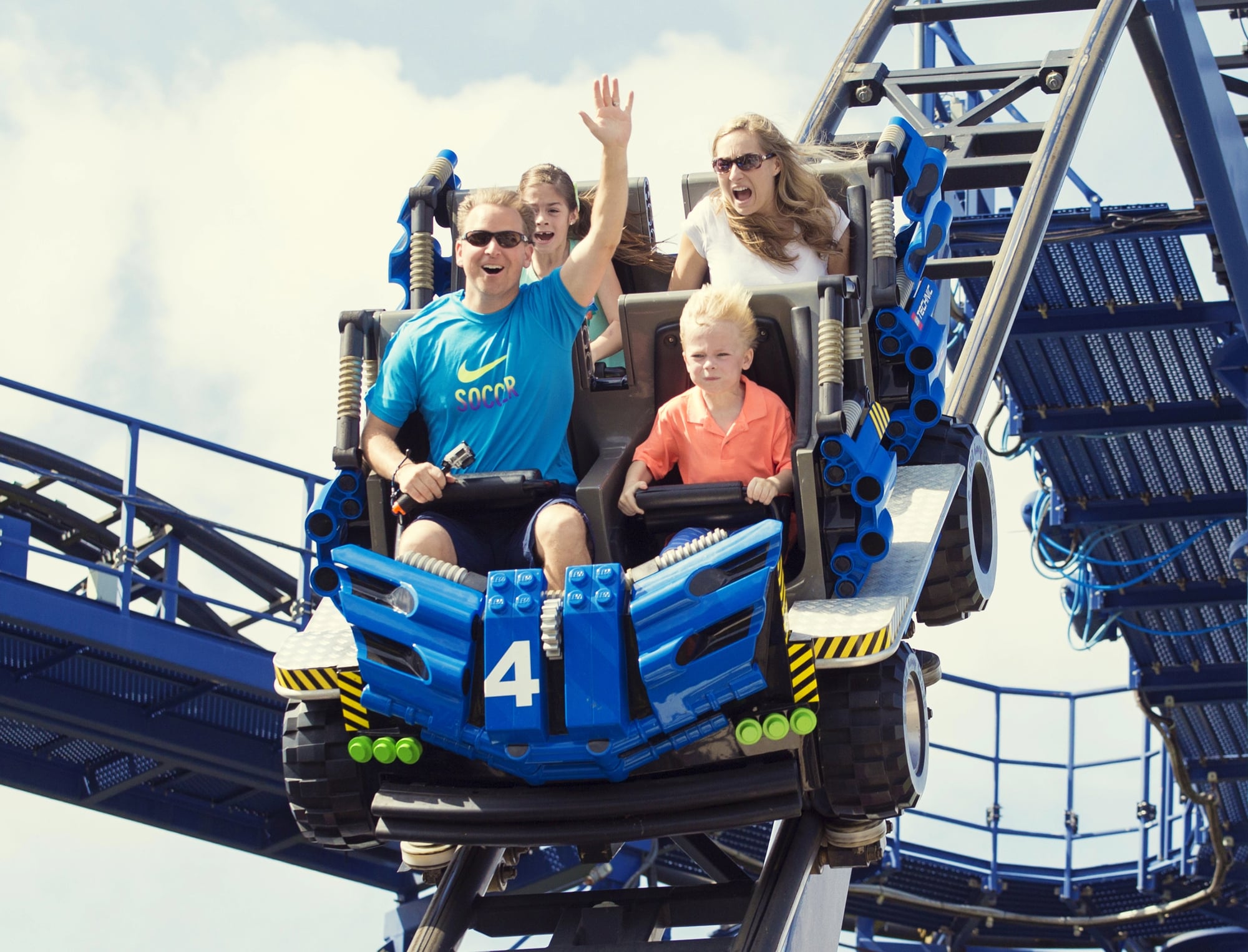
Building a theme park on a pier extending into the Pacific Ocean ranks among the more optimistic real estate decisions in California history. Pacific Ocean Park opened in Santa Monica in 1958, determined to prove that the combination of ocean air and adrenaline could create something magical.
For a decade, it succeeded beyond anyone’s reasonable expectations. The park featured rides that seemed to hover over the water, creating the illusion that visitors might plunge directly into the Pacific if something went wrong.
That sense of precarious placement wasn’t entirely illusory—the ocean’s constant assault on the pier’s foundation required continuous maintenance that grew more expensive each year. Salt air corroded everything it touched, and winter storms battered the structures with waves that seemed personally offended by the park’s presence.
By 1967, the ocean had won its war of attrition, and the park closed permanently. The sea reclaimed its territory with the patience it always shows toward human ambition.
Geauga Lake
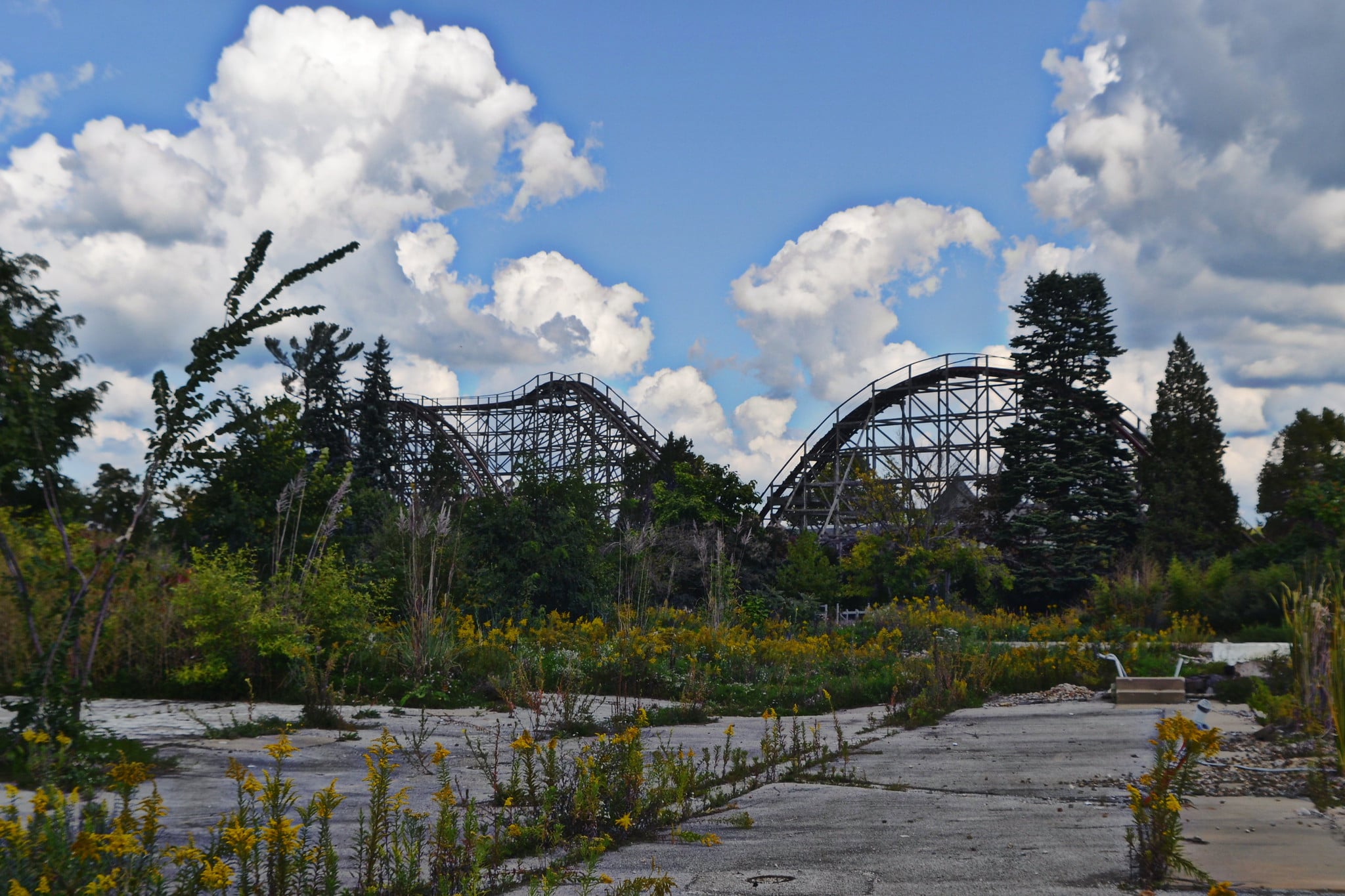
Geauga Lake proves that bigger doesn’t always mean better, though it took several decades and multiple ownership changes to drive that lesson home. The Ohio park began modestly in 1887 as a simple lakeside retreat, but corporate ambition eventually transformed it into a sprawling complex that tried to be everything to everyone—and ended up satisfying no one completely.
Six Flags purchased the property in 2000 and immediately began adding roller coasters with the enthusiasm of someone who believed that more was inherently better. They built towering steel monsters that dominated the skyline and attracted thrill-seekers from across the Midwest.
The strategy worked initially, drawing record crowds who came to experience rides with names like “X-Flight” and “Dominator” that promised experiences their bodies weren’t designed to handle. But the park’s location between Cleveland and Akron put it in direct competition with Cedar Point, which had decades of experience perfecting the art of controlled terror.
Geauga Lake closed in 2007, leaving behind empty stations where trains once loaded passengers for journeys that temporarily redefined their understanding of physics.
Dogpatch USA
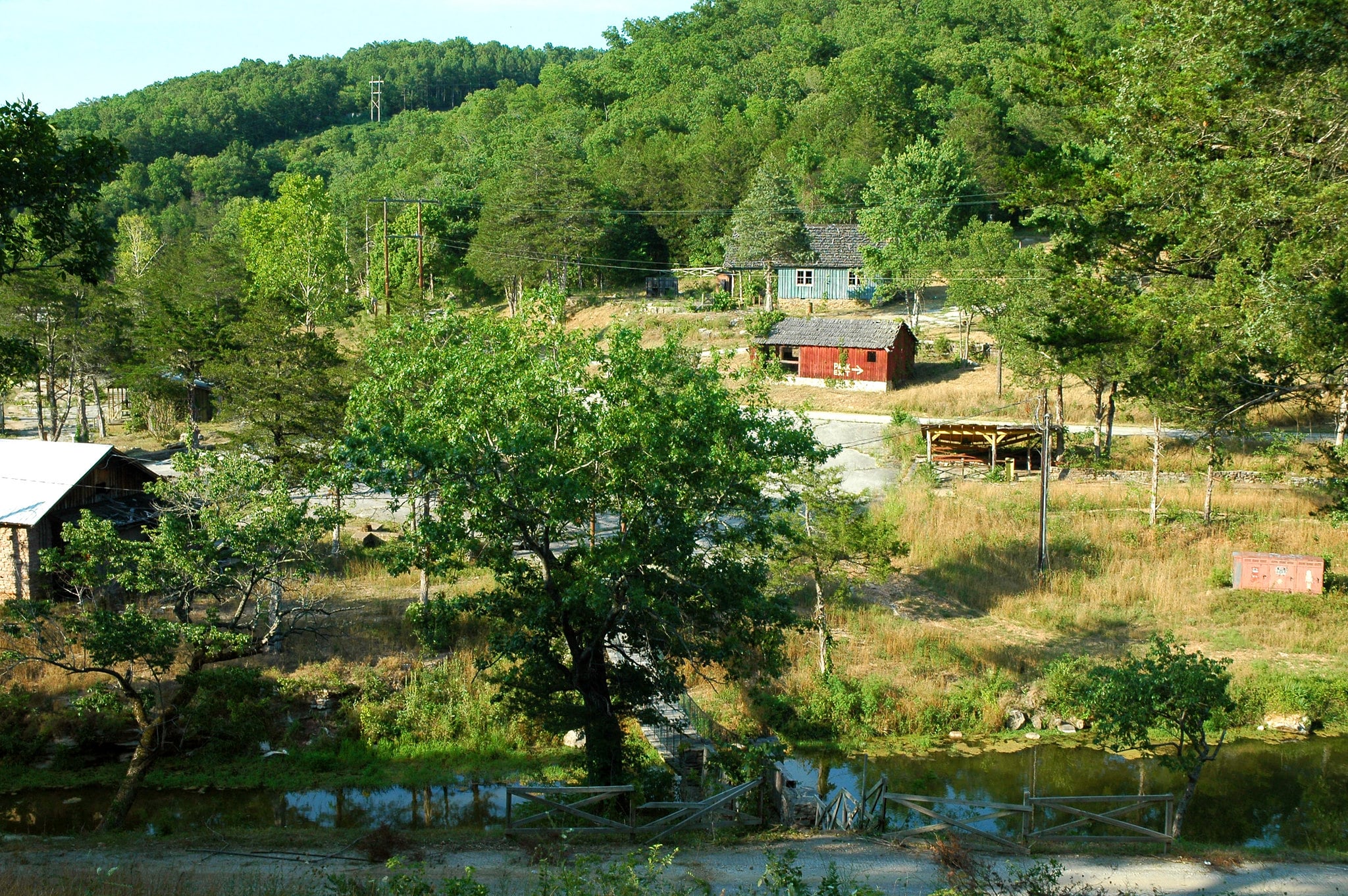
Naming a theme park after a fictional hillbilly town from a comic strip represents the kind of bold creative decision that either launches an empire or creates a spectacular failure. Dogpatch USA in Arkansas managed to achieve both outcomes simultaneously during its run from 1968 to 1993, attracting millions of visitors who came to experience Li’l Abner’s world brought to three-dimensional life.
The park’s charm lay in its complete commitment to the absurd premise that people would travel hundreds of miles to ride attractions themed around cartoon characters known primarily for their ignorance and poverty (though the poverty part turned out to be uncomfortably prophetic). Visitors could explore Dogpatch’s recreated buildings, watch live performances featuring characters whose names modern audiences wouldn’t recognize, and purchase souvenirs that celebrated a fictional culture built on stereotypes that were already outdated when the comic strip debuted.
And yet somehow it worked, at least for a while. Families drove from across the South to spend weekends in this artificial mountain community, creating genuine memories in a place built on imaginary foundations. The park’s eventual closure said less about its intrinsic appeal and more about the challenge of sustaining any business built on intellectual property that time had left behind.
Astroworld
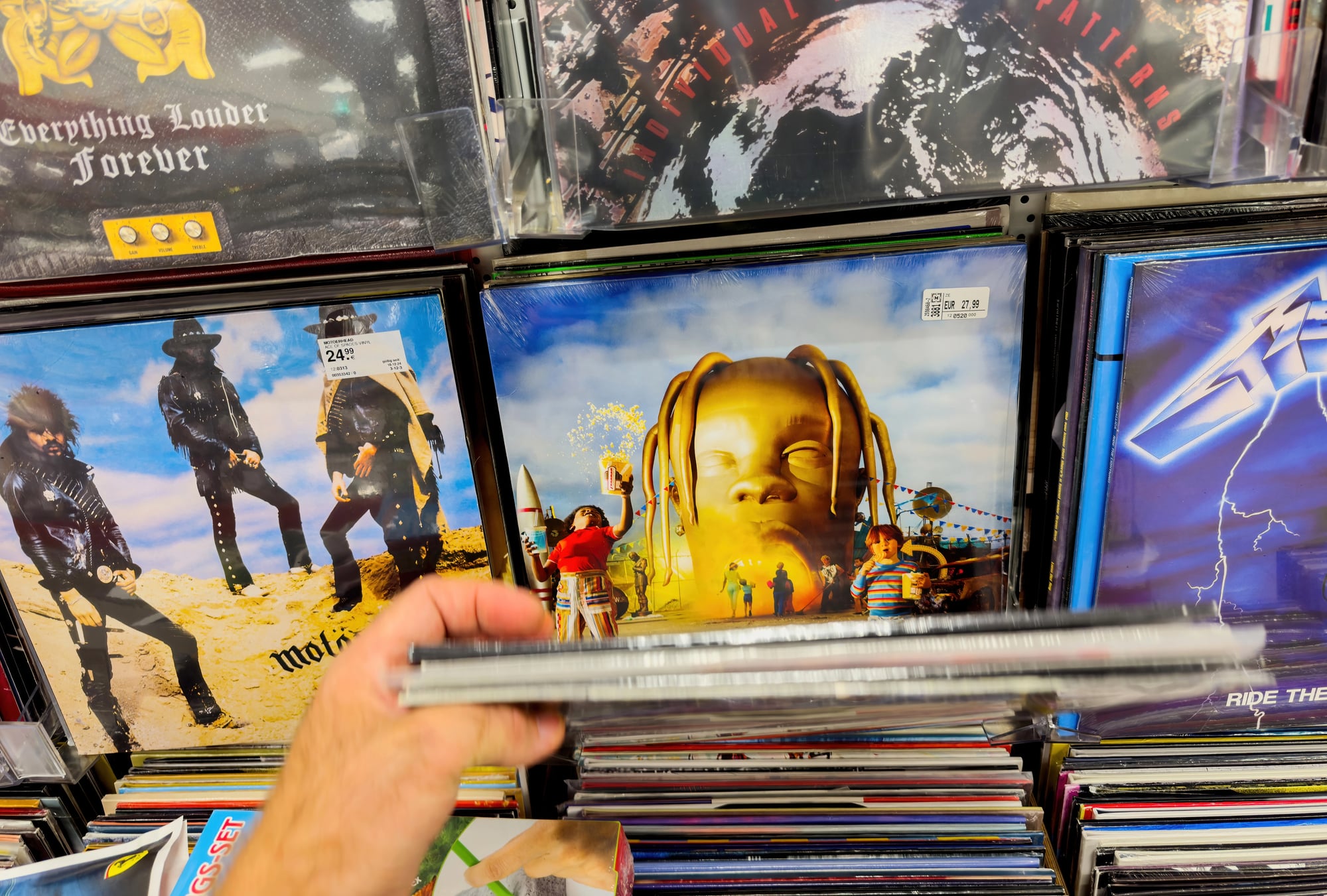
Houston’s Astroworld opened in 1968 with the kind of space-age optimism that defined the era—a time when landing on the moon seemed like the logical next step for human civilization, and a theme park celebrating that ambition felt both timely and permanent. The park’s location next to the Astrodome created a complex dedicated to the future, where visitors could experience both athletic spectacle and mechanical thrills in the same afternoon.
Astroworld’s signature attraction, the Texas Cyclone, became a pilgrimage destination for roller coaster enthusiasts who appreciated wooden coasters built with the understanding that fear and excitement operate on the same frequency. The ride’s layout traced a path through curves and drops that seemed designed by someone who understood that the best thrills come from the momentary suspension of self-preservation instincts.
Six Flags owned the park during its final years, but corporate efficiency couldn’t maintain the connection between place and purpose that had sustained Astroworld for decades. When the park closed in 2005, Houston lost more than rides and games—it lost a symbol of the optimistic future that had seemed so achievable when astronauts were household names and space travel represented humanity’s next chapter.
Miracle Strip Amusement Park
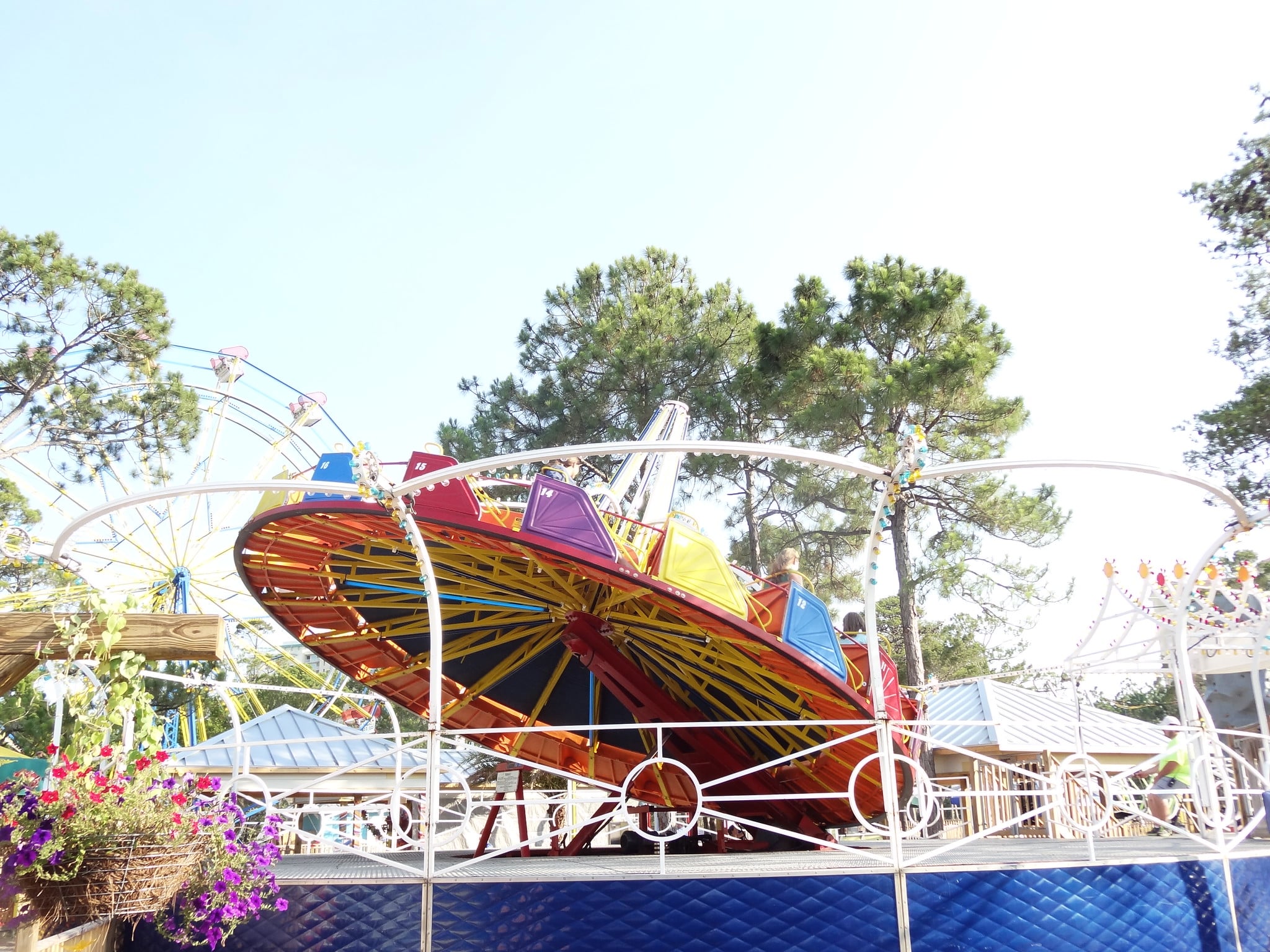
Panama City Beach’s Miracle Strip Amusement Park understood something fundamental about vacation psychology: people who’ve spent all day lying on sand under relentless sun want their evening entertainment to involve moderate doses of controlled danger. The park delivered exactly that from 1963 to 2004, providing generations of beachgoers with the perfect transition from lazy afternoon to memorable night.
The park’s Starliner roller coaster earned legendary status among wooden coaster enthusiasts, who made special trips to experience a ride that combined Gulf Coast humidity with the particular terror that comes from hurtling through space on a structure that creaks audibly during operation. The combination of salt air and screaming passengers created an atmosphere that captured the essence of summer vacation for millions of visitors who returned year after year.
Real estate pressure eventually claimed the land, as it did for so many beachfront properties across Florida. The developers who replaced Miracle Strip with condominiums understood property values but missed the point entirely—some locations derive their worth from the memories created there, not just their proximity to water.
Conneaut Lake Park
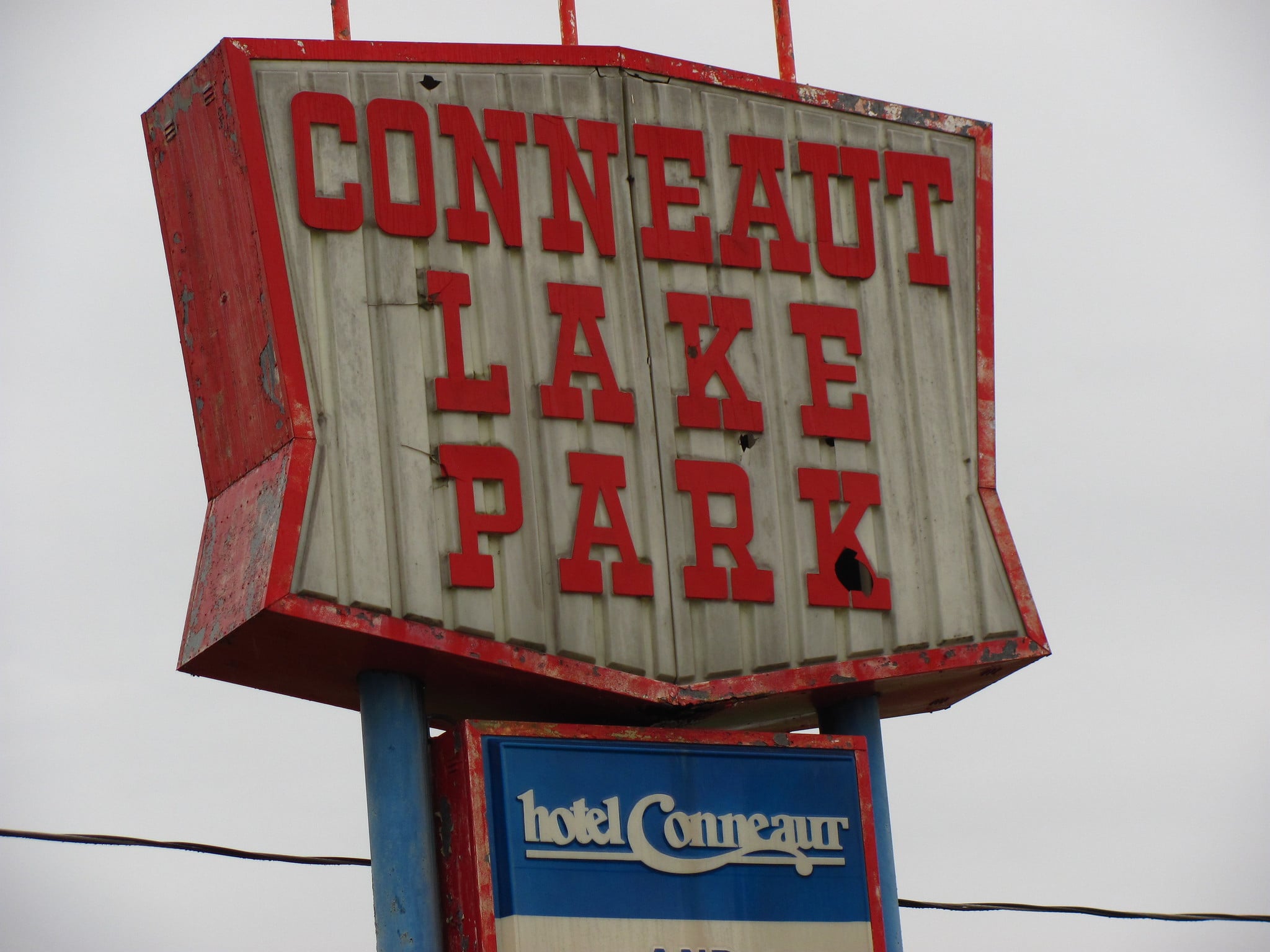
Conneaut Lake Park occupies a special category in the amusement park world: the place that refuses to stay dead. Located in Pennsylvania since 1892, the park has survived financial collapse, natural disasters, and management changes that would have killed most businesses several times over.
Its persistence represents something admirable and slightly irrational about American optimism. The park’s Blue Streak roller coaster, built in 1937, continues operating despite circumstances that would convince most rational people to give up and sell the lumber.
The ride’s wooden structure has weathered decades of Pennsylvania winters and summers, creating a coaster experience that feels increasingly precious as similar rides disappear from the landscape. Each season that Blue Streak operates feels like a small victory against the economic forces that have claimed so many of its contemporaries.
Conneaut Lake Park technically remains open in limited capacity, though its future depends on the kind of community support that grows rarer each year. The park represents the difference between surviving and thriving, and most visitors come away hoping that sometimes surviving is enough.
Opryland USA
Nashville’s Opryland USA made the fatal mistake of being too good at something other than making money. From 1972 to 1997, the park combined country music with traditional amusement park attractions, creating a destination that attracted visitors who came for the live shows and stayed for the rides—or vice versa, depending on their priorities.
The park’s live entertainment program featured performers who understood that theme park audiences wanted familiar songs delivered with enough energy to compete with roller coaster screams from adjacent attractions. Multiple stages throughout the park ensured that visitors encountered music everywhere they walked, creating an atmosphere where entertainment felt seamless rather than scheduled.
The strategy worked so well that many visitors spent entire days moving between shows, treating the rides as intermission entertainment. But the land beneath Opryland proved more valuable as a shopping mall than as a theme park, and corporate mathematics eventually won the argument.
The Opry Mills mall that replaced the park generates steady retail revenue, though it’s difficult to imagine anyone creating lifelong memories while shopping for discounted clothing in a space where the Grizzly River Rampage once soaked delighted passengers.
Jantzen Beach Amusement Park
Portland’s Jantzen Beach Amusement Park operated on an island in the Columbia River from 1928 to 1970, creating the kind of isolated entertainment destination that required genuine commitment from visitors who had to cross a bridge just to ride a carousel. That physical separation from the city created an atmosphere of temporary escape that enhanced every attraction and made ordinary rides feel more significant than their mechanical specifications suggested.
The park’s Big Dipper roller coaster became a regional landmark visible from the mainland, serving as a beacon that drew families across the bridge for weekend adventures that felt more substantial than a simple afternoon outing. The ride’s wooden framework stood against Pacific Northwest skies like a promise that excitement waited just across the water, and for four decades, it delivered on that promise with the reliability that kept families returning each summer.
Shopping mall developers eventually claimed the island, replacing rides and games with stores and parking lots that served a more predictable economic function. The mall succeeded financially but eliminated the sense of destination that had made the bridge crossing feel worthwhile for generations of Portland families.
Glen Echo Park
Washington D.C.’s Glen Echo Park began as a Chautauqua assembly ground in 1891 before transforming into an amusement park that served the nation’s capital for seven decades. The park’s location along the Potomac River created a natural escape from city heat, attracting families who rode the trolley from downtown Washington to spend afternoons and evenings in a place where political concerns temporarily disappeared.
The park’s Crystal Ballroom hosted dance events that drew couples from across the region, creating a social hub that functioned as both entertainment venue and community gathering place. The ballroom’s polished floor reflected light from chandeliers that illuminated conversations and courtships that shaped the social fabric of the D.C. area for generations.
Many marriages began with meetings at Glen Echo, creating personal histories intertwined with the park’s commercial success. Desegregation protests in the 1960s highlighted the park’s discriminatory policies, leading to integration efforts that arrived too late to save the business.
Glen Echo closed as an amusement park in 1966, though the National Park Service now maintains the site as a cultural center where the carousel still operates and the ballroom still hosts dance events for visitors who appreciate the historical significance of spaces where communities once gathered to create shared memories.
Whalom Park
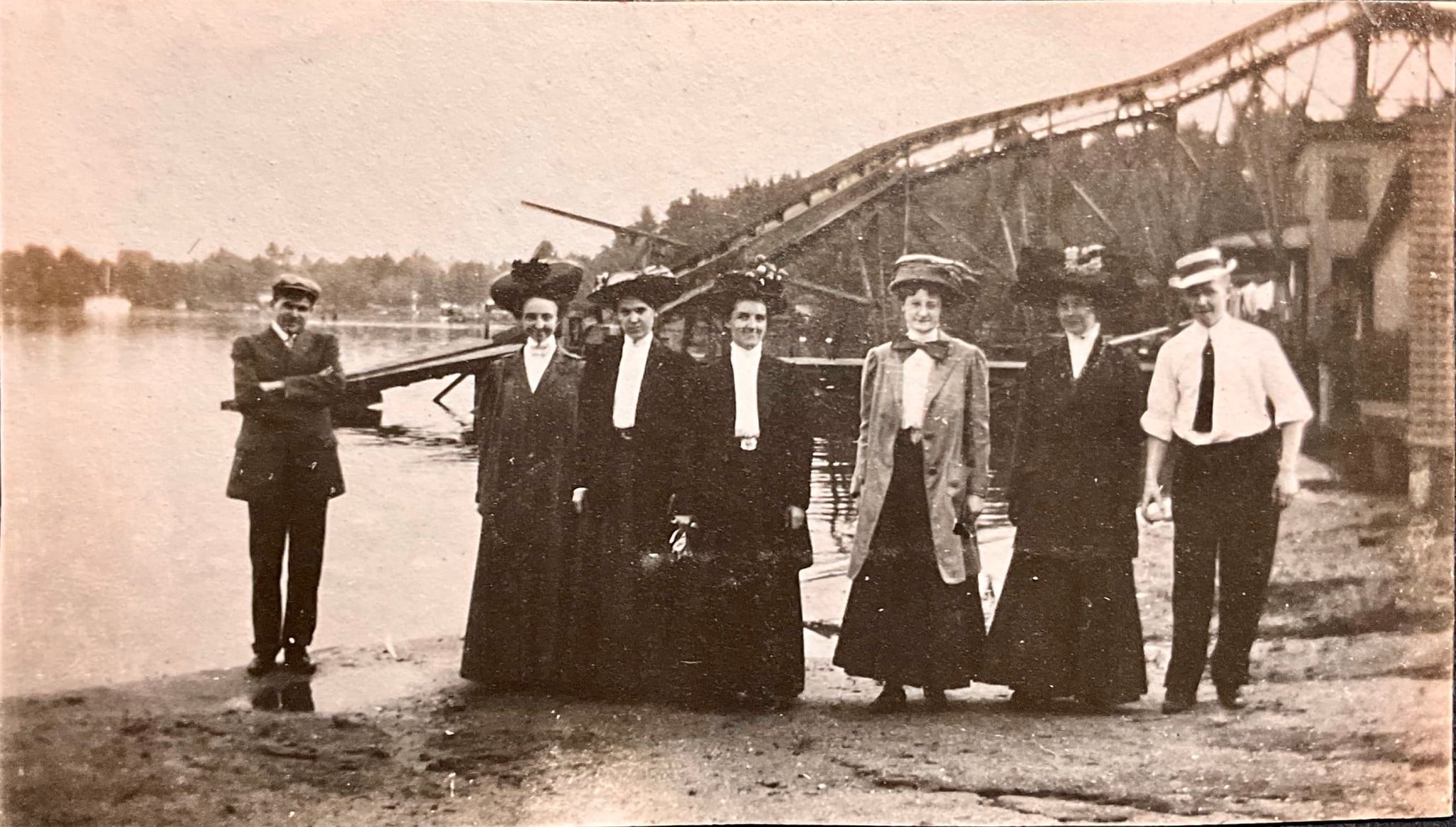
Massachusetts’ Whalom Park opened in 1893 and spent 107 years proving that some businesses achieve a kind of institutional permanence that transcends normal commercial considerations. Families brought their children to ride the same attractions they had enjoyed during their own childhoods, creating a generational continuity that seemed more durable than the wooden structures that housed the rides.
The park’s Flyer Comet roller coaster, built in 1935, represented the golden age of wooden coaster construction—an era when engineers designed rides based on intuitive understanding of physics rather than computer modeling. The result was a coaster that delivered an experience that felt simultaneously dangerous and safe, creating the precise emotional balance that defines successful thrill rides.
Enthusiasts traveled from across New England to experience a ride that represented something increasingly rare in modern amusement park design. Whalom Park closed permanently in 2000, ending more than a century of operation with the kind of quiet finality that characterized the park’s entire approach to business.
The land remained vacant for years afterward, as if the community needed time to process the loss of an institution that had seemed as permanent as the geography itself.
The Memory Keepers
These defunct parks live on in ways their original owners never anticipated. Online communities share photographs and stories with the devotion of archivists preserving cultural artifacts.
Former employees gather at reunions to remember colleagues and compare stories from seasons that seemed routine at the time but now feel precious in retrospect. The rides have been dismantled, the games removed, the concession stands demolished.
But the memories persist with a clarity that surprises their owners—the taste of funnel cake, the sound of chains lifting roller coaster trains up impossible inclines, the particular quality of light that filtered through summer evenings spent in places designed to manufacture joy. These parks succeeded in ways that transcend financial statements, creating experiences that outlasted the businesses that produced them.
More from Go2Tutors!

- The Romanov Crown Jewels and Their Tragic Fate
- 13 Historical Mysteries That Science Still Can’t Solve
- Famous Hoaxes That Fooled the World for Years
- 15 Child Stars with Tragic Adult Lives
- 16 Famous Jewelry Pieces in History
Like Go2Tutors’s content? Follow us on MSN.