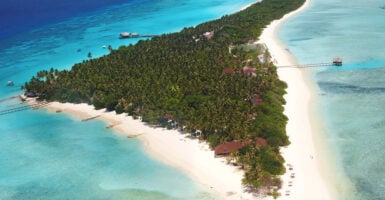
Islands That Defy Geography
Some places refuse to follow the rules. They sit where they shouldn’t, exist in ways that make no sense, and challenge everything you thought you knew about how the world works.
These islands didn’t get the memo about staying put or playing nice with the laws of nature.
Surtsey
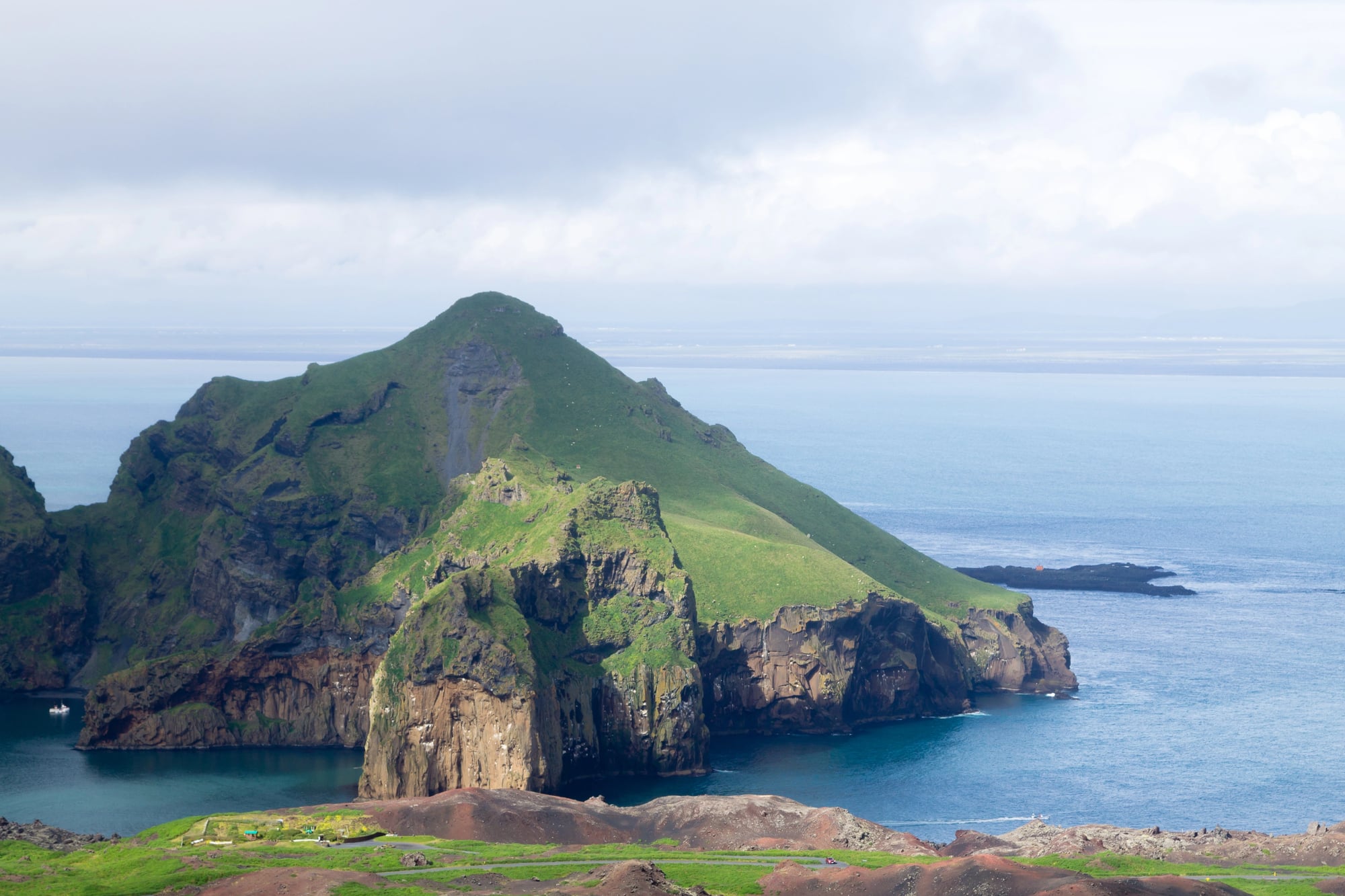
Four years. That’s how long it took Surtsey to rise from the ocean floor and become Iceland’s newest island.
In 1963, fishermen watched the sea explode into steam and ash as an underwater volcano decided to build itself a platform. By 1967, it was done — a brand-new piece of land where there had been nothing but water.
The island keeps shrinking. Waves eat away at its edges while scientists document every change.
Most volcanic islands take millennia to form, but Surtsey did it during the Beatles era.
Socotra
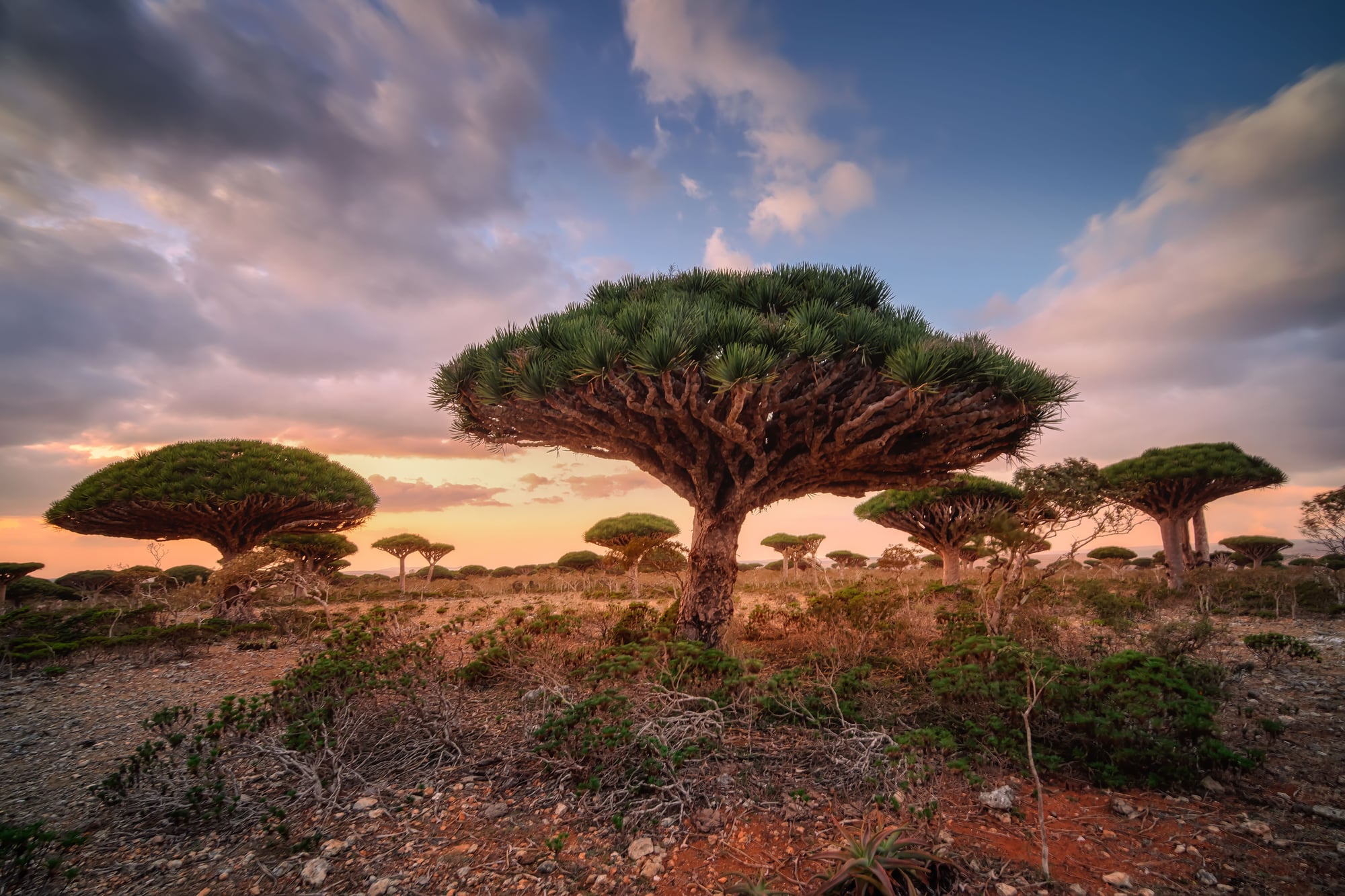
Picture an alien planet, then drop it in the Indian Ocean. That’s Socotra.
One-third of its plants exist nowhere else on Earth — evolution went rogue here and created its own rule book.
Dragon blood trees look like giant umbrellas turned inside out (and they actually draw out red resin when cut, which explains the dramatic name), while bottle trees bulge at the base like they’re storing water for the apocalypse. The island broke away from Arabia so long ago that everything had time to become wonderfully, impossibly strange.
And yet this isn’t some remote speck — it’s part of Yemen, though it feels like it drifted in from another galaxy entirely. So when you see photos of Socotra’s landscapes, your brain keeps insisting they’ve been digitally altered.
They haven’t.
Manhattan
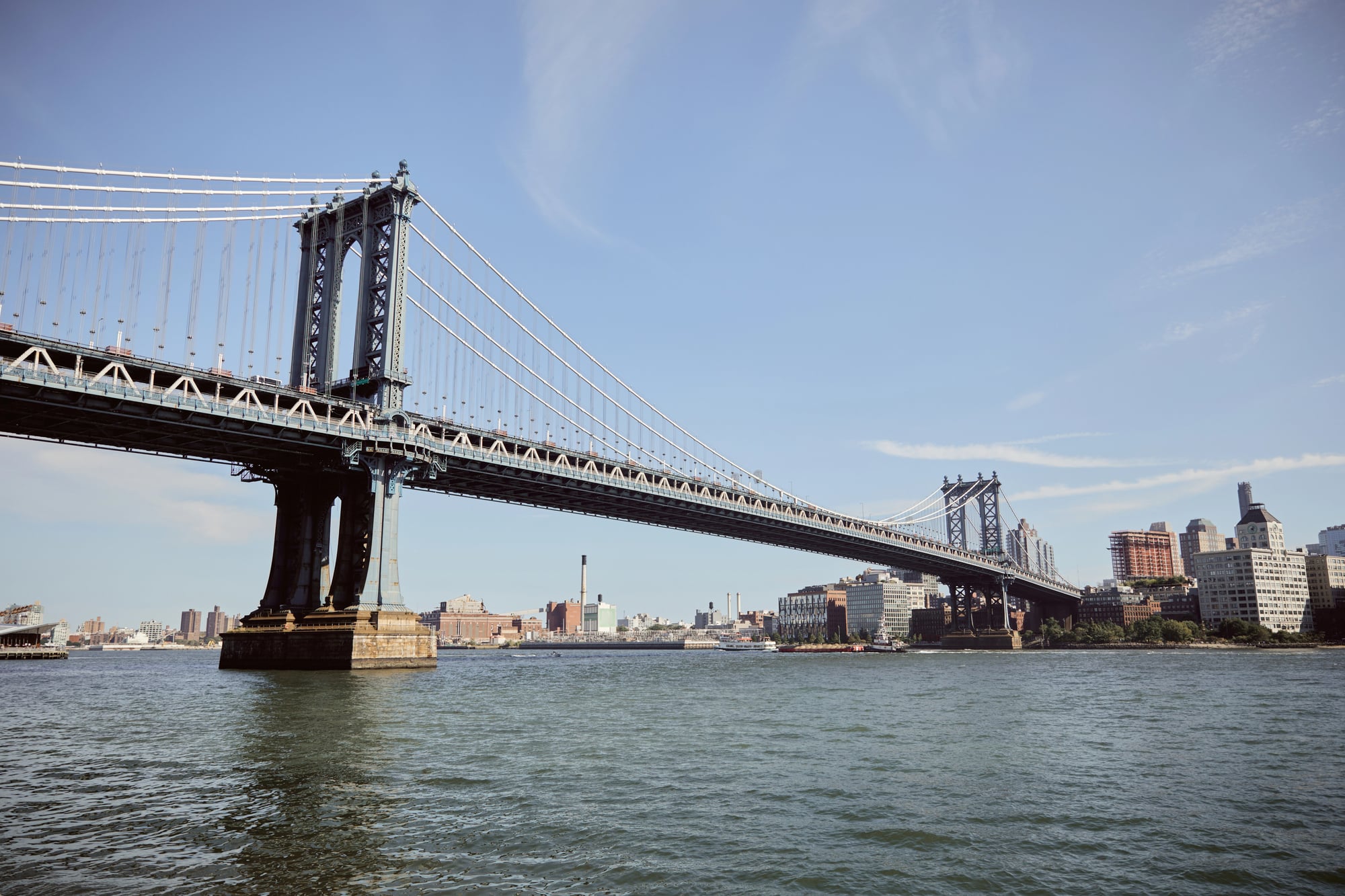
Rock doesn’t usually make for prime real estate, but Manhattan’s bedrock turned out to be its greatest asset. The island sits on some of the hardest schist and granite on the continent — which is the only reason skyscrapers can stand here without sinking into the mud.
The geography gets stranger when you consider that this narrow strip of rock became the financial center of the world. Islands are supposed to be isolated, cut off, peripheral.
Manhattan flipped that script and made itself the center of everything.
Easter Island
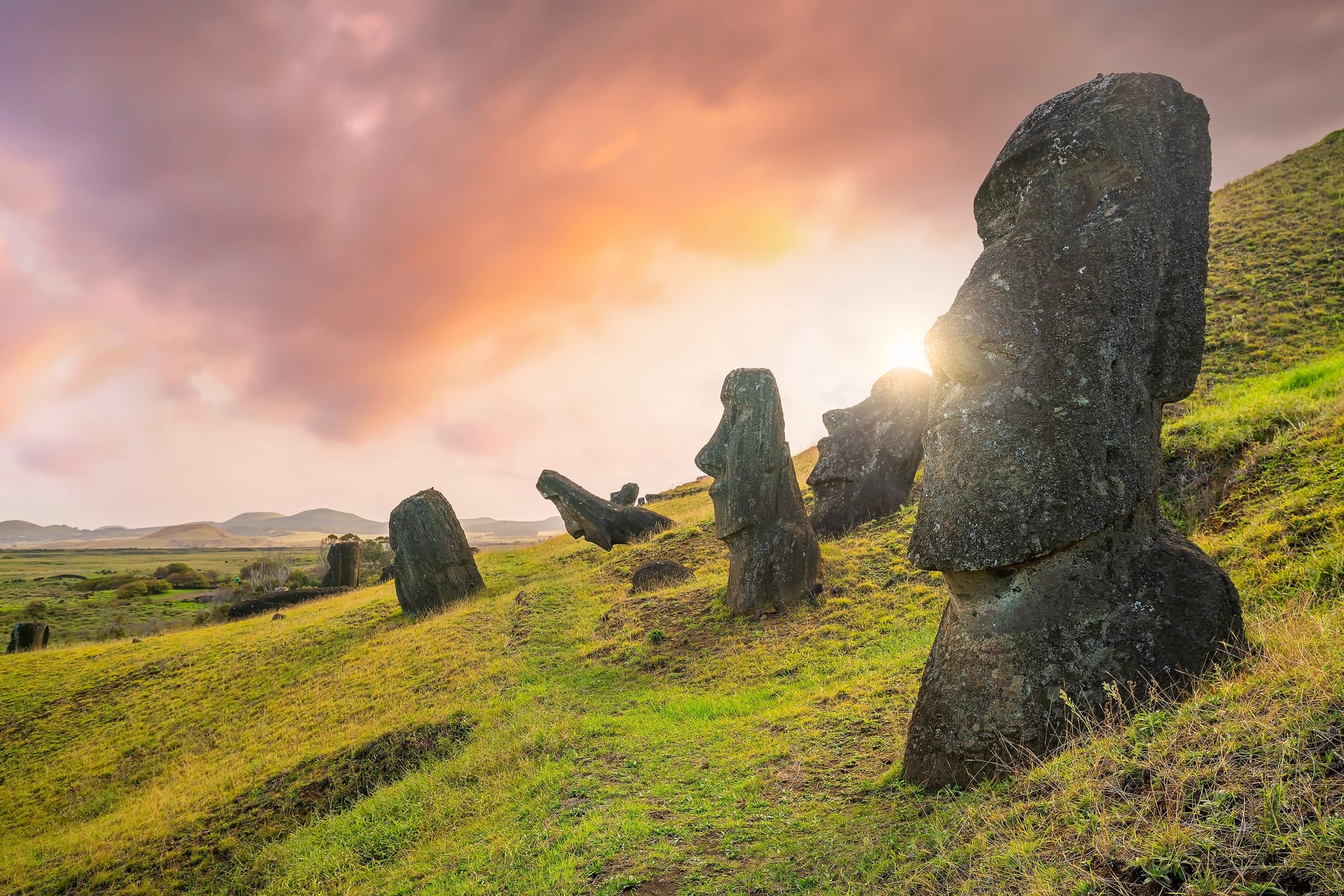
There’s something unsettling about a place that exists in such profound isolation. Easter Island sits 2,300 miles from the nearest populated land — farther from anywhere than almost any other inhabited place on Earth.
It’s like someone took a small chunk of Polynesia and flung it toward South America, then forgot about it.
The moai statues stare inland, not out to sea, which feels backwards for an island culture. Most islands look outward, toward the horizon and the possibility of visitors or escape.
Easter Island’s giants turn their backs on the ocean, as if the islanders gave up on the outside world entirely. Maybe they had to — when your nearest neighbors are over 1,000 miles away, you learn to look inward.
The island’s isolation becomes almost philosophical when you stand there. It forces a reckoning with the idea of “remote” that most places can’t match.
Venice
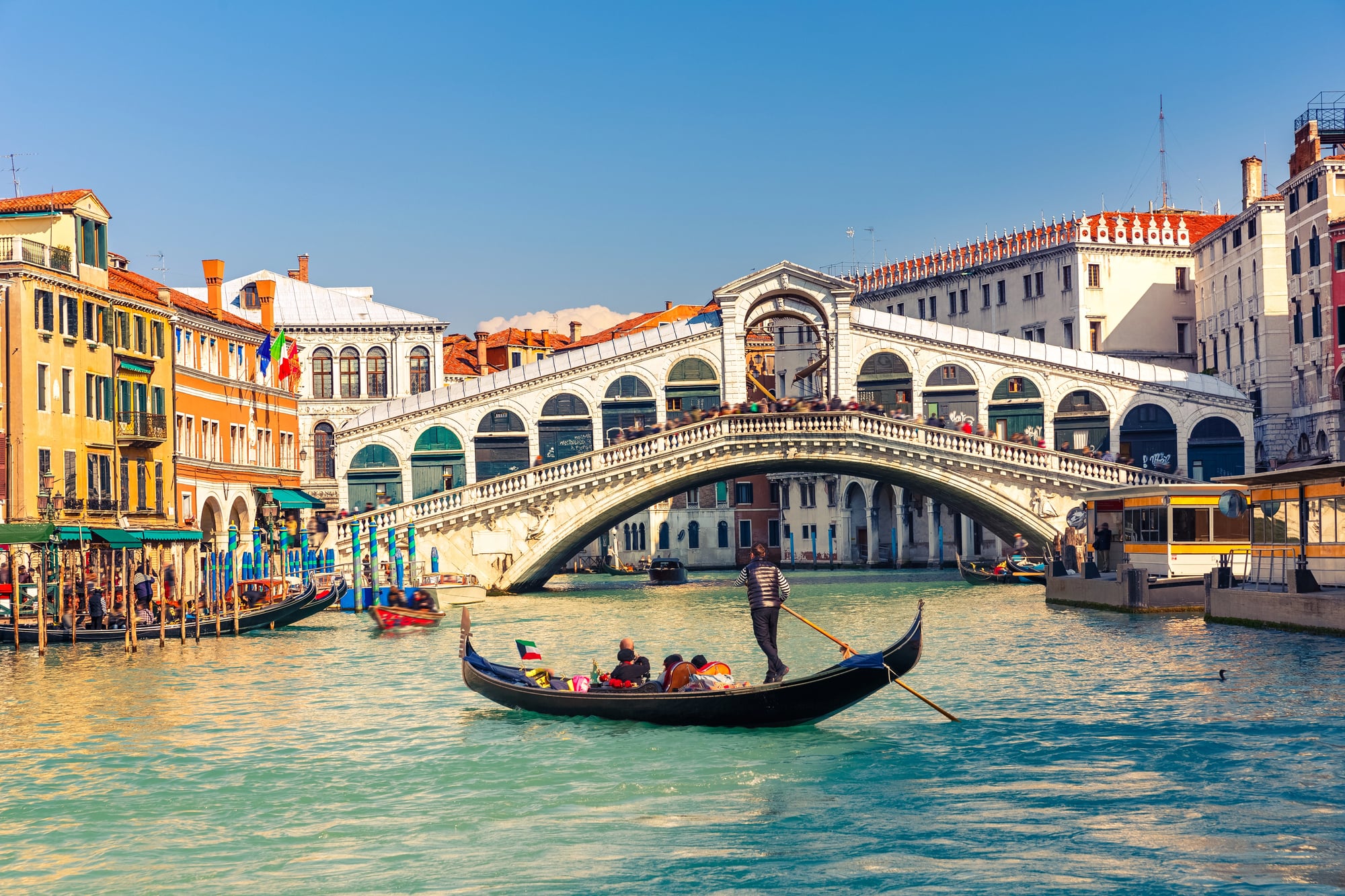
Venice shouldn’t work. Building a city on a lagoon sounds like the kind of idea that gets abandoned after the first high tide, but here it is, over 1,500 years later, still floating.
The whole thing rests on millions of wooden posts driven into the muddy bottom. Wood underwater doesn’t rot — it turns hard as stone.
The Venetians figured this out in the 5th century and just kept building upward. Every palace, every church, every tourist trap sits on an underwater forest of tree trunks.
The city floods regularly now, but that’s almost beside the point. Venice proved you could build on water if you were stubborn enough.
Alcatraz
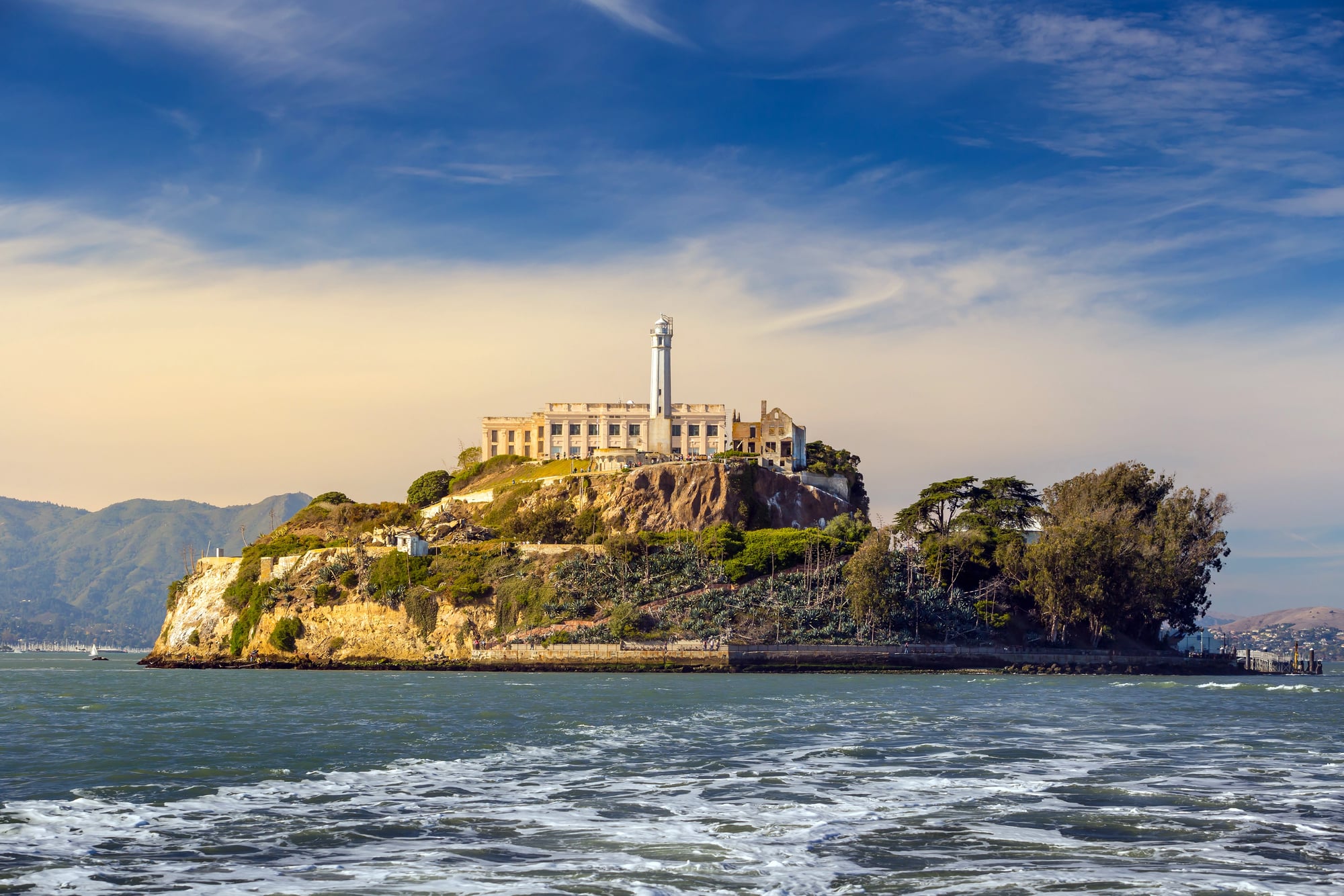
A rock in San Francisco Bay became America’s most notorious prison mostly because of what it wasn’t. It wasn’t connected to anything, wasn’t hospitable, wasn’t meant for human habitation.
The water around it was too cold and the currents too strong for anyone to swim to shore.
But here’s the thing about islands — they work both ways. What keeps people in also keeps people out (and in 1969, Native American activists occupied Alcatraz for 19 months, turning the island’s isolation into a statement about sovereignty and forgotten treaties).
The same geographic feature that made it perfect for holding prisoners made it perfect for making a point that couldn’t be ignored. An island prison became an island of protest.
Geography stayed the same, but the meaning flipped completely.
Hashima Island
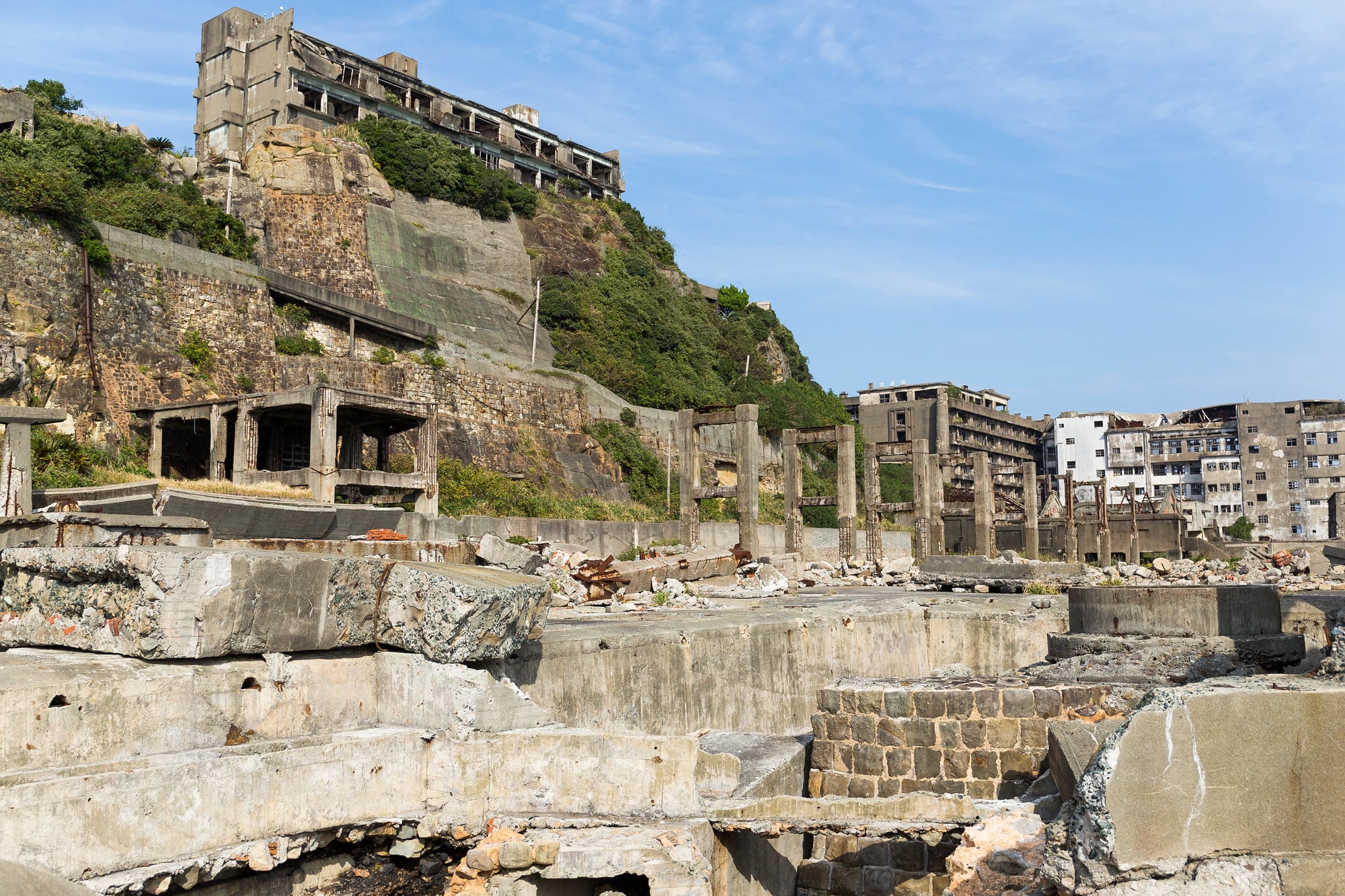
Concrete doesn’t belong in the middle of the ocean, but Hashima Island is almost entirely artificial. Built to house coal miners, the island became the most densely populated place on Earth — over 13,000 people crammed onto 16 acres of rock and concrete.
When the coal ran out in 1974, everyone left. The island went from bustling city to complete abandonment in a matter of months.
Now it sits empty, a concrete ghost town surrounded by water. Most islands outlast the people who live on them, but Hashima was so tied to its single purpose that it died when the coal did.
The buildings are collapsing into the sea. In another century, there might be nothing left but the original rock underneath.
Mont-Saint-Michel
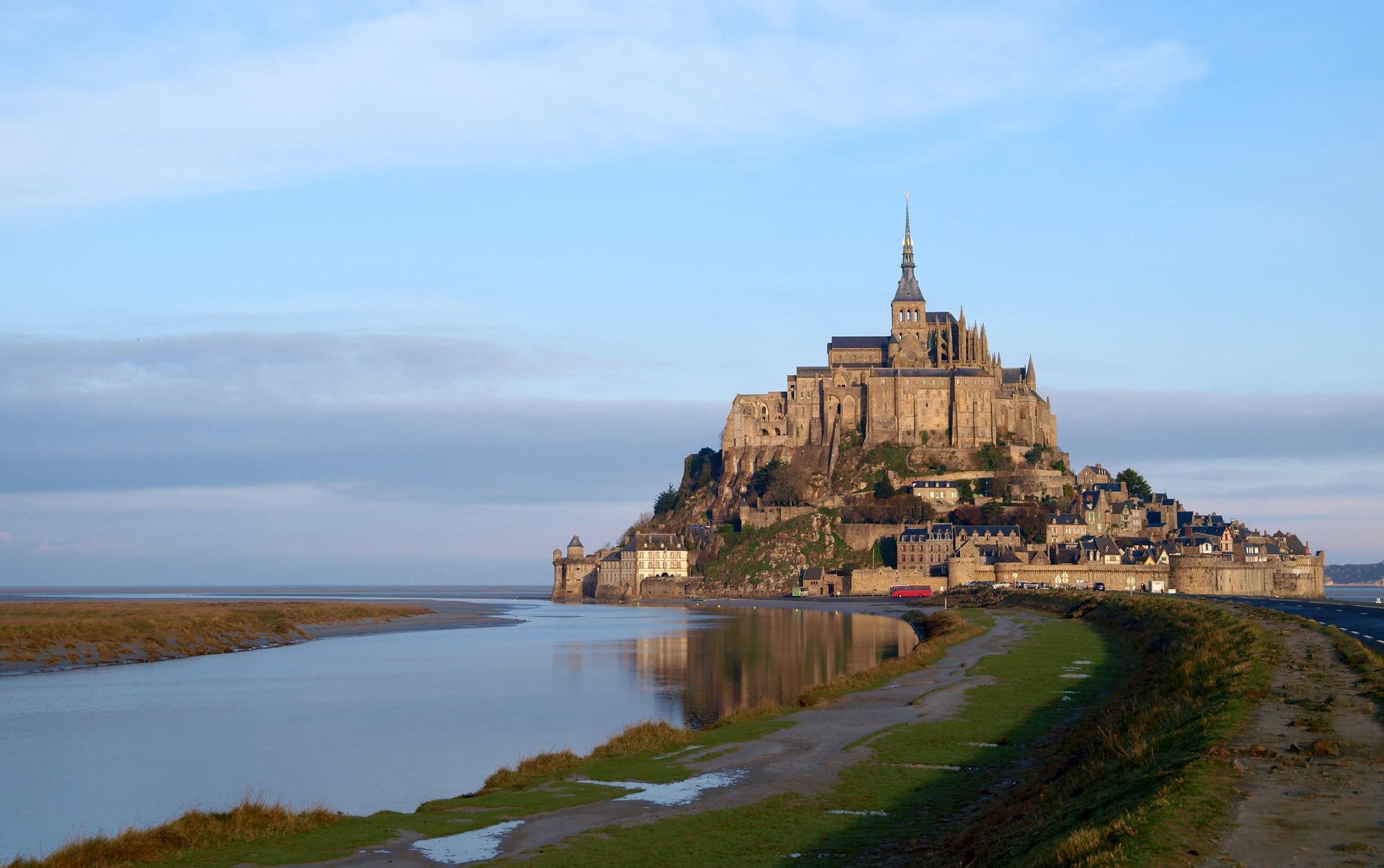
The tide here doesn’t mess around. Twice a day, Mont-Saint-Michel transforms from an island into a peninsula and back again — and the water moves fast enough to outrun a galloping horse, according to local warnings (which might be medieval exaggeration, but locals still take the tides seriously enough to post warning signs).
The abbey sits on top of the rock like a crown, built higher with each century as if the monks were trying to get as far from the shifting shoreline as possible.
When the tide is out, you can walk across the sand flats, but you better know the schedule. When it’s in, Mont-Saint-Michel becomes what it was meant to be — a fortress surrounded by water, accessible only by the causeway that connects it to the mainland.
The geography here operates on a 12-hour cycle, and it doesn’t wait for anyone.
Singapore
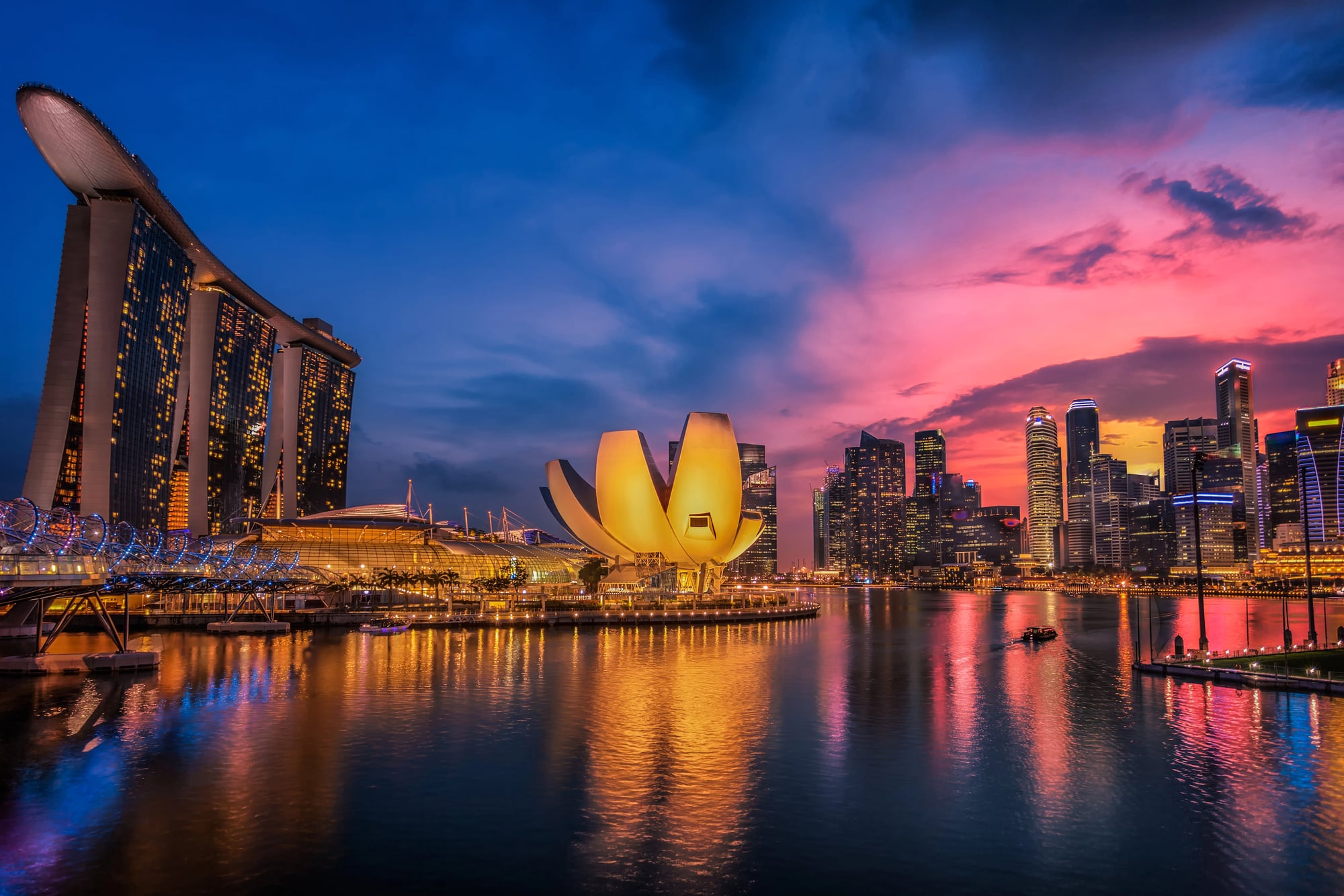
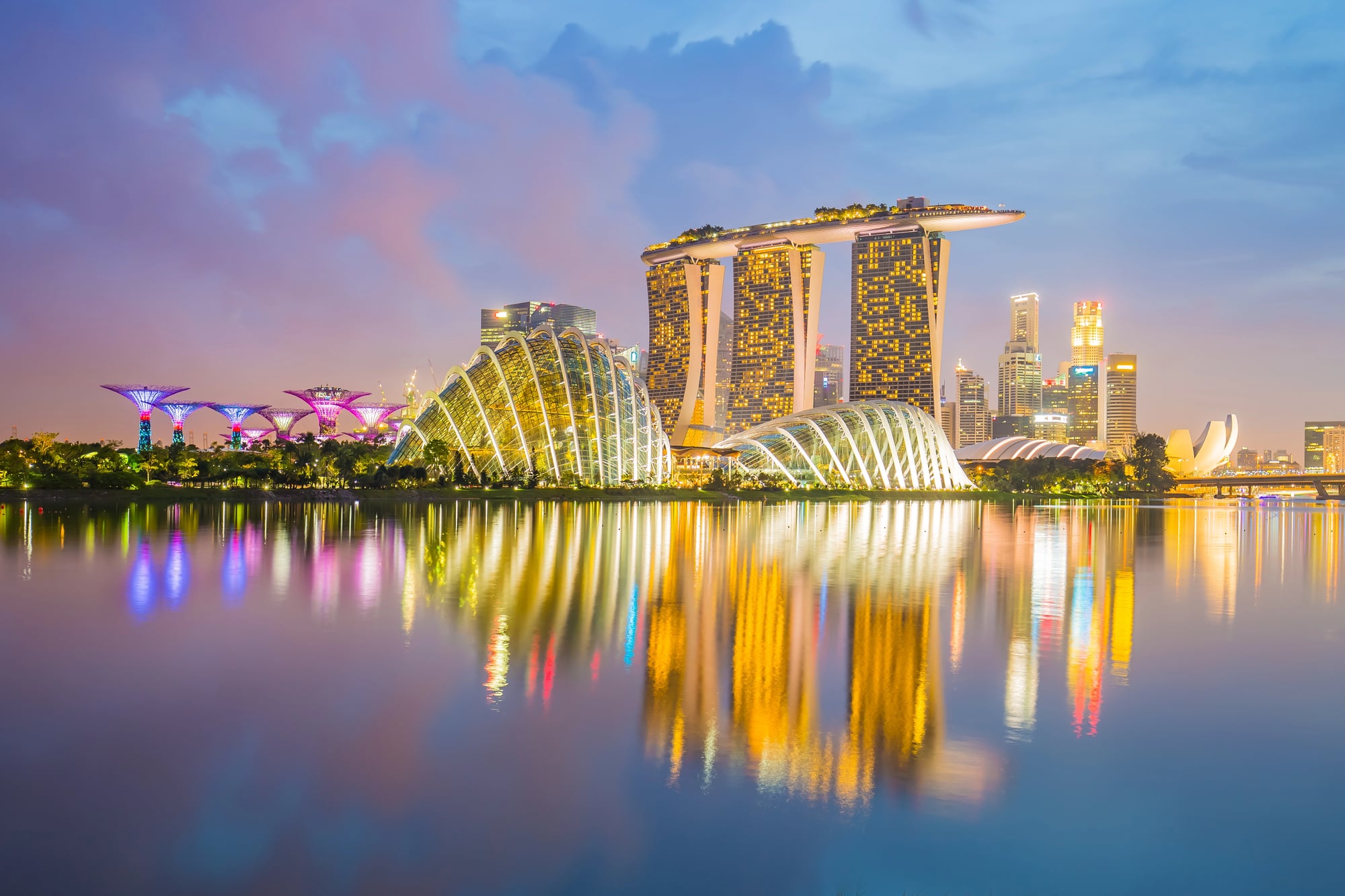
Small islands aren’t supposed to become global powerhouses, but Singapore ignored that rule completely. With no natural resources and barely enough land for its population, the island-nation decided to become indispensable instead.
The secret was location. Singapore sits at the narrowest point of the Strait of Malacca, where half the world’s trade has to pass through.
The island positioned itself as the place where ships stop to refuel, restock, and exchange cargo. Geography gave Singapore a chokepoint, and it turned that chokepoint into prosperity.
The island keeps expanding through land reclamation. When you run out of space, you make more space.
Singapore has grown by approximately 50-55 square miles since independence in 1965, mostly by dumping sand and rock into the sea.
Madagascar
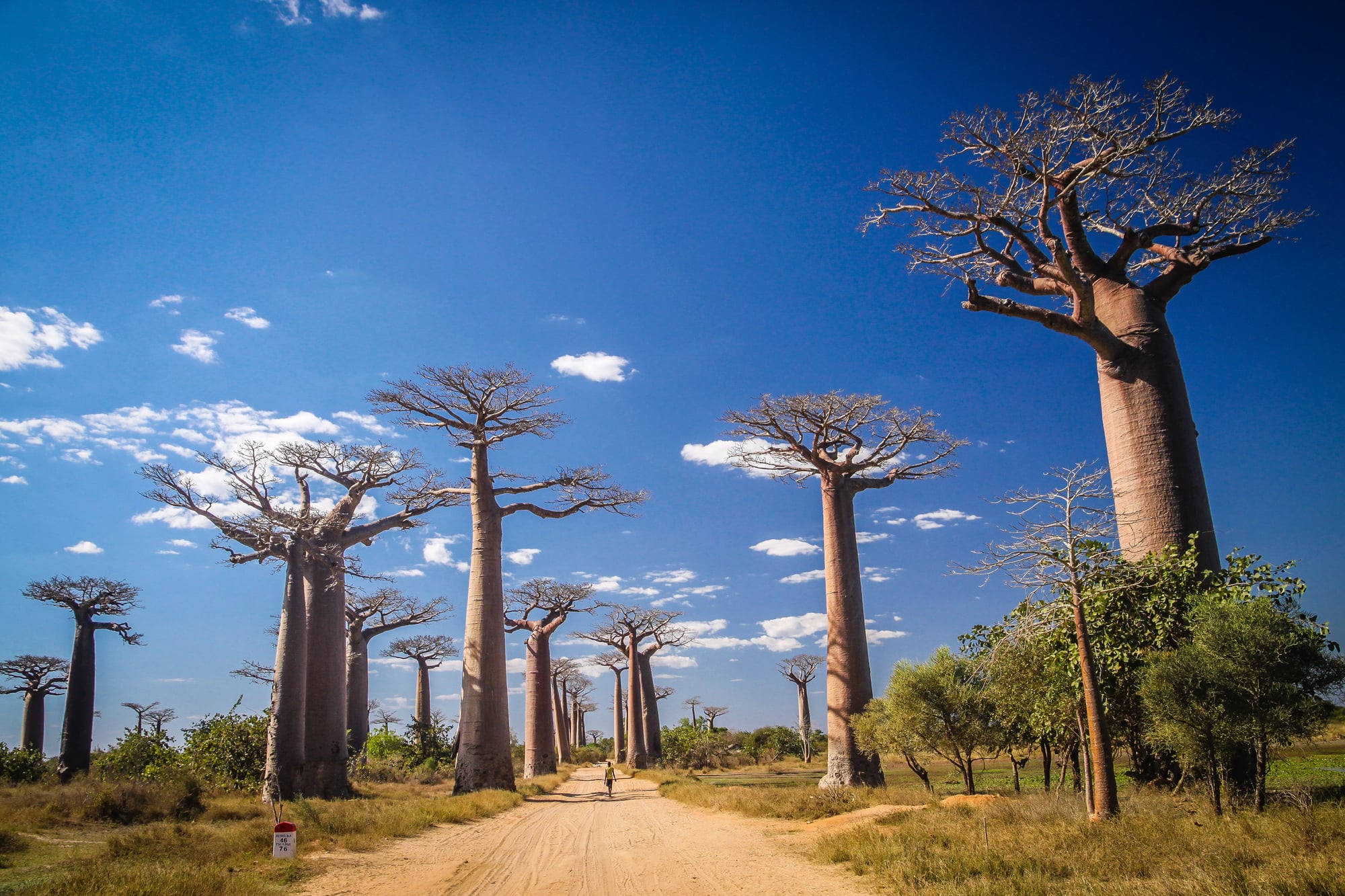
Madagascar broke away from Africa 180 million years ago and decided to evolve separately from everything else. Ninety percent of its wildlife exists nowhere else — lemurs, fossas, baobab trees that look like they’re growing upside down.
The island is big enough to be its own continent but technically isn’t. It’s close enough to Africa to share some history but far enough away to be completely different.
Madagascar occupies this strange middle ground where it’s too big to be a typical island but too isolated to be part of anything else.
Flying over the Mozambique Channel, you can see how the coastlines of Madagascar and Africa almost fit together like puzzle pieces. The break happened so long ago that the two sides had time to become strangers.
Rapa Nui
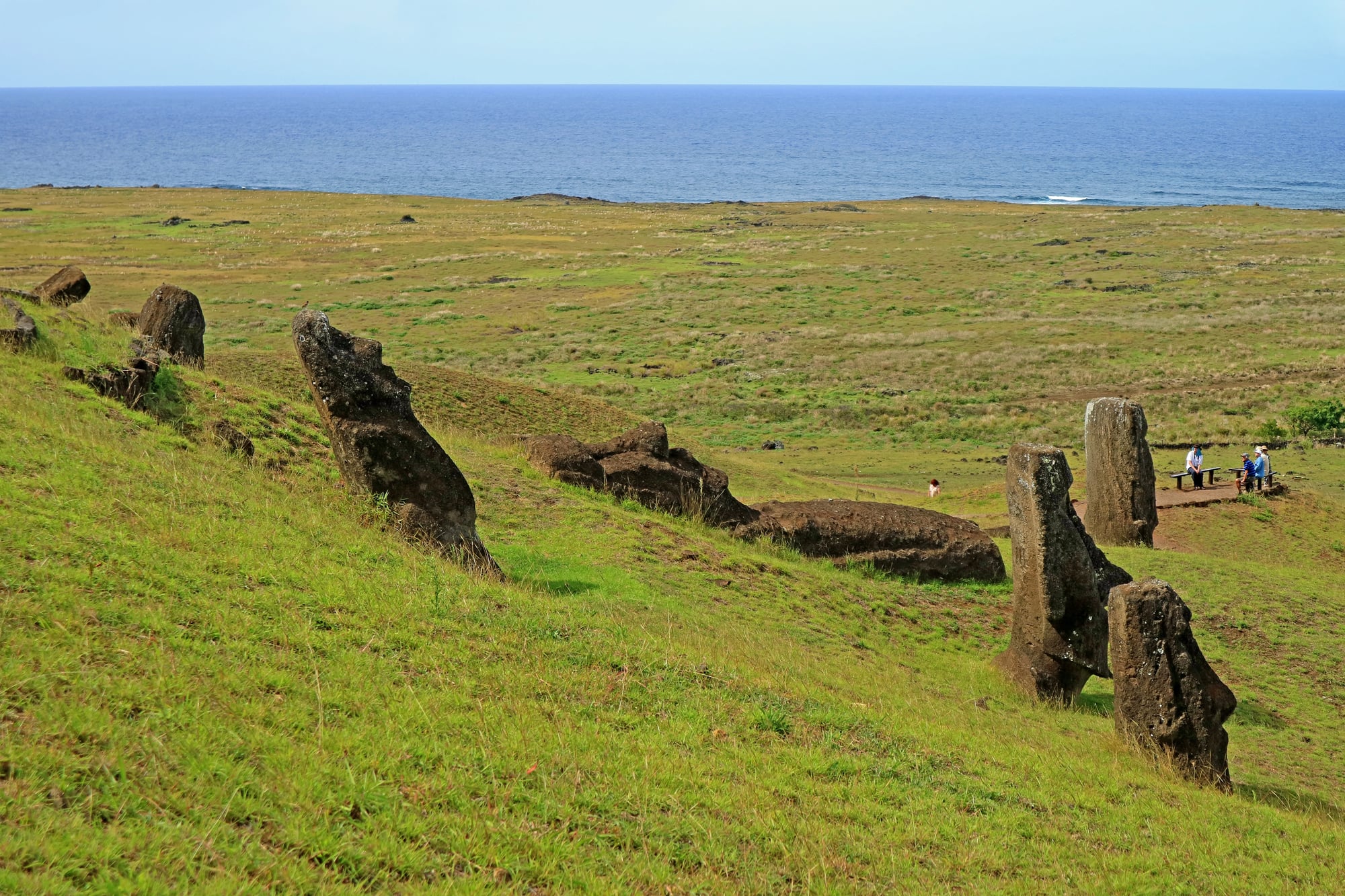
The ocean here extends beyond every horizon, unbroken and absolute. Rapa Nui (Easter Island) exists in a kind of geographic loneliness that’s hard to comprehend unless you’ve stood on its cliffs and seen nothing but water stretching to the curve of the Earth.
The islanders created something monumental in response to this isolation — nearly 900 moai scattered across the landscape, each one a stone declaration that people lived here, mattered here, refused to be forgotten despite the emptiness around them. The statues face inland because the ocean held no answers.
Everything important was here, on this small piece of land floating in the Pacific.
The island’s isolation is so complete that it becomes a meditation on what it means to be cut off from the world. Most places exist in relationship to other places.
Rapa Nui exists in relationship to itself.
Faroe Islands
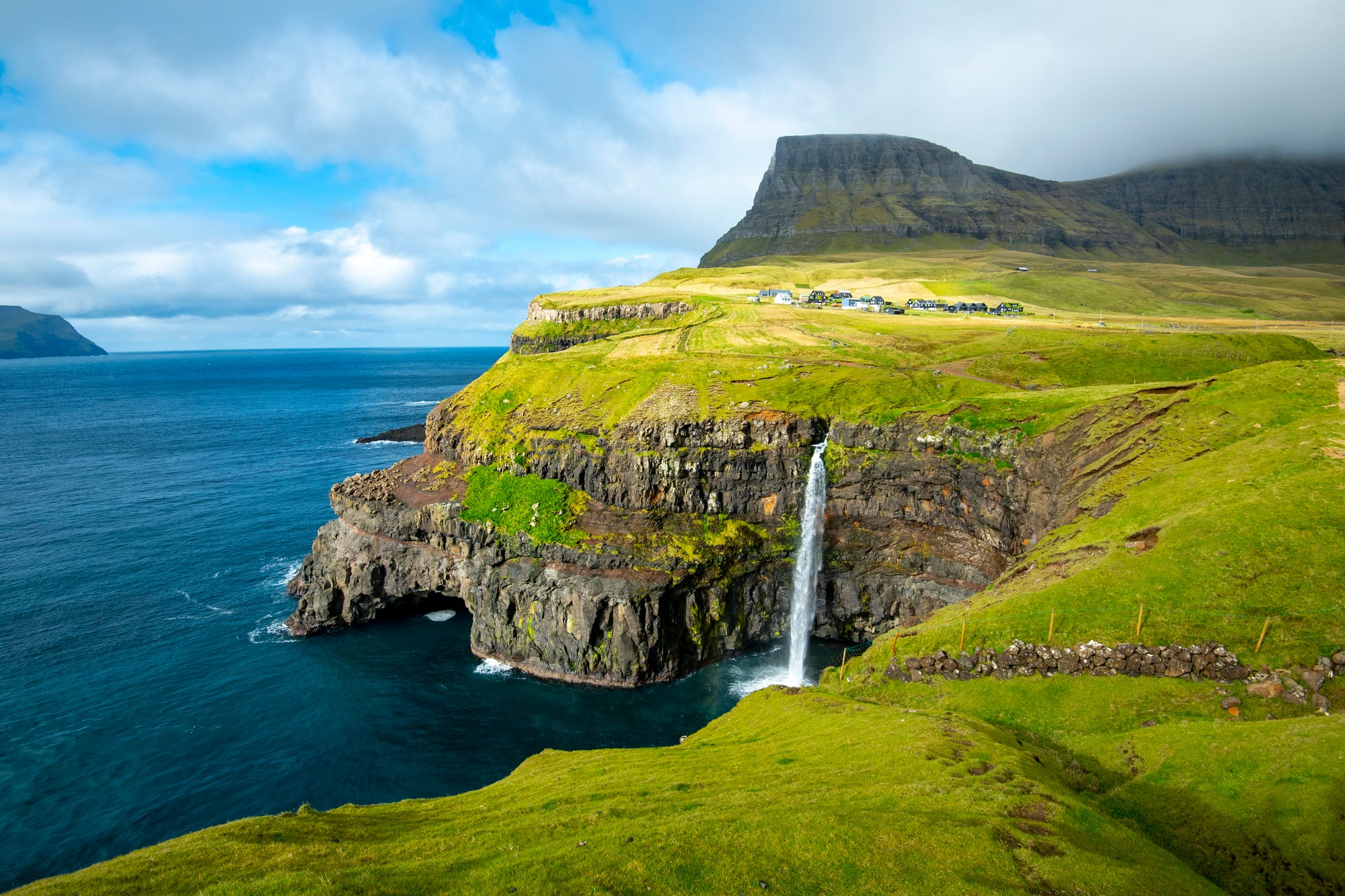
Eighteen islands scattered in the North Atlantic like someone tossed a handful of green stones into grey water. The Faroe Islands sit halfway between Iceland and Scotland, which means they get the worst weather from both directions.
The landscape here defies the idea of what islands should look like — instead of beaches and palm trees, you get vertical cliffs, waterfalls that blow upward in the wind, and grass-roof houses that seem to grow out of the hillsides.
Sheep outnumber people by about three to one, and they’ve learned to graze on slopes so steep that walking on them requires mountaineering skills.
The islands are connected by tunnels that run under the ocean floor. When traveling between islands means driving through underwater tubes blasted through solid rock, you know the geography refused to make things easy.
Tristan Da Cunha
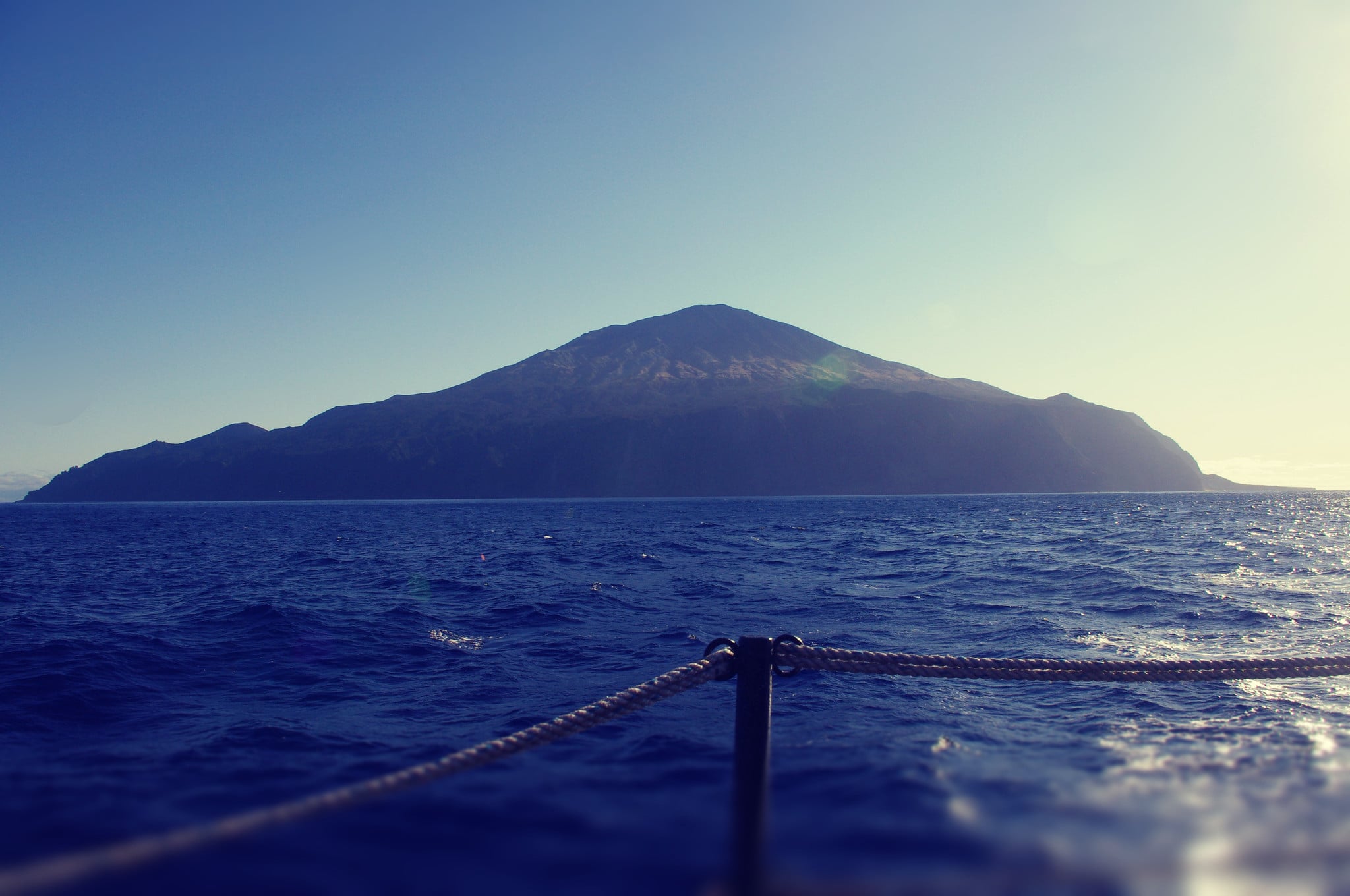
The most remote inhabited island in the world doesn’t advertise that fact — it just quietly exists 1,500 miles from the nearest land, population 250, no airport. Everyone who lives here shares one of seven family names because the island was settled by seven families in the 1800s, and isolation has a way of keeping the gene pool small.
The island has one settlement, one school, one hospital, and one way in or out — a boat that comes maybe six times a year if the weather cooperates. The South Atlantic doesn’t cooperate often.
Tristan da Cunha represents the extreme end of island living, where remoteness isn’t a feature or a problem — it’s just the fundamental condition of existence.
When the island’s volcano erupted in 1961, the entire population had to be evacuated to England. Most came back two years later.
Turns out, when you’re from the most isolated place on Earth, everywhere else feels crowded.
When Geography Becomes Destiny
These islands prove that location isn’t everything — it’s the only thing that matters and nothing that matters, depending on how you use it. Some turned isolation into innovation, others made limitations into advantages.
A few simply existed so far outside the normal rules that they had to write their own.
The best part about islands that defy geography is how they force you to reconsider what’s possible. Manhattan showed that a rocky outcrop could become the center of the world.
Venice proved you could build a city on water. Surtsey demonstrated that islands could appear fully formed within a human lifetime.
Each one represents a different answer to the question of how to exist in an impossible place.
More from Go2Tutors!

- The Romanov Crown Jewels and Their Tragic Fate
- 13 Historical Mysteries That Science Still Can’t Solve
- Famous Hoaxes That Fooled the World for Years
- 15 Child Stars with Tragic Adult Lives
- 16 Famous Jewelry Pieces in History
Like Go2Tutors’s content? Follow us on MSN.