18 Plants That Disappeared Due to Human Activity
Throughout history, humans have dramatically altered the natural world, and unfortunately, many plant species have paid the ultimate price. While extinction is a natural process that’s been happening for millions of years, the rate at which we’re losing plant species has accelerated dramatically since humans started clearing forests, building cities, and introducing invasive species to new environments. Some of these lost plants were incredibly unique, with properties and characteristics we’ll never fully understand.
The tragedy of plant extinction goes beyond just losing pretty flowers or interesting trees. Each vanished species represents lost potential for medicine, food, materials, and ecological balance that we can never recover. Here is a list of 18 plants that disappeared due to human activity.
Saint Helena Olive

The Saint Helena olive was one of the rarest trees on Earth before it vanished completely in the early 2000s. This small tree was found only on the remote island of Saint Helena in the South Atlantic, where it struggled against habitat destruction and competition from introduced goats and other invasive species.
The last known individual died despite conservation efforts, marking the end of a species that had survived on the island for thousands of years. Scientists had been working desperately to propagate the tree from cuttings, but their efforts ultimately failed.
Cry Violet
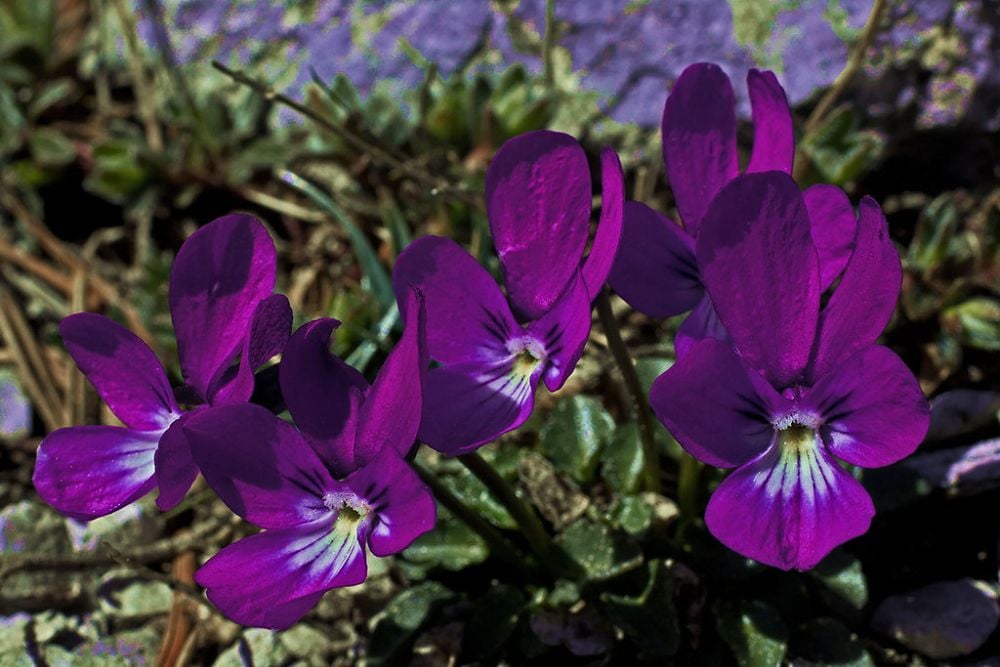
Tasmania’s cry violet earned its name from the tears conservationists shed when they realized it was gone forever. This delicate purple flower disappeared in the 1930s after European settlers cleared its native grassland habitat for agriculture and livestock grazing.
The plant was so rare that botanists only collected a handful of specimens before it vanished, leaving us with limited knowledge about its biology and ecology. Its extinction represents the loss of an entire evolutionary lineage that had adapted specifically to Tasmania’s unique climate and soil conditions.
Like Go2Tutors’s content? Follow us on MSN.
Wood’s Cycad
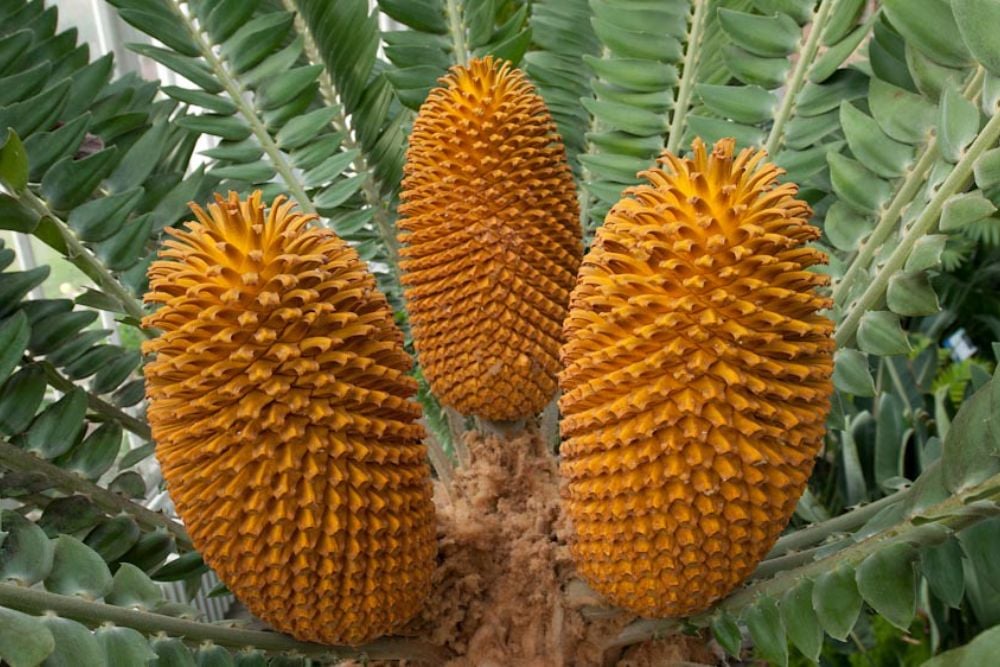
South Africa’s Wood’s cycad holds the unfortunate distinction of being one of the rarest plants ever discovered, with only one individual ever found in the wild. European plant collectors discovered this prehistoric-looking specimen in 1895, but overzealous collecting and habitat destruction wiped out the species before scientists could study it properly.
The single known plant now sits preserved in a botanical garden, but without genetic diversity, the species is functionally extinct. This cycad represented a living link to ancient plant evolution, making its loss particularly tragic for understanding botanical history.
Franklinia
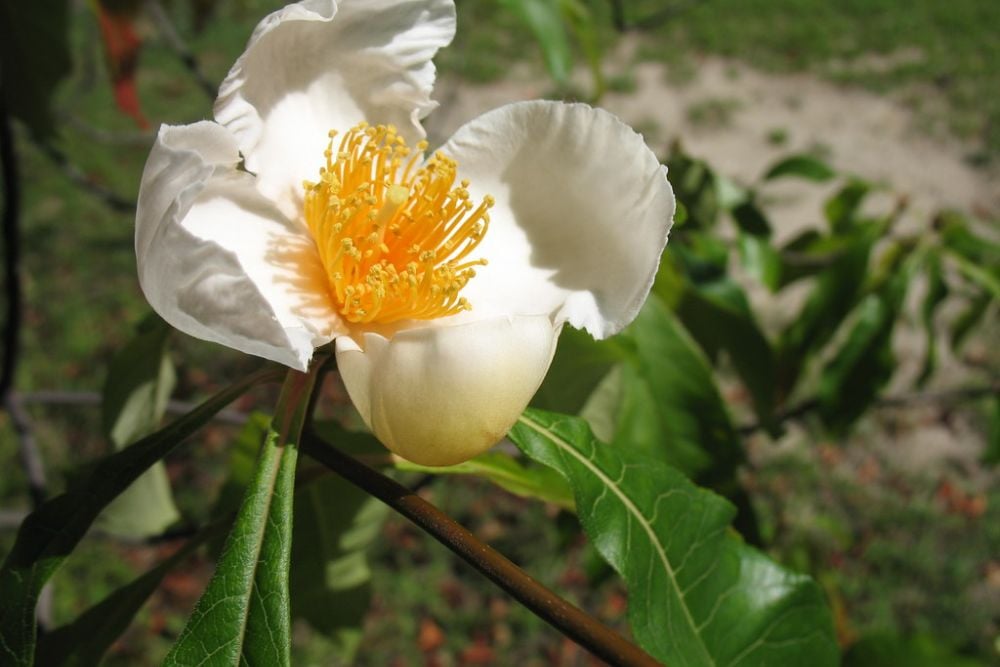
The Franklinia tree disappeared from the wild in Georgia around 1803, though it survives today only because botanists had the foresight to collect seeds and cultivate it in gardens. This beautiful flowering tree fell victim to land clearing for cotton plantations and possibly disease, vanishing from its native habitat along the Altamaha River. All existing Franklinia trees today descend from those original collected specimens, making them genetic clones with limited diversity. The species serves as both a conservation success story and a reminder of what we almost lost forever.
Judean Date Palm
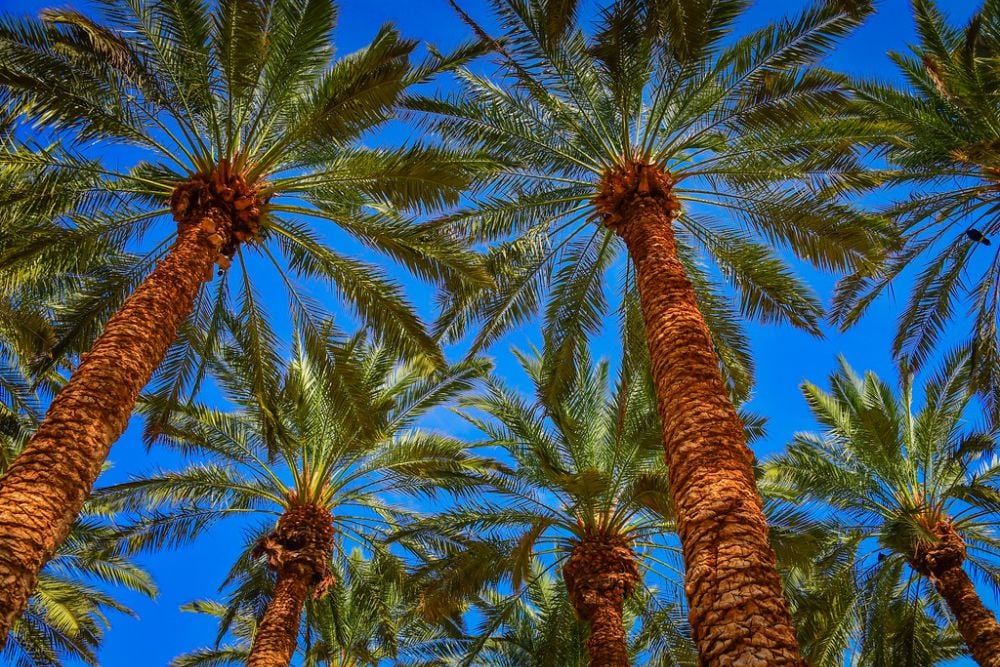
The Judean date palm vanished from its Middle Eastern homeland around 1,000 years ago due to warfare, habitat destruction, and climate change. This ancient variety was famous throughout the Roman Empire for producing exceptionally sweet and large dates that were considered a delicacy.
The species seemed lost to history until archaeologists discovered 2,000-year-old seeds in Masada, which scientists amazingly managed to germinate in 2005. These resurrected palms are now growing in Israel, offering hope that this biblically significant tree might return to its native landscape.
Like Go2Tutors’s content? Follow us on MSN.
Silphium

Ancient Romans valued silphium so highly that they put it on their coins, but their enthusiasm for this wonder plant ultimately led to its extinction. This North African herb was used as everything from seasoning to birth control, making it worth its weight in gold throughout the Mediterranean world.
Overharvesting combined with the plant’s apparent inability to be cultivated elsewhere doomed silphium to disappear by the first century CE. Modern botanists still debate which existing plant might be related to silphium, but the original variety with all its remarkable properties is gone forever.
Toromiro Tree

Easter Island’s toromiro tree couldn’t survive the environmental collapse that devastated this remote Pacific island. The Polynesian settlers who arrived around 800 CE gradually deforested the entire island, using trees for canoes, houses, and the famous stone statues.
The last wild toromiro died in the 1960s, though botanists had collected seeds that now grow in botanical gardens around the world. Efforts are underway to reintroduce cultivated toromiro trees back to Easter Island, but the original wild population and its genetic diversity are lost forever.
Saint Helena Redwood
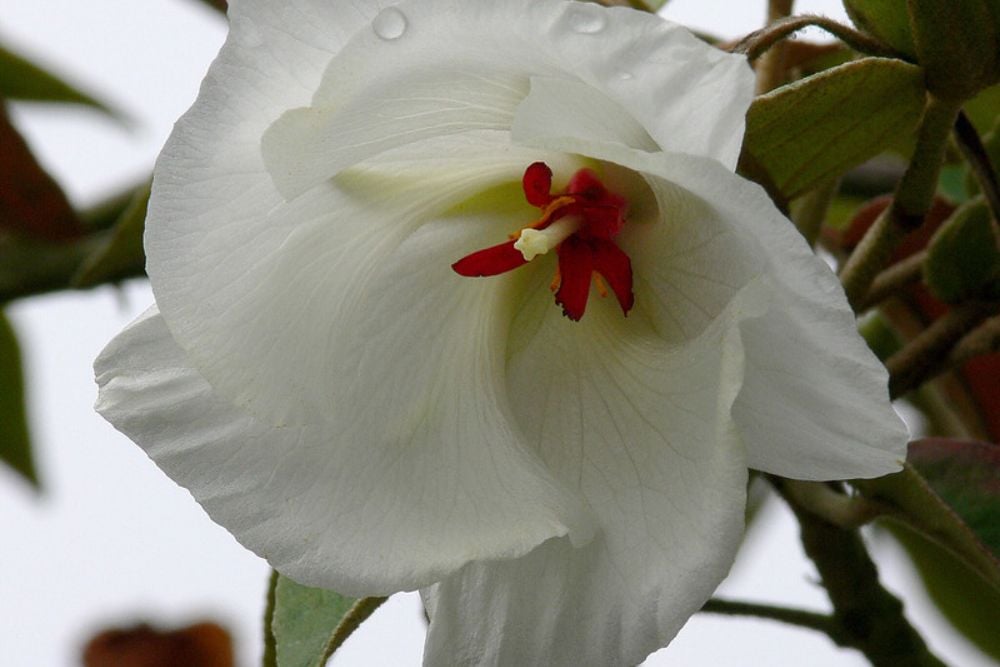
The Saint Helena redwood was wiped out by the same forces that claimed the island’s olive tree — invasive species and habitat destruction. This unique tree was found nowhere else on Earth except the windswept peaks of Saint Helena, where it had evolved in isolation for millions of years.
European colonization brought goats, pigs, and other animals that destroyed the native vegetation, while introduced plants crowded out the remaining redwoods. The species officially went extinct in 1875, taking with it another irreplaceable piece of the island’s endemic flora.
Like Go2Tutors’s content? Follow us on MSN.
Banded Trinity
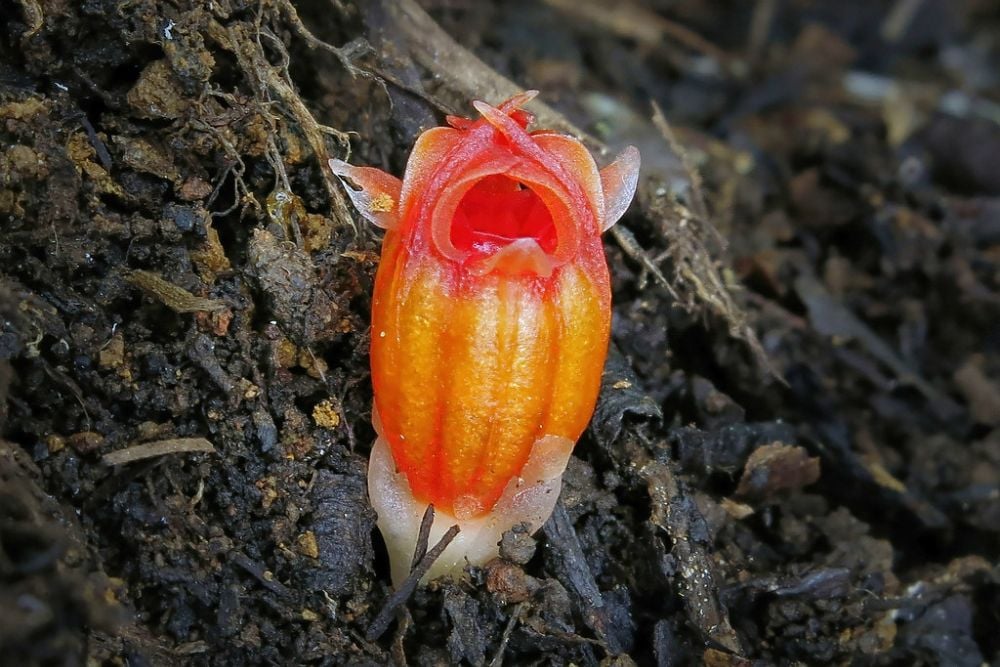
Texas lost its banded trinity flower to urban development and agriculture in the Dallas area during the early 1900s. This delicate member of the lily family bloomed briefly each spring in the blackland prairies that once covered much of north-central Texas.
As farmers converted the prairie to cotton fields and cities expanded outward, the banded trinity’s specialized habitat disappeared acre by acre. The last confirmed sighting occurred in 1937, marking the end of a species that had graced Texas prairies for thousands of years.
Stenogyne Kanehoana

Hawaii’s Stenogyne kanehoana fell victim to the same invasive species that have devastated much of the island’s native flora. This small shrub with distinctive white flowers survived on Oahu until the 1990s, when feral pigs and invasive plants finally overwhelmed its last remaining habitat.
The species had already been reduced to just a few individuals when scientists first discovered it, making conservation efforts nearly impossible. Its extinction represents part of the ongoing ecological catastrophe that has made Hawaii the extinction capital of the United States.
Aldabra Banded Snail Tree
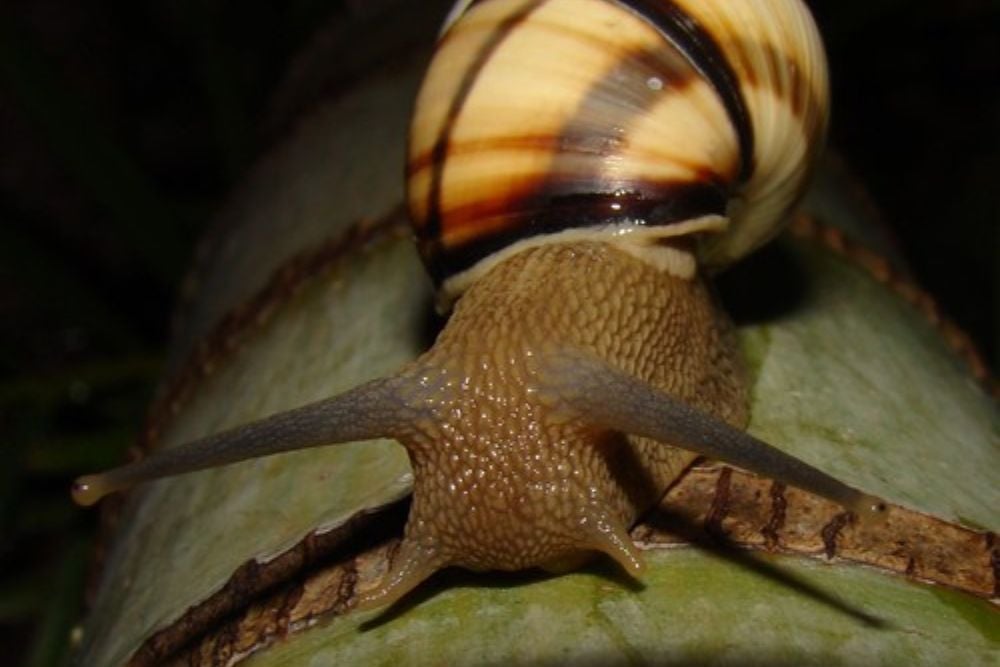
The Aldabra banded snail tree disappeared from the Seychelles due to habitat destruction and possibly climate change. This small tree was known only from a few specimens collected in the early 1900s, and efforts to relocate it in the wild have been unsuccessful.
The species likely succumbed to the same pressures affecting many Indian Ocean islands — introduced species, development, and changing weather patterns. Its loss highlights how little we knew about many island species before they vanished, leaving us with more questions than answers about their biology and ecological role.
Like Go2Tutors’s content? Follow us on MSN.
Rocky Mountain Locoweed

Colorado’s Rocky Mountain locoweed couldn’t adapt quickly enough to human-caused changes in its high-altitude environment. This hardy plant had survived ice ages and dramatic climate shifts over thousands of years, but mining, grazing, and recreational development proved too much for its limited populations.
The species was last seen in the 1980s despite searches by botanists who recognized its precarious situation. Its extinction shows that even though, cold-adapted plants aren’t immune to the rapid pace of human-driven environmental change.
Saint John’s Bread
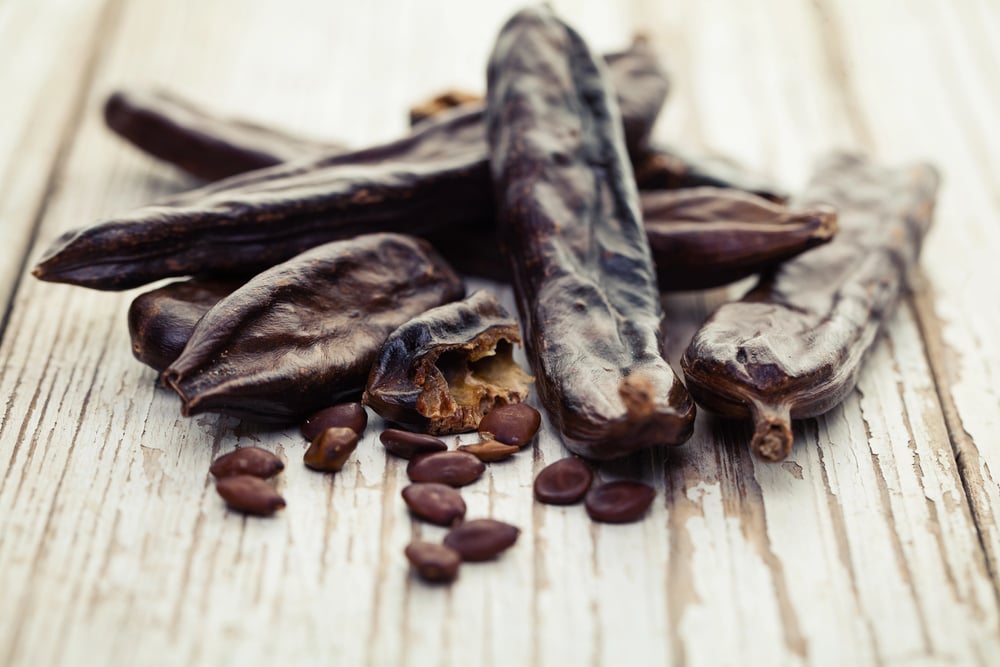
Jamaica’s Saint John’s bread tree fell victim to deforestation and hurricane damage and its small population couldn’t survive. This endemic species was restricted to a tiny area of the island’s mountains, making it extremely vulnerable to any disturbance.
Clearing land for agriculture and coffee plantations reduced its habitat to just a few acres before hurricanes delivered the final blow. The species was declared extinct in the 1950s, representing another loss from Jamaica’s remarkably diverse but threatened flora.
Clermontia Peleana

Another Hawaiian casualty, Clermontia peleana disappeared from the Big Island due to cattle grazing and invasive plant species. This shrub produced beautiful tubular flowers that were specifically adapted to pollination by native Hawaiian birds, creating a co-evolutionary relationship that lasted for millions of years.
When cattle trampled the native forests and exotic weeds moved in, both the plant and its specialized pollinators suffered. The last individual died in 1985, breaking an ancient ecological partnership that can never be restored.
Like Go2Tutors’s content? Follow us on MSN.
Lysimachia Maxima

The Big Island of Hawaii also lost Lysimachia maxima, a striking plant with yellow flowers that grew only in wet forest areas. Feral pigs rooting through the forest floor destroyed the seedlings and young plants, while invasive species crowded out the adults.
The species was already extremely rare when scientists first described it, with fewer than 50 individuals ever documented in the wild. Its extinction in the 1990s was part of Hawaii’s ongoing botanical crisis, where native species disappear faster than scientists can study them.
Hibiscus Brackenridgei

While not completely extinct, the original wild populations of Hawaii’s state flower have been wiped out on most islands where it once grew. Hibiscus brackenridgei now survives mainly in cultivation and a few protected areas, but the genetic diversity of wild populations has been severely reduced.
Urban development, agriculture, and invasive species eliminated the coastal and lowland forests where this golden hibiscus naturally occurred. The irony that Hawaii’s state flower is essentially extinct in the wild highlights the devastating impact humans have had on the island’s native ecosystems.
Pennantia Baylisiana
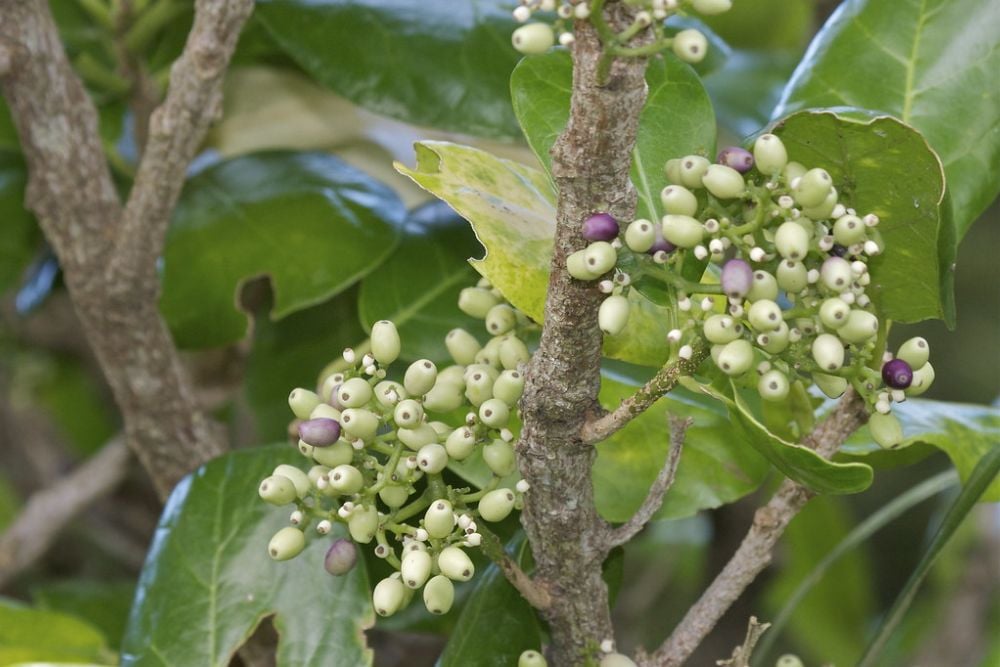
New Zealand’s Pennantia baylisiana represents one of the most extreme cases of near-extinction, with only a single tree surviving on the Three Kings Islands. While technically not extinct, this species has no hope of natural reproduction since the last individual is female and there are no males left to provide pollen.
The species declined due to browsing by introduced goats and pigs, which ate the seedlings and damaged adult trees. Scientists are working with tissue culture techniques to try to save the species, but the original wild population and its genetic diversity are effectively gone.
Like Go2Tutors’s content? Follow us on MSN.
Chapman’s Rhododendron

Florida’s Chapman’s rhododendron couldn’t survive the drainage and development of its wetland habitat in the northwestern part of the state. This unique shrub required very specific soil and water conditions that existed only in certain boggy areas along the Gulf Coast.
As developers drained wetlands for agriculture and housing, the rhododendron’s specialized habitat disappeared acre by acre. The last confirmed sighting occurred in the 1950s, making it one of the first documented plant extinctions in modern Florida.
When Gardens Remember What Forests Forgot

These vanished plants remind us that extinction isn’t just about losing individual species — it’s about unraveling the complex web of relationships that took millions of years to develop. Each extinct plant represents lost medicines we’ll never discover, lost beauty we’ll never appreciate, and lost ecological functions we’re only beginning to understand.
While botanical gardens now preserve seeds and specimens from thousands of threatened species, they can’t replicate the intricate ecosystem interactions that these plants once participated in. The acceleration of plant extinctions in our modern era serves as a sobering reminder that we’re living through one of the greatest biological crises in Earth’s history, one that we have both the power and responsibility to address.
More from Go2Tutors!

- 16 Restaurant Chains That Went Too Fast
- 12 Things Sold in the 80s That Are Now Illegal
- 15 Strange Things People Have Tried to Ban (And Failed)
- 16 Collectibles People Tossed Out Too Soon
- 17 Myths from Your Childhood That Were Actually Based on Real Things
Like Go2Tutors’s content? Follow us on MSN.