15 Ways Ancient Languages Shaped Modern Words
Most people don’t stop to think about where words come from. But many of the words used every day have been passed down for thousands of years. They’ve moved through time, crossed borders, and changed along the way. Some stayed close to their original meanings, while others took a few turns and surprises.
What’s amazing is how languages that haven’t been spoken for centuries still live on in everyday conversations. From grocery stores to phone screens, ancient roots are hiding in plain sight.
Let’s take a closer look at 15 simple ways old languages still shape modern words today.
Latin gave us the backbone of many big words
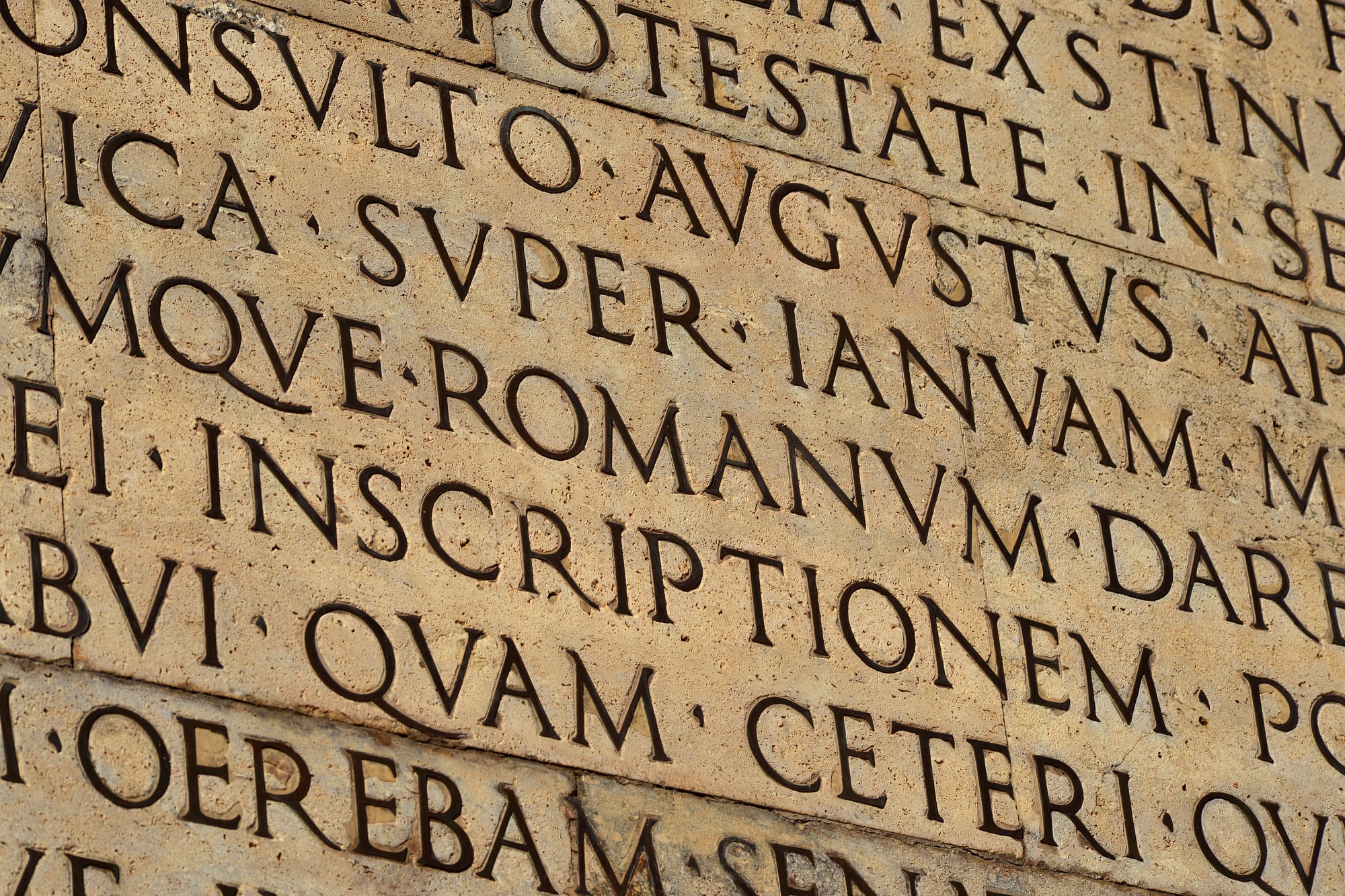
A lot of long and formal words in English come straight from Latin. Words like audience (from audire, meaning “to hear”) or manual (from manus, meaning “hand”) are just two examples.
It shows up a lot in science, law, and education. When a word sounds official or fancy, chances are it has Latin roots.
Even the word language itself comes from Latin.
Greek roots built science and medicine terms
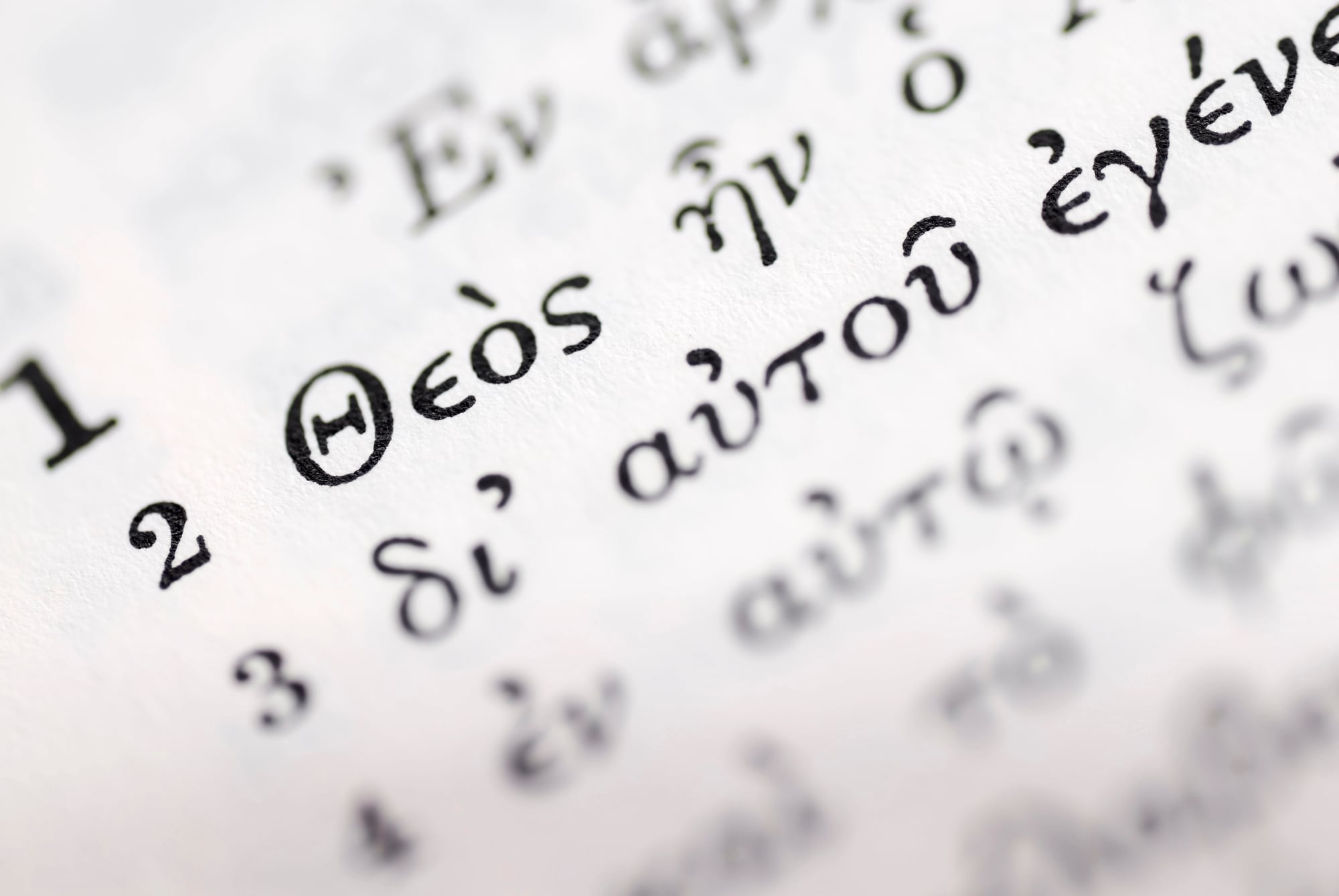
Think of words like biology, physics, or thermometer. All of them are built with Greek parts.
Bio means life, logy means study, and so on. Greek gave structure to how modern science talks about the world.
If it sounds like something you’d hear in a hospital or lab, it probably started in ancient Greece.
Like Go2Tutors’s content? Follow us on MSN.
Old Norse added tough, everyday words
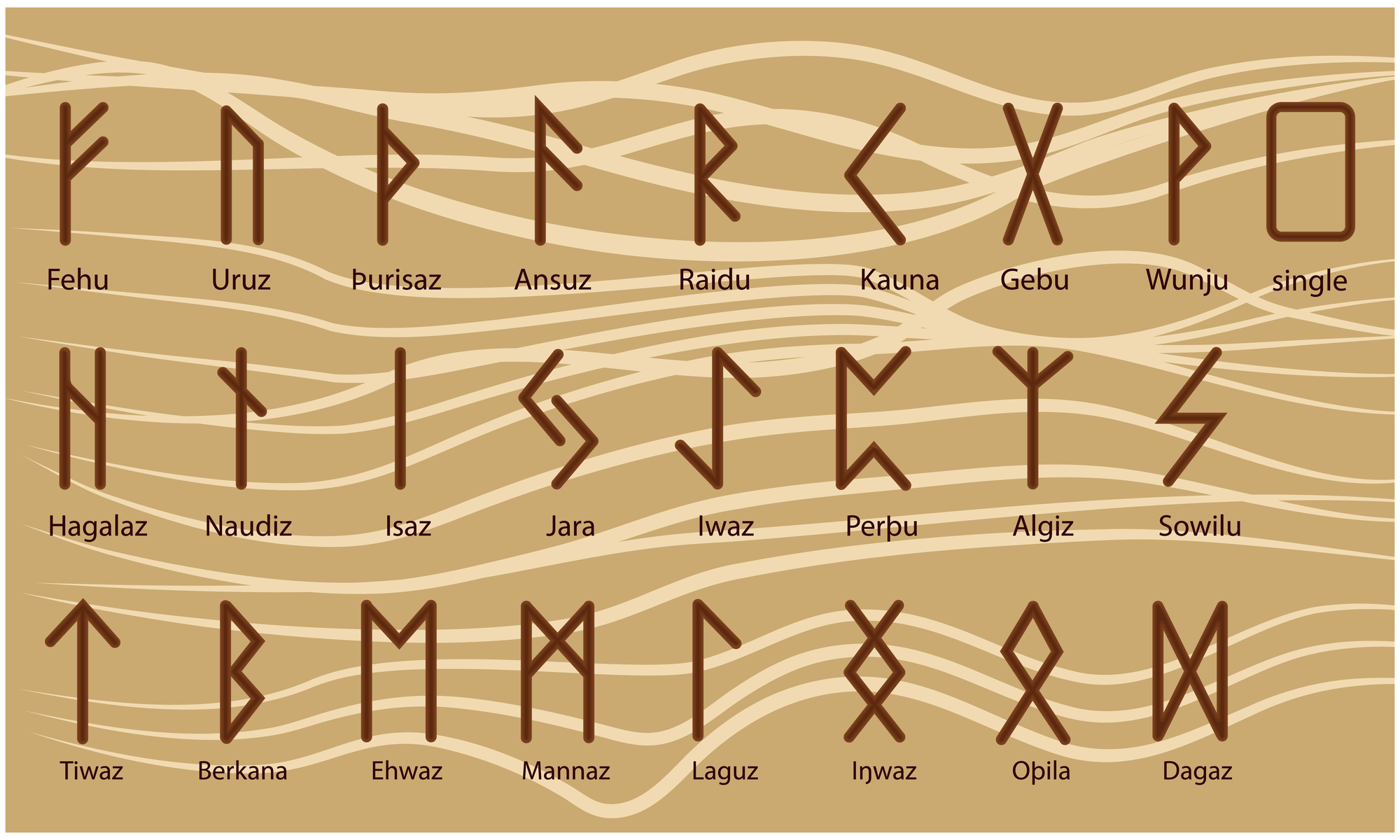
The Vikings didn’t just bring ships—they brought words. From Old Norse, English got simple, strong words like sky, knife, window, and husband.
These are not fancy terms, but they’ve stuck around for a long time. They help make English more direct and gritty.
Anglo-Saxon gave English its core
Before English was English, it was mostly Anglo-Saxon, also known as Old English. Words like mother, father, house, and food come from it.
These are the everyday words people learn first. They’re short, clear, and strong.
This old root is what gives English its basic shape.
French made English sound smoother
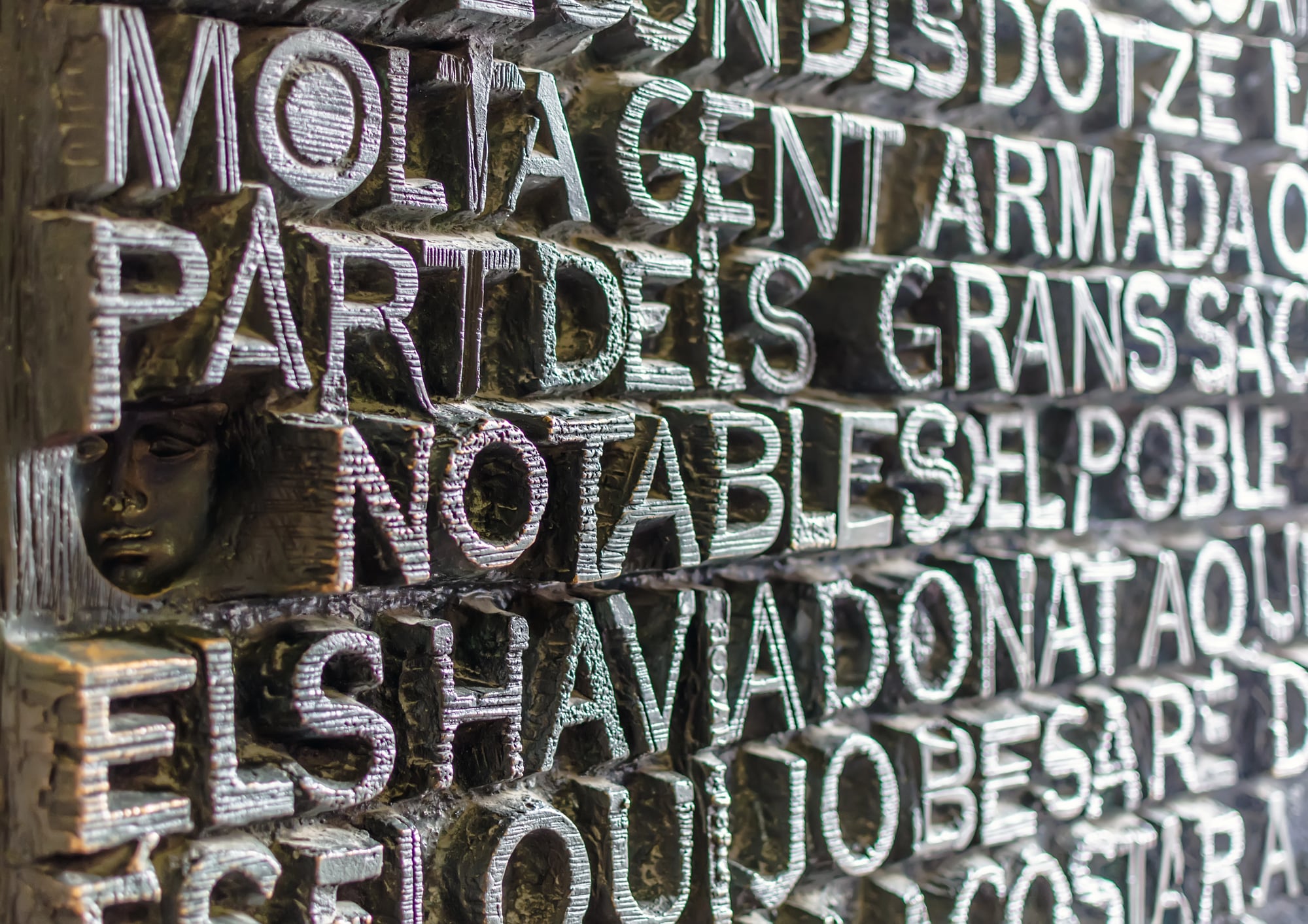
After the Norman Conquest, French heavily influenced English. Words like beauty, mirror, dinner, and language entered the mix.
These words added polish and style to English. It’s one reason English often has two words for the same thing—like ask (Old English) and inquire (French).
Like Go2Tutors’s content? Follow us on MSN.
Arabic shaped math and ideas

Many English words used in math, science, and trade came from Arabic. Words like algebra, zero, alcohol, and sugar were borrowed during trade and study.
These weren’t just random words—they filled gaps that older English didn’t cover. Arabic helped push knowledge forward during a time when the world was growing fast.
Sanskrit echoed in spiritual and grammar words
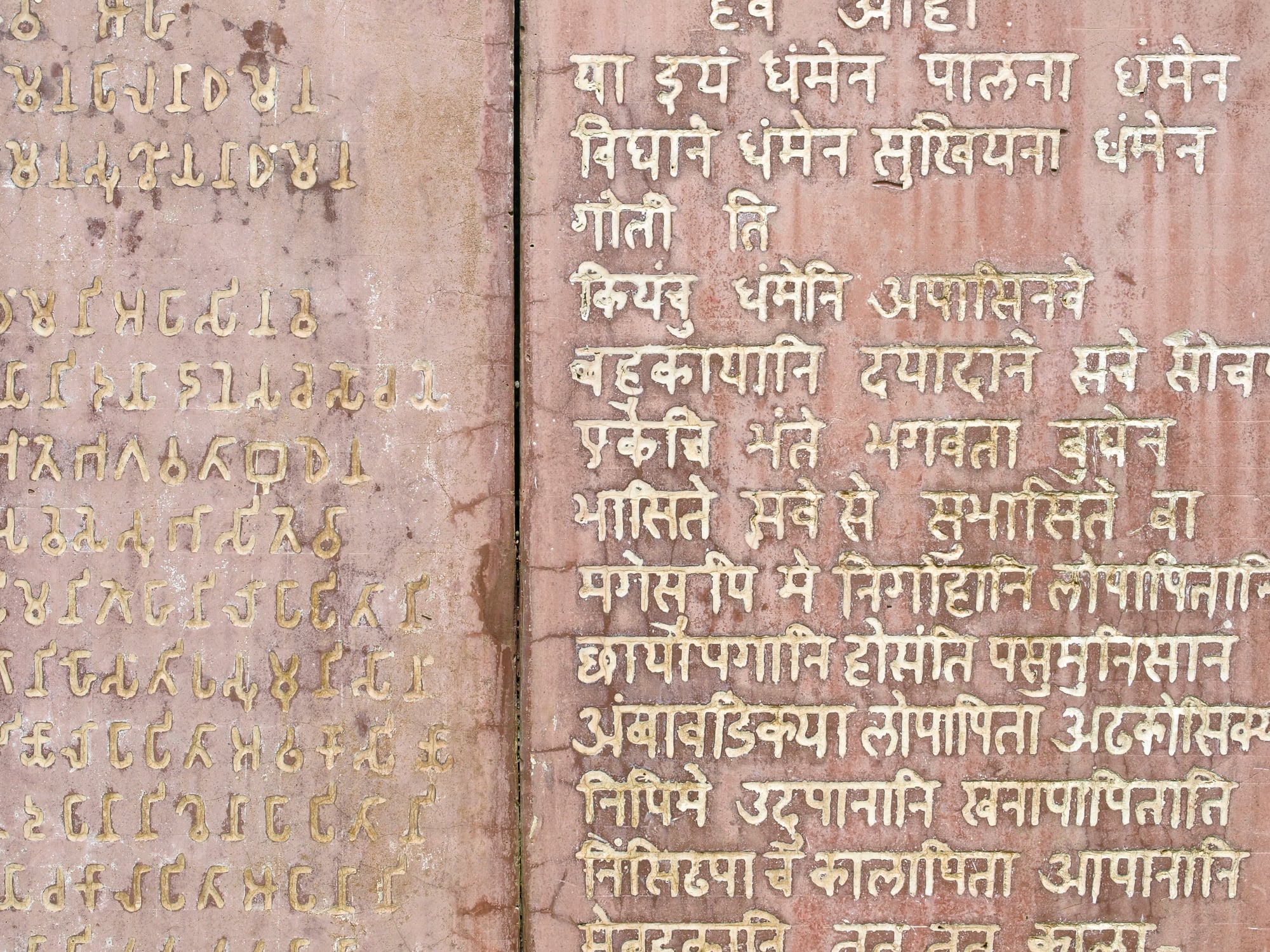
Sanskrit is one of the oldest written languages, and its ideas reached far. Words like karma, yoga, and nirvana entered English through religion and philosophy.
Even the word grammar traces back to a root linked to Sanskrit thinking. Its influence shows how old beliefs still touch modern thoughts.
German added logic and compound words

German gave English some very direct, useful terms. Words like kindergarten, doppelgänger, and waltz came straight over.
German also inspired how English sometimes sticks two words together to form a new one. It taught English how to build bigger ideas using small parts.
Like Go2Tutors’s content? Follow us on MSN.
Italian gave flavor to music and food
If a word ends in “-o” and it sounds like a pizza topping, chances are it’s Italian. Piano, solo, opera, broccoli, and mozzarella all came from Italy.
The music world especially leaned on Italian words for notes and style. It made English a little tastier and more dramatic.
Celtic words are hidden in place names
The Celtic languages were spoken before English even arrived in the British Isles. While not many everyday words survived, the names of places did.
Words like crag, loch, and tor are from Celtic roots. You’ll still find them on maps across Ireland, Scotland, and Wales.
It’s like a quiet reminder of who was there first.
Hebrew helped shape moral and religious words
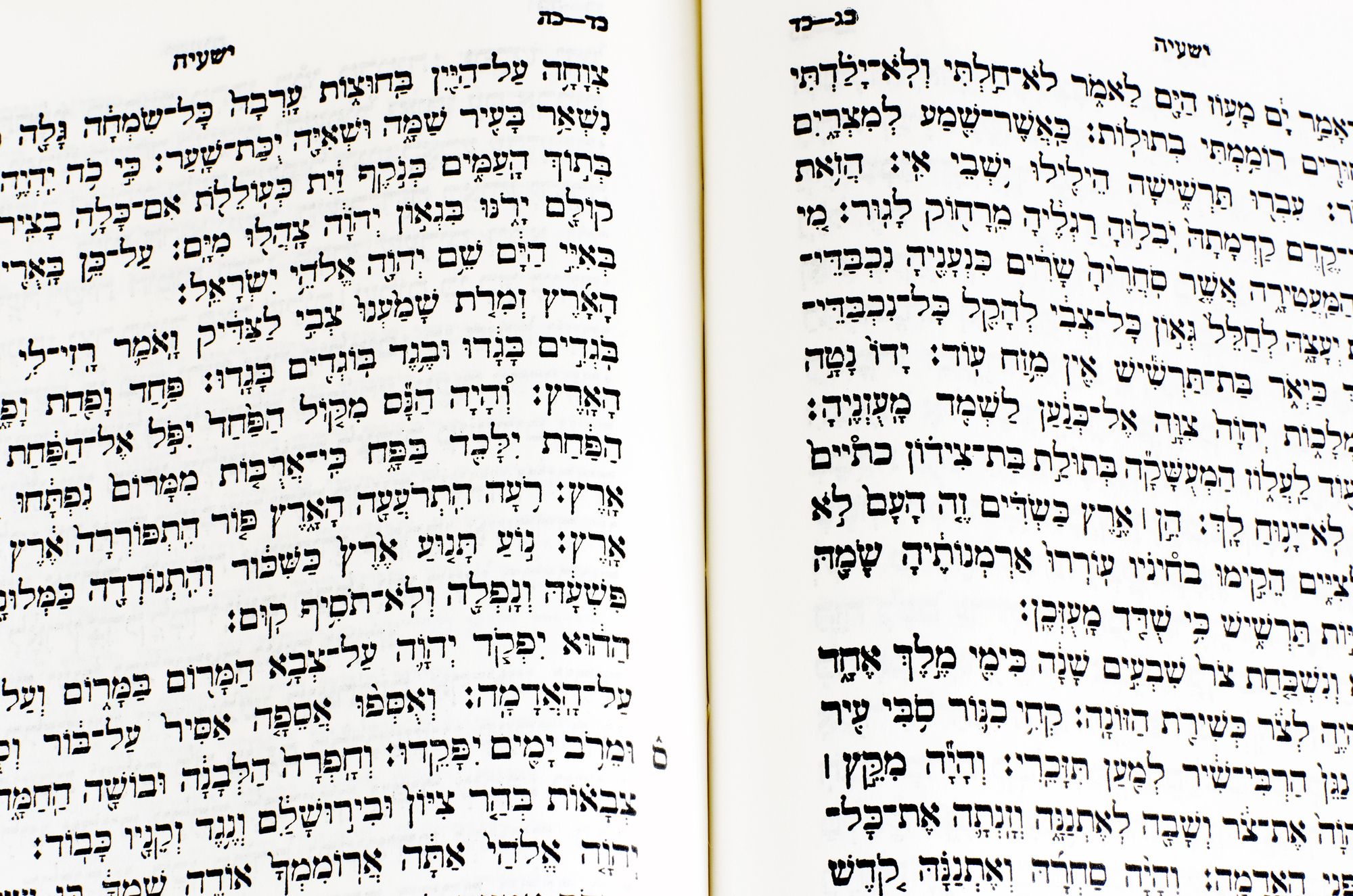
Many words linked to belief systems came from Hebrew. Hallelujah, amen, sabbath, and cherub are just a few.
These words often entered English through the Bible. They carry meanings that reach beyond language into culture and values.
They give weight to big ideas.
Like Go2Tutors’s content? Follow us on MSN.
Dutch gave English trade and travel terms

During times of shipping and exploration, Dutch words slipped into English. Yacht, freight, dock, and skipper all came from Dutch.
They often show up in talks about water, sailing, or moving goods. These words helped English grow during a time when trade ruled the world.
Persian brought in luxury and color
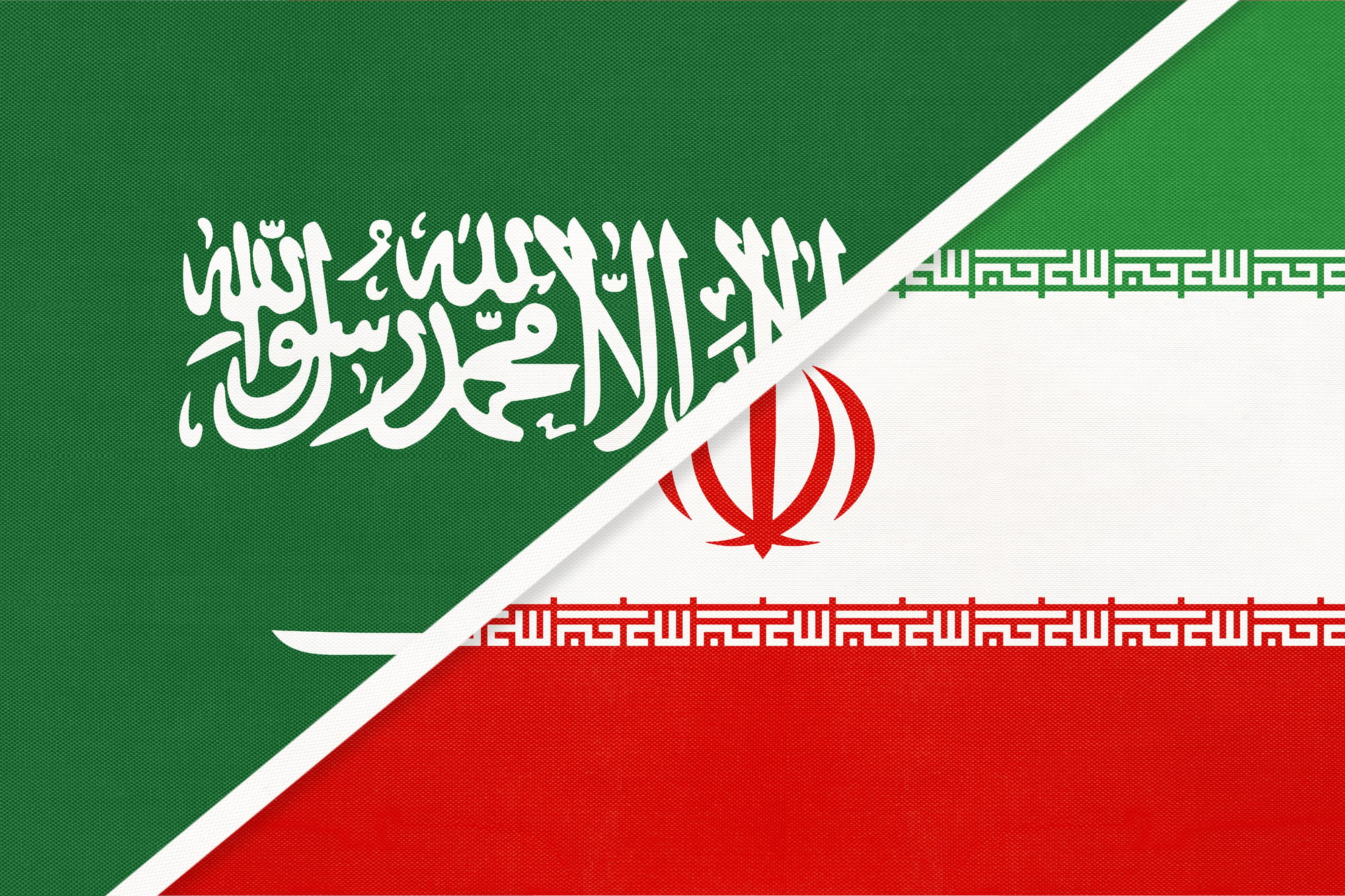
Persian words often describe rich things. Jasmine, turquoise, bazaar, and caravan came through cultural exchange, especially during early trade along the Silk Road.
These words painted English with bright colors and new textures. They helped describe things that didn’t exist in the English-speaking world.
Chinese inspired simple borrowings
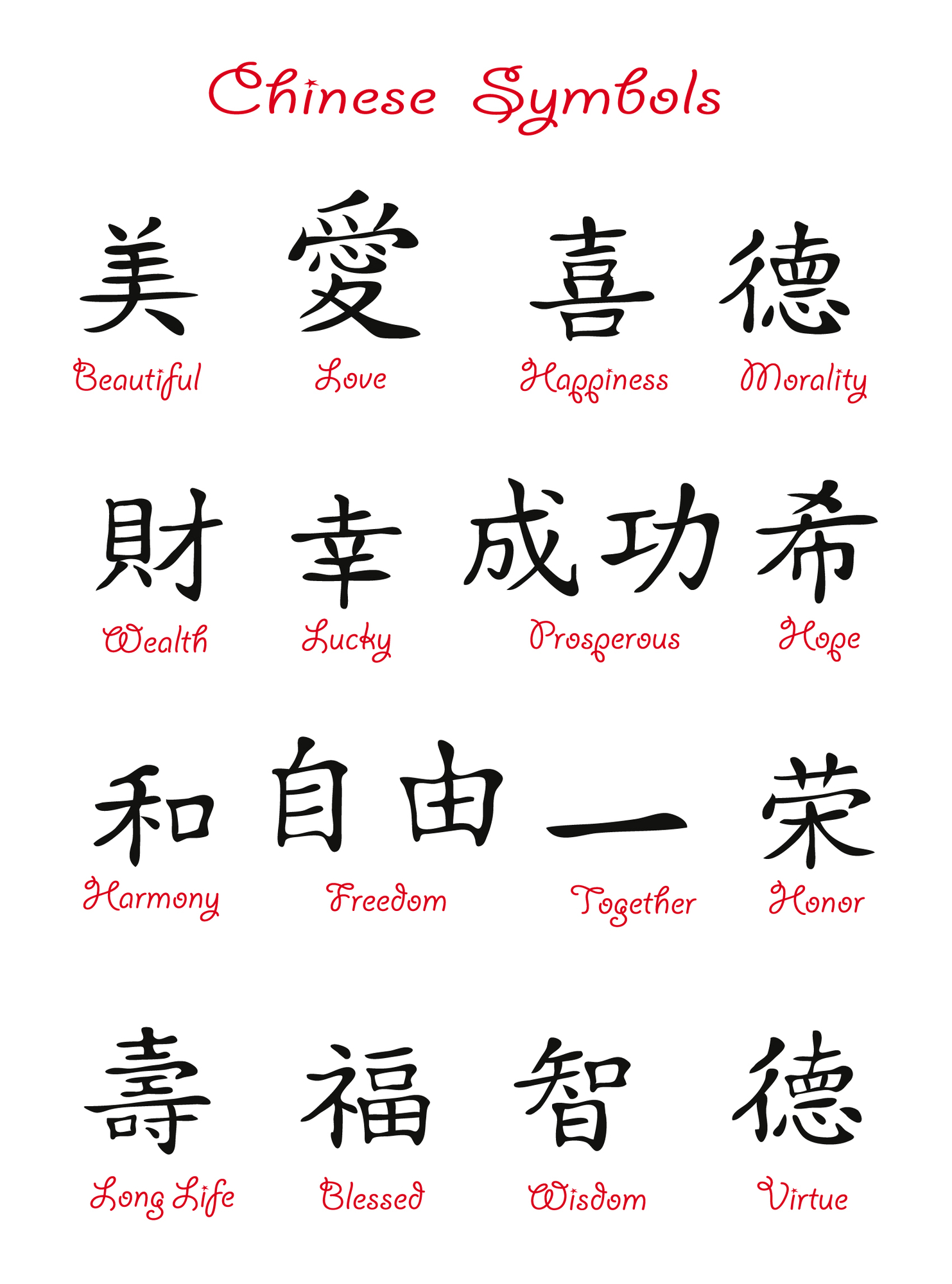
While fewer in number, some words from Chinese still made their way into English. Ketchup, tea, tofu, and typhoon all trace back to Chinese roots.
They came mostly through trade and cooking. These words filled real-world needs in markets, kitchens, and conversations.
Like Go2Tutors’s content? Follow us on MSN.
Latin prefixes and suffixes still shape new words
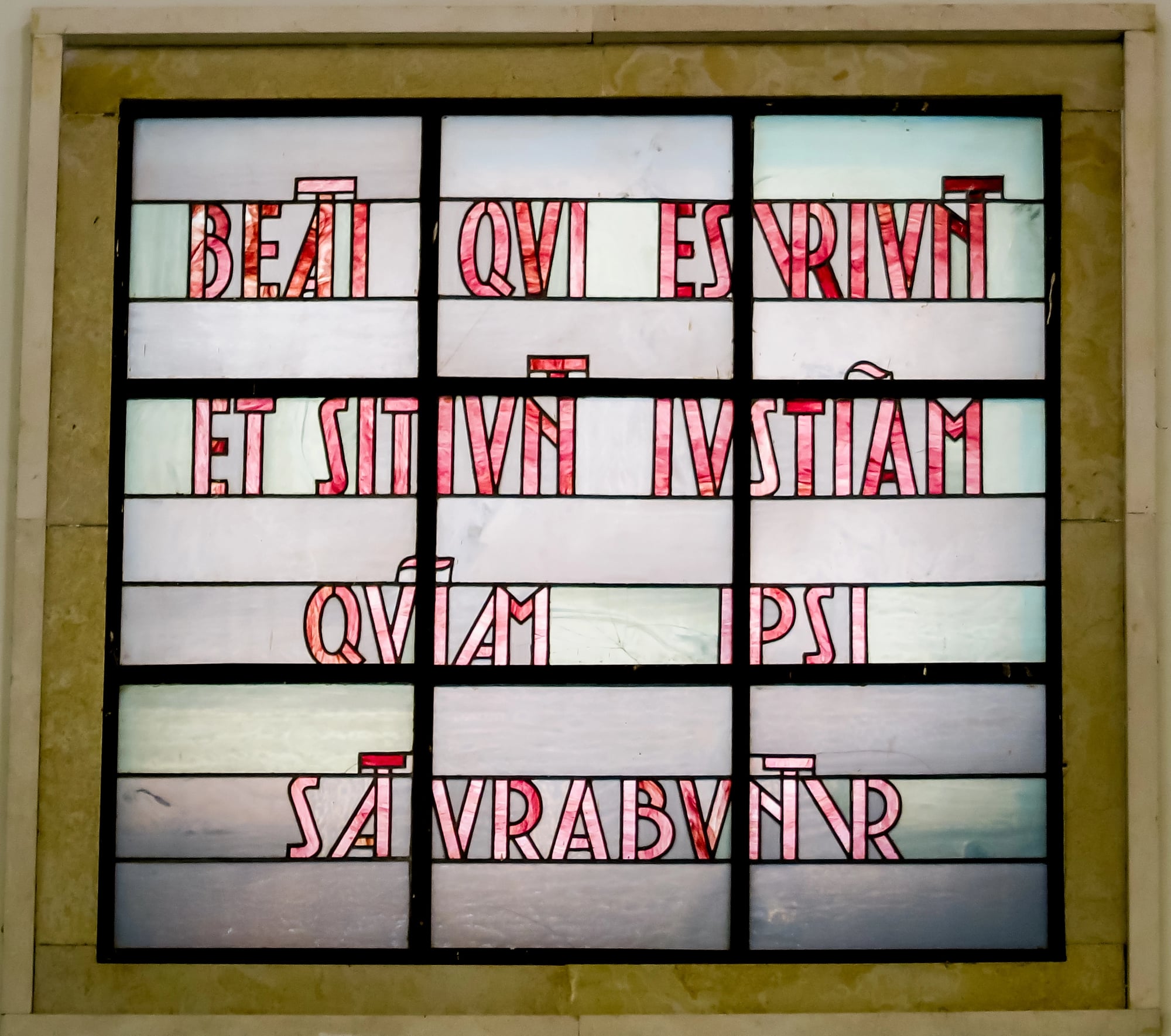
Even now, people use Latin parts to build new English words. Adding pre- means before, sub- means under, anti- means against.
These small pieces help form words like preview, subway, and antivirus. Latin may be called a dead language, but its parts are very much alive.
How ancient words still speak today

Even though languages like Latin, Greek, and Sanskrit are no longer spoken in daily life, their words still live on. They’ve been reused, reshaped, and passed along through time.
Many words in everyday conversations have deep roots that connect the past to the present. It’s a reminder that language is always growing but never forgets where it started.
The next time someone says something simple, they might actually be speaking a little bit of history.
More from Go2Tutors!

- 16 Historical Figures Who Were Nothing Like You Think
- 12 Things Sold in the 80s That Are Now Illegal
- 15 VHS Tapes That Could Be Worth Thousands
- 17 Historical “What Ifs” That Would Have Changed Everything
- 18 TV Shows That Vanished Without a Finale
Like Go2Tutors’s content? Follow us on MSN.