Ancient Inventions That Stuck Around for a Long Time
Think about the smartphone in your pocket — it’s barely two decades old, yet it feels impossible to imagine life without it. Technology moves fast these days, but that wasn’t always the case.
Some of humanity’s earliest innovations have endured for thousands of years, not because we couldn’t improve on them, but because we got them right the first time. These ancient inventions continue to shape daily life in ways so fundamental that we hardly notice them anymore.
The Wheel
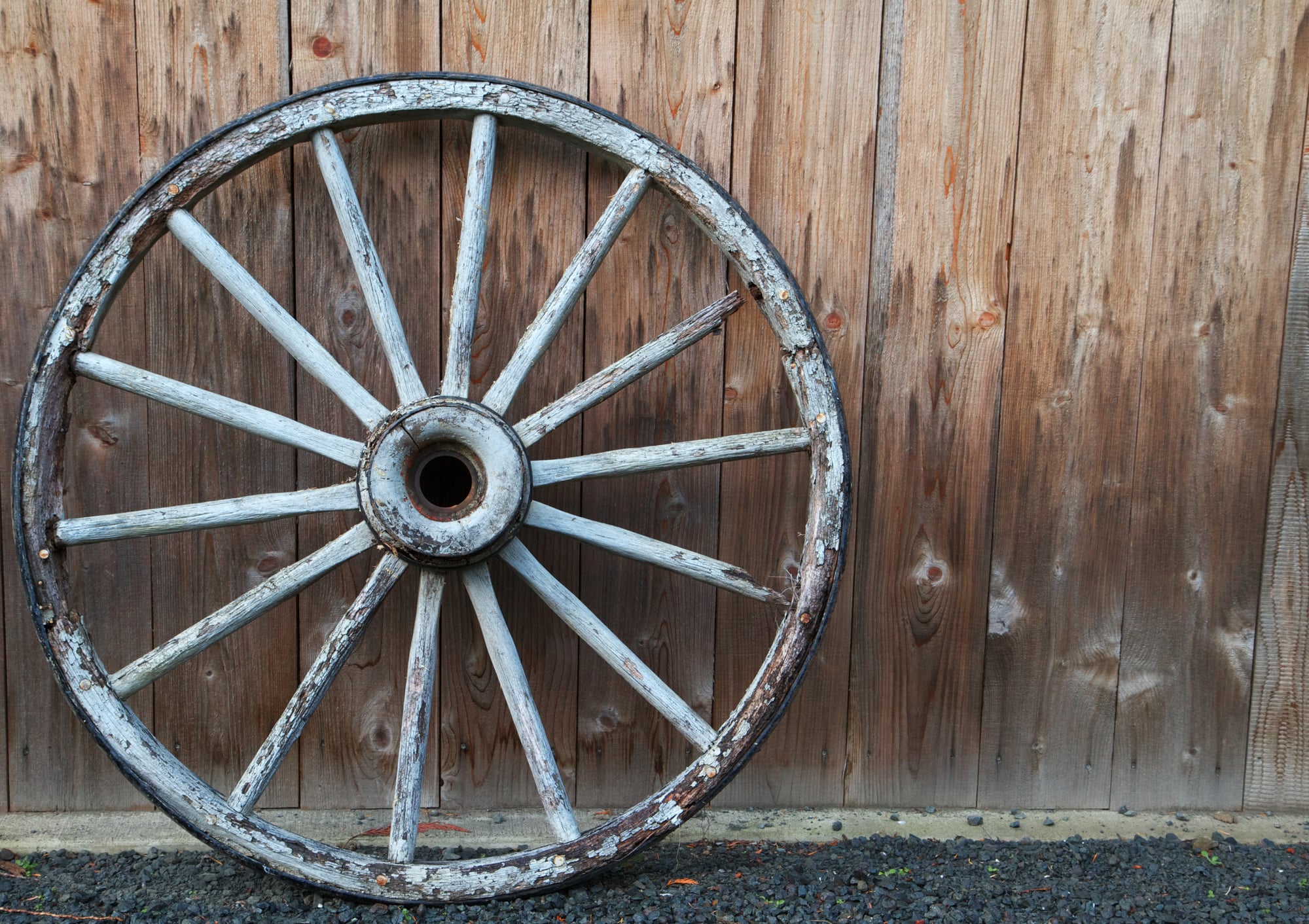
The wheel gets credit for launching civilization. Fair enough — it deserved it.
Around 3500 BCE, someone in Mesopotamia figured out that round objects roll easier than dragging things across the ground. Revolutionary doesn’t begin to cover it.
Every car, bicycle, and shopping cart owes its existence to that moment.
Writing Systems
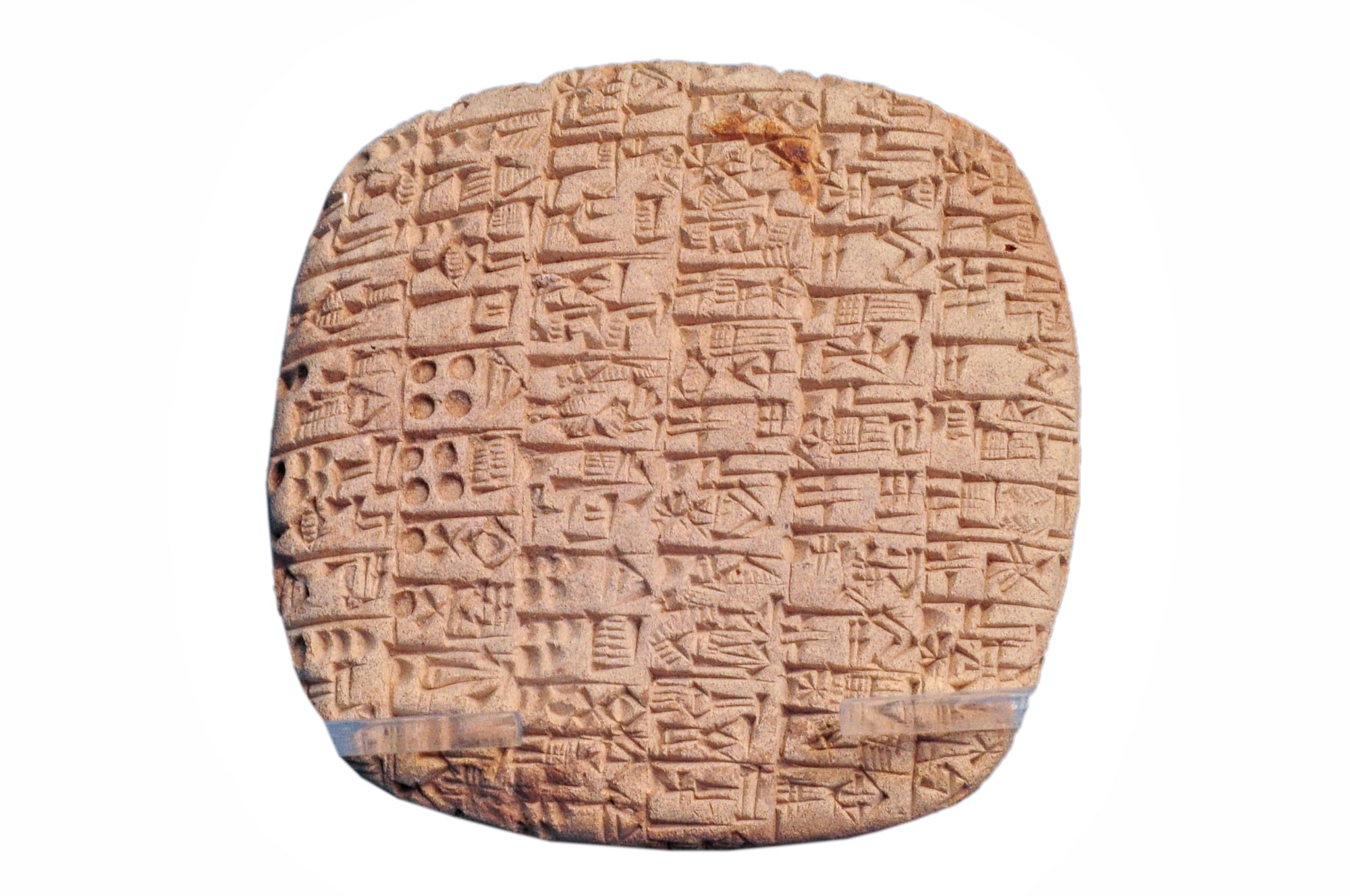
Cuneiform started as accounting. Mesopotamian merchants needed to track grain shipments, so they pressed marks into clay tablets around 3200 BCE.
That practical beginning evolved into something that changed everything: the ability to preserve thoughts beyond human memory. The alphabet came later — around 1200 BCE — but the concept remained the same.
Ideas could outlive the people who had them. Books, laws, love letters, grocery lists.
All of it traces back to those first scratches in clay.
The Lever
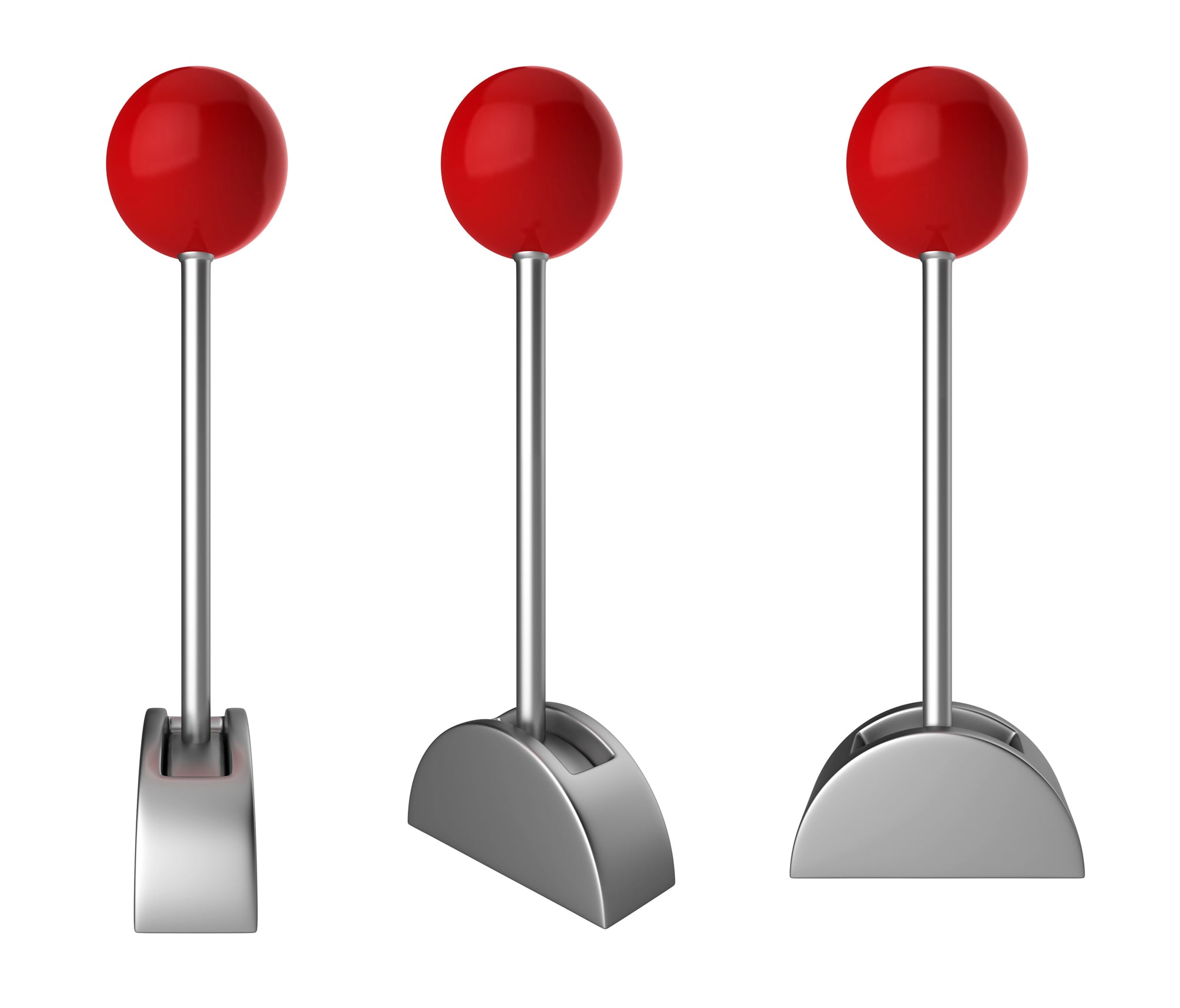
Archimedes famously claimed he could move the Earth if given a long enough lever and a place to stand, and while his confidence was admirable (if impractical), the physics behind his boast reveals something profound about this deceptively simple tool. The lever multiplies force through distance, which sounds technical until you realize it’s the reason a crowbar can pry apart what your hands cannot, why scissors cut through thick paper with such ease, and why a small child can launch an adult into the air on a playground seesaw.
But the beauty of the lever isn’t just mechanical — it’s conceptual: the idea that you can outsmart a problem rather than overpower it, that intelligence can substitute for brute strength. Ancient Egyptians used levers to move massive stone blocks while building pyramids.
They understood something we still rely on today. Work smarter, not harder.
Paper

Paper changed everything, though it took a while to catch on everywhere. The Chinese invented it around 100 CE during the Han Dynasty.
Before that, people wrote on papyrus, animal skins, or clay tablets — expensive, heavy, and impractical for mass communication. Paper was different.
Cheap to make, light to carry, and smooth enough for detailed writing. It took centuries to reach Europe, but once it did, the printing press followed quickly.
Books became affordable. Knowledge spread faster.
The Renaissance happened partly because ideas could finally travel as quickly as the people who had them.
Agriculture

There’s something almost mystical about the moment humans stopped following food and started growing it instead — when our ancestors looked at wild grasses swaying in the wind and imagined rows of intentional abundance, when they buried seeds not to hide them but to multiply them, when they traded the uncertainty of the hunt for the patient faith that what they planted would return to them transformed. This shift, which happened independently across different continents around 10,000 years ago, reads less like technological progress and more like a quiet revolution in human thinking: the decision to stop reacting to the world and start reshaping it.
Agriculture allowed permanent settlements. Cities formed around reliable food sources.
Civilization as we know it became possible because someone figured out how to make wheat grow where they wanted it to grow.
The Needle
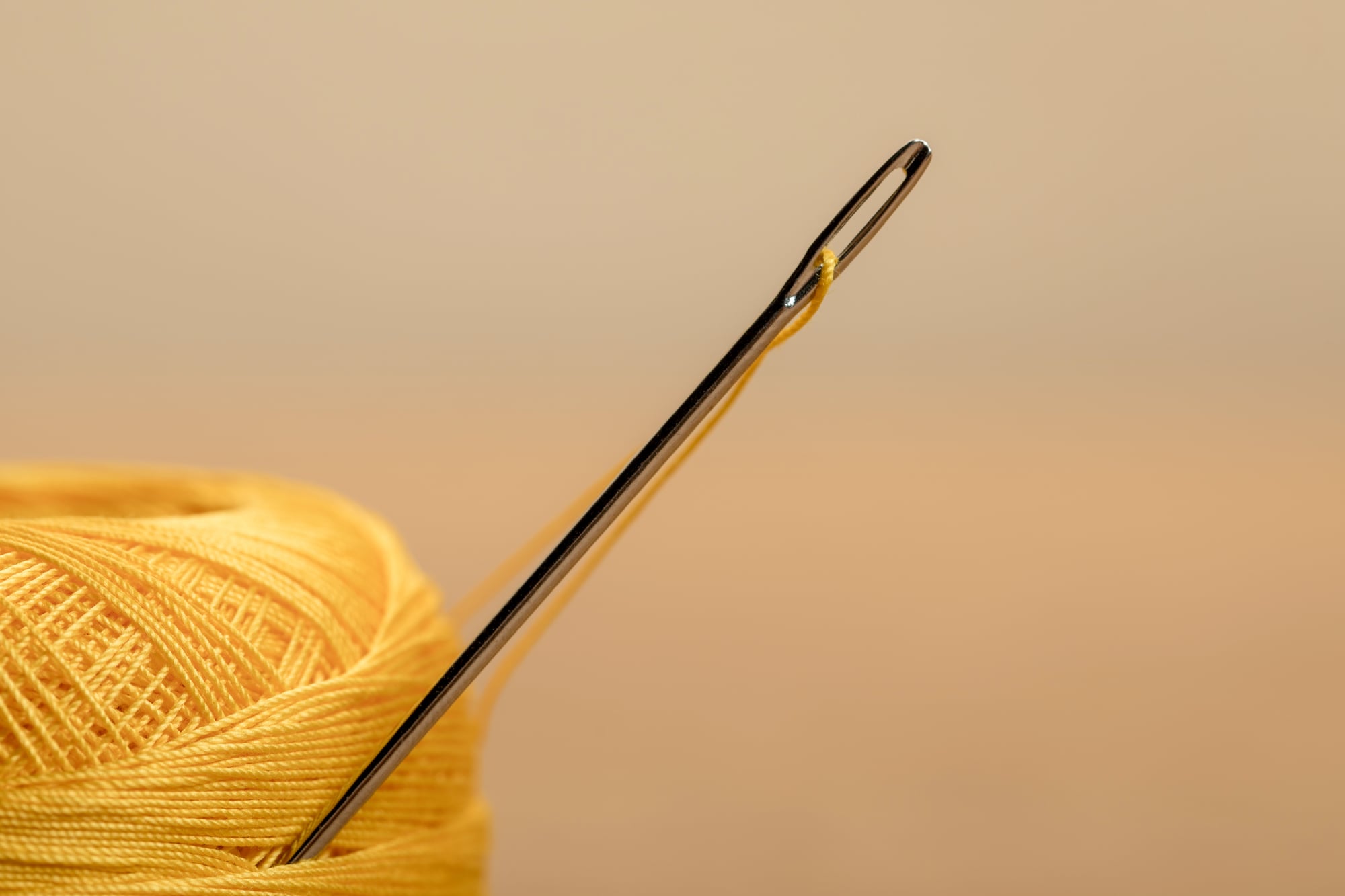
Sewing needles are older than agriculture, older than pottery, older than almost everything we consider foundational to human civilization. Archaeologists have found bone needles dating back 40,000 years.
Ice Age humans were stitching animal hides together, creating fitted clothing that allowed them to survive in harsh climates. That tiny tool with an opening in one end made human expansion into colder regions possible.
Modern sewing machines are faster, but the basic principle remains unchanged. Thread goes through the eye, needle goes through the fabric, pieces get joined together.
Soap

The Babylonians figured out soap around 2800 BCE, though their version (made from animal fat and wood ash) would probably strip the skin off your hands if you tried it today — which, to be fair, might have been the point given that cleanliness back then was less about luxury and more about survival, and sometimes the cure needs to be as aggressive as the problem. But what’s remarkable isn’t the harshness of their formula; it’s the sophistication of the chemistry: they discovered that combining fats with alkali creates something entirely new, a substance that can grab onto both water and oil simultaneously, making it possible to wash away grime that water alone cannot touch.
And while modern soaps smell like lavender fields and promise to moisturize while they cleanse, the fundamental science remains identical to what those ancient chemists stumbled upon nearly five thousand years ago. The Romans refined it, adding olive oil and making it gentler.
They built public baths and made cleanliness a social activity. Personal hygiene became a mark of civilization.
The Plow
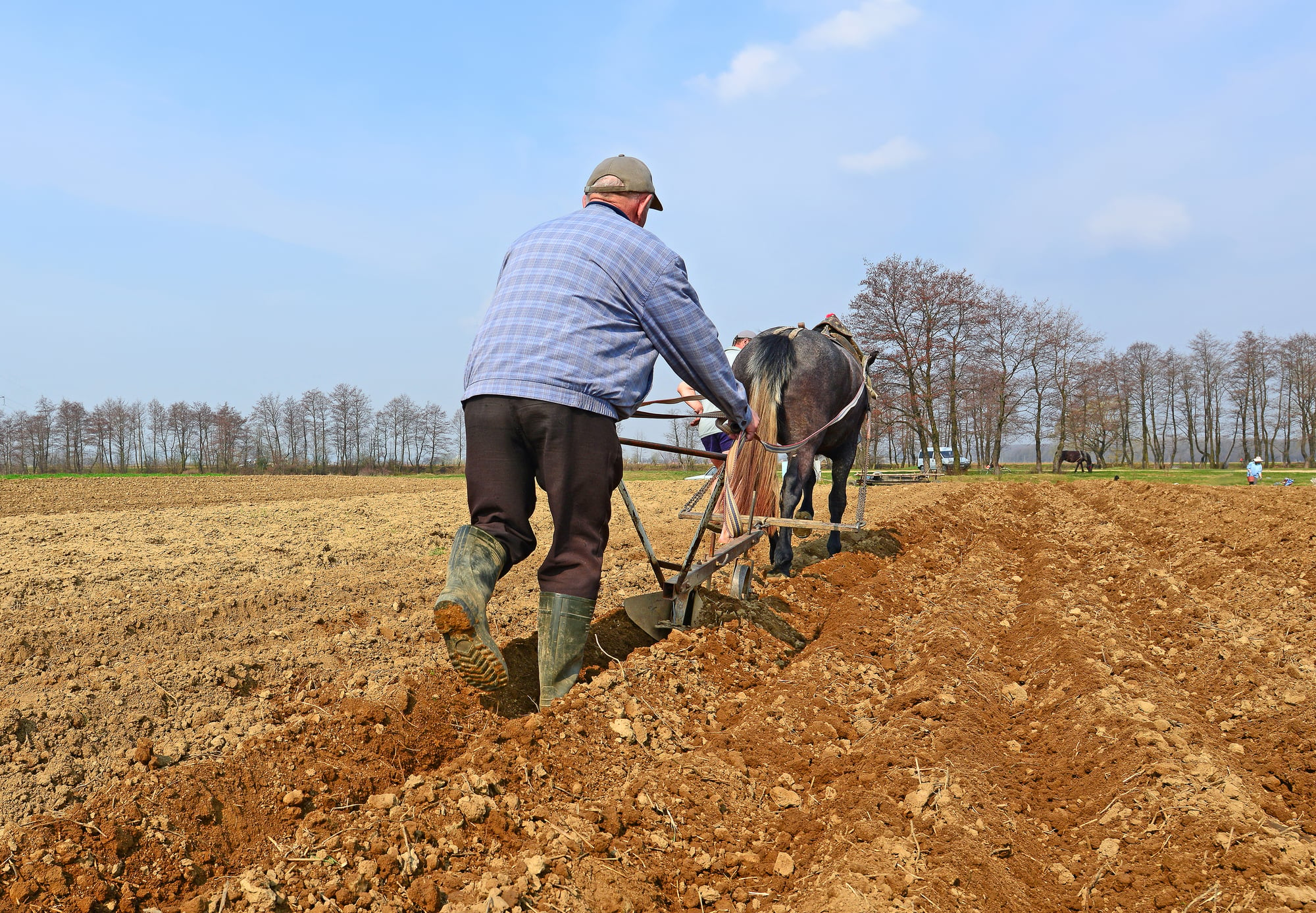
Digging with sticks works fine for small gardens. Try feeding a city that way and you’ll starve before harvest season.
The plow solved scale. Oxen or horses could pull it through fields, turning over soil faster and more efficiently than human hands ever could.
Farmers could cultivate larger areas, grow more food, and support bigger populations. The first plows appeared around 4000 BCE in Mesopotamia.
Steel plows came later, but the basic concept never changed. Break up the earth, plant seeds, hope for rain.
Fermentation

Humans discovered fermentation by accident — grain got wet, wild yeast moved in, and suddenly boring porridge became something that made people feel differently about their problems. Beer, wine, bread, cheese, pickles, and sauerkraut all emerged from the same happy accident: microorganisms converting sugars and starches into alcohol, acids, and gases.
But calling it an accident undersells human ingenuity; once people noticed that certain foods could transform themselves into something more interesting (and longer-lasting), they learned to control the process, to encourage the right kinds of rot and discourage the wrong ones. Fermentation preserved food before refrigeration existed.
It made water safer to drink when clean sources were scarce. It created flavors that didn’t exist in nature and made celebrations more celebratory.
Concrete
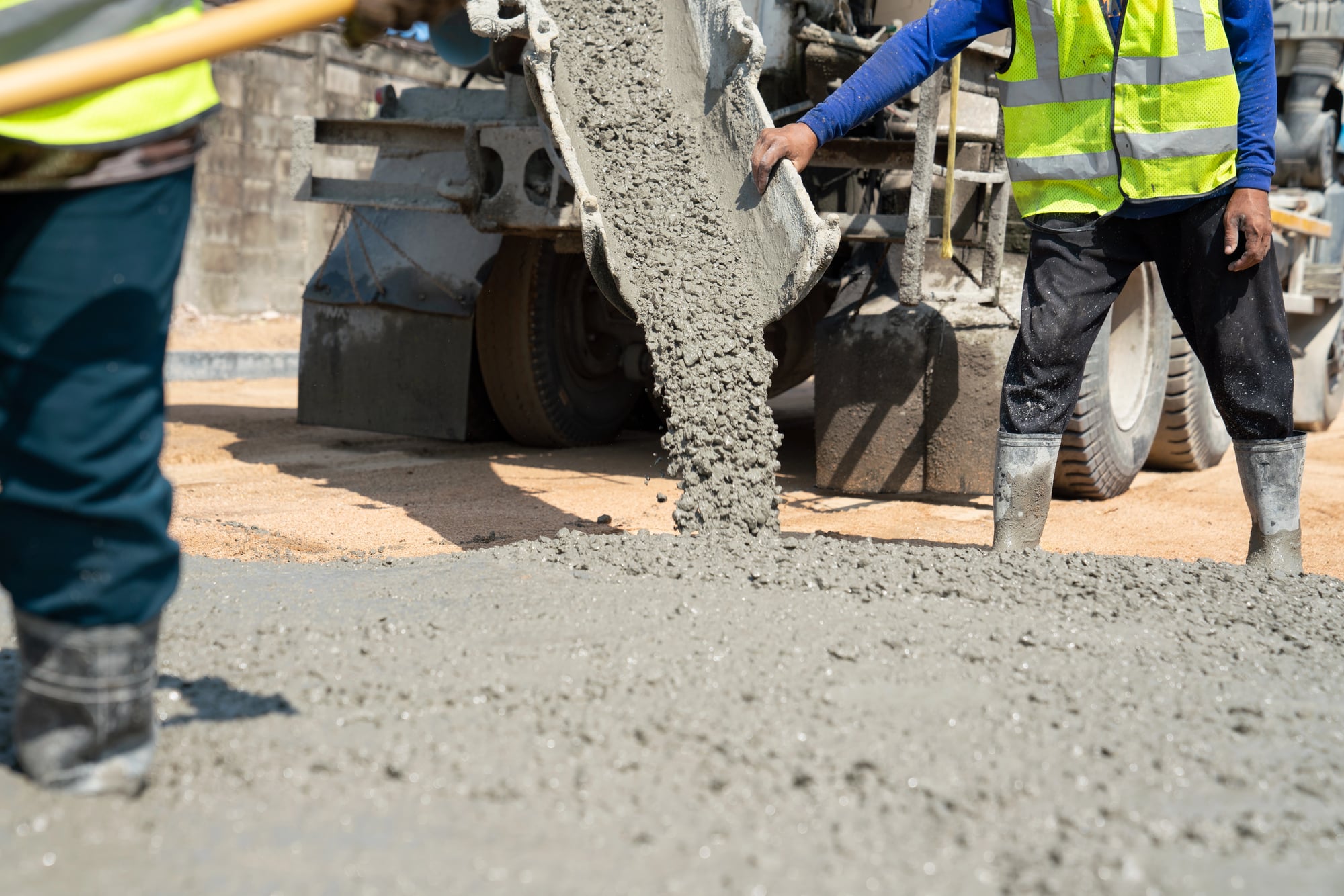
Roman concrete is still standing after two thousand years. Modern concrete starts cracking after fifty.
The Romans mixed volcanic ash with lime and seawater, creating a chemical reaction that actually gets stronger over time. They built the Pantheon, aqueducts, and roads that lasted centuries.
Their formula was lost during the Dark Ages and only recently rediscovered. Modern concrete is faster to work with but less durable.
Sometimes older really is better.
The Calendar

Time is tricky to measure when you’re working with celestial bodies that don’t care about human convenience, so ancient civilizations had to get creative about dividing up the year into manageable chunks — the Egyptians watched the Nile’s flood patterns and Sirius rising, the Babylonians counted lunar cycles, the Mayans built elaborate mathematical systems that tracked multiple overlapping time periods with startling accuracy. But the calendar that shapes your life today comes mostly from Julius Caesar, who in 46 BCE decided that Roman timekeeping was such a mess (priests had been adding extra days whenever they felt like it, which meant the calendar bore little relationship to actual seasons) that he hired Egyptian astronomers to create something more reliable.
His Julian calendar, later refined by Pope Gregory XIII in 1582, gave us the 365-day year with leap days every fourth year — close enough to Earth’s actual orbital period that we’re only off by about 26 seconds per year. Calendars let societies coordinate.
Planting seasons, religious festivals, tax collection, and trade agreements all became possible once everyone agreed on what day it was.
The Lock and Key

Security became necessary the moment humans started accumulating possessions worth protecting. The oldest known lock was found in the ruins of Nineveh, dating to about 4000 years ago.
It used a simple pin mechanism — wooden pins of different lengths that had to be lifted to the right height before the bolt would move. Egyptian locks worked similarly, using wooden keys carved to match specific pin patterns.
The basic principle hasn’t changed. Modern locks are more precise and harder to pick, but they still rely on the same idea: a unique key aligns internal mechanisms in exactly the right way.
Mirrors
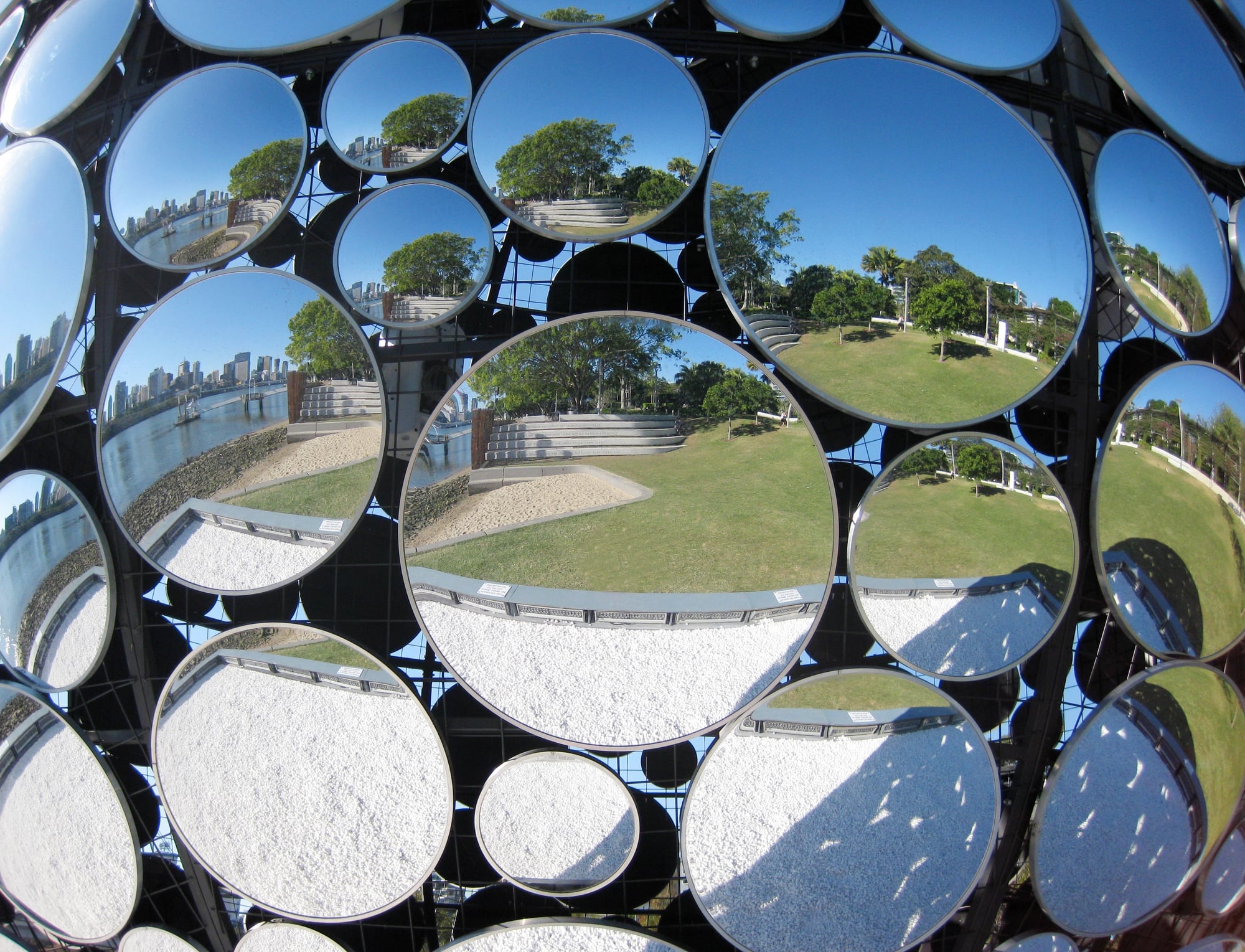
Polished obsidian mirrors date back to 6000 BCE, though calling them mirrors is generous — they reflected light, but the image was dark and distorted, more like looking into black water than the crisp reflections we expect today. Bronze mirrors came later and worked better, silver mirrors better still, but the breakthrough happened in medieval Europe when glassmakers learned to back clear glass with thin sheets of metal, creating something that reflected light without distorting it, that showed faces as they actually appeared rather than as shadowy approximations.
But here’s the thing about mirrors that goes beyond vanity or convenience: they changed human self-awareness in ways that are hard to measure but impossible to ignore. Before mirrors were common, most people had only vague ideas about their own appearance.
Self-reflection became literal before it became metaphorical.
Bricks
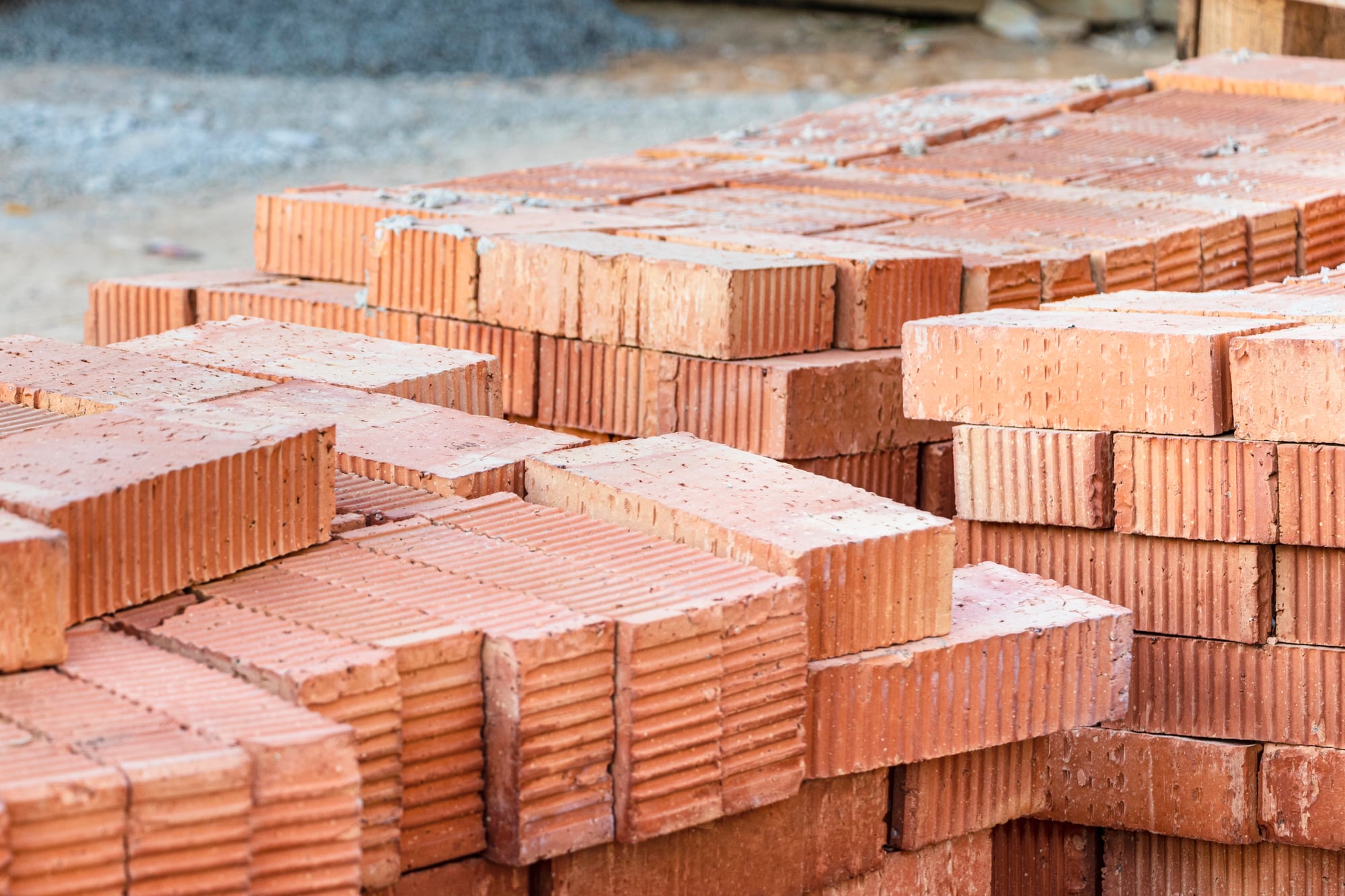
Clay bricks are democracy in building form — cheap enough that ordinary people could afford them, strong enough to build structures that would last, simple enough that anyone could learn to make them. The first bricks were just mud mixed with straw and dried in the sun.
Mesopotamians figured out that firing them in kilns made them harder and more weather-resistant. Roman bricks were thin and flat, designed to be mortared together in layers.
Brick construction spread everywhere because it worked everywhere. Different regions developed different styles, but the basic material remained the same.
Clay, water, heat, time.
Living History in Plain Sight

These inventions endure not because we’re stuck in the past, but because some problems have optimal solutions that don’t need improvement. The wheel doesn’t need an upgrade — it needs better materials and precision manufacturing, but the core concept of circular motion reducing friction is as perfect now as it was 5,500 years ago.
That’s the real test of innovation: not whether it’s new, but whether it’s still useful when the novelty wears off.
More from Go2Tutors!

- The Romanov Crown Jewels and Their Tragic Fate
- 13 Historical Mysteries That Science Still Can’t Solve
- Famous Hoaxes That Fooled the World for Years
- 15 Child Stars with Tragic Adult Lives
- 16 Famous Jewelry Pieces in History
Like Go2Tutors’s content? Follow us on MSN.