Places Defined by a Single Landmark
Some destinations exist entirely in the shadow of one magnificent structure or natural wonder. These aren’t cities with multiple attractions competing for attention, but places where everything else — the hotels, the restaurants, the gift shops, the very identity of the town — orbits around a single, unmistakable focal point. The landmark doesn’t just define the skyline; it defines the reason anyone knows the place exists at all.
Mount Rushmore
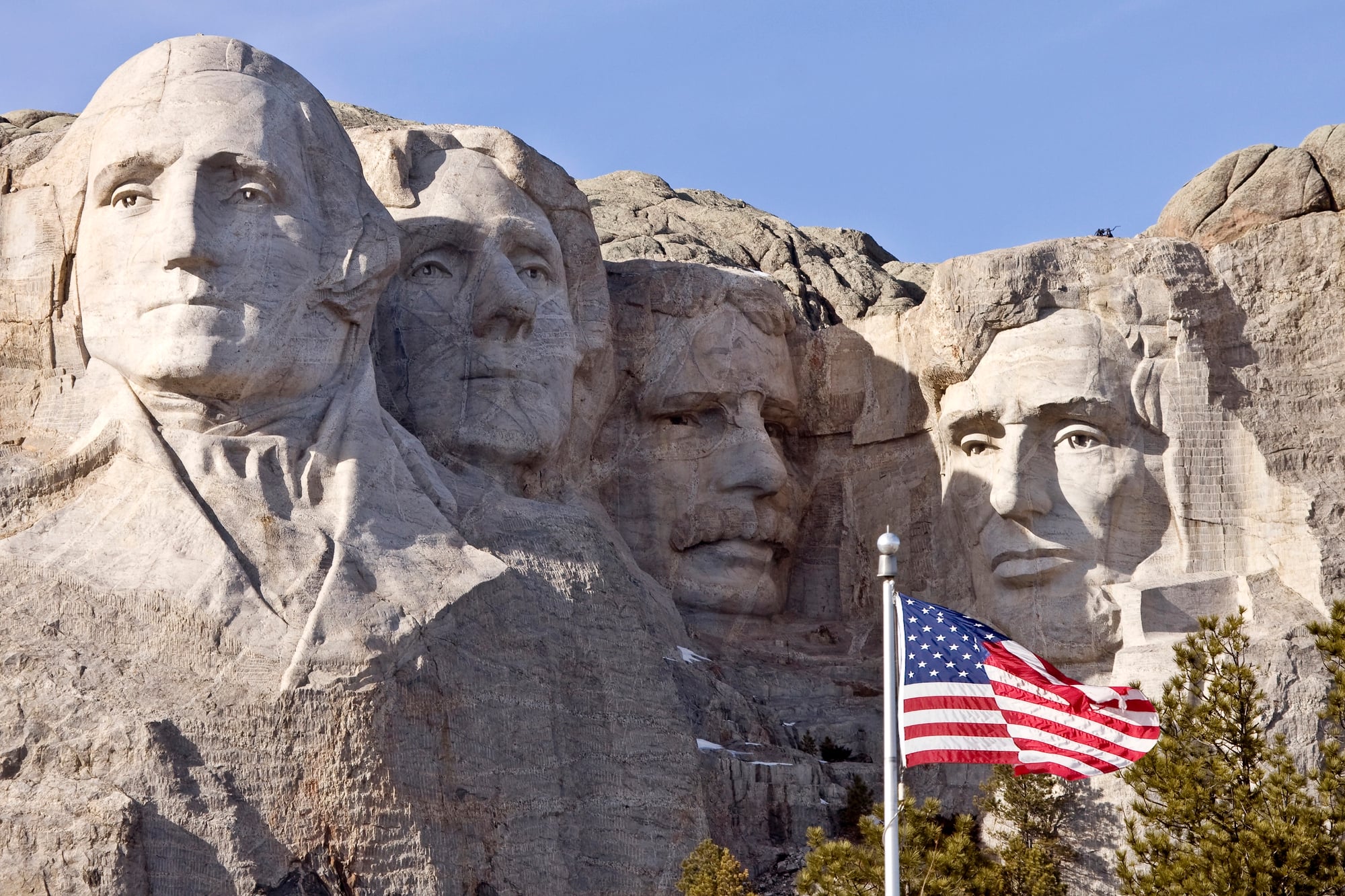
Keystone, South Dakota would be nothing without four presidential faces carved into granite. The entire town exists to feed, house, and entertain people who came to see Lincoln’s nose.
Stonehenge
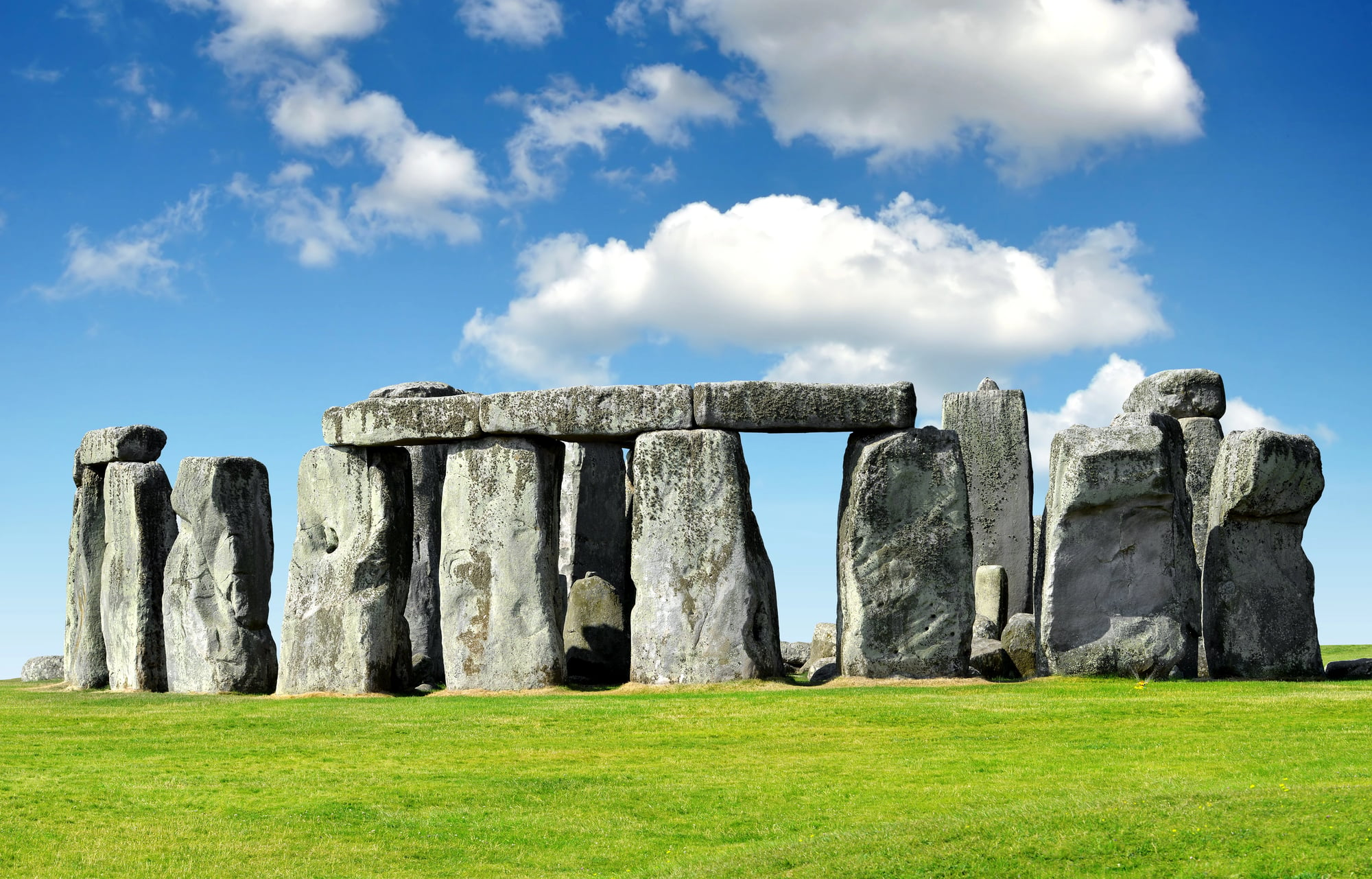
Salisbury Plain stretches for miles in every direction. Rolling green emptiness. Then: ancient stones arranged in a circle that makes archaeologists argue and tourists stare. Everything else feels incidental.
The Space Needle
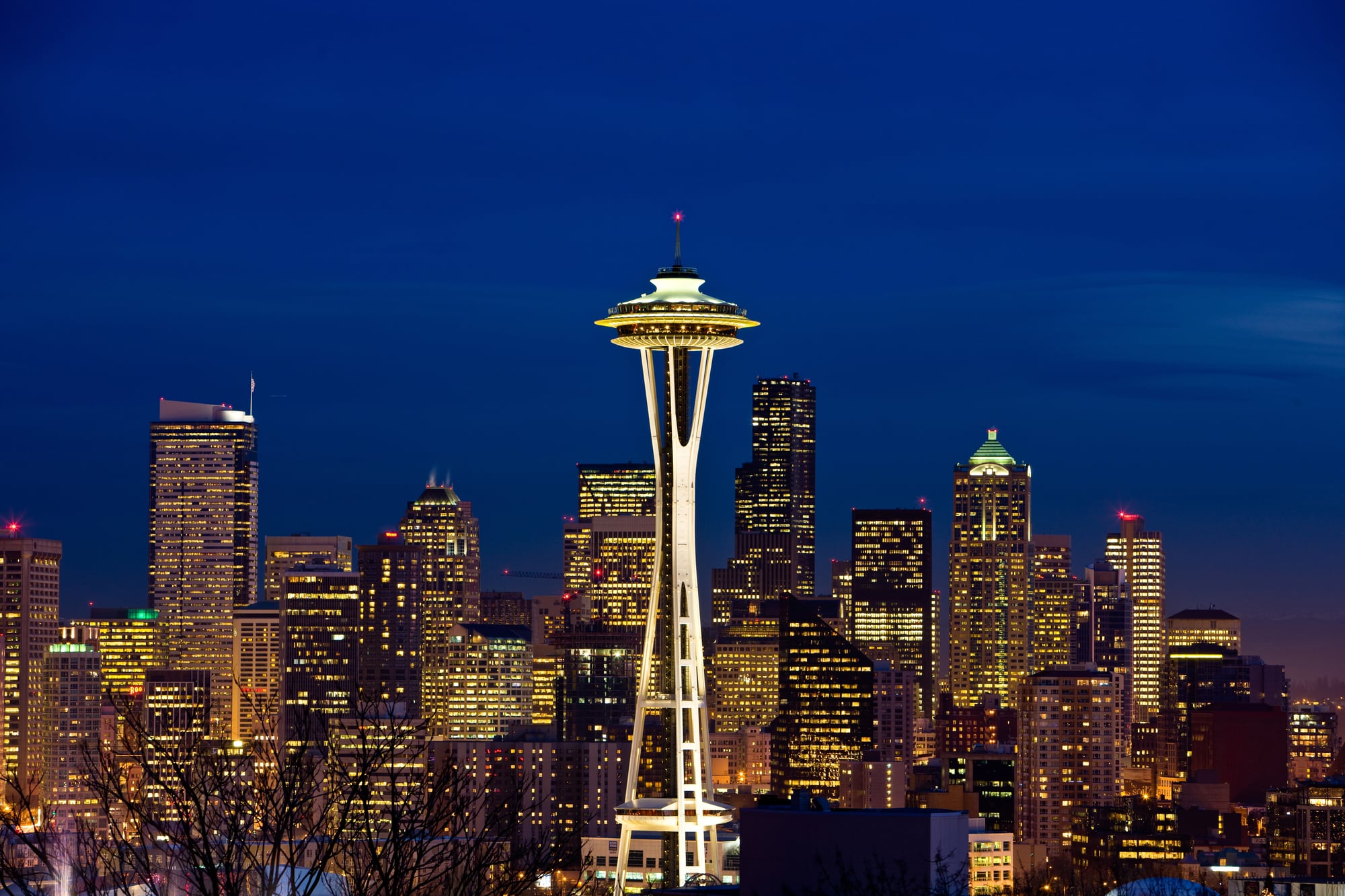
Seattle has coffee culture and tech companies and a music scene that spawned grunge, but when someone mentions the city, that 605-foot tower from the 1962 World’s Fair appears in your mind first (and you know it does, even if Pike Place Market runs a close second). The Space Needle doesn’t just sit in Seattle — it hovers over every conversation about the place, appearing on postcards and establishing shots and the mental map everyone carries of the Pacific Northwest.
So when people think Seattle, they think that distinctive flying-saucer silhouette against gray clouds. Which makes sense, considering it was designed to look like something that belonged in the future — and somehow still does.
The Leaning Tower of Pisa
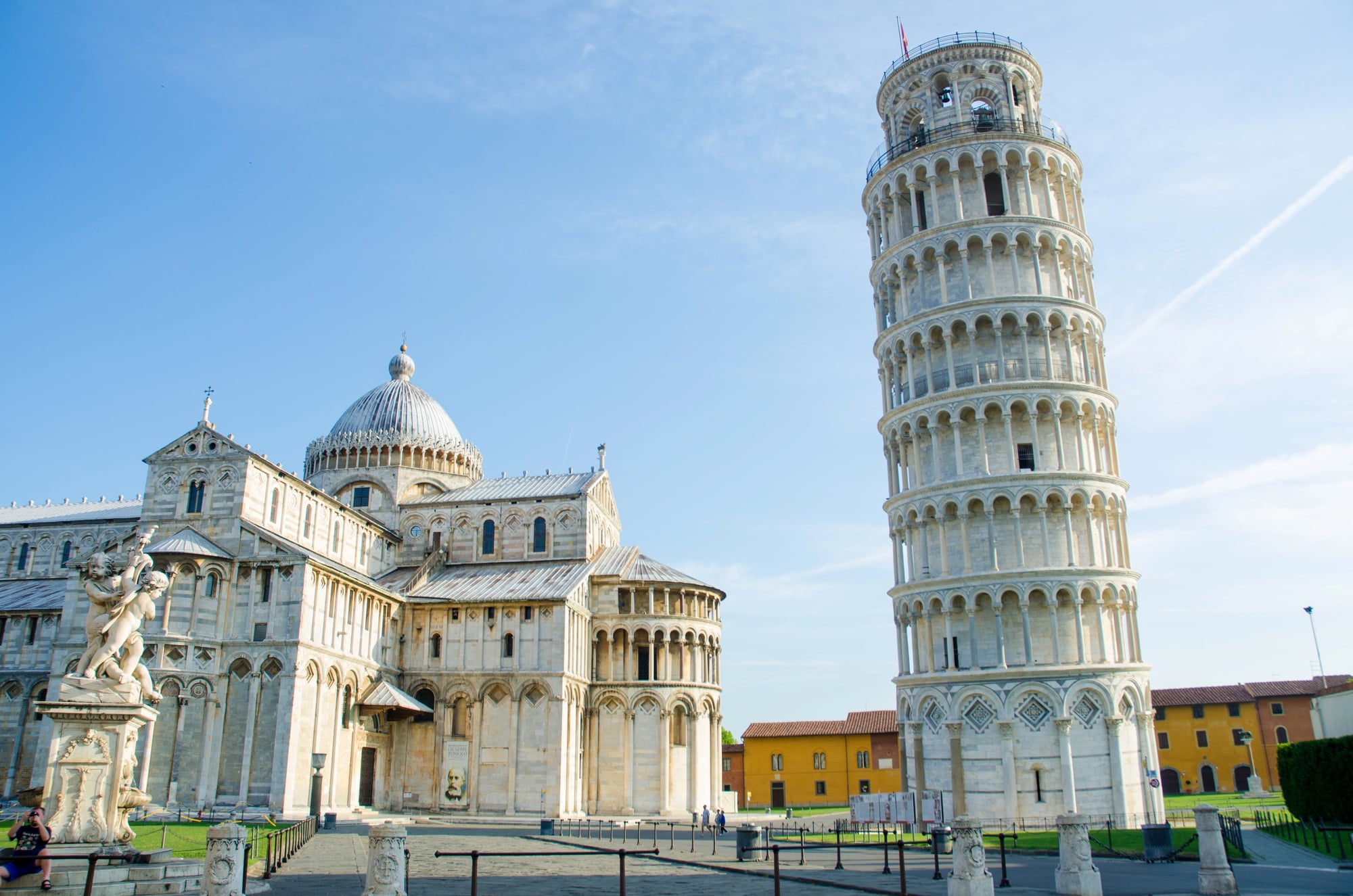
Pisa built a magnificent cathedral, an elegant baptistery, a beautiful cemetery. Then the bell tower started tilting during construction and suddenly none of the other architecture mattered. The mistake became the masterpiece.
Big Ben
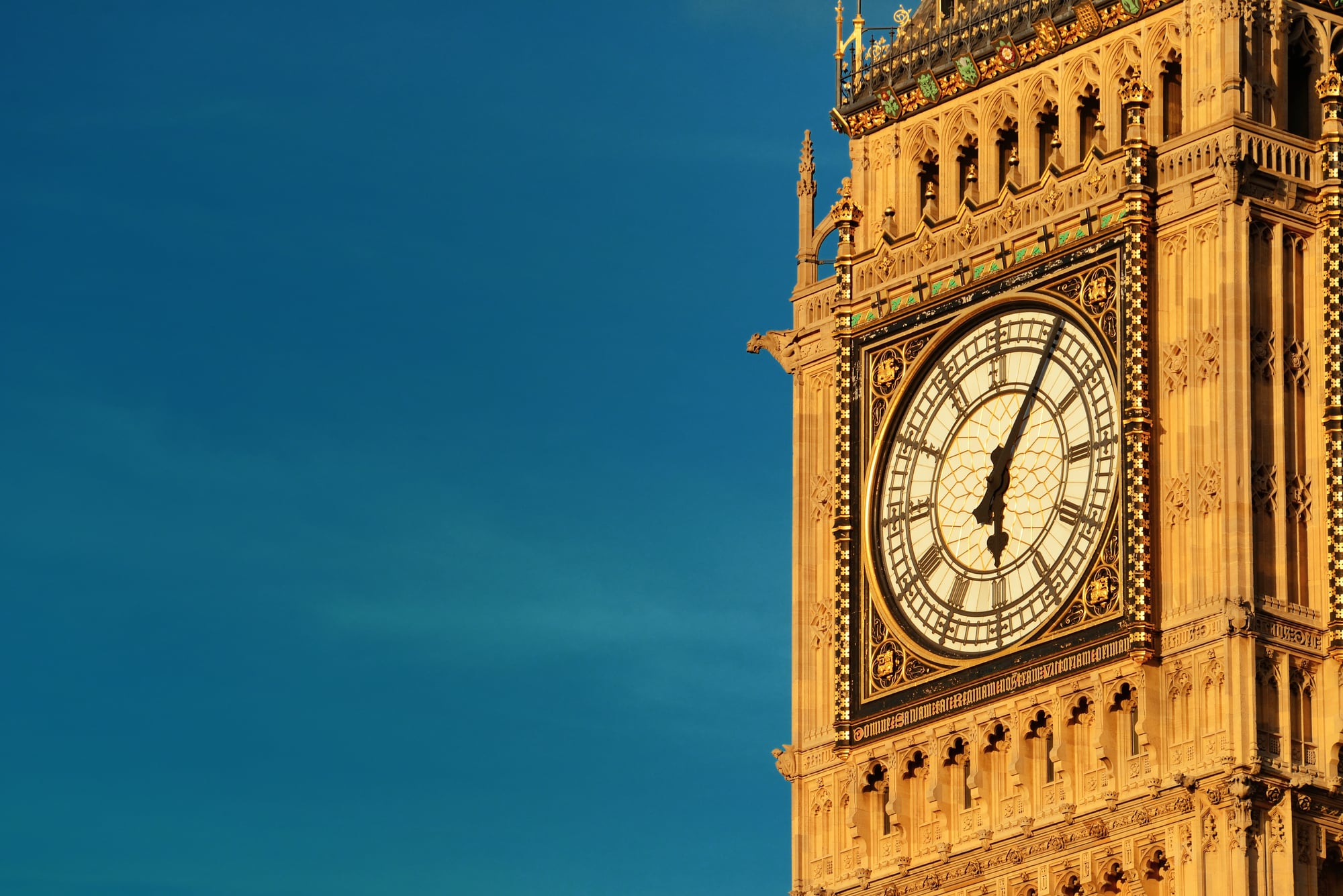
London overflows with landmarks — Tower Bridge, Westminster Abbey, Buckingham Palace, the London Eye — yet when Big Ben chimes, the entire city stops and listens, as if the great clock has been appointed the official timekeeper not just for Parliament but for the collective British soul. The tower (officially Elizabeth Tower, though everyone ignores this) doesn’t just tell time; it announces it, broadcasts it, makes time itself feel like a grand pronouncement worthy of Gothic Revival stonework and a bell that weighs thirteen tons.
And here’s the thing about Big Ben that makes it different from London’s other famous structures: it sounds like what London should sound like, which means every other landmark might catch your eye, but this one catches your ear and holds it. So it dominates not through size or beauty but through voice — and voices, as it turns out, carry farther than anyone expects.
Niagara Falls
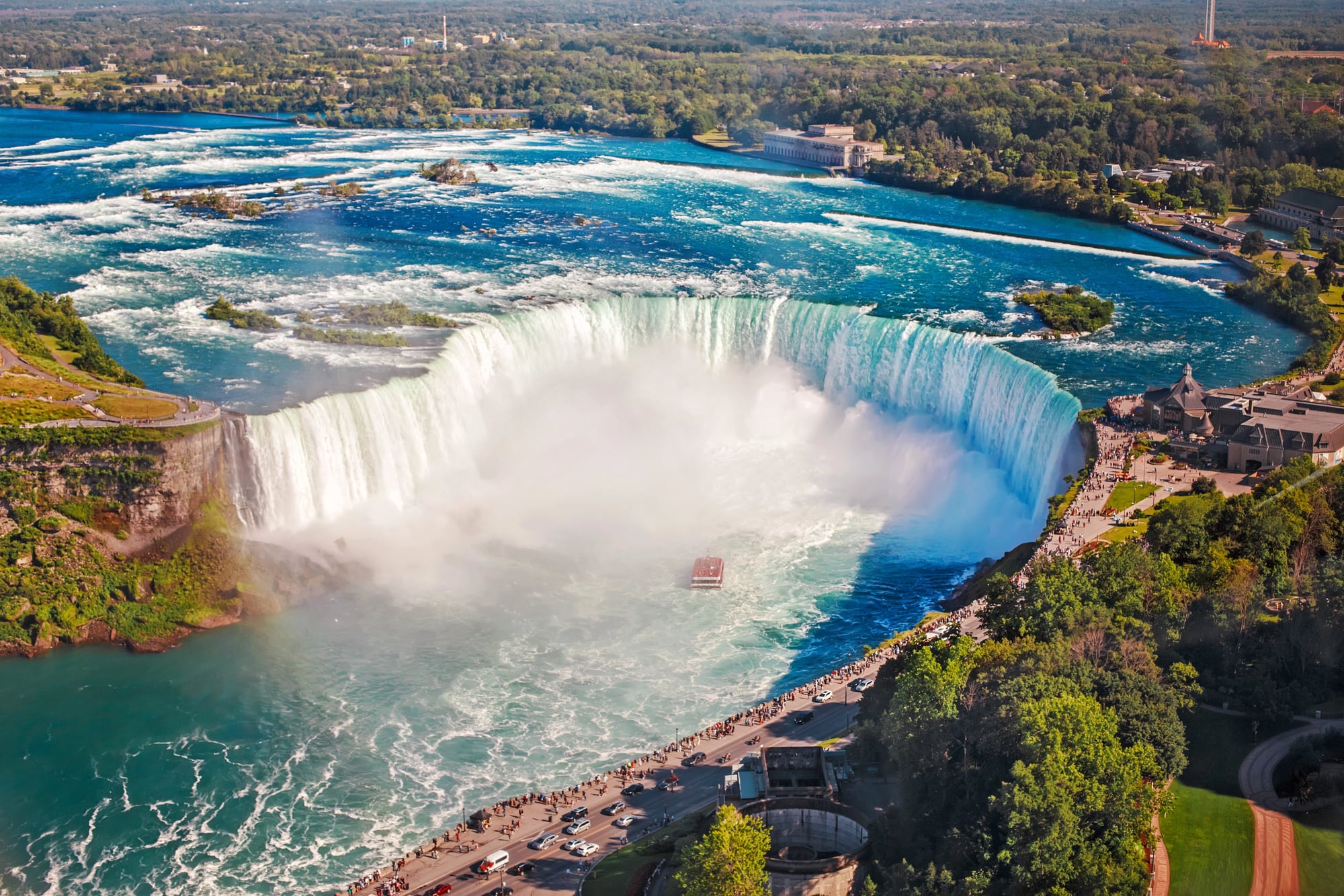
The falls roar louder than the tour guides. Everything built around them — the hotels, the observation decks, the gift shops selling plastic rain ponchos — feels temporary by comparison. Water wins.
Mount Fuji
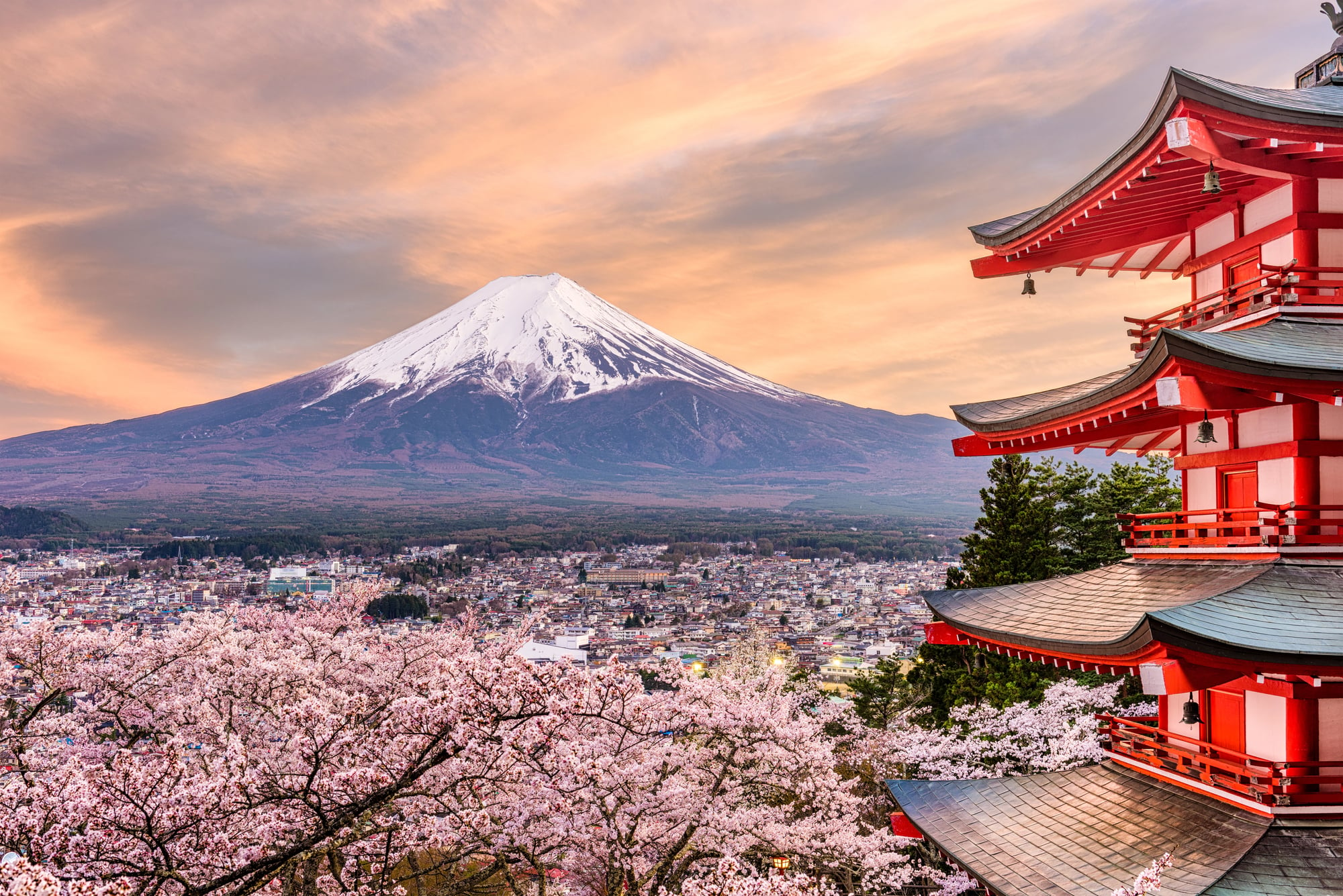
Japan’s most recognizable symbol rises 12,389 feet above everything else. Perfectly symmetrical, perpetually snow-capped, endlessly photographed. The mountain appears on currency, in art, on postcards sent by people who never climbed higher than the gift shop.
The Hollywood Sign
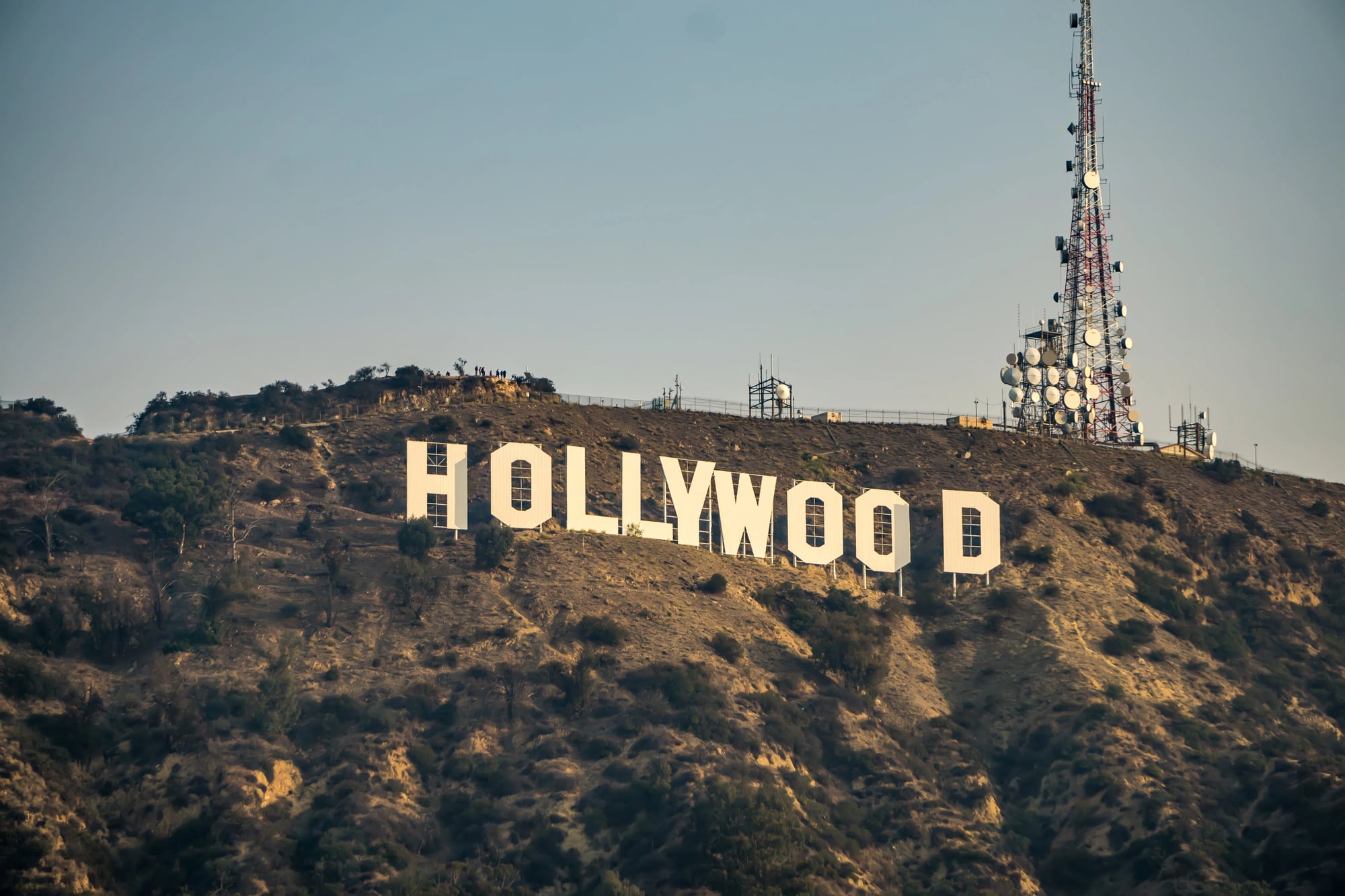
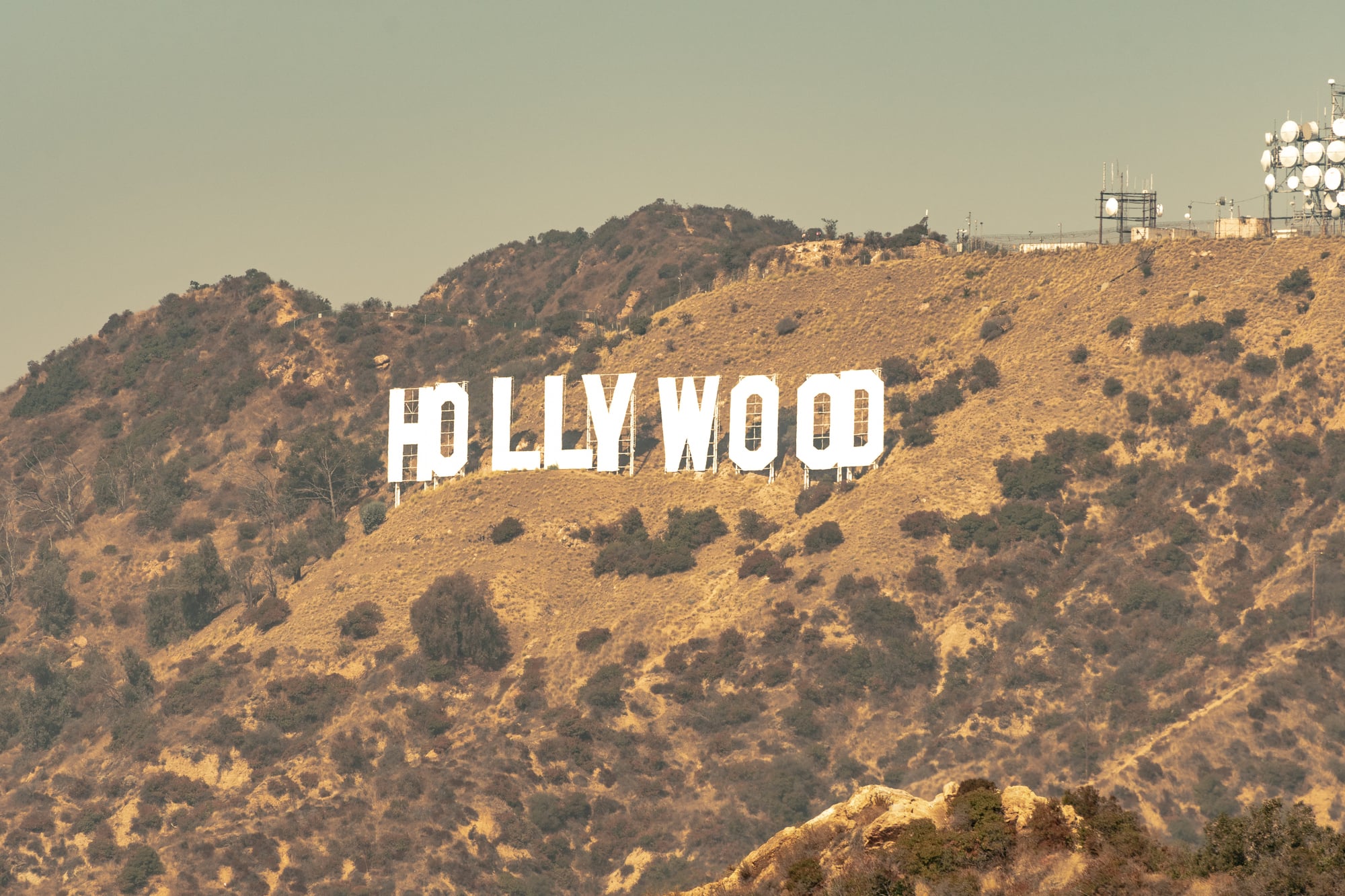
Nine white letters on a hillside spell out the dream factory’s name, and suddenly Los Angeles has an icon that matters more than any movie studio or celebrity handprint. The sign was originally an advertisement for a housing development called “Hollywoodland” — the “land” part fell off decades ago, but the ambition stuck.
It sits there like a challenge: make it here or go home. Fair enough. Most people go home.
Easter Island
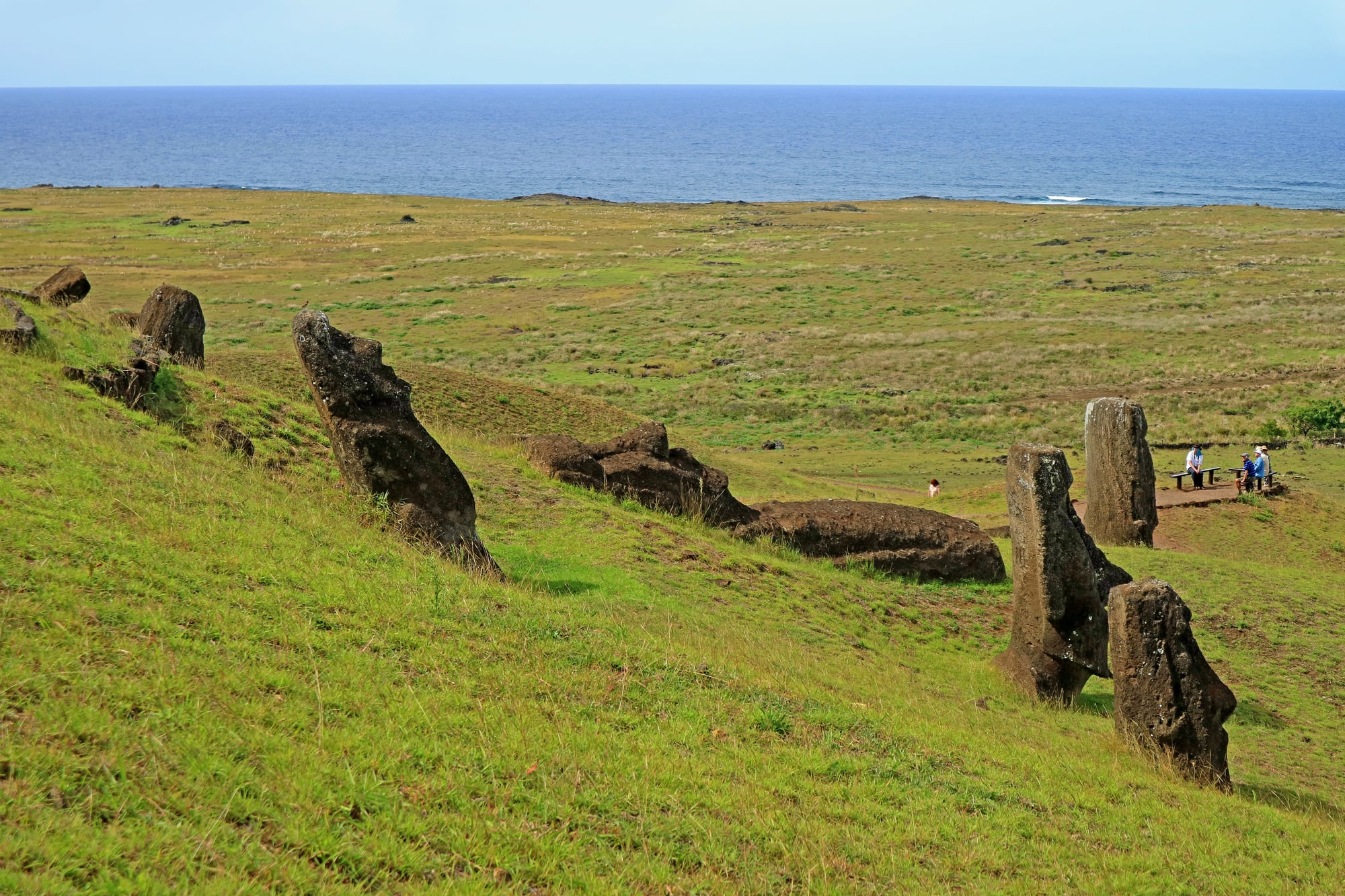
The moai statues stare out at the Pacific with stone faces that give away nothing. Nearly 1,000 of them scattered across the island, some buried up to their necks, others standing guard along the coastline. Rapa Nui exists because of these monuments — without them, it would be a remote speck of land that nobody visits.
The Golden Gate Bridge
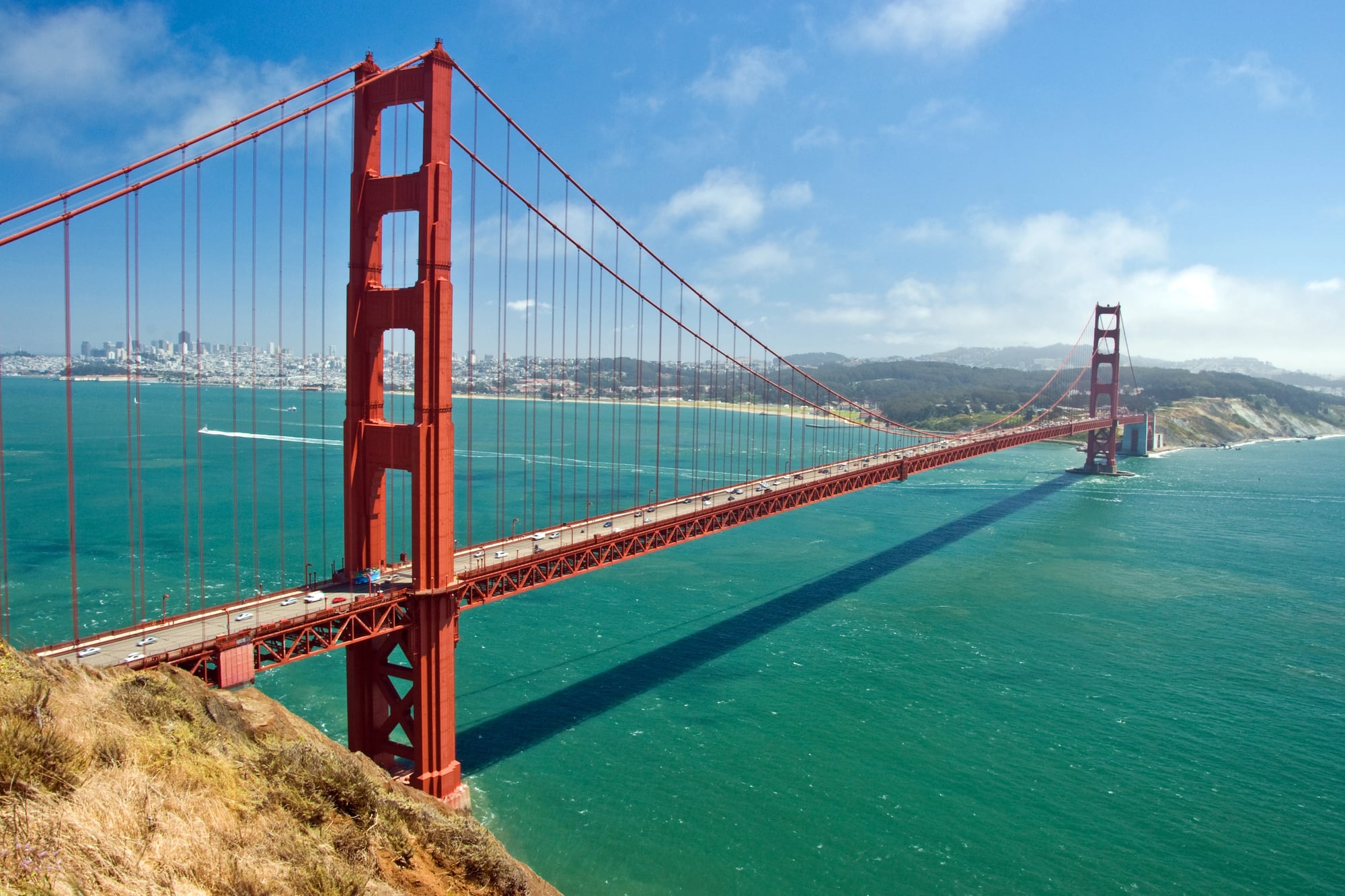
San Francisco spreads across hills and valleys, packed with Victorian houses and sourdough bread and trolley cars that tourists love, but the bridge connects the city to something larger than itself — both literally and metaphorically. That Art Deco suspension bridge painted International Orange (not golden, despite the name) spans the gap between San Francisco Bay and the Pacific, between the city and Marin County, between reality and the California dream that brought everyone here in the first place.
And when the fog rolls in from the ocean and wraps around those towers, the bridge doesn’t disappear so much as it becomes mythical — which is exactly what San Francisco needs to stay San Francisco rather than just another expensive place to live. So the Golden Gate Bridge doesn’t just carry traffic; it carries the weight of representing an entire city’s relationship with beauty, possibility, and the occasional willingness to build something impractical just because it would look magnificent against the sky.
Machu Picchu
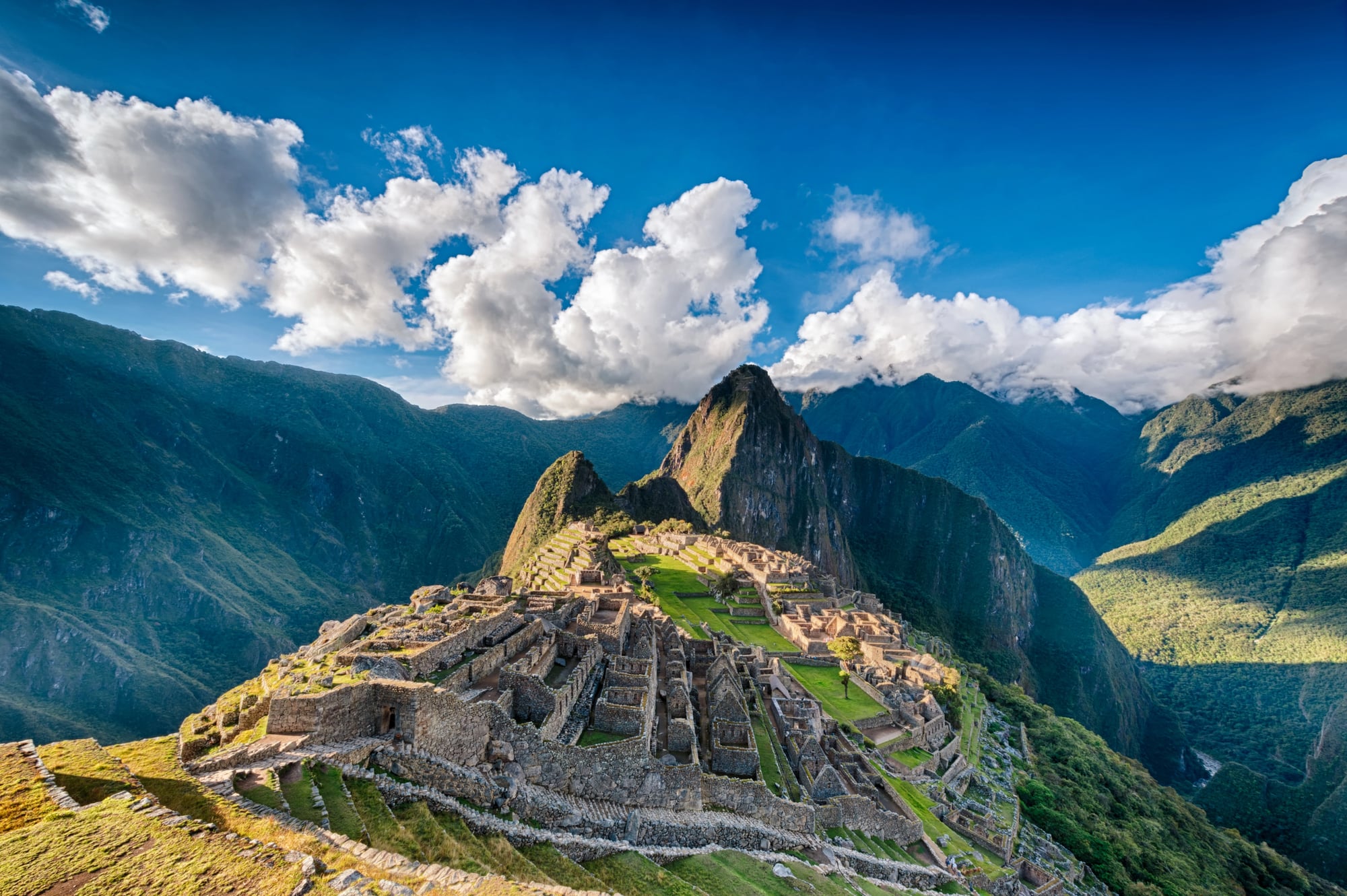
The Inca built their city in the clouds and then abandoned it. Spanish conquistadors never found it. Hiram Bingham rediscovered it in 1911. Now people hike the Inca Trail for days just to see stones arranged on a mountaintop in Peru.
The Statue of Liberty
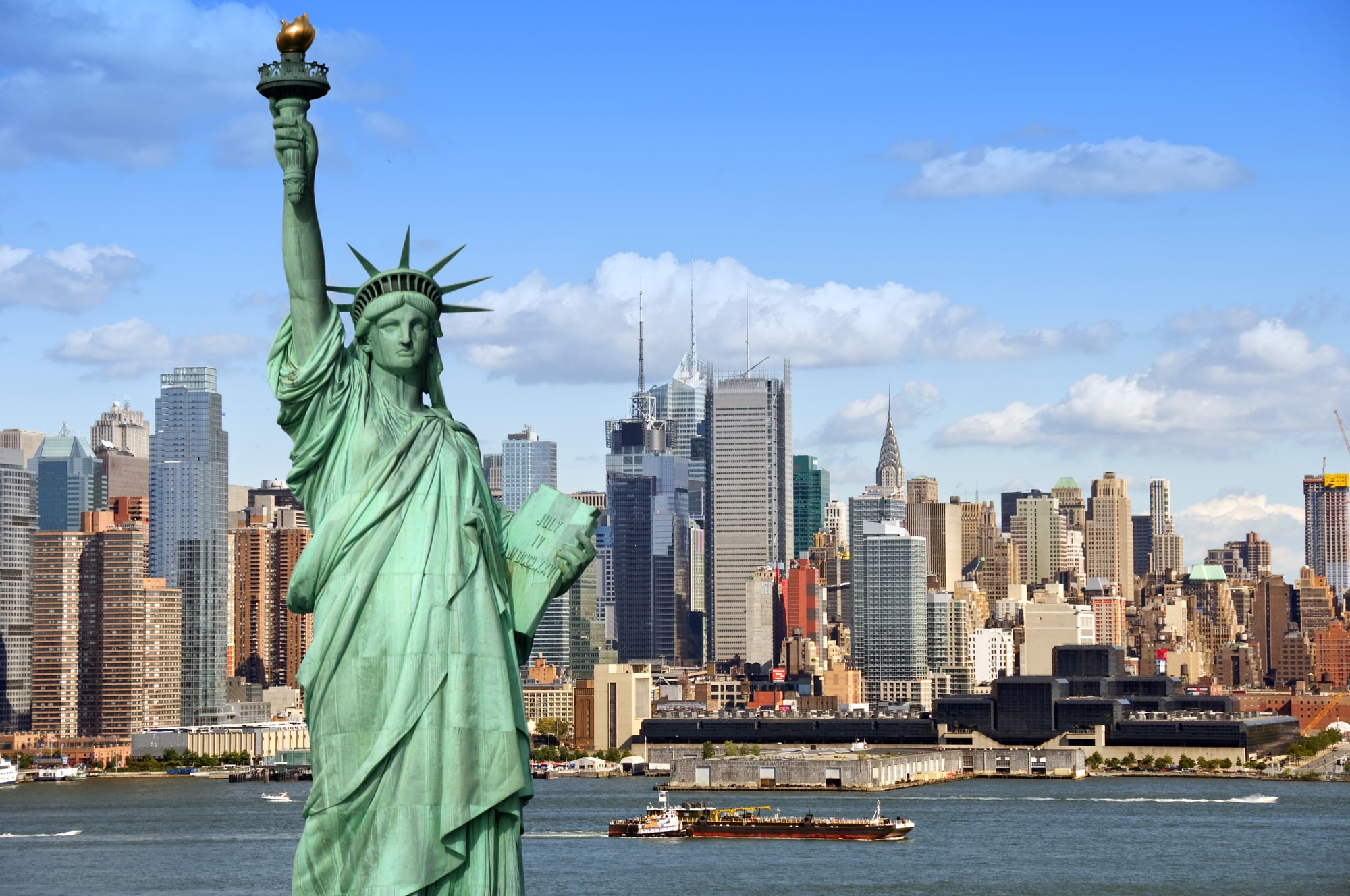
Liberty Island exists for one reason. The statue stands there holding a torch and a tablet, welcoming immigrants, symbolizing freedom, appearing in movies whenever someone needs to establish that the scene takes place in New York Harbor. Everything else on the island serves the statue.
The Eiffel Tower
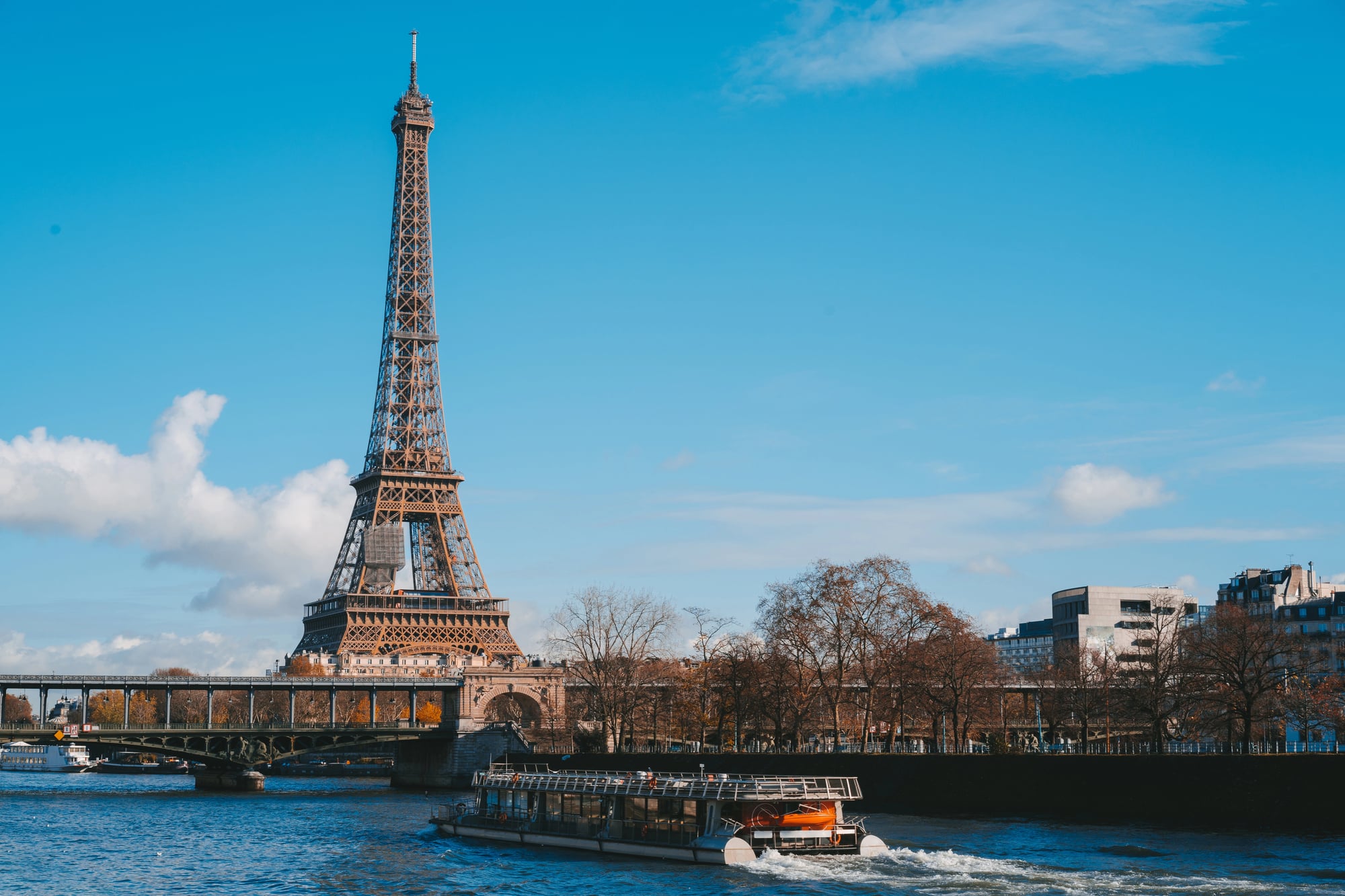
Paris built it for the 1889 World’s Fair as a temporary structure. Artists and writers called it an eyesore. Parisians wanted it torn down when the fair ended. Instead, it became the most recognizable symbol of the city and stayed put for more than a century. Sometimes the mistakes stick around and become indispensable.
Uluru
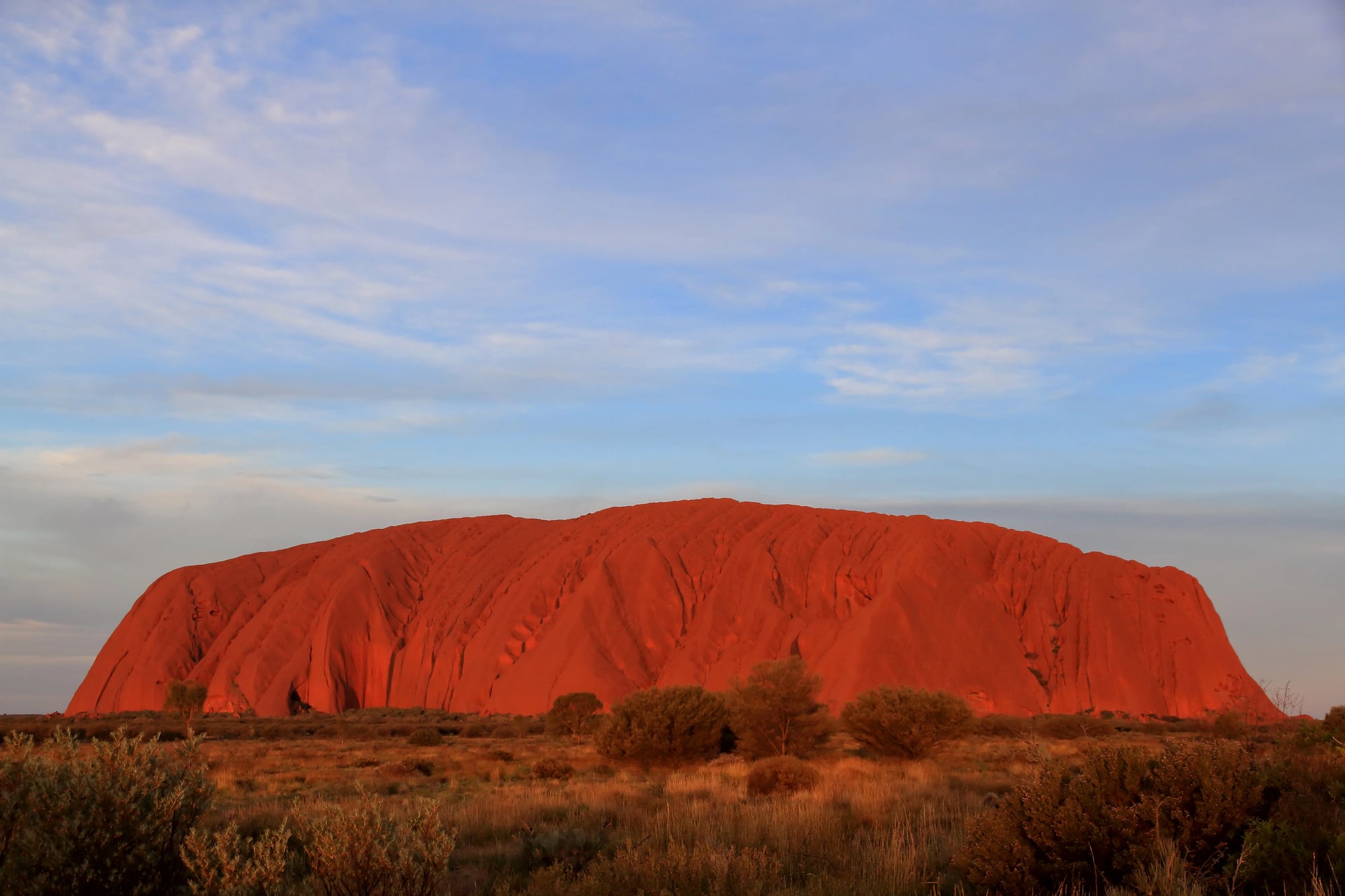
The red monolith rises from the Australian desert like a sleeping giant that decided to take a nap in the middle of nowhere. Uluru (formerly known as Ayers Rock) changes color with the light — deep red at sunrise, purple at sunset, orange in between. The Anangu people consider it sacred. Tourists consider it unmissable. Either way, it dominates the landscape and the conversation.
The Kremlin
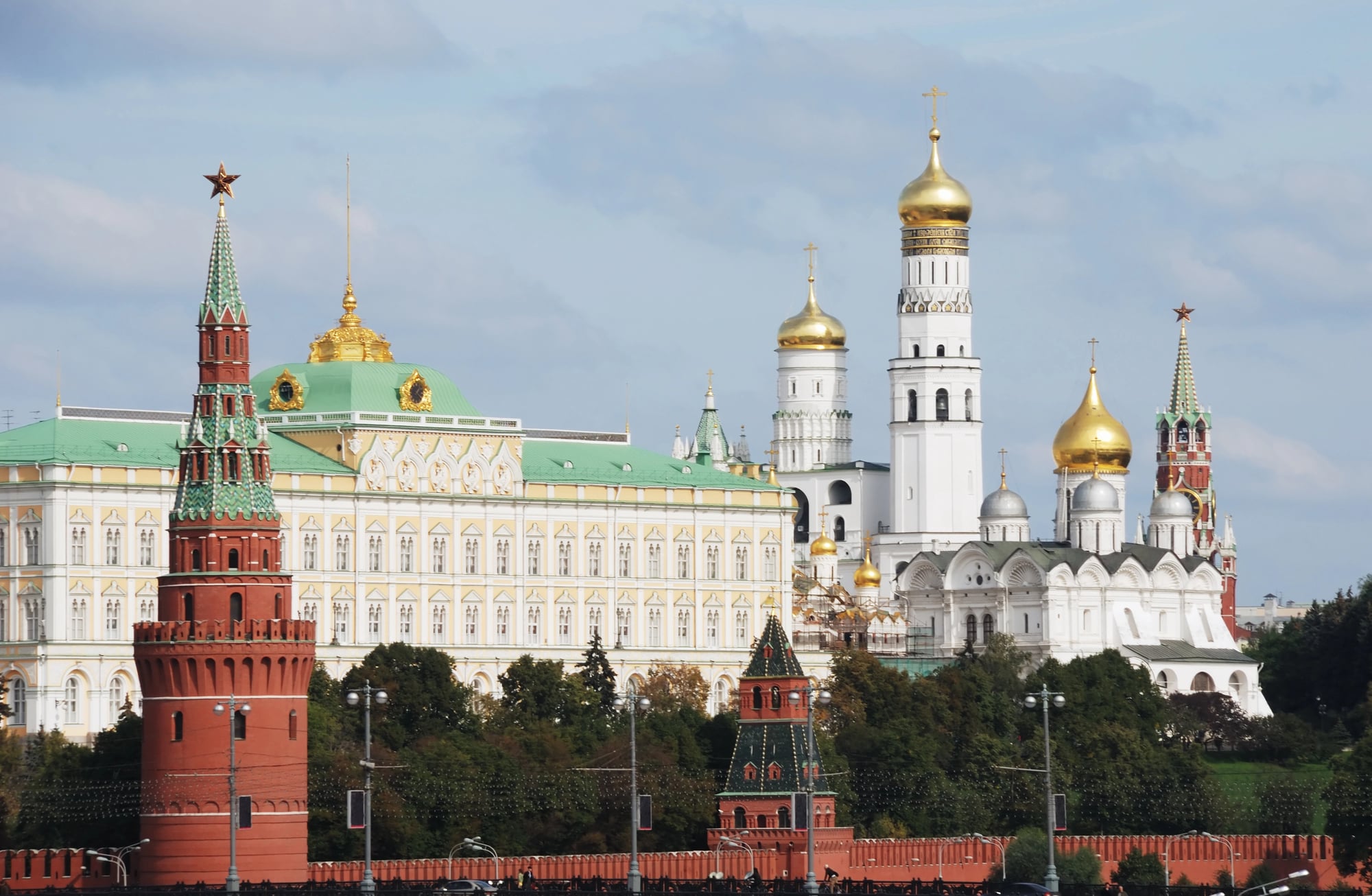
Moscow’s fortified complex contains palaces, cathedrals, government offices, and enough political intrigue to fuel centuries of novels. Those red walls and distinctive onion domes don’t just house Russia’s leadership; they embody it, represent it, make it visible from Red Square and recognizable around the world.
Where Icons Live
These places understand something that other destinations miss: sometimes one perfect thing matters more than a dozen good things. The landmark doesn’t just put the place on the map — it becomes the map, the reason, the entire point of pointing there and saying “let’s go.” And that clarity, that single-minded focus on one magnificent thing, turns out to be exactly what people remember when they’re deciding where to travel next.
More from Go2Tutors!

- The Romanov Crown Jewels and Their Tragic Fate
- 13 Historical Mysteries That Science Still Can’t Solve
- Famous Hoaxes That Fooled the World for Years
- 15 Child Stars with Tragic Adult Lives
- 16 Famous Jewelry Pieces in History
Like Go2Tutors’s content? Follow us on MSN.