Movies That Inspired Real-Life Locations
Sometimes a film creates something so memorable that reality bends to match it. A set gets built for a few months of shooting, captures imaginations worldwide, and suddenly people want to visit a place that never actually existed.
The line between movie magic and reality blurs more than you’d think. What starts as plywood and paint on a backlot becomes a pilgrimage site.
The Shire Comes to Life in New Zealand

Peter Jackson built Hobbiton for the Lord of the Rings trilogy on a sheep farm near Matamata. The studio dismantled everything after filming wrapped in 2000.
But when The Hobbit films came around years later, the set was rebuilt—this time with permanence in mind. Today, you can walk through Bag End’s green door, peek into hobbit pits, and drink ale at the Green Dragon Inn.
The attention to detail goes further than most film sets ever bother with. Gardens grow vegetables that hobbits would actually cultivate.
Clotheslines hang washing that matches the aesthetic. Someone decided to make a temporary movie location into something that feels like it always existed there.
The New Zealand tourism board understood what they had. Middle-earth isn’t just a set anymore—it’s become part of the country’s identity, drawing hundreds of thousands of visitors who want to stand where Frodo stood.
Hogwarts Finds a Home at Universal Studios
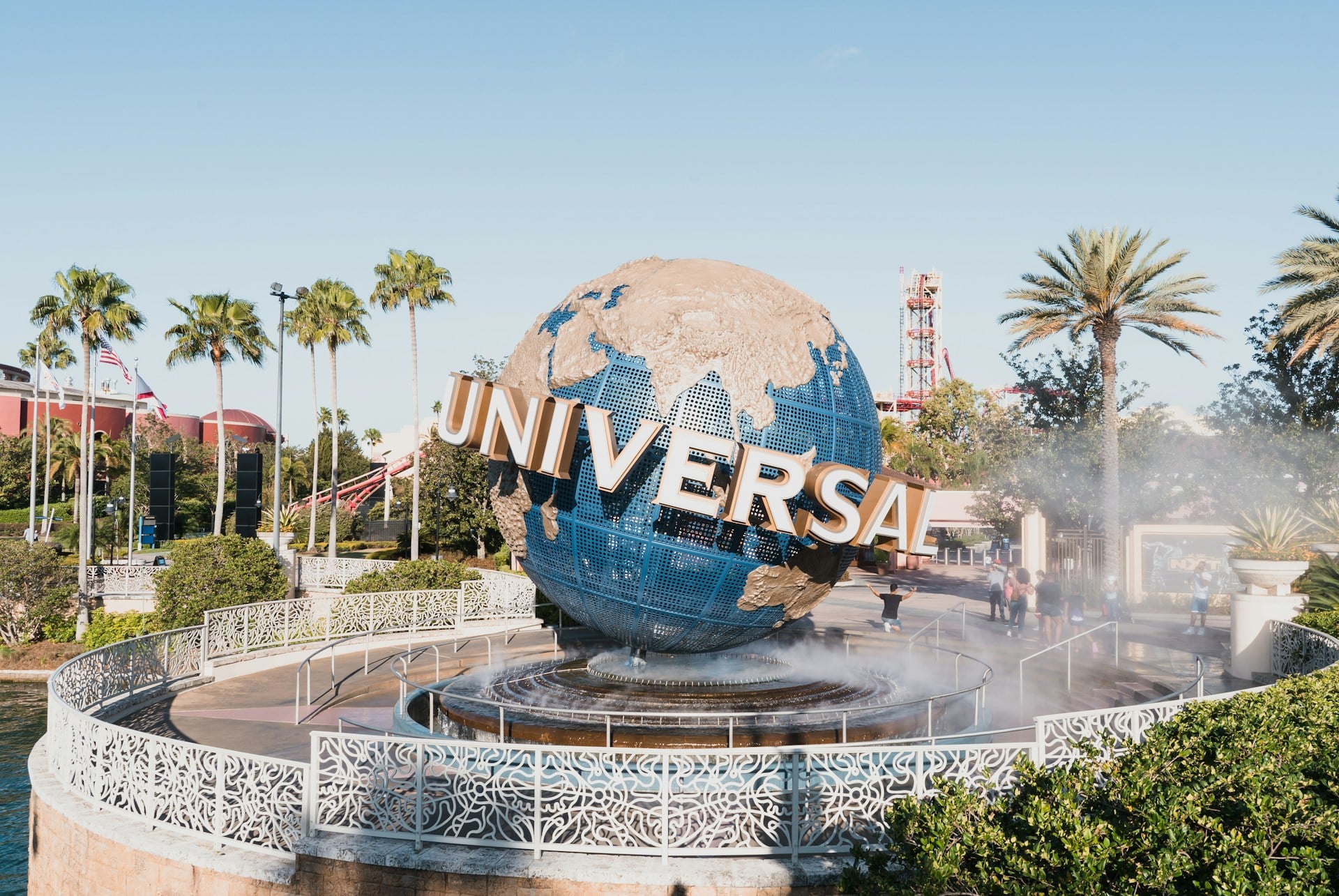
Warner Bros. kept many of the Harry Potter sets after filming ended, but they stayed locked away in studios for years. Universal Studios saw the opportunity and built The Wizarding World of Harry Potter, starting in Orlando in 2010.
Walking into Hogsmeade Village or Diagon Alley feels different from typical theme park experiences. The shops sell actual merchandise you’d find in the books.
The wands work with interactive elements throughout the park. Butterbeer tastes like something, even if nobody can quite agree on what.
Every detail reinforces the illusion that you’ve stepped through Platform 9¾ into another world. Universal didn’t just build rides based on Harry Potter—they recreated locations from the films with obsessive accuracy.
The success proved that fans wanted immersive environments, not just roller coasters with character names slapped on them. Other studios took notice.
Now every major entertainment company wants their own themed land where IP meets physical space.
Star Wars Builds a Galaxy at Multiple Parks
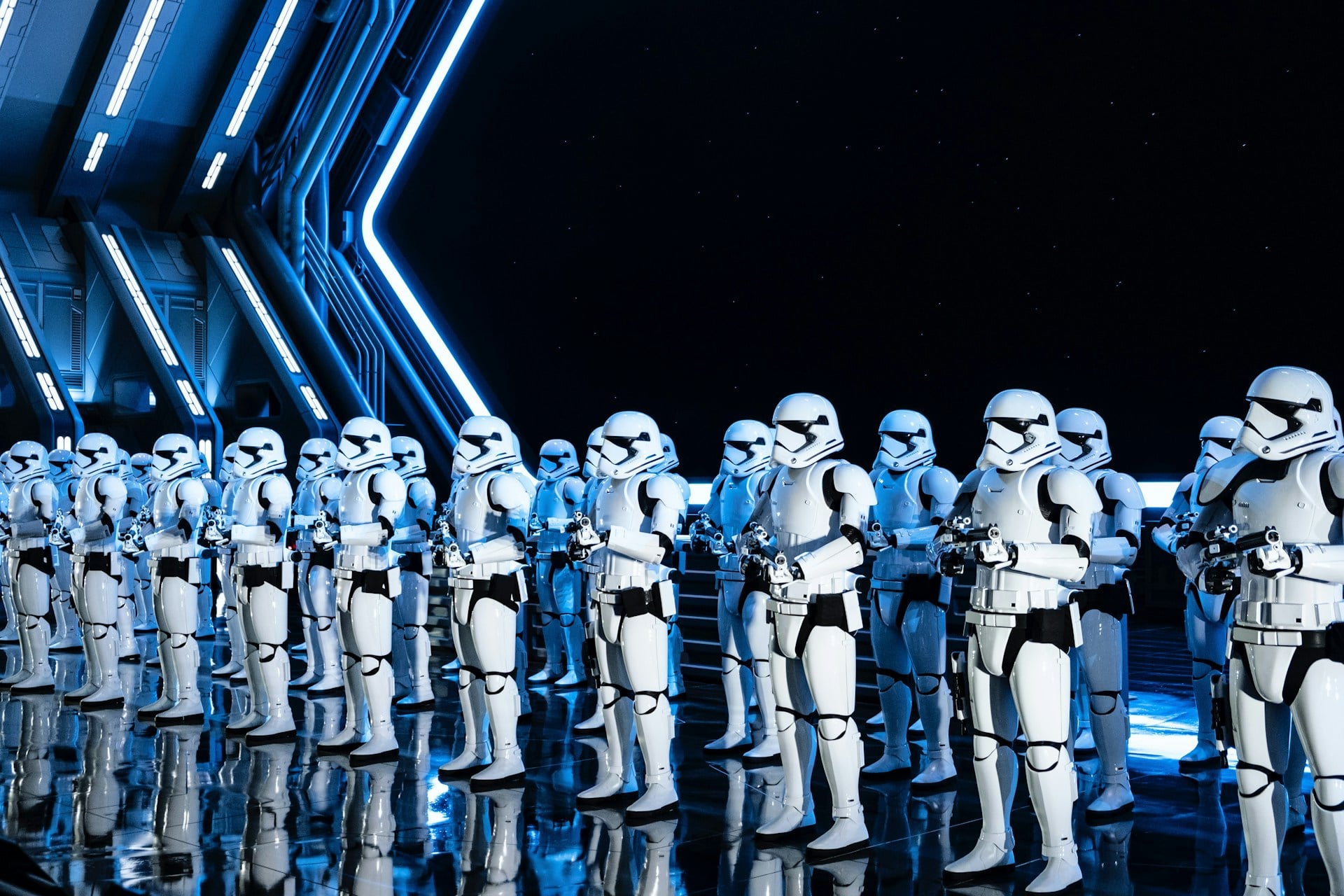
George Lucas created Star Wars worlds on soundstages and desert locations, but Disney turned them into permanent destinations. Galaxy’s Edge opened at Disneyland and Disney World in 2019, representing the studio’s biggest single investment in themed entertainment.
The land doesn’t recreate scenes from the films directly. Instead, it builds the planet Batuu, a location mentioned in the expanded universe but never shown on screen.
Visitors become part of the story rather than tourists observing it. Cast members stay in character as residents of Black Spire Outpost.
The Millennium Falcon sits full-scale in the plaza, ready for you to pilot. Building a location that extends beyond what appeared in the movies shows confidence in world-building.
Star Wars fans don’t just want to see the places they recognize—they want to explore the corners that the cameras never reached.
Jurassic Park Gates Open for Real
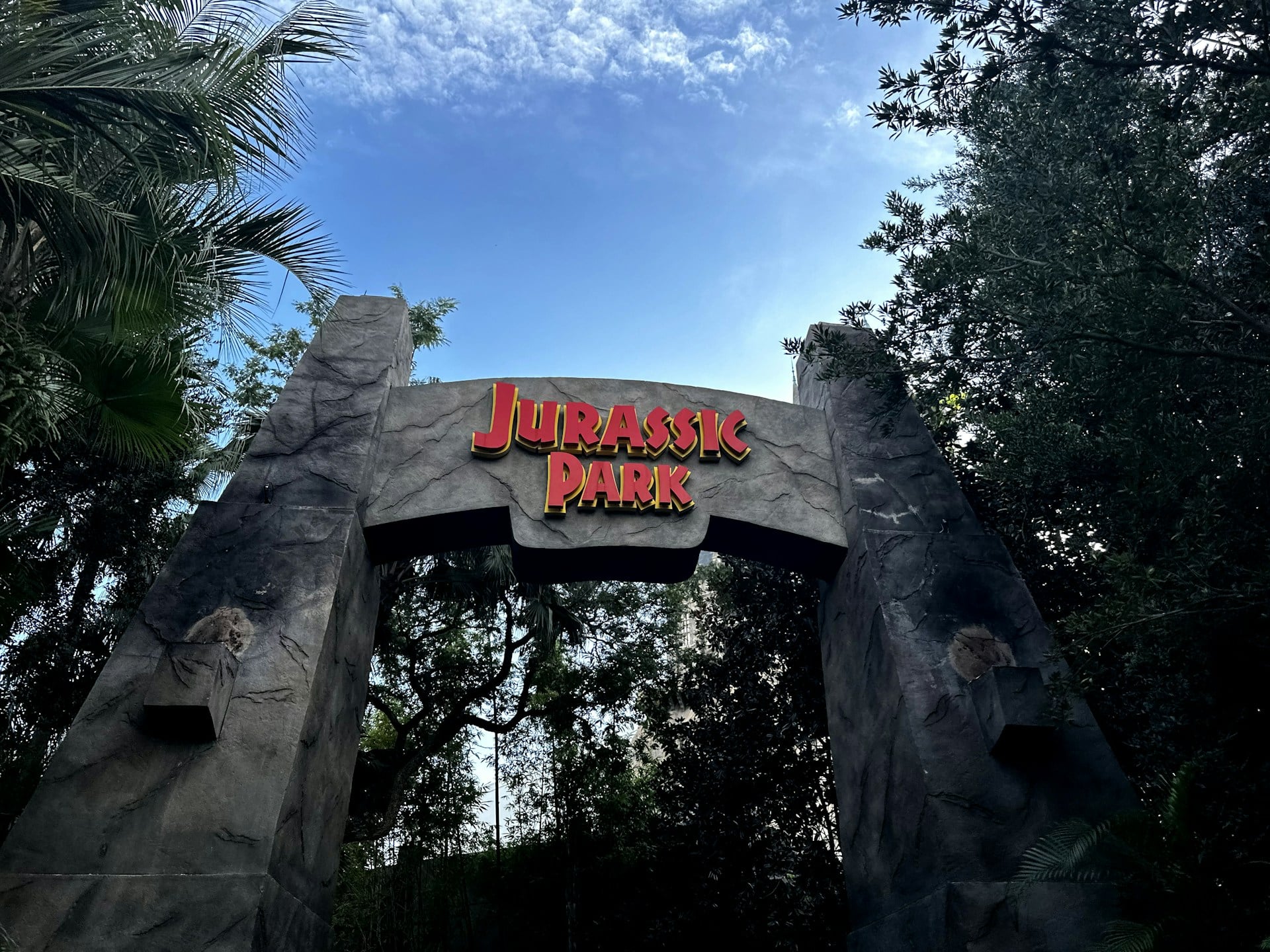
Steven Spielberg shot Jurassic Park across multiple Hawaiian islands, but no single location captured every iconic scene. Universal Studios built their own version of Isla Nublar, complete with river adventure rides where dinosaurs lumber past boats of screaming tourists.
The irony isn’t lost on anyone. John Hammond’s dream of a dinosaur theme park failed spectacularly in the movie.
Yet here we are, riding through jungles while animatronic velociraptors stalk us and tyrannosaurs splash water on delighted crowds. The experience works precisely because we know how badly it went in the films.
The ride opened in 1996, just three years after the first movie, and it’s been scaring visitors ever since. Multiple versions exist across Universal parks worldwide, each slightly different but all capturing that essential feeling of being somewhere you probably shouldn’t be.
The Grand Budapest Hotel’s Pink Façade
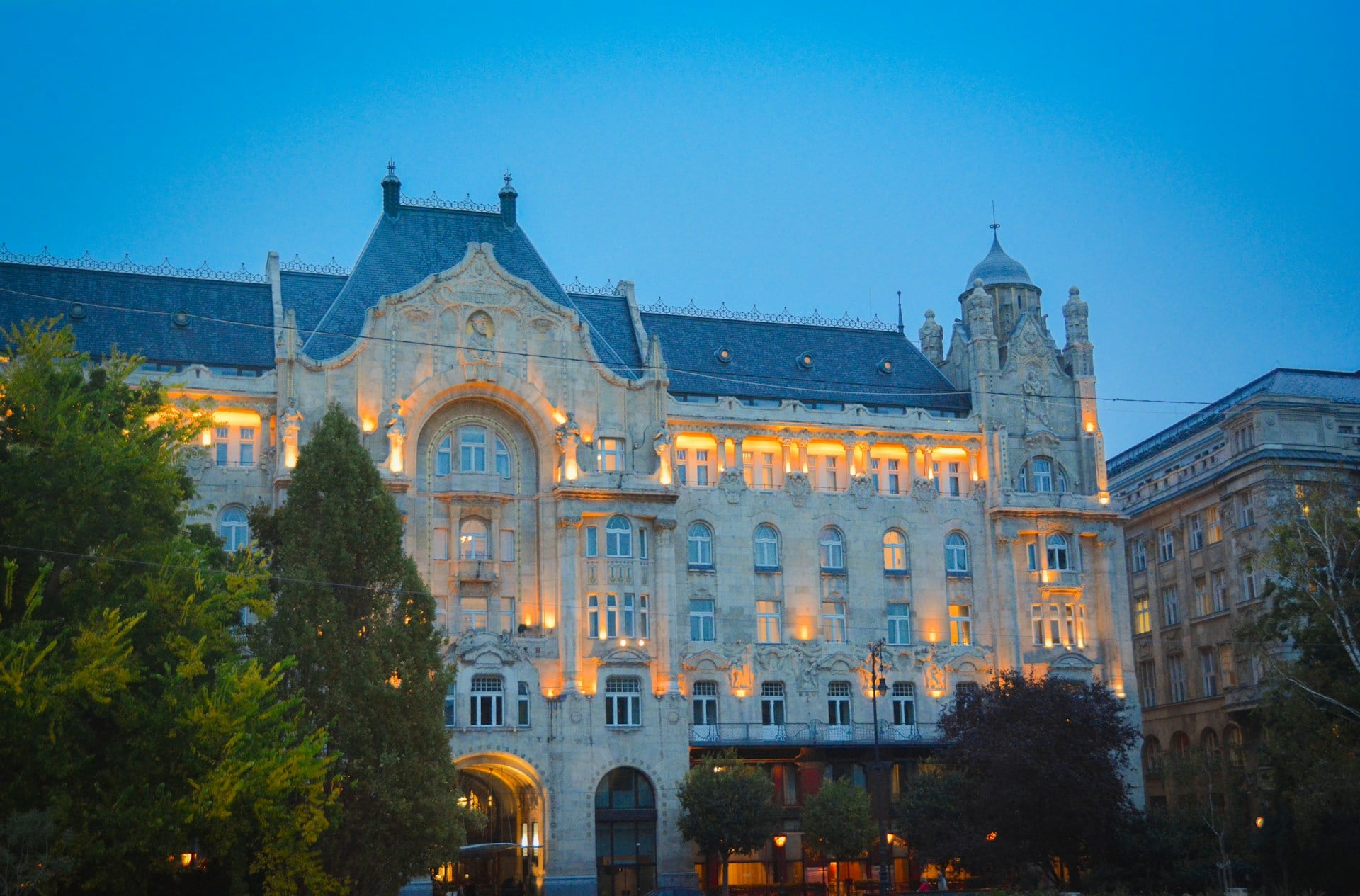
Wes Anderson built his famous hotel as a miniature model and used practical sets for interior scenes. No real Grand Budapest Hotel exists in the real world—yet.
But Anderson’s distinct visual style inspired the Görlitz department store in Germany, which was used for some filming, to embrace its role in cinema history. The building’s pink and purple façade became a tourist attraction after the film’s release.
Visitors take photos trying to replicate the movie’s symmetrical compositions. Local businesses nearby have adopted similar color schemes and Art Nouveau styling, gradually transforming a small section of town into something that feels like an Anderson film set.
Sometimes the influence works backward. A movie uses a real location, and that location then reshapes itself to match the movie’s vision of it.
King Kong’s Empire State Encounter

King Kong climbing the Empire State Building is one of cinema’s most enduring images, first captured in 1933. The building itself predates the film by only two years, and the movie cemented its place in popular culture as more than just a tall building.
The Empire State Building leaned into this association over decades. Special lighting displays commemorate movie anniversaries.
An exhibit on the 80th floor features Kong memorabilia and film history. The observation deck marketing specifically references the giant ape’s climb, turning a fictional rampage into a beloved part of the building’s story.
The relationship between landmark and movie runs both ways. King Kong helped make the Empire State Building iconic, and the building now helps keep King Kong relevant for new generations.
Tatooine Survives in Tunisia
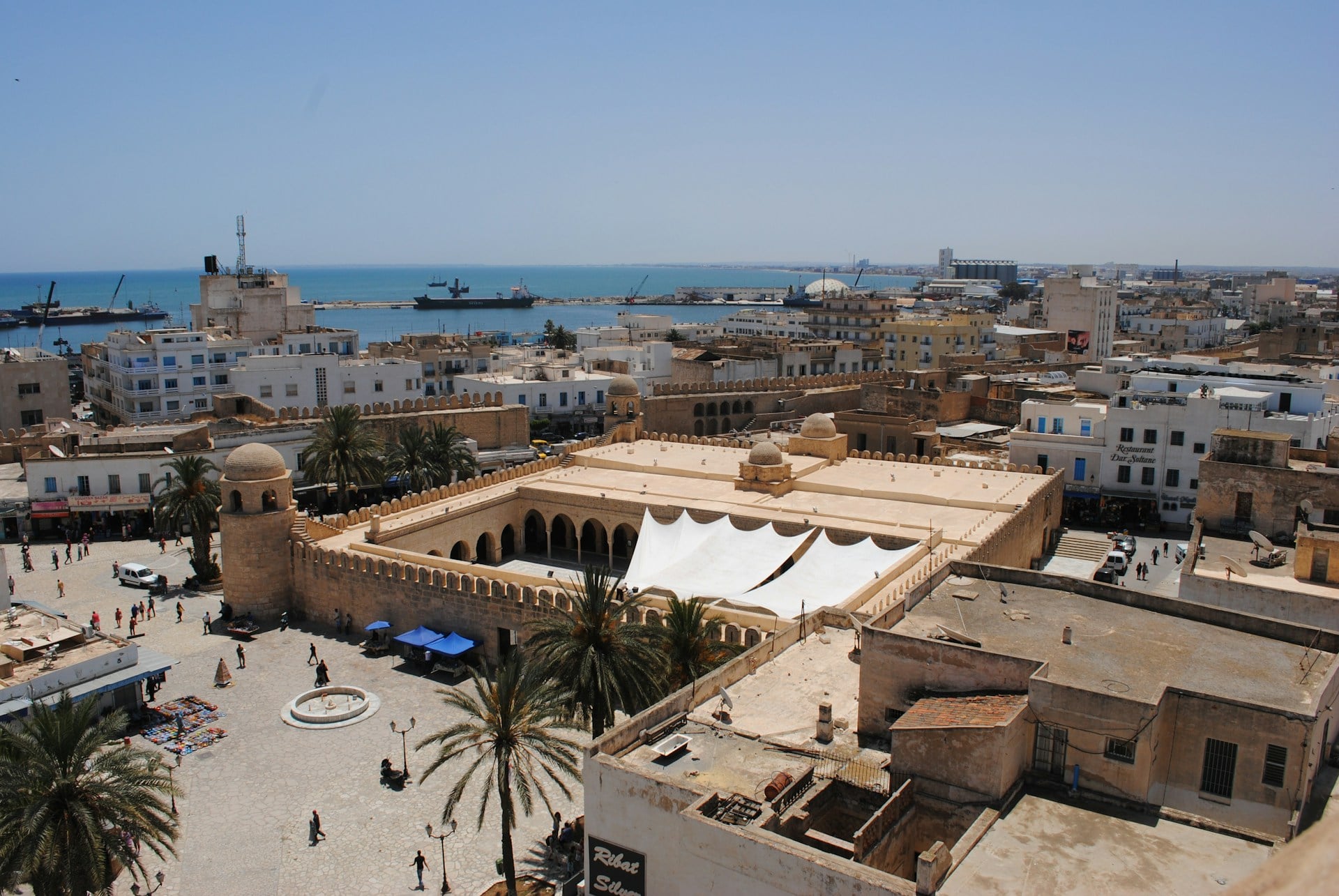
George Lucas filmed the original Star Wars on location in Tunisia, building Lars Homestead and other Tatooine locations in the desert. The production left the sets behind when filming wrapped, and desert winds began reclaiming them.
But fans wouldn’t let them disappear. A group worked to restore Lars Homestead in 2012, rebuilding the igloo-shaped structures and courtyard where Luke Skywalker gazed at twin sunsets.
The Tunisian government recognized the tourism value and helped preserve other locations. Now you can visit multiple Star Wars filming sites across the country, each one maintained as a monument to a fictional desert planet.
The sets sit in real desert locations that haven’t changed much since 1976. Standing there feels less like visiting a movie set and more like actually being on Tatooine, because the raw landscapes are exactly what the cameras captured decades ago.
The Rocky Steps in Philadelphia
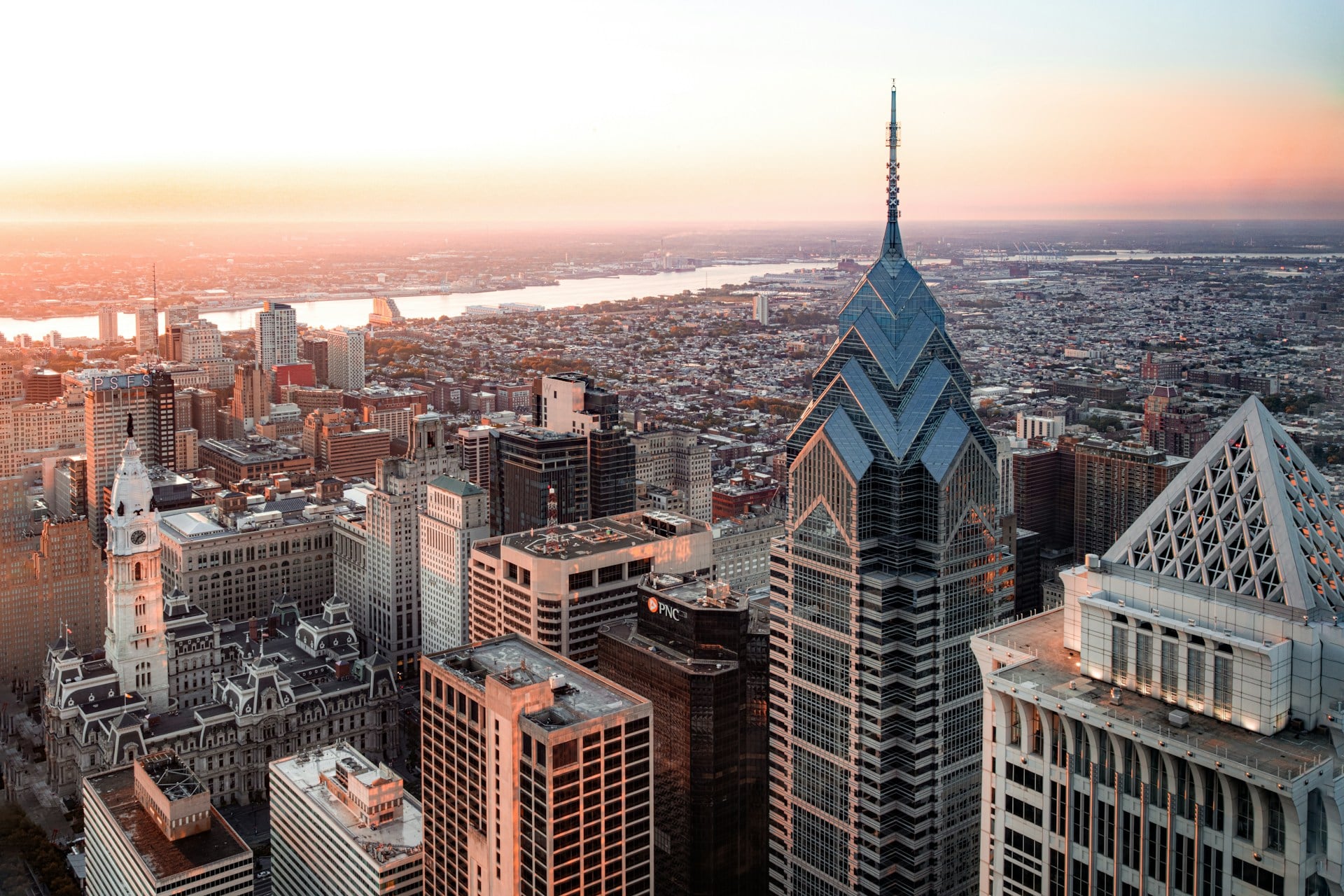
The Philadelphia Museum of Art’s entrance stairs existed long before Rocky ran up them in 1976. But Sylvester Stallone’s training montage transformed them into something more than museum steps—they became a symbol of determination and underdog triumph.
The museum initially resisted the association, preferring to emphasize art over movie connections. They’ve since embraced it fully.
A bronze statue of Rocky stands nearby. Tourists jog up the steps daily, arms raised in victory poses.
The museum even named them “The Rocky Steps” on maps and promotional materials. This represents a pure example of cinema reshaping how we perceive real places.
Nothing about the physical location changed, but millions of people now see those steps through the lens of a fictional boxer’s journey.
Avatar’s Floating Mountains Find Form
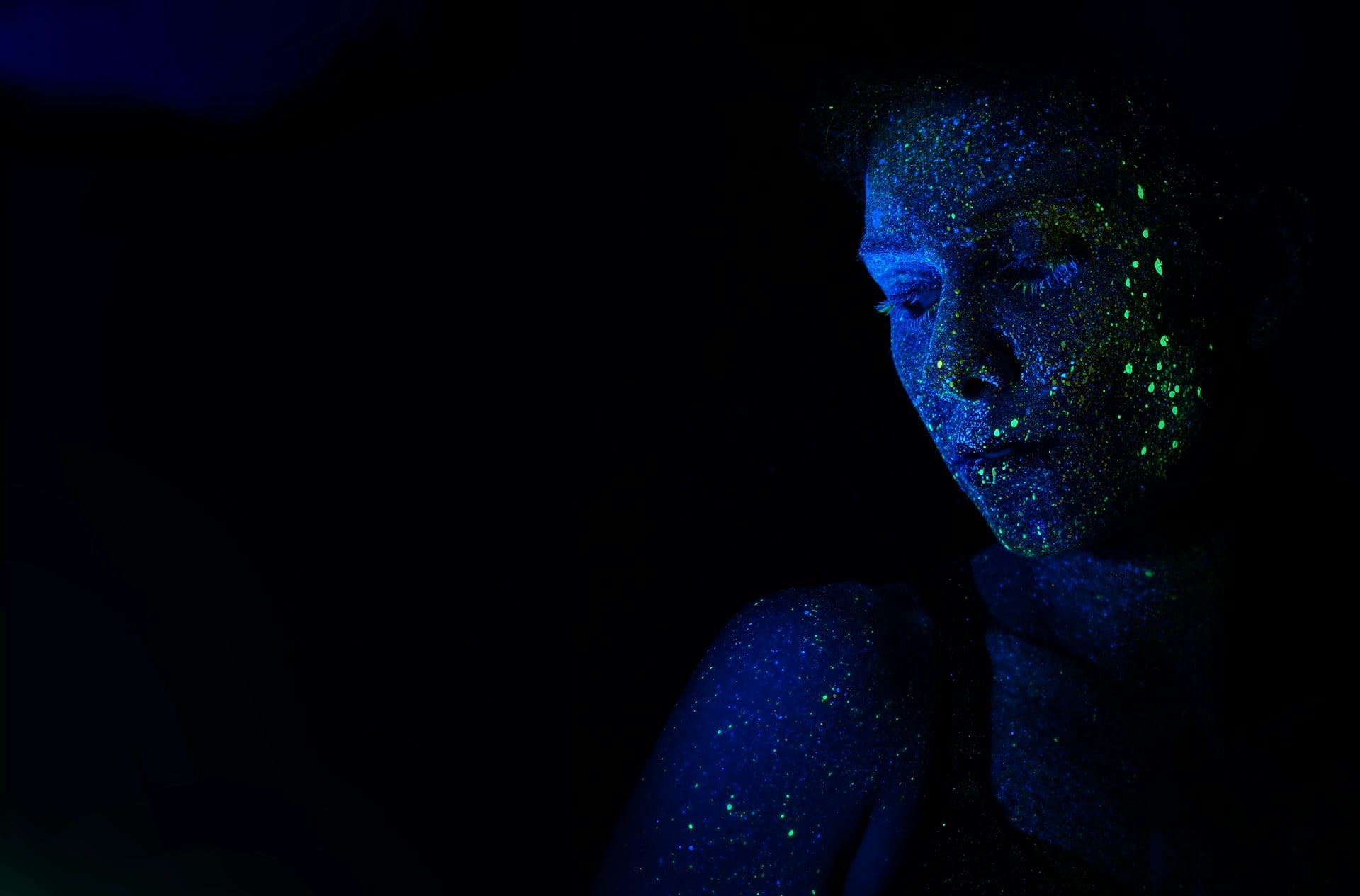
James Cameron’s Pandora showcased floating mountains in bioluminescent forests, created entirely through computer graphics. Yet a real location claims connection to the film’s most striking visuals.
Zhangjiajie National Forest Park in China features towering sandstone pillars that inspired Cameron’s design team. After Avatar’s release, Chinese officials renamed one formation “Avatar Hallelujah Mountain,” directly linking the park to the movie.
Tourism increased dramatically as visitors flocked to see “the real Pandora.” The park built glass walkways and elevators to bring tourists closer to the pillar formations.
While the floating mountains remain fictional, the Chinese location successfully marketed itself as the earthbound version of Cameron’s alien world.
Mamma Mia’s Greek Island Paradise
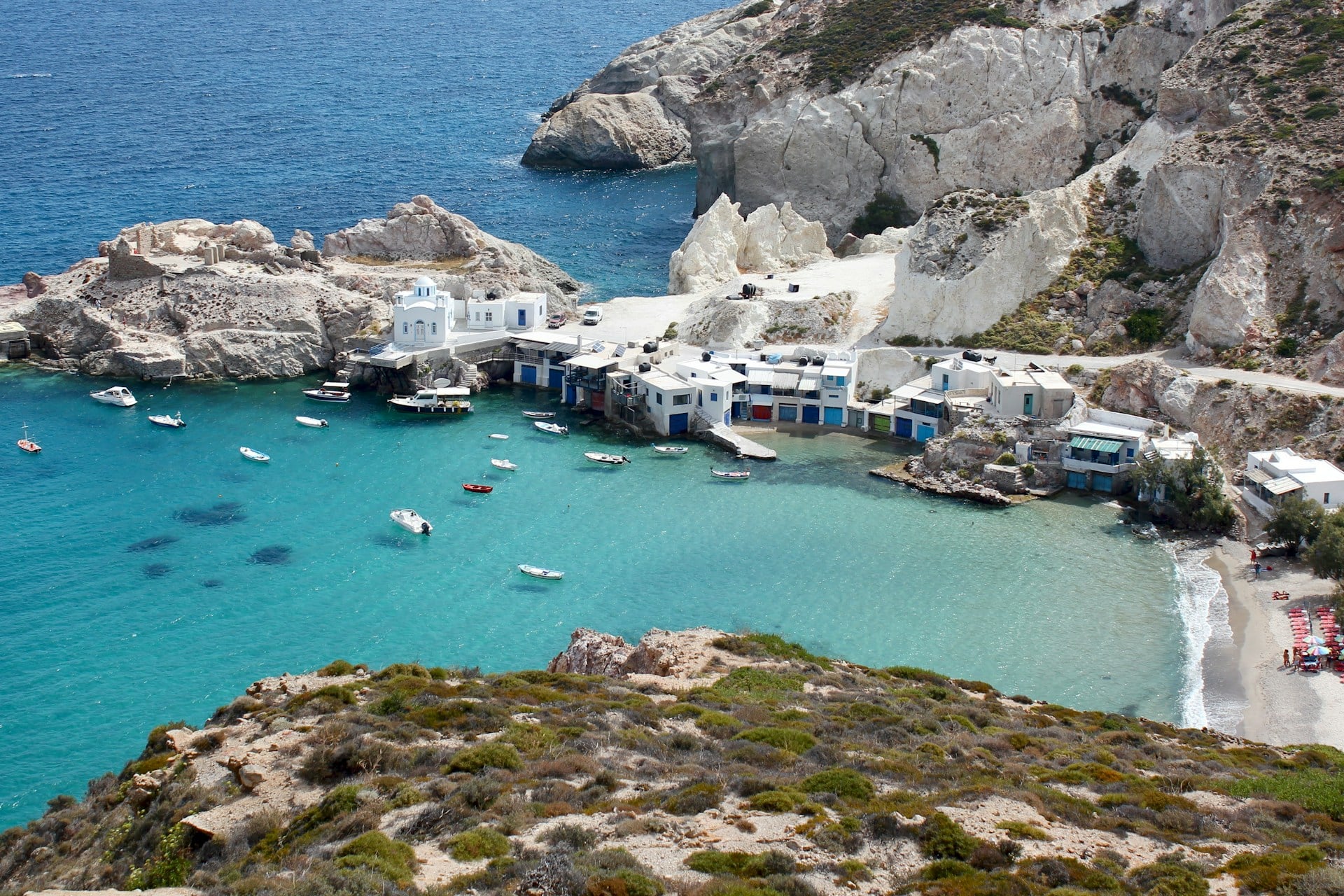
Mamma Mia filmed on Skopelos and Skiathos in Greece, using stunning Aegean locations for the fictional island of Kalokairi. The blue-domed chapel where key scenes take place became one of Greece’s most photographed buildings practically overnight.
Tour operators now offer “Mamma Mia Tours” across the islands, taking visitors to every filming location. Small businesses saw opportunities and rebranded.
Hotels advertise their proximity to movie scenes. Even locations that appeared briefly on screen for seconds attract dedicated tourists who want to stand exactly where Meryl Streep danced.
Greece already had beautiful islands before the movie. The film just gave millions of people specific coordinates for their Greek vacation fantasies, complete with an ABBA soundtrack playing in their heads.
The Goonies House in Astoria
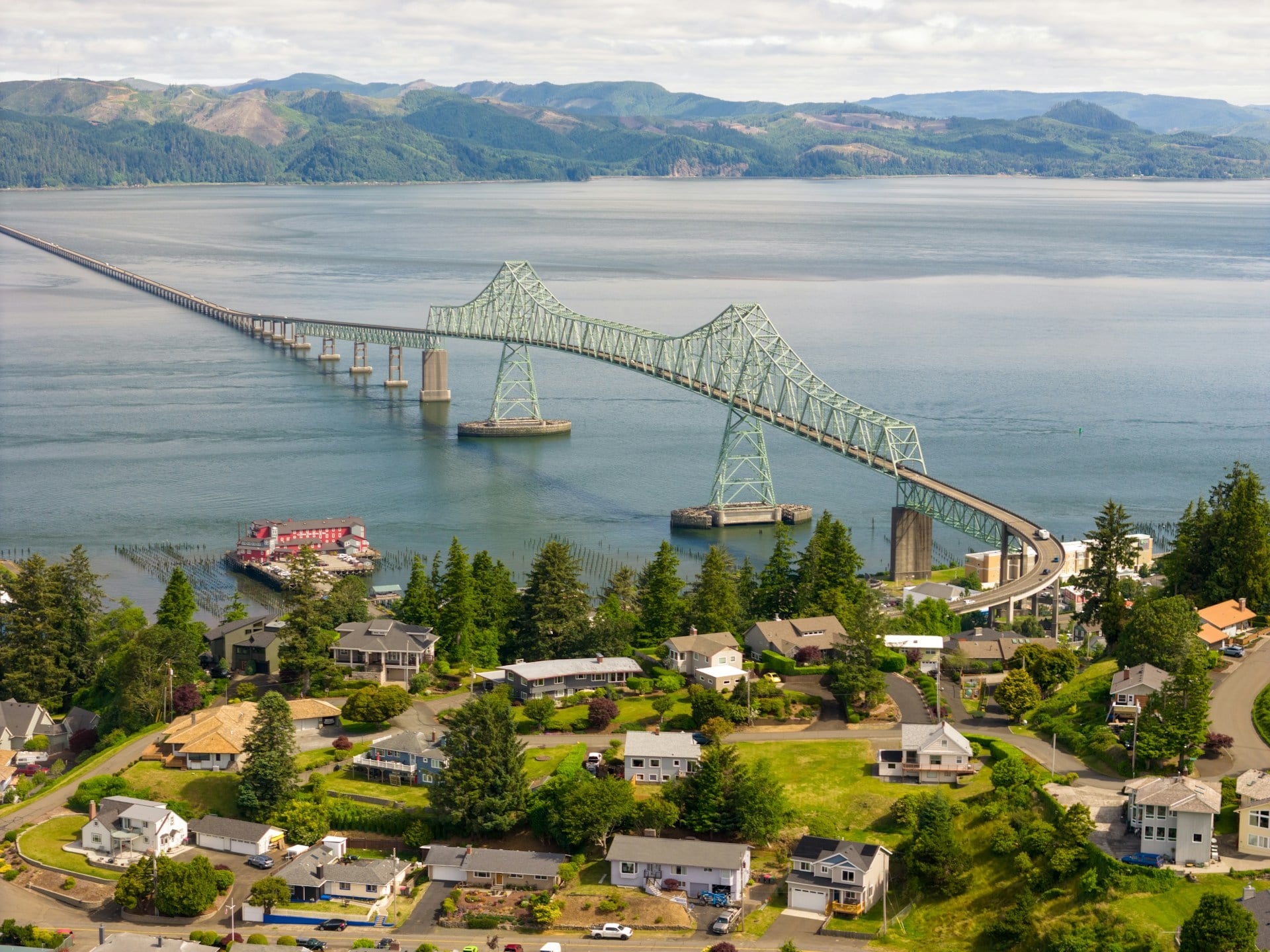
The Walsh family home in The Goonies is a real house in Astoria, Oregon. It’s been someone’s private residence for decades, yet fans still show up constantly, hoping to recreate the movie’s opening scenes.
The owners eventually erected signs asking visitors to respect privacy and stay off the property. But the pilgrimages continued.
Local businesses benefit from Goonies tourism—gift shops sell treasure maps and Truffle Shuffle t-shirts. Annual Goonies Days celebrations bring fans together to watch the film outdoors and tour other filming locations around town.
A single movie shot in a small coastal town 40 years ago continues generating tourism revenue and shaping the city’s identity. Astoria has become inseparable from The Goonies, for better or worse.
Game of Thrones’ European Trail
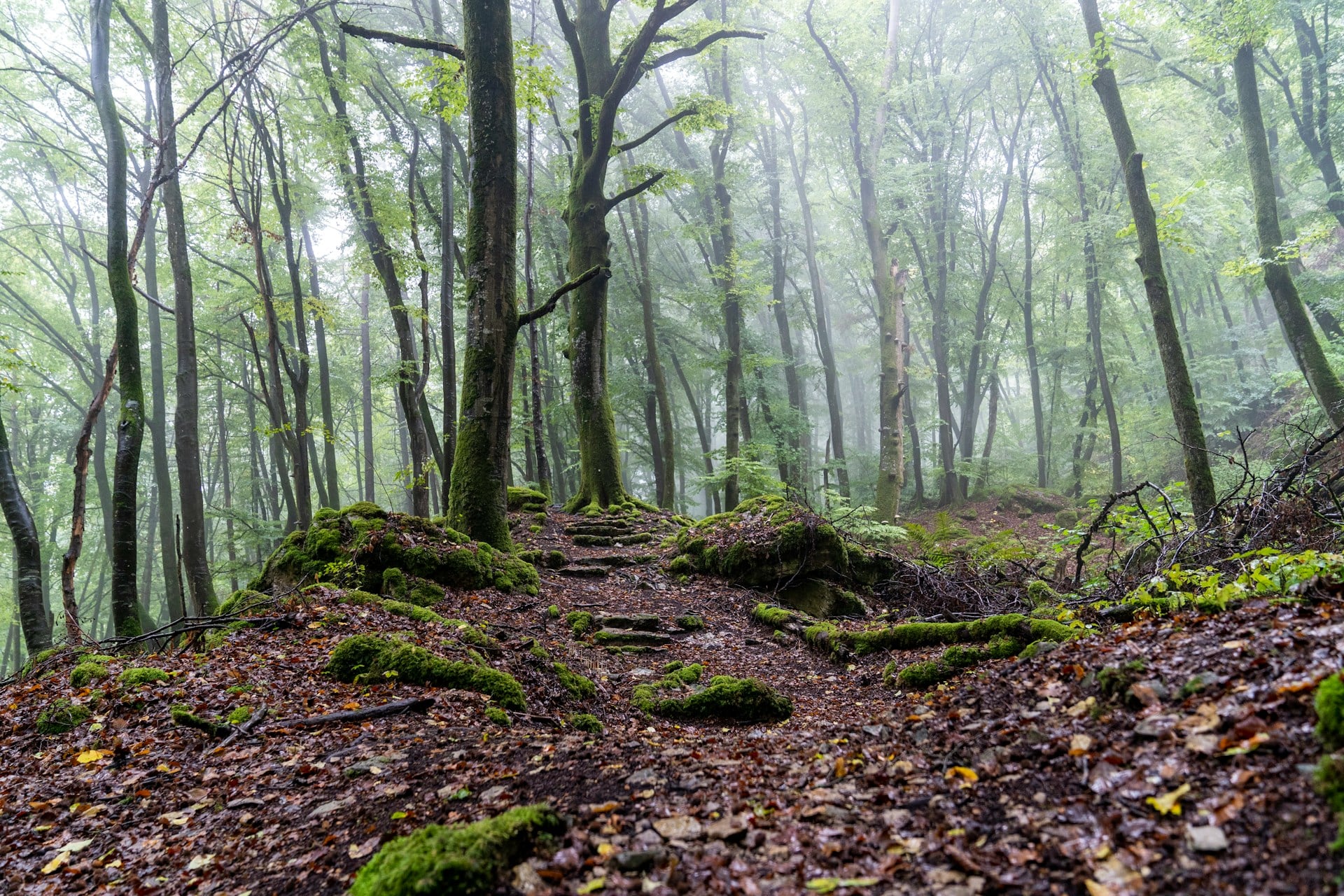
Game of Thrones filmed across multiple European countries, using medieval architecture to bring Westeros to life. Dubrovnik, Croatia became King’s Landing. Northern Ireland’s Dark Hedges became the Kingsroad.
Iceland provided locations beyond the Wall. These places existed long before the show, many as UNESCO World Heritage sites.
But Game of Thrones brought them into popular consciousness for people who don’t typically seek out medieval Croatian towns or Irish tree tunnels. Tourism boards in multiple countries developed themed tours and experiences, complete with costume opportunities and prop replicas.
The show transformed how these locations market themselves internationally. Historical significance takes a backseat to “where Cersei did her walk of shame” or “where Jon Snow met Ygritte” in tourism advertising.
Indiana Jones’ Petra Partnership

Raiders of the Lost Ark made Petra a must-see spot for globetrotters – thanks to its detailed facade shown as the gateway to the Holy Grail. Built long ago right into red rock walls, this landmark turned into a symbol of real-life treasure hunts.
Petra had earned its UNESCO status way before the film came out – yet Indiana Jones brought it into the spotlight for folks who’d likely never come across it. Years on, Jordan’s travel sector still leans into that link, tossing nods to the movie into ads here and there.
Strolling down the Siq, you catch sight of the Treasury appearing between tight rock walls – just like the film showed, hinting at a grand old world hidden within. Movies don’t often match real life this closely.
Where Fiction and Foundation Meet
Movies make entire universes – yet now and then, these places spill into real life. Big studios slap together theme parks since crowds crave a touchable version of favorite tales.
Towns lean into their movie past when travelers start showing up with cash in hand. Regular houses turn into accidental monuments just ’cause some shot struck a nerve folks can’t shake.
The spots films make famous show how we connect with tales. Going to a scene’s real spot links fantasy to the actual world.
Stand where your hero once did, though they’re not real at all. It does more than entertain your eyes – suddenly, made-up moments seem almost true, and maybe reminds us that the line between real and imaginary has always been thinner than we pretend.
More from Go2Tutors!

- The Romanov Crown Jewels and Their Tragic Fate
- 13 Historical Mysteries That Science Still Can’t Solve
- Famous Hoaxes That Fooled the World for Years
- 15 Child Stars with Tragic Adult Lives
- 16 Famous Jewelry Pieces in History
Like Go2Tutors’s content? Follow us on MSN.