Sci-Fi Concepts That Turned Into Reality
Science fiction has always been humanity’s crystal orb, peering into possible futures with equal parts wonder and warning. Writers and filmmakers have spent decades imagining technologies that seemed impossible, only to watch engineers and scientists quietly turn fiction into fact.
What once required special effects now sits in your pocket, drives your car, or monitors your health while you sleep. The gap between imagination and reality has shrunk to almost nothing.
Yesterday’s wild speculation becomes today’s mundane convenience, often so seamlessly that we forget how magical it once seemed.
Satellites
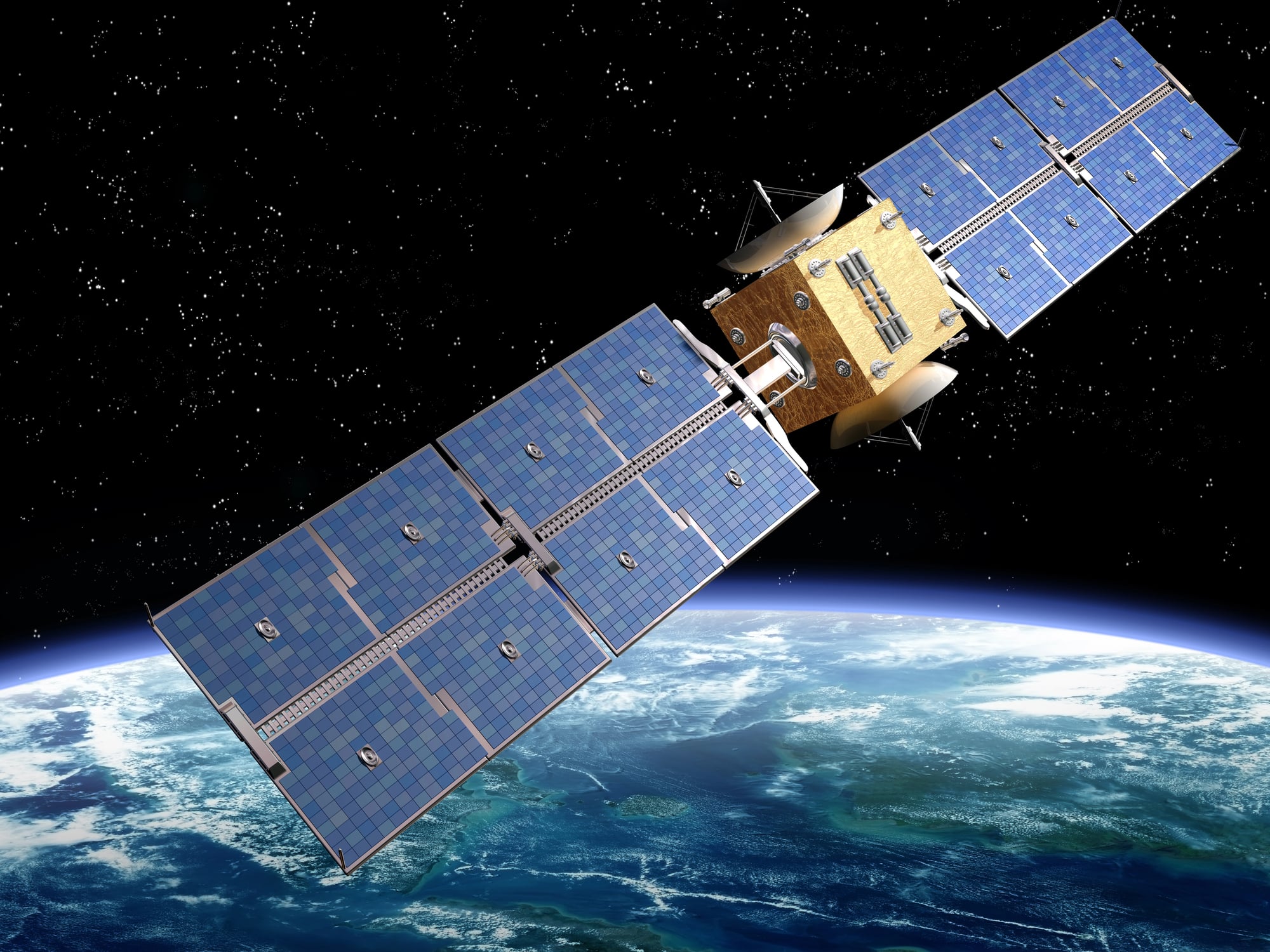
Arthur C. Clarke wrote about geostationary satellites in 1945, seventeen years before the first one launched in 1962. He wasn’t just dreaming — he was calculating orbits and predicting global communications.
Now thousands of these devices circle Earth, beaming everything from GPS directions to streaming video directly to your devices. The concept seemed impossible until it wasn’t.
Today, losing satellite connection for a few minutes feels like a genuine emergency.
Submarines
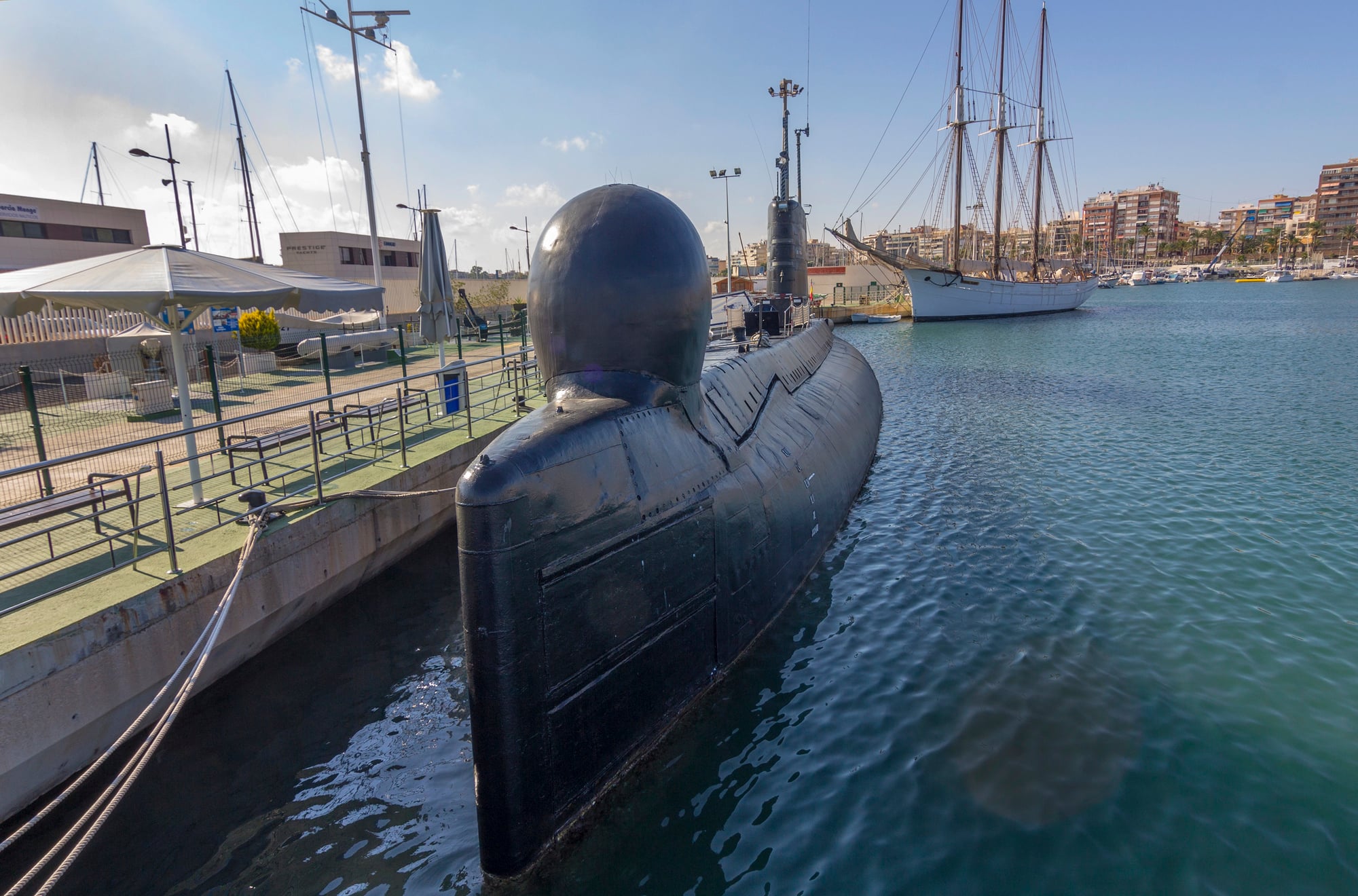
Jules Verne’s Twenty Thousand Leagues Under the Sea hit shelves in 1870, describing Captain Nemo’s advanced submarine with electric power and sophisticated life support systems. This wasn’t just fantasy — it was a blueprint that naval engineers would follow for decades, though they probably didn’t realize it at the time (and certainly didn’t expect the dramatic flair that Verne brought to underwater exploration, complete with giant squids and mysterious islands that seemed to appear whenever the plot needed them).
The first military submarines appeared shortly after Verne’s novel, and by World War I, they’d become essential tools of naval warfare — which is saying something about how quickly reality caught up to imagination. But the real magic happened when submarines evolved beyond warfare: research vessels that could dive to the deepest ocean trenches, exploring worlds as alien as anything Verne dreamed up.
So it turns out that fiction didn’t just predict submarines. Fiction made them inevitable.
Rocket Ships

Science fiction painted rockets as gleaming silver vessels carrying brave explorers to distant worlds. The reality involved more explosions and fewer chrome fins than the movies suggested, but the basic concept held true.
Rockets did become humanity’s ticket off Earth, just as writers like H.G. Wells and later Robert Heinlein had imagined. Space travel remains expensive and dangerous, but it’s no longer impossible.
Private companies now launch rockets as routinely as airlines schedule flights. The gleaming silver aesthetic got traded for practical white paint and corporate logos, but the dream of reaching other worlds survived intact.
Video Calling

2001: A Space Odyssey showed characters making video calls from space stations as casually as picking up a telephone. The technology looked sleek and effortless — which turned out to be remarkably accurate.
Video calling became so ordinary that people now avoid it when they don’t want to fix their hair. The film got the interface almost perfectly right.
Flat screens, clear audio, real-time conversation across vast distances. The only thing Stanley Kubrick missed was how often people would use video calls to show their cats to strangers.
Tablets

Stanley Kubrick strikes again. The tablets in 2001 looked exactly like iPads, complete with thin profiles and touch-sensitive screens.
This was 1968, decades before personal computers became common. Kubrick and his team somehow envisioned portable computing devices that wouldn’t exist for another forty years, right down to the way people would hold them while reading.
The prediction was so accurate it’s almost unsettling. When the first iPad launched, it looked like someone had pulled a prop from the Discovery One spaceship and added a home button.
Science fiction became a product catalog, complete with marketing materials that had been waiting in theaters since the Nixon administration.
Earbuds
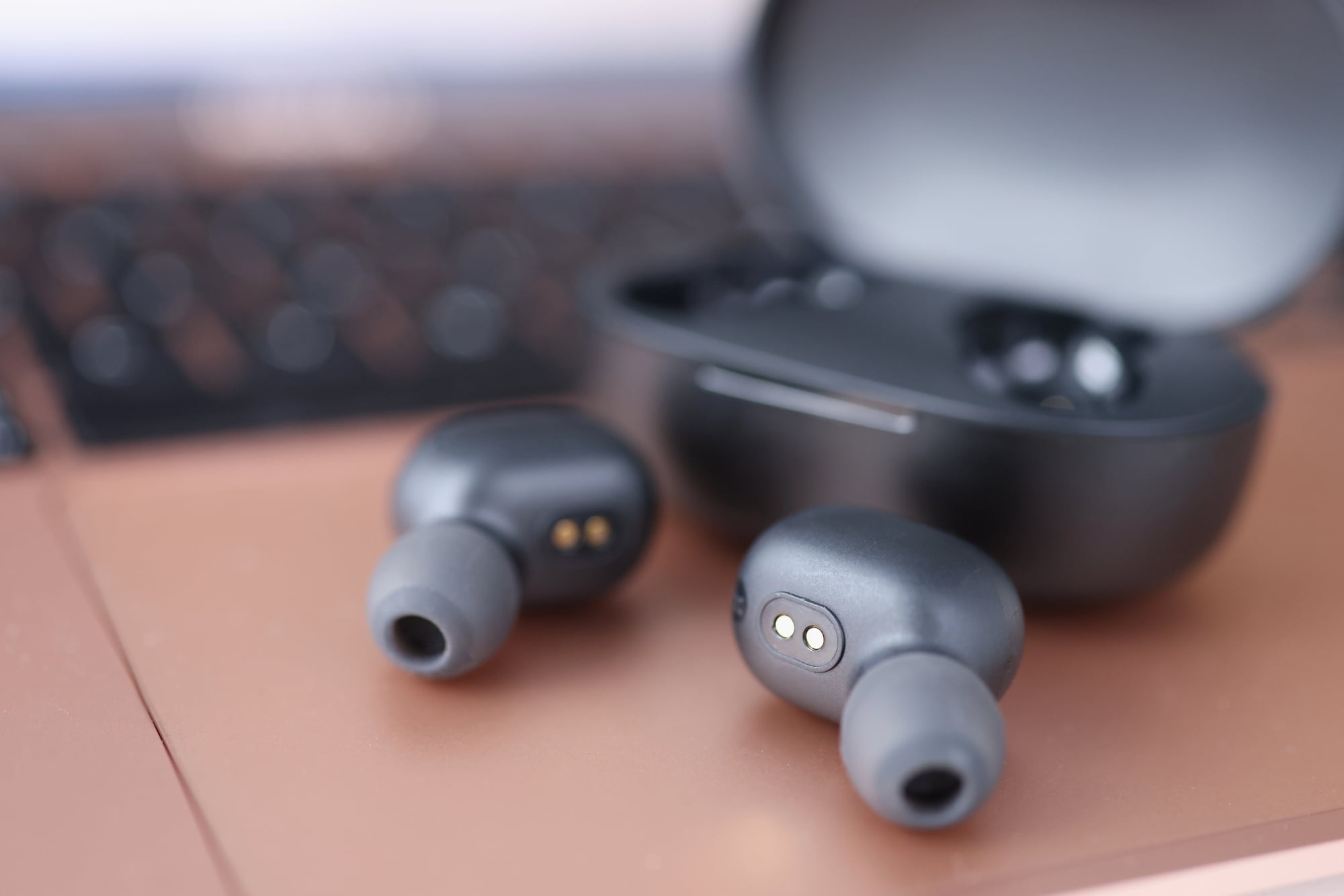
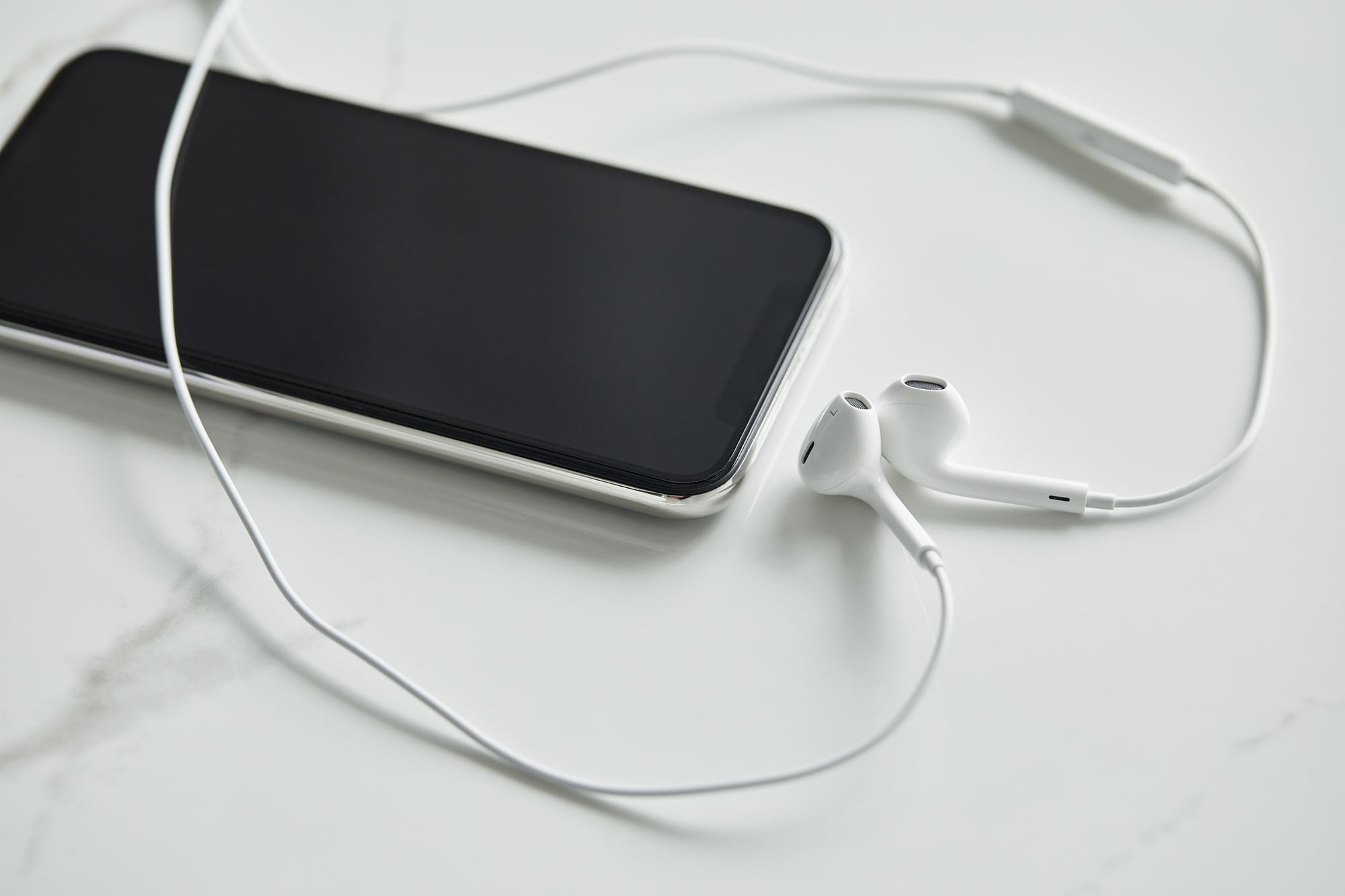
Ray Bradbury described tiny wireless earphones in Fahrenheit 451, devices that delivered personalized audio directly into people’s ears while isolating them from the world around them. He meant this as a warning about social disconnection, but consumers heard it as a product request.
Modern earbuds deliver exactly what Bradbury described. Wireless, nearly invisible, capable of creating perfect audio bubbles that shut out ambient noise and human conversation.
The dystopian vision became a convenience feature. Technology often ignores the moral lessons embedded in its own origin stories.
GPS and Navigation Systems
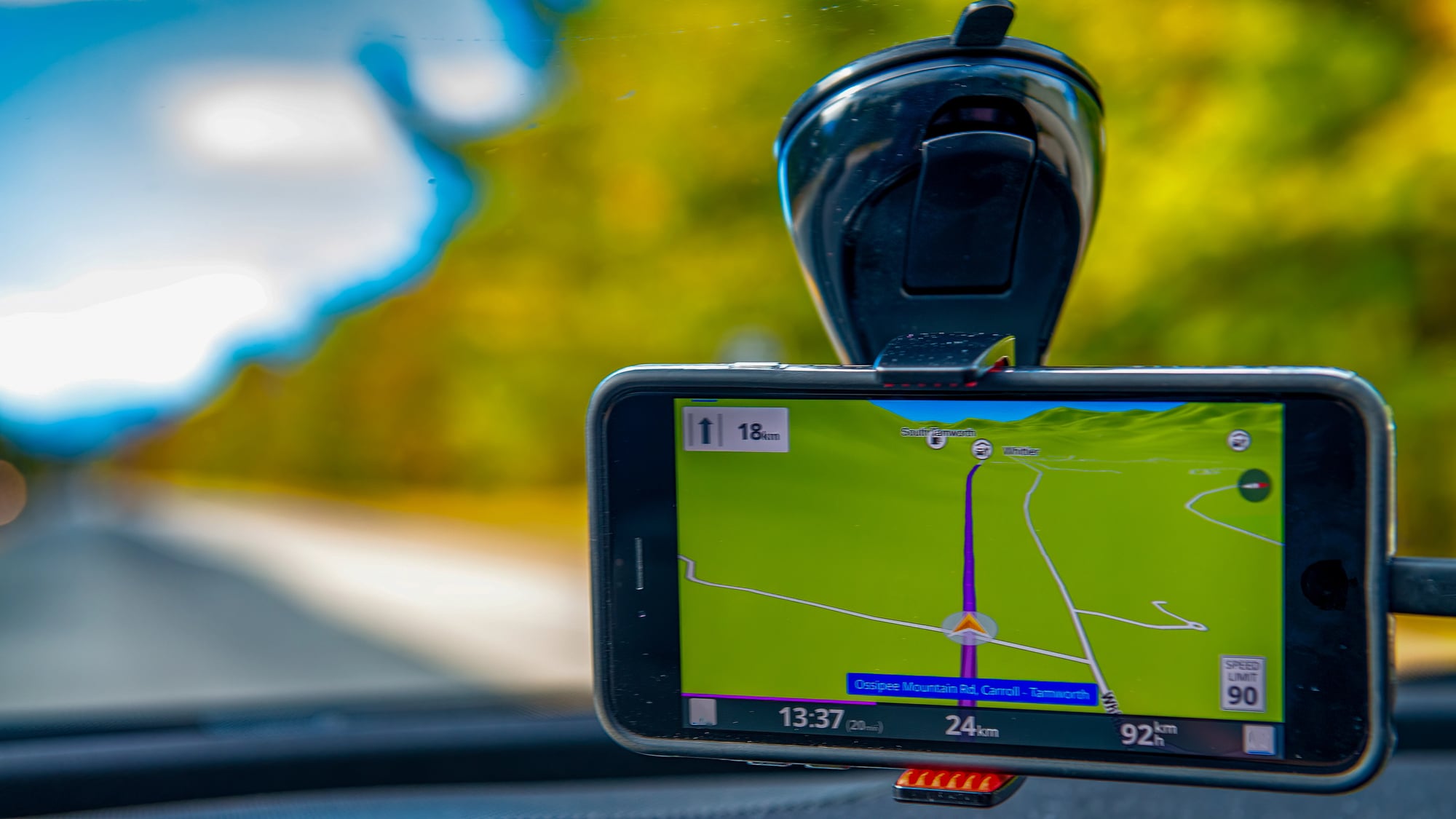
Science fiction writers imagined handheld devices that could pinpoint your exact location anywhere on Earth and guide you to any destination (though they usually paired this with flying cars and meals in pill form, which turned out to be separate problems entirely). The GPS constellation — a network of satellites that constantly broadcast precise timing signals — seemed like the kind of infrastructure only a spacefaring civilization could build, the sort of thing reserved for stories about humanity’s distant future.
And yet here we are, completely dependent on devices that know where we are within a few feet, guiding millions of people simultaneously through traffic jams and unfamiliar neighborhoods with the casual precision of omniscient narrators. The technology works so reliably that getting lost has become a choice rather than an accident — you have to actively ignore your navigation system to end up somewhere unexpected, which might be the most science fiction development of all.
Flat Screen TVs

2001: A Space Odyssey featured wall-mounted flat screens throughout the space station, thin displays that seemed to defy the chunky television technology of the 1960s. The crew watched news broadcasts on screens that looked impossibly sleek compared to the massive cathode-ray tube televisions sitting in living rooms at the time.
Flat screens became so standard that explaining old television technology to younger generations requires historical context. The prediction was conservative — modern screens are thinner and sharper than anything Kubrick imagined.
Biometric Security

Science fiction loved fingerprint scanners, retinal readers, and voice recognition systems long before the technology existed to build them. Spy films and futuristic thrillers featured characters unlocking doors and accessing computers with nothing but their biological signatures, treating personal identification as something unique and unhackable.
Modern smartphones routinely use fingerprints, facial recognition, and voice patterns for security. The technology works better than most science fiction predicted, though it’s also more mundane.
Instead of accessing secret government databases, people mostly use biometrics to unlock their phones and buy coffee. The future arrived with different priorities than fiction expected.
Voice-Controlled Computers

HAL 9000 in 2001 responded to natural speech, understood context, and carried on conversations that felt genuinely interactive rather than scripted. The computer recognized individual voices, processed complex requests, and provided helpful information — at least until the plot required otherwise.
Modern voice assistants deliver most of HAL’s functionality without the homicidal tendencies. They control smart homes, answer questions, and manage schedules through simple voice commands.
The technology is less sophisticated than HAL but more trustworthy, which represents reasonable progress given the circumstances.
Wrist Communicators
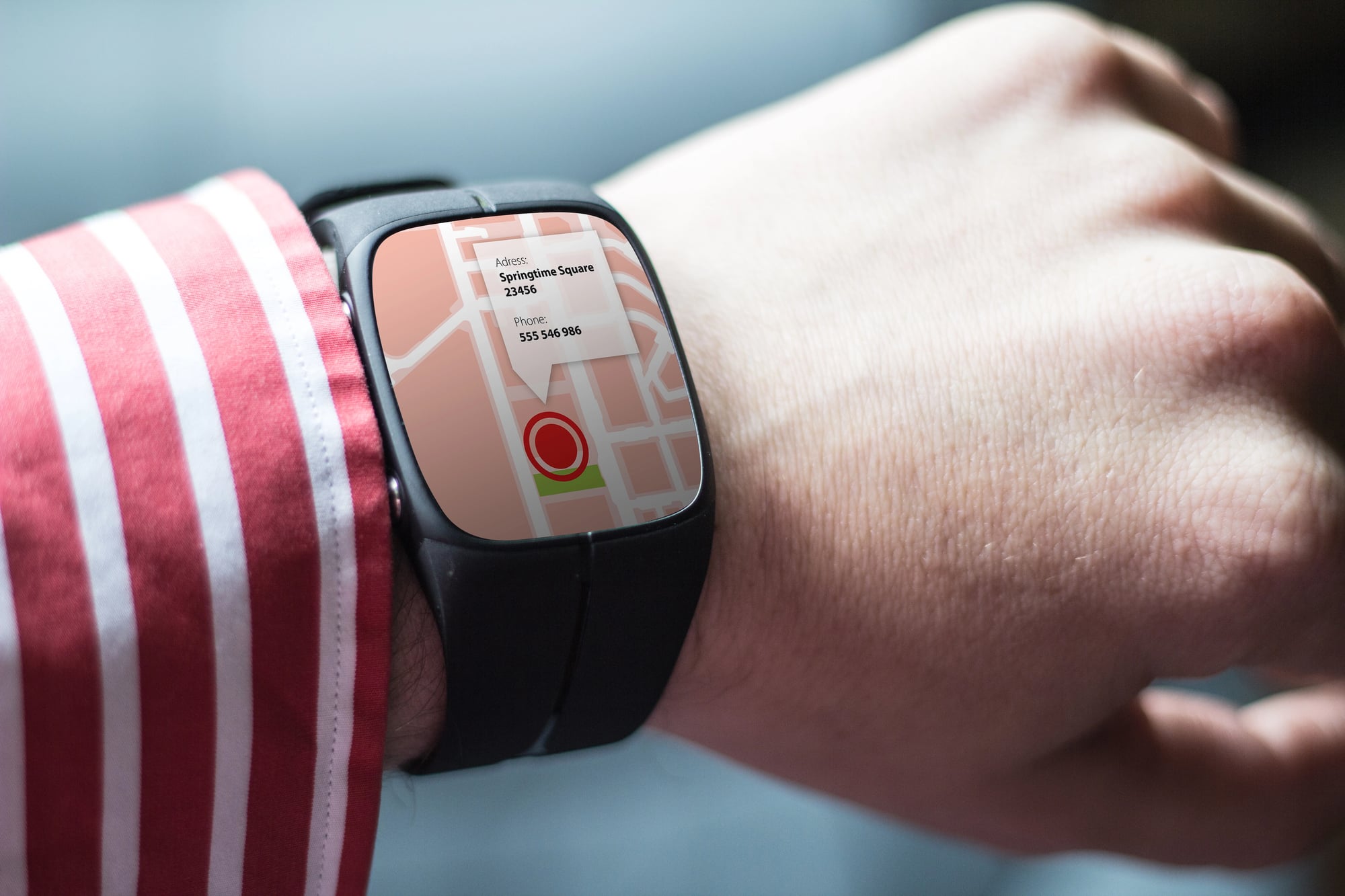
Tracy’s two-way wrist radio seemed like pure fantasy when introduced in 1946 — a communication device small enough to wear like a watch, capable of connecting to people anywhere in the world. The concept was so far ahead of available technology that it might as well have been magic.
Smartwatches now handle voice calls, text messages, internet browsing, and dozens of other functions that Tracy never needed. The devices are smaller, more powerful, and more connected than the original comic strip imagined.
Reality didn’t just catch up to the concept — it lapped it several times and kept running.
Artificial Intelligence

Isaac Asimov wrote about robots with sophisticated artificial intelligence decades before computers could perform basic calculations. His stories explored machines that could think, reason, and make ethical decisions, guided by his famous Three Laws of Robotics.
Modern AI systems can write, create art, diagnose diseases, and solve complex problems that require genuine understanding rather than simple computation. The technology doesn’t look like Asimov’s humanoid robots, but it demonstrates the kind of intelligence he described.
The ethical questions he raised have become urgent practical concerns as AI capabilities expand.
Home Automation
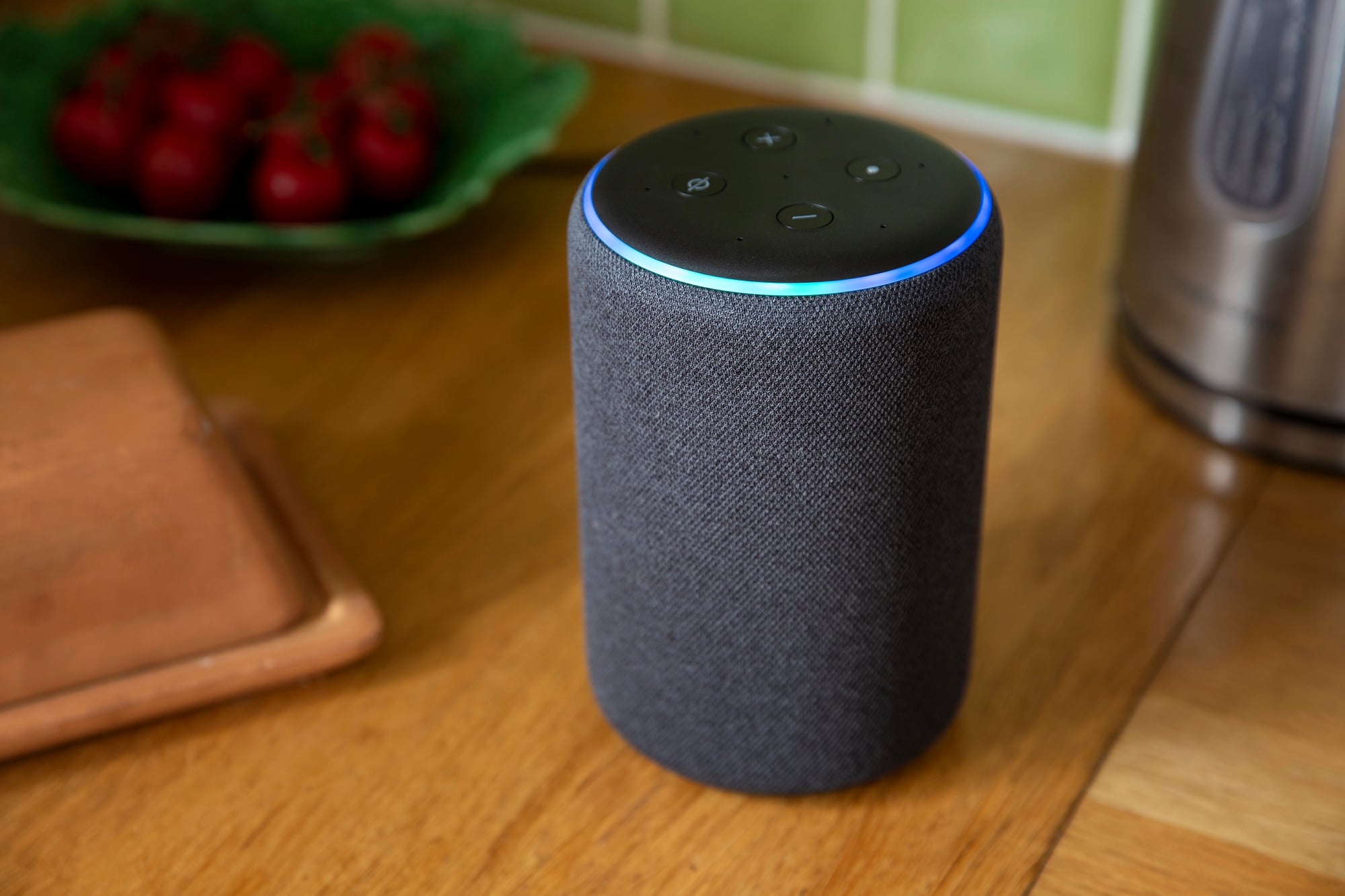
Science fiction homes featured lights that responded to voice commands, doors that recognized residents automatically, and appliances that anticipated needs before being asked. The concept painted domestic life as effortless, managed by invisible systems that handled routine tasks.
Smart homes now deliver most of these features through connected devices and voice assistants. Lights dim on schedule, thermostats adjust based on occupancy, and security systems monitor everything remotely.
The technology works exactly as science fiction imagined, though it requires more troubleshooting than the movies suggested.
The Future We’re Still Writing
The most remarkable thing about science fiction’s accuracy isn’t how many predictions came true — it’s how quickly they stopped feeling remarkable. Technologies that once seemed impossible became ordinary so fast that we forgot to be amazed.
Your smartphone contains capabilities that would have seemed godlike to someone from fifty years ago, and you probably used it to check the weather while reading this sentence. Science fiction continues writing tomorrow’s reality, imagining new impossibilities that engineers somewhere are already trying to build.
The gap between fiction and fact keeps shrinking, which means the future is always closer than it appears.
More from Go2Tutors!

- The Romanov Crown Jewels and Their Tragic Fate
- 13 Historical Mysteries That Science Still Can’t Solve
- Famous Hoaxes That Fooled the World for Years
- 15 Child Stars with Tragic Adult Lives
- 16 Famous Jewelry Pieces in History
Like Go2Tutors’s content? Follow us on MSN.