17 Ancient Inventions That Seem Impossible Today
It’s kind of mind-blowing how ancient civilizations managed to pull off some seriously next-level engineering. We’ve got high-tech tools, computer simulations, and modern science—but even with all that, we’re still scratching our heads over some of the stuff people built thousands of years ago.
What’s even more frustrating? So much of that knowledge just vanished. Empires fell, libraries burned, and whole technologies got forgotten. Here’s a look at 17 ancient inventions that feel like they shouldn’t have been possible back then—but they were.
Greek fire

The Byzantines had a secret weapon that sounds like something out of a fantasy novel. Greek fire was a flammable liquid that kept burning—even on water. It was basically ancient napalm. Used from the 7th to 12th centuries, it was so feared that enemy fleets would retreat rather than risk a confrontation.
The exact ingredients? Still a mystery. Historians guess it had petroleum, quicklime, and sulfur—but nobody knows for sure. The formula was a closely guarded state secret, and when the empire declined, so did the recipe.
Damascus steel
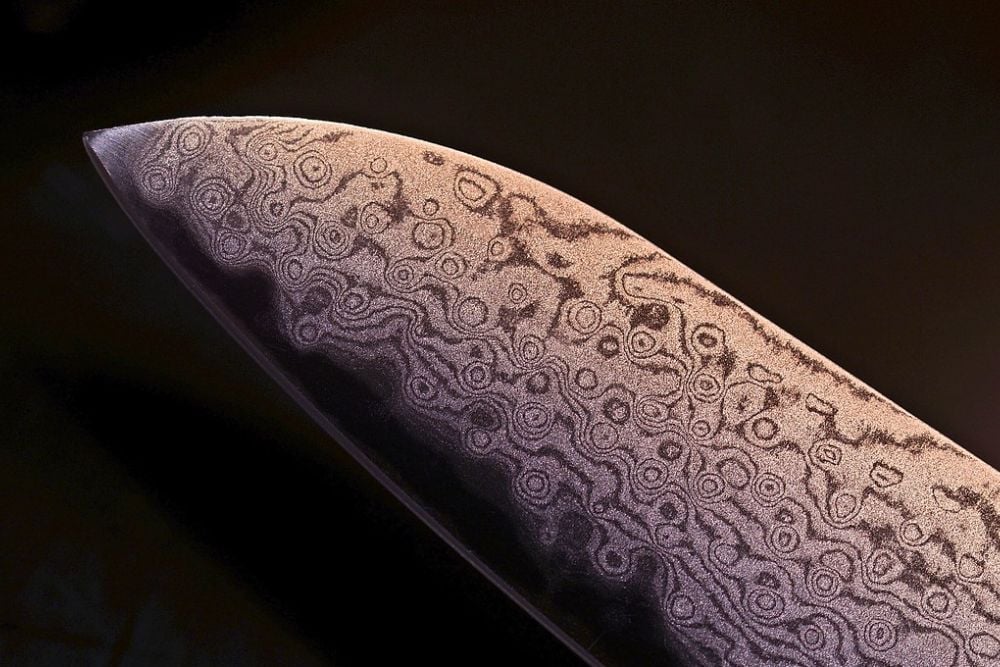
These legendary blades were known for their beauty and strength. Swords made from Damascus steel could slice through cloth midair—or even break lesser blades without losing their edge. They had a unique wavy pattern that wasn’t just decorative—it revealed a microstructure that gave the blade its incredible durability.
Then, mysteriously, the technique disappeared around 1700. The special ore came from India, and once that supply dried up, so did the ability to make true Damascus steel. Modern attempts to replicate it haven’t fully cracked the code.
Roman concrete

Unlike modern concrete, which wears down over time, Roman concrete seems to get better with age. Many of their structures—bridges, aqueducts, temples—have lasted over 2,000 years.
Turns out the secret was in the mix: volcanic ash, lime, and seawater. These ingredients caused chemical reactions that made the concrete self-healing. Only recently have scientists started to understand how it works—and now they’re trying to replicate it for modern construction.
The Antikythera mechanism
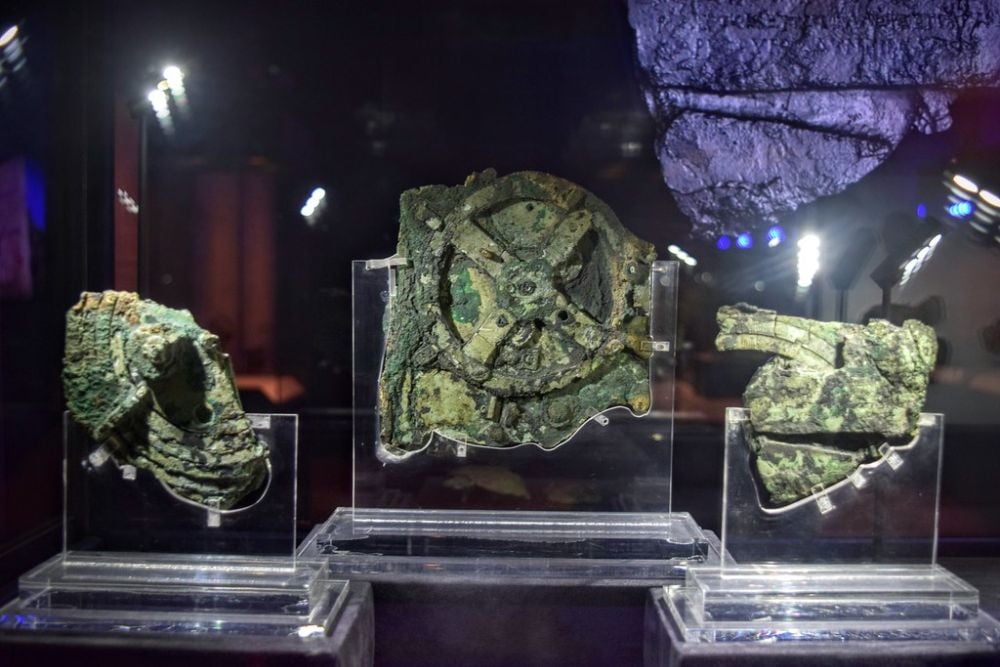
Found in a shipwreck off a Greek island, this device looks like something from a steampunk movie: a complex set of gears that could predict eclipses and planetary movements—made around 100 BCE.
What’s wild is that nothing even close to this level of mechanical engineering appeared again in Europe until more than a thousand years later. It’s basically an analog computer that proves the ancients had a far deeper grasp of astronomy and mechanics than we once thought.
Flexible glass

Ancient Roman authors tell of an inventor who made a kind of glass that bent instead of breaking. He supposedly showed it to Emperor Tiberius—who had him executed because he feared it would devalue gold and silver.
For a long time, people thought it was just a myth. But now, some materials scientists believe it could’ve been possible using certain techniques. It’s a weird case of a possibly real invention being buried by fear and politics.
Baghdad battery
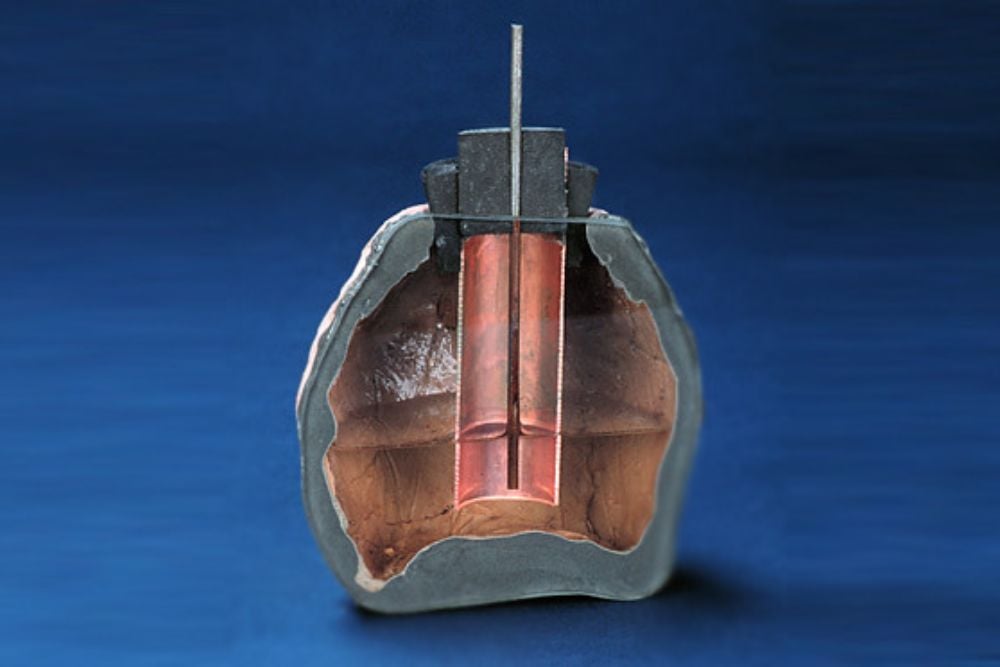
These clay jars with metal rods were found near Baghdad and date to around 250 BCE. Add an acidic liquid, and they can generate a small electrical charge.
Were they really ancient batteries? That’s still debated. Some think they were used for electroplating, others think it’s all a coincidence. But if they were electrical devices, it means people may have been experimenting with electricity thousands of years before we officially “discovered” it.
Wootz steel crucibles
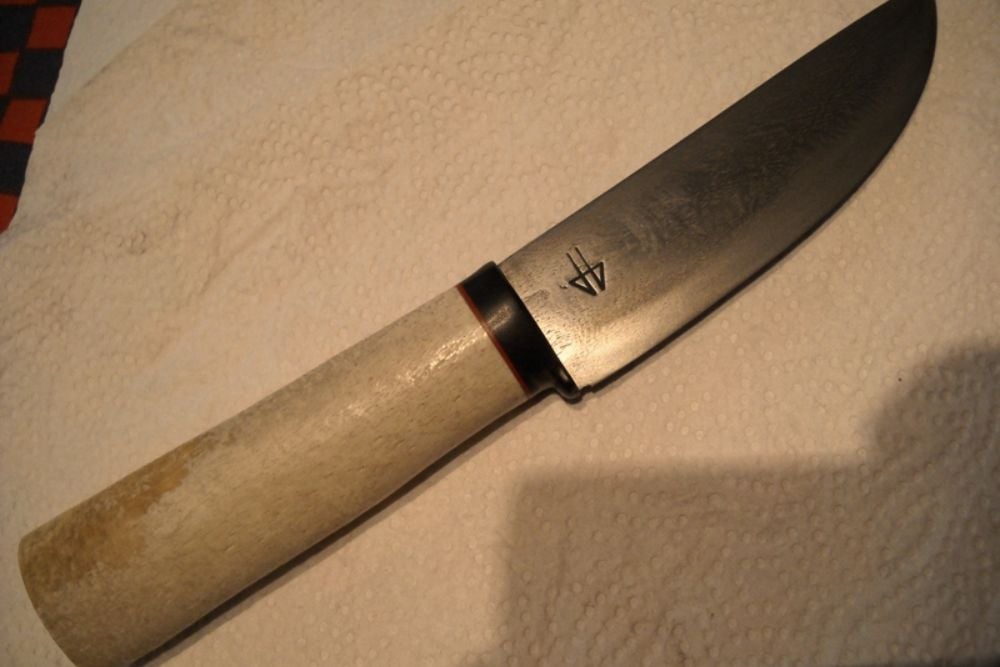
Indian blacksmiths developed Wootz steel as early as 300 BCE—steel that had an incredibly strong structure thanks to embedded carbon nanotubes. Nanotubes. In ancient metal.
The process involved very specific ratios of ingredients, heat levels, and cooling times. The craftsmen had no modern tech, but their steel was so advanced that modern metallurgists are still studying how they did it.
Lycurgus Cup
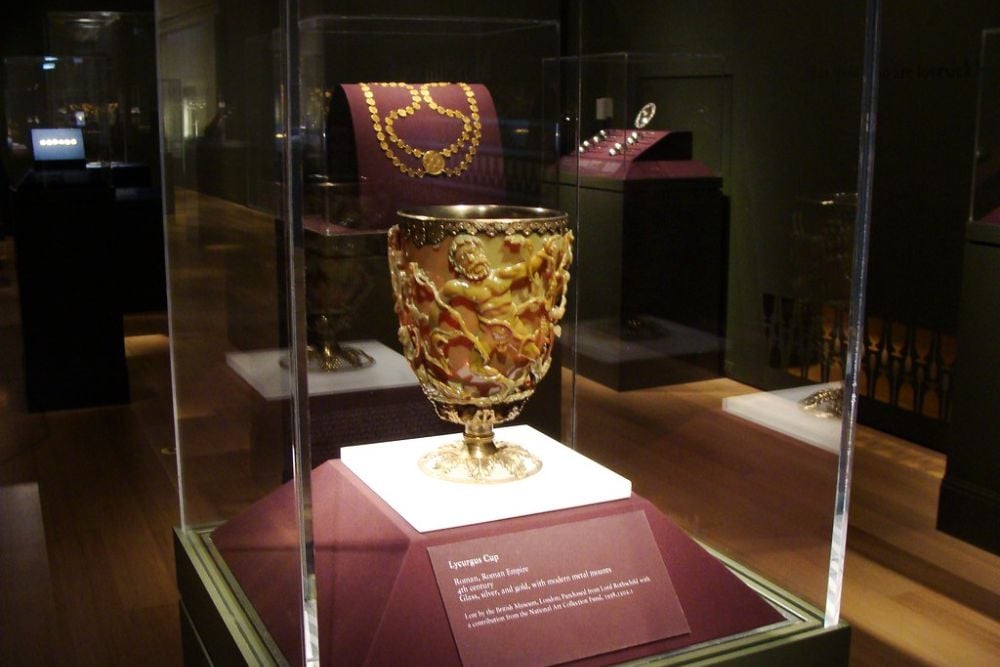
This Roman glass cup looks green when lit from the front and glows red when light passes through it from behind. Scientists eventually discovered that the effect comes from tiny nanoparticles of gold and silver embedded in the glass—measuring just 50 nanometers across.
That’s the kind of precision we associate with modern nanotechnology. Yet somehow, Roman artisans managed it without microscopes or clean labs.
Incan earthquake-proof construction
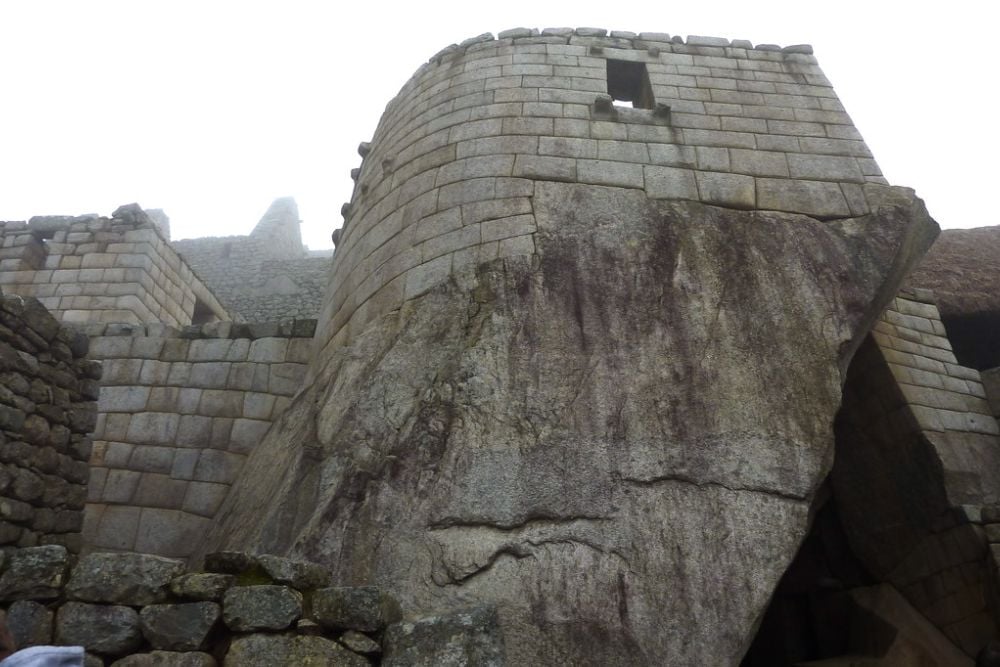
Walk through Peru and you’ll see massive stone walls built by the Inca—blocks carved so precisely that you can’t slide a piece of paper between them. No mortar, no steel tools, no wheels.
These walls weren’t just tightly fitted—they were earthquake-resistant. The blocks moved with seismic waves rather than cracking or collapsing. Meanwhile, nearby Spanish-built structures crumbled in the same earthquakes. Coincidence? Definitely not.
Chinese earthquake detector
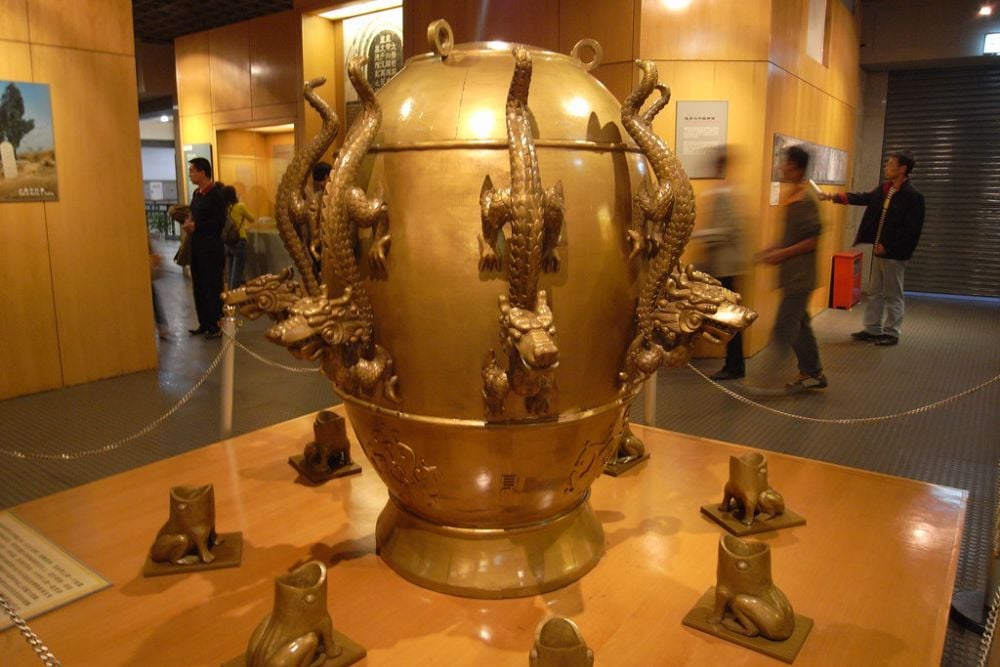
In the 2nd century CE, Zhang Heng created an ornate bronze urn with dragons and toads around its base. When an earthquake happened, one of the dragon’s mouths would drop a sphere into a toad’s mouth, indicating the direction of the quake.
At first glance, it sounds decorative or symbolic—but it actually worked. It reportedly detected an earthquake over 400 miles away. That’s not just clever—it’s groundbreaking science centuries ahead of its time.
Mayan blue pigment

Mayan murals still look vibrant after centuries, even in harsh jungle conditions. Their secret was a pigment called “Maya blue,” a deep turquoise hue that hasn’t faded.
Turns out they created a stable compound by binding organic dye (indigo) to a type of clay called palygorskite. This ancient nanocomposite held up for over a thousand years—longer than many modern paints can manage.
Indian iron pillar

In Delhi, there’s an iron pillar over 1,600 years old that barely shows any rust—even after centuries of exposure to rain and humidity.
Modern iron rusts fast without protection, but this pillar contains a thin layer of crystalline iron hydrogen phosphate that prevents corrosion. Ancient Indian metallurgists achieved this without modern forges or chemistry. We still haven’t completely nailed how they pulled it off.
Ulfberht swords
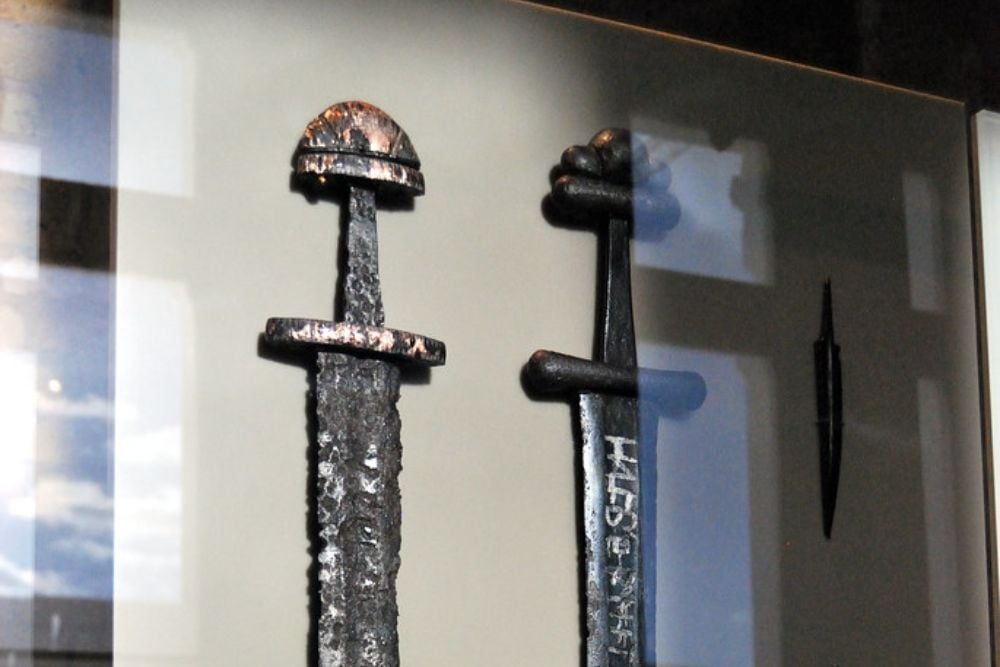
Made by Vikings between the 9th and 11th centuries, Ulfberht swords were forged from crucible steel with purity levels that weren’t seen again in Europe until the Industrial Era.
To work this kind of steel, you’d need to reach 3,000°F—something no one in Europe at the time should’ve been able to do. Yet here these weapons are, with “ULFBERHT” stamped into the blade and a reputation that still echoes.
Nazca geoglyphs

The Nazca Lines stretch across the Peruvian desert—giant figures, animals, and shapes that can only be truly appreciated from above. But these people didn’t have flight… so how’d they plan them?
Even today, laying out something that size with such geometric precision would require GPS or aerial surveys. The Nazca did it with stakes, string, and who knows what else.
Roman underwater concrete
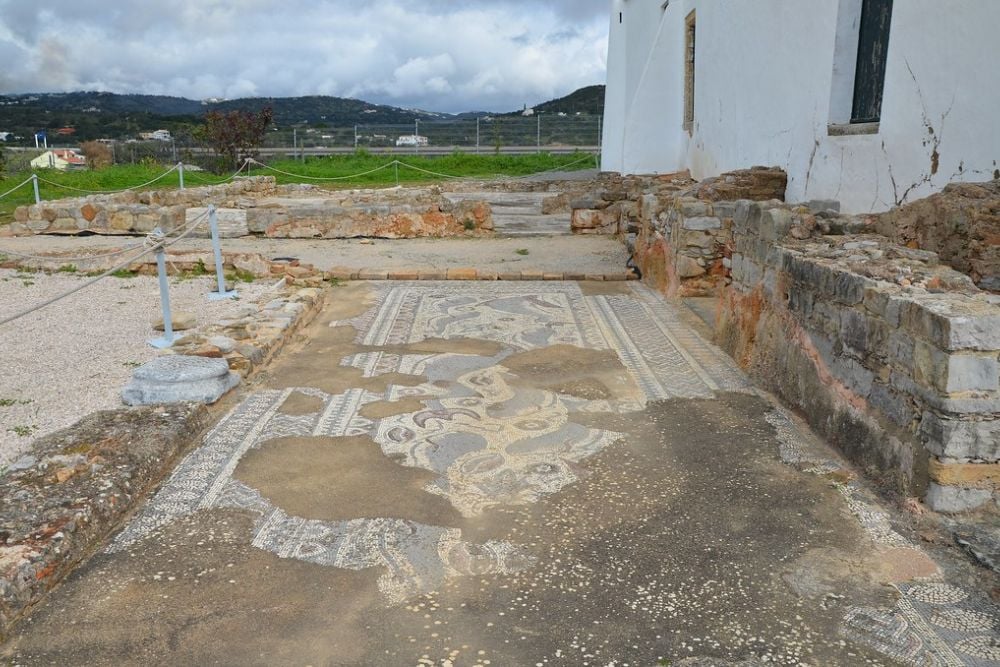
Romans didn’t just build concrete structures on land—they also made ones that hardened underwater. Harbors, breakwaters, docks—they built them to last.
By mixing volcanic ash with seawater, the concrete formed a rare mineral called tobermorite, which actually gets stronger over time. Meanwhile, modern marine concrete tends to fall apart within decades.
Trebuchet counterweight systems
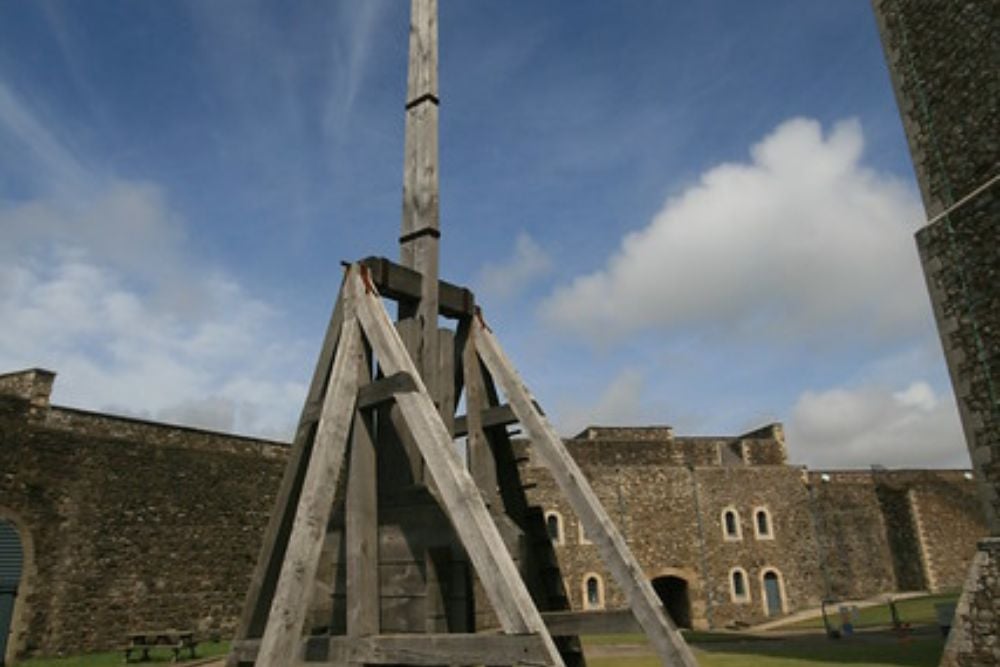
Trebuchets weren’t just medieval brutes—they were marvels of engineering. By adjusting the counterweight and arm length, medieval builders could lob 300-pound stones over castle walls with surprising precision.
The calculations behind these machines are incredibly complex, involving physics and leverage. But builders in the Middle Ages managed it all without calculators, and their designs still work today.
Mithridatium antidote
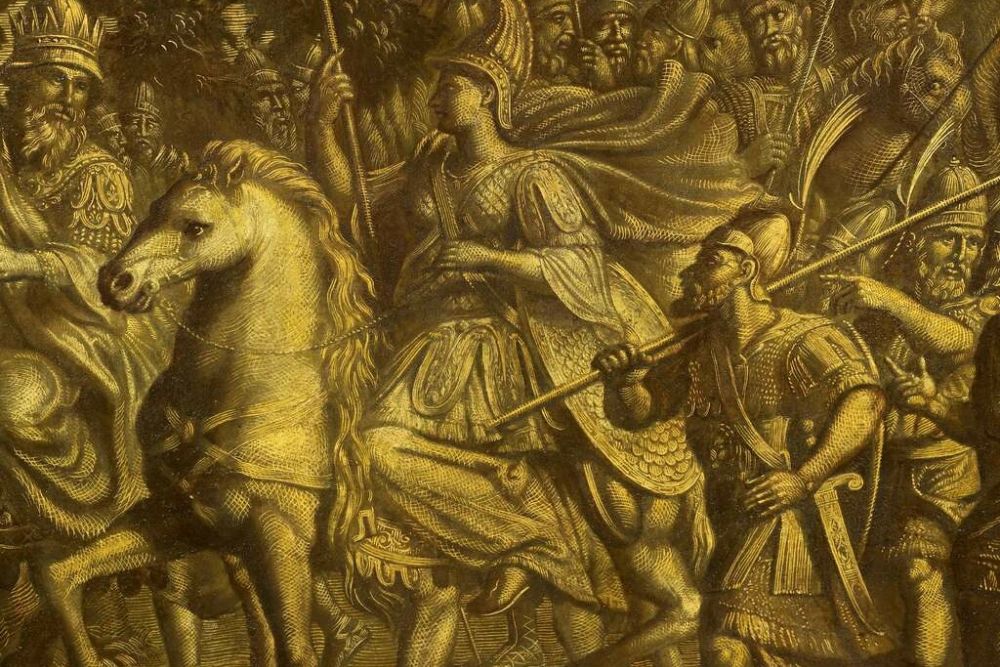
Mithridates VI, king of Pontus, feared poisoning so much he began dosing himself with small amounts of toxins to build immunity. Eventually, he created a so-called universal antidote made from dozens of ingredients.
Though the exact recipe is lost, the idea of gradual exposure to poisons foreshadowed modern concepts like vaccination and allergen desensitization—by more than 2,000 years.
When ancient wisdom meets modern mystery
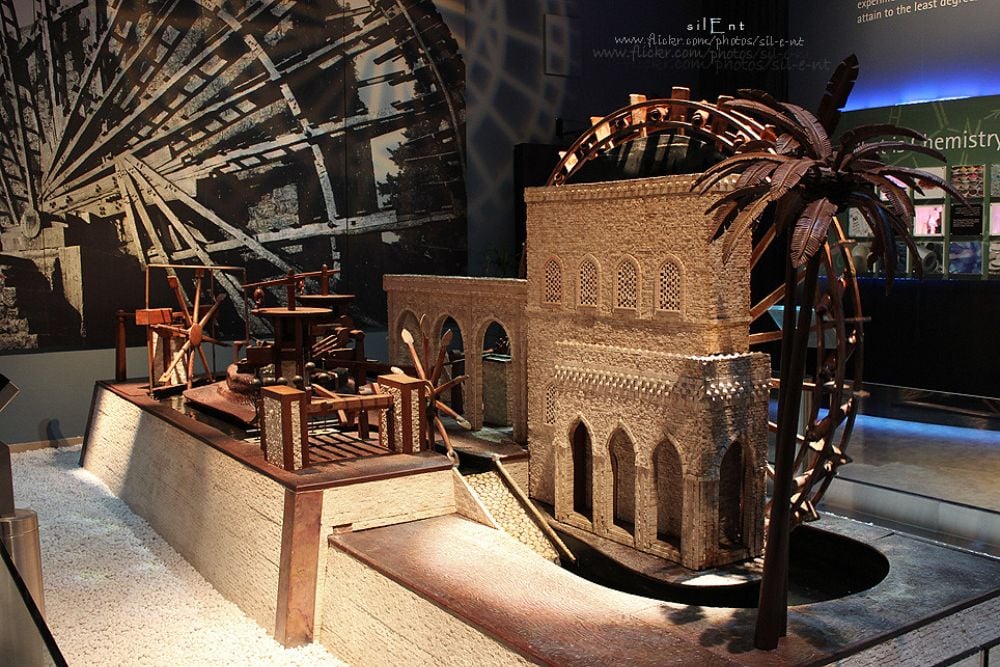
These ancient innovations remind us that technology isn’t always a straight line. Sometimes civilizations figure out complex things… and then forget them. Whether it was lost knowledge, political upheaval, or just bad timing, so many ancient breakthroughs were buried and left for us to rediscover centuries later.
Today’s scientists, engineers, and historians are still learning from the past—and often discovering that the ancients had a lot more figured out than we once gave them credit for.
More from Go2Tutors!

- The Romanov Crown Jewels and Their Tragic Fate
- 13 Historical Mysteries That Science Still Can’t Solve
- Famous Hoaxes That Fooled the World for Years
- 15 Child Stars with Tragic Adult Lives
- 16 Famous Jewelry Pieces in History
Like Go2Tutors’s content? Follow us on MSN.