16 Roman Inventions Long Forgotten
When most people think about Roman innovations, aqueducts and roads come to mind first. Those massive stone structures still standing across Europe make for impressive tourist photos, and rightfully so.
But the Romans were tinkerers at heart, constantly solving everyday problems with ingenious solutions that went far beyond monumental engineering. Many of their most clever inventions have faded from common knowledge, overshadowed by the grand architecture that survived the centuries.
These forgotten innovations reveal a civilization obsessed not just with conquest and glory, but with making daily life more efficient, comfortable, and surprisingly modern.
Concrete That Heals Itself

Roman concrete wasn’t just durable. It was self-repairing.
Modern scientists discovered that Roman concrete contains lime clasts — small chunks of limestone that reactivate when cracks form and water seeps in. The lime expands and fills the gaps automatically.
Two thousand years later, Roman harbors still stand while modern concrete crumbles after decades.
Hypocaust Heating Systems
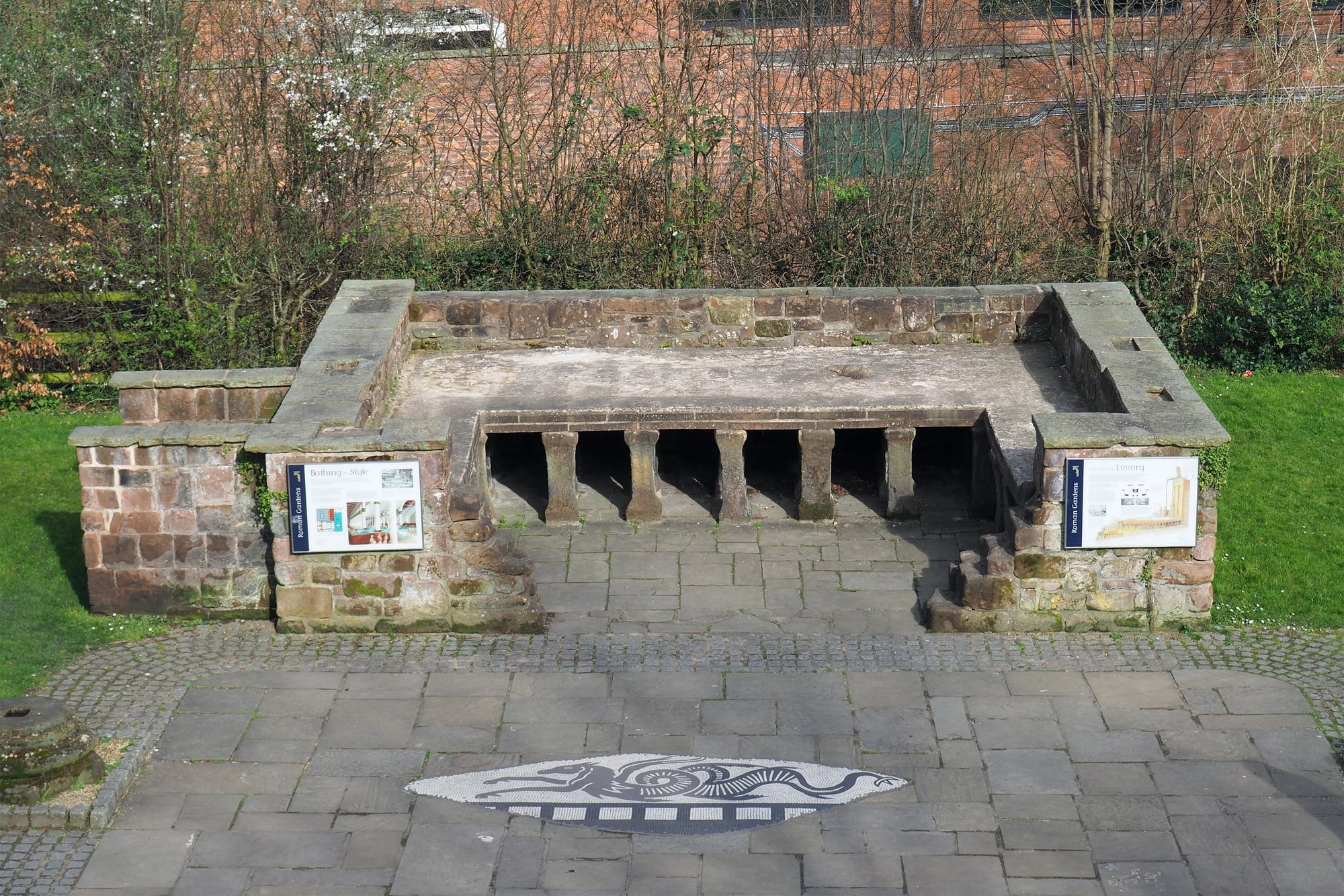
The Romans figured out central heating while most of the world was still huddling around open fires, and their solution was both elegant and surprisingly sophisticated (they built hollow spaces under floors and inside walls, then circulated hot air from a central furnace through the entire system). The hot air would rise through the walls and warm rooms evenly — no cold spots, no smoky interiors, no constant tending of individual fires.
And here’s the clever part: they could control the temperature in different rooms by adjusting dampers and vents, which meant the bathhouse could be kept warmer than the sleeping quarters, and the dining areas could be heated just right for long evening meals that stretched on for hours. But the real genius wasn’t just the engineering — it was the economics.
So they hired slaves to tend one central fire instead of having servants manage dozens of individual braziers throughout a building. Efficient.
Bound Books

Scrolls were a nightmare to reference. Try finding a specific passage in thirty feet of rolled papyrus.
The Romans invented the codex — pages bound together like modern books. You could flip directly to any section, bookmark your place, and compare passages side by side.
Revolutionary for scholars, lawyers, and anyone who needed to cross-reference information quickly.
Glass Windows

Before Romans perfected glass-making techniques, windows were openings covered with cloth, wood shutters, or thin sheets of animal membrane — assuming you were wealthy enough to have windows at all, which most people weren’t. The Romans developed methods for creating larger, clearer panes of glass that actually let in meaningful amounts of light while keeping out wind, rain, and unwanted visitors, and they installed these in public buildings, bathhouses, and the homes of the affluent with the kind of matter-of-fact efficiency that characterized most Roman innovations.
Glass windows weren’t just about luxury (though they certainly signaled wealth) — they were about extending the usable hours of interior spaces, allowing people to work, read, and socialize in comfort regardless of weather conditions outside. And the Romans being Romans, they immediately began experimenting with different types of glass: colored panes for decorative effect, thicker glass for better insulation, and even early forms of what we might recognize as privacy glass.
None of this happened overnight, but by the height of the Empire, glass windows had become common enough that their absence would have been notable in any respectable building.
Surgical Instruments
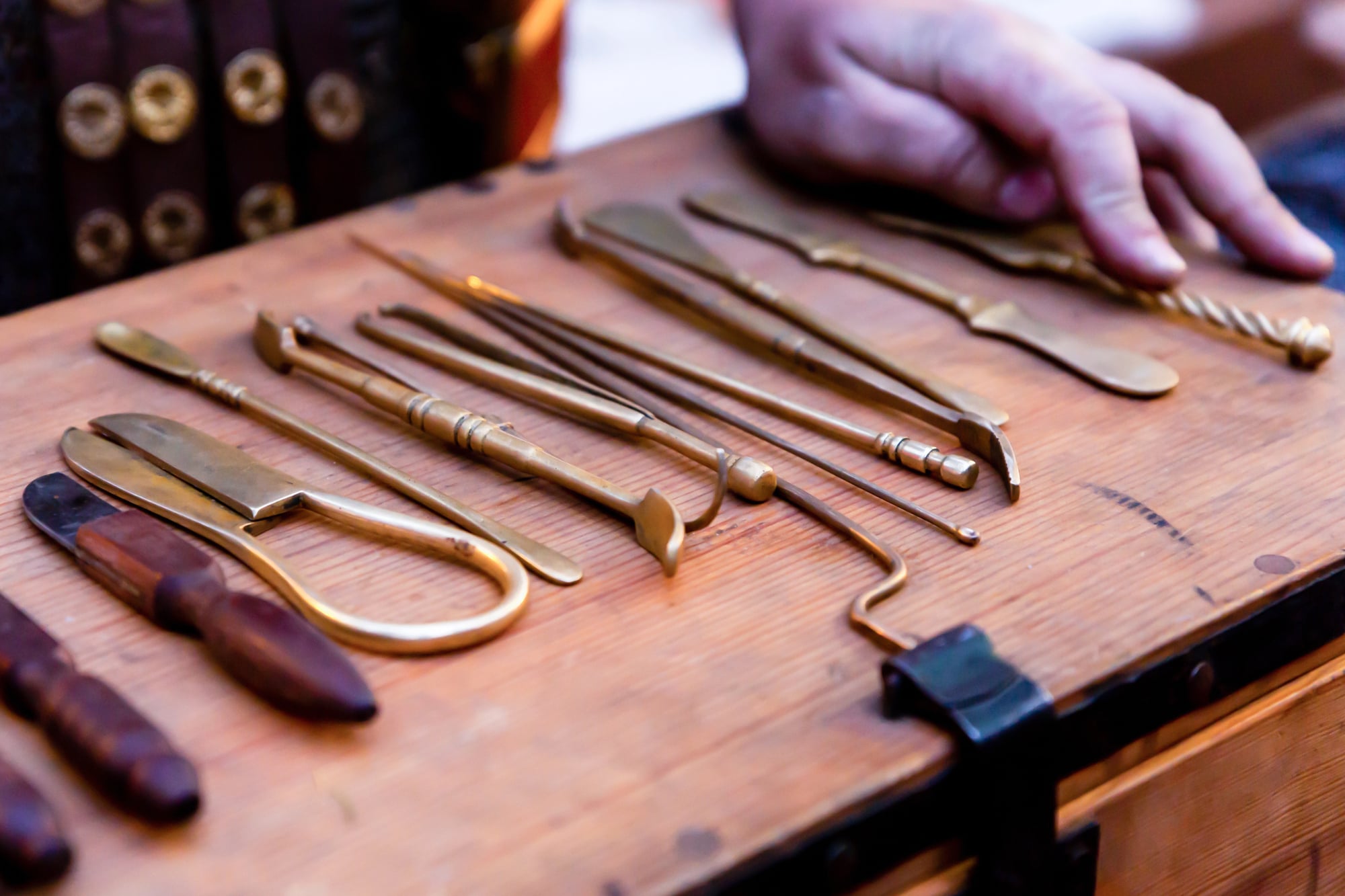
Roman surgeons had tools that wouldn’t look out of place in a modern operating room. Scalpels with interchangeable blades, bone saws, forceps, and speculums designed for specific procedures.
They performed cataract surgery, removed kidney stones, and set broken bones with remarkable success rates. A Roman military surgeon carried more sophisticated equipment than most doctors had access to until the 19th century, which is saying something.
Apartments

The Romans invented apartment living out of pure necessity, and like most Roman solutions, it was both practical and slightly ruthless. Rome’s population exploded faster than the available land could accommodate individual homes, so they built up instead of out — creating multi-story residential buildings called insulae that housed dozens of families in stacked units.
The wealthy lived on the ground floors (easier access, better in case of fires), while the poor climbed four or five stories to reach cramped quarters under the roof. These weren’t slums, exactly, though they weren’t luxury housing either.
Many insulae included shops on the ground floor, communal courtyards, and shared facilities that made urban living functional if not particularly spacious, and the better examples featured running water, decent lighting, and even primitive waste disposal systems that connected to the city’s main sewers. The concept spread throughout the Empire wherever Roman cities faced similar space constraints.
Most people today complaining about thin apartment walls and noisy neighbors are living in buildings that follow architectural principles the Romans established two millennia ago. The complaints haven’t changed much either.
Newspapers

The Acta Diurna was the world’s first newspaper. Posted daily in public spaces, it contained government announcements, legal proceedings, military victories, and social gossip.
Citizens could stay informed about politics, learn who got married or divorced, and find out which senators were making fools of themselves. Sound familiar?
Romans invented both journalism and tabloid coverage simultaneously.
Magnifying Glass

Reading was hard work before the Romans figured out how to grind lenses that made small text larger and clearer, especially for anyone whose eyesight had started to decline with age (which, given the Romans’ fondness for detailed legal documents, historical records, and philosophical treatises, was a genuine problem for scholars, scribes, and anyone trying to navigate the bureaucratic maze that kept the Empire running). They discovered that properly shaped pieces of clear crystal or glass could bend light in ways that enlarged whatever you were looking at — not just text, but fine details in artwork, small mechanisms, or anything else that required close examination.
The technology was simple enough: take a piece of clear material, grind it into the right curve, polish it smooth, and suddenly you could see things that had been too small to make out clearly before. And the Romans, being Romans, immediately put this to practical use in workshops, scriptoriums, and anywhere else that precision mattered.
But they also figured out that the same principles worked in reverse — you could make distant objects appear closer, which had obvious military applications that Roman generals were quick to appreciate.
Shoes for All Occasions
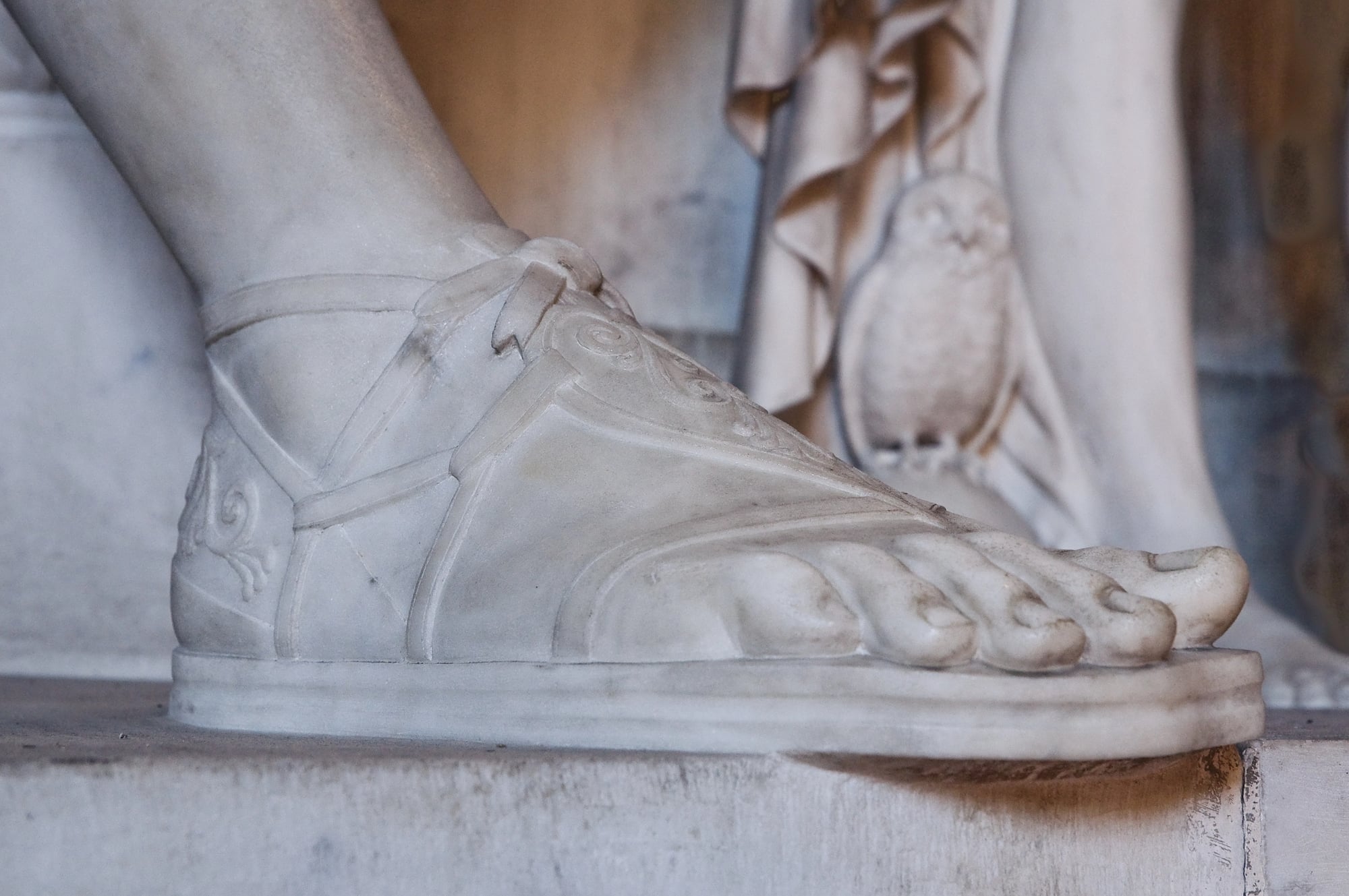
Romans didn’t just wear sandals. They had specialized footwear for every activity and weather condition.
Military boots with hobnailed soles for traction. Waterproof shoes for wet climates.
Indoor slippers for comfort. Athletic shoes for running and sports.
Women’s shoes with cork platforms that added height and status. The variety would impress a modern sneaker collection.
Apartment Mailboxes

In a city with millions of residents living in multi-story buildings, mail delivery required organization that went far beyond simply dropping letters at front doors — especially when most people lived several floors up and landlords weren’t particularly interested in playing messenger for their tenants. The Romans solved this by installing individual compartments or slots in apartment building entrances, each marked with the resident’s name or apartment designation, allowing postal workers to sort and deliver correspondence efficiently without climbing stairs or tracking down specific individuals.
This system worked because Roman postal service was surprisingly sophisticated: they had regular routes, reliable carriers, and standardized procedures that made daily mail delivery feasible even in densely populated urban areas. Letters, legal documents, business correspondence, and personal messages could all be delivered to the right person without requiring them to be home at a specific time or forcing postal workers to navigate the interior of every building on their route.
The concept was so practical that it became standard throughout Roman cities and spread to other parts of the Empire wherever apartment-style housing developed. Modern apartment mailboxes follow essentially the same principles the Romans established, just with different materials and slightly better security.
Fast Food Restaurants

Thermopolia were Roman fast food joints. Hot meals ready to go, served from large ceramic pots built into marble counters.
These weren’t taverns or formal dining rooms — they were grab-and-go establishments for busy Romans who needed quick, affordable meals. Archaeologists have found over 150 of these in Pompeii alone.
The Romans invented takeout two thousand years before drive-throughs.
Taxi Service

Roman cities had professional transportation services long before anyone thought to paint cars yellow, and the system was both more regulated and more specialized than most people realize today. Licensed operators ran scheduled routes between major destinations, charged standardized fares based on distance traveled, and maintained fleets of vehicles — primarily litters carried by trained bearers for wealthy passengers, or carts pulled by horses or mules for those willing to accept less comfort in exchange for lower prices.
The government issued permits, collected taxes, and enforced quality standards to ensure that passengers received reliable service and operators couldn’t charge whatever they pleased based on a traveler’s apparent wealth or desperation. Routes connected residential areas with markets, bathhouses, theaters, and other popular destinations, running frequently enough that people could plan their daily activities around available transportation rather than walking everywhere or owning private vehicles.
But here’s what made it distinctly Roman: the service was tiered by social class, with different types of vehicles, different levels of comfort, and different fare structures depending on whether you were a citizen, a freedman, or a slave traveling on your owner’s business. Efficient, organized, and stratified — exactly what you’d expect from Roman urban planning.
Bound Notebooks

Wax tablets were reusable, but they weren’t portable enough for people who needed to take notes while traveling, attending meetings, or working in different locations throughout the day. The Romans created bound notebooks by connecting multiple wax tablets with hinges or leather straps, allowing writers to flip through pages, organize information across multiple surfaces, and carry their writing materials as a single compact unit.
These weren’t just for scribes or government officials — merchants used them to track inventory and sales, students brought them to lectures, and anyone who needed to jot down information regularly found them more convenient than loose tablets or scrolls that could be lost or damaged easily. The wax could be smoothed over and reused countless times, making these notebooks economical as well as practical.
Later versions used thin wooden boards coated with wax, bound together with leather covers that protected the writing surfaces and made the whole package even more durable for daily use.
Shopping Malls

Trajan’s Market in Rome was a multi-level shopping complex with over 150 stores, organized by product type. Food vendors on one level, luxury goods on another, services elsewhere.
Covered walkways protected shoppers from weather. Central management maintained the facilities.
Customers could comparison shop, browse different merchants, and complete all their errands in one location. The world’s first mall, complete with everything except a food court.
Firefighting Services

Roman fire brigades were professional organizations equipped with specialized tools and trained personnel, not just neighbors with buckets hoping for the best. The vigiles operated as both firefighters and night watchmen, patrolling the city in organized shifts with equipment designed specifically for different types of fires — pumps that could draw water from fountains or the Tiber, hooks and ropes for pulling down burning structures to create firebreaks, and blankets soaked in vinegar for smothering flames.
But the Romans understood that preventing fires was easier than fighting them, so the vigiles also enforced building codes, inspected heating systems, and fined landlords who allowed dangerous conditions in their properties. They knew which neighborhoods were most vulnerable, which buildings were fire traps, and which times of year posed the highest risks, and they adjusted their patrols accordingly.
The service was funded by taxes and operated around the clock, with different crews covering different districts of the city. When a fire broke out, they responded with military-style organization — some crews fought the flames while others evacuated residents and still others prevented looting of abandoned buildings.
Shorthand Writing

Roman secretaries developed a system of abbreviated symbols that allowed them to transcribe speech as quickly as people could talk. Tironian notes used curves, lines, and dots to represent common words, phrases, and letter combinations.
Scribes could record entire Senate debates, legal proceedings, and business meetings in real time. The system was so efficient that some version of it survived into the medieval period.
Romans invented stenography fifteen centuries before courtroom reporters.
The Threads That Bind

These forgotten innovations share something important — they solved problems that people still face today. The Romans looked at daily inconveniences and engineered solutions that lasted centuries, sometimes millennia.
Their approach was refreshingly direct: identify the problem, design something that works, and implement it widely enough to make a difference. Perhaps what’s most remarkable isn’t that these inventions existed, but that so many of them had to be reinvented later by societies that had lost the knowledge.
The bound book, the shopping mall, the apartment mailbox — each one represents a moment when someone decided that life could be a little easier, a little more organized, a little more comfortable. That impulse to improve daily existence, one small innovation at a time, might be the most Roman thing of all.
More from Go2Tutors!

- The Romanov Crown Jewels and Their Tragic Fate
- 13 Historical Mysteries That Science Still Can’t Solve
- Famous Hoaxes That Fooled the World for Years
- 15 Child Stars with Tragic Adult Lives
- 16 Famous Jewelry Pieces in History
Like Go2Tutors’s content? Follow us on MSN.