Biggest Turning Points in Basketball History
Basketball has evolved dramatically since Dr. James Naismith hung a couple of peach baskets in a Massachusetts gym back in 1891. The game has survived wars, economic downturns, and countless rule changes to become one of the most popular sports on the planet.
Some moments along the way changed everything about how the game is played, watched, and experienced. Here is a list of 16 pivotal moments that reshaped basketball from a simple indoor activity into the global phenomenon it is today.
James Naismith Invents the Game

When Dr. James Naismith created basketball in December 1891 at a YMCA training school in Springfield, Massachusetts, he was just trying to keep young athletes active during the cold winter months. He nailed peach baskets to a balcony railing and used an orb that looked more like something you’d kick around a field.
The original 13 rules he published were simple enough, but they laid the foundation for everything that came after. Someone had to climb a ladder after every score to retrieve the orb from those peach baskets, which must have made for some painfully slow games.
Introduction of Open-Bottom Nets

Open-ended nylon nets were approved for use in 1912, and this seemingly small change dramatically increased the tempo and scoring of the game. No more ladders, no more waiting around while someone fished the orb out of a basket.
The orb just dropped through and play continued. This simple innovation transformed basketball from a stop-and-start affair into something that actually flowed.
Like Go2Tutors’s content? Follow us on MSN.
First Professional Game

The first known professional basketball game was played in Trenton, New Jersey, on November 7, 1896, between the Trenton YMCA and the Brooklyn YMCA. Each player got 15 dollars except Fred Cooper who got 16 dollars, and became the first highest-paid player.
Trenton defeated Brooklyn 15-1. The game proved that people would actually pay to watch basketball, which turned out to be a pretty important discovery for the sport’s future.
The 24-Second Shot Clock

Syracuse Nationals owner Danny Biasone started using a 24-second shot clock during his team’s scrimmages after getting sick of the stagnant playing style that had made the sport less appealing to fans and TV stations. The NBA decided to incorporate that shot clock in the 1954-1955 season, and scoring immediately went up, as did the popularity of the league.
Before this change, teams would just hold onto the orb forever once they got a lead, turning games into unwatchable stalling contests. The shot clock forced action and made basketball exciting again.
NBA and BAA Merge to Form Modern NBA
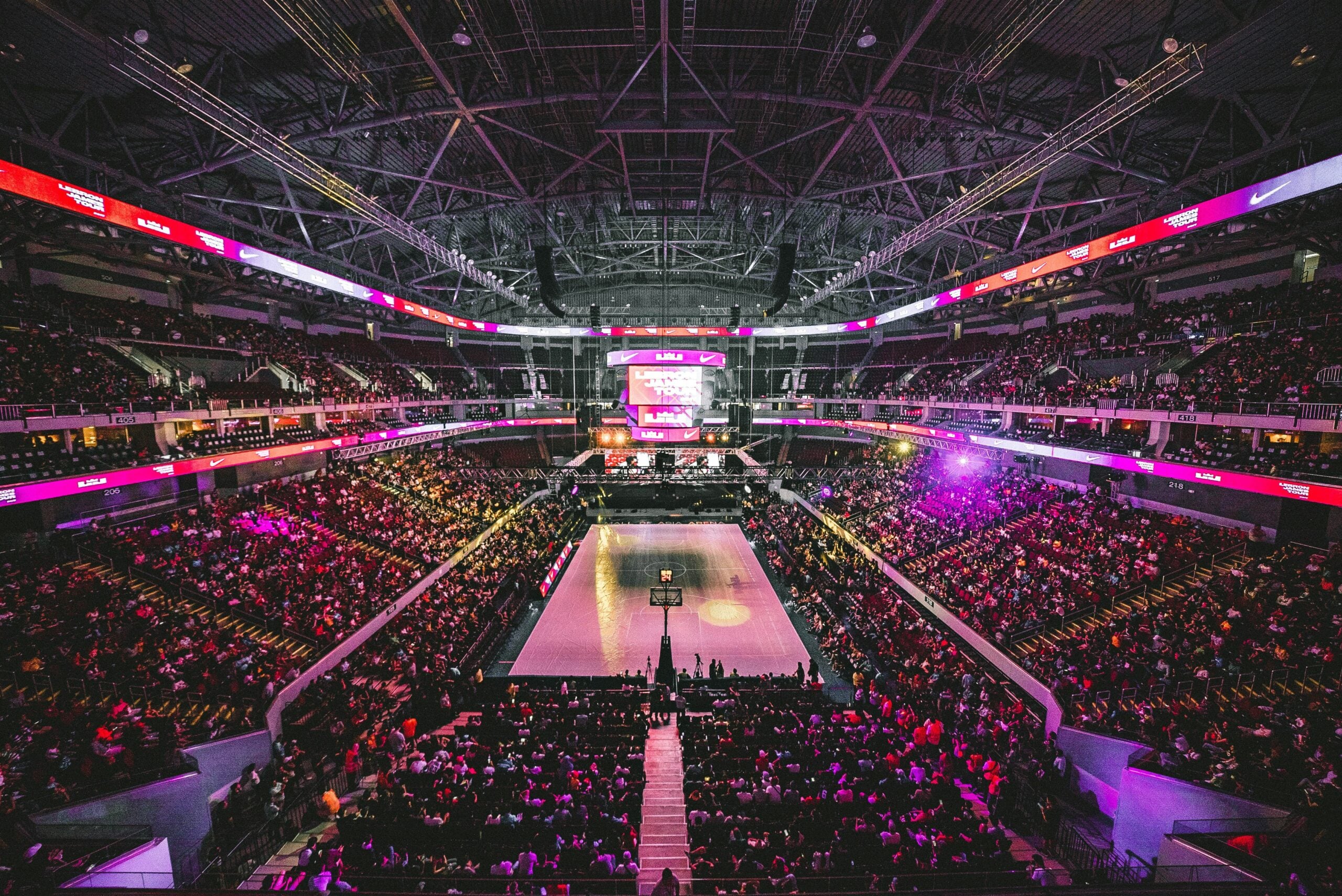
Six teams from the NBL joined the BAA in 1949, and the resulting 17 teams formed the National Basketball Association with Maurice Podoloff as president. This consolidation ended years of competing leagues and created a single dominant professional basketball organization.
The merger brought together the best talent and established the foundation for what would become a multi-billion dollar enterprise. Basketball finally had one clear top league instead of a bunch of competing circuits.
Like Go2Tutors’s content? Follow us on MSN.
Wilt Chamberlain’s 100-Point Game

Wilt Chamberlain’s 100-point performance in 1962 wasn’t televised or even played in an official NBA arena, and was witnessed by around 4,100 people. The only proof is a photo with the ‘100’ sign supplied by American sports statistician Harvey Pollack, and today no player has come close to this record.
The performance showed just how dominant a single player could be and established a scoring benchmark that has stood for over 60 years. It remains one of those legendary moments that defined an era.
ABA and NBA Merge

On June 17, 1976, the NBA accepted four ABA teams: the Denver Nuggets, Indiana Pacers, New York Nets, and San Antonio Spurs. The ABA had introduced innovations like the three-point shot, the slam dunk contest, and a more entertaining style of play with flashy red, white and blue basketball.
Of the 84 players in the ABA at the time of the merger, 63 played in the NBA during the 1976-77 season, and the NBA eventually adopted the three-point line in 1979. The merger brought a new energy and style to professional basketball that changed the game forever.
Magic Versus Bird in 1979
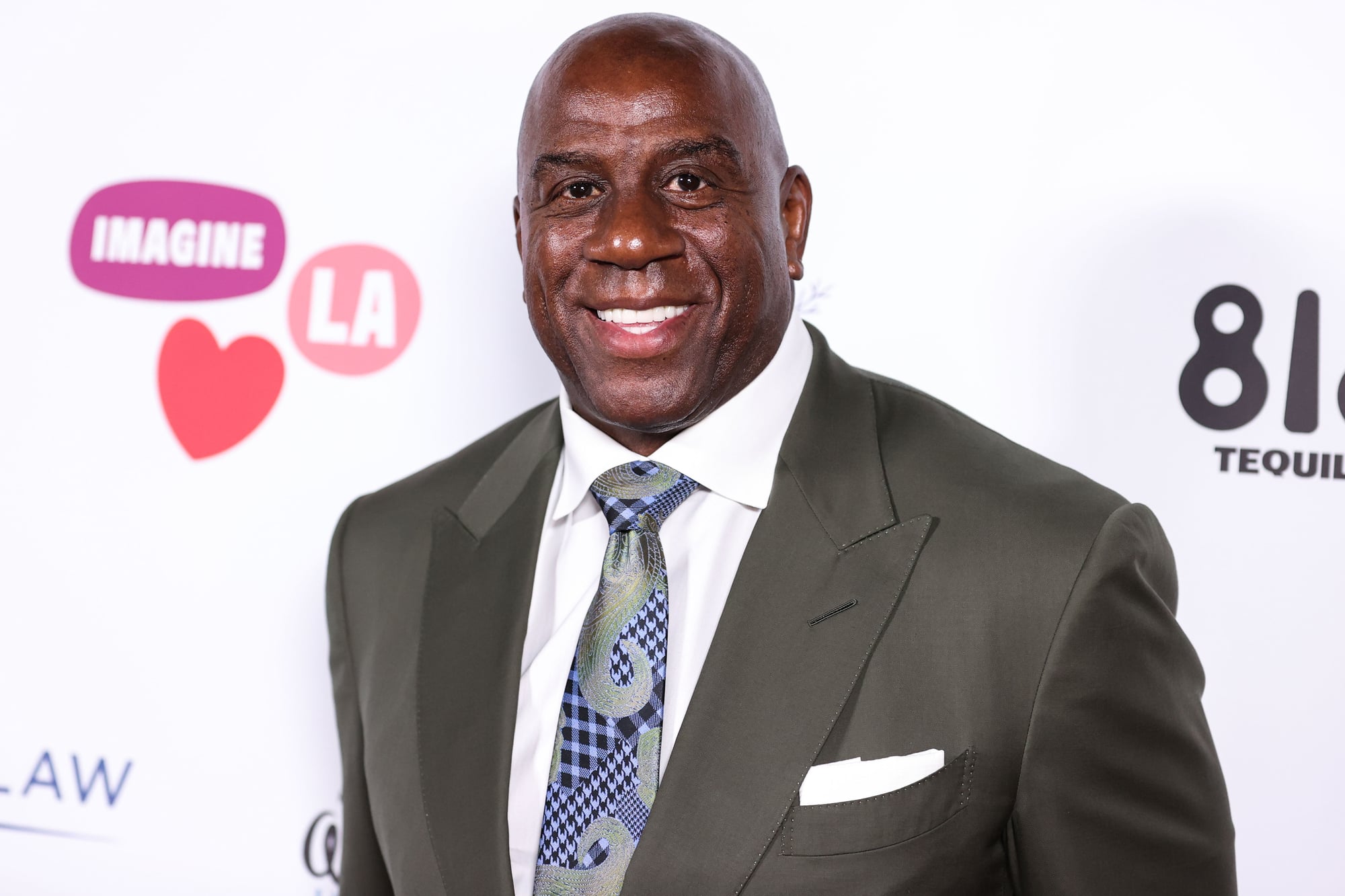
On March 26, 1979, Magic Johnson’s Michigan State Spartans defeated Larry Bird’s undefeated Indiana State Sycamores 75-64 in the NCAA championship game at the University of Utah. The 1979 NCAA tournament final had the highest Nielsen ratings of any game in the history of American basketball.
The game equaled a 24.1 overall viewer rating, meaning roughly two out of five television viewers tuned into the game. This single matchup transformed college basketball into must-watch television and launched a rivalry that would rescue the struggling NBA when both players turned professional.
Like Go2Tutors’s content? Follow us on MSN.
Three-Point Line Added to NBA

The NBA introduced the three-point line in the 1979-1980 season after the ABA had successfully used it for years. The adoption of the three-point line sparked a revolution in offensive strategies, leading to changes in spacing, basketball movement, and outside shooting that fundamentally altered the way the game was played.
What started as a gimmick became one of the most important aspects of modern basketball. Today’s game revolves around the three-pointer in ways that would have been unthinkable in earlier eras.
Michael Jordan’s Arrival
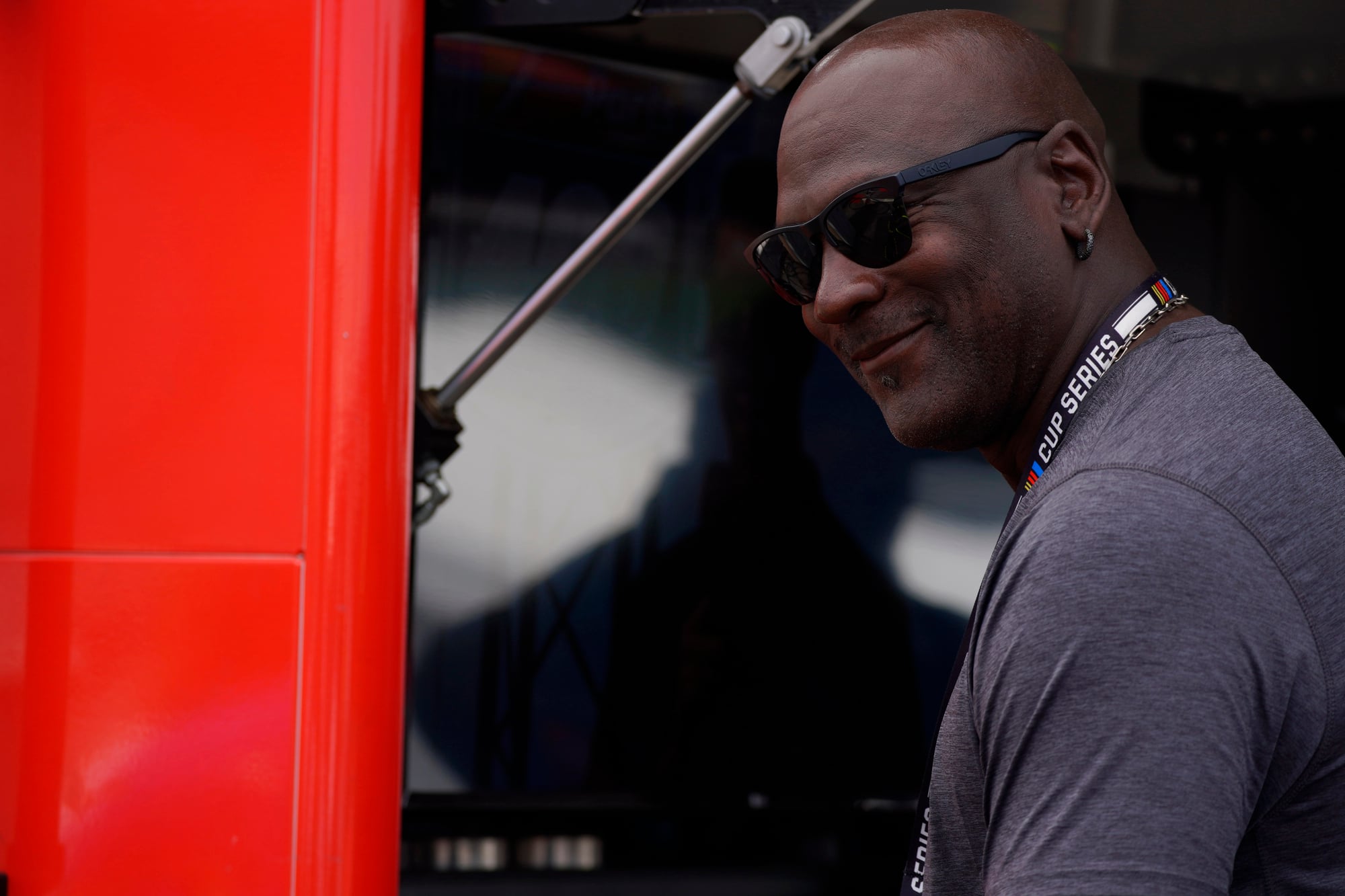
Michael Jordan came off a gold medal performance at the 1984 Olympics and prospered in the pro game with a fabulous first season, earning Rookie of the Year. He would go on to win five MVP awards, six championships, six Finals MVPs, and ten scoring titles.
Jordan transformed basketball into a global brand and became arguably the most famous athlete in the world. His combination of competitive fire, athletic ability, and marketing savvy changed what it meant to be a basketball star.
1992 Dream Team

The 1992 United States Olympic basketball team, nicknamed the ‘Dream Team,’ was the first American Olympic team to include active professional players from the NBA. Team USA defeated its opponents by an average of 44 points en route to winning the gold medal.
The Barcelona games were broadcast in 69 countries, transforming viewers around the globe into basketball fanatics, and while the NBA season before the games featured just 23 players from outside the United States, the 2022 season saw 120 from more than twice as many countries. The Dream Team didn’t just win gold—it exported American basketball culture to the entire world.
Like Go2Tutors’s content? Follow us on MSN.
Integration of the NBA

In the 1950-51 season, three black players each achieved a separate milestone: Chuck Cooper became the first black player drafted by an NBA team, Nat Clifton became the first to sign an NBA contract, and Earl Lloyd became the first to appear in an NBA game. This represented a critical step toward making basketball a truly inclusive sport and opened the door for generations of talented players who had been locked out.
The integration of the NBA changed both the quality of play and the cultural significance of the sport in America.
Introduction of the MVP Award

The NBA MVP award was first awarded at the conclusion of the 1955-1956 season and was voted on by players in the NBA. Since the 1979-1980 season, the Maurice Podoloff Trophy has been given to the player voted on by a panel of sportswriters and broadcasters.
The award created an official way to recognize individual excellence and gave fans something concrete to argue about every year. It also helped build player brands and turned great players into legends.
International Players Become NBA Stars
Hakeem Olajuwon won the 1993-94 MVP, becoming the first player born outside the 50 United States to win MVP. In 2002, the Houston Rockets made Yao Ming of China the first overall pick, and he became the first international player who did not play NCAA basketball to go first overall.
The rise of international stars like Dirk Nowitzki, Pau Gasol, and later Giannis Antetokounmpo and Nikola Jokic proved that basketball had truly become a global game. These players brought different styles and perspectives that made the NBA more diverse and more interesting.
Like Go2Tutors’s content? Follow us on MSN.
From Peach Baskets to Glass Backboards

Wire mesh backboards were introduced in 1895 to prevent spectators in the balconies from interfering with play, then wood replaced the easily dented wire mesh in 1904, and plate glass backboard usage was approved in 1909. These technological improvements might seem minor, but they fundamentally changed how the game could be played.
Better backboards meant better rebounds, cleaner shots, and fewer disruptions. The evolution from primitive equipment to modern standards took decades but made basketball into the polished product fans recognize today.
The Game Goes Global

The combination of the Dream Team, international players entering the NBA, and the league’s marketing efforts transformed basketball from an American sport into a worldwide phenomenon. Games are now broadcast in nearly every country, and basketball courts exist in cities and villages across the globe.
The NBA generates billions in revenue from international markets, and players from dozens of countries compete at the highest level. What started in a Massachusetts gymnasium has become a universal language spoken from Los Angeles to Lagos to Ljubljana.
More from Go2Tutors!

- 16 Historical Figures Who Were Nothing Like You Think
- 12 Things Sold in the 80s That Are Now Illegal
- 15 VHS Tapes That Could Be Worth Thousands
- 17 Historical “What Ifs” That Would Have Changed Everything
- 18 TV Shows That Vanished Without a Finale
Like Go2Tutors’s content? Follow us on MSN.



