17 Plants That Move Without Any Wind or Touch
Plants might look like they’re frozen in place, but some of them are anything but still. Certain species move entirely on their own—without needing a breeze or a nudge. These movements aren’t just for show either; they help with survival, growth, and even timing.
What’s especially wild is that many of these plants move so slowly or subtly that you’d never notice unless you were looking for it—or had a time-lapse camera running. Some fold their leaves at night like they’re calling it a day. Others twist and turn to follow the sun or quietly prep their next move like they’re playing a long game. It’s not science fiction—it’s just biology doing its thing.
Here is a list of 17 plants that move entirely on their own, no wind or touch required.
Prayer Plant

The Prayer Plant gets its name from the way its leaves fold up at night, almost like hands coming together. During the day, the leaves lay flat to soak up the light, and by evening, they slowly rise and close.
This daily rhythm, called nyctinasty, isn’t just a quirk—it helps the plant manage moisture and conserve energy overnight.
Venus Flytrap
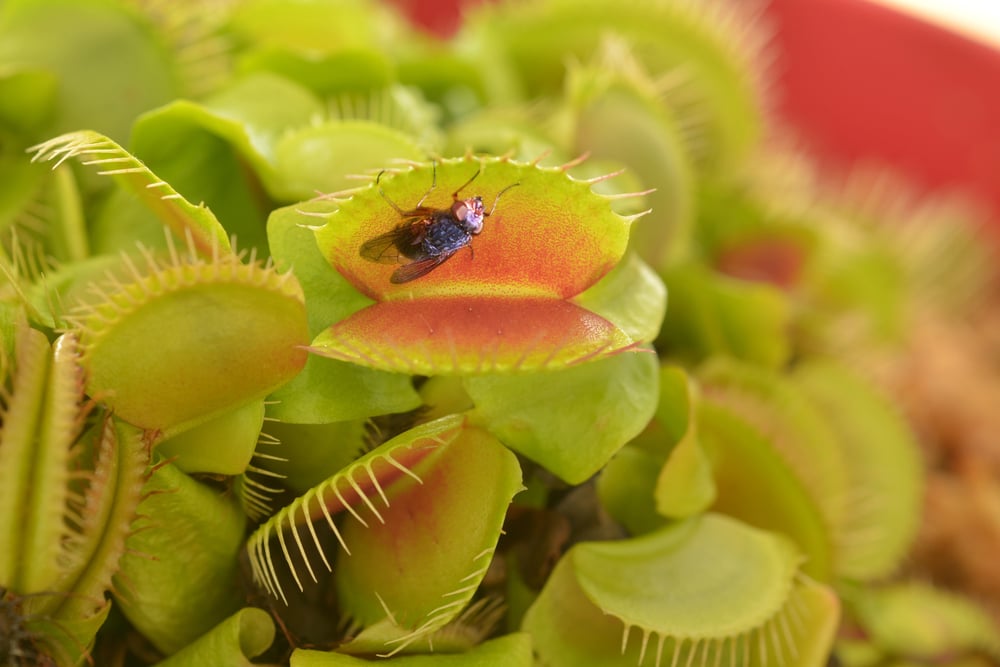
Even when untouched, the Venus Flytrap can show small movements as it adjusts its traps. These traps stay slightly open, ready to react in milliseconds when an insect lands, but the plant also shifts its traps throughout the day to reset and prepare for the next catch.
Its internal pressure system quietly primes each trap without external triggers.
Like Go2Tutors’s content? Follow us on MSN.
Sensitive Fern

Despite its name, the Sensitive Fern doesn’t need touching to move. Its leaves respond to temperature and humidity changes by curling and relaxing slightly.
These subtle motions happen all day long as the fern adapts to small shifts in its surroundings, even in perfectly still air.
Telegraph Plant

The Telegraph Plant, or Desmodium gyrans, is one of the few plants that visibly dances. Its small lateral leaflets rotate in slow, jerky patterns—often moving several times a minute.
This happens even without any touch or airflow. Scientists believe the movement may help with temperature regulation or attracting pollinators.
White Mulberry

The White Mulberry tree’s flowers don’t wait around for a breeze to pollinate. Instead, they catapult pollen into the air using a rapid internal buildup of pressure.
The movement happens so fast it was once one of the fastest-known movements in the plant world—faster than the blink of an eye.
Like Go2Tutors’s content? Follow us on MSN.
Mimosa Pudica (at Night)

Mimosa Pudica is well-known for folding when touched, but it also moves on its own. At night, the leaves slowly droop down without anyone brushing past.
This is another case of nyctinasty—an internal clock at work, helping the plant conserve water when the sun goes down.
Dancing Plant

Closely related to the Telegraph Plant, this species also jiggles its smaller leaves during the day. What makes it stand out is the rhythm—it looks almost like it’s responding to music, even though it’s not reacting to sound or touch.
These movements are powered by tiny changes in water pressure inside the plant’s cells.
Barrel Cactus

Barrel cacti might look rock-solid, but their ribs expand and contract depending on how much water they store. These changes are subtle, but they happen without any outside force.
The whole cactus can slowly shift its shape in response to internal hydration—no wind or handling needed.
Like Go2Tutors’s content? Follow us on MSN.
Oxalis
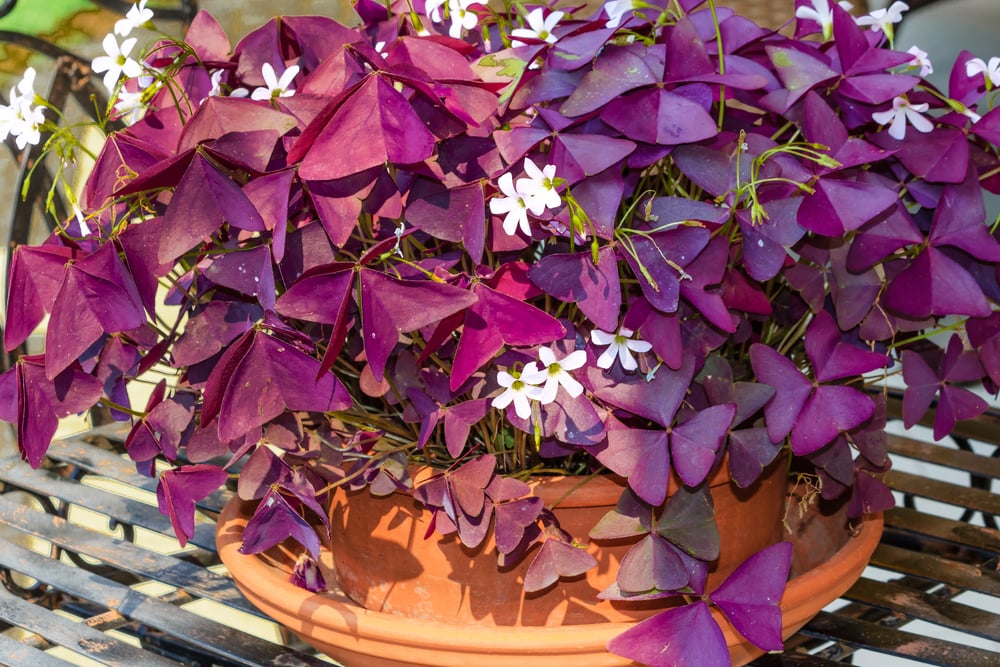
Also known as wood sorrel, Oxalis plants have clover-like leaves that rise and fall with the light. In a quiet room, you can sometimes notice the leaves changing angles slowly over the course of the day.
It’s part of their built-in light-tracking system, helping them stay aligned with the sun.
Morning Glory

Morning Glories don’t just open and close flowers based on sunlight. The vines themselves move during growth, constantly twisting and spiraling as they search for something to grab onto.
This motion, called circumnutation, happens on its own—driven by the plant’s internal growth cycles.
Sunflower (Young Plants)

Before they bloom, young sunflowers follow the sun from east to west in a slow, steady motion. This tracking happens all day, even if it’s cloudy or breezeless.
The movement stops once the flower matures, but during the growing phase, it’s a non-stop rotation powered from within.
Like Go2Tutors’s content? Follow us on MSN.
Bladderwort
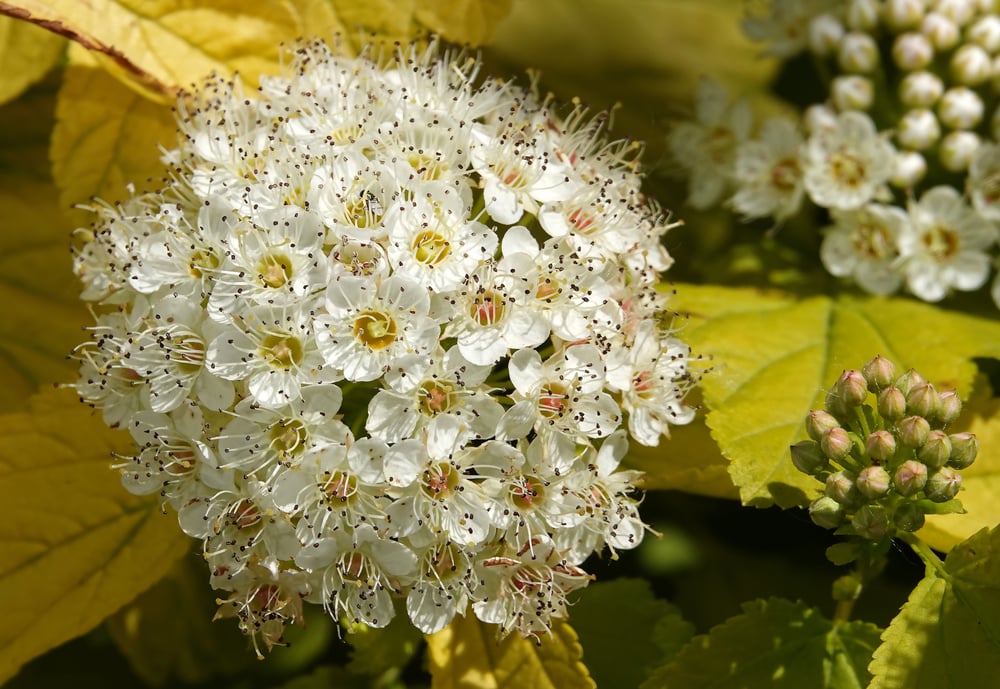
This underwater carnivorous plant doesn’t need a touch to activate. Its tiny bladder-like traps build pressure and suddenly snap open, creating a vacuum that sucks in prey.
Even when there’s nothing nearby, the traps reset themselves in a rhythmic cycle of expansion and contraction.
Maranta

Maranta is often confused with the Prayer Plant, but it has its own unique movement style. Its leaves raise and lower in a subtle but regular pattern, regardless of wind or handling.
These shifts follow a natural rhythm that continues even in completely still indoor spaces.
Cucumber Tendrils

Cucumber plants grow tendrils that slowly wave around until they find something to latch onto. This movement doesn’t need light, wind, or touch—it’s built into the plant’s search for support.
Once a tendril touches something, it curls tightly, but the motion before contact is entirely self-driven.
Like Go2Tutors’s content? Follow us on MSN.
Pea Shoots

Young pea plants send out curling shoots that move constantly during early growth. Even in controlled environments with no airflow, the shoots move in wide circles.
This rotation helps them maximize their chances of anchoring onto nearby structures.
Alpine Buttercup

The Alpine Buttercup, found in cold mountainous regions, angles its flowers toward the sun on its own. These daily shifts are subtle, but they make a big difference in gathering warmth and attracting pollinators.
The plant does all of this without wind or insects—just internal processes at work.
Coralroot Orchid

This orchid doesn’t photosynthesize much like other plants, but it still shows movements during flowering. Its blooms open and twist at very specific intervals, controlled by its own internal schedule.
Even in still air, the petals shift and position themselves to improve pollination chances.
Like Go2Tutors’s content? Follow us on MSN.
Movement You Can Miss—Unless You Know Where to Look

Plant movement isn’t always flashy—but it’s constant. These species shift, stretch, curl, or close based on light, heat, time, or water—all without waiting for a breeze or outside poke.
What seems motionless is often busier than we realize. These small motions are a reminder that even the quietest forms of life are working nonstop to survive.
More from Go2Tutors!

- 16 Historical Figures Who Were Nothing Like You Think
- 12 Things Sold in the 80s That Are Now Illegal
- 15 VHS Tapes That Could Be Worth Thousands
- 17 Historical “What Ifs” That Would Have Changed Everything
- 18 TV Shows That Vanished Without a Finale
Like Go2Tutors’s content? Follow us on MSN.



