15 Facts About Geologic Time
Standing in the Grand Canyon, watching layers of rock tell stories that span hundreds of millions of years, you begin to grasp how impossibly vast Earth’s history really is. The human mind struggles with geologic time — those enormous stretches where continents drift like slow-motion puzzle pieces and entire mountain ranges rise and fall like waves.
These timescales dwarf everything familiar, yet they’re written in the rocks beneath your feet, in the fossils embedded in limestone, and in the very atoms that make up your body.
Deep Time Changes Everything

Geologic time operates on a scale that makes human history look like a brief flicker. The Earth formed 4.6 billion years ago.
Humans have existed for maybe 300,000 years — that’s roughly 0.007% of Earth’s total existence.
If Earth’s entire history were compressed into a single year, humans wouldn’t appear until December 31st at 11:26 PM. All of recorded human history would fit into the final thirty-four minutes before midnight.
Rock Layers Tell Sequential Stories
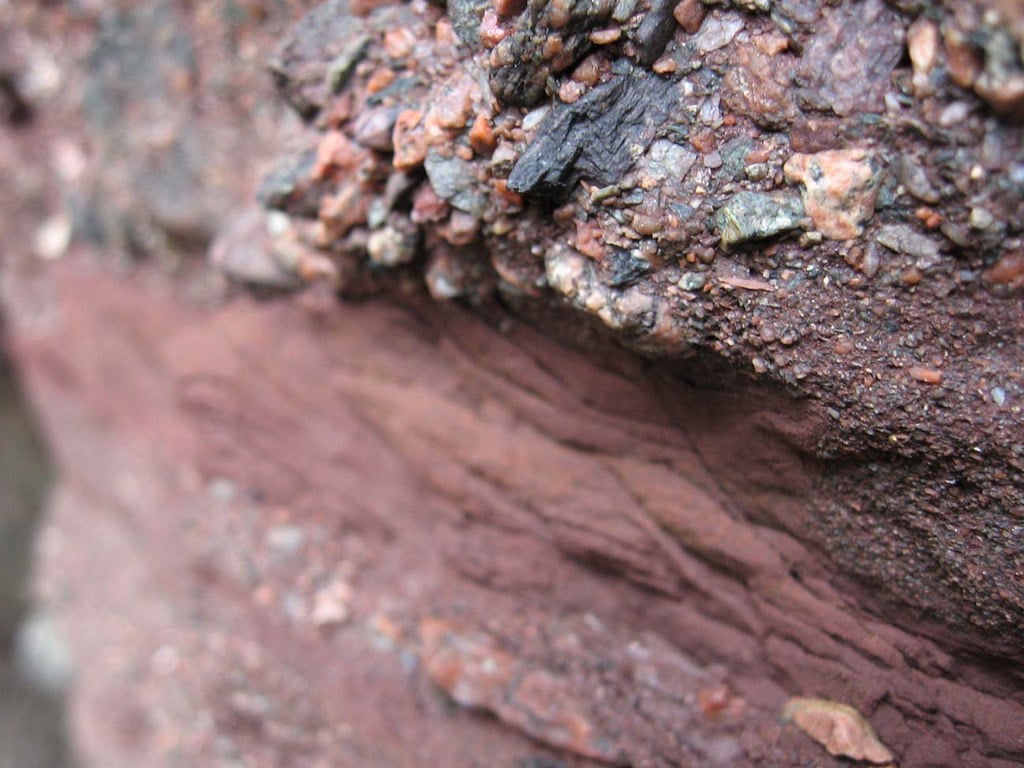
The principle of superposition seems almost embarrassingly simple once you understand it: in undisturbed rock sequences, older layers sit beneath younger ones (which makes sense, since they were deposited first, before the layers above them had a chance to form). But this straightforward concept revolutionized our understanding of Earth’s timeline — and it’s worth noting that this idea, obvious as it seems now, wasn’t formally recognized until the 17th century when Nicolas Steno laid out the basic principles of stratigraphy.
Each layer represents a slice of time, sometimes spanning millions of years, sometimes just a few thousand, depending on how quickly sediments accumulated in that particular environment. So when geologists examine a cliff face with dozens of distinct rock layers, they’re essentially reading a book where each page represents a different chapter in Earth’s history — though the pages aren’t always the same length, and some chapters are missing entirely where erosion has removed evidence of certain time periods.
Radioactive Decay Acts Like Earth’s Clock
Radioactive elements break down at predictable rates. Carbon-14 has a half-life of 5,730 years, meaning half of any carbon-14 sample will decay in that time.
Uranium-238 takes 4.5 billion years to reach its half-life.
These decay rates never change, regardless of temperature, pressure, or chemical conditions. That consistency makes radioactive dating incredibly reliable for determining the age of rocks, fossils, and archaeological artifacts.
Mass Extinctions Reset Life’s Direction
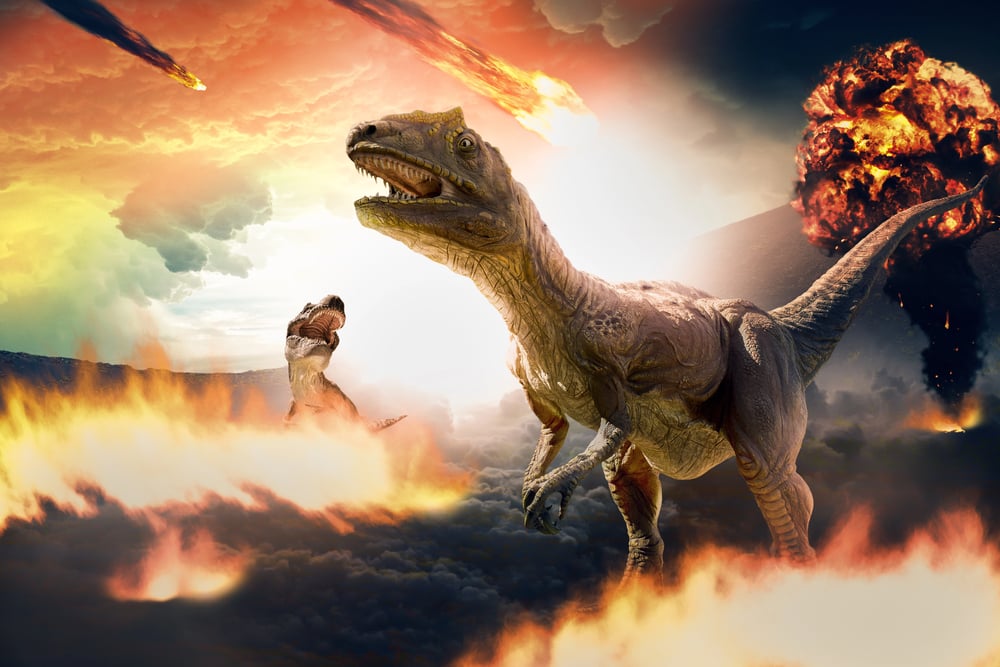
Mass extinctions aren’t just tragic endings — they’re brutal editors that reshape the entire trajectory of life on Earth. Five major extinction events have eliminated between 75-96% of all species, and each one fundamentally altered which types of organisms would dominate the planet going forward.
The most famous extinction killed the dinosaurs 66 million years ago, but it wasn’t the worst. That distinction belongs to the Permian extinction 252 million years ago, which eliminated roughly 96% of marine species and 70% of terrestrial vertebrates.
The recovery took millions of years, and life never looked the same afterward.
Continental Drift Happens in Slow Motion
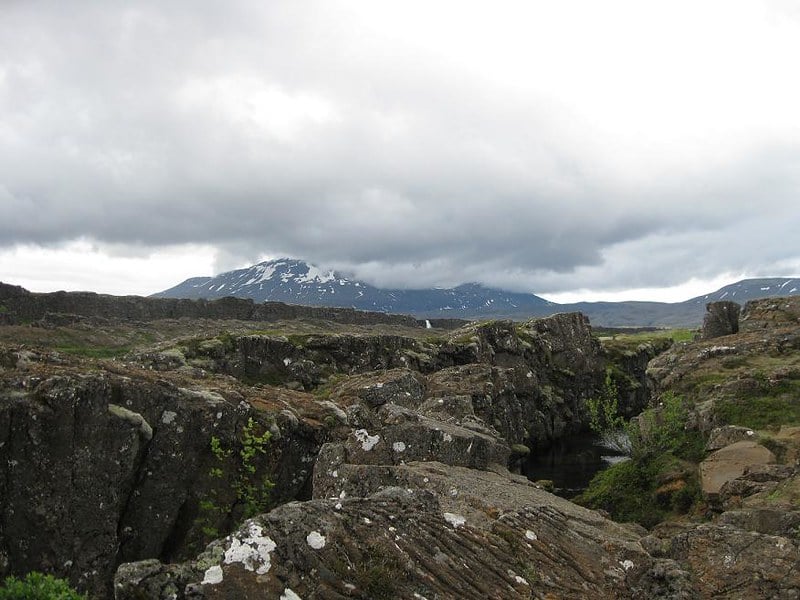
Picture the most patient dance ever choreographed: continents sliding across Earth’s surface at roughly the same speed your fingernails grow (about 2-4 inches per year, which sounds almost comically slow until you multiply it by millions of years and realize that continents can travel thousands of miles). What we call “solid ground” is actually riding on massive tectonic plates that float on the semi-molten rock beneath them, constantly moving, colliding, and separating in an endless, almost imperceptible ballet.
The Atlantic Ocean didn’t exist 200 million years ago — it’s been gradually widening as North America and Europe drift apart, creating new ocean floor along the Mid-Atlantic Ridge. Mountains form when continents collide and their edges crumple upward; the Himalayas are still growing taller as India continues pushing into Asia, a collision that began 50 million years ago and shows no signs of stopping anytime soon.
Fossil Formation Requires Perfect Timing
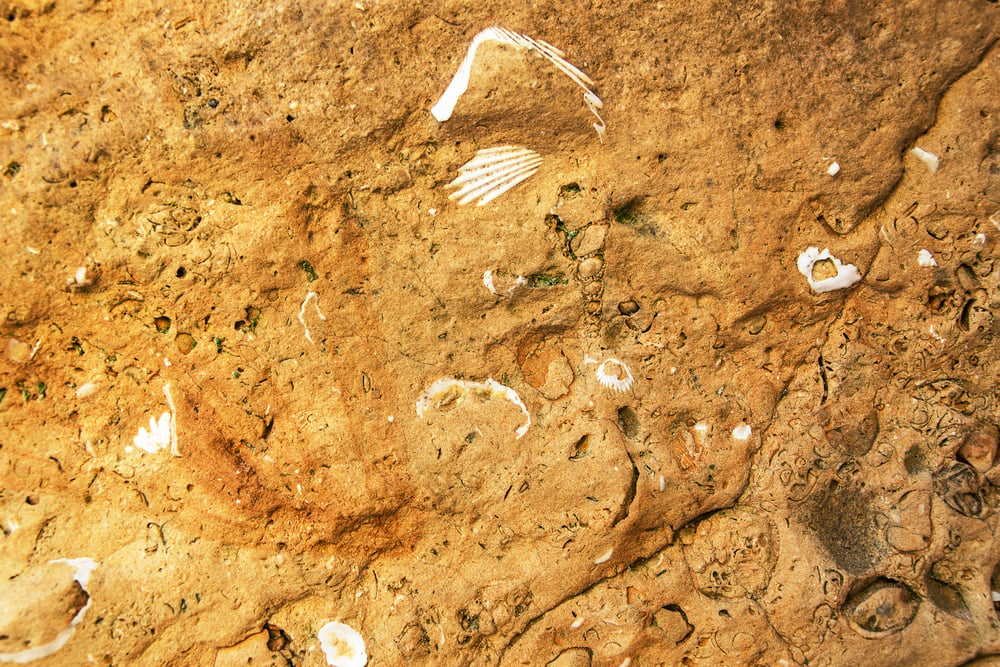
Most living things never become fossils. They decay, get eaten, or weather away completely.
Fossilization demands a precise sequence of events that happens rarely.
An organism must die in the right place — usually underwater or in sediment — then get buried quickly before decomposition destroys the remains. Minerals gradually replace organic material, creating a rock copy of bones, shells, or sometimes entire organisms.
The conditions have to stay stable for millions of years while this process unfolds.
Ice Ages Come and Go Regularly
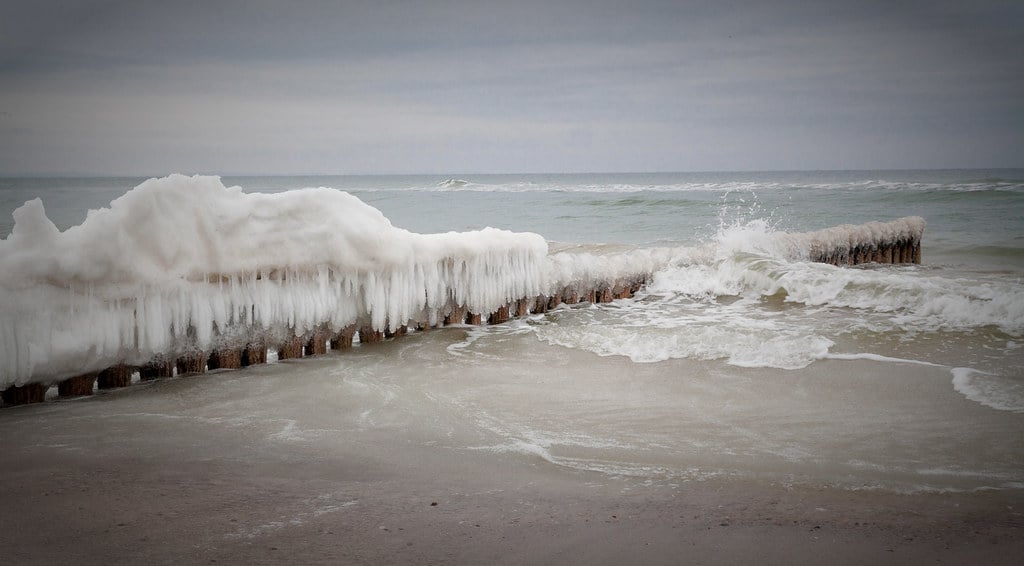
The planet doesn’t maintain a steady temperature over geologic time — it swings between ice ages and warmer periods in fairly predictable cycles driven by changes in Earth’s orbit and axial tilt (known as Milankovitch cycles, which operate on timescales of roughly 20,000 to 100,000 years). During ice ages, massive glaciers advance and retreat across continents, carving valleys, depositing sediments, and dramatically altering landscapes.
We’re technically still in an ice age that began about 2.6 million years ago, though currently experiencing a warmer interglacial period. The last major glacial advance ended just 11,700 years ago — which is practically yesterday in geologic terms — and left behind the Great Lakes, Yosemite Valley, and countless other landscape features that we often assume have always existed exactly as they are now.
Coal and Oil Formed From Ancient Life
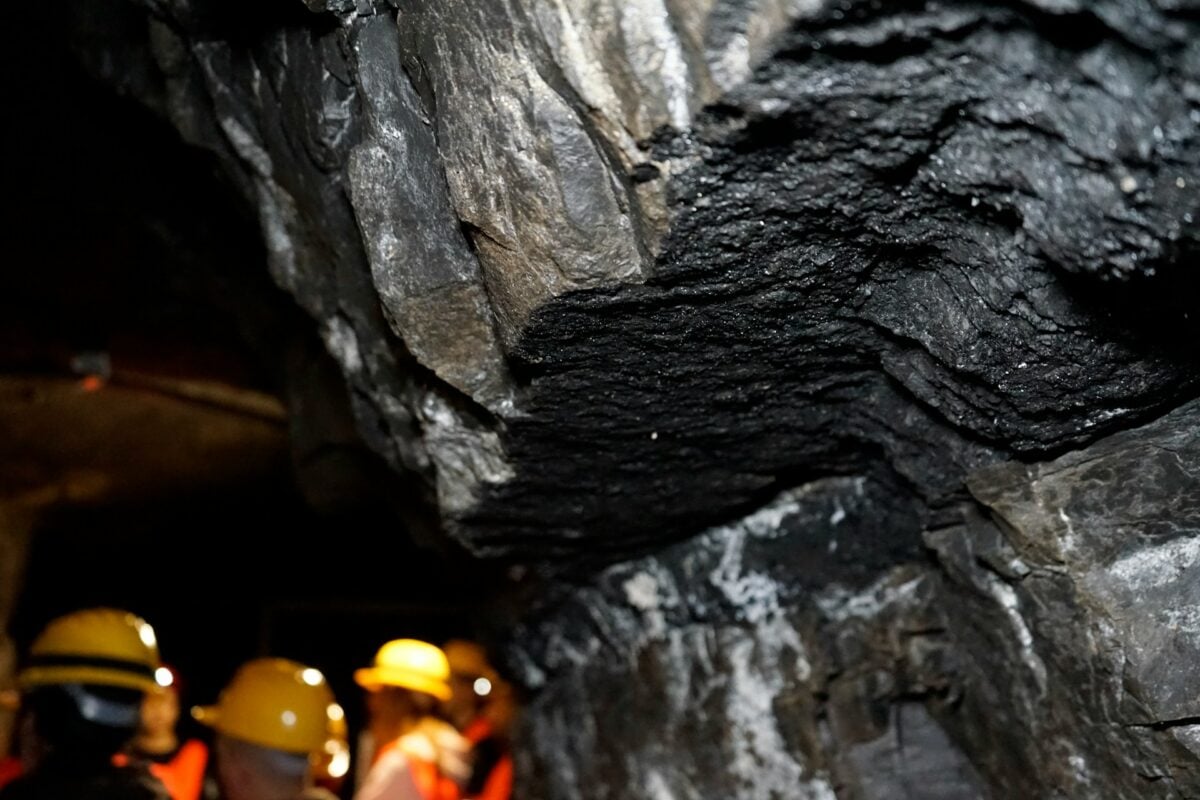
Fossil fuels aren’t just old — they’re the compressed remains of entire ecosystems from hundreds of millions of years ago. Coal formed primarily during the Carboniferous Period, when vast swampy forests covered much of the planet.
Dead plant material accumulated faster than it could decay, eventually getting buried and compressed into coal seams. Oil formed from marine organisms that settled on ocean floors and underwent similar pressure-cooking over geological time.
When you burn gasoline, you’re releasing sunlight that ancient organisms captured through photosynthesis roughly 150 million years ago.
The Cambrian Explosion Changed Everything Quickly
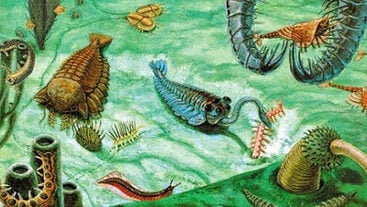
Around 540 million years ago, life suddenly got creative (at least by geologic standards, where “suddenly” still means a few million years, but that’s remarkably fast considering that complex life had been developing at a much slower pace for hundreds of millions of years prior). The Cambrian Explosion produced most major animal groups that exist today, along with many bizarre experimental forms that didn’t survive.
Before this period, most life was simple and soft-bodied, leaving few fossils. Then shells, exoskeletons, and complex body plans appeared in the fossil record with startling rapidity — an evolutionary burst that suggests something fundamental changed in ocean chemistry, predator-prey relationships, or perhaps both.
The Burgess Shale in Canada preserves many of these strange Cambrian creatures, including some that look like nothing alive today.
Mountain Ranges Have Life Cycles

Mountains aren’t permanent features — they’re temporary wrinkles in Earth’s surface that follow predictable life cycles spanning tens of millions of years. Young mountains like the Himalayas have sharp, jagged peaks because erosion hasn’t had time to wear them down.
Old mountain ranges become rounded and lower as weather gradually grinds them away. The Appalachians were once as tall as the Rockies, but 300 million years of erosion have reduced them to gentle, rolling peaks.
Given enough time, even the mightiest mountain range gets worn down to nearly flat plains, though new tectonic activity can rejuvenate old ranges or create entirely new ones.
Oxygen Levels Have Fluctuated Dramatically
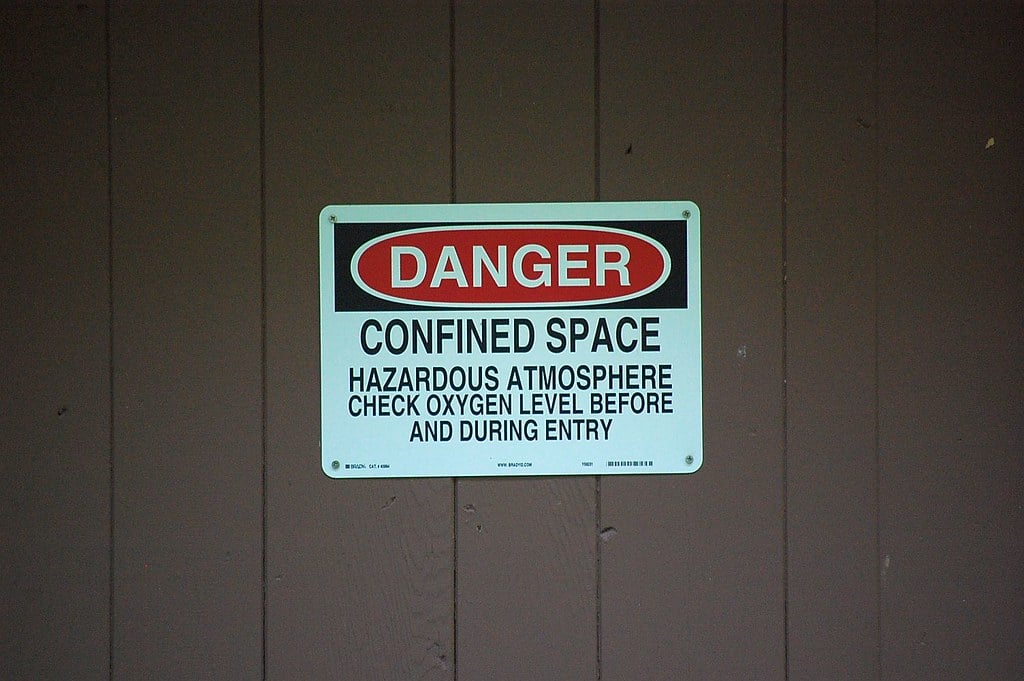
The atmosphere you breathe isn’t the same one that existed throughout Earth’s history — oxygen levels have swung wildly, sometimes reaching concentrations that would fundamentally change how life operates (during the Carboniferous Period, atmospheric oxygen peaked at around 35%, compared to today’s 21%, which allowed insects to grow to enormous sizes since their primitive respiratory systems could extract enough oxygen to support much larger bodies). Giant dragonflies with two-foot wingspans and millipedes the size of cars thrived in that oxygen-rich world.
But oxygen wasn’t always abundant. For the first two billion years of Earth’s existence, the atmosphere contained virtually no free oxygen — it was a toxic waste product produced by early cyanobacteria that actually poisoned most existing life forms in what scientists call the Great Oxidation Event.
The organisms that survived had to evolve ways to handle oxygen, eventually learning to use it for more efficient energy production.
Volcanic Activity Shapes Long-Term Climate
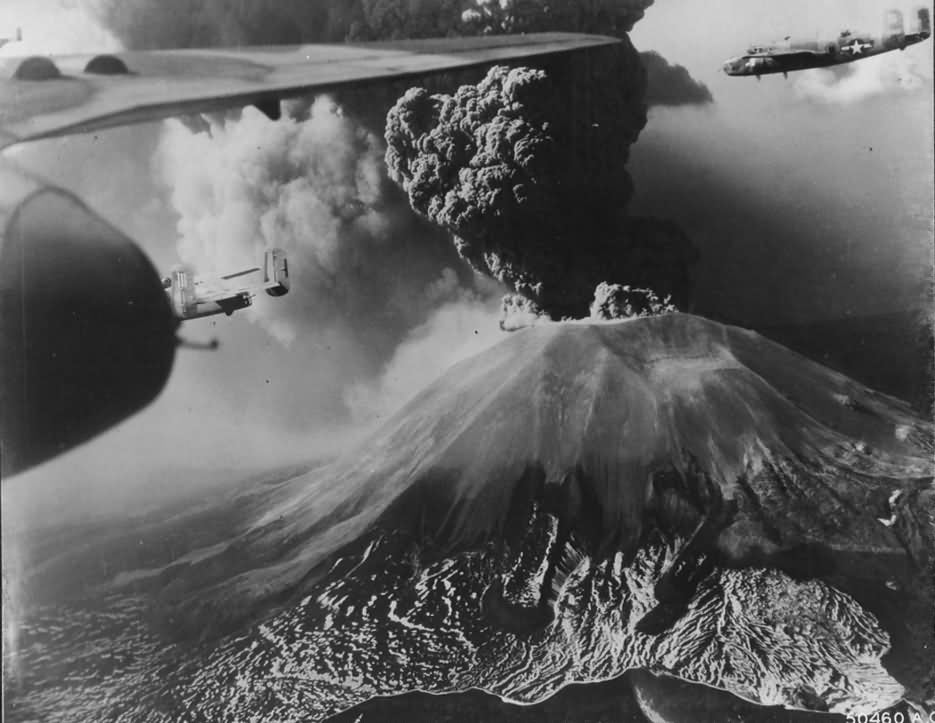
Major volcanic eruptions don’t just affect weather for a year or two — they can alter global climate for millions of years. The Siberian Traps eruption 252 million years ago spewed lava over an area the size of Europe and likely triggered the Permian mass extinction.
Volcanic carbon dioxide can warm the planet for extended periods, while ash and sulfur compounds reflect sunlight and cause cooling. The timing, size, and location of volcanic activity help explain many mysterious climate changes in Earth’s past, including some ice ages and warming periods that otherwise seem random.
Plate Tectonics Drives the Carbon Cycle
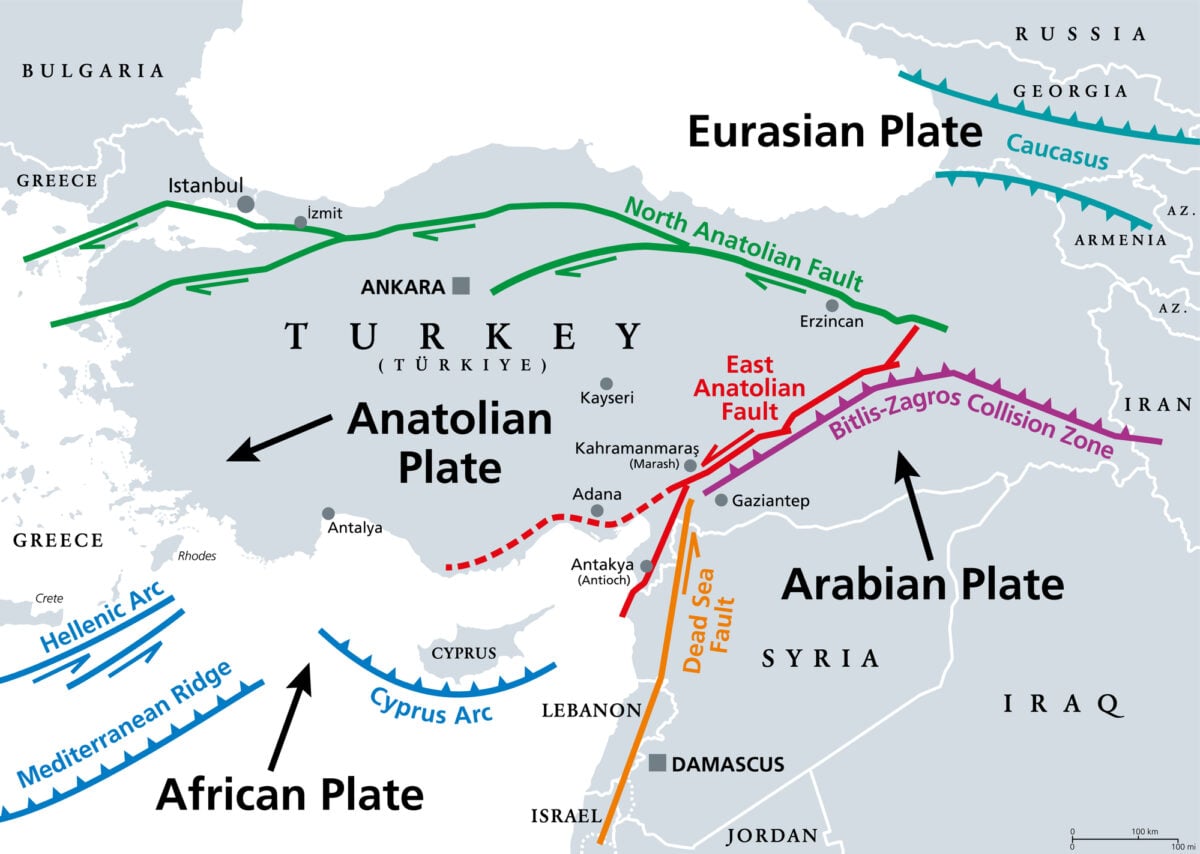
The carbon cycle operates on two very different timescales — the short biological cycle that moves carbon through plants, animals, and the atmosphere over decades, and the much longer geological cycle that locks carbon in rocks for millions of years before releasing it again. Plate tectonics drives this long-term cycle by subducting carbonate rocks into the mantle, where they melt and eventually release carbon dioxide through volcanic eruptions.
This geological thermostat helps regulate Earth’s temperature over millions of years. When the planet gets too warm, increased weathering of rocks removes more carbon dioxide from the atmosphere. When it gets too cold, volcanic activity releases stored carbon dioxide back into the air.
The system isn’t perfect — it operates far too slowly to buffer rapid changes — but it’s kept Earth habitable for billions of years.
Asteroid Impacts Leave Permanent Signatures
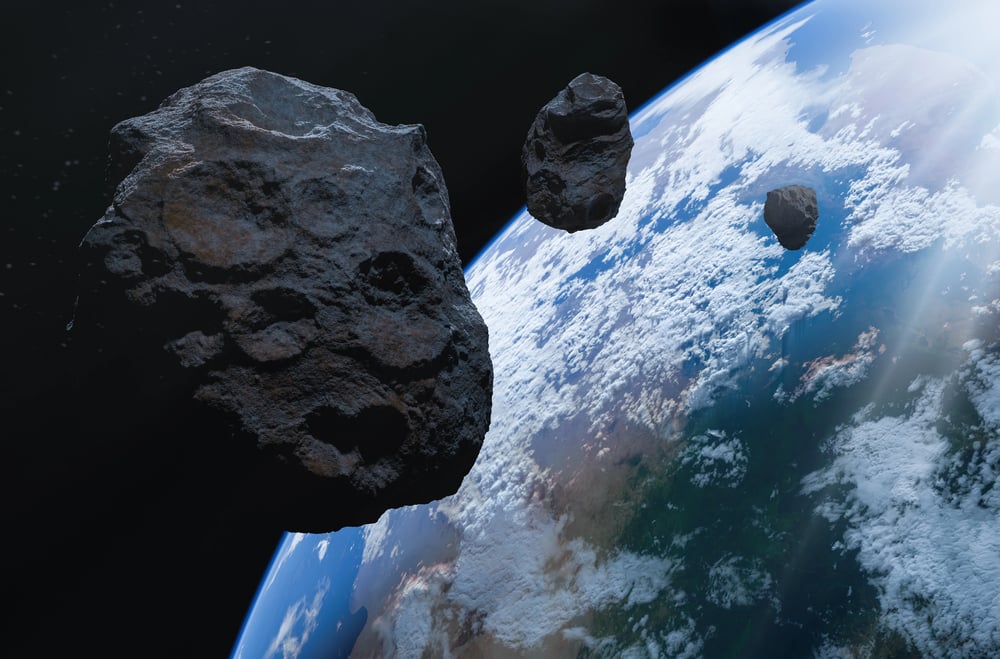
Large asteroid impacts create unique geological signatures that persist for millions of years. The impact that killed the dinosaurs left a thin layer of iridium-rich clay found in rock formations worldwide — iridium is rare in Earth’s crust but common in asteroids.
Impact craters also produce shocked minerals with crystal structures that only form under extreme pressure. These geological calling cards help scientists identify ancient impacts even when erosion has erased the original crater.
Earth has been hit by large asteroids many times, and each impact left its mark in the rock record.
Geologic Time Continues Accelerating Around Us
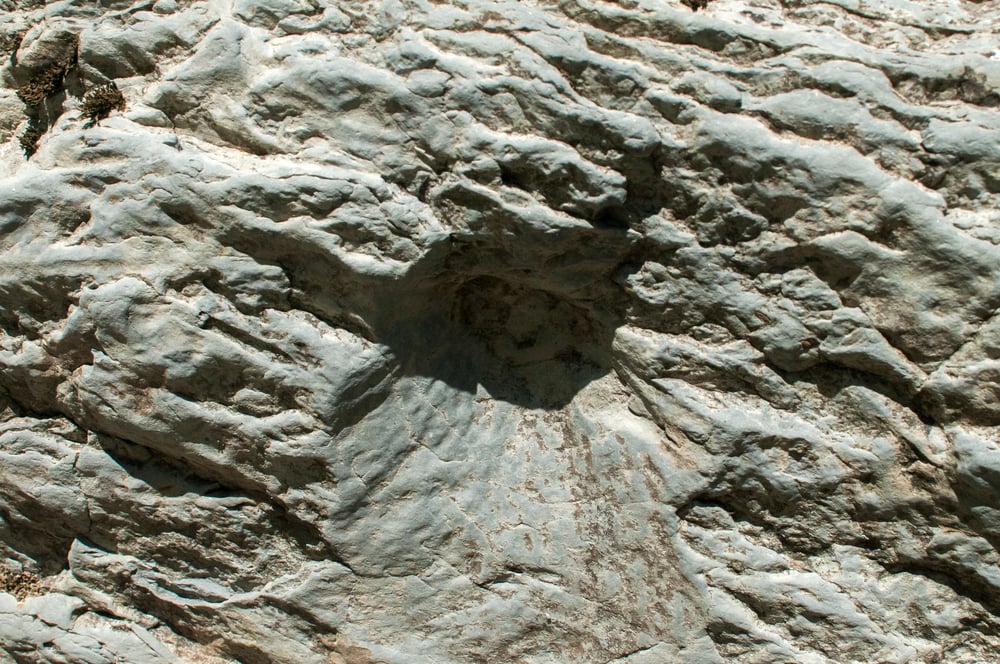
Geologic processes haven’t stopped — they’re happening right now, though usually too slowly for human perception. The Atlantic Ocean widens by about two inches each year.
The Himalayas grow taller by roughly one-fifth that amount (about two to four millimeters annually).
Erosion continues wearing down mountains and depositing sediments that will become tomorrow’s rock layers. Volcanic activity creates new land while earthquakes reshape existing terrain.
Climate changes, species evolve and go extinct, and the slow dance of plate tectonics continues rearranging the planet’s surface. Geologic time isn’t just ancient history — it’s the ongoing story of a dynamic planet that never stops changing.
Written in Stone and Time
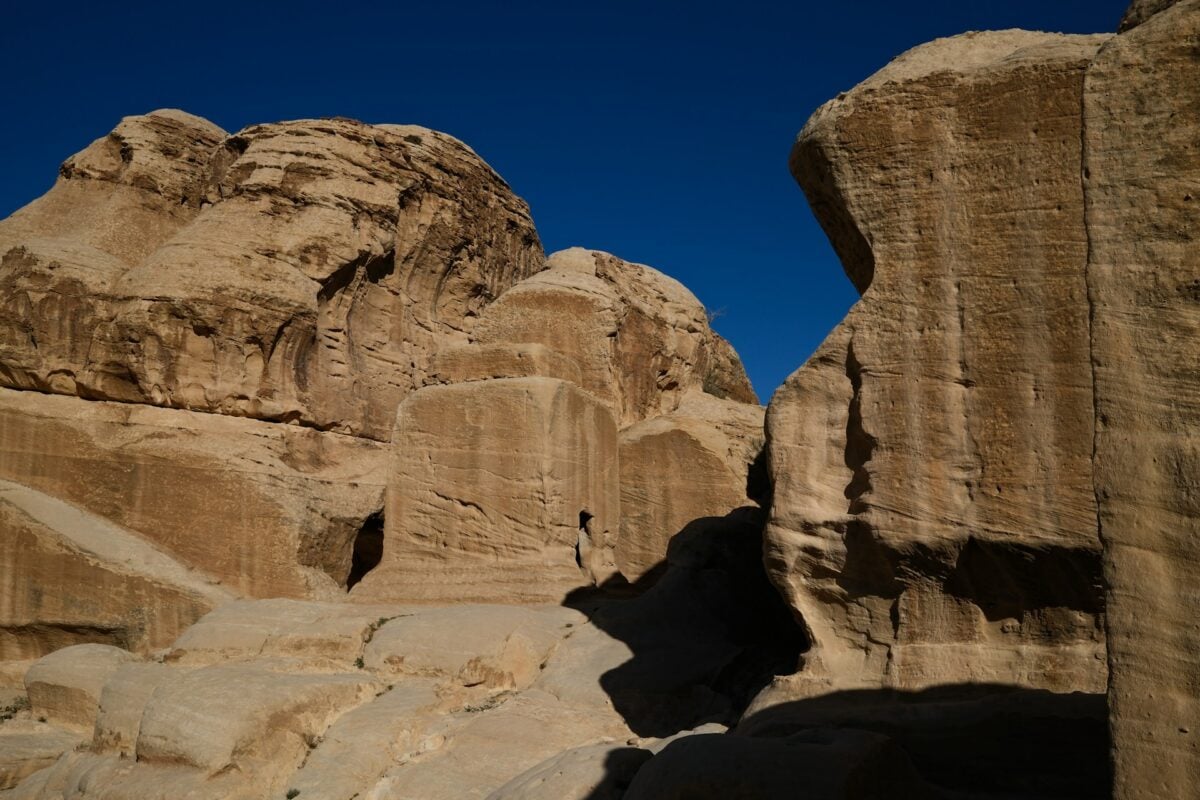
Geologic time transforms how you see the world around you. That granite countertop crystallized deep underground over millions of years.
The limestone in your driveway formed from ancient sea creatures. The very ground beneath your house has traveled thousands of miles from where it originally formed, riding the slow conveyor belt of plate tectonics across an ever-changing planet that continues writing its story in stone, one layer at a time.
More from Go2Tutors!

- The Romanov Crown Jewels and Their Tragic Fate
- 13 Historical Mysteries That Science Still Can’t Solve
- Famous Hoaxes That Fooled the World for Years
- 15 Child Stars with Tragic Adult Lives
- 16 Famous Jewelry Pieces in History
Like Go2Tutors’s content? Follow us on MSN.