Foods With Surprising Cultural Roles
You probably don’t think much about the deeper meaning of your morning toast or the rice at a wedding. Food fills our stomachs, sure, but some ingredients have taken on roles that go way beyond nutrition.
They’ve become symbols, tools, and even currencies across different societies. The stories behind these foods reveal how humans have always needed more from what they eat than just calories.
Salt Built Empires and Ended Friendships

Salt seems ordinary now, sitting in a shaker on every table. But for thousands of years, it was valuable enough to start wars over.
Roman soldiers received part of their pay in salt—that’s where the word “salary” comes from. In some African and Asian regions, salt bars functioned as currency well into the modern era.
The cultural weight of salt shows up in language and ritual. Spilling salt still makes some people throw a pinch over their left shoulder to ward off bad luck.
Jewish tradition places salt on the table during meals as a reminder of ancient temple offerings. Arab cultures serve bread and salt to guests as a sign of hospitality and trust.
When you share salt with someone, you’re supposedly bound to protect them.
Rice Carries Wishes into Marriage

Throwing rice at newlyweds started as a fertility symbol. The grain represented prosperity and abundance, and pelting the couple with it was meant to transfer those blessings to their new life together.
Different cultures adapted the practice—some threw wheat, others used seeds or nuts. The tradition has faded in many places.
Churches banned it because the rice would swell in birds’ stomachs, or so people believed. That turned out to be a myth, but the damage was done.
Now couples get bubbles, flower petals, or sparklers instead. The symbolism shifted from agricultural plenty to something more decorative and Instagram-ready.
Birthday Candles Connect Us to Ancient Fire Worship

Blowing out candles on a cake feels like a universal childhood experience. But the practice traces back to ancient Greece, where people brought moon-shaped cakes to the temple of Artemis.
They lit candles on top because the glow and smoke carried prayers up to the gods. Germans formalized the modern version with kinderfests in the 1700s.
The birthday child got a cake with candles numbering their age plus one for good luck. Making a wish before blowing them out supposedly gives the wish power—but only if you keep it secret and extinguish all the flames in one breath.
The superstition stuck even as the religious meaning faded.
Breaking Bread Transcends Religion
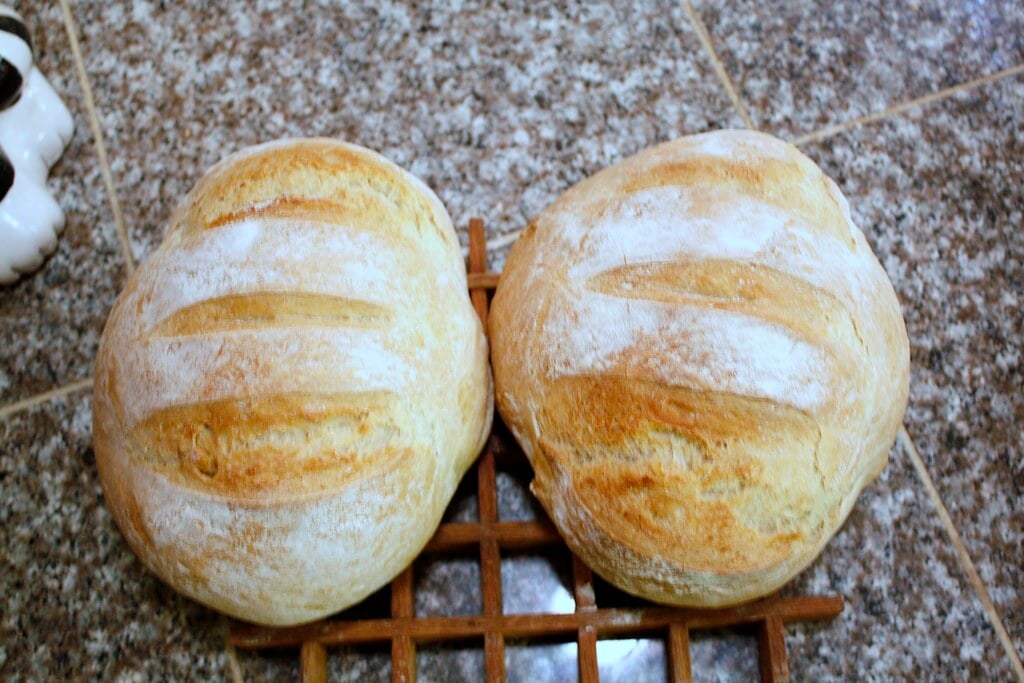
“Breaking bread together” means more than just eating. It signals trust, peace, and community. Christian communion centers on bread as the body of Christ.
Jewish Shabbat begins with breaking challah and passing pieces around the table. Muslim cultures share flatbreads during iftar to break the daily Ramadan fast.
The physical act matters. You tear the bread with your hands rather than cutting it with a knife. That gesture feels more intimate, more vulnerable.
Sharing food you’ve touched creates a bond that formal dining can’t replicate. Many cultures consider it insulting to refuse bread when offered, because you’re rejecting not just food but the relationship it represents.
Tea Ceremonies Teach Patience

Japanese tea ceremonies take hours and follow strict protocols. Every movement has meaning—how you hold the bowl, which direction you turn it, when you bow.
The point isn’t really the tea. It’s about being present, showing respect, and finding calm in ritual.
Other cultures developed their own tea traditions. Moroccan mint tea gets poured from a height to create foam, and refusing three cups offends your host.
British afternoon tea established social hierarchies through tiny sandwiches and scones. Chinese gongfu tea emphasizes skill and appreciation of the leaves themselves.
Each culture shaped tea service around its values, using the same basic drink to express completely different ideas.
Chocolate Once Bought Slaves and Kingdoms

The Aztecs and Mayans used cacao beans as currency. A rabbit cost ten beans. A slave cost a hundred. Only elites drank chocolate, and they served it at sacred ceremonies and political negotiations.
The drink was bitter, mixed with chili peppers, and believed to grant wisdom and power. Spanish conquistadors brought chocolate to Europe, where it remained an aristocratic luxury for centuries.
Chocolate houses functioned like modern cafes, but you needed serious money to enter. The cultural association with wealth and sophistication persists.
Even now, expensive chocolate carries more prestige than cheap candy bars, echoing those old hierarchies.
Pineapples Signaled Colonial Wealth

In 18th century Europe, pineapples cost the equivalent of a car. They couldn’t survive the journey from the Caribbean without rotting, so seeing one meant wealth and connections.
People didn’t eat them—they displayed them at parties until the fruit decomposed. Some families rented pineapples just for appearances.
The fruit became a symbol of hospitality. Colonial architects carved pineapple motifs into gateposts and doorways.
Ship captains would place a pineapple outside their homes when they returned from voyages, inviting friends to visit and hear their stories. That welcoming symbolism outlived the rarity of the fruit itself.
You still see pineapple decorations in hotels and on welcome mats, even though you can buy one at any grocery store for a few dollars.
Garlic Guards Against More Than Vampires

Garlic’s reputation as vampire repellent comes from real folk beliefs about its protective powers. Ancient Egyptians gave garlic to laborers building the pyramids for strength.
Greek athletes ate it before competitions. Roman soldiers carried it into battle.
Hanging garlic in doorways, windows, and around the neck supposedly kept away evil spirits, disease, and bad fortune. Some cultures still practice this.
Korean folklore warns that ghosts hate garlic’s smell. European tradition holds that garlic prevents the evil eye.
Modern science found compounds in garlic that fight bacteria and parasites, which explains why these superstitions lasted. People noticed that garlic-eaters stayed healthier, so they invented supernatural explanations for natural effects.
Pomegranates Mean Everything and Nothing

Pomegranates show up in religious art and mythology constantly, but their meaning shifts depending on who’s telling the story. Greek myth says Persephone ate pomegranate seeds in the underworld, which bound her there for part of each year.
Jewish tradition claims pomegranates have 613 seeds, matching the number of commandments in the Torah. Christian art uses them to symbolize resurrection.
Islamic texts call them a fruit of paradise. The same fruit carries opposite meanings in different contexts.
It can represent death or eternal life, temptation or righteousness, fertility or asceticism. That flexibility has helped it survive in cultural memory across thousands of years.
Artists and storytellers can project whatever meaning serves their purpose onto those red seeds.
Durian Divides Entire Nations
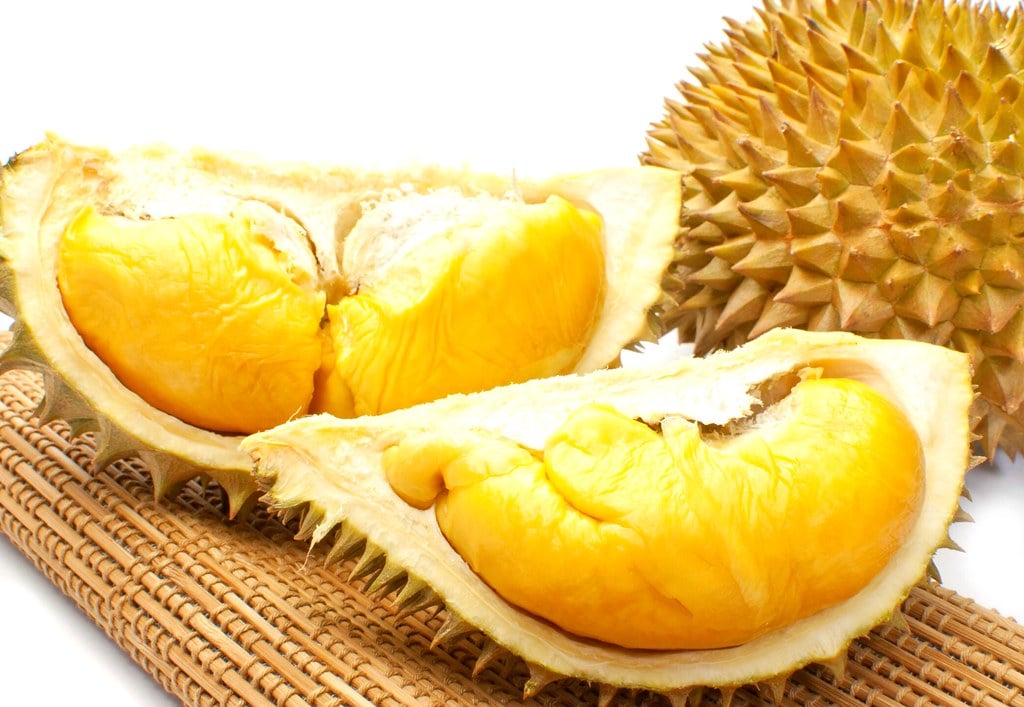
Durian smells like a mix of rotting onions, turpentine, and gym socks to many Westerners. To its fans in Southeast Asia, it’s the king of fruits with a rich, complex flavor worth the stench.
This divide runs deep. Singapore banned durian on public transportation.
Hotels throughout the region post “No Durian” signs. Arguments about whether durian tastes good or terrible can end friendships.
The fruit has become a cultural identity marker. Loving durian signals membership in Southeast Asian food culture.
Hating it marks you as an outsider. There’s no middle ground—you either accept durian’s reality or you don’t.
Food preferences aren’t usually this binary, but durian’s intensity forces you to choose sides.
Noodles Stretch Across Birthdays

Long noodles represent longevity in Chinese culture. Birthday celebrations feature extra-long noodles that you’re supposed to eat without breaking.
Cutting them brings bad luck and symbolizes cutting your life short. Slurping is encouraged—the louder, the better—because it shows appreciation and supposedly ensures the blessing takes hold.
Other Asian cultures adopted similar traditions with local variations. Japanese people eat soba noodles on New Year’s Eve for luck.
Koreans serve seaweed soup with noodles on birthdays. The noodles must remain uncut during cooking and eating.
Some people go to absurd lengths, twirling meters of noodle onto their fork, all to preserve the continuous strand that represents continuous life.
Corn Connects Earth and Spirit

Indigenous American cultures considered corn sacred long before it became a global commodity. Mayan creation myths describe humans being formed from corn dough.
Hopi, Pueblo, and Navajo traditions personify corn as a deity or include it in nearly every ceremony. The plant’s growth cycle mirrored human life stages in their cosmology.
When European colonizers took corn back to the Old World, they stripped it of spiritual meaning and treated it as just another crop. But in many indigenous communities, corn remains tied to identity and religious practice.
Growing, harvesting, and eating corn connects people to ancestors and land. The kernels carry cultural memory that goes back millennia.
Coffee Houses Sparked Revolutions
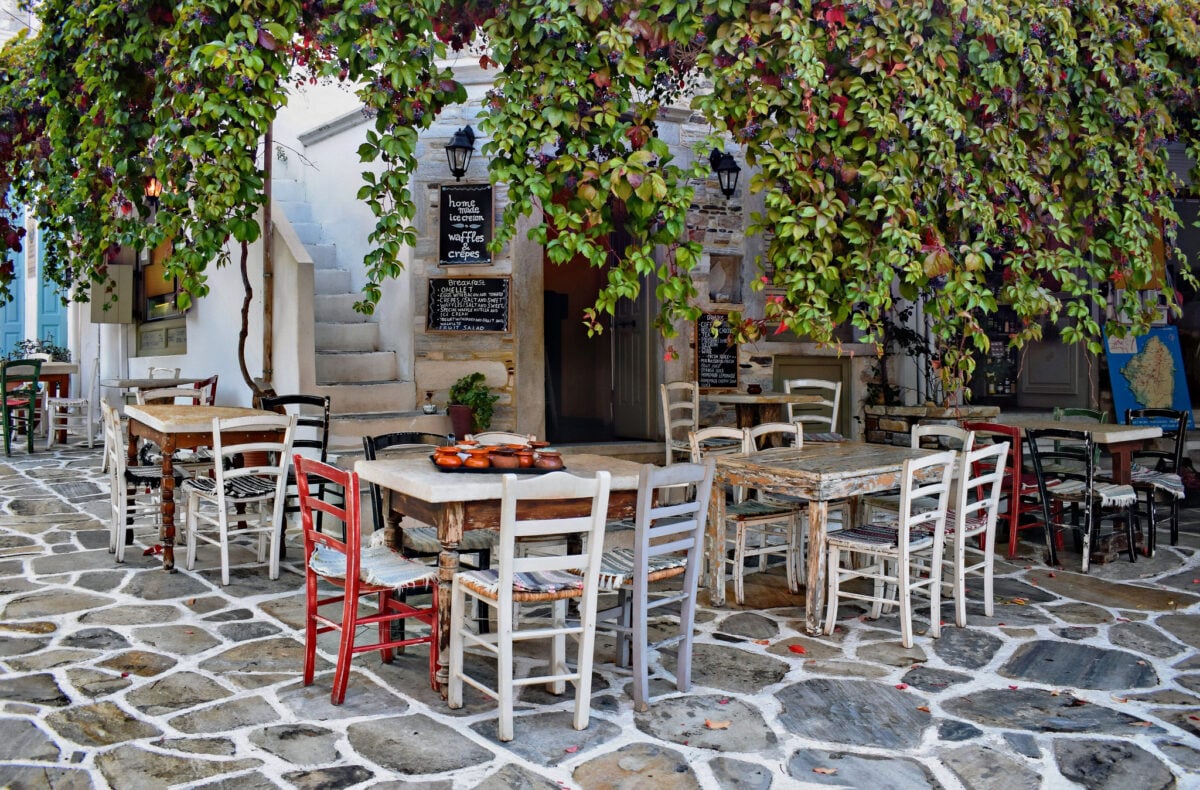
Coffee spots in 17th and 18th century Europe turned into hubs for debate and big ideas. Folks nicknamed them “penny universities” – just pay a small coin, grab a cup, then jump into talks on science, thinking, or power matters.
Authorities paid attention. A few even moved to close these places, worried that rebellion might grow with every brew.
The Viennese coffeehouse, yet the Parisian café, or even the English one – they each carved out their own cultural niche. Writers often found ideas there, while others just came to think. Business folks treated them like makeshift work spots instead of real offices.
Rebels once hatched plans in quiet nooks rather than grand halls. Today, these places still bring people together unlike most stores ever do.
You could stay in a café all afternoon – no one rushes you out. What it gives people, beyond coffee, is space to just be.
Food Carries Memory Forward

These dishes built up meaning slowly, bit by bit, over hundreds of years. One age passed down ideas, then the next tweaked them a little.
What started it might’ve faded away, yet people kept doing it anyway. Tossing rice feels natural now – nobody’s pondering old harvest ceremonies.
You blow out the candles – no gods called upon. Yet these small acts stick around, linking you to all those who walked earlier.
Food habits change over time – yet they hardly ever vanish. As customs shift or get updated, bits stick around somehow.
The original ideas often hide right there – if you pay attention – in myths, in rituals, in what folks serve during big life events. Your meals and your eating style quietly tell a story about your background, even when you don’t notice it.
More from Go2Tutors!

- The Romanov Crown Jewels and Their Tragic Fate
- 13 Historical Mysteries That Science Still Can’t Solve
- Famous Hoaxes That Fooled the World for Years
- 15 Child Stars with Tragic Adult Lives
- 16 Famous Jewelry Pieces in History
Like Go2Tutors’s content? Follow us on MSN.



