Mathematicians Who Changed the Modern World
Most people think math is just about solving problems in textbooks or calculating tips at restaurants. But some brilliant minds took numbers, patterns, and equations way beyond the classroom and actually shaped how we live today.
Their work built the foundation for computers, phones, space travel, and pretty much everything that makes modern life possible. Let’s look at the mathematicians whose ideas quietly run the world we know today.
Isaac Newton
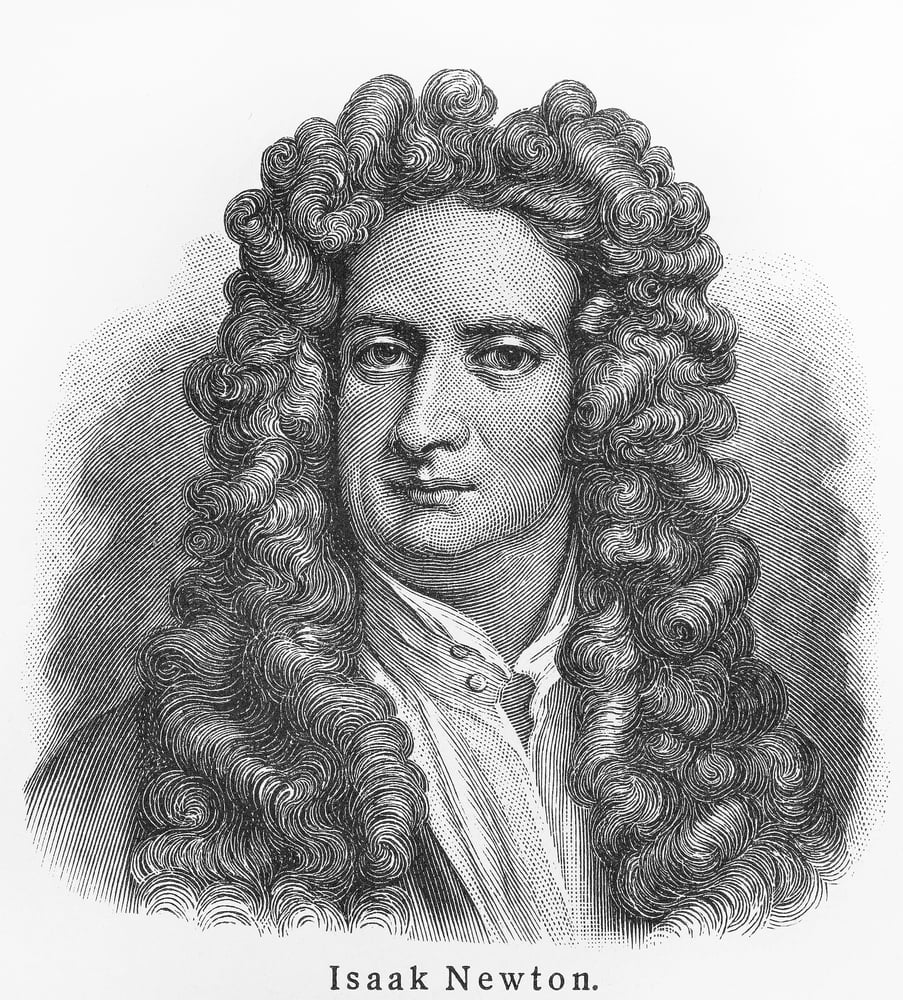
Newton didn’t just discover gravity when an apple supposedly fell on his head. He invented calculus, which is basically a way to understand how things change over time.
This matters because engineers use calculus to design bridges, cars, and airplanes. Without his work, we wouldn’t have accurate physics or any real way to predict how objects move through space.
Newton also figured out the laws of motion that explain everything from why you fall off a bike to how rockets escape Earth’s atmosphere. His math gave us the tools to build the modern world from the ground up.
Alan Turing

Turing created the blueprint for every computer that exists today. During World War II, he built machines that cracked secret German codes and probably shortened the war by years.
But his bigger achievement was figuring out the basic concept of computation itself, answering the question of what problems machines can actually solve. The Turing Test, which he designed to see if computers can think like humans, still gets talked about in artificial intelligence research.
Every smartphone, laptop, and game console owes something to the ideas he worked out in the 1930s and 1940s.
Carl Friedrich Gauss

People called Gauss the ‘Prince of Mathematicians’ because he was just that good at everything he touched. He made huge discoveries in number theory, which sounds abstract but actually powers the encryption that keeps your credit card information safe online.
Gauss also advanced statistics and developed methods that scientists still use to analyze data and spot patterns. His work on geometry helped later mathematicians understand curved spaces, which Einstein needed for his theory of relativity.
At age seven, he supposedly added up all numbers from 1 to 100 in seconds by spotting a clever pattern, and he kept finding patterns his whole life.
Ada Lovelace

Lovelace wrote what many consider the first computer program back in the 1840s, way before computers even existed. She worked on notes for a mechanical calculating machine and realized it could do more than just math.
Her notes described how the machine could manipulate symbols and even create music if given the right instructions. That insight, that computers could handle any information represented in numbers or symbols, predicted the digital age by over a century.
She saw possibilities that even the machine’s inventor didn’t fully grasp.
Leonhard Euler
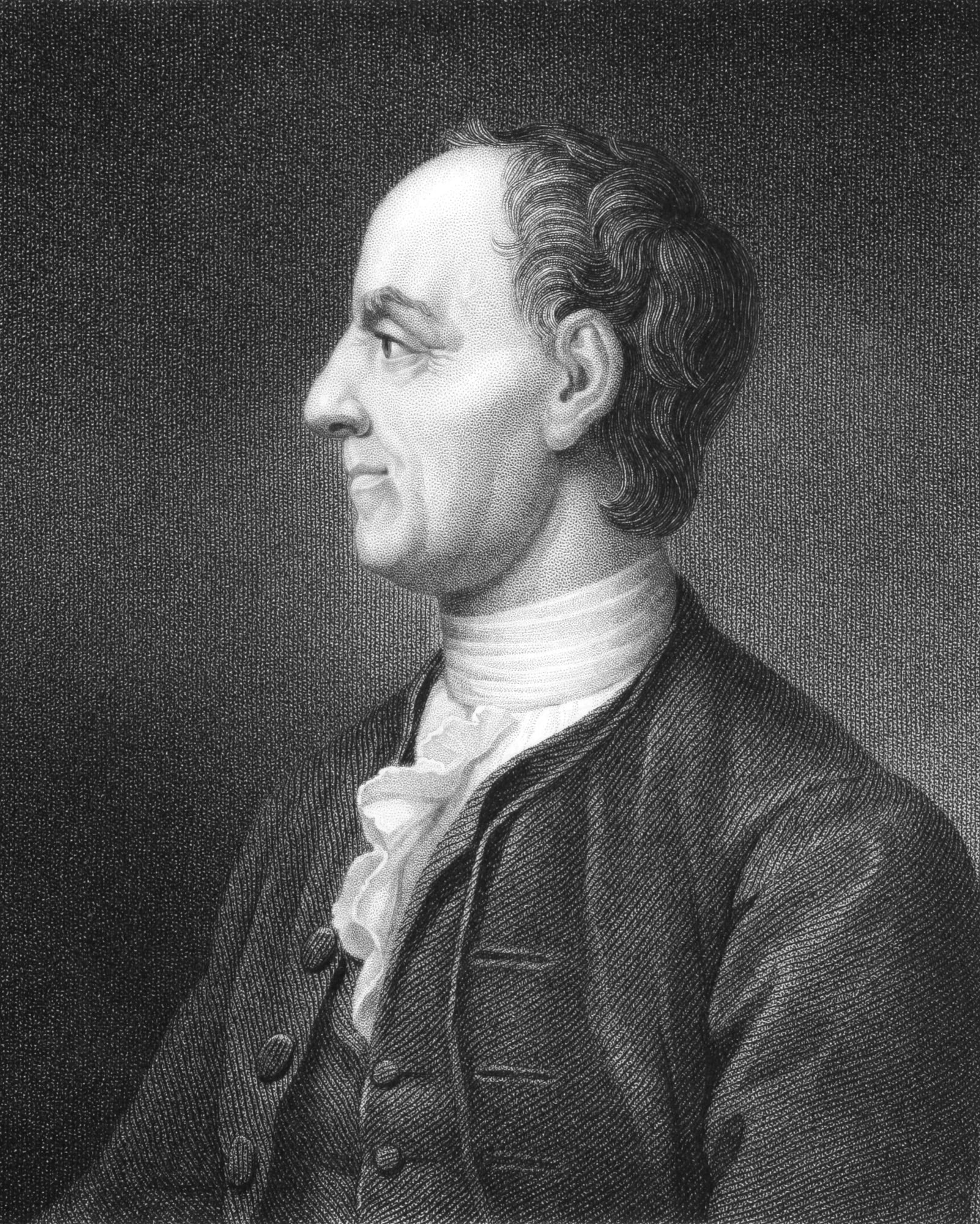
Euler produced more mathematical work than almost anyone in history, writing papers and books even after he went blind. He invented graph theory by solving a puzzle about bridges in a town, and that field now helps design computer networks and plan efficient routes for deliveries.
The number e, which shows up constantly in calculations about growth and decay, got explored deeply by Euler and now appears in everything from population studies to compound interest. He also standardized tons of mathematical notation that students still use today.
If you’ve ever seen pi, sigma, or the letter f for function, thank Euler for making math easier to write and read.
Pythagoras
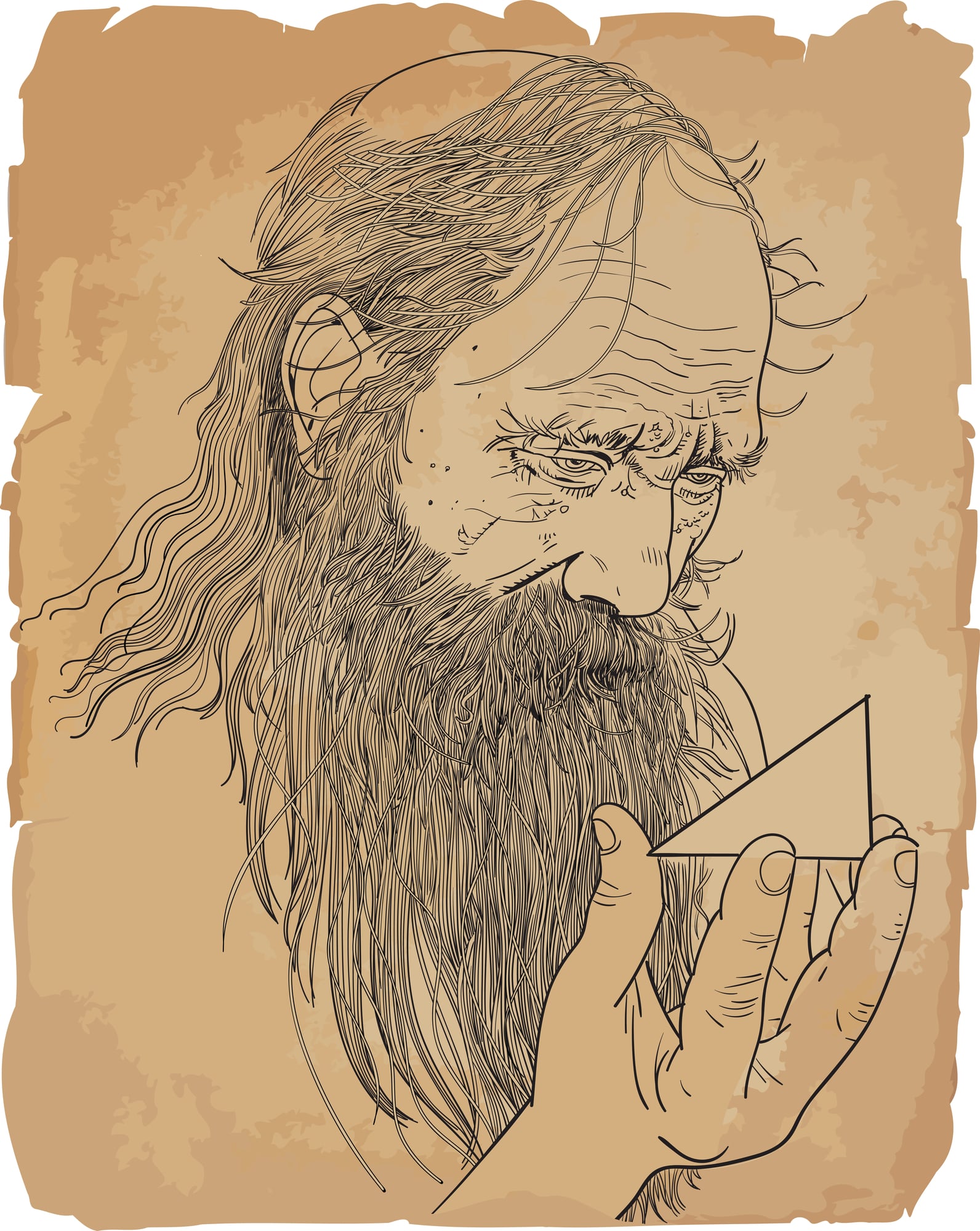
Everyone knows the Pythagorean theorem from geometry class, the one about triangles and how the sides relate. But that formula does way more than help students pass tests.
Construction workers use it to make sure buildings have square corners. GPS systems use versions of it to calculate distances and positions.
Video game graphics rely on it to render 3D worlds on flat screens. Pythagoras lived over 2,500 years ago, but his triangle formula shows up in technology he couldn’t have imagined.
His work on numbers and their relationships basically started mathematics as a formal discipline.
Emmy Noether
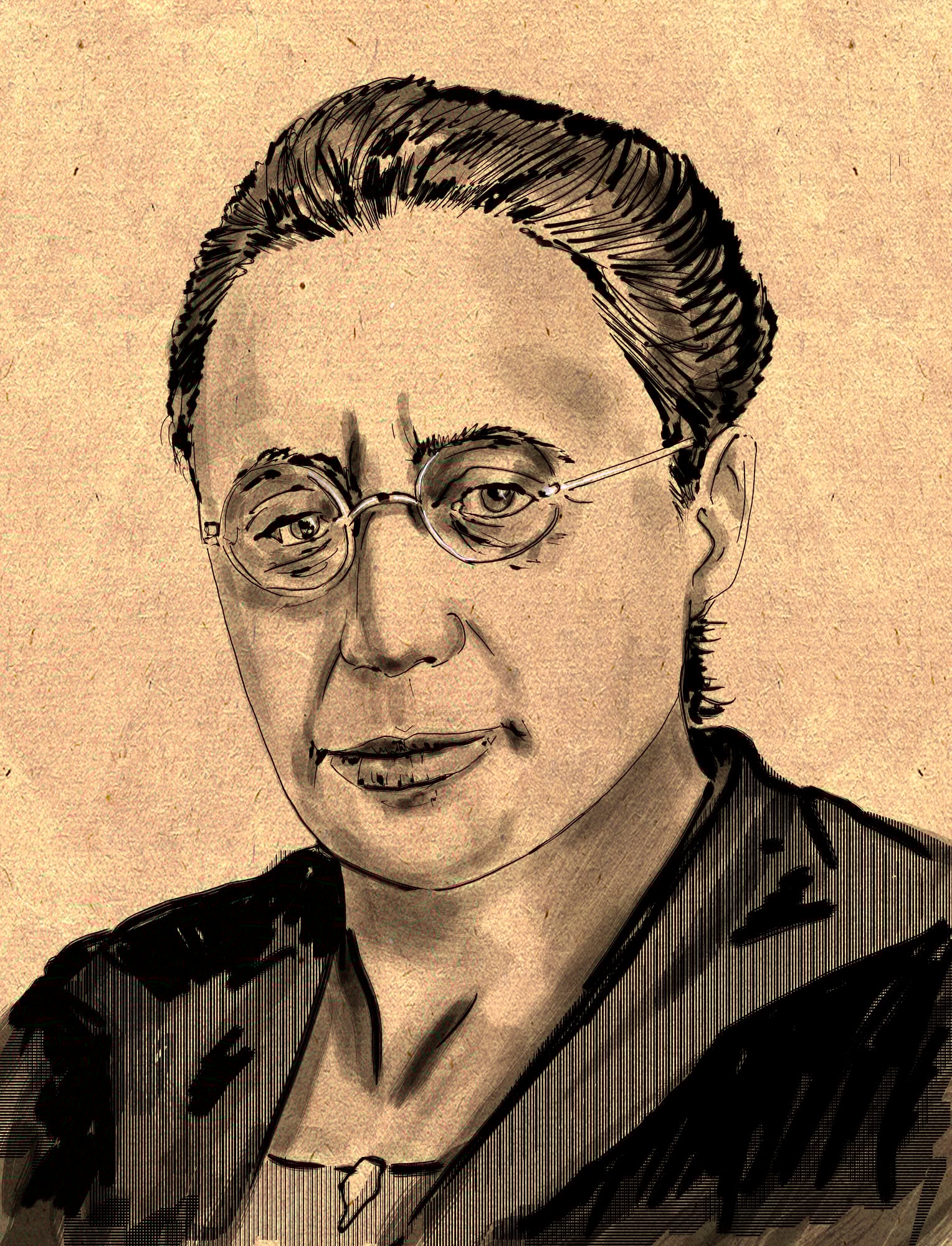
Noether proved a theorem that connects symmetry to conservation laws in physics, which sounds complicated but changed everything. Her work showed why energy and momentum get conserved in physical systems, giving scientists a deeper understanding of how the universe operates.
Einstein called her a genius and said her ideas were essential for modern physics. She did all this while fighting against universities that didn’t want to hire women as professors.
Today, physicists and mathematicians still use Noether’s theorem to explore everything from particle physics to general relativity.
Blaise Pascal
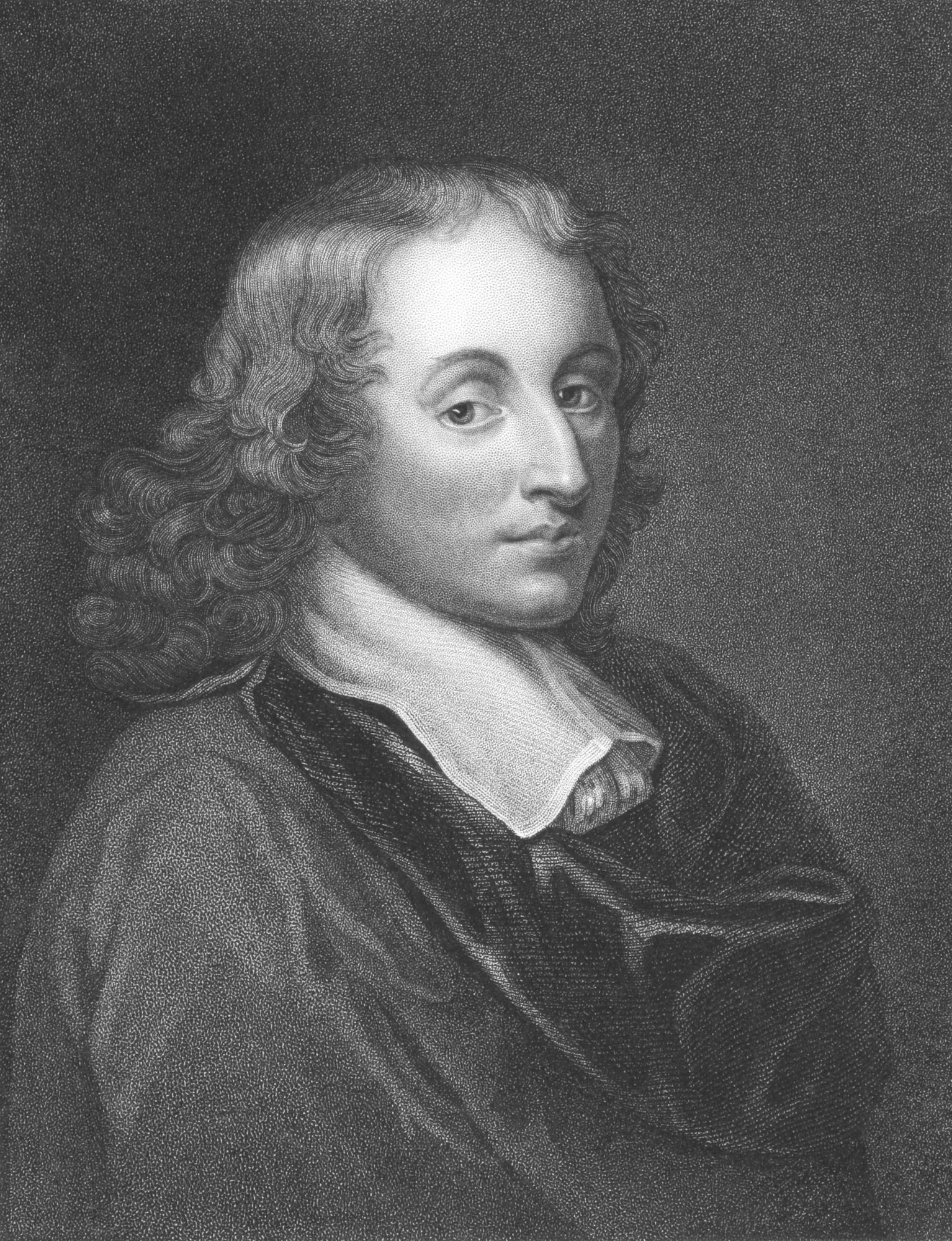
Pascal invented one of the first mechanical calculators when he was just 19 years old, trying to help his father with tax calculations. He made major contributions to probability theory, which now powers everything from insurance pricing to weather forecasting.
Pascal’s triangle, a simple pattern of numbers he studied, turns up in algebra, statistics, and even computer science. His work on fluid pressure led to principles that make hydraulic systems work in cars and construction equipment.
He did all this before dying at 39, packing more discoveries into a short life than most people manage in twice the time.
René Descartes
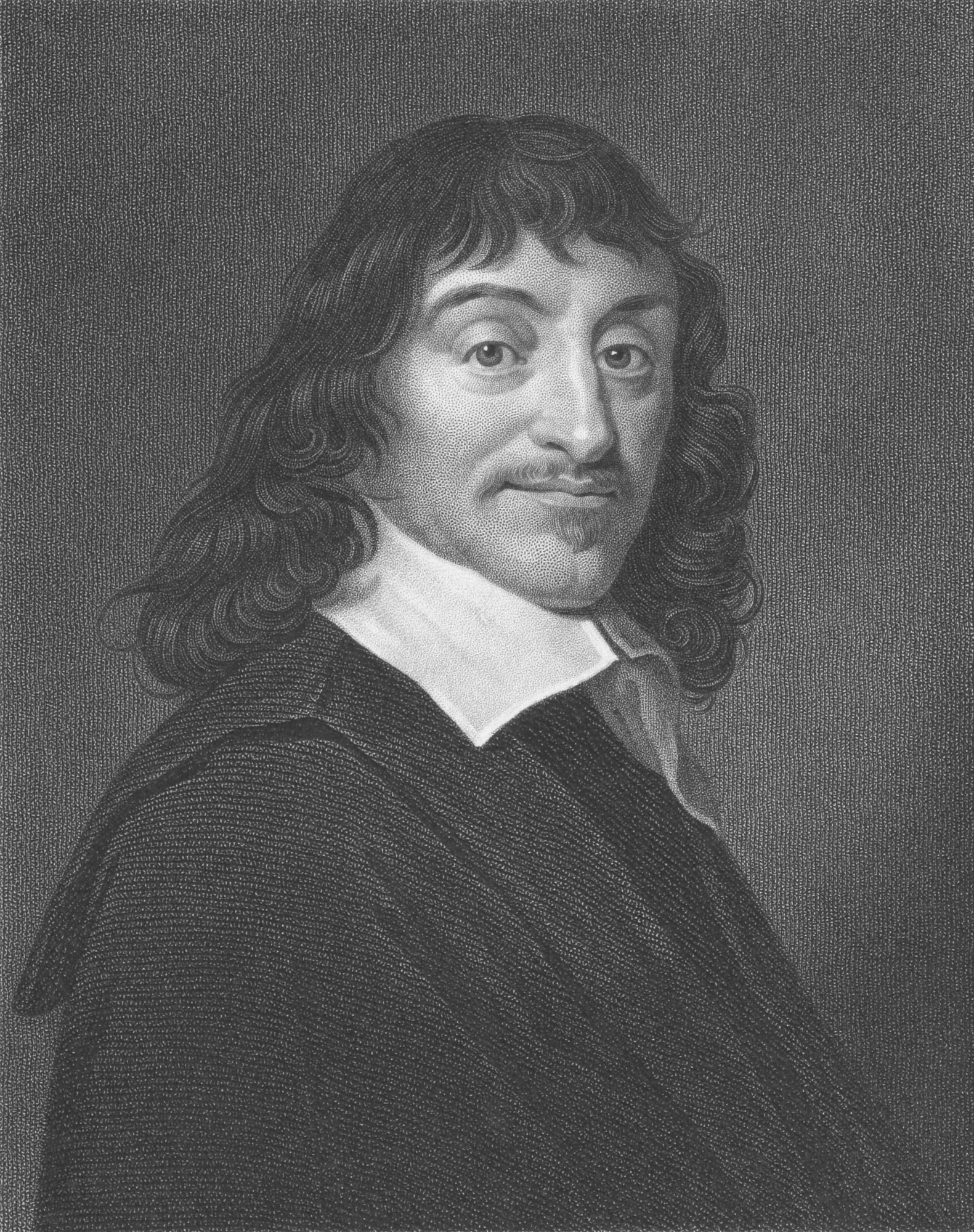
Descartes connected algebra and geometry by inventing coordinate systems, those x and y axes everyone draws graphs on. This sounds simple, but it completely changed mathematics by letting people turn shapes into equations and equations into shapes.
Computer graphics, animation, and video games all depend on coordinate systems to place objects in space and move them around. His famous phrase ‘I think, therefore I am’ gets quoted a lot, but his math contributions probably affect daily life more than his philosophy.
Mapping apps that show your location and navigation systems that guide planes all use the coordinate system concept he developed.
John von Neumann
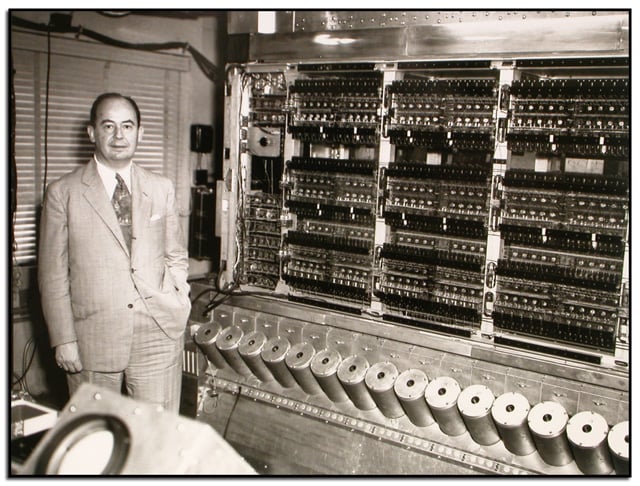
Von Neumann designed the architecture that almost all computers still use today, with separate areas for processing and memory. He made breakthroughs in game theory, which helps understand competition and strategy in economics, politics, and biology.
His work on quantum mechanics advanced physics, and he contributed to developing the first atomic weapons during World War II. Von Neumann could do complex calculations in his head faster than other people could do them with machines.
He worked on so many different fields that it’s hard to find an area of modern science and technology he didn’t touch.
Srinivasa Ramanujan

Ramanujan grew up poor in India with almost no formal training but filled notebooks with thousands of mathematical formulas. Many of his discoveries were so unusual that other mathematicians took decades to verify and understand them.
His work on infinite series and number theory now gets used in physics, computer science, and cryptography. He came up with formulas that calculate pi more efficiently than earlier methods, which matters for precise engineering and scientific calculations.
Ramanujan died young at 32, but mathematicians are still finding new uses for formulas he scribbled down over a century ago.
Georg Cantor

Cantor studied infinity and proved there are actually different sizes of infinity, which blew people’s minds. His work created set theory, the foundation that supports pretty much all modern mathematics.
Computer scientists use set theory to design databases and organize information. Cantor faced harsh criticism from other mathematicians who thought his ideas about infinity were nonsense or even dangerous.
Now his work is considered brilliant and essential, taught to math students everywhere as the basis for understanding how we can rigorously discuss collections and sizes.
Sophie Germain
Germain taught herself mathematics from books in her father’s library because women couldn’t attend universities in her time. She made important contributions to number theory and worked on problems that are still unsolved today.
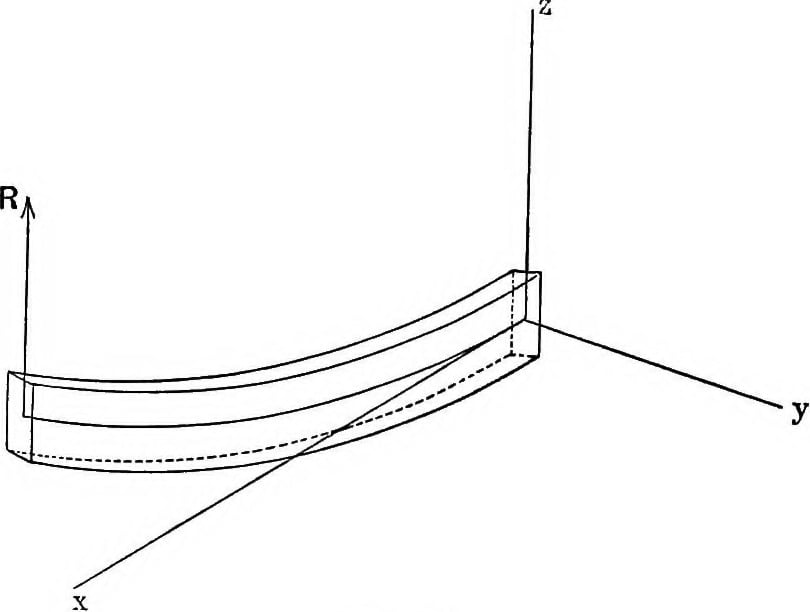
Her research on elasticity theory helped engineers understand how materials bend and vibrate, which matters for designing buildings and bridges that don’t collapse. She had to submit her work under a fake male name at first because the mathematical community wouldn’t take women seriously.
Despite facing constant obstacles, she proved major theorems and earned respect from top mathematicians who eventually learned her real identity.
Andrew Wiles

Wiles spent seven years working in secret to solve Fermat’s Last Theorem, a 350-year-old problem that stumped mathematicians for centuries. When he finally announced his proof in 1993, it made international news because the problem was so famous.
The techniques he developed while working on this proof advanced number theory and connected different areas of mathematics in unexpected ways. His work required pulling together ideas from multiple fields, showing how different branches of math relate to each other.
The proof itself is so complex that only a handful of people in the world fully understand every step.
Katherine Johnson

Johnson calculated flight trajectories for NASA by hand and with early computers, making space travel possible. Her calculations helped send the first Americans into space and later guided the Apollo missions to the moon.
Astronauts trusted her math more than the computers and would ask her to verify the machine calculations before flights. She worked during a time when both her race and gender created barriers, but her skills were so exceptional that NASA had to rely on her.
The math she did ensured astronauts could launch, orbit, and return home safely.
Benoit Mandelbrot

Mandelbrot discovered fractals, those infinitely complex patterns that look similar at every scale you examine them. His work showed that rough, irregular shapes in nature like coastlines, mountains, and clouds follow mathematical rules.
Computer graphics now use fractals to create realistic landscapes and textures in movies and games. His ideas also get applied in medicine to analyze the branching patterns of blood vessels and in finance to model market behavior.
Before Mandelbrot, mathematicians mostly focused on smooth, regular shapes, but he showed that irregular patterns have their own beautiful mathematics.
Muhammad ibn Musa al-Khwarizmi

Al-Khwarizmi wrote books over 1,200 years ago that gave us the word ‘algorithm’ from his name and ‘algebra’ from one of his book titles. He systematically explained how to solve equations and work with unknown quantities, creating methods students still learn today.
His work preserved and advanced mathematical knowledge from Greek, Indian, and earlier Persian sources during a time when Europe had largely lost that learning. The calculation methods he taught eventually spread to Europe and became the foundation for modern mathematics.
Every time someone uses an algorithm on a computer or phone, there’s a connection back to his work.
Grace Hopper
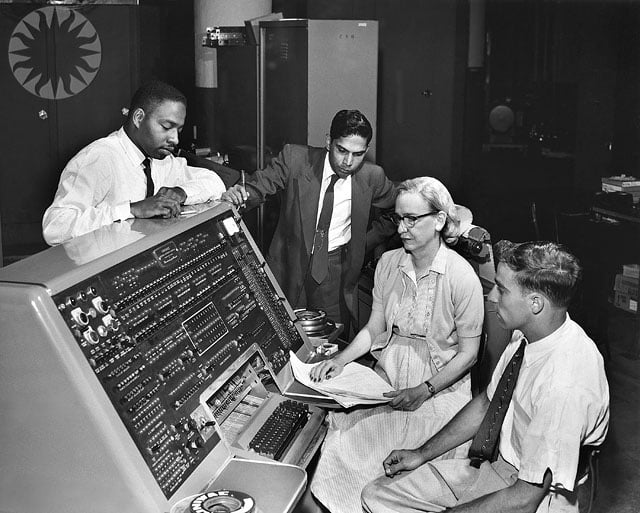
Hopper invented the first compiler, a program that translates human-readable code into instructions computers can follow. This made programming accessible to more people instead of requiring them to work with machine code.
She pushed for programming languages that used English words instead of numbers and symbols, making computers much easier to use. Hopper also helped develop COBOL, a programming language that businesses used for decades and some still use today.
Her work bridged the gap between human thinking and machine processing, turning computers from specialized tools into something regular people could program.
The numbers behind everything

These mathematicians proved that abstract ideas about numbers and patterns can change concrete reality. Some worked centuries ago with just paper and pencil, while others used early computers to crack codes or launch rockets.
What they share is seeing possibilities in mathematics that went way beyond solving problems for their own sake.
More from Go2Tutors!

- The Romanov Crown Jewels and Their Tragic Fate
- 13 Historical Mysteries That Science Still Can’t Solve
- Famous Hoaxes That Fooled the World for Years
- 15 Child Stars with Tragic Adult Lives
- 16 Famous Jewelry Pieces in History
Like Go2Tutors’s content? Follow us on MSN.



