Photos of the Top Tourist Attractions in 15 US States
There’s something deeply satisfying about flipping through travel photos and remembering exactly how a place made you feel. Maybe it’s the way morning light hit the Grand Canyon, or how small you felt standing next to a massive sequoia.
Each state has those iconic spots that somehow capture its essence in a single frame — the places that end up as your phone’s wallpaper months later because the memory refuses to fade.
California
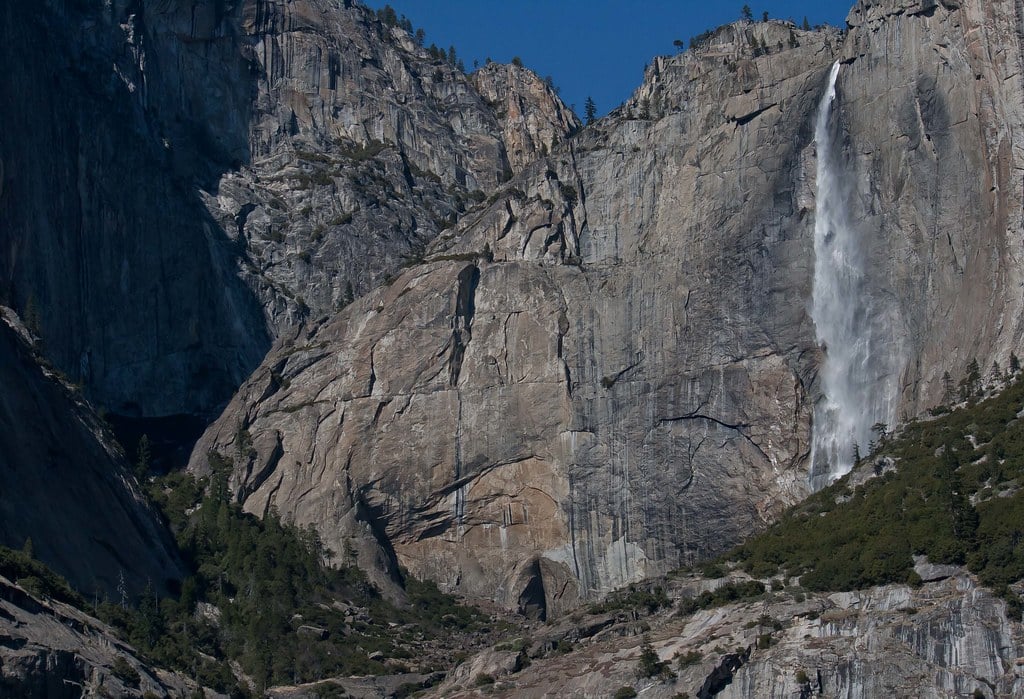
Yosemite’s granite cliffs don’t care about your camera settings. Half Dome rises 4,737 feet above the valley floor, and every angle looks like a postcard that somehow undersells the real thing.
The waterfalls crash down with enough force to feel in your chest from a quarter-mile away.
New York
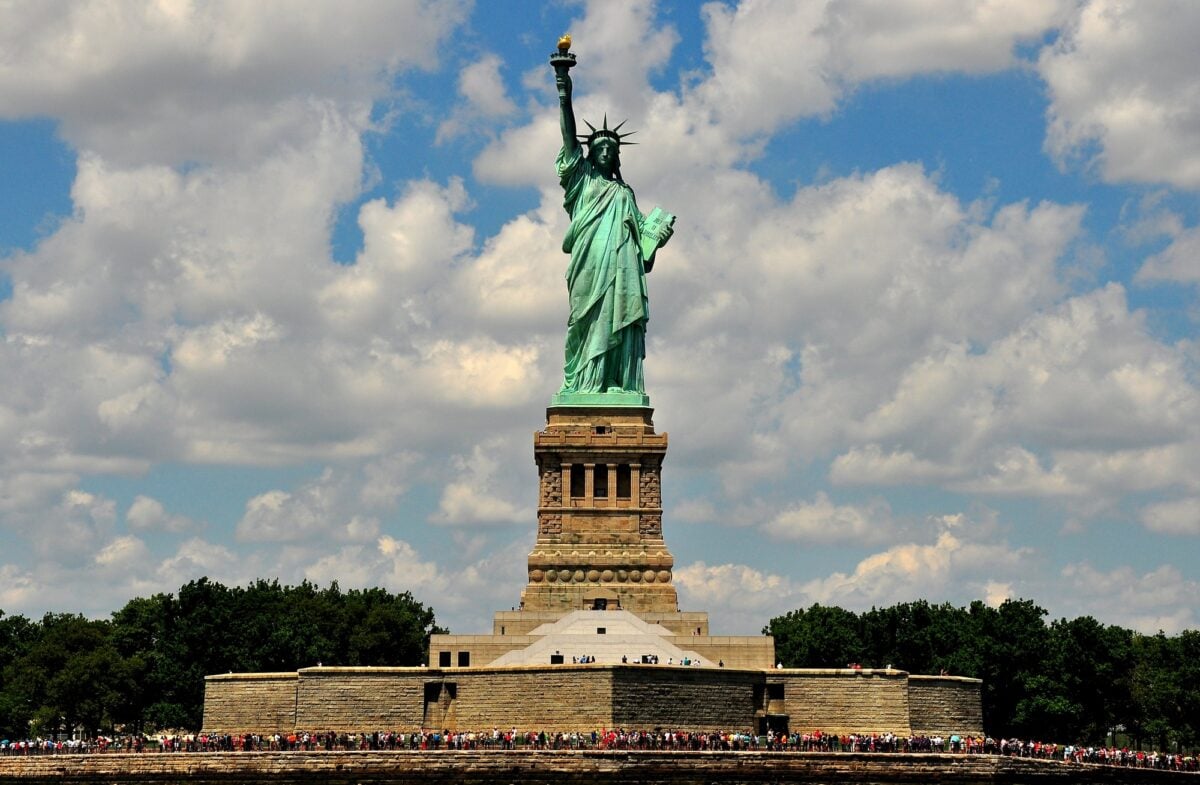
The Statue of Liberty photographs better from the Staten Island Ferry than from Liberty Island itself. Strange but true.
The ferry ride gives you the classic harbor shot with Manhattan’s skyline in the background, and it’s free. Lady Liberty has been posing for tourists since 1886 — she’s got this down to a science.
Arizona
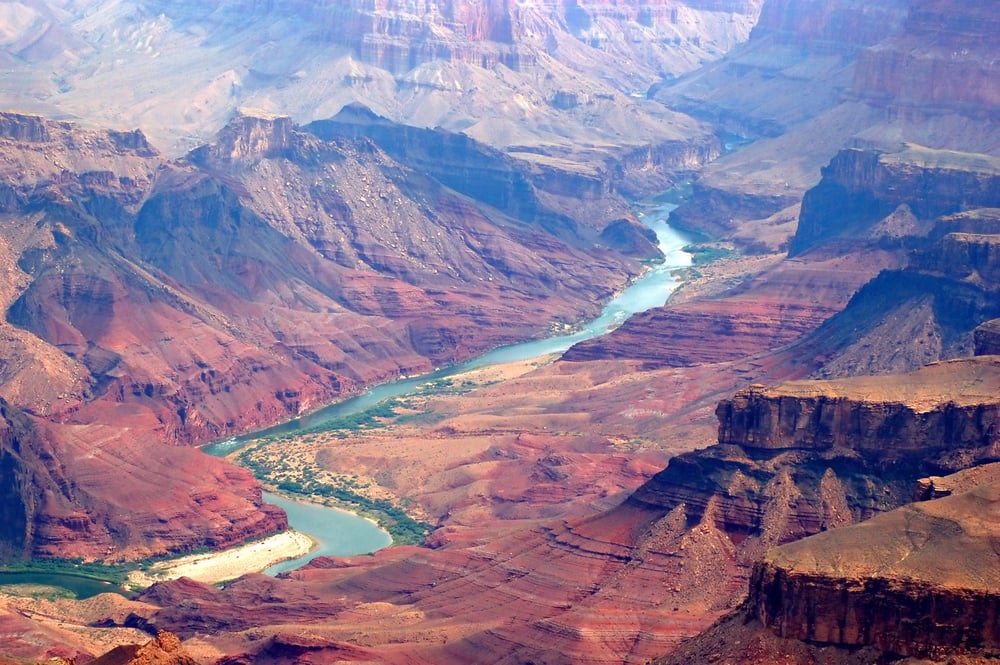
So here’s what happens when you point a camera at the Grand Canyon: it somehow manages to look both exactly like every photo you’ve ever seen and completely different from what you expected (because standing at the edge of a mile-deep chasm does things to your sense of scale that no lens can capture). The South Rim gets crowded, sure, but there’s a reason millions of people show up with cameras — the Colorado River carved something genuinely spectacular here, and even the most Instagram-weary traveler finds themselves taking the same shots everyone else takes.
But then again, some things become clichés because they work.
Florida
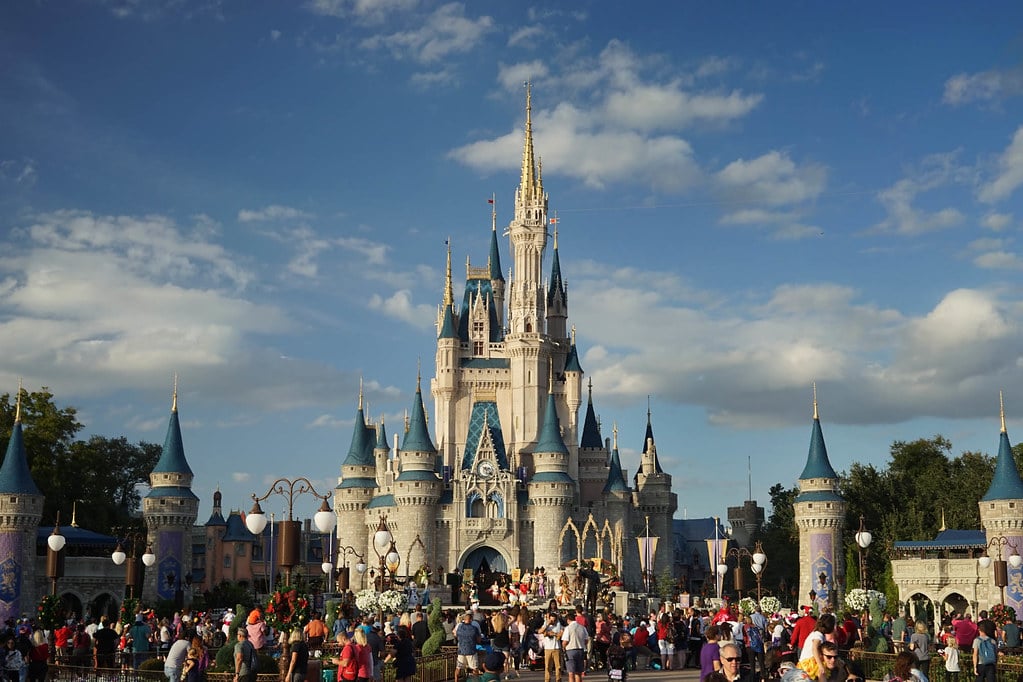
Disney World’s Magic Kingdom operates on a different visual logic than the rest of Florida. Every sight line has been calculated, every photo angle anticipated.
Cinderella Castle changes colors depending on the season and your child’s attention span.
The place generates more tourist photos per square foot than anywhere else in America.
Hawaii
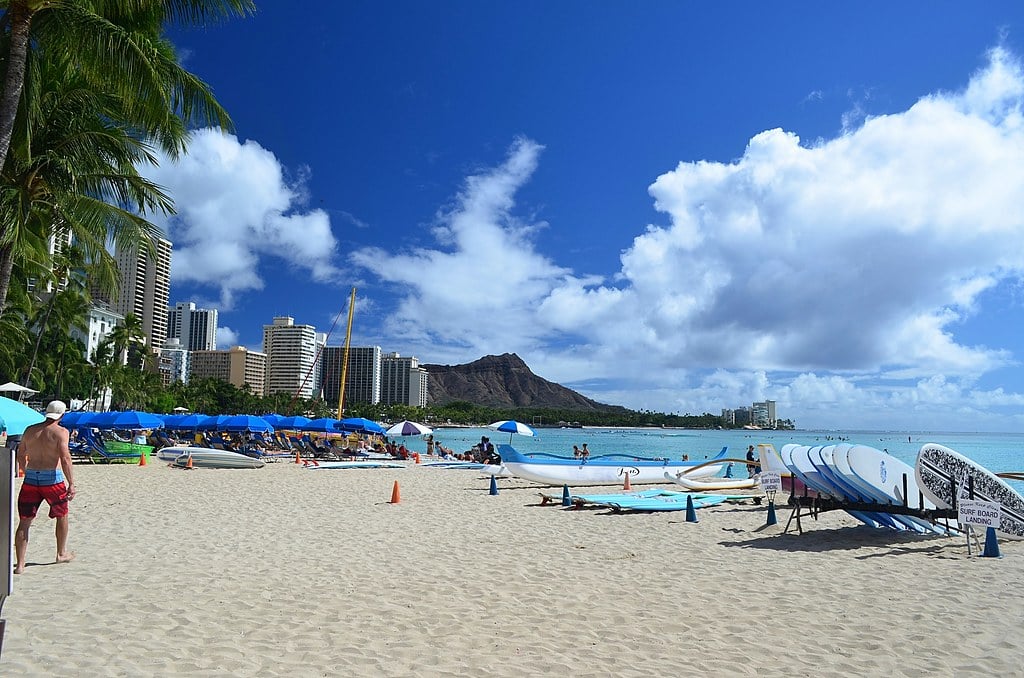
Waikiki Beach is what postcards were invented for. Diamond Head crater looms in the background like nature’s perfect prop, and the water stays that impossible shade of turquoise that makes people check their camera’s color settings.
You can’t take a bad photo here, which explains why everyone’s vacation albums look suspiciously similar.
Colorado
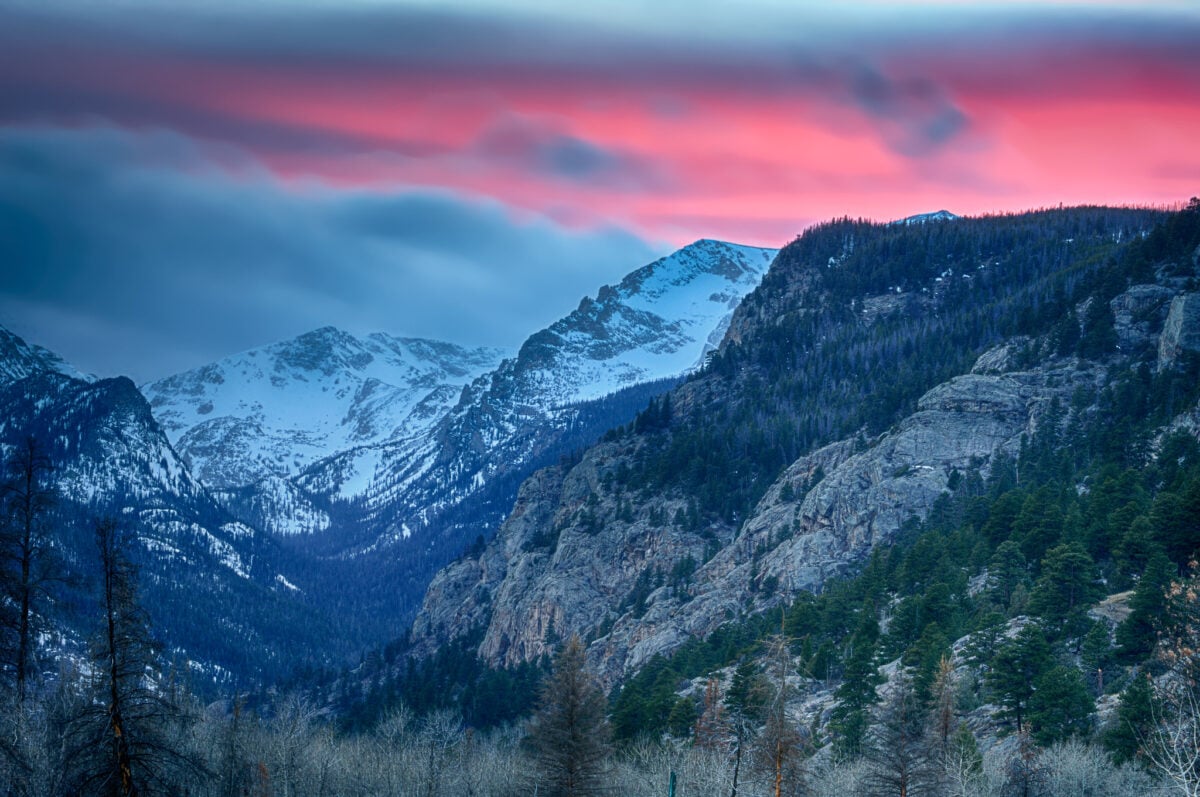
There’s something almost aggressive about how photogenic the Rocky Mountain range insists on being — every vista point delivers another postcard-perfect view that somehow manages to dwarf the last one, and after a while you start to understand why people move here and never leave (though your phone’s storage capacity might not survive the transition). The aspen trees turn gold in September, which is when every photographer in America apparently decides to visit at exactly the same time, creating traffic jams at scenic overlooks that would be comical if the views weren’t so legitimately stunning.
Fall colors are brief here. But unforgettable.
Texas

The Alamo sits in downtown San Antonio like a small stone reminder that history happened in inconveniently compact spaces. The building is smaller than most people expect, but the photos carry weight anyway.
Sometimes significance matters more than scale.
Nevada
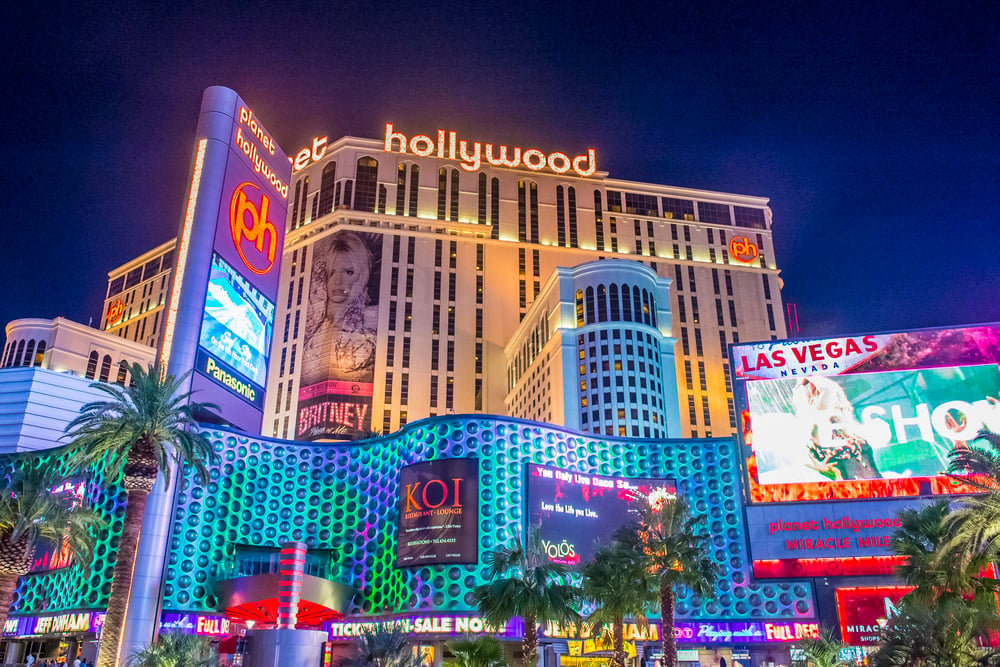
Las Vegas Boulevard stretches through the desert like humanity’s strangest answer to urban planning, and photographing it feels like documenting some elaborate performance art piece where everyone’s in on the joke except maybe the people spending their retirement savings at the poker tables. The neon works better after dark — which is when the Strip truly becomes itself, all electric color and architectural ambition that photographs like a fever dream someone decided to build in the middle of nowhere.
And somehow, it works.
Utah
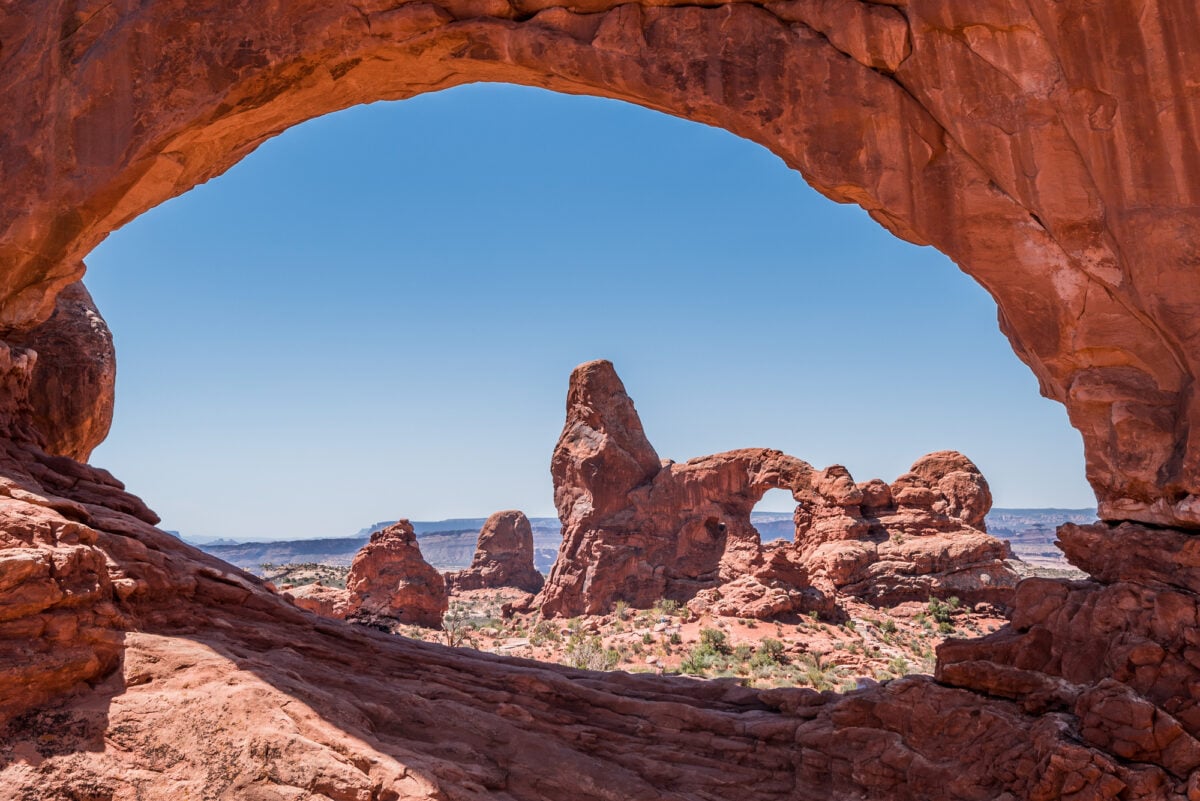
Arches National Park delivers exactly what its name promises. Delicate Arch stands alone against red rock and blue sky, carved by wind and water into something that looks almost intentionally artistic.
The hike to reach it is moderate, the photos are guaranteed spectacular.
Alaska
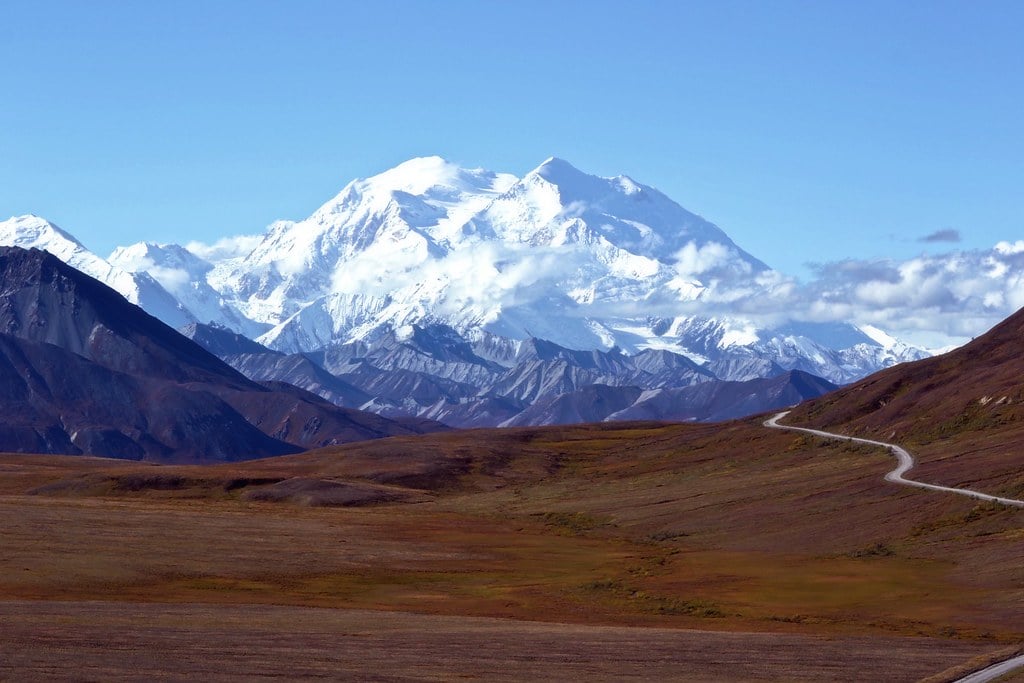
Denali refuses to cooperate with most photographers — the mountain hides behind clouds roughly 70 percent of the time, which means clear shots of North America’s tallest peak feel like winning a small lottery (and the park rangers will tell you this with the weary tone of people who’ve watched too many tourists learn about weather the hard way). When the clouds do part, though, the mountain fills the horizon with enough snow-covered mass to make every other peak you’ve ever photographed seem modest by comparison.
The Athabascan people called it ‘the high one.’ Efficient naming.
Montana
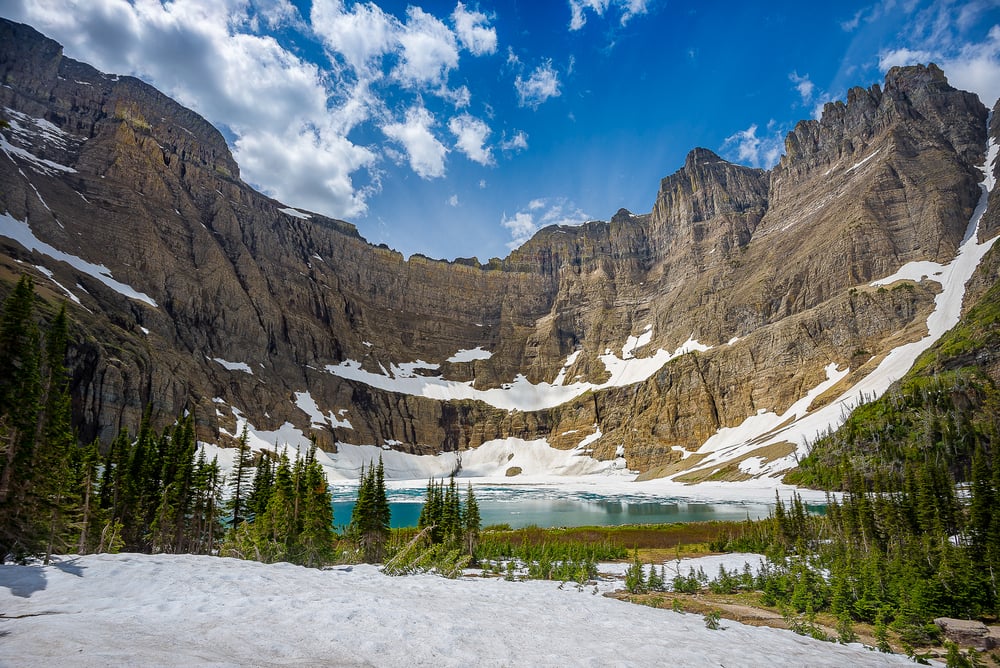
Glacier National Park doesn’t undersell itself. The Going-to-the-Sun Road winds through mountain passes that look engineered by someone with a serious appreciation for dramatic photography.
Lake McDonald reflects the peaks so clearly that half your photos will be upside-down gorgeous.
Wyoming
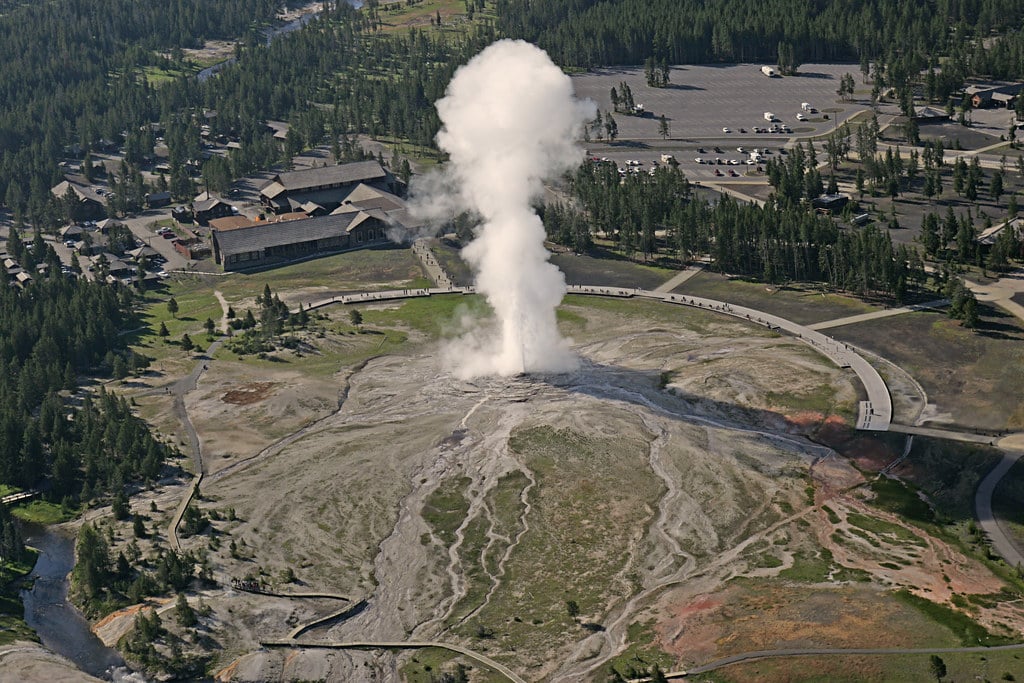
Yellowstone’s Old Faithful geyser erupts roughly every 91 minutes. The predictability makes for reliable photo opportunities, but the real shots come from the park’s less scheduled attractions — hot springs that bubble in colors your camera can’t quite capture accurately, and bison that wander into frame when they feel like it.
Maine
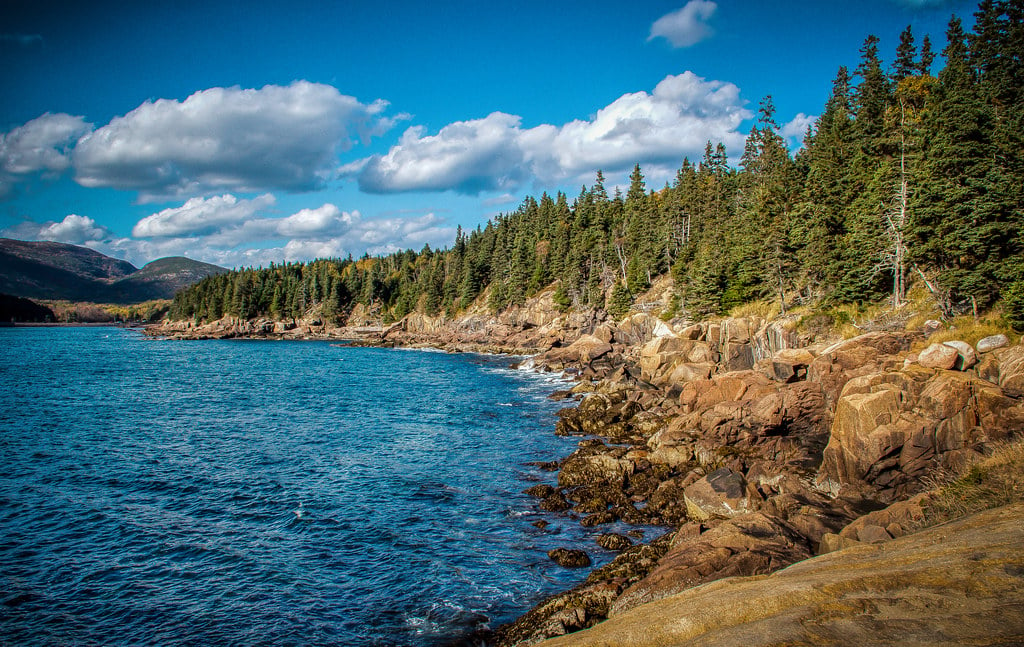
Acadia National Park’s rocky coastline does what Maine coastlines do best: it looks exactly like what you picture when someone says “rugged New England shore” (which is either refreshing in its authenticity or slightly disappointing in its predictability, depending on how much you enjoy having your expectations met precisely). The lighthouse at Bass Harbor Head Light sits perched on granite cliffs that have been photographed from every conceivable angle, yet somehow each visitor manages to find a shot that feels personal.
Sunrise works better than sunset here. Trust the locals on this one.
South Dakota
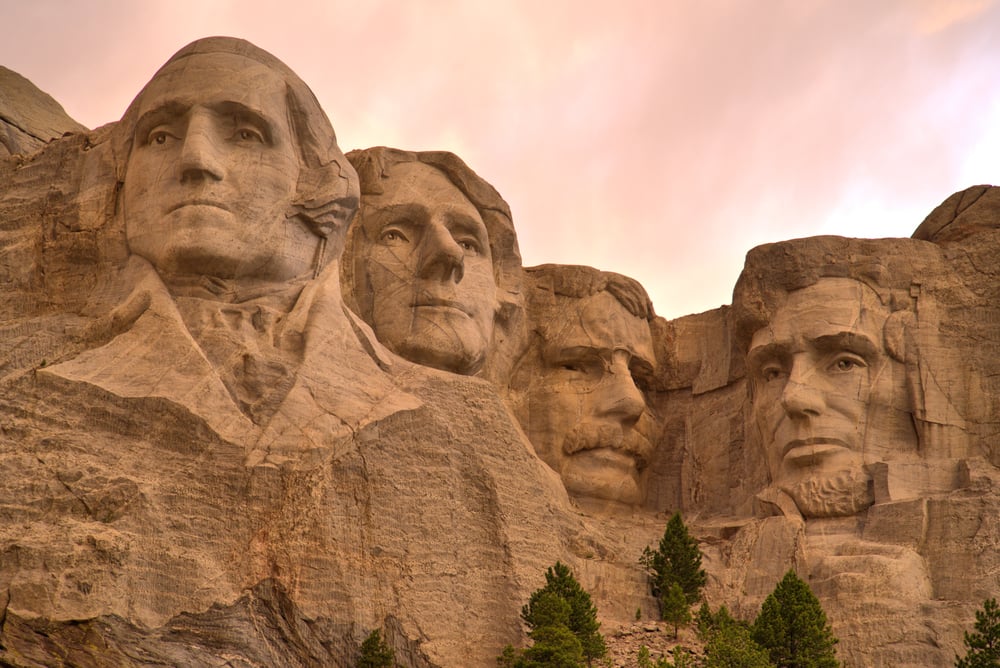
Mount Rushmore photographs exactly like Mount Rushmore. Four presidential faces carved into granite, visible from miles away, impossible to make look spontaneous or candid.
The monument delivers precisely what it promises, which is sometimes enough.
North Carolina
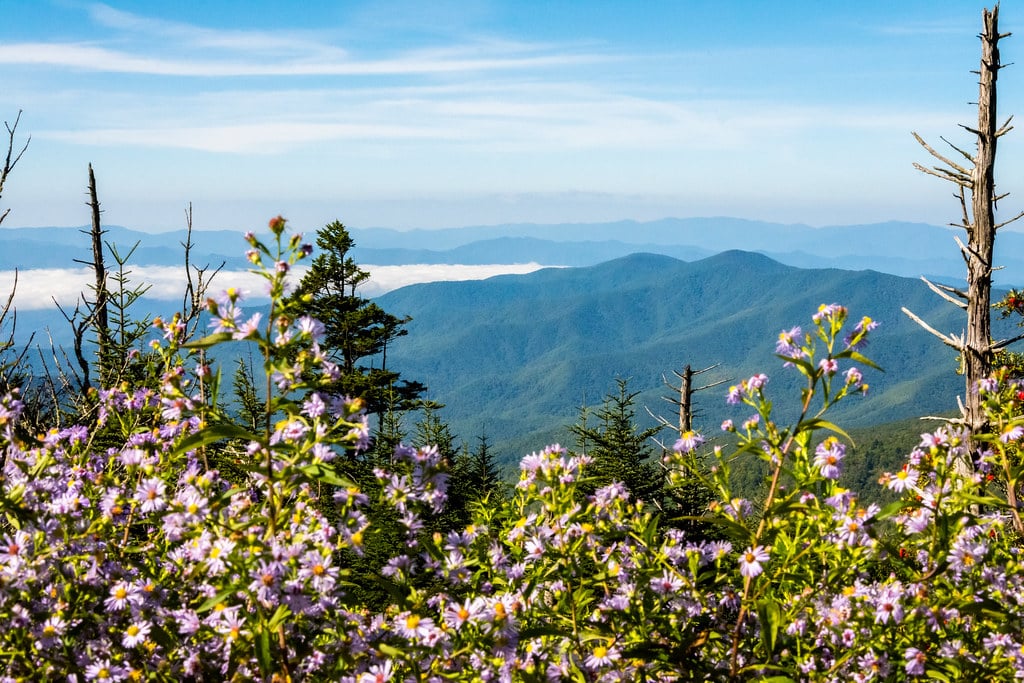
The Great Smoky Mountains earn their name from the morning mist that rolls through the valleys like nature’s own fog machine. Cataract Falls and Clingmans Dome provide the classic shots, but the real photography happens when the light hits the ridgelines just right and the whole landscape turns blue-gray and mysterious.
Finding Your Frame

Every state holds a thousand perfect shots, but the best travel photos happen in the margins — not just the famous landmarks, but the moments between destinations. Sometimes the rest stop vista surprises you more than the national park.
Sometimes the small-town diner captures a place better than its most famous attraction. Pack your camera, but don’t forget to look up from the viewfinder once in a while.
More from Go2Tutors!

- The Romanov Crown Jewels and Their Tragic Fate
- 13 Historical Mysteries That Science Still Can’t Solve
- Famous Hoaxes That Fooled the World for Years
- 15 Child Stars with Tragic Adult Lives
- 16 Famous Jewelry Pieces in History
Like Go2Tutors’s content? Follow us on MSN.