16 Beauty Products Banned Around the World
Beauty products might make people look good, but some contain chemicals that can cause serious harm. Countries around the world have started banning dangerous ingredients that were once common in cosmetics. What’s shocking is that many products still legal in some places are completely forbidden in others.
Let’s explore sixteen beauty ingredients and products that governments have decided are too risky for their citizens to use.
Mercury-based skin lightening creams
Mercury is completely banned in cosmetics by the FDA, except under very specific conditions that most products don’t meet. Many skin lightening creams from various countries still contain dangerous levels of this toxic metal.
The Minnesota Department of Health has warned residents to stop using skin lightening products after testing revealed dangerous mercury levels. Mercury can cause kidney damage, brain problems, and other serious health issues.
Despite the risks, these products continue to be manufactured and sold illegally in many places. Some countries have found mercury levels thousands of times higher than what’s considered safe.
Hydroquinone whitening products

Europe and Japan have completely banned hydroquinone due to its cell-killing properties. This skin lightening ingredient is found in many products designed to brighten or even out skin tone.
The chemical works by stopping the production of melanin, but it can also damage healthy skin cells. Hydroquinone can kill cells and chromosomes when used too much, potentially leading to certain forms of cancer.
Many African and Asian countries still allow its use, while Western nations have moved to ban it completely. People using these products often don’t realize the long-term risks they’re taking.
Like Go2Tutors’s content? Follow us on MSN
Triclosan antibacterial soaps

This ingredient may be contributing to the rise of antibiotic-resistant bacteria, which is a very scary development. Triclosan was once found in almost every antibacterial soap and toothpaste on store shelves.
The European Union has restricted its use after studies showed it doesn’t work better than regular soap. Health experts recommend steering clear of this ingredient in soaps and toothpastes.
The chemical can also disrupt hormone function and harm aquatic life when it goes down the drain. Many companies have voluntarily removed triclosan from their products due to consumer pressure.
Lead-containing lipsticks
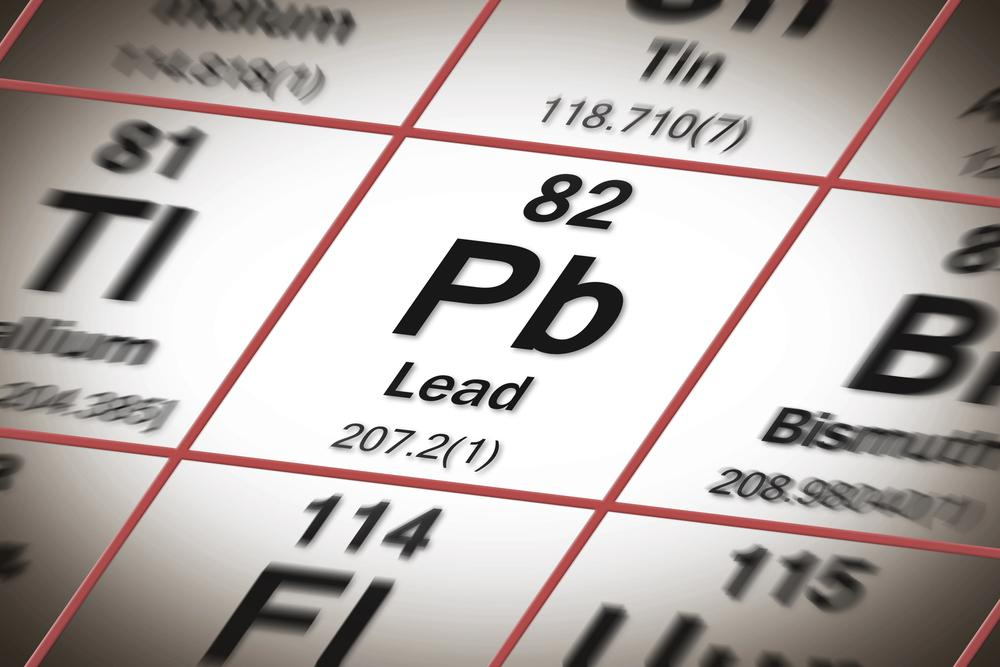
The FDA has specific rules about lead in cosmetics, and in 2017 received a petition requesting changes to lead acetate regulations. Lead can be found in many lipsticks as a contaminant from the manufacturing process.
Even small amounts can build up in the body over time and cause health problems. Pregnant women and children are especially at risk from lead exposure.
Some countries have set strict limits on how much lead can be present in cosmetics. The problem is that lead often isn’t listed as an ingredient because it’s considered a contaminant rather than an intentional addition.
Formaldehyde nail products
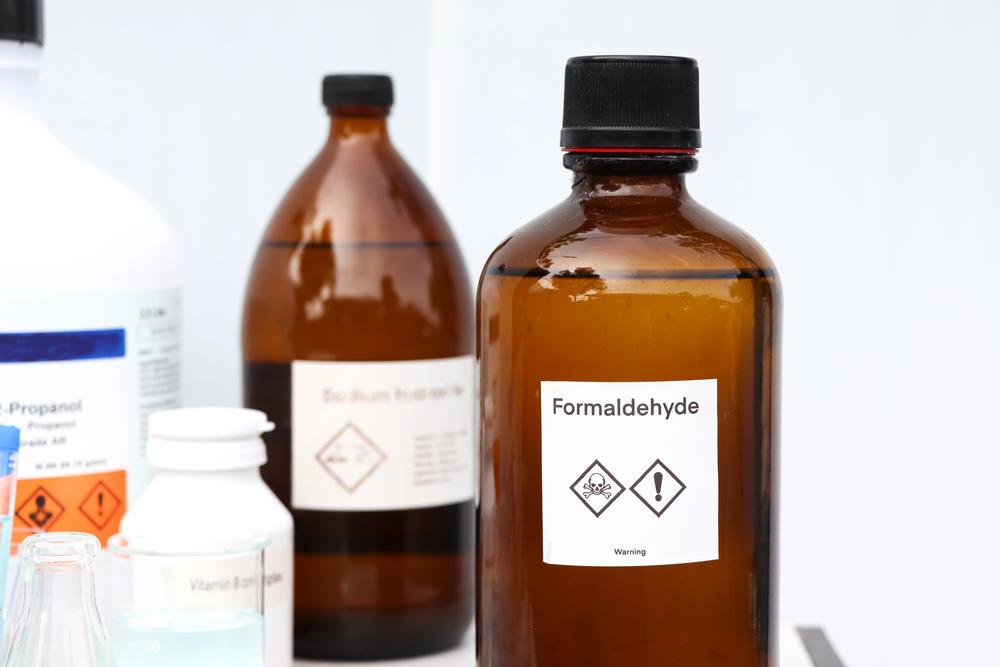
The proposed Toxic-Free Beauty Act would ban formaldehyde-releasing preservatives entirely. This chemical is commonly found in nail polish, nail hardeners, and some hair treatments.
Formaldehyde can cause breathing problems, skin irritation, and has been linked to certain types of cancer. Formaldehyde-releasing chemicals are especially dangerous for hairdressers and janitors who are exposed regularly.
Brazil and several European countries have banned formaldehyde in cosmetic products. The chemical is still widely used in many countries despite the known health risks.
Parabens in personal care items

Isobutyl and isopropyl parabens disrupt hormones and harm the reproductive system. These preservatives are found in everything from shampoo to makeup to keep products fresh longer.
Studies suggest that parabens can mimic estrogen in the body and potentially cause hormone-related problems. Major retailers like Whole Foods Market, CVS, and Target have committed to removing parabens from their store brand products.
The European Union has banned certain types of parabens while allowing others in limited amounts. Many consumers now actively look for paraben-free products when shopping.
Phthalates in fragranced products
Dibutyl and diethylhexyl phthalates disrupt hormones and damage the reproductive system, which is why the Toxic-Free Beauty Act would ban this entire class of chemicals. These chemicals are used to make fragrances last longer and plastics more flexible.
They’re found in perfumes, nail polish, hair spray, and many other beauty products. Phthalates can interfere with hormone production and may affect fertility.
The European Union has restricted several types of phthalates in cosmetics. Unfortunately, phthalates are often hidden under the general term “fragrance” on ingredient lists.
Resorcinol hair dyes
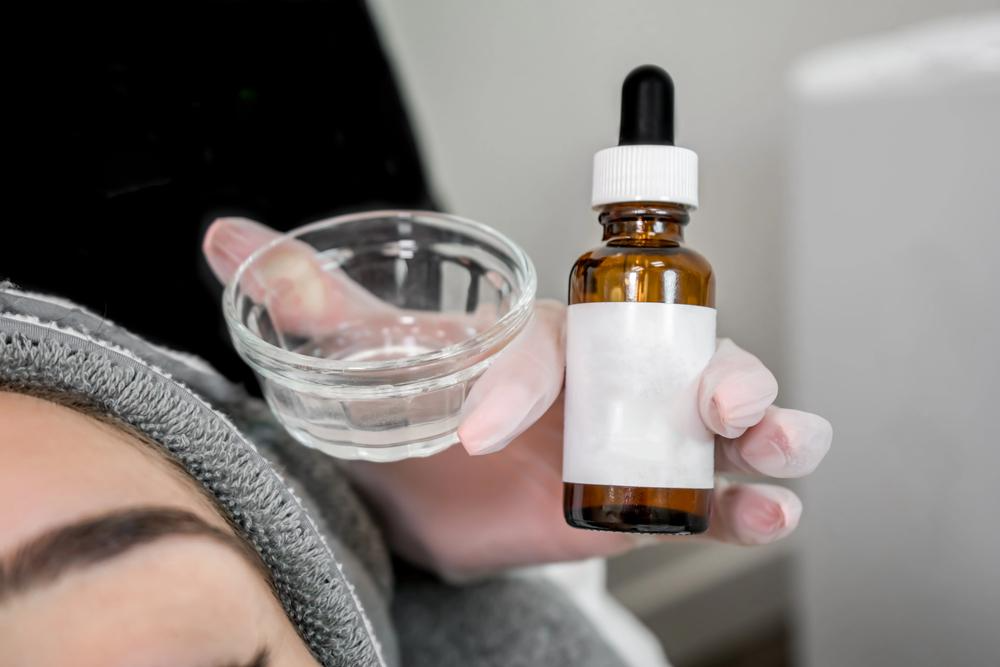
Resorcinol is commonly used in hair dyes and acne medication, but in higher doses it is toxic and can disrupt central nervous system function and lead to respiratory problems. This chemical helps hair dye penetrate the hair shaft and stick to the hair.
Long-term exposure can cause skin irritation, breathing problems, and nervous system damage. The European Union has strict limits on how much resorcinol can be used in hair products.
Some countries have banned it completely in certain types of hair dyes. Professional hair stylists are at higher risk because they work with these chemicals regularly.
PFAS-containing makeup
Long-chain per- and polyfluoroalkyl substances known as PFAS have been linked to cancer. These “forever chemicals” are used in makeup to make products waterproof or long-lasting.
PFAS don’t break down naturally and can build up in the body over time. They’ve been linked to cancer, liver damage, and immune system problems.
Several European countries are working to ban PFAS in cosmetics completely. The chemicals are especially common in waterproof mascara, long-wear foundation, and lip products.
Quaternium-15 preservatives
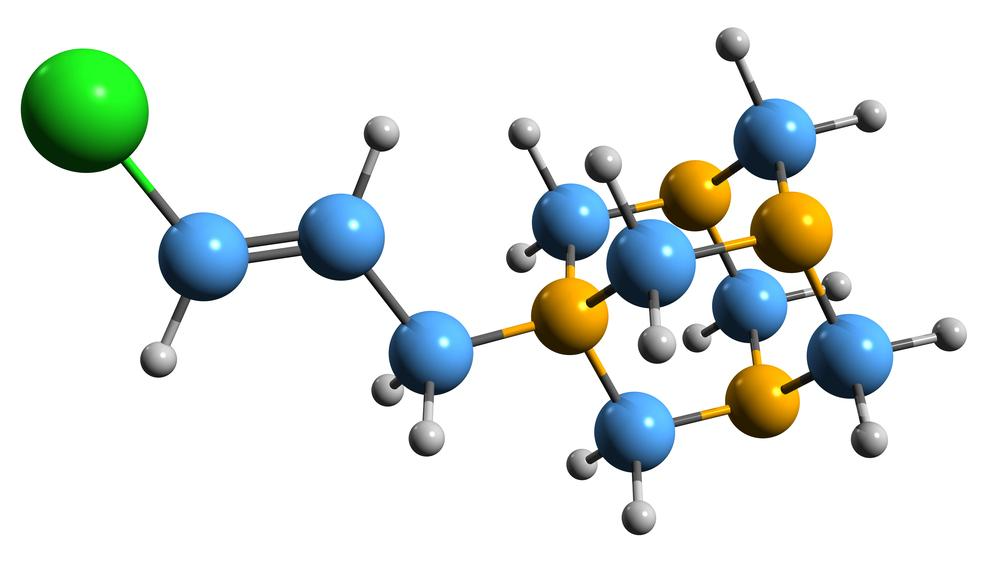
Quaternium-15 is a known skin toxicant and allergen that may be especially dangerous for hairdressers and janitors who are exposed to this formaldehyde-releasing chemical regularly. This preservative is used to prevent bacteria and mold growth in cosmetic products.
It releases formaldehyde slowly over time, which can cause allergic reactions and respiratory problems. People with sensitive skin often develop contact dermatitis from products containing this ingredient.
The European Union has restricted its use, and many companies have found safer alternatives. Professional beauty workers face the highest risk from repeated exposure.
Arsenic-contaminated cosmetics
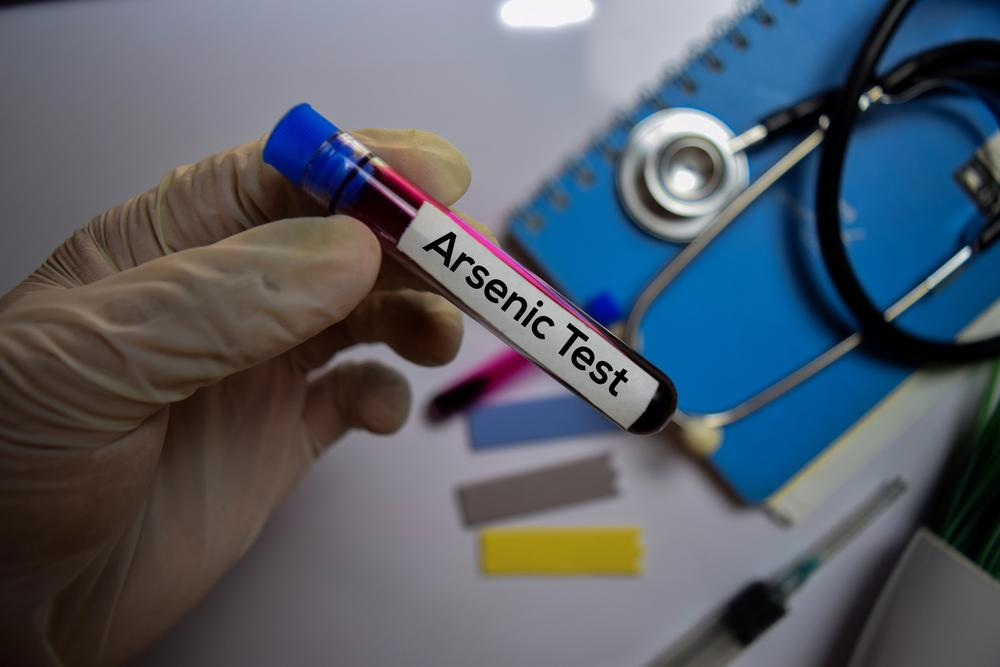
Arsenic has been found in skin-lightening cosmetics and is hazardous to health upon long-term exposure. This toxic element can appear in cosmetics as a contaminant from manufacturing or as an intentional ingredient.
Arsenic exposure can cause skin problems, organ damage, and increase cancer risk. Studies in Nigeria found arsenic in skin-lightening cosmetics sold at various outlets.
Many countries have strict limits on arsenic in cosmetics, while others lack proper testing and regulation. The problem is worse in developing countries where regulatory oversight may be limited.
Coal tar hair dyes
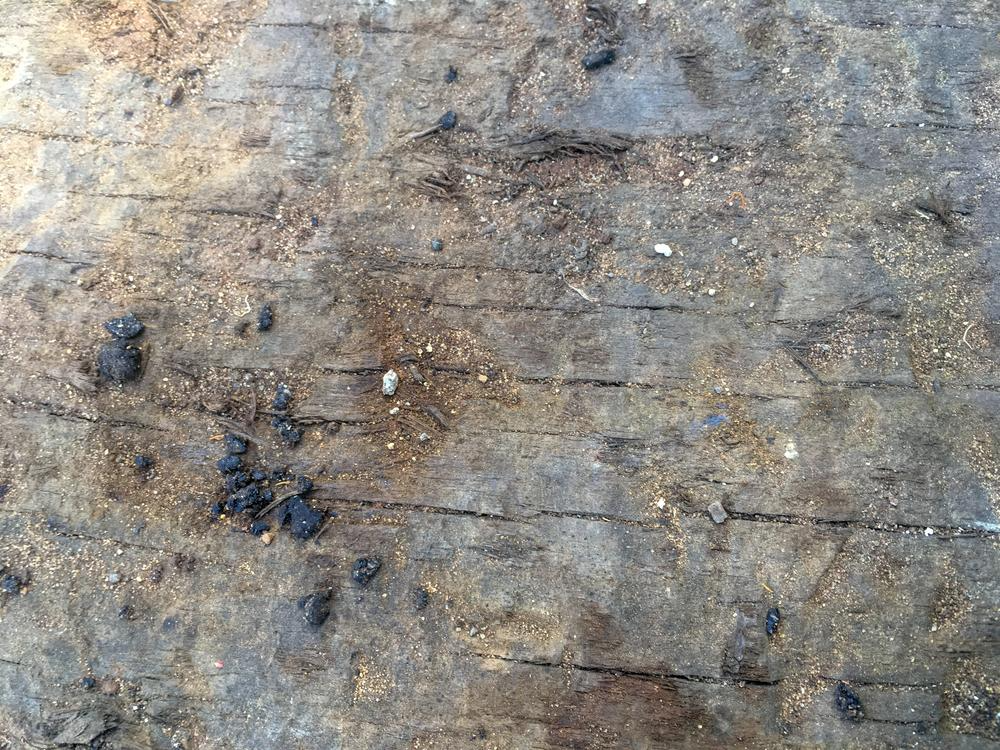
Coal tar dyes contain chemicals that have been linked to cancer in laboratory studies. These synthetic dyes are made from petroleum byproducts and can penetrate the skin easily.
Long-term use of coal tar dyes may increase the risk of bladder cancer and other health problems. The European Union has banned many coal tar dyes in cosmetics, especially in hair products.
Some countries still allow these dyes but require warning labels on products. Natural and synthetic alternatives are now widely available for hair coloring.
Methylene glycol treatments
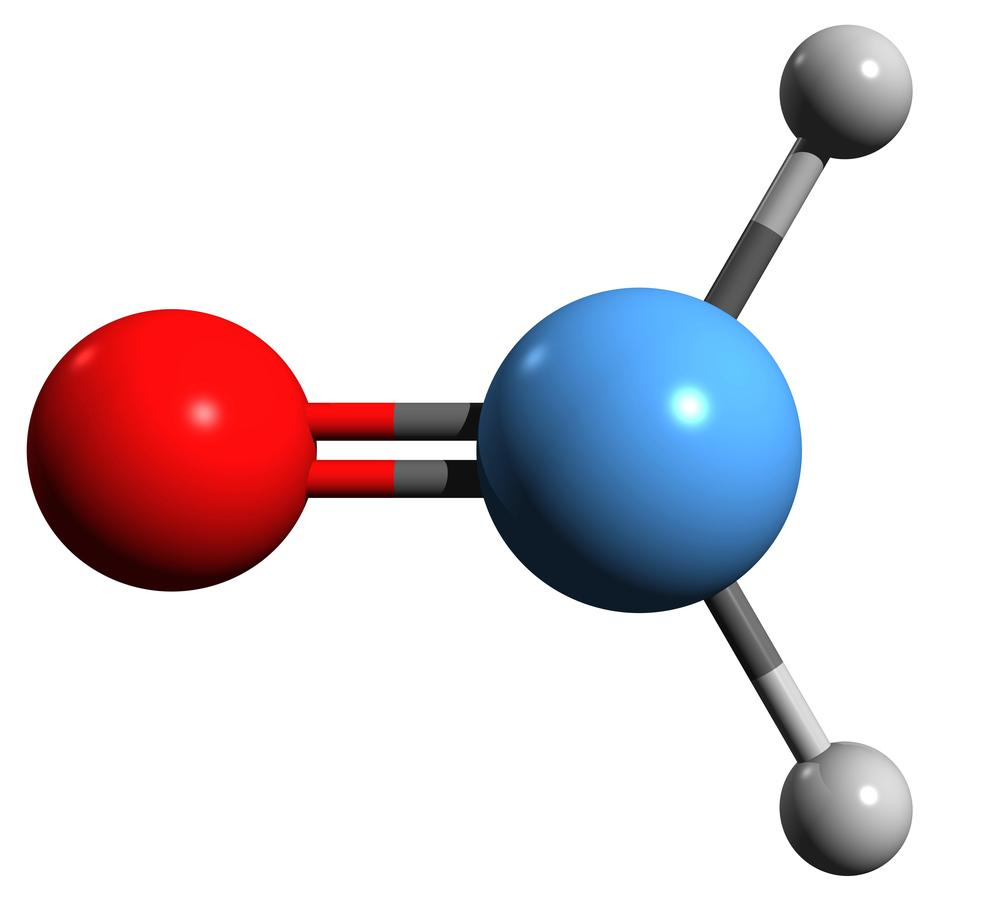
This chemical is found in some hair straightening treatments and nail products. When heated, methylene glycol releases formaldehyde gas, which can cause breathing problems and skin irritation.
Brazil has banned formaldehyde-releasing hair treatments after several people were hospitalized. The chemical is especially dangerous in salon settings where ventilation may be poor.
Many professional stylists have reported health problems from working with these products. Safer alternatives for hair straightening are now available in most markets.
Diaminobenzene hair colorants
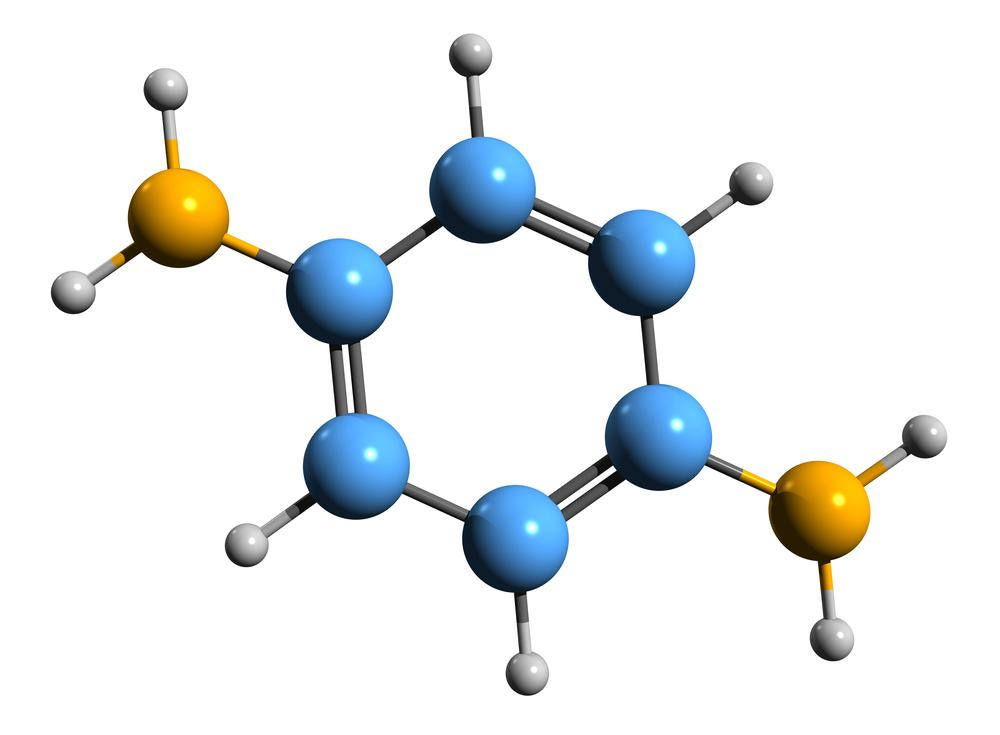
This group of chemicals is used in permanent hair dyes to create lasting color changes. Some diaminobenzene compounds can cause severe allergic reactions and have been linked to cancer concerns. The European Union has banned several types of these compounds in hair dyes.
Patch testing is recommended before using any hair dye containing these chemicals. Professional colorists are trained to recognize signs of allergic reactions.
Many hair dye manufacturers have reformulated their products to remove the most problematic compounds.
Chromium-based eye makeup
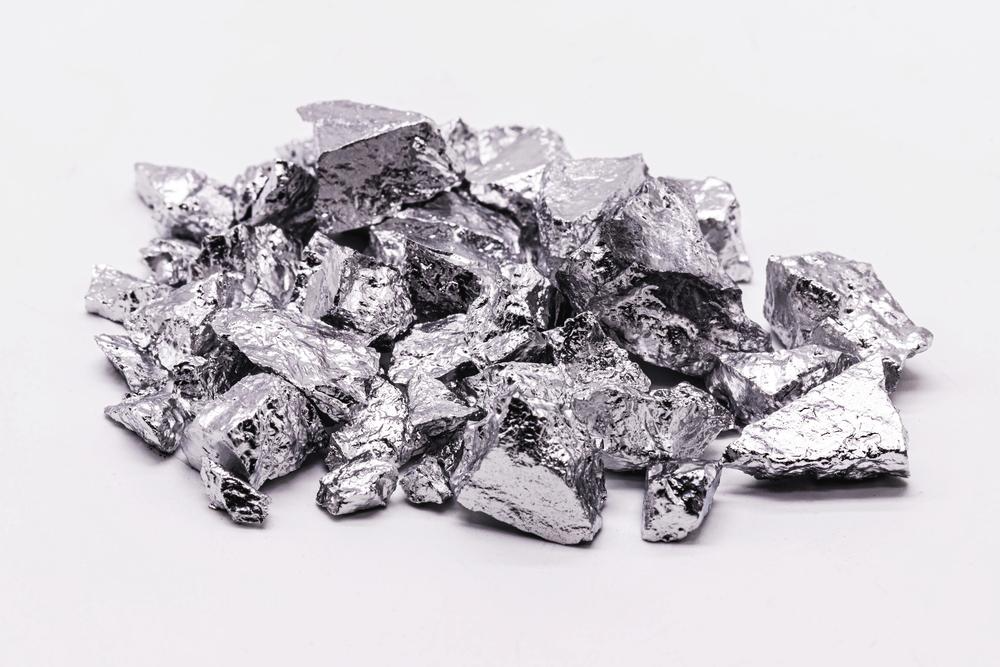
Chromium compounds are sometimes used in eye makeup to create metallic finishes and bright colors. Certain forms of chromium can cause allergic reactions and may be linked to cancer.
The area around the eyes is especially sensitive to chemical irritation. Several countries have banned specific chromium compounds in eye cosmetics.
The European Union requires strict purity standards for chromium used in makeup. Consumers with sensitive eyes should be especially careful about metallic eye products.
Bithionol antibacterial products

This antibacterial agent was once common in soaps, deodorants, and other personal care products. Bithionol can cause severe skin reactions when exposed to sunlight, leading to permanent discoloration.
The FDA banned bithionol in over-the-counter products decades ago due to safety concerns. Some countries still allow its use in certain cosmetic products.
People living in sunny climates face higher risks from products containing this chemical. Modern antibacterial agents are much safer and more effective than bithionol.
From dangerous to safe beauty
The beauty industry has come a long way from the days when lead powder and mercury creams were considered normal. Today’s consumers are more aware of ingredient safety and demand transparency from cosmetic companies.
Regulatory agencies worldwide continue to study new chemicals and ban those that pose serious health risks. While some countries lag behind in safety standards, international pressure and consumer awareness are driving positive changes across the industry.
The future of beauty lies in products that enhance appearance without compromising health.
More from Go2Tutors!

- 16 Historical Figures Who Were Nothing Like You Think
- 12 Things Sold in the 80s That Are Now Illegal
- 15 VHS Tapes That Could Be Worth Thousands
- 17 Historical “What Ifs” That Would Have Changed Everything
- 18 TV Shows That Vanished Without a Finale
Like Go2Tutors’s content? Follow us on MSN