History and Lore of Birthstones, Explained
Something about birthstones feels almost primal — the idea that the month you happened to arrive in this world connects you to a specific gemstone, complete with its own mythology and supposed powers. Maybe it’s the human need to find meaning in coincidence, or perhaps there’s something deeper at work.
Either way, birthstones have captivated people for thousands of years, weaving together threads of ancient superstition, religious symbolism, and modern marketing into a tradition that shows no signs of fading.
The ancient roots of gem mysticism
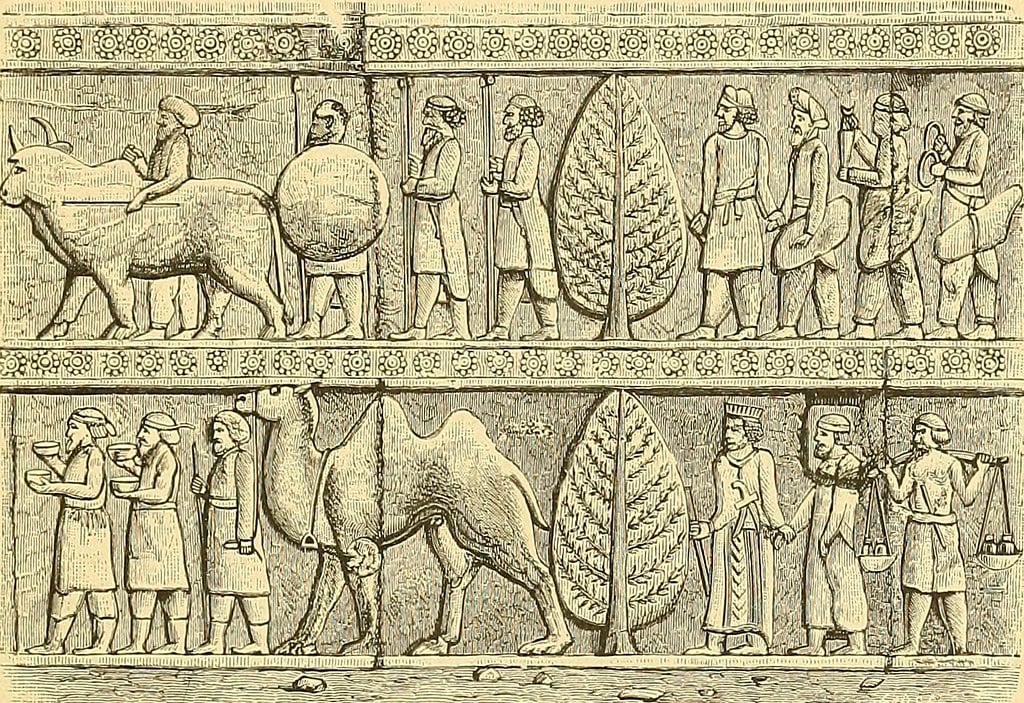
Ancient civilizations didn’t mess around when it came to gemstones. They believed rocks could heal, protect, and channel divine power.
The Babylonians, Egyptians, and Greeks all assigned supernatural properties to precious stones. These weren’t decorative trinkets — they were spiritual tools, as essential as any religious artifact.
The biblical breastplate connection
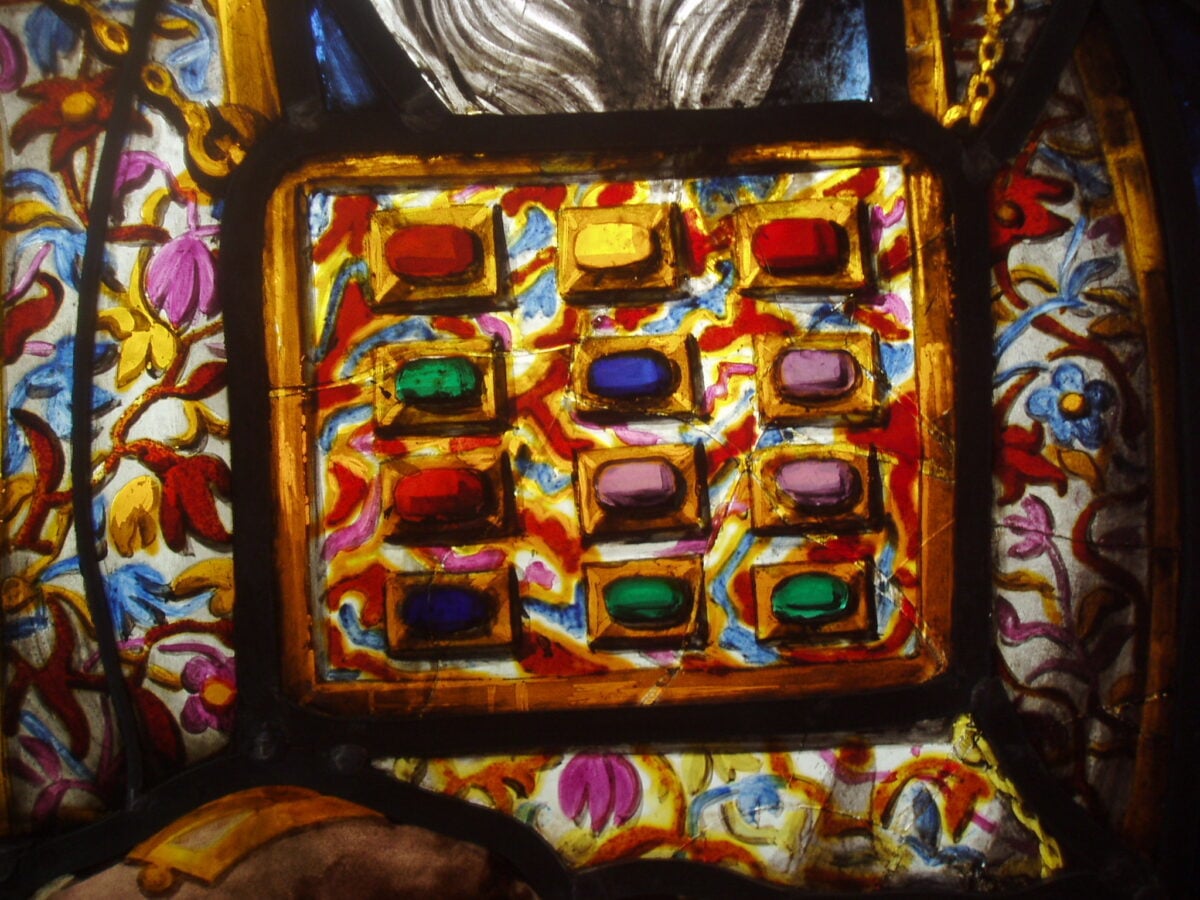
The story starts with Aaron’s breastplate (though scholars will debate the translation details until the sun burns out, and even then they’ll probably find something to argue about). Twelve stones, each representing a tribe of Israel, arranged in four rows of three.
The original lineup included sardius, topaz, carbuncle, emerald, sapphire, diamond, ligure, agate, amethyst, beryl, onyx, and jasper — assuming the ancient Hebrew translates cleanly into modern gemology, which it doesn’t always.
But here’s where things get interesting: these weren’t birthstones as we know them today. The breastplate stones were about tribal identity and divine communication, not birth months.
The connection between your birthday and your designated rock came much later, after centuries of reinterpretation and cultural evolution.
From sacred to seasonal
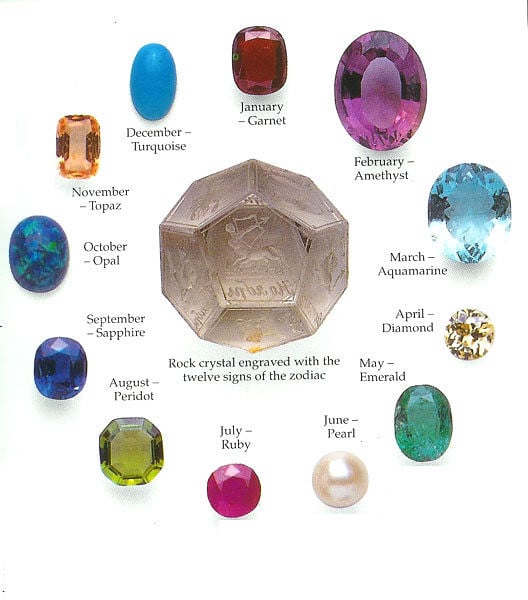
The shift from religious symbolism to monthly assignments happened gradually, like watching a glacier move. Early Christians began connecting the twelve stones to the twelve apostles, which created a different kind of spiritual framework.
Then, somewhere along the way (probably around the first century CE, though pinning down exact dates is like trying to catch smoke), people started wearing all twelve stones and rotating them based on the calendar month.
This wasn’t about permanent ownership of one stone — it was about harnessing the supposed power of whichever gem aligned with the current time period. Imagine changing your jewelry every month based on cosmic timing.
That’s dedication to the cause.
Polish traders and practical magic
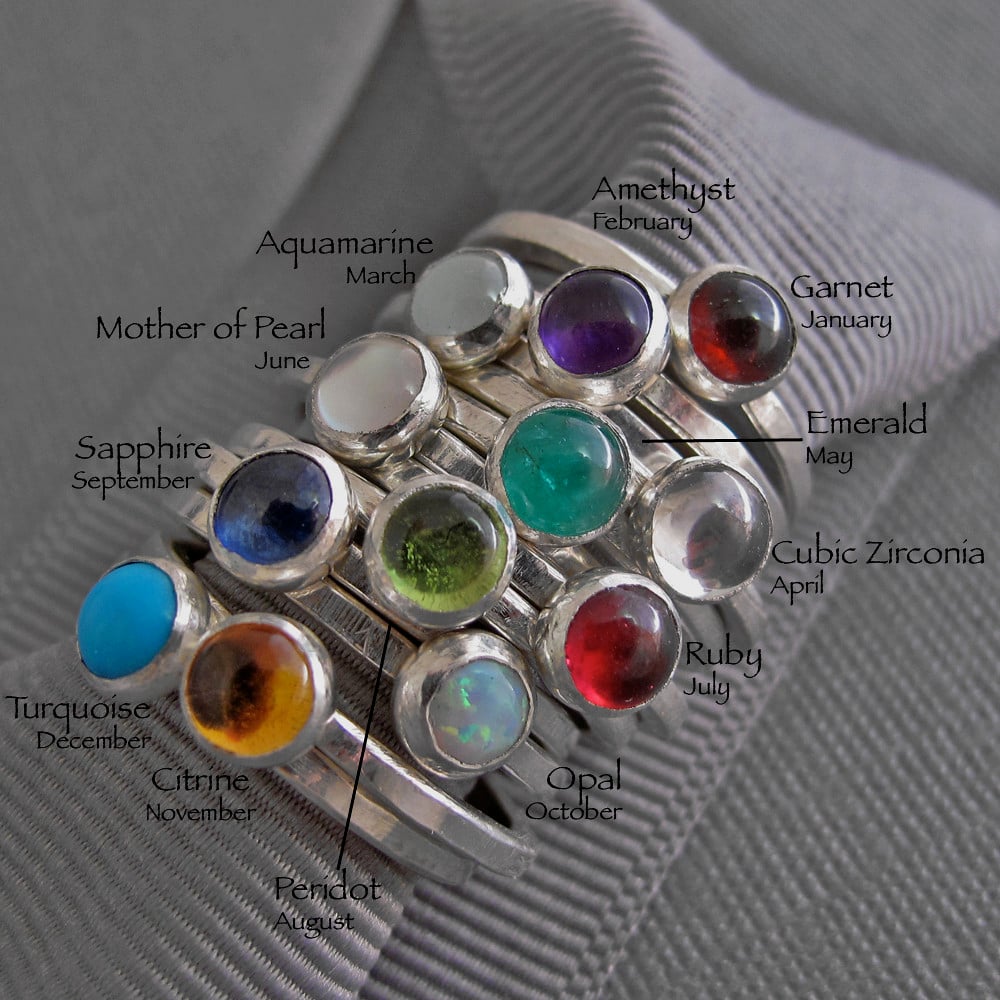
Medieval gem traders in Poland get credit for popularizing the idea that each person should stick with their birth month stone year-round. This makes perfect business sense — instead of selling someone twelve stones they’d rotate through, you sell them one stone they’ll treasure forever.
Brilliant marketing disguised as mystical wisdom.
The Polish approach also simplified things considerably. No more monthly gem swapping, no complex calendars to track.
Just find your birth month, claim your stone, and you’re spiritually sorted for life.
Garnets and the January myth
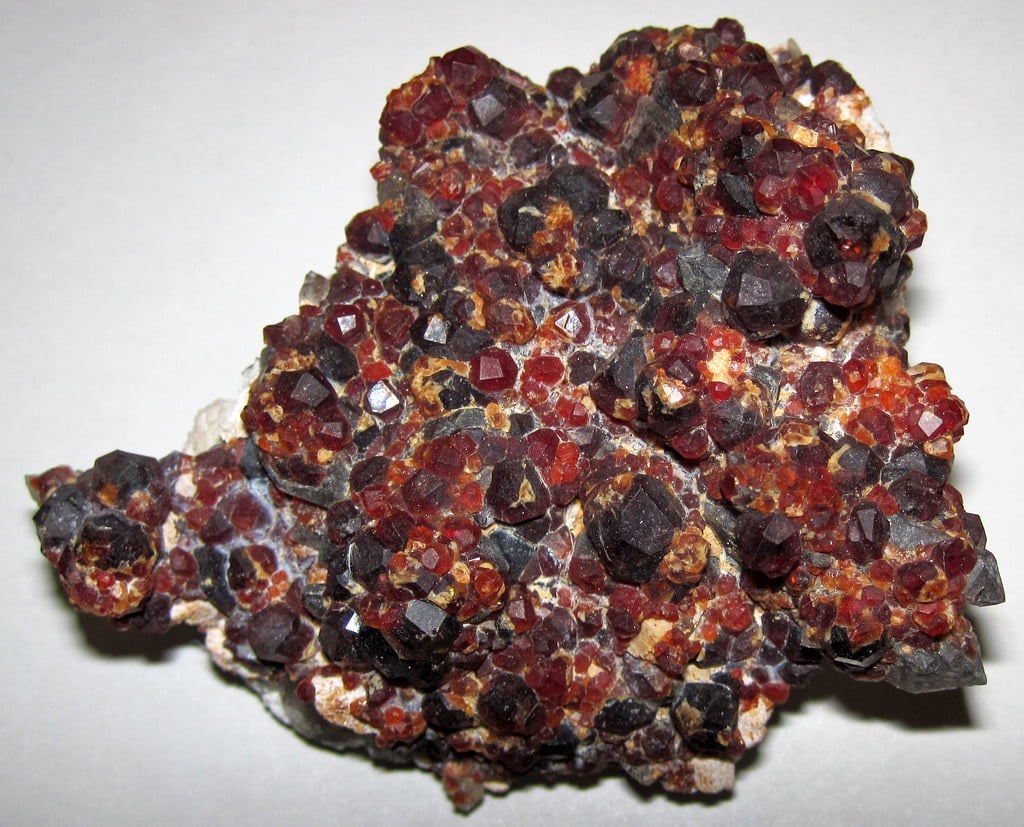
January’s garnet carries baggage from Noah’s ark (supposedly, a garnet provided the only light during the forty days and nights of rain, which raises questions about the logistics of gemstone-powered illumination systems on ancient vessels). The stone also promised to cure depression and protect against nightmares — useful qualities for getting through the darkest month of the year.
Medieval warriors embedded garnets into their armor and weapons, believing the stone would ensure victory and prevent injuries from wounding excessively. So it functioned as both spiritual protection and early battlefield medicine, at least in theory.
The amethyst’s sobering reputation
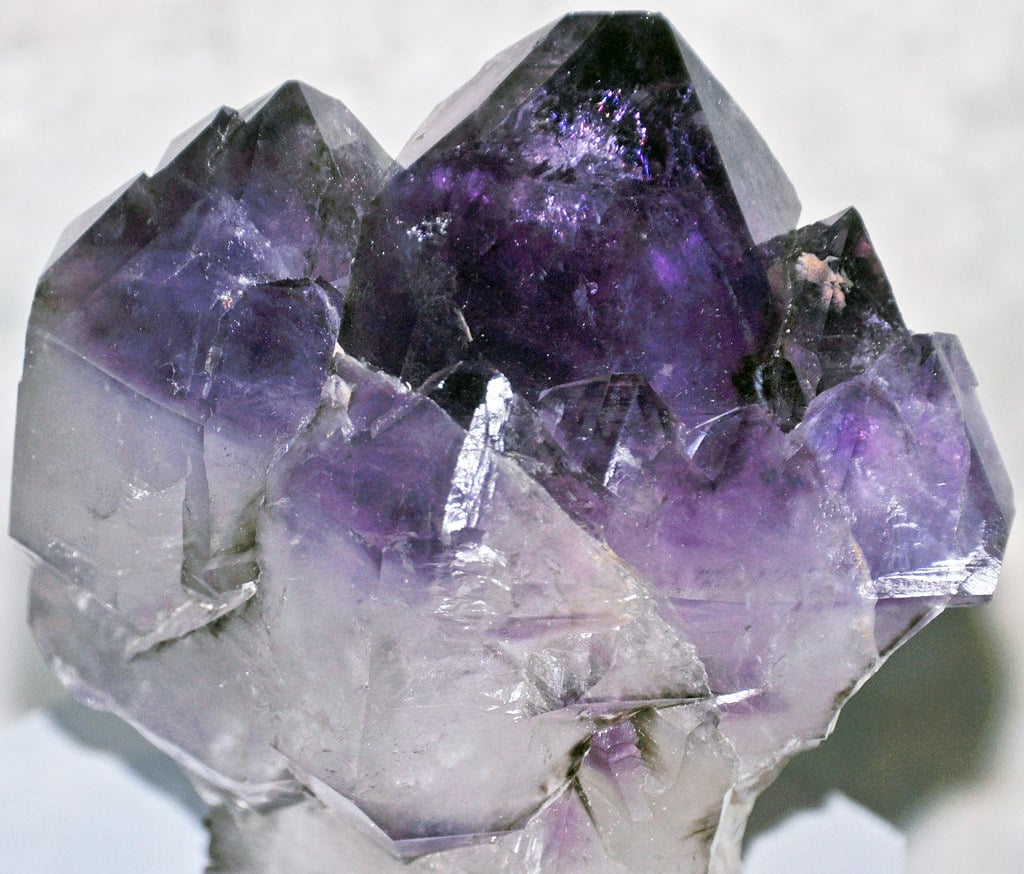
February’s amethyst has always been the responsible one in the gemstone family. Ancient Greeks believed it prevented intoxication — the name literally translates to “not drunk” — and fashioned wine cups from the purple stone as a kind of ancient breathalyzer system.
Whether this actually worked is debatable, but the placebo effect might have helped a few people pace themselves at symposiums.
Christian bishops adopted amethyst as a symbol of spiritual sobriety and clear thinking. The stone represented the kind of mental clarity that comes from avoiding earthly temptations, which explains why so many religious rings feature amethyst settings.
Aquamarine and ancient seafaring
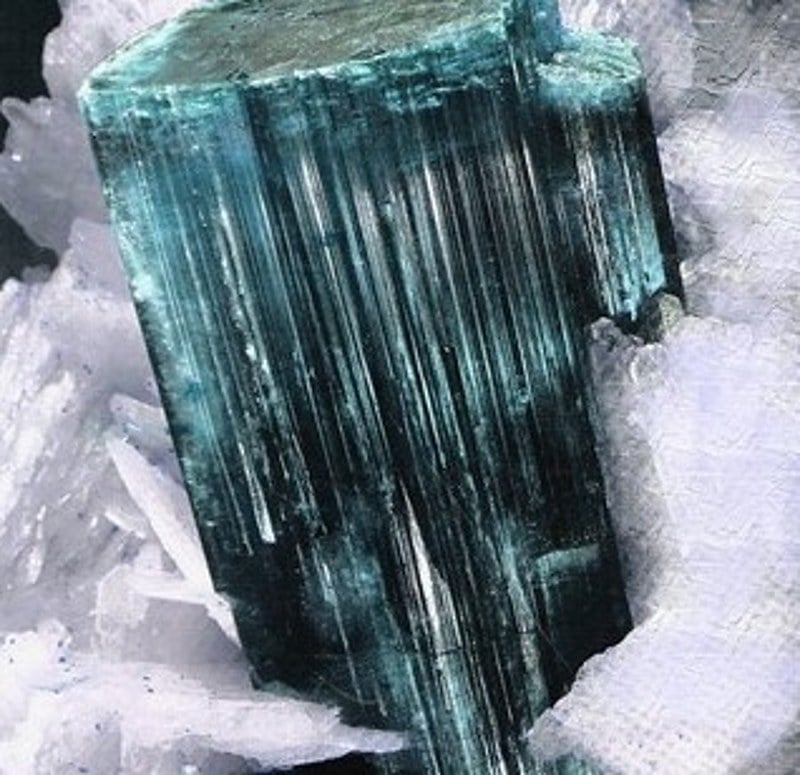
March’s aquamarine was the sailor’s best friend, at least according to maritime folklore. The pale blue stone supposedly calmed rough seas and protected against drowning, which made it standard equipment on trading vessels throughout the Mediterranean.
Roman fishermen carved images of Neptune into aquamarine gems, creating personalized talismans that combined religious devotion with occupational insurance. The stone also promised to cure seasickness, though anyone who has experienced rough waters knows that gemstone therapy has its limitations when your inner ear is doing gymnastics.
April’s diamond durability
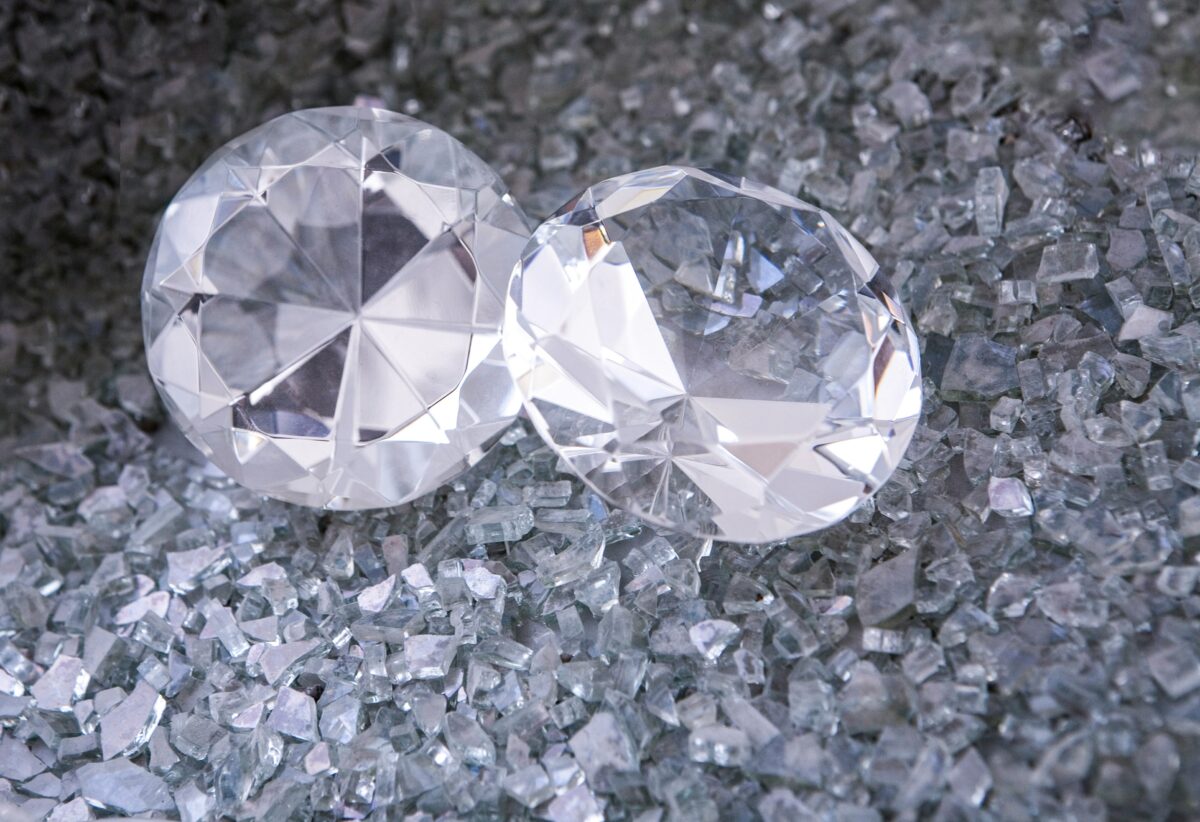
Diamonds earned their reputation through sheer stubbornness (the name comes from the Greek word “adamas,” meaning unconquerable, which pretty much sums up their attitude toward being scratched, chipped, or otherwise modified). Ancient Indians discovered them first, probably around the fourth century BCE, and immediately recognized something special about stones that could cut through anything but remained untouchable themselves.
Medieval Europeans believed diamonds could detect poison, cure mental illness, and provide courage in battle. Kings and queens collected them not just for their beauty, but for their supposed ability to enhance the wearer’s natural power and authority.
The connection between diamonds and invincibility made perfect sense to anyone who had tried unsuccessfully to damage one.
The emerald’s healing legacy
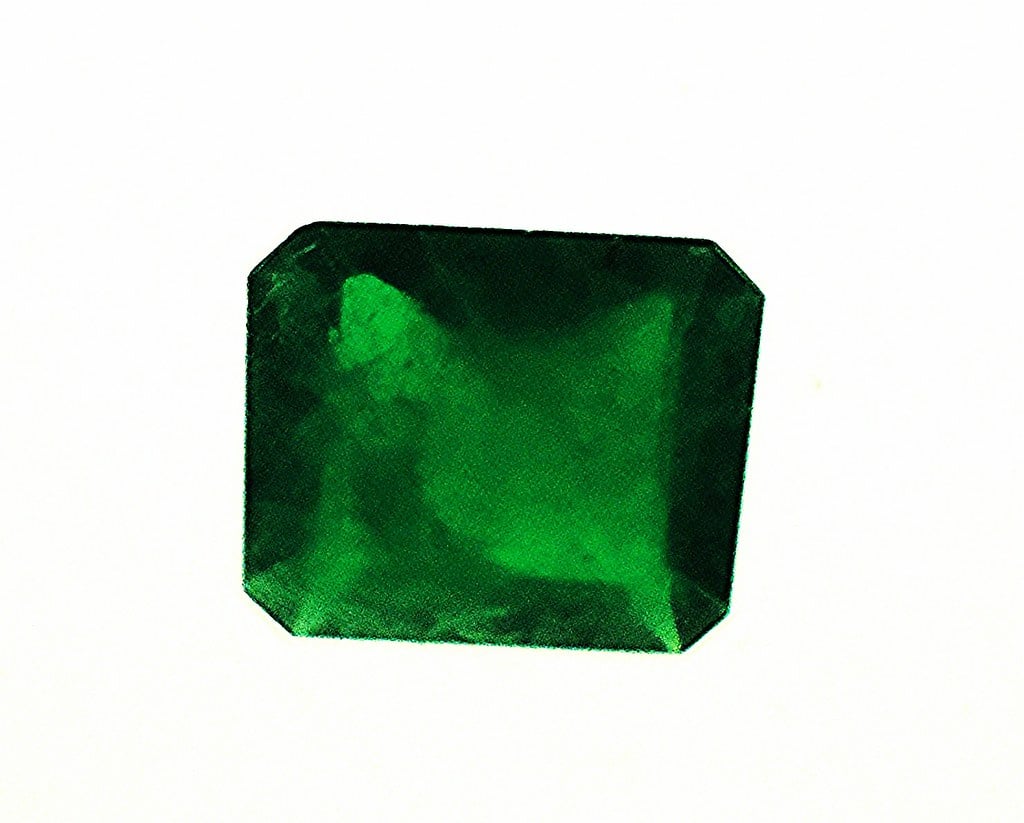
May’s emerald has always been about restoration — healing eyes, soothing minds, and revealing truth. Cleopatra’s legendary emerald collection wasn’t just vanity; Egyptian culture viewed the green stones as symbols of eternal youth and rebirth.
The connection between emeralds and springtime renewal made them natural choices for May birthstones.
Medieval lapidaries (gemstone experts) claimed that simply looking at emeralds could restore tired vision and cure eye diseases. Manuscript illuminators and scribes kept emeralds nearby during long work sessions, believing the green stones would prevent eyestrain and maintain focus.
Pearls and the ocean’s mystery
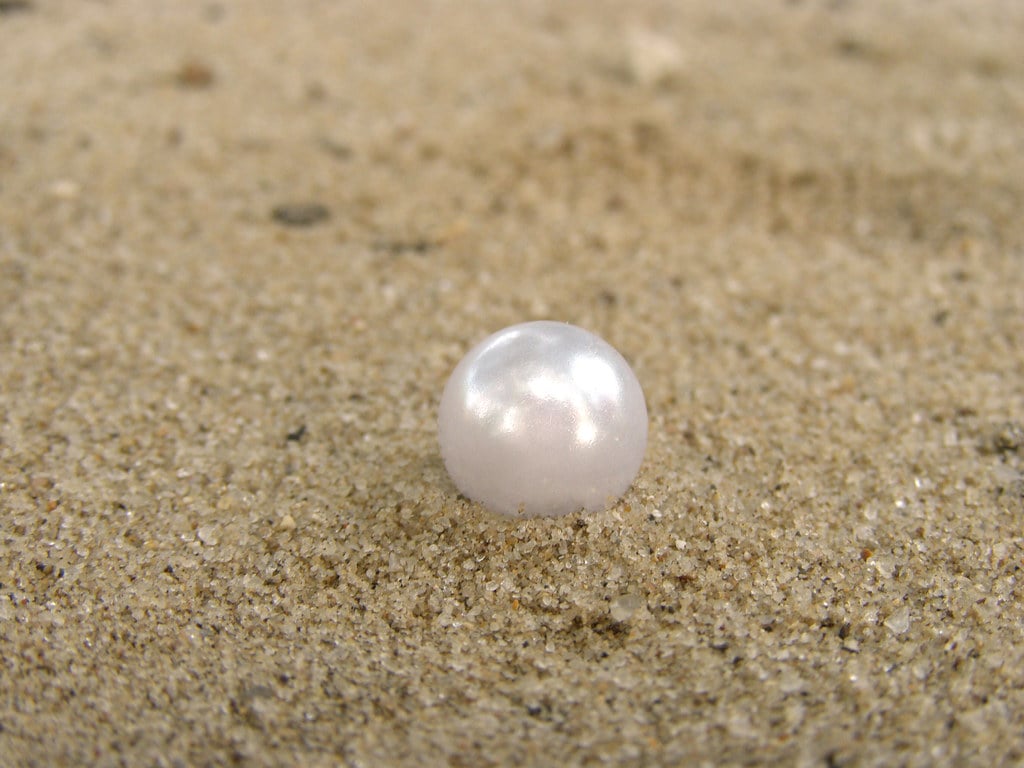
June’s pearl stands apart from other birthstones because it’s created by living creatures rather than geological processes. This biological origin gave pearls a different kind of mystique — they represented the ocean’s ability to transform irritation into beauty, which resonated with anyone who had struggled through difficult circumstances.
Ancient Chinese cultures associated pearls with dragon tears, while European folklore connected them to mermaid magic. The lustrous spheres symbolized purity and wisdom gained through experience, making them popular choices for wedding jewelry and coming-of-age gifts.
Ruby’s fiery symbolism
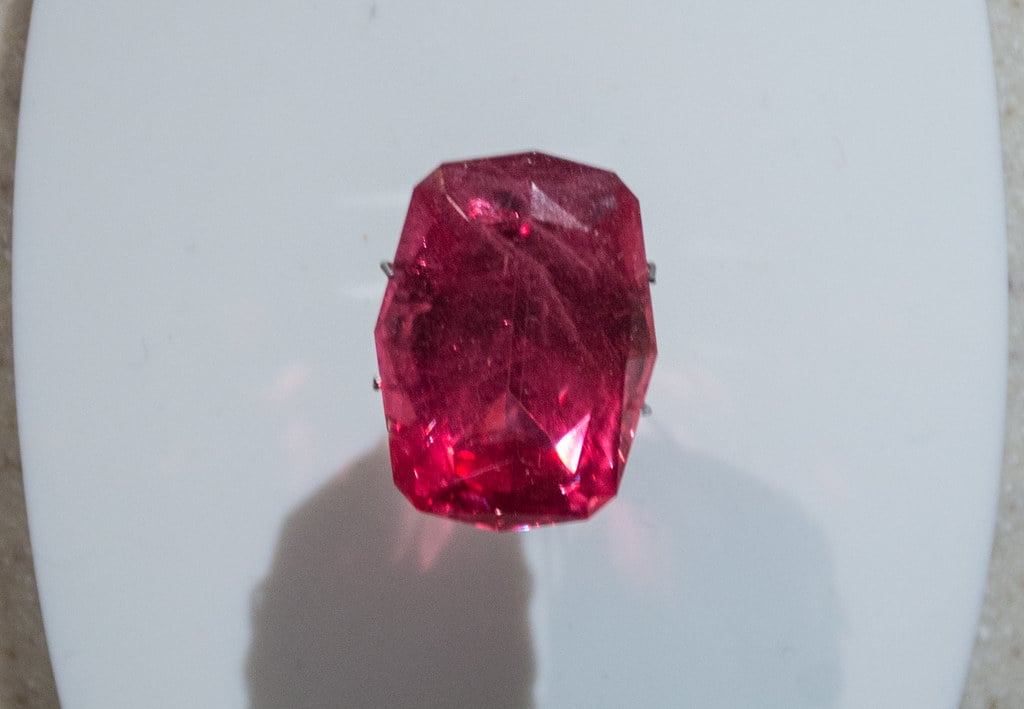
July’s ruby burns with more than reflected light — it carries the concentrated essence of passion, courage, and life force. Ancient Burmese warriors believed rubies made them invincible in battle, but only if the stones were inserted directly into their flesh.
This extreme body modification approach to gemstone therapy suggests either absolute faith in ruby power or a serious misunderstanding of how talismans work.
Hindu tradition held that rubies contained an internal flame that could never be extinguished, making them symbols of eternal love and devotion. The stone’s deep red color naturally connected it to blood, life, and the kind of intense emotion that changes everything.
Peridot’s volcanic origins
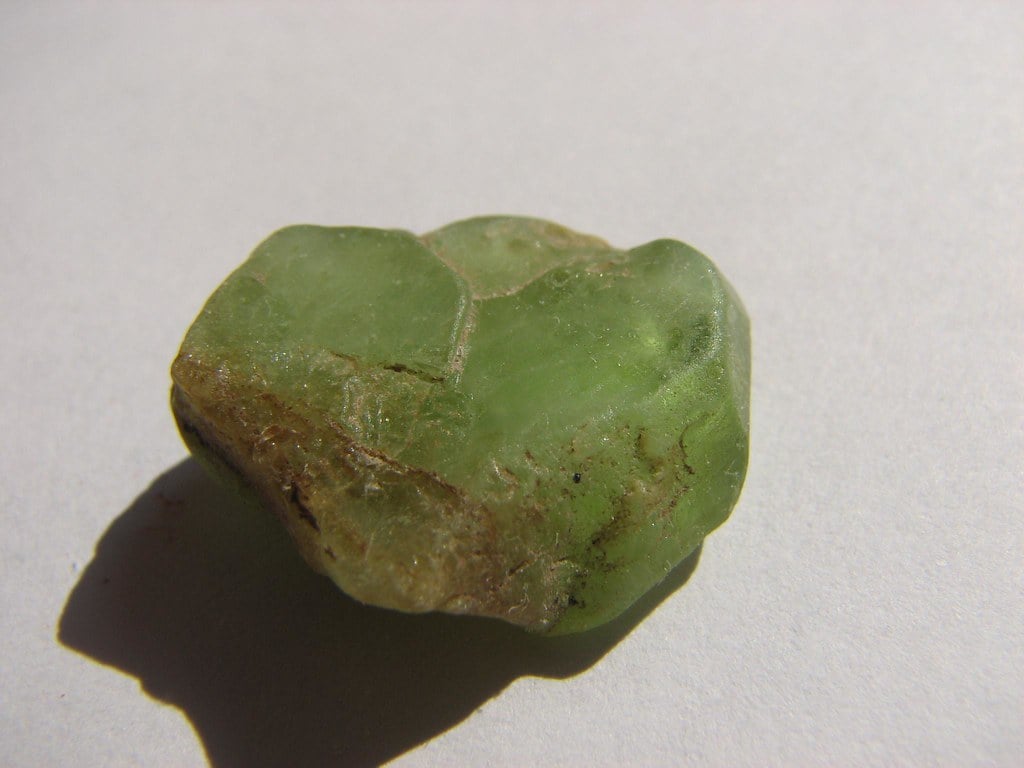
August’s peridot forms in the earth’s mantle and arrives via volcanic eruption, which gives it a more dramatic backstory than most gemstones. Ancient Egyptians called it the “gem of the sun” and believed it became invisible during daylight, only revealing its true beauty under artificial illumination.
This nocturnal quality made peridot perfect for evening ceremonies and moonlit rituals.
Hawaiian folklore explains peridot as tears of the volcano goddess Pele, scattered across the islands during her emotional outbursts. The green crystals were considered sacred, connecting the wearer to the raw creative and destructive power of volcanic activity.
Sapphire and divine wisdom
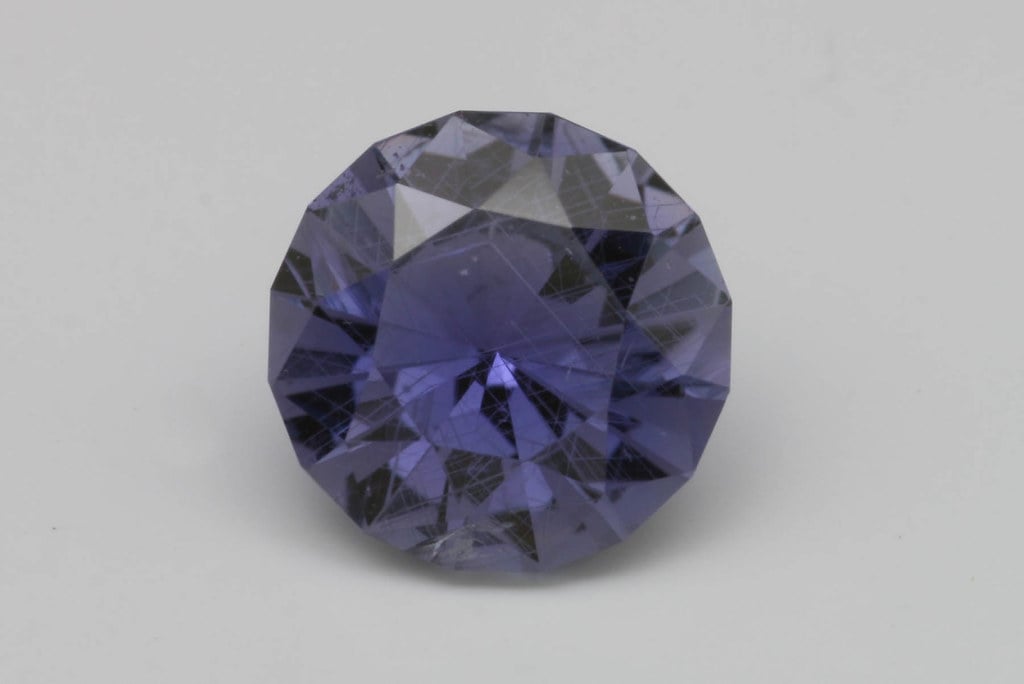
September’s sapphire has always been the scholar’s stone, associated with wisdom, truth, and divine favor. Medieval kings wore sapphire rings as symbols of just leadership, believing the blue stones would help them make fair decisions and resist corruption.
The connection between sapphire and moral clarity made it popular among religious leaders and judges.
Ancient Persians believed the earth rested on a giant sapphire, and the sky’s blue color was simply the reflection of this massive gemstone. This cosmic perspective elevated sapphire beyond earthly concerns into the realm of universal truth and celestial harmony.
The opal’s shifting fortunes
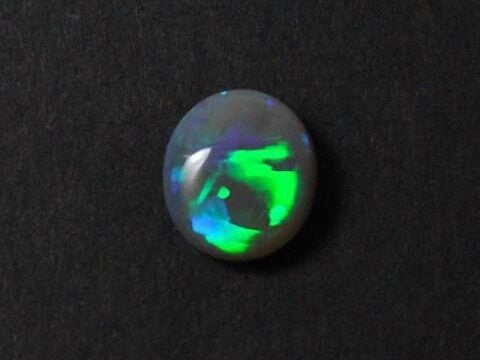
October’s opal has experienced more reputation swings than a politician during election season. Ancient Romans considered it the luckiest stone, combining the virtues of all other gems in its shifting play of colors.
Then Sir Walter Scott’s 1829 novel “Anne of Geierstein” featured an opal that brought misfortune to its owner, and suddenly everyone decided the stone was cursed.
The superstition stuck around for decades, nearly destroying the European opal market until Australian mines began producing spectacular specimens that were too beautiful to fear. The stone’s ability to display multiple colors within a single gem made it a natural symbol for complexity and hidden depths.
The varied November stones
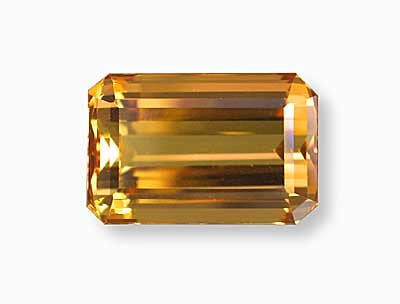
November birthstones tell a story of geological diversity and cultural preference. Traditional lists feature topaz, while modern versions include citrine — both stones share warm yellow and orange tones that complement autumn’s changing colors.
Imperial topaz, the most prized variety, was historically reserved for Russian royalty. The stones were mined in the Ural Mountains under strict government control, making genuine imperial topaz rarer and more valuable than diamonds.
Citrine, meanwhile, offered similar beauty at accessible prices, earning it the nickname “poor man’s topaz” — though anyone who has seen high-quality citrine knows the comparison sells it short.
December’s triple choice
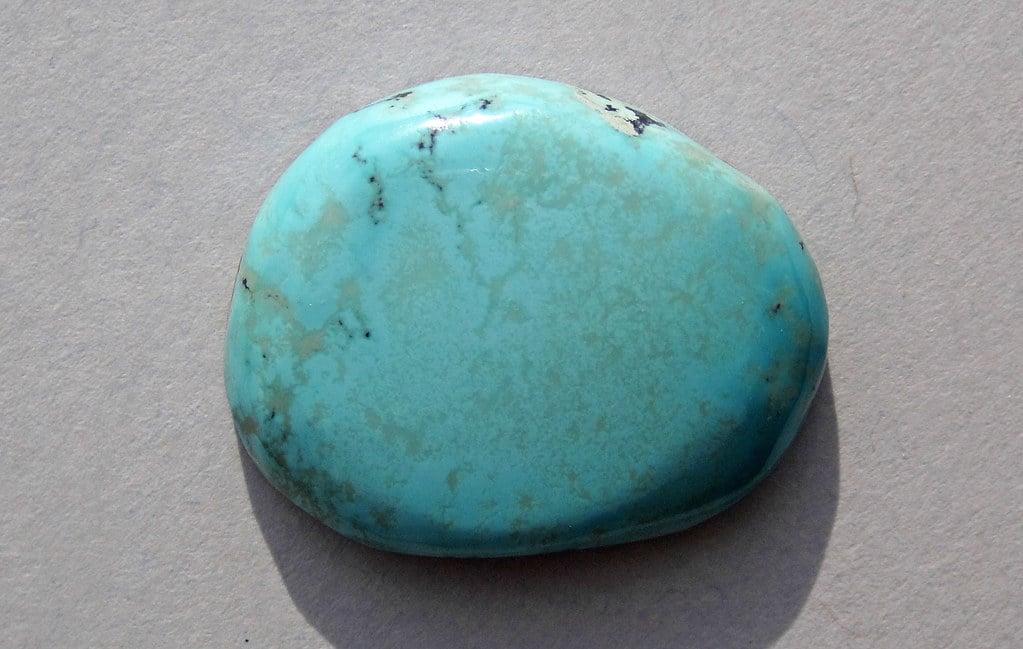
December gets three official birthstones — turquoise, tanzanite, and zircon — which either shows generous flexibility or indecisive committee work, depending on your perspective. Turquoise has the longest history, prized by Native American cultures for its protective properties and connection to sky and water spirits.
Tanzanite entered the birthstone lineup recently, discovered in Tanzania in 1967 and promoted heavily by jewelry marketers looking to establish a new gem tradition. Zircon often gets confused with cubic zirconia, which is unfortunate because genuine zircon has its own legitimate history and brilliance that deserves recognition without synthetic associations.
When traditions become commerce
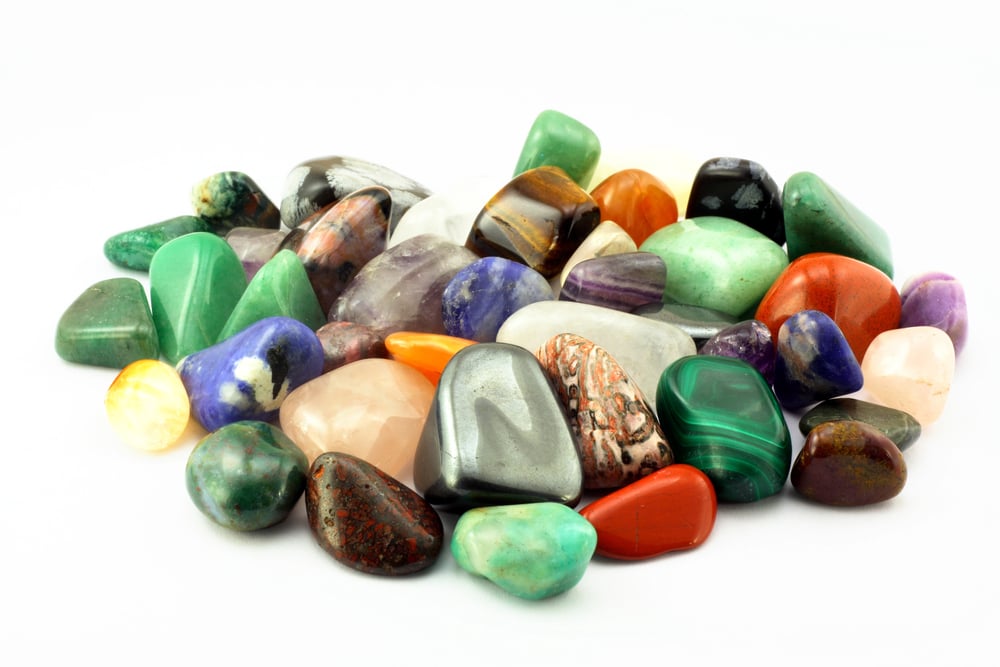
The modern birthstone system owes as much to the American jewelry industry as it does to ancient wisdom. In 1912, the National Association of Jewelers standardized the birthstone list, creating the version most people recognize today.
This wasn’t entirely about spiritual authenticity — it was about establishing clear market categories and consumer expectations.
The standardization process involved some creative editing of historical traditions. Stones with limited commercial appeal got replaced by more marketable alternatives.
Regional variations were smoothed over in favor of universal consistency.
The result is a system that balances ancient symbolism with practical retail considerations, which explains both its popularity and its occasional disconnection from original meanings.
Beyond the commercial mystique
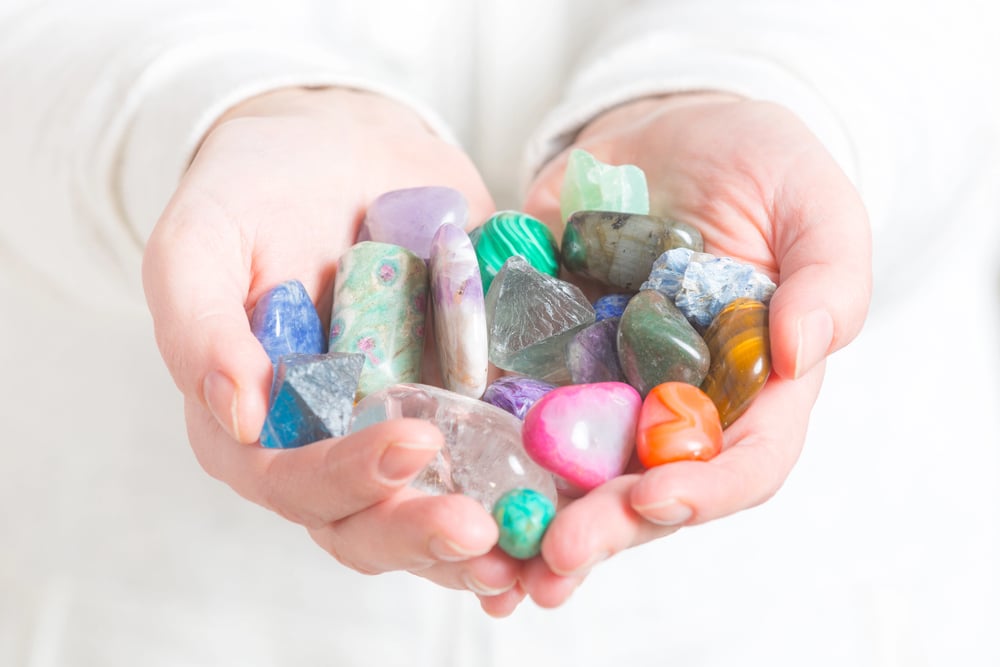
Strip away the marketing and superstition, and birthstones still hold something worth preserving. They connect us to geological time — each gem represents millions of years of earth’s patient work, transforming simple elements into crystalline beauty under conditions of extreme pressure and heat.
The stories we tell about these stones reveal as much about human nature as they do about mineralogy. We want to believe that the random timing of our birth connects us to something larger and more meaningful.
Whether that connection exists in the stones themselves or simply in our willingness to find significance wherever we look doesn’t really matter. The sense of belonging to something ancient and enduring has value regardless of its factual basis.
More from Go2Tutors!

- The Romanov Crown Jewels and Their Tragic Fate
- 13 Historical Mysteries That Science Still Can’t Solve
- Famous Hoaxes That Fooled the World for Years
- 15 Child Stars with Tragic Adult Lives
- 16 Famous Jewelry Pieces in History
Like Go2Tutors’s content? Follow us on MSN.