Star Residences That Sparked Buzz
There’s something magnetic about knowing where celebrities choose to live when the cameras stop rolling. These aren’t just addresses — they’re glimpses into the private worlds of people who’ve mastered the art of being watched.
Some homes become legendary for their drama, others for their sheer audacity, and a few for the stories that refuse to stay buried behind their gates.
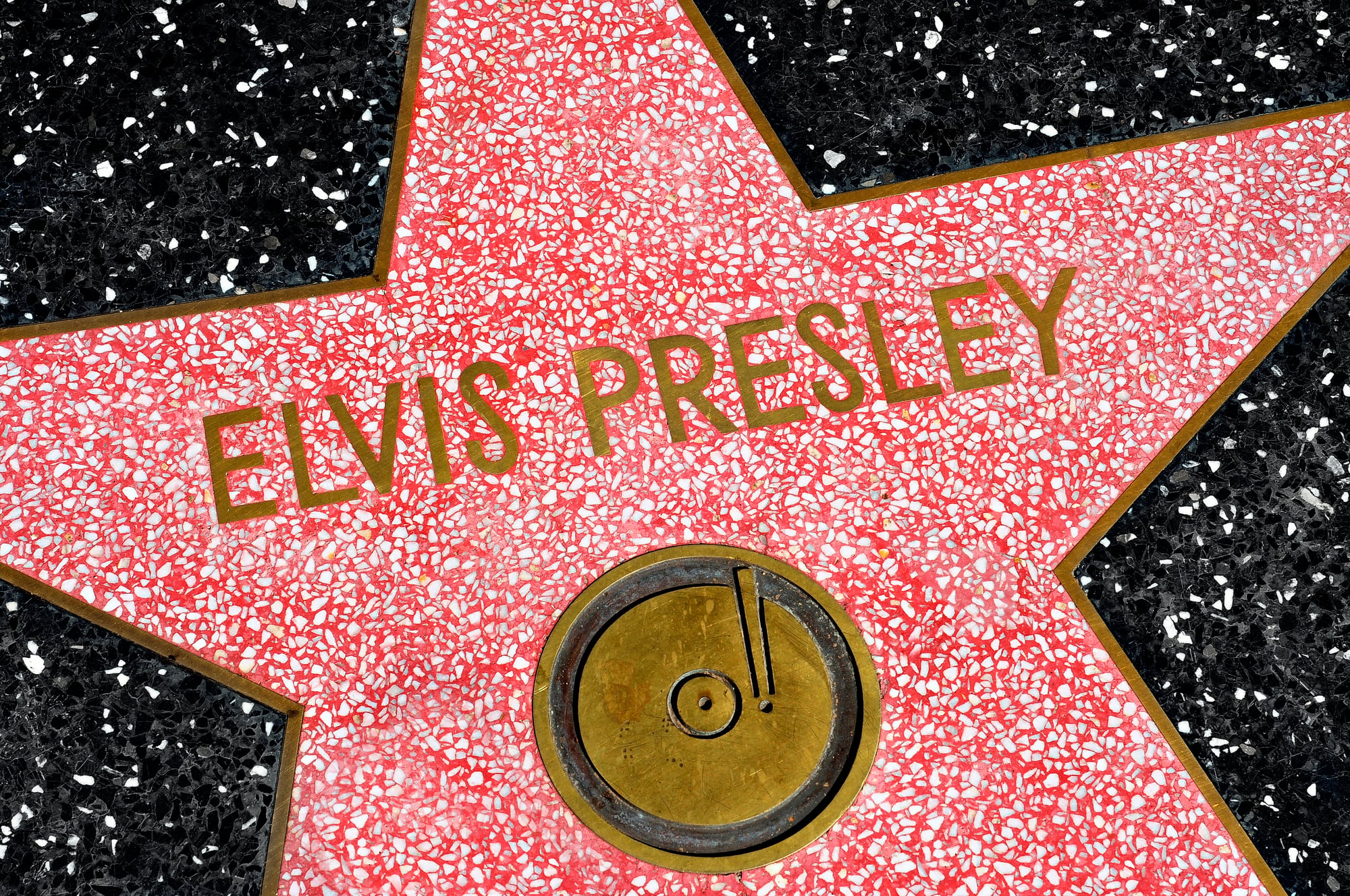
Elvis Presley’s Graceland
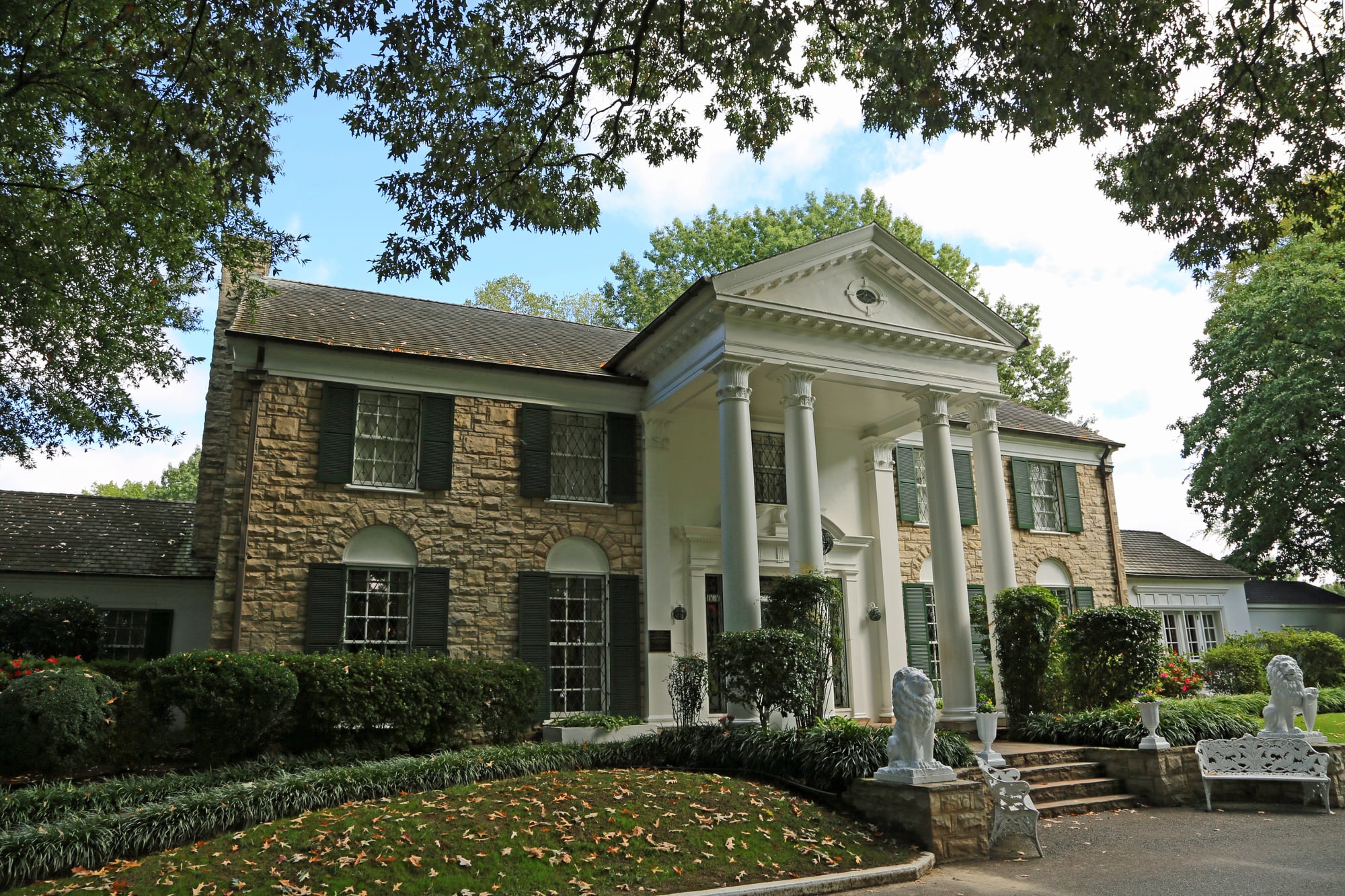
Graceland isn’t just a house. It’s a shrine wrapped in shag carpet and gilt fixtures that somehow captures the exact moment when good taste collided with unlimited money and lost spectacularly.
The Jungle Room alone defies every principle of interior design — and that’s precisely why it works. Elvis bought the mansion in 1957 for $100,000, transforming it into something that could only exist in the mind of a kid from Tupelo who suddenly had the world at his feet.
The peacock stained glass windows, the lightning bolt logo scattered throughout, the TV room with three televisions because why settle for one — every choice feels like pure Elvis, unfiltered and unapologetic.
Michael Jackson’s Neverland Ranch
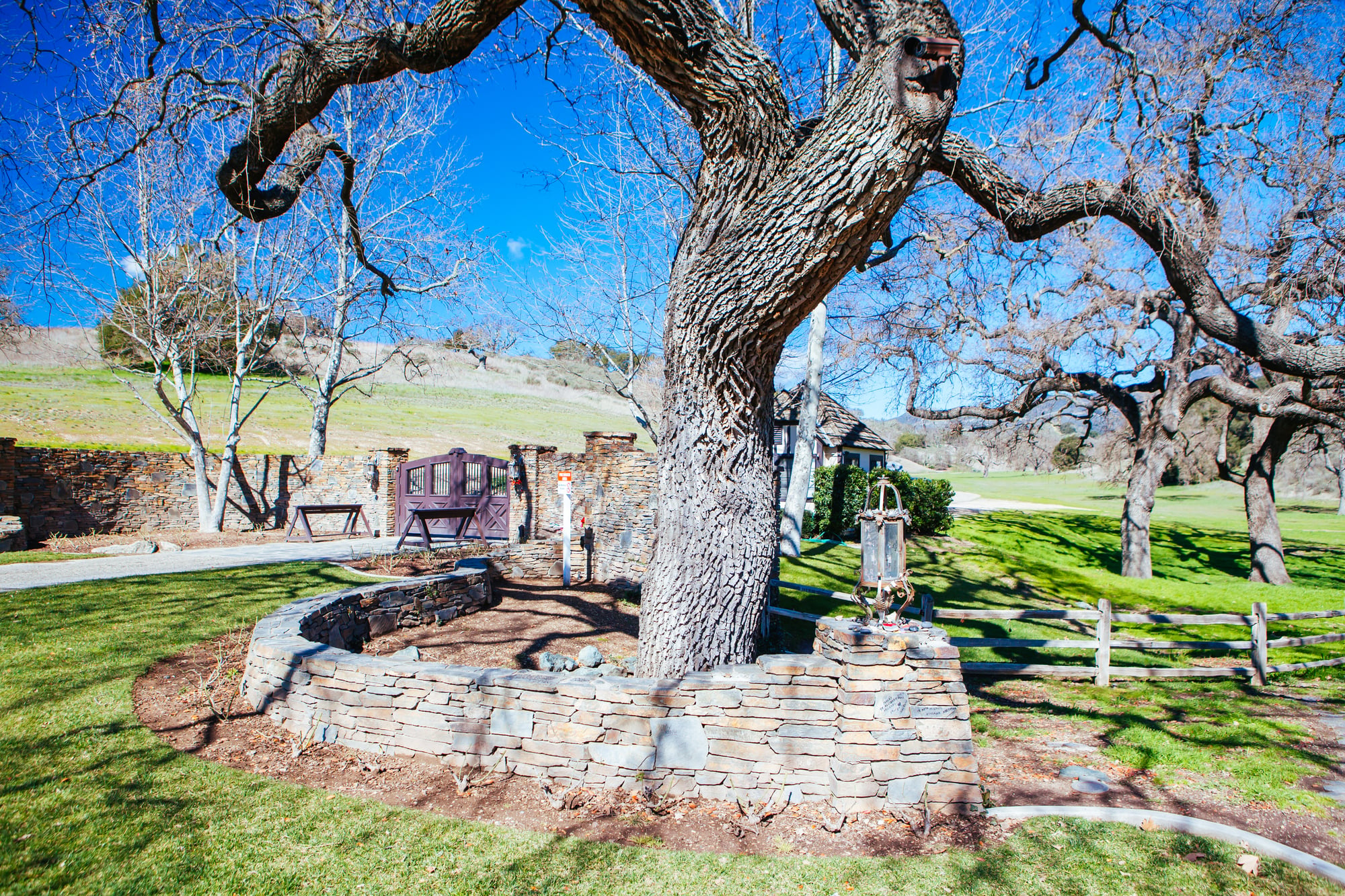
The 2,700-acre property in Santa Barbara County became more famous than most small cities, and for reasons that shifted dramatically over the decades. What started as a whimsical retreat — complete with a zoo, amusement park rides, and a private movie theater — gradually morphed into something that felt both magical and haunting, depending on your perspective (and which headlines you followed).
Jackson purchased the ranch in 1988 for $19.5 million, naming it after the fictional island where Peter Pan’s lost boys lived forever young. The irony wasn’t subtle.
But there’s something achingly vulnerable about a man who built an entire world designed to recapture childhood, installing a Ferris wheel and carousel on manicured grounds where giraffes wandered freely. Even now, years after his death, Neverland carries the weight of dreams that grew too heavy for one person to bear.
John Lennon’s Dakota Building Apartment
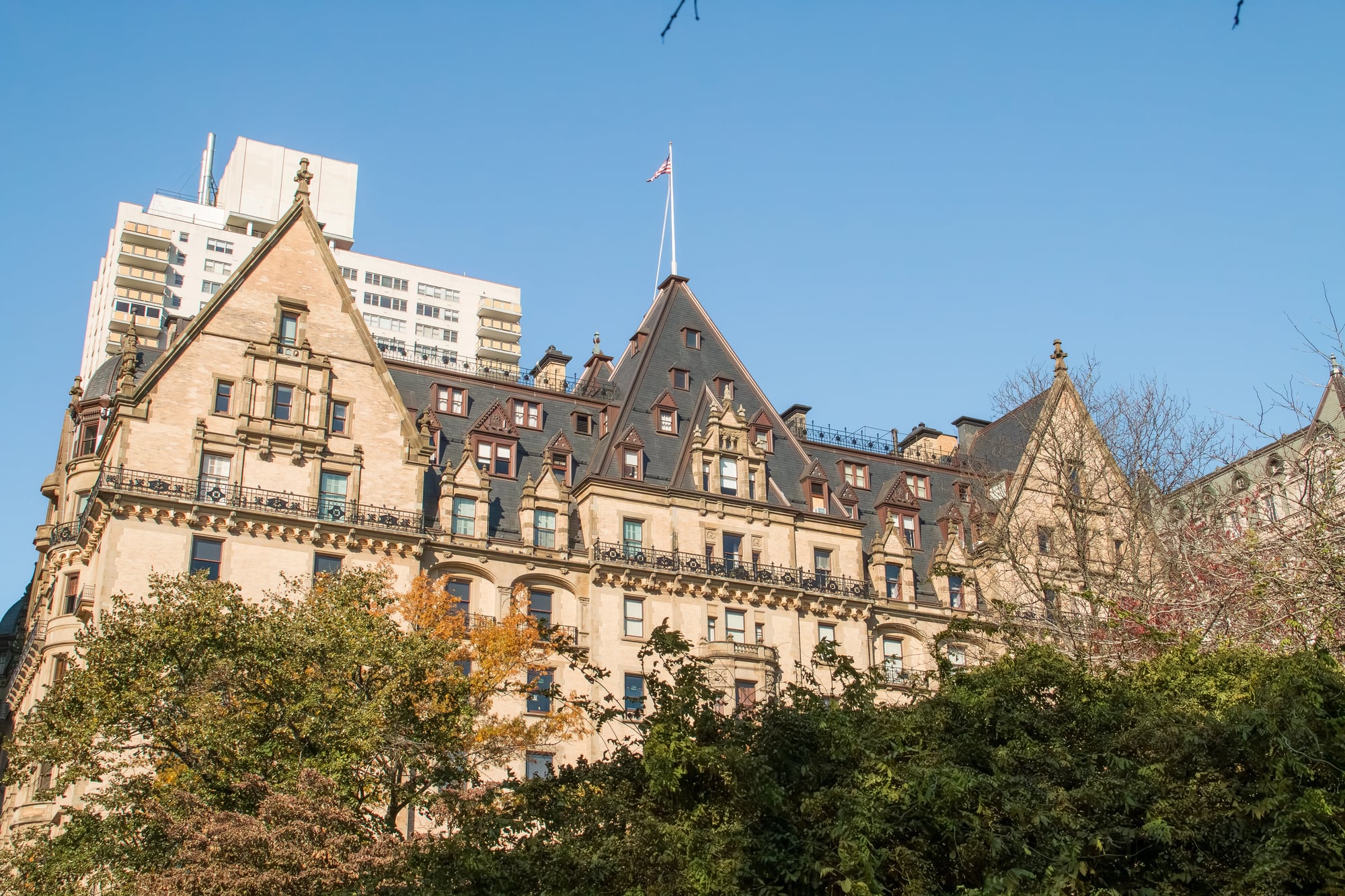
The Gothic Revival fortress on Manhattan’s Upper West Side holds too much history in its stone walls. Lennon and Yoko Ono moved into apartment 72 in 1973, and the building’s imposing presence somehow suited a Beatle who’d grown tired of being accessible.
The Dakota had already earned its mysterious reputation — built in 1884, it looked like something transplanted from a European fairy tale, complete with turrets and gargoyles. Lennon loved the building’s eccentricity and the privacy it afforded.
The apartment became his creative sanctuary, where he wrote songs and raised his son Sean. The building’s entrance, where Lennon was killed in 1980, transformed into an impromptu memorial that still draws visitors decades later.
Madonna’s Castillo Del Lago
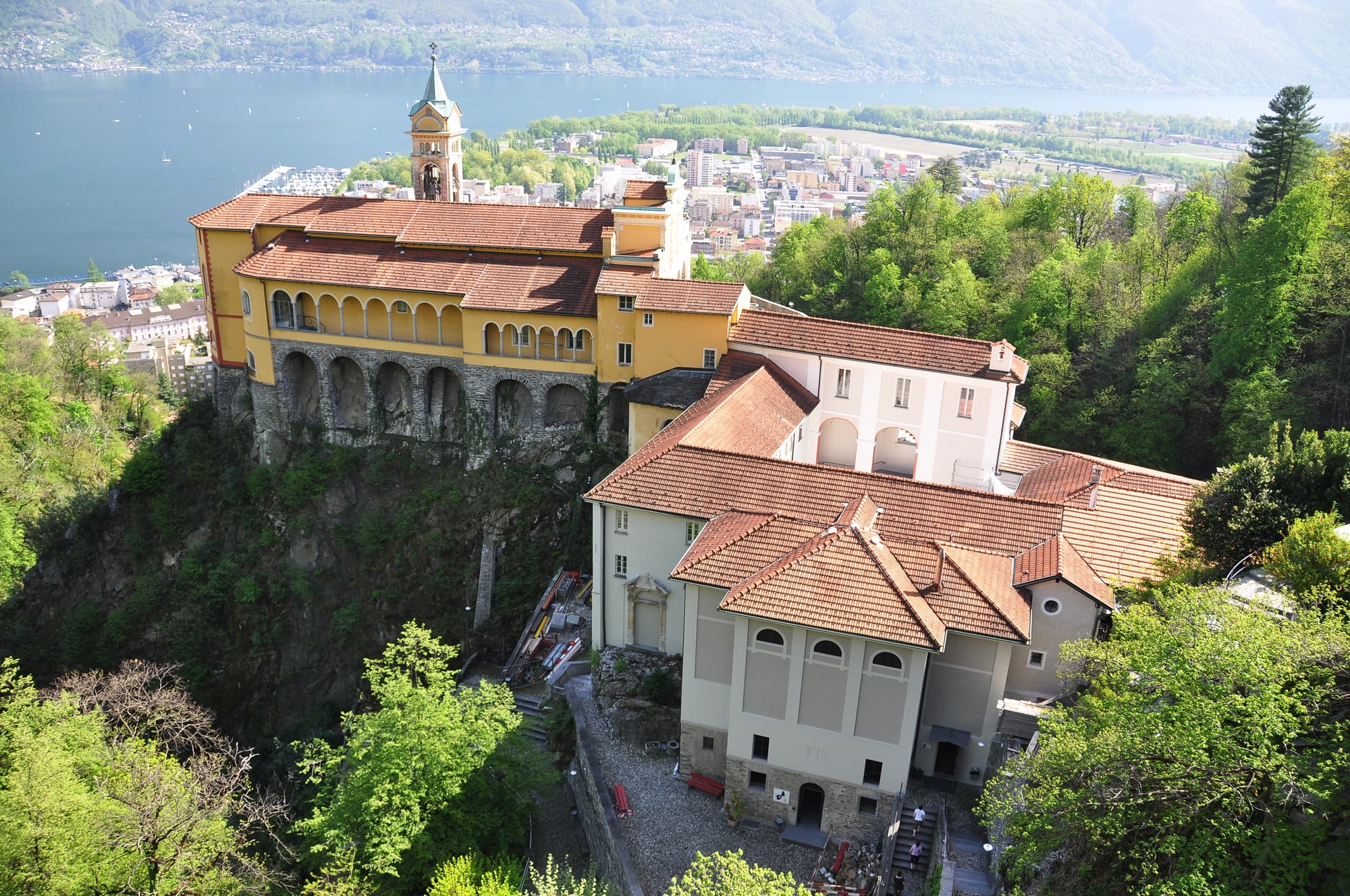
Madonna’s approach to real estate has always been as calculated as her approach to reinvention, and the Castillo del Lago in the Hollywood Hills proved no exception. The 1920s mansion, originally built for a silent film star, came with enough drama baked into its foundation to satisfy even the Material Girl’s appetite for theatrics.
She bought the property in 1993 for $5 million, immediately setting about transforming it into something that matched her evolving persona. The house parties became legendary — and not always for good reasons.
Neighbors complained about noise, traffic, and the general chaos that seemed to follow Madonna wherever she planted roots. The mansion eventually sold, but not before establishing itself as ground zero for some of the most talked-about gatherings of the 1990s celebrity scene.
Frank Sinatra’s Twin Palms Estate
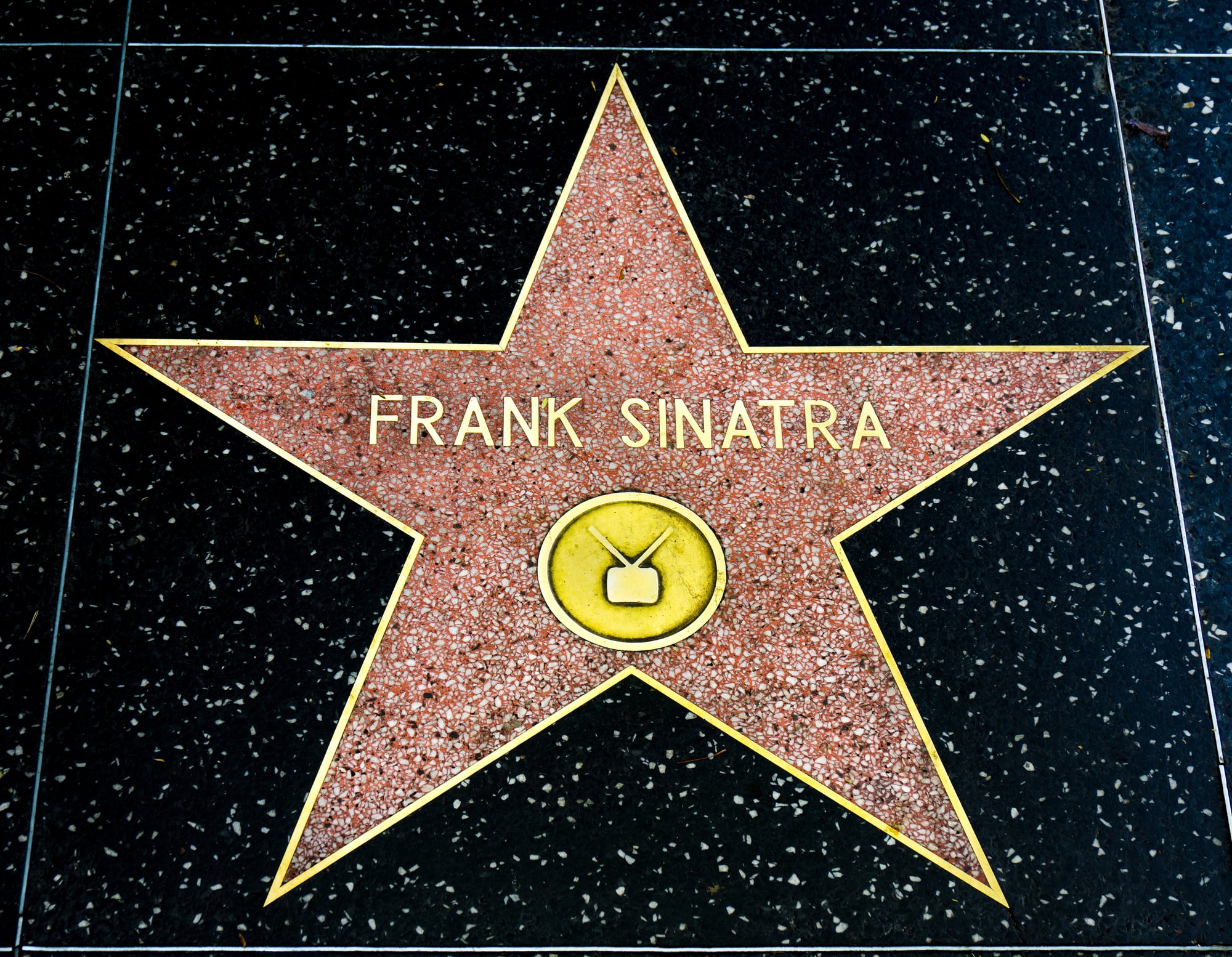
Palm Springs in the 1940s attracted a certain kind of entertainer — those who understood that sometimes you needed to disappear from Los Angeles without actually leaving Southern California. Sinatra’s Twin Palms Estate became the prototype for cool, a mid-century modern oasis where the Rat Pack could drink, scheme, and recover from the demands of fame.
The house itself, designed by E. Stewart Williams in 1947, broke every rule about what a celebrity home should look like. Instead of gothic grandeur or European pretension, Sinatra chose clean lines, floor-to-ceiling windows, and a piano-shaped swimming pool that announced his priorities without apology.
The estate became a weekend refuge where Sinatra entertained everyone from Marilyn Monroe to Jack Kennedy, creating a legend that outlasted the man himself. And yet the house works best when empty, its modernist bones catching desert light in ways that feel both timeless and completely of their moment.
It’s architecture that doesn’t try to impress — it simply exists, confident in its own skin, much like its original owner.
Marilyn Monroe’s Brentwood Home
Monroe’s final home tells a story that Hollywood prefers to whisper rather than shout. The modest hacienda-style house in Brentwood — her first and only real estate purchase — represented something she’d spent her entire career chasing: stability, privacy, and a place that belonged entirely to her.
She bought the single-story home in early 1962 for $75,000, six months before her death. The house was small by celebrity standards, but it offered something more valuable than square footage: anonymity.
Tucked away on a quiet cul-de-sac, it felt more like a retreat than a showplace. Monroe filled it with books, plants, and plans for renovations she’d never get to complete.
Johnny Carson’s Malibu Compound
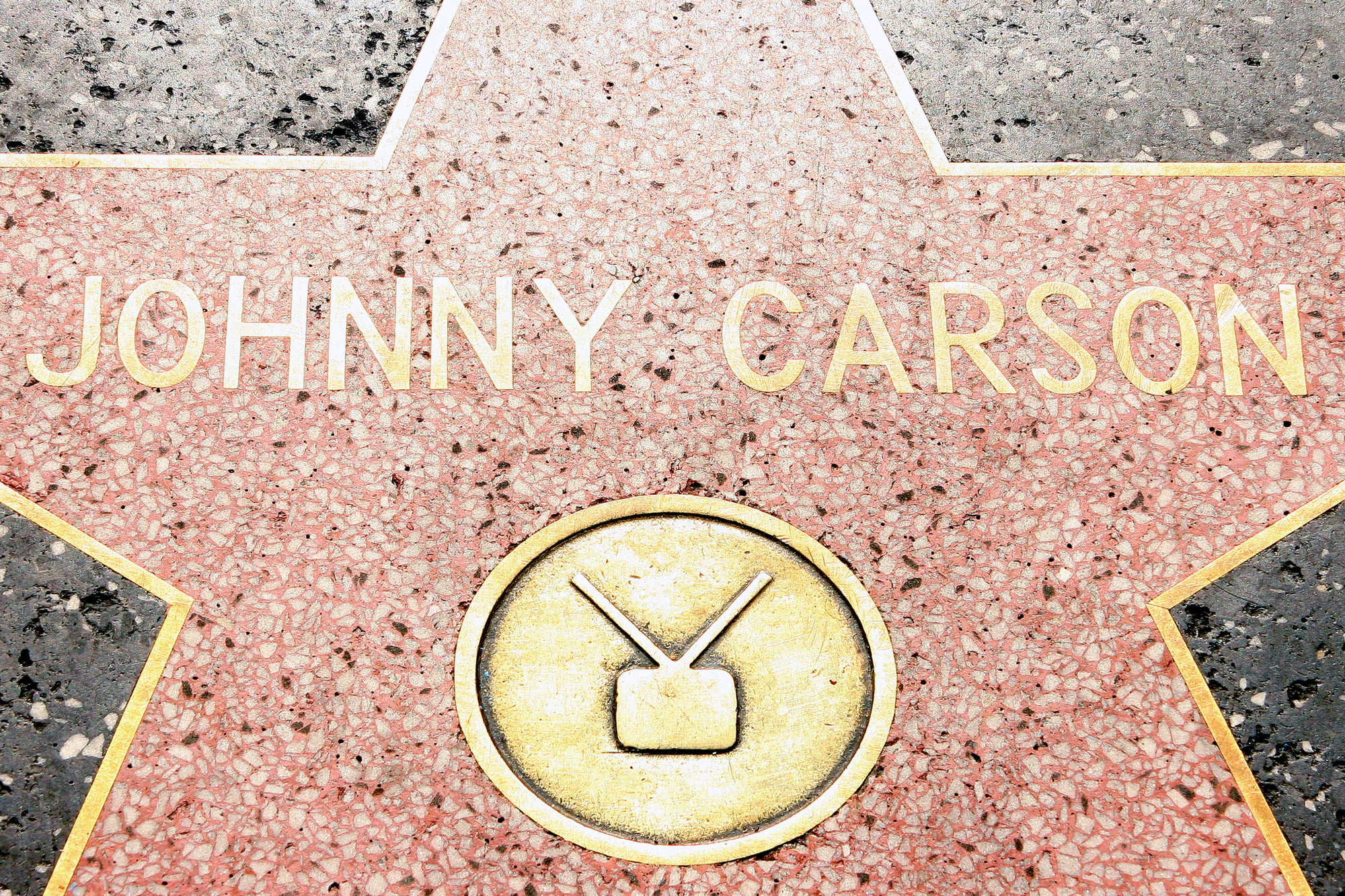
Carson understood that the best way to be interesting was to remain slightly out of reach, and his Malibu estate reflected that philosophy perfectly. The Tonight Show host purchased the beachfront property in the 1980s, creating a compound that felt both welcoming and impenetrable — much like his on-screen persona.
The main house sat on bluffs overlooking the Pacific, designed to maximize ocean views while maintaining complete privacy from the beach below. Carson installed a tennis court, guest houses, and gardens that seemed to flow naturally into the California landscape.
The property became a retreat where he could disappear completely from the public eye, emerging only when he chose to return to the spotlight.
Elizabeth Taylor’s Bel Air Mansion
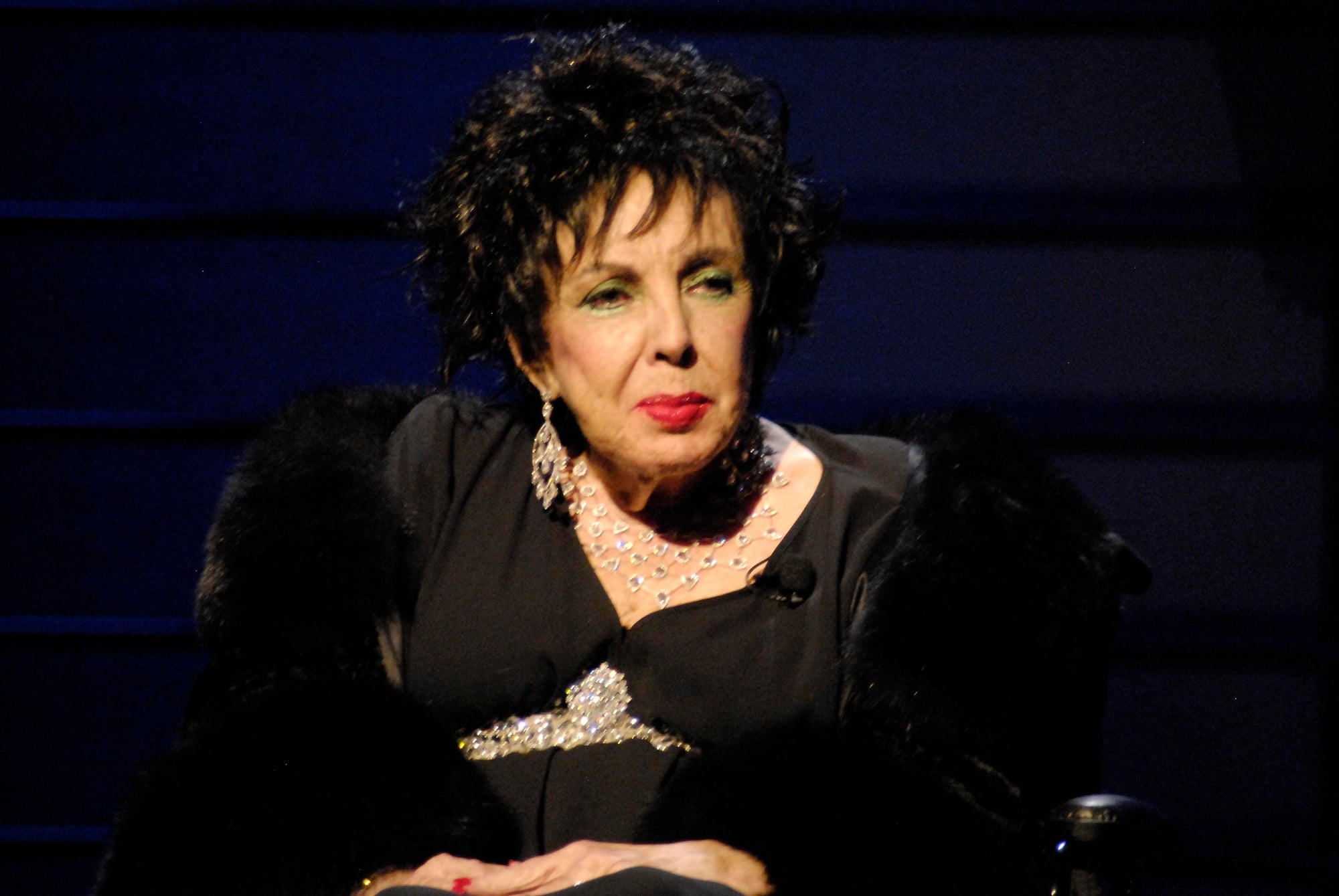
Taylor’s relationship with real estate mirrored her approach to marriage — passionate, dramatic, and subject to frequent change. But the Bel Air mansion she owned during her peak Hollywood years captured something essential about a woman who refused to apologize for taking up space in the world.
The house itself was pure Old Hollywood glamour: sprawling gardens, a pool that served as the backdrop for countless parties, and rooms designed for entertaining on a scale that matched Taylor’s legendary appetite for living. She decorated with the same intensity she brought to her performances, filling the space with art, antiques, and enough drama to fuel a dozen gossip columns.
The mansion became a stage where Taylor could perform the role of Elizabeth Taylor, complete with an audience of Hollywood royalty and hangers-on who understood they were witnessing something that couldn’t be replicated.
James Dean’s Sherman Oaks Duplex
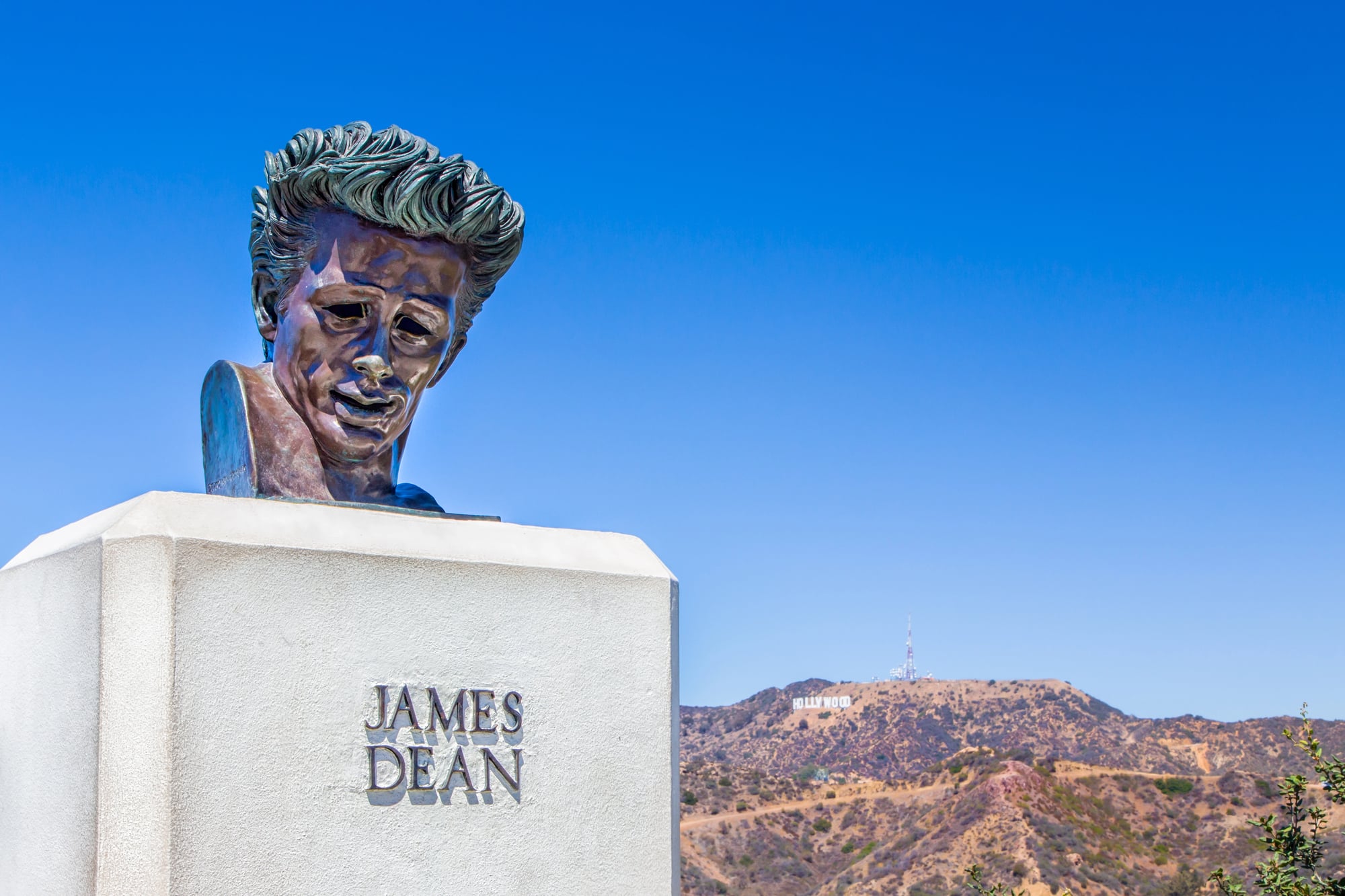
Dean lived fast, died young, and left behind a rental duplex in Sherman Oaks that somehow captures more about his brief, burning career than any mansion could. The modest two-bedroom unit wasn’t much to look at — standard 1950s architecture with thin walls and a shared driveway — but it housed one of the most intense creative periods in film history.
Dean rented the place in 1954 while filming “East of Eden,” transforming the small space into something between an artist’s studio and a teenager’s bedroom. He covered the walls with photographs, poetry, and sketches, creating a visual diary of his thoughts and obsessions.
The duplex became a gathering place for young actors and artists who recognized they were witnessing the emergence of something new in American culture. The building still stands, largely unchanged except for the plaque that marks its significance.
But there’s something perfect about Dean’s legacy being preserved in such an ordinary space — it reminds you that greatness often emerges from the most unlikely places.
Prince’s Paisley Park

Paisley Park was never just a house or even just a recording studio. Prince designed it as a complete creative ecosystem, a place where music could be made at any hour without compromise or interruption.
The 65,000-square-foot complex in Chanhassen, Minnesota, became the physical manifestation of his artistic vision — sprawling, unconventional, and completely self-contained. Prince moved into Paisley Park in 1987, having overseen every detail of its construction.
The building contained recording studios, rehearsal spaces, offices, and living quarters, all designed to Prince’s exacting specifications. The complex operated as his creative headquarters for nearly three decades, producing some of his most innovative work while serving as a refuge from the music industry’s demands.
The building’s exterior gave no hint of the creative ferment happening inside — it looked more like a corporate office park than a musical wonderland. But that anonymity was intentional, allowing Prince to work without attracting unwanted attention to his suburban sanctuary.
Judy Garland’s Bel Air Home
Garland’s homes throughout her career reflected the trajectory of her life — starting grand and growing smaller as the years wore on, but never losing their essential warmth. The Bel Air house from her peak MGM years captured her at the height of her powers, when “The Wizard of Oz” had made her America’s sweetheart and the future seemed limitless.
The traditional Colonial-style mansion felt deliberately normal, as if Garland was trying to create a life that resembled the American dream she sang about so convincingly. She filled it with the usual trappings of success — fine furniture, expensive art, a swimming pool — but the house was famous for its parties, where Garland would inevitably end up at the piano, leading impromptu sing-alongs that lasted until dawn.
The house represented everything Garland wanted from fame: security, comfort, and a place to share her gift with people she cared about. That it couldn’t ultimately provide the peace she was seeking doesn’t diminish the hope she invested in those rooms.
Whitney Houston’s Mendham Estate
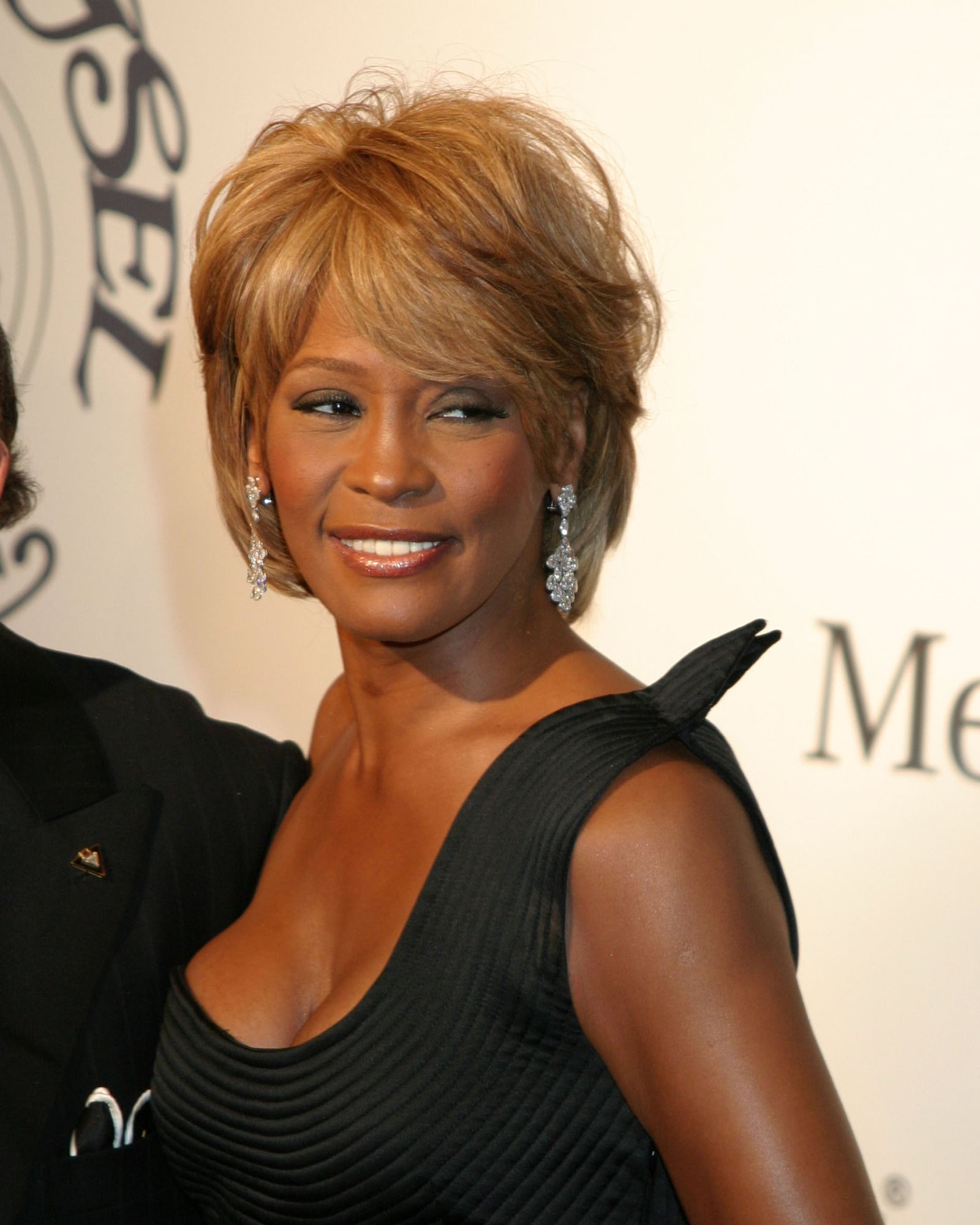
Houston’s New Jersey mansion stood as a monument to the kind of success that seemed impossible to sustain. The 13,000-square-foot Georgian colonial sat on 12 acres in Mendham, purchased at the peak of her career when her voice could sell millions of records and fill any venue in the world.
The estate included everything a superstar could want: a recording studio, tennis court, swimming pool, and gardens that provided complete privacy from the outside world. Houston decorated the interior with a mixture of traditional elegance and personal touches, creating spaces that felt both grand and intimate.
The house became a retreat where she could escape the pressures of fame and focus on her family. But houses can’t protect their owners from their own demons, and the Mendham estate gradually became less a sanctuary than a beautiful prison.
The mansion stood empty for years after Houston’s death, its grandeur serving as a reminder of how quickly success can slip away.
Heath Ledger’s SoHo Loft
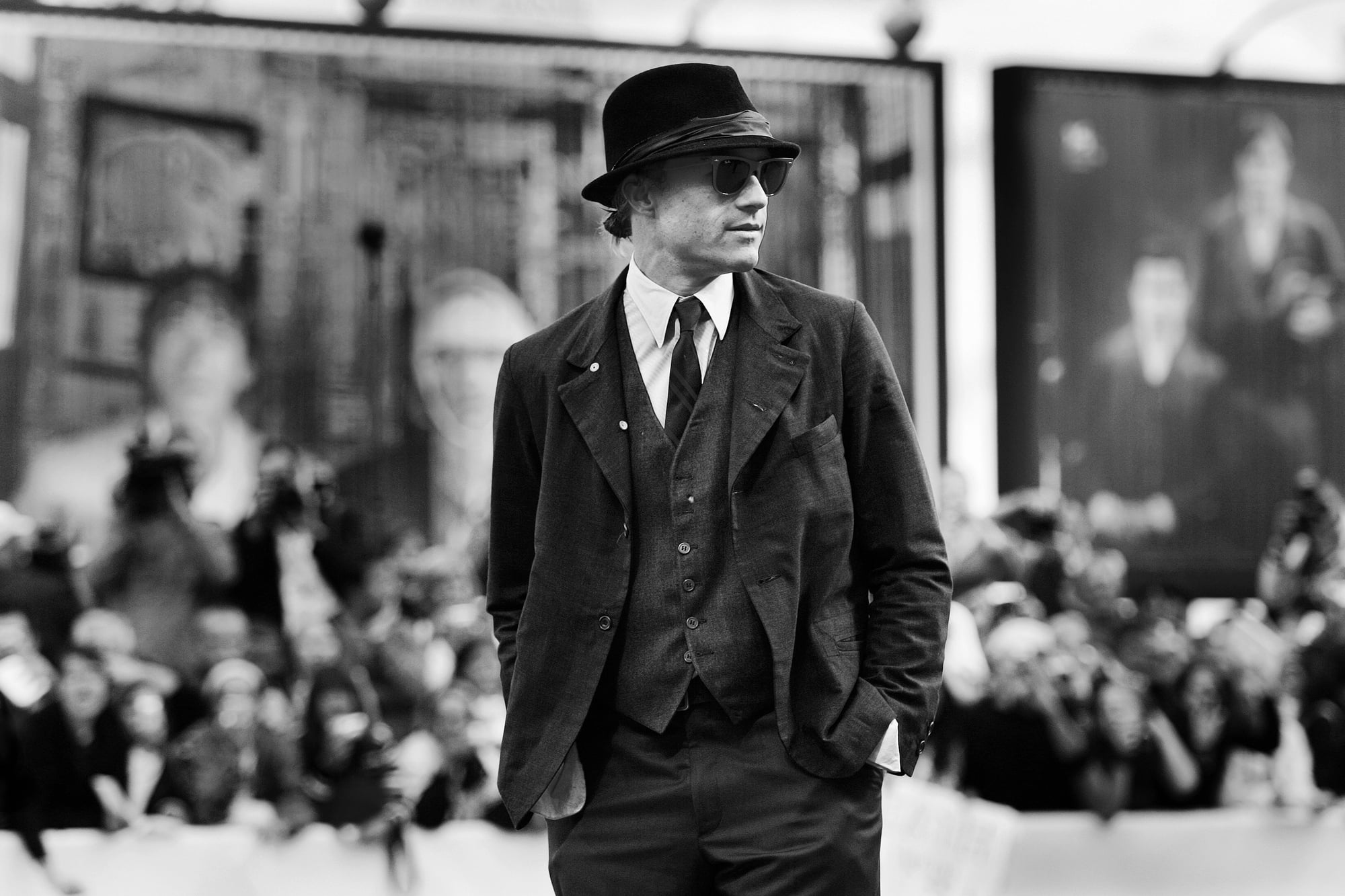
Ledger’s loft in SoHo represented everything he loved about New York — creative energy, anonymity, and the freedom to disappear into the city’s rhythm. The space itself was typical of converted industrial buildings in the area: exposed brick walls, high ceilings, and windows that flooded the rooms with natural light.
Ledger used the loft as both home and workspace, filling it with art supplies, musical instruments, and the chaos that accompanies serious creative work. The space reflected his restless intelligence — books stacked everywhere, film equipment scattered across tables, walls covered with photographs and sketches that mapped his artistic interests.
The loft became a gathering place for other artists and actors who appreciated Ledger’s commitment to craft over celebrity. It was a space designed for making things rather than displaying success, which perfectly suited an actor who seemed more interested in disappearing into roles than basking in fame.
A Place Where Stories Live
These houses remind us that celebrities are collectors of experiences just like everyone else — they simply have the resources to collect on a grander scale. Behind every famous address lies the same human desire for a place to call home, somewhere to drop the performance and simply exist.
The fact that their private spaces become public fascination says more about our hunger for connection than it does about their need for attention.
More from Go2Tutors!

- The Romanov Crown Jewels and Their Tragic Fate
- 13 Historical Mysteries That Science Still Can’t Solve
- Famous Hoaxes That Fooled the World for Years
- 15 Child Stars with Tragic Adult Lives
- 16 Famous Jewelry Pieces in History
Like Go2Tutors’s content? Follow us on MSN.